Posted on

Is the original OM-1 going to get some of the Mark II goodies?

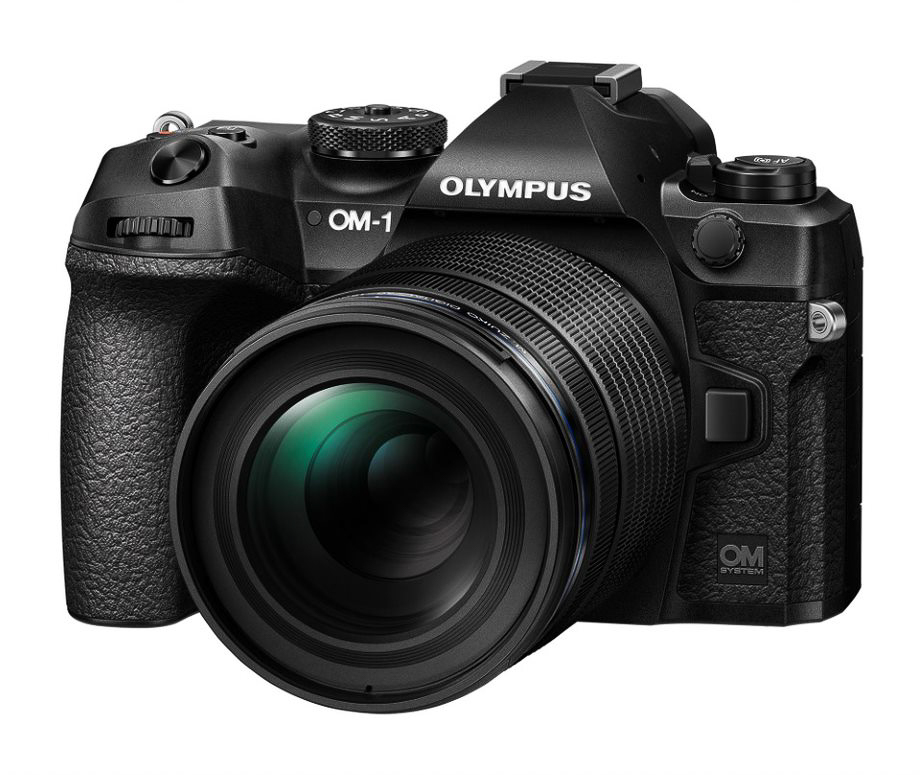
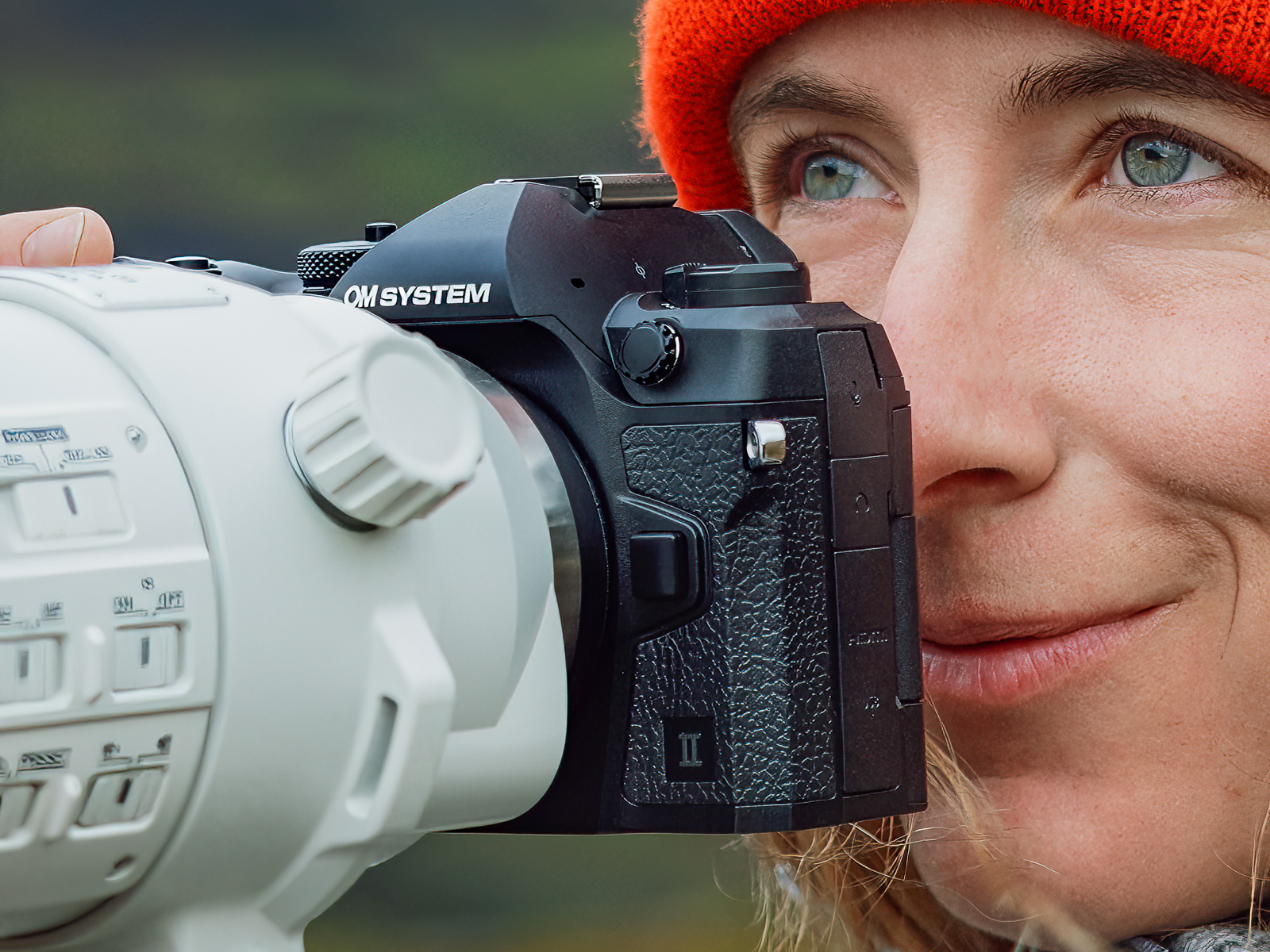
OM System OM-1 Mark II

OM System needs to be clearer about this

OM System needs to keep an eye on a potential row that is brewing in part of its loyal customer base – users of the original Olympus OM-1.

That flagship camera was replaced, yesterday 30th January, by the OM System OM-1 Mark II, after only 2 years.

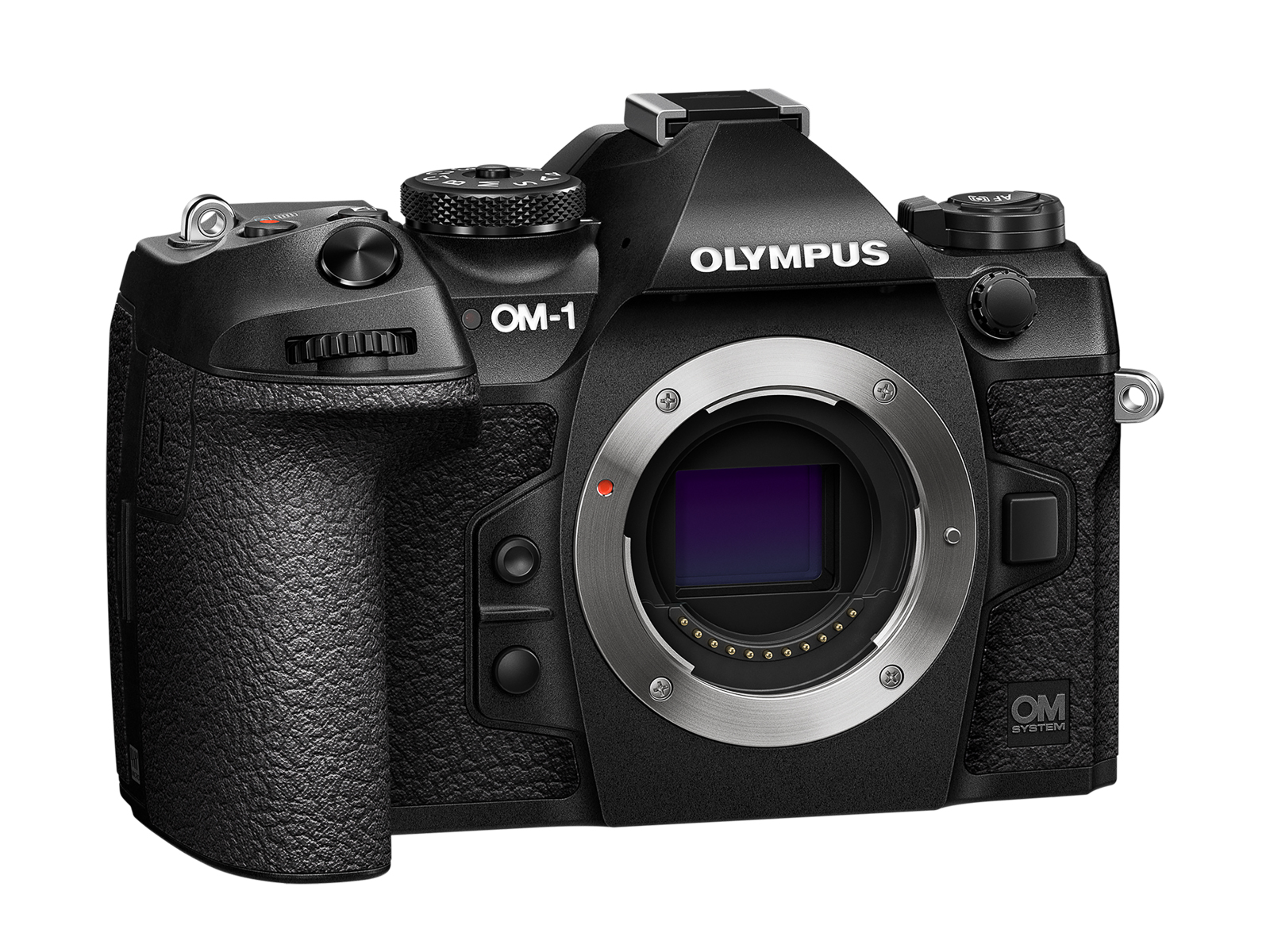
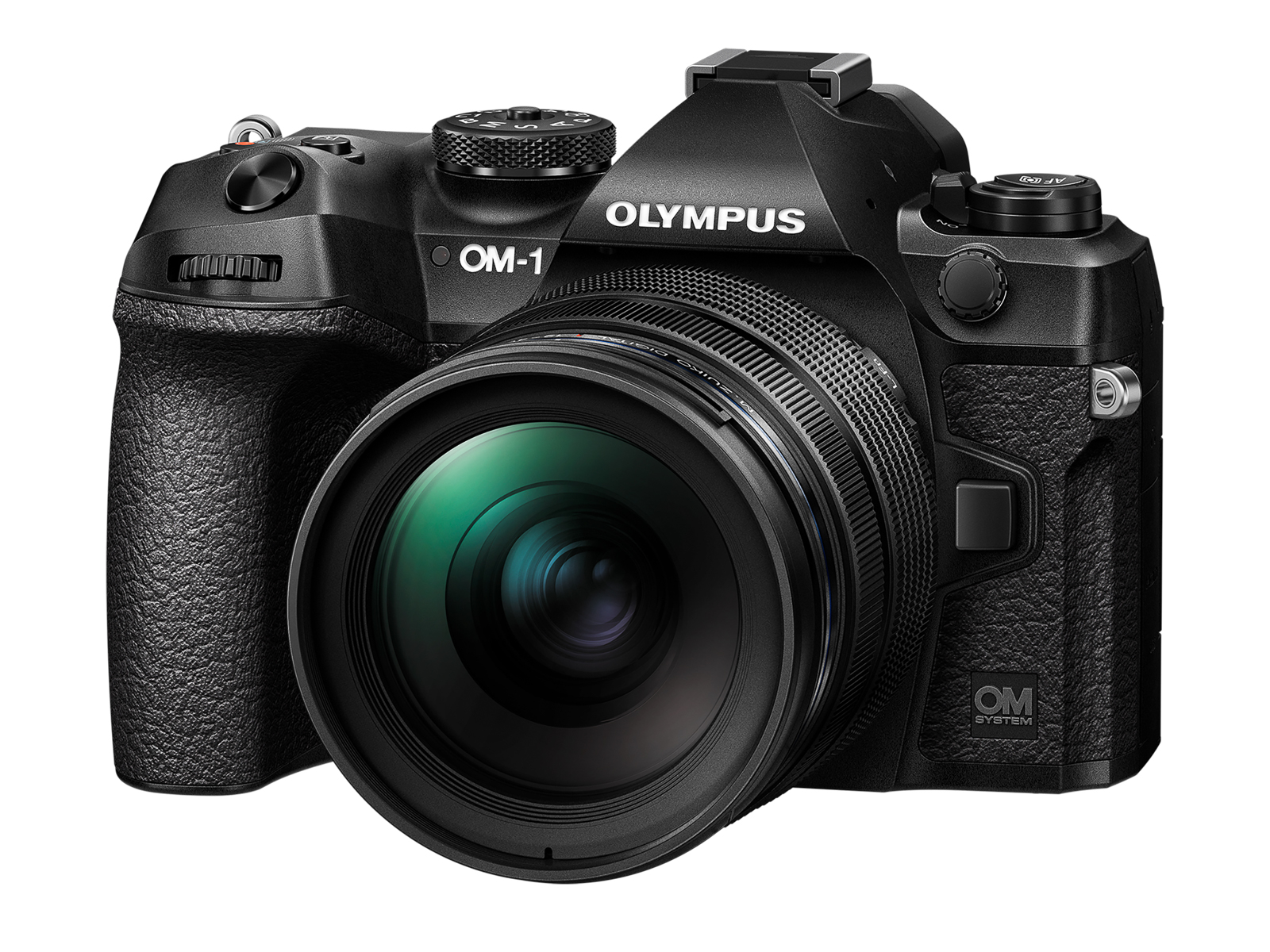
Pretty much unchanged on the outside, apart from OM System, instead of Olympus, branding, the Mark II is, according to the manufacturer, only different on the inside through the expansion of buffer memory for fast sequential shooting, and this has been doubled. The sensor, image processor, shutter, image stabilisation mechanics, viewfinder OLED, et al, are the same as its predecessor.

Nevertheless, the Mark II offers an attractive batch of functional improvements, thanks to improved software algorithms, and new code that adds new tools. These include:

  • An extra stop of darkness afforded by the Live ND digital neutral density filter mode.
  • The debut of a Live GND tool, which lets you apply a graduated Live ND filter effect to the image you are about to capture.
  • When using the camera’s High Res Shot mode, offering real-time aggregation of multiple, sensor micro-shifted, donor images to increase recorded resolution from 20 to 50, or even 80 megapixels, the recorded RAW file can now include 14-bits of tone instead of 12.
  • There’s improved AI training for the autofocus subject identification and tracking system, plus improved algorithms to increase the reliability of the AF system
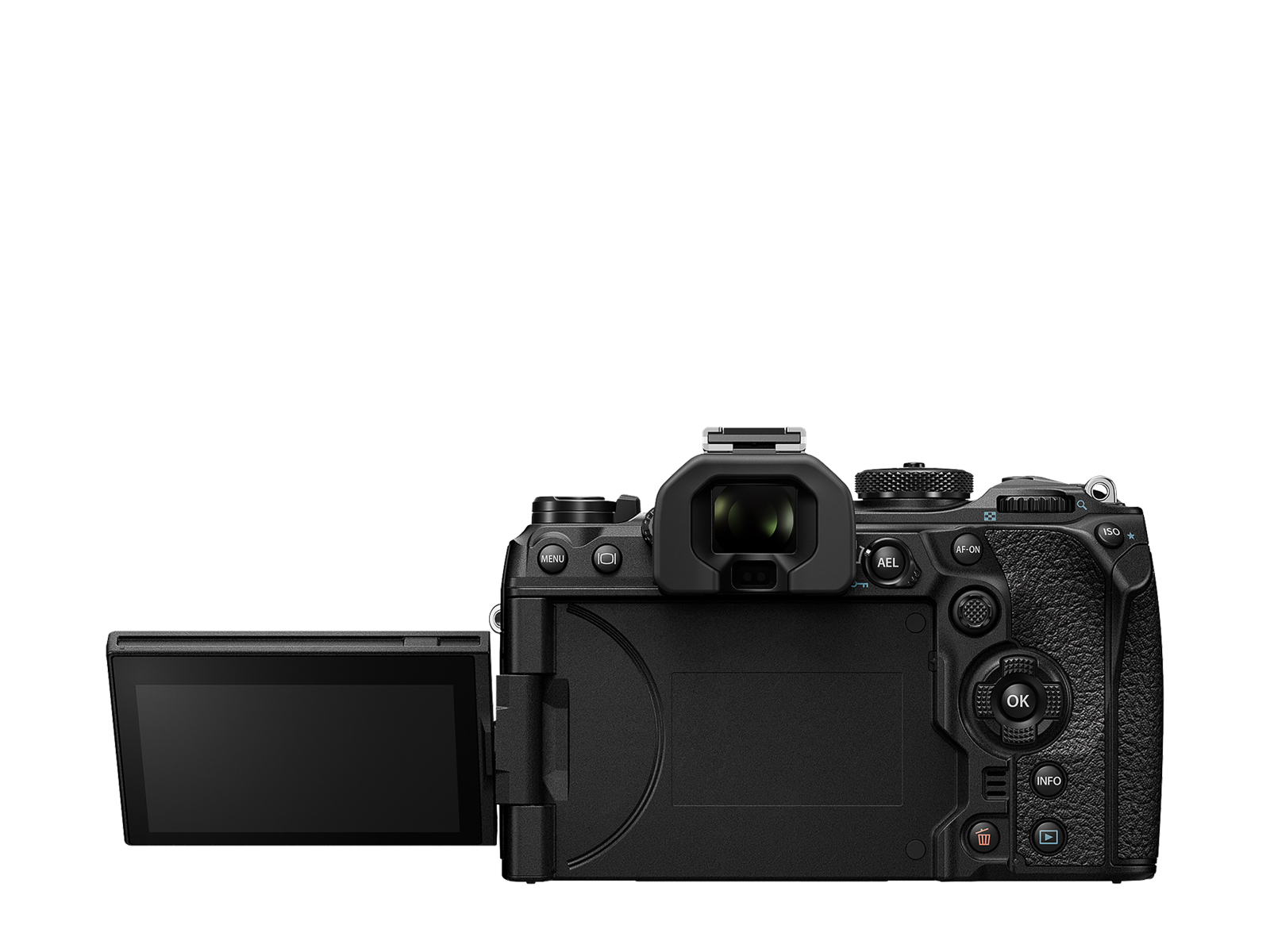
  • A small but, for some, a much-appreciated tweak, is that you can now reprogram a button on the right hand side of the back of the camera to relocate the Menu button from the left side, enabling one-handed use.
  • OM System say that the focus stacking and focus shifting process now works faster – though it’s not clear if that’s improved algorithms again, or because the memory buffer is bigger.

Happy days! OM System has cleverly increased the performance and utility of the camera without needing to redesign and re-tool the chassis, and we assume that, internally, there is only a modified circuit board to accommodate the extra buffer RAM.

But doesn’t that mean the software-based improvements could work on the original OM-1, delivered via a firmware update?

Some irony is that Olympus was one of the pioneers of firmware updating via the Internet and every Olympus DSLR and mirrorless camera, over the last 21 years, has benefitted, for fixing bugs, improving compatibility with new lenses, and the like. But what about adding new features?

Yes you can!

Actually, yes! The original Olympus E-M1 added a long list of new functions with release 2.0 of its firmware, including keystone compensation, tethered shooting, Live Composite shooting mode, etc. Release 4.0 added even more, including focus stacking and focus bracketing. Other camera marques have also released major firmware updates that add functionality to their cameras.

So seasoned OM-1 owners can look forward to some of the software goodies developed for the OM-1 Mark II. Or can they?

OM System has not made a categorical statement regarding firmware updates for the original OM-1. I’ve heard from OM System representatives that there are ‘no plans’. Others have been told that the functional and performance improvements in the Mark II depend on the extra buffer memory it enjoys. But it’s all a bit vague.

Hope, expectation, logic, and reality are still in flux. Logic suggests that as so little of the digital electronics of the camera has changed, that the newly-coded Mark II functionality MUST work on the original OM-1. This is further amplified by hope and expectation, of course.

Certainty

We need certainty. Someone knows which of the following is correct:

Is it a) – at least some of the functionality is coming, but the OM-1 Mark II is the priority for now. Or is it b) – the new code can’t, technically, be adapted to the original OM-1, for X reasons.

Of course, there might be a c) – ‘we’re finished with the old OM-1, and though we could put the effort into updating older cameras with some of the new functionality, we aren’t going to, for commercial reasons’.

Naturally, I hope reality turns out to be a), but c) really is a possibility – OM System is a relatively small player and it needs to watch its costs much more carefully than its bigger competitors.

But my next question is – how much is goodwill worth to your existing customers, and can OM System afford to disappoint even some of them?

Update for a fee?

I’ve seen evidence that some OM-1 users could be persuaded to pay a sensible fee, whatever that might be, for access to some of the Mark II functionality.

But getting back down to earth, the fact is that we do need more clarity from OM System. If there is definitely no chance at all, ever, of any of the new functionality being provided to users of the original OM-1, then so be it – but do tell us, without ambiguity.

Discuss this article?

The heart of our site is our friendly discussion forum, dedicated to users of Olympus, OM System, and other users of compatible Four Thirds and Micro Four Thirds gear. Check out the discussions here.
Posted on

The digital OM System ‘Olympus OM-1’

OM Digital Solutions have been generating a lot of pre-launch excitement about its first new ‘E-M1’ line of cameras since it acquired the Olympus camera division last year. There are also two new, OM System-branded, lenses. So is it worthy of the pre-launch marketing hype? (And don’t miss the full product image gallery at the bottom of the article.)

Headline features

  • ‘Olympus’ brand retained for one last time to mark the 50th year since the introduction of the original 35mm film OM system.
  • Significantly more features and radically greater performance than the previous E-M1x flagship model but in a compact body similar in size and weight to the E-M1 Mark III.
  • Completely, new ultra-fast frame rate, ’backside illuminated’ (BSI) and stacked 20-megapixel sensor that OMS says will increase the ISO noise headroom by no less than two stops and increase dynamic range by 1 stop. More on this, in detail, later.
  • ISO range now ranges from 80-25,600, Live ND provides ND 2-64.
  • A new type of cross quad pixel phase detection focus point is used and there is a radical increase in number from 121 to 1,053m, covering most of the frame.
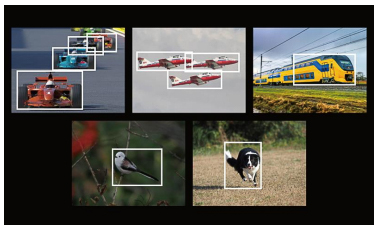
  • Significantly improved AI-driven AF subject identification and tracking and continuous focusing at faster sequential frame rates. Dogs and Cats are now identifiable by the AI system.
  • TruePic X image processor chip-set is three times faster than the previous TruePic IX
  • Additional AF On button.
  • A brand new doubled resolution viewfinder using OLED display tech with view magnification up to 1.65x and further reduced latency.
  • Black-out free sequential shooting at up to 120 frames per second.
  • Improved resolution rear display screen.
  • Dual UHS-II SD Card slots.
  • Improved IP53 dust and splash-proof rating.
  • Redesigned menu system for improved ease of use.
  • 4K video shooting without cropping and no more 29 minute clip recording limit.
  • Image stabilisation now offers up to 8 EVs of compensation depending on lens used.
  • Hires modes are now processed in as little as 5 seconds instead of 12 and the mode is now selectable by using the video record button.
  • A new, smaller, 20% higher capacity, BLX-1 battery which can be charged in-camera via USB-C.
  • Optional dual-slot BCX-1 battery charger, USB-C power compatible.
  • New optional HLD-10 dual battery portrait mode grip.
  • New optional multiple function RM-WR1 Wireless (Bluetooth up to 5m) or wired remote control.
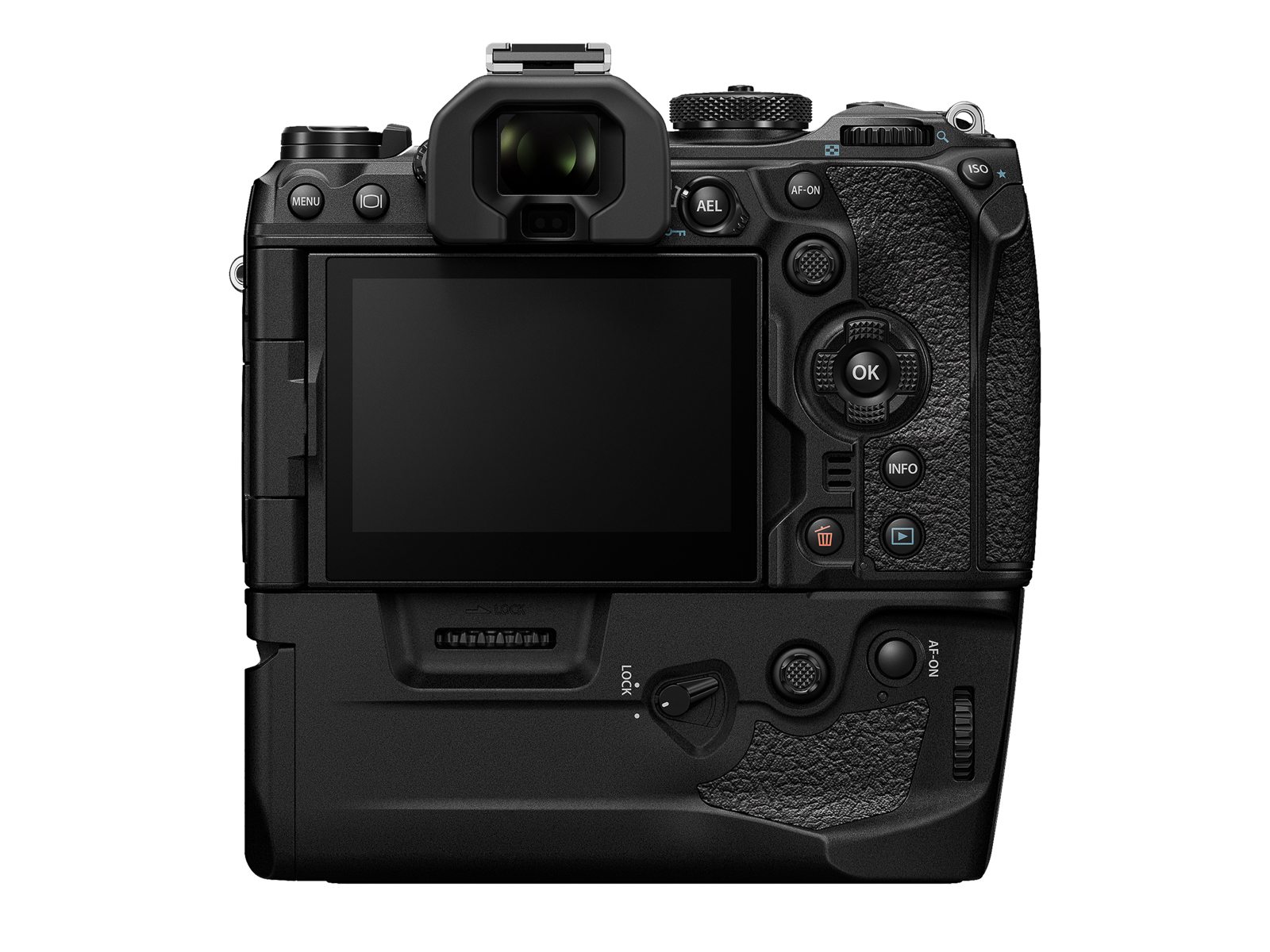
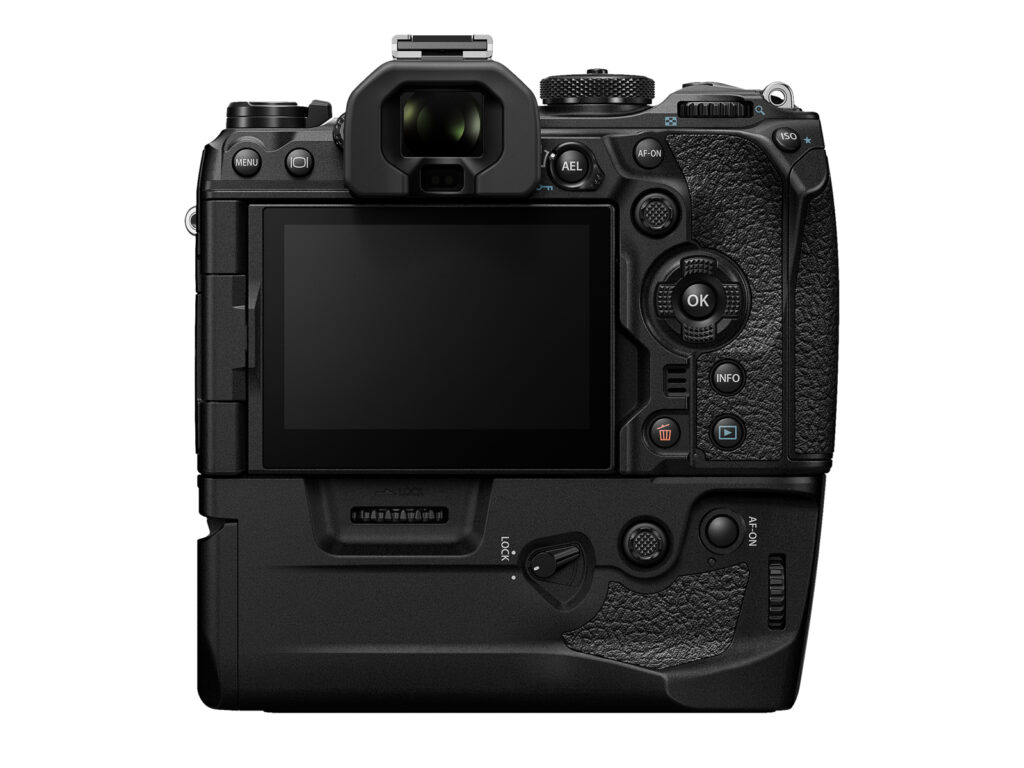
Olympus OM-1 rear with HLD-10 grip

Comparing old and new

While specifications for the new digital Olympus OM-1 have been widely leaked, it’s important to put the details into some context. Although the exterior design of the OM-1 is a mild evolution of the E-M1 series, effectively filling the role of what would gave been an E-M1 Mark IV, everything under the skin is a major upgrade in performance and ability.

The OM-1 significantly out-performs the E-M1X in almost every way thanks to its new sensor and and Truepic X image processing engine. And your view through the viewfinder is bigger, more detailed, less flickery, with less lag, and mostly without exposure blackouts when using silent (sensor shutter) modes. The battery will last at least 20% longer and significantly better than that when using silent shutter modes.

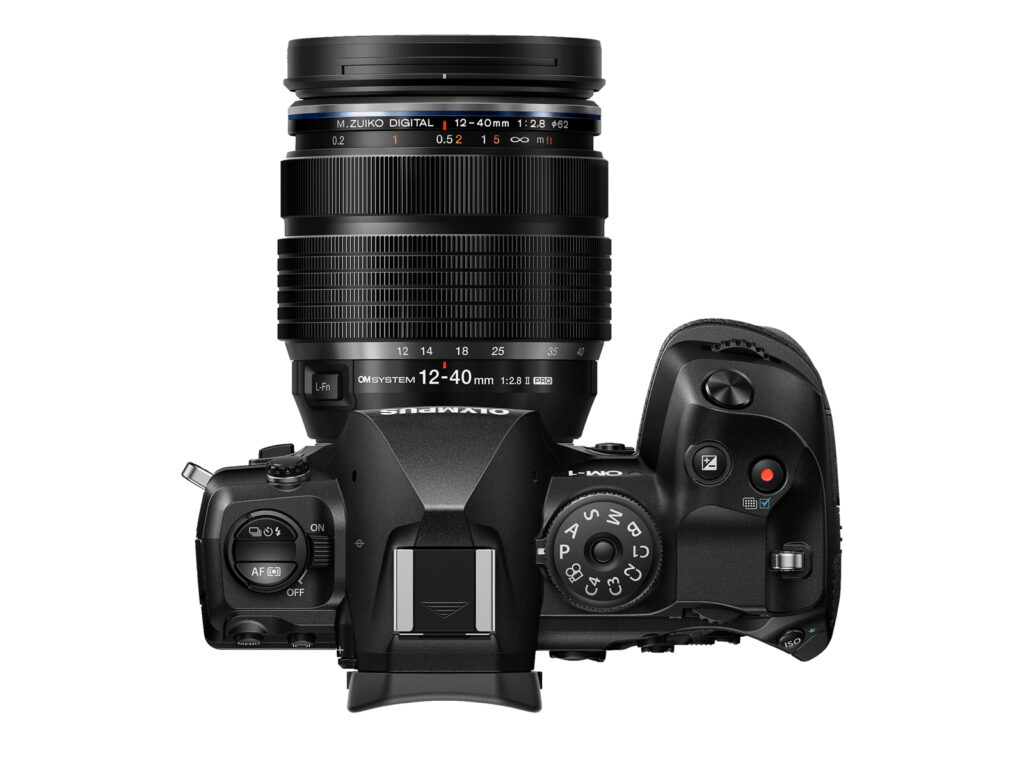
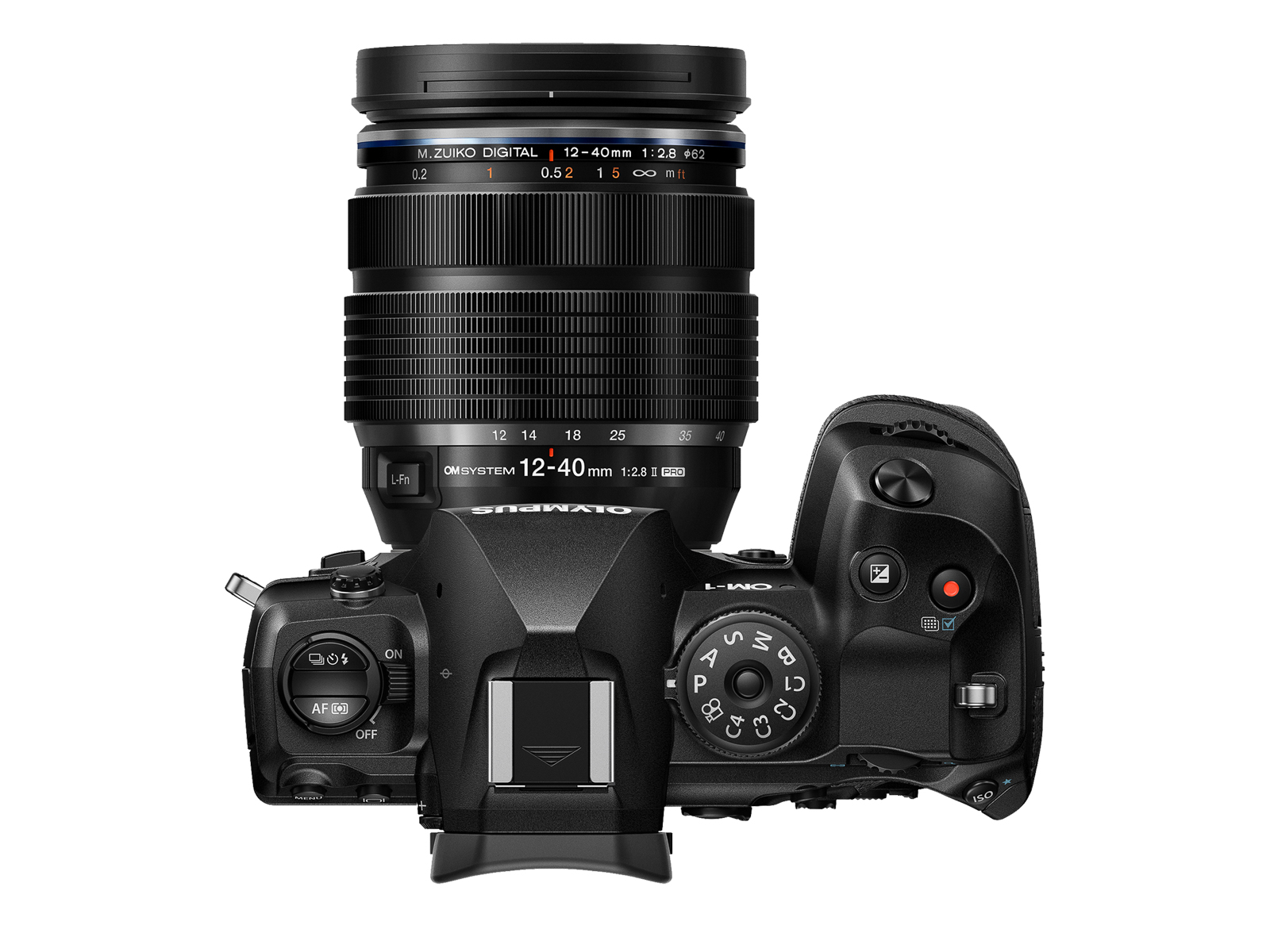
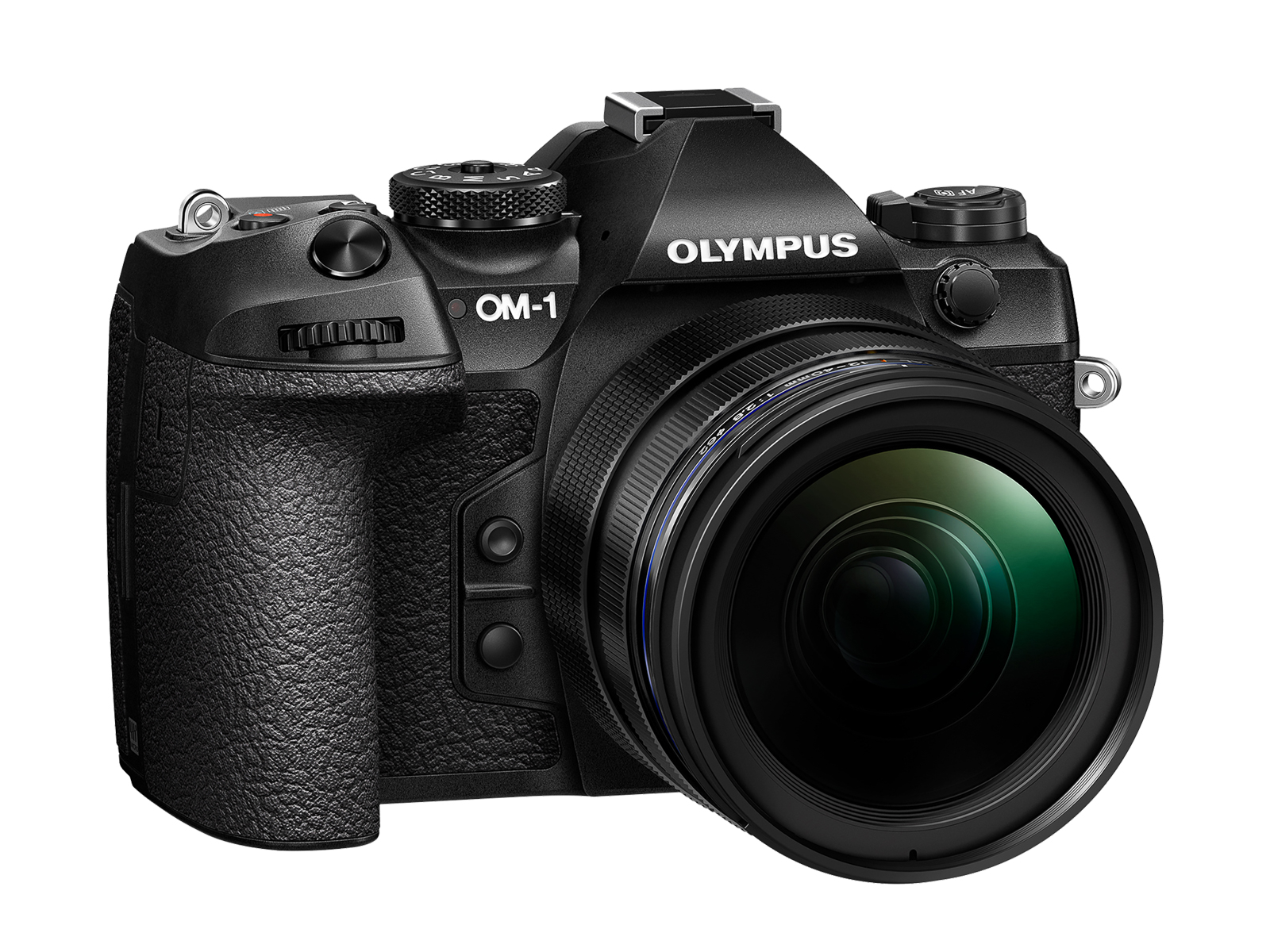
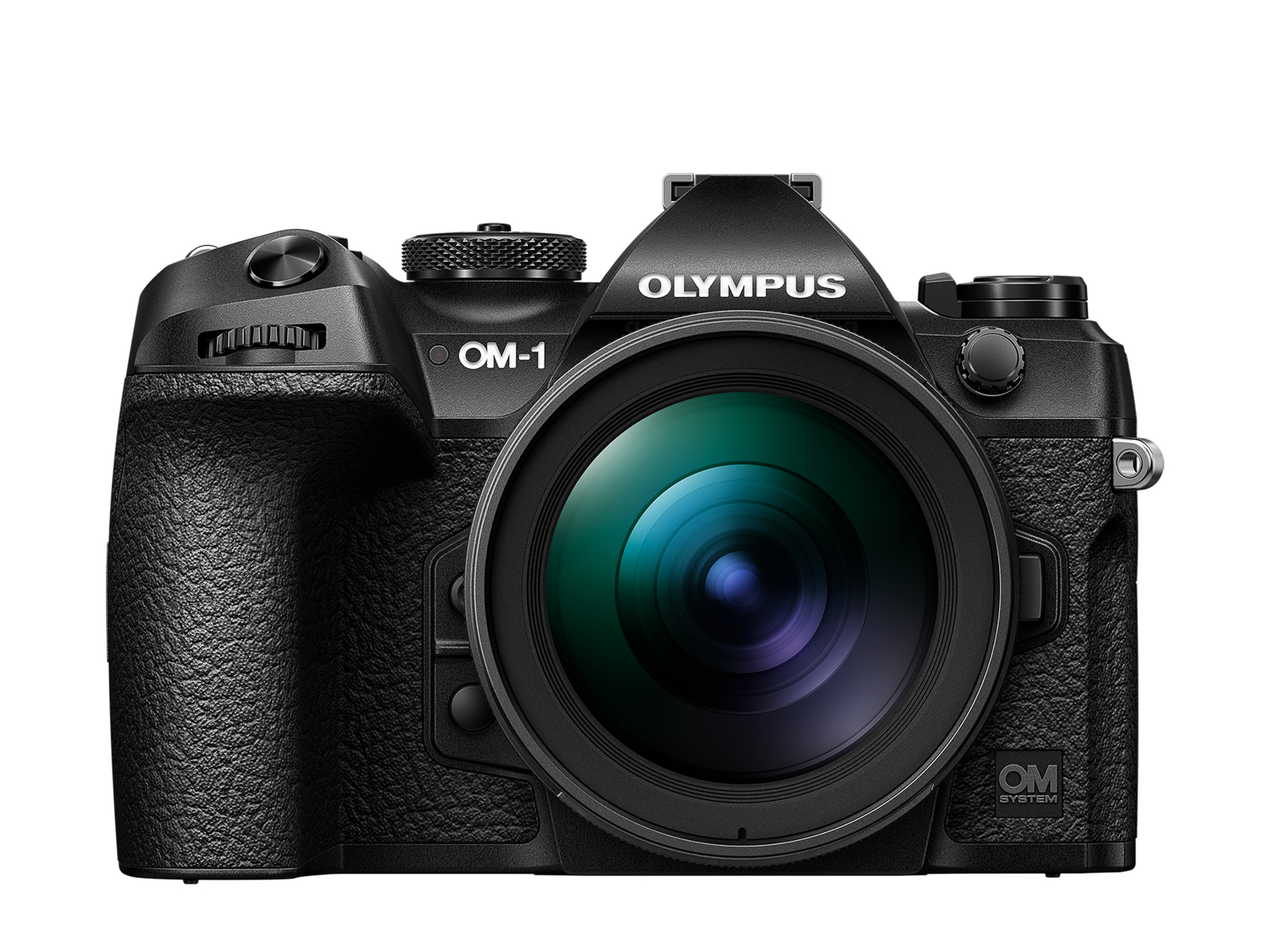
Olympus OM-1 top view with 12-40mm f/2.8 Pro II lens

There is no increase in sensor resolution, but thanks to the new sensor’s design you get a step change reduction of two stops in high-ISO noise, a 1 stop improvement in dynamic range and and with a doubled frame read-out rate and the 3x faster Truepic X engine you can shoot at up to 120fps.

On top of all that, the rear screen gets a resolution increase for the first time since the E-M1 was originally launched and the amazingly versatile and comprehensive, if heavy-going, menu system and super control panel has been redesigned with the goal of making it easier to use.

The new sensor and what it means

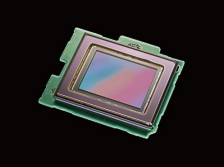
For the first time, we have a BackSide Illuminated (BSI) sensor and it’s ‘stacked’, meaning the photodiode layer, the part that is light-sensitive is on top of the electronic circuitry (the transistors and wiring). What does this mean?

The new Live MOS Sensor

Traditional CMOS sensors place the transistor circuitry around the microlenses of each photodiode (representing one light-sensitive pixel). This means a high percentage of the surface area of the sensor isn’t gathering light. That limits the sensitivity of the sensor, meaning more noise and lower dynamic range – the limitation which the photodiode reaches saturation.

BSI sensors, originally introduced to improve the performance of very small sensors used in applications like smartphones, effectively turns the sensor around and opens up the rear surface to illuminate the photodiodes. This means larger microlenses can be used and much less light is lost in-between each photodiode. The result is much better performance in low light, meaning a much-improved noise ceiling, but the photodiodes still have a low saturation limit.

By stacking the transistor circuitry behind the photodiode, creating a new layer, room on the photodiode layer is released to increase the size of the photodiode so it can collect more photons before it becomes saturated. This is where the improvement in dynamic range comes from; the sensor can record brighter highlights before the saturated limit.

These improvements now mean the new sensor can claim to be competitive with noise and dynamic range performance characteristics of many full-frame sensors. However, it should be noted that the very latest full frame sensors are also benefiting from these sensor tech advances.

The new sensor’s read-out speed has been doubled, too, enabling full-resolution RAW images to be recorded at up to 120 frames per second. Meanwhile, the new cross-quad phase detect focus points can be evaluated twice as fast, too – and there are 1,053 of them instead of just 121. That’s a lot f data being read from the sensor, very fast, but the new Truepic engine has been boosted by 3x to deal with it. Continuous focusing can now operate at up to 50 frames per second.

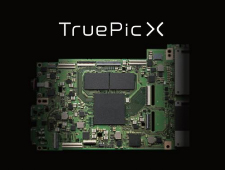
TruePic X image processor

Adding it all up

The OM-1 can do virtually everything the big and heavy E-M1x can do, better and faster, in a smaller and lighter body. If you need a pro-style portrait-shooting control grip and extended battery capacity, you have the HLD-10 option. It’s the same message when comparing the OM-1 with the E-M1 Mark III, though they share similar size and weight.

The new sensor and TruePic X combination promise big improvements in the AF performance. I’m told that the AI subject ID ‘knowledge’ and associated algorithms have both improved, apart from the increase in sensor read-out and processing power. The addition of extra subject types, like cats and dogs, that are recognisable is also welcome.

Pricing and availability

The body price is £1,999.99 (€2,199.99) – there are some added value promotions if you pre-order.

The OM-1 body and the new 12-40mm f/2.8 Pro II and the new 40-150mm f/4 Pro are scheduled to ship next month (March).

Concluding

Of course, understanding what the OM-1 should be capable of is one thing. Seeing it in action and seeing real results is another. But there is very little doubt that the OM-1 is much more than a routine, evolutionary, upgrade.

See the discussion on the forum here

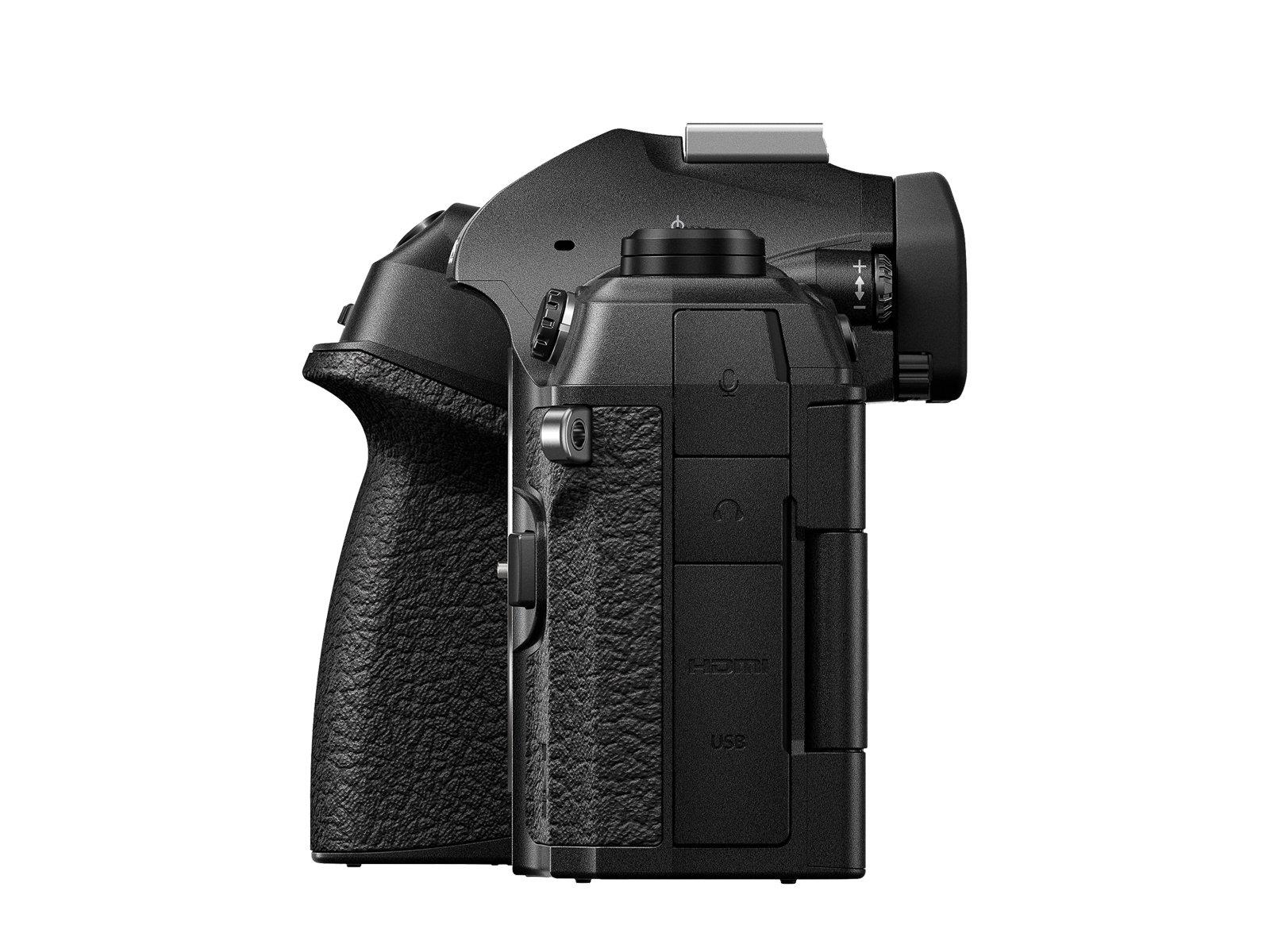
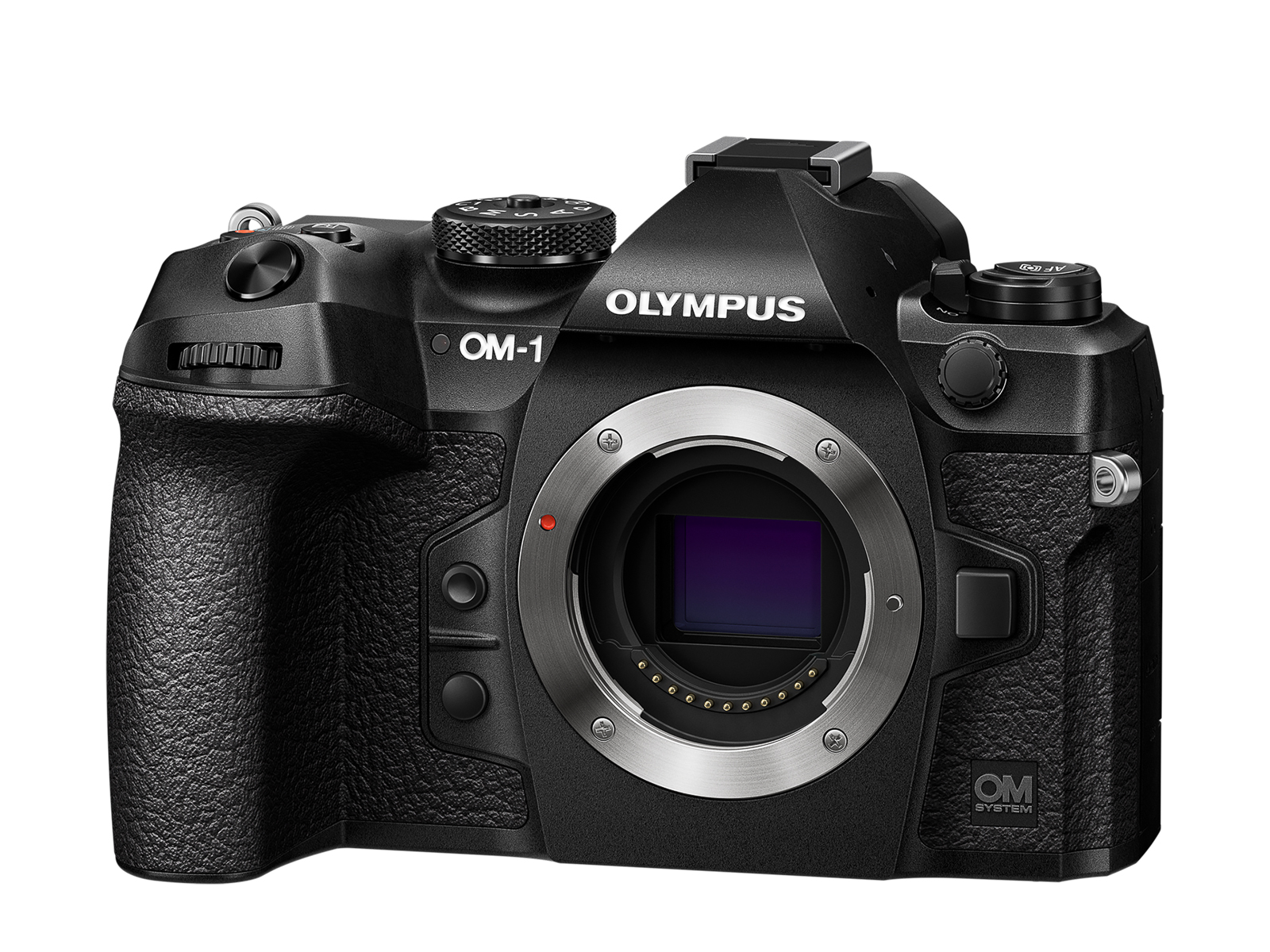
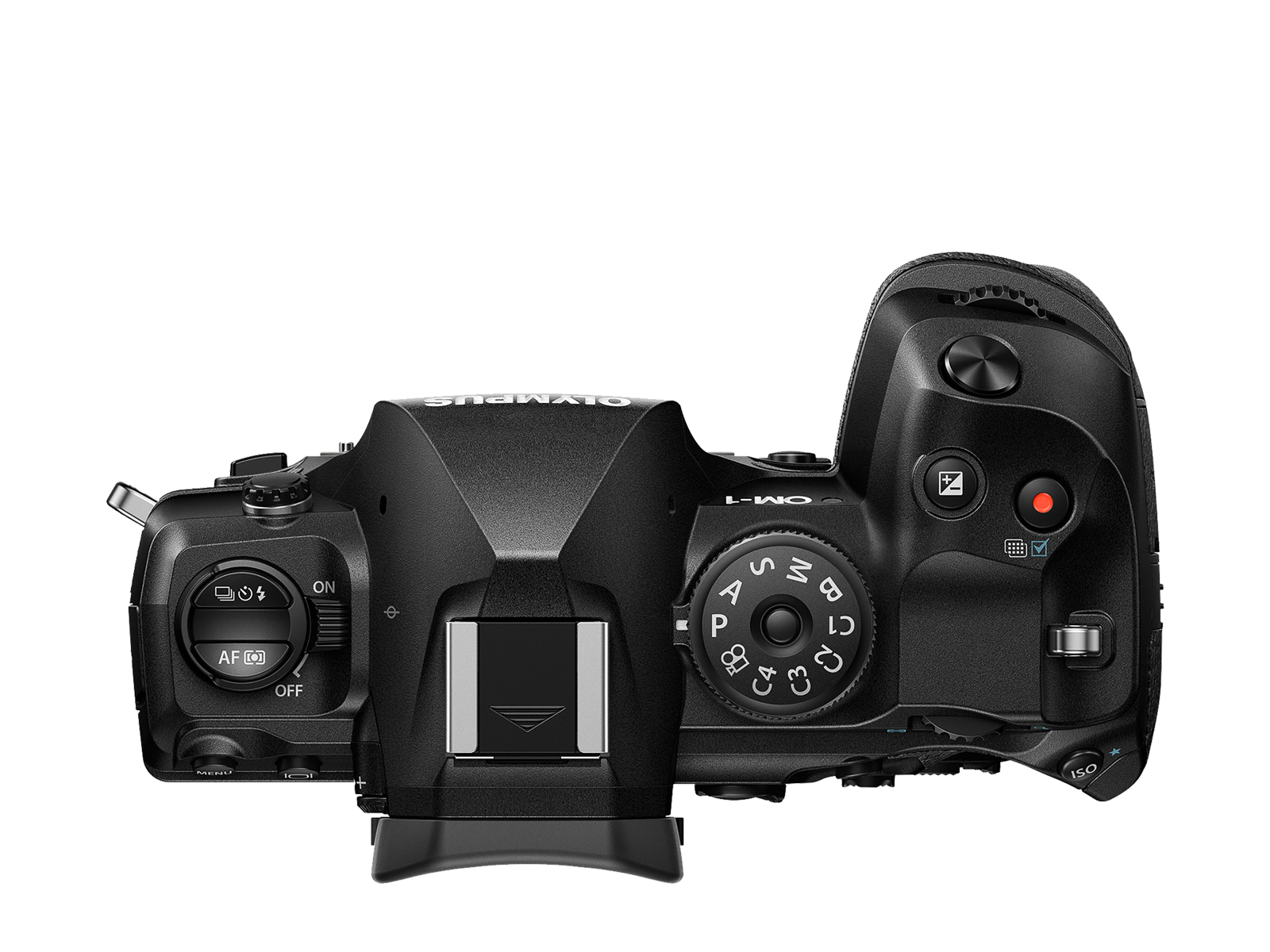
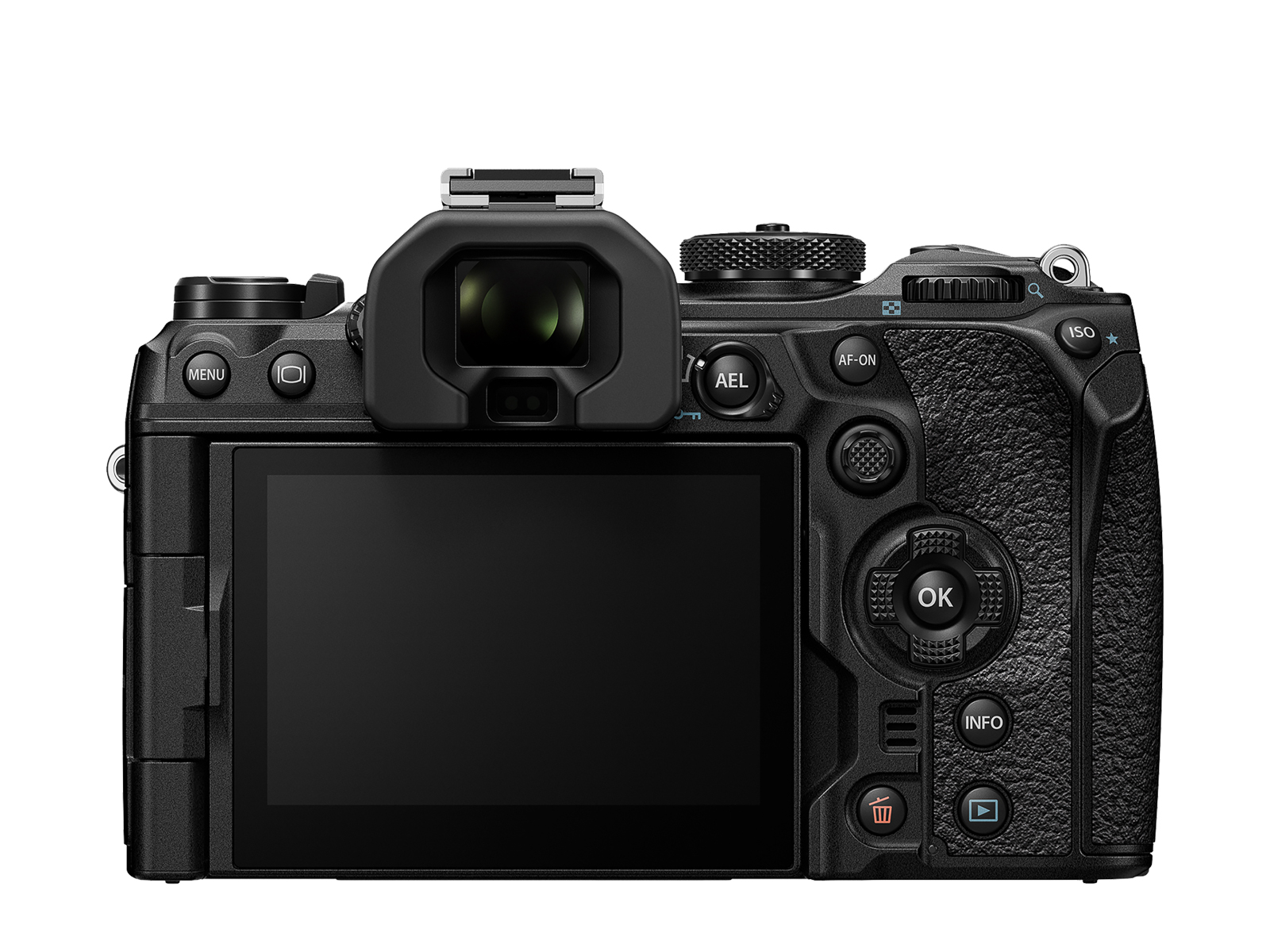
And here is a gallery of the product images OM Digital Solutions supplied to us: