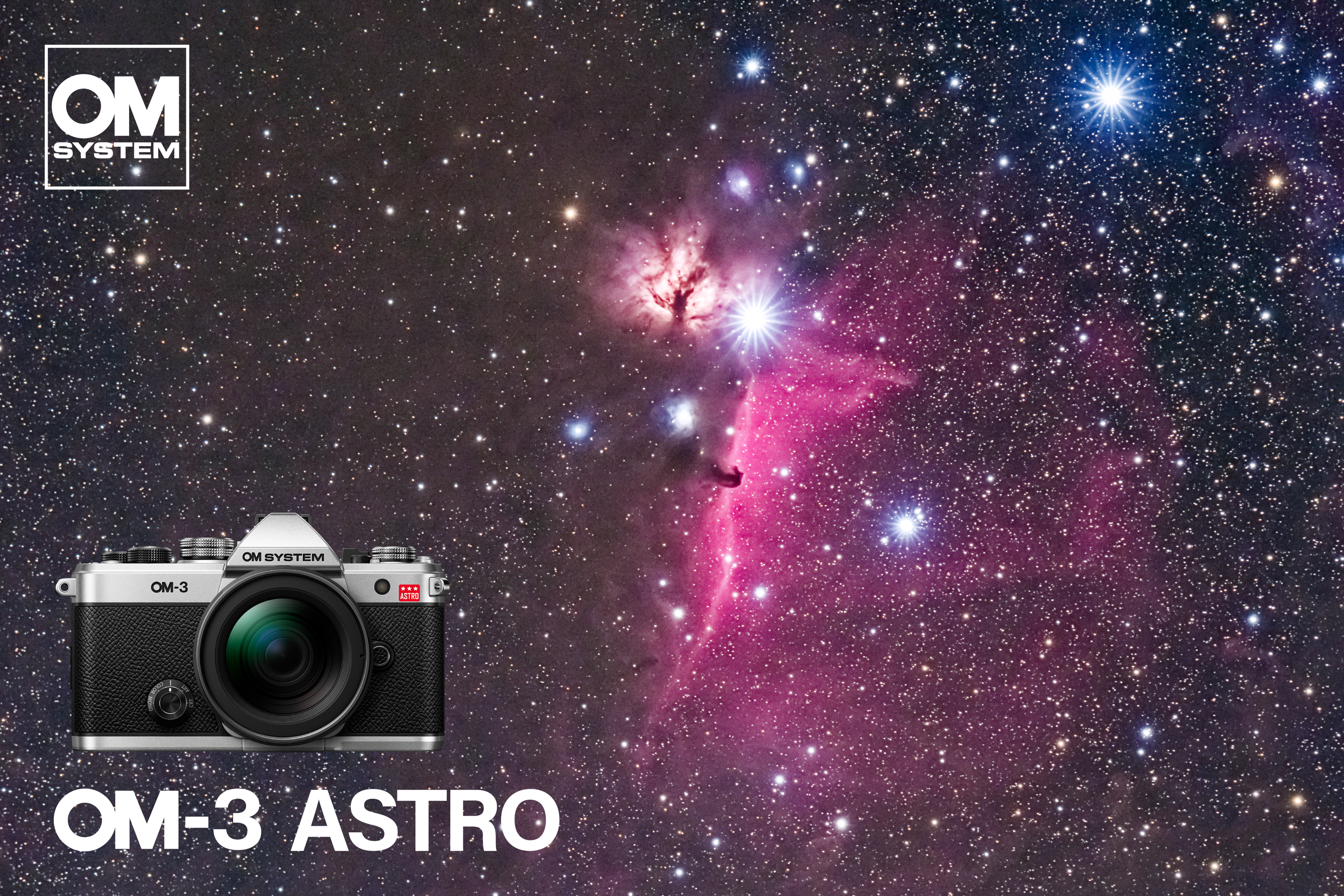
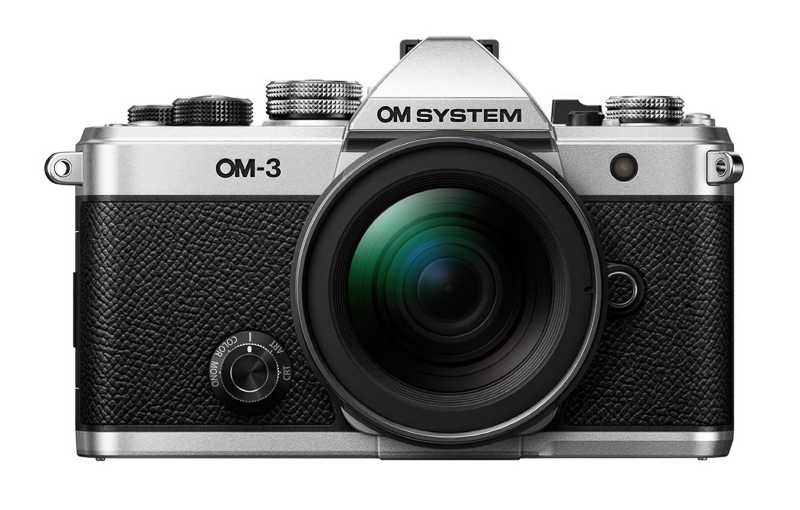
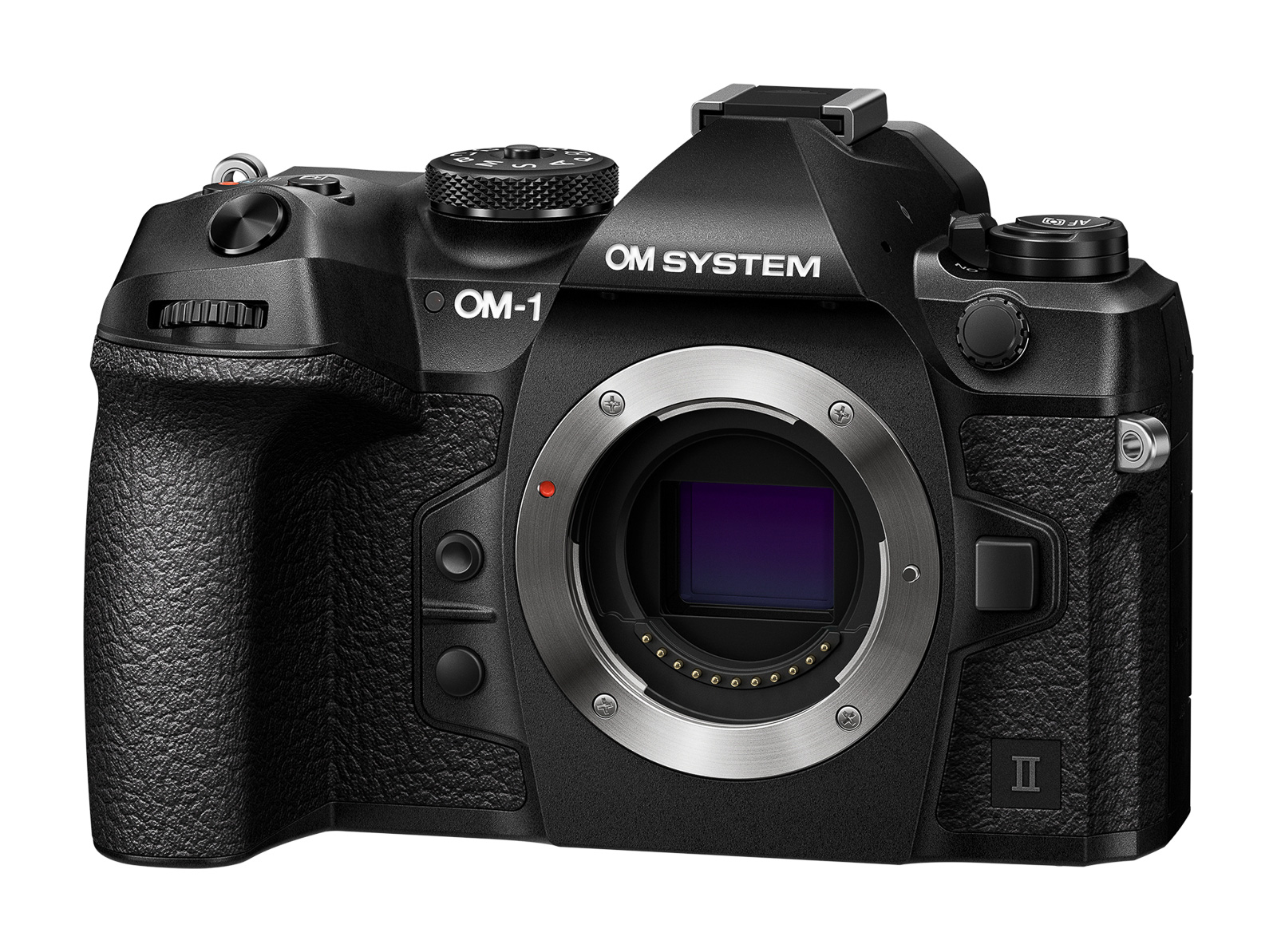
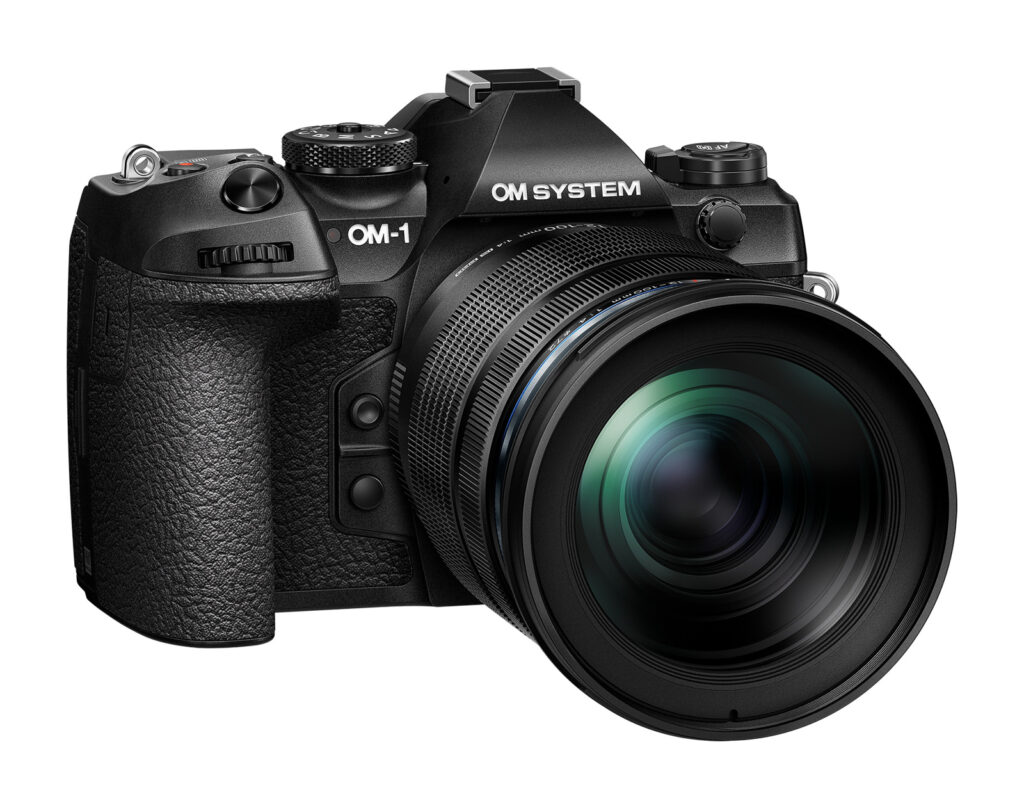
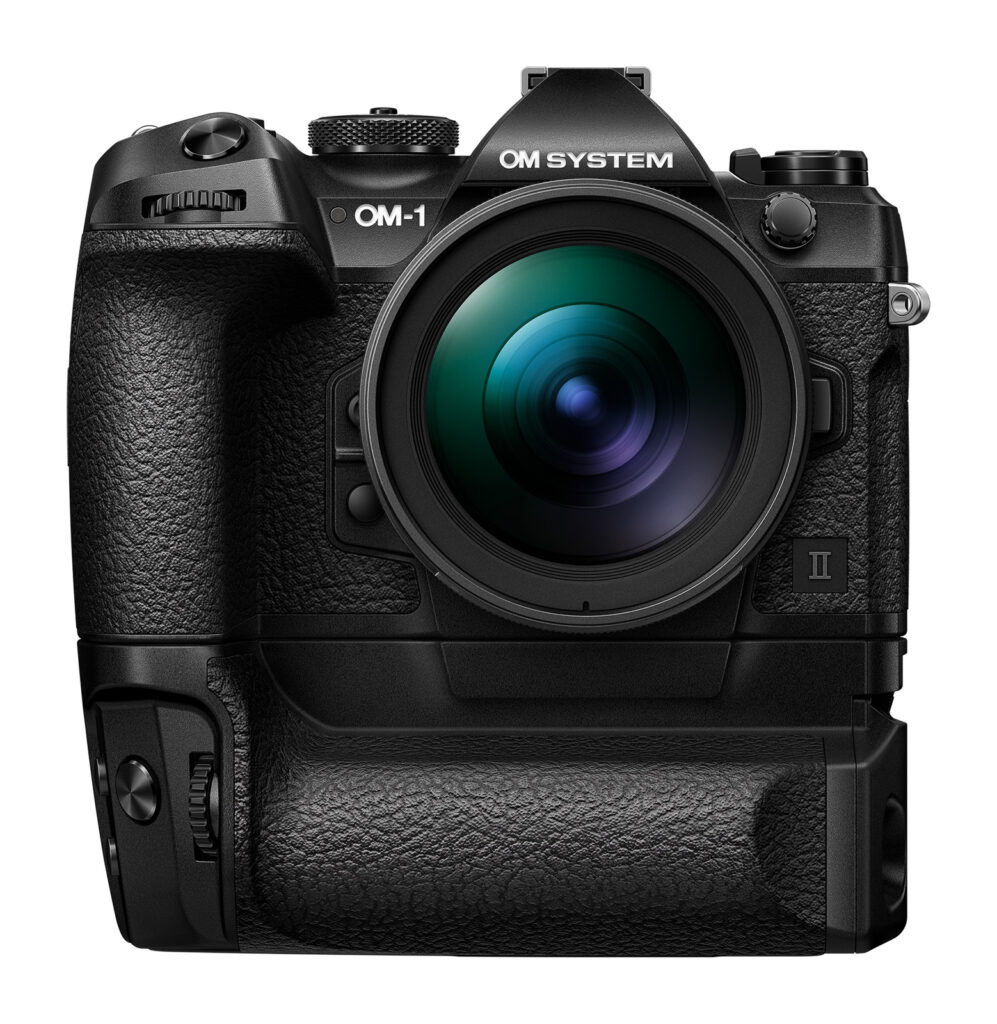
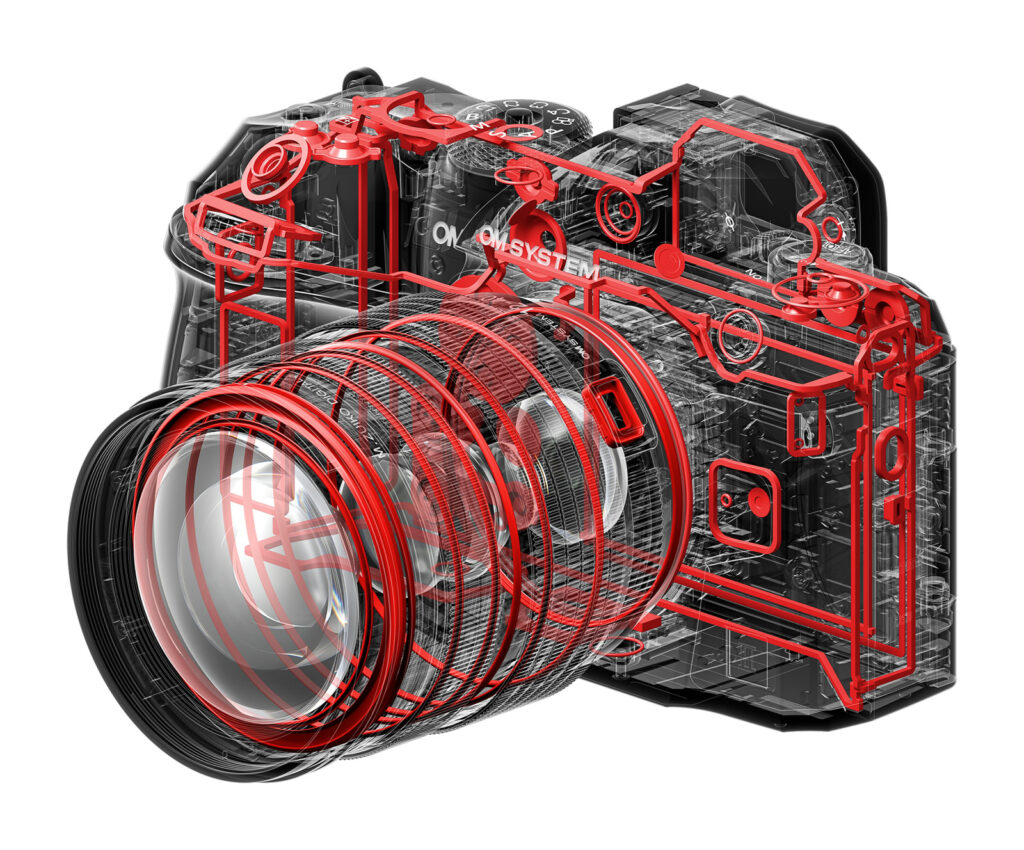
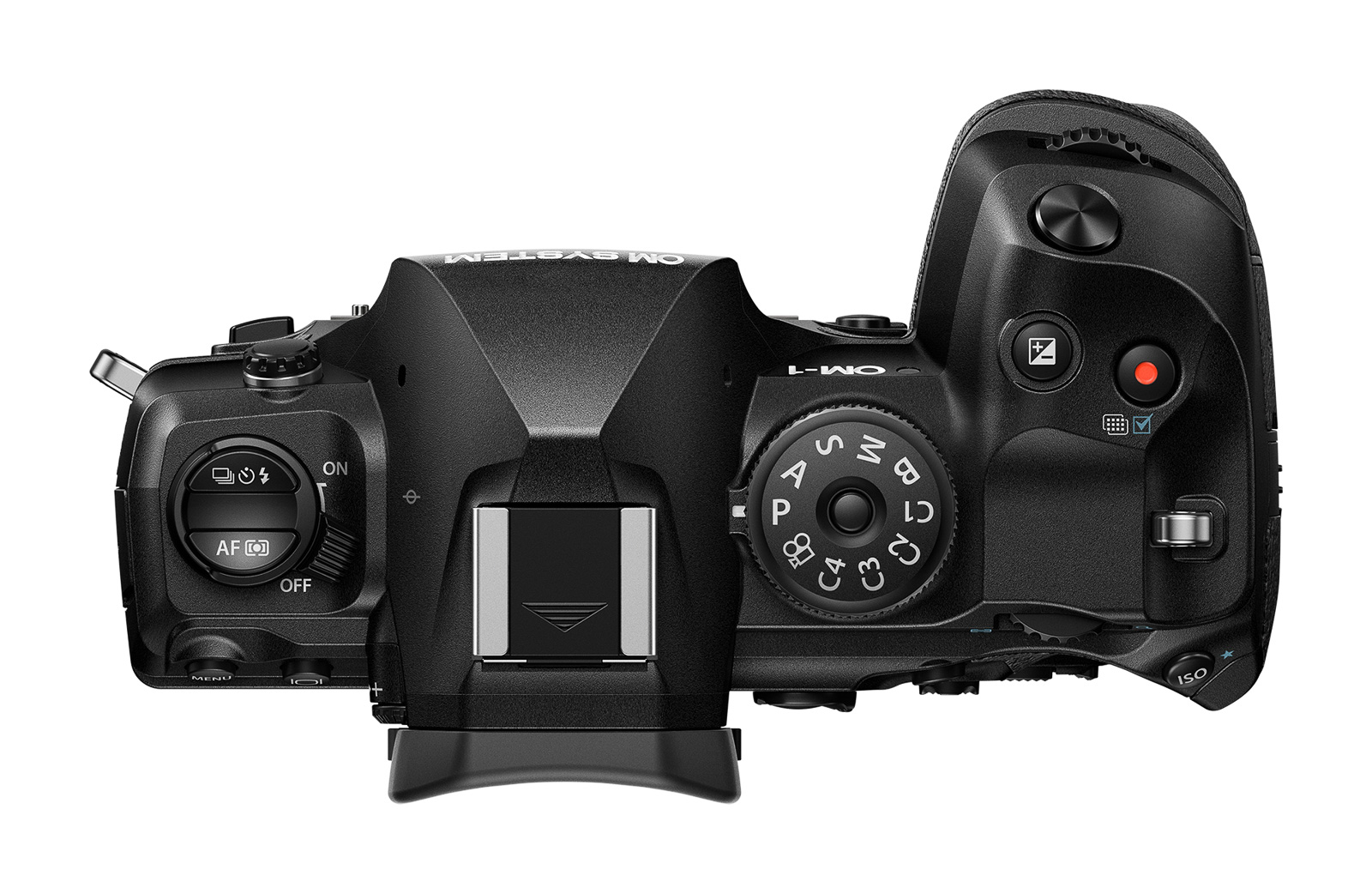
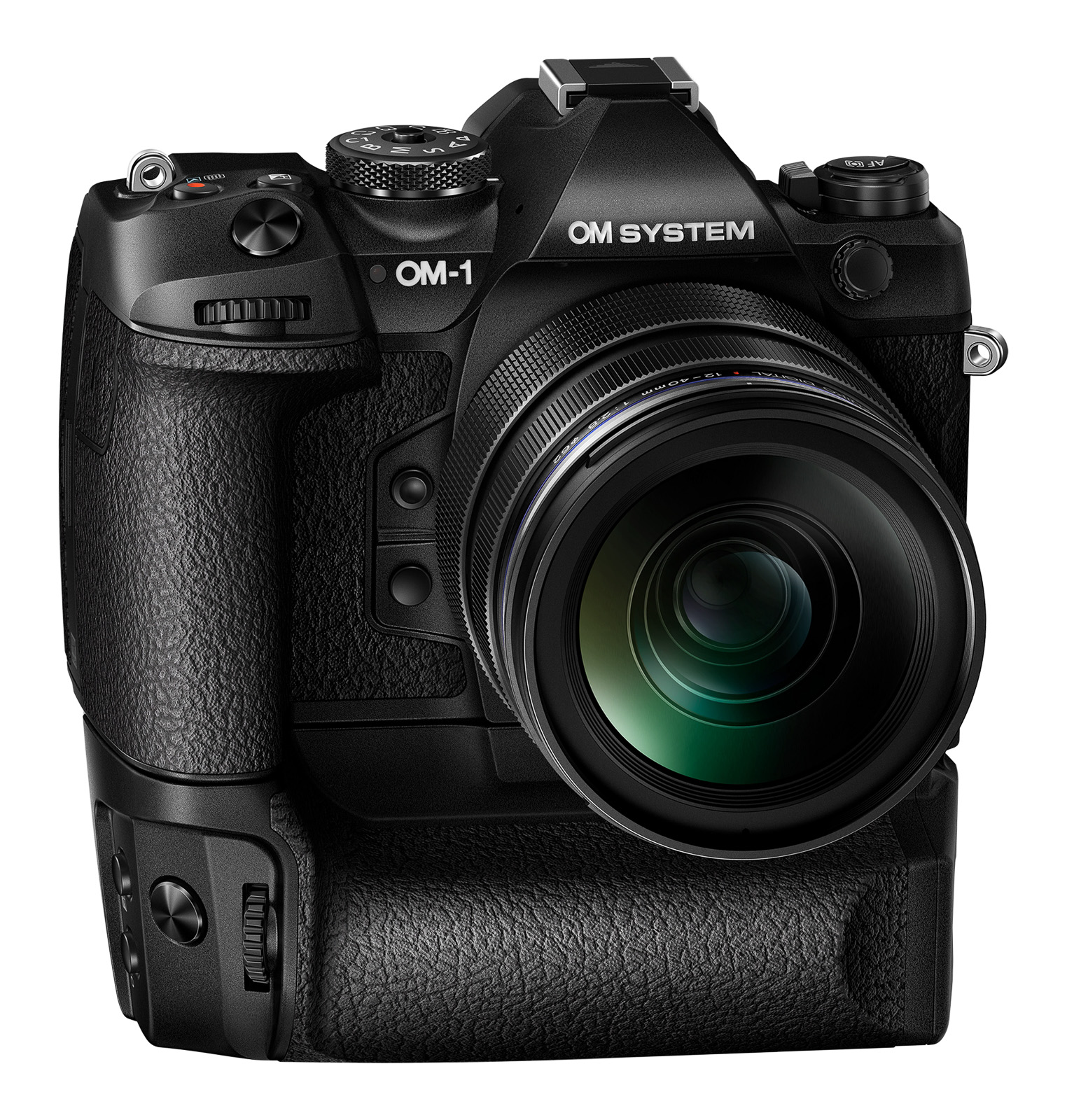
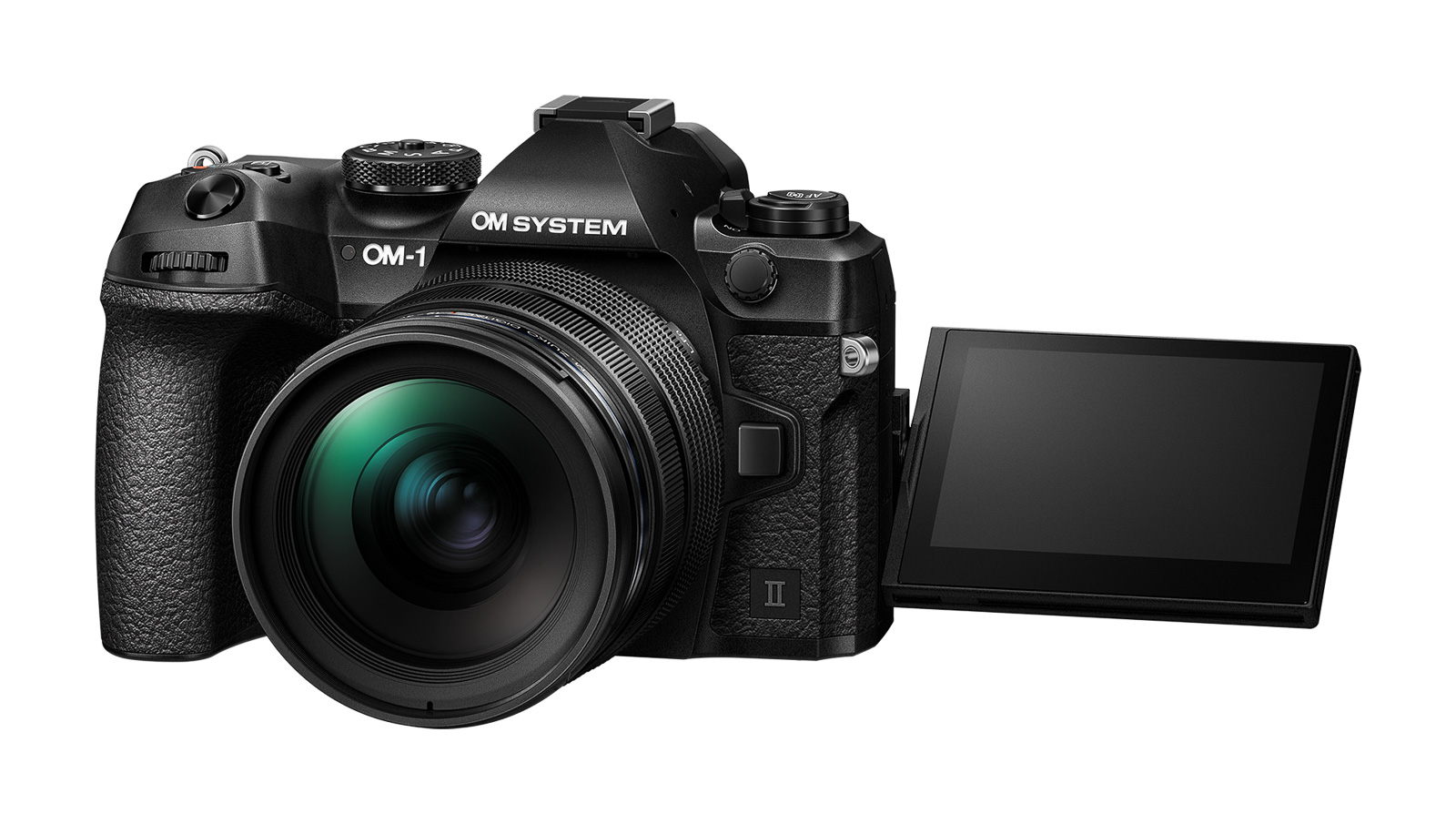
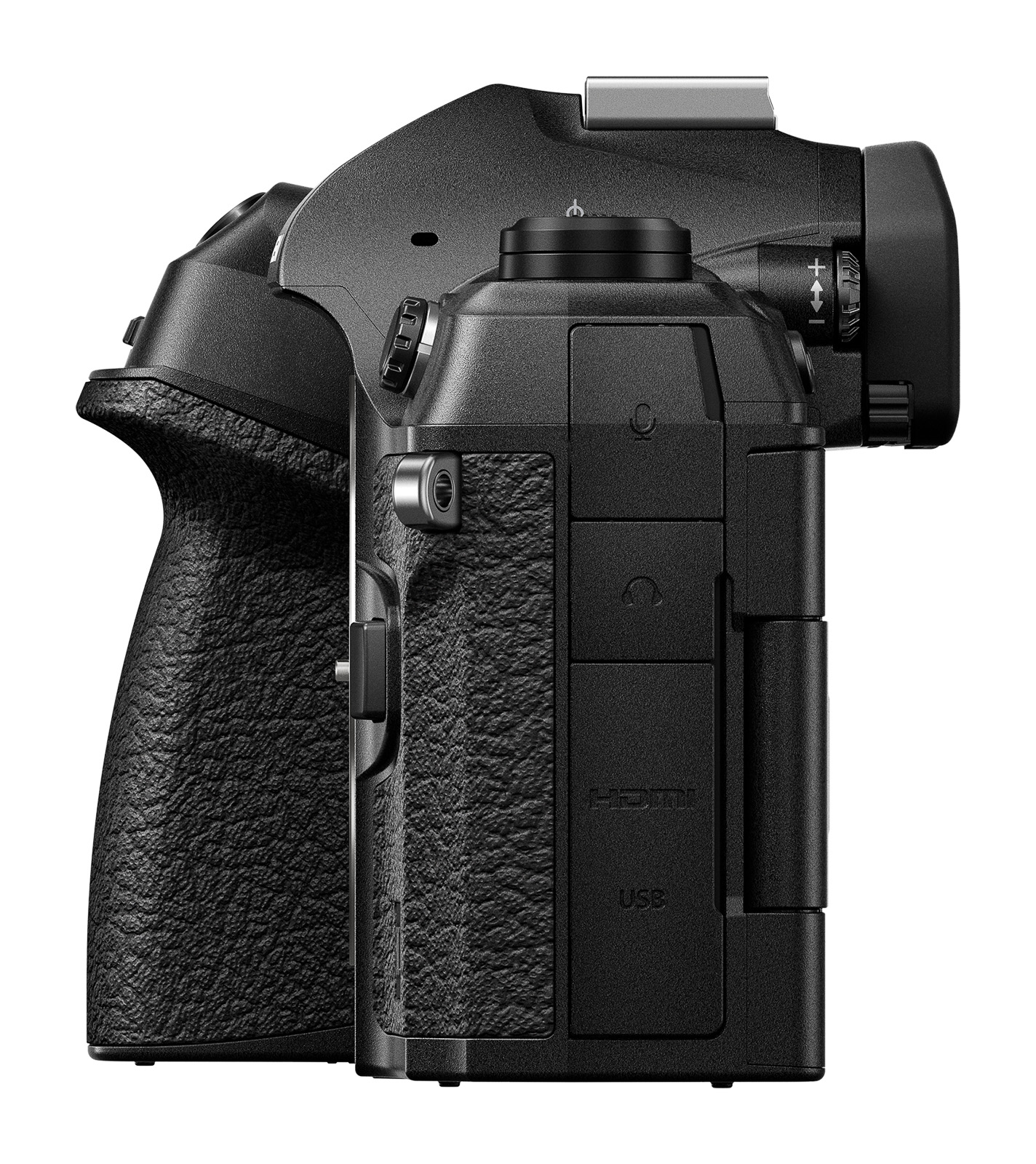
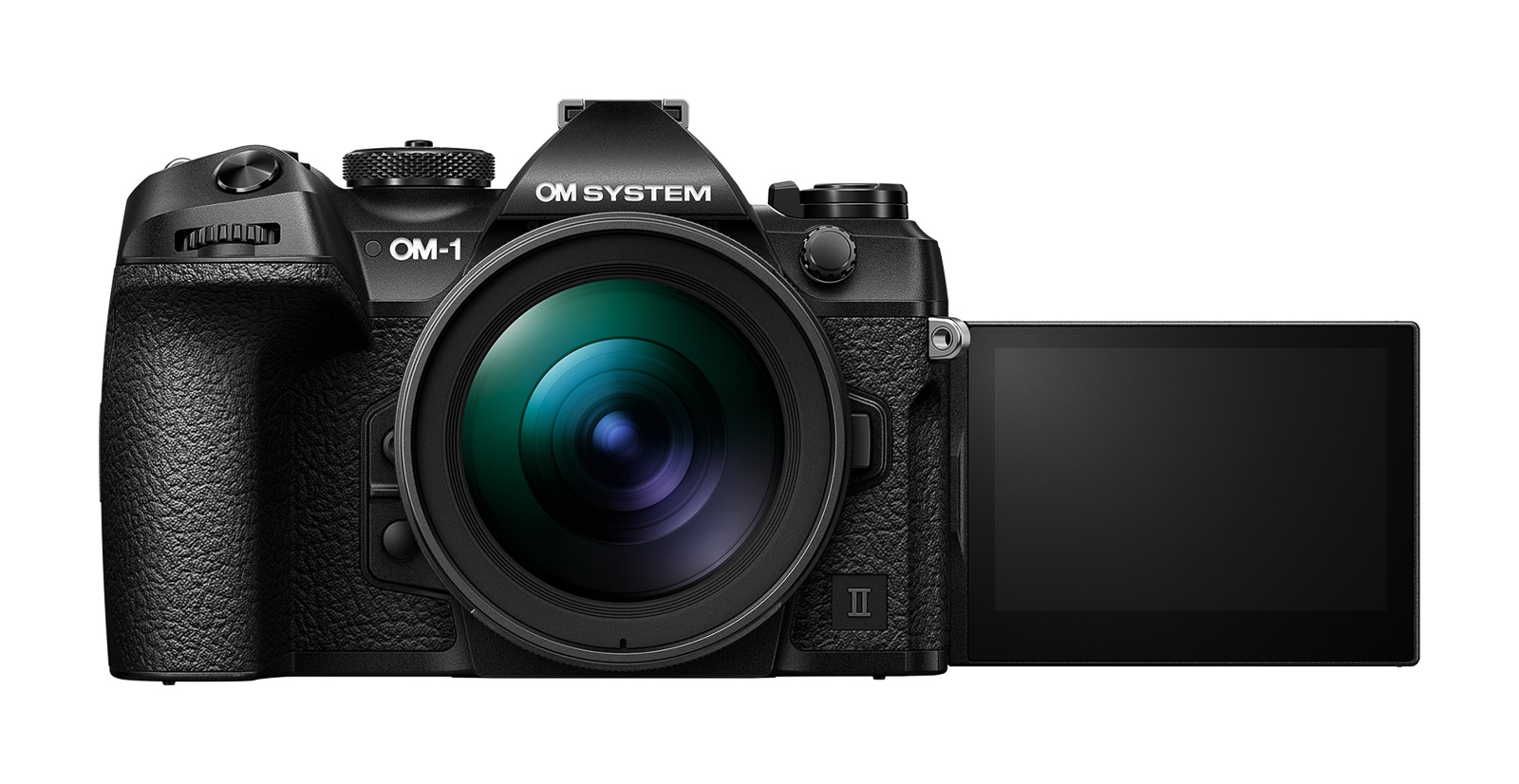
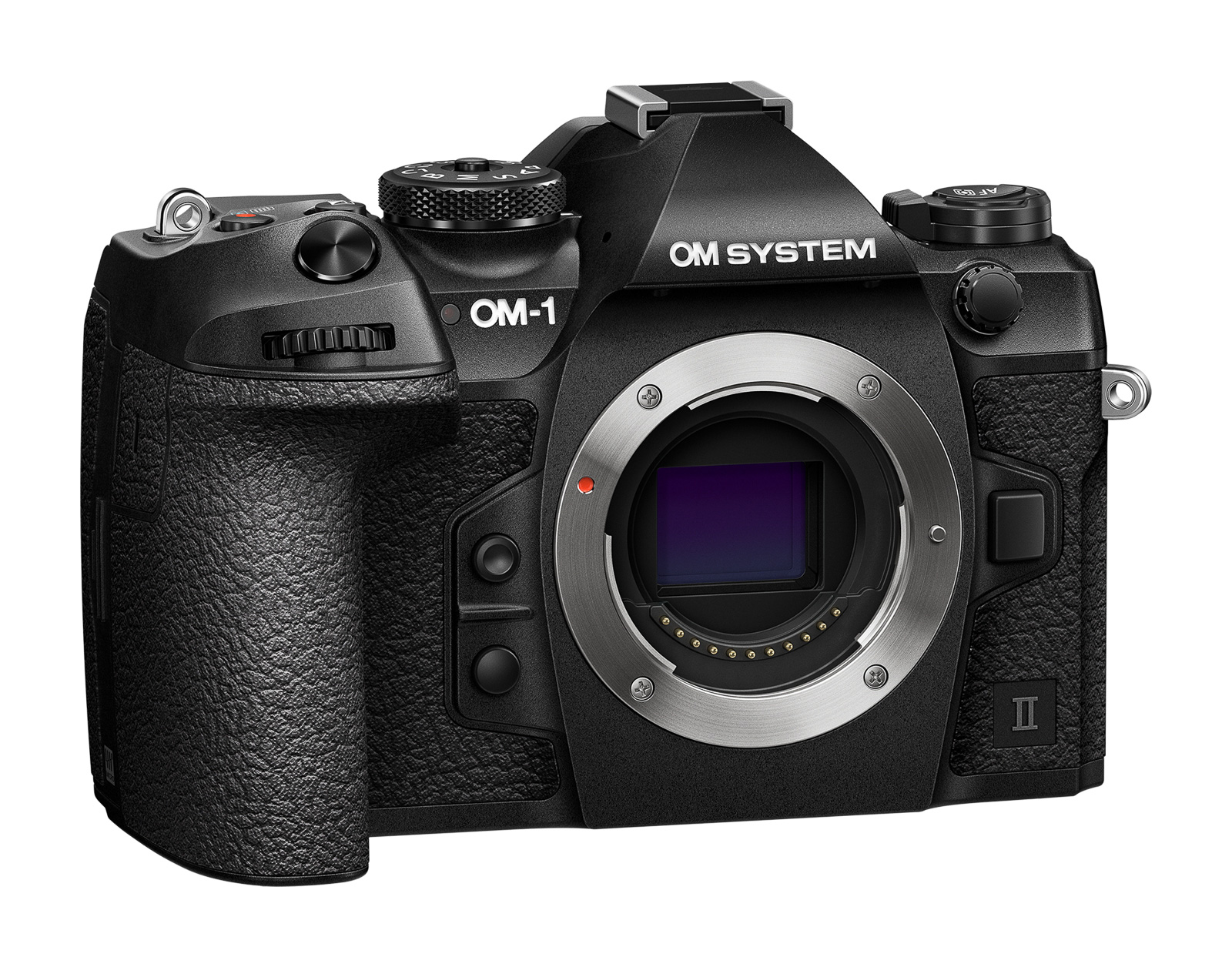
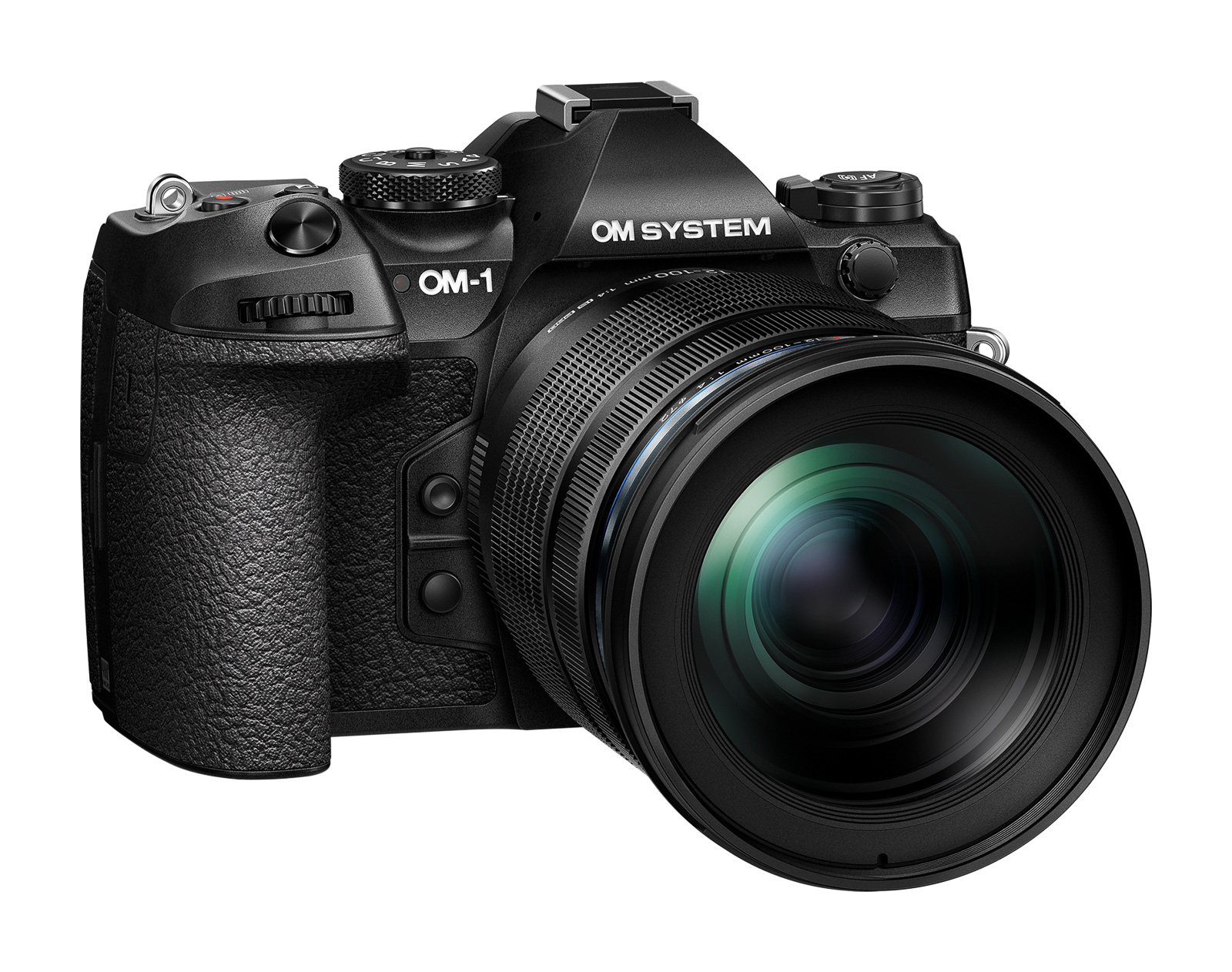
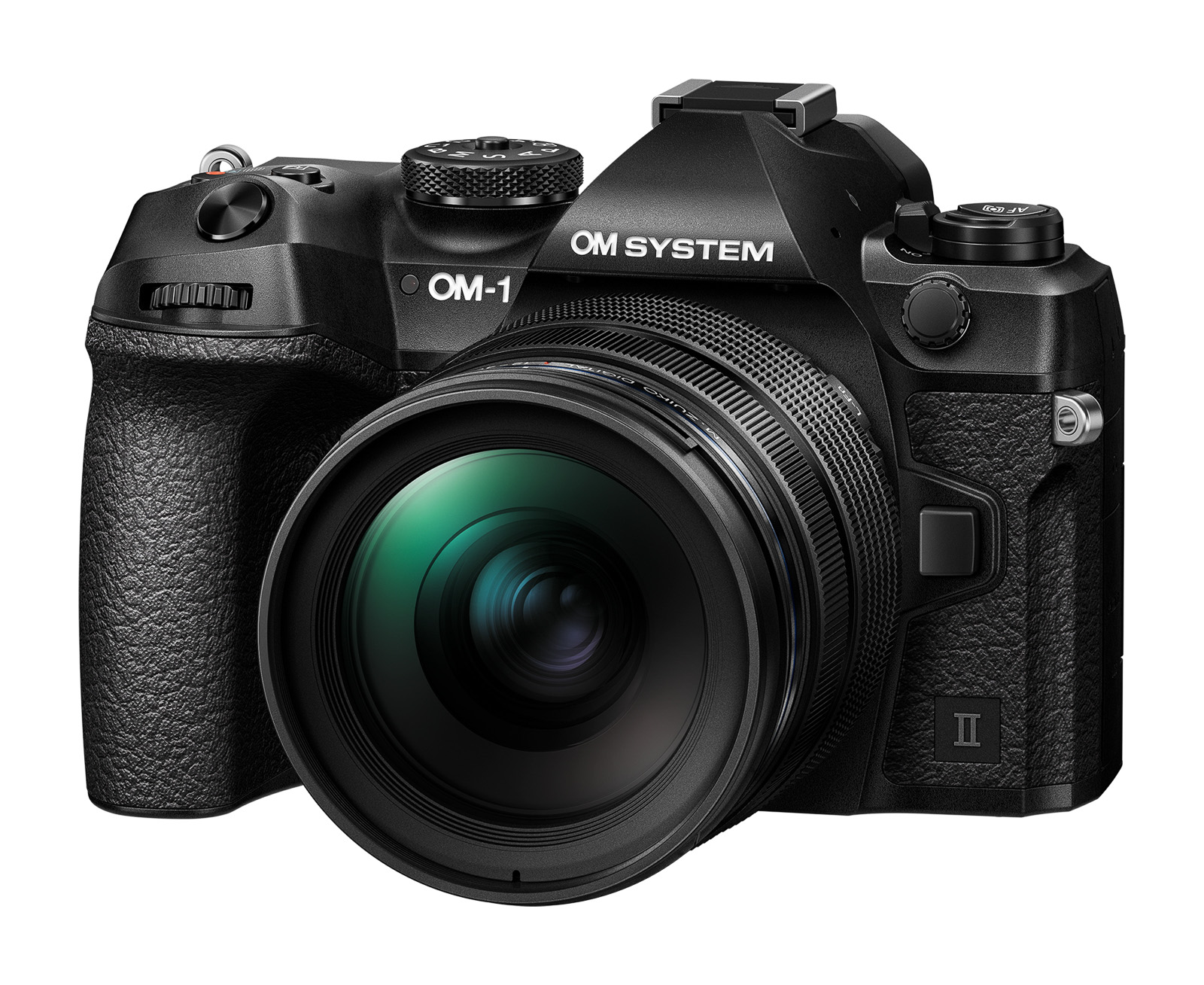
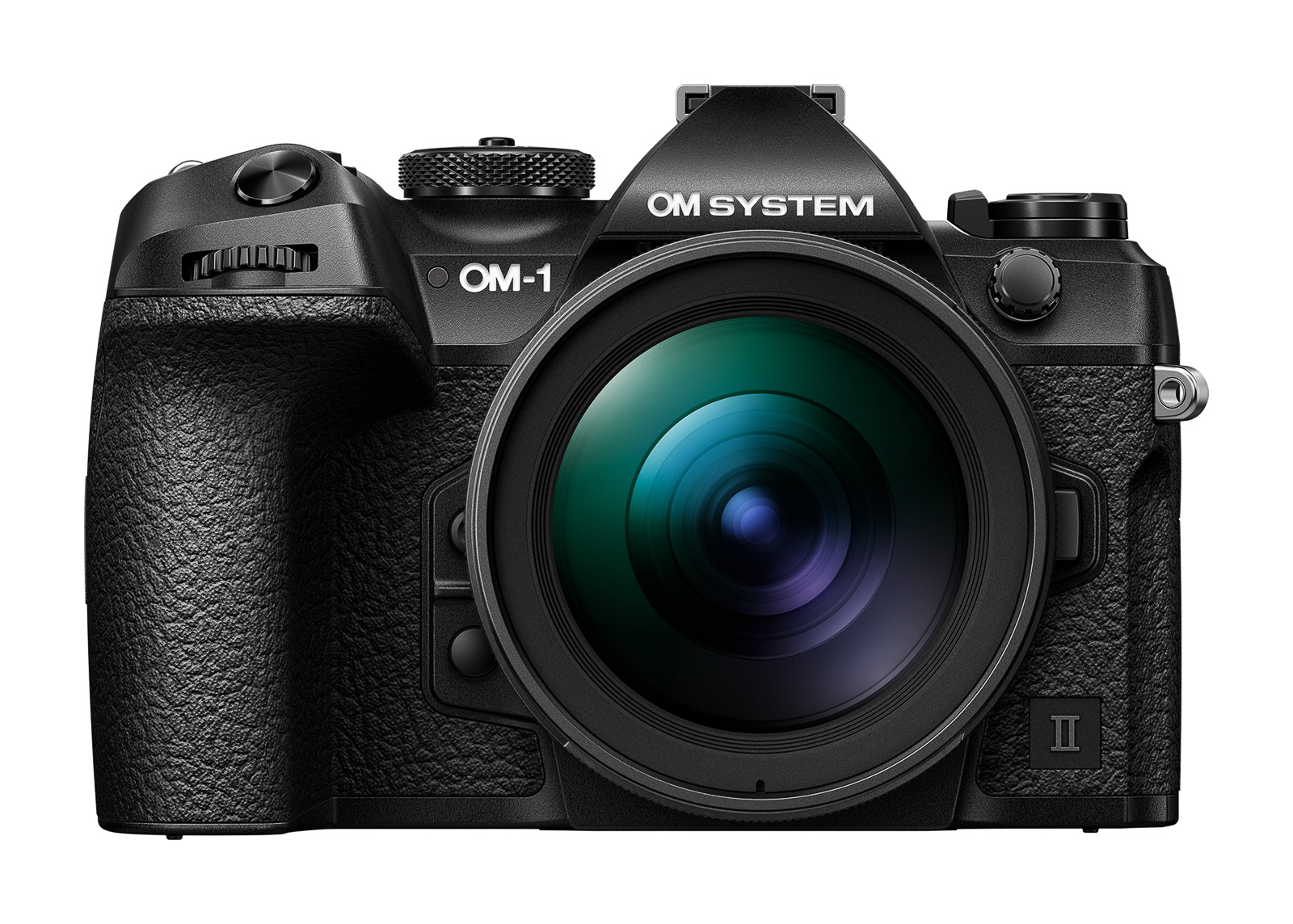
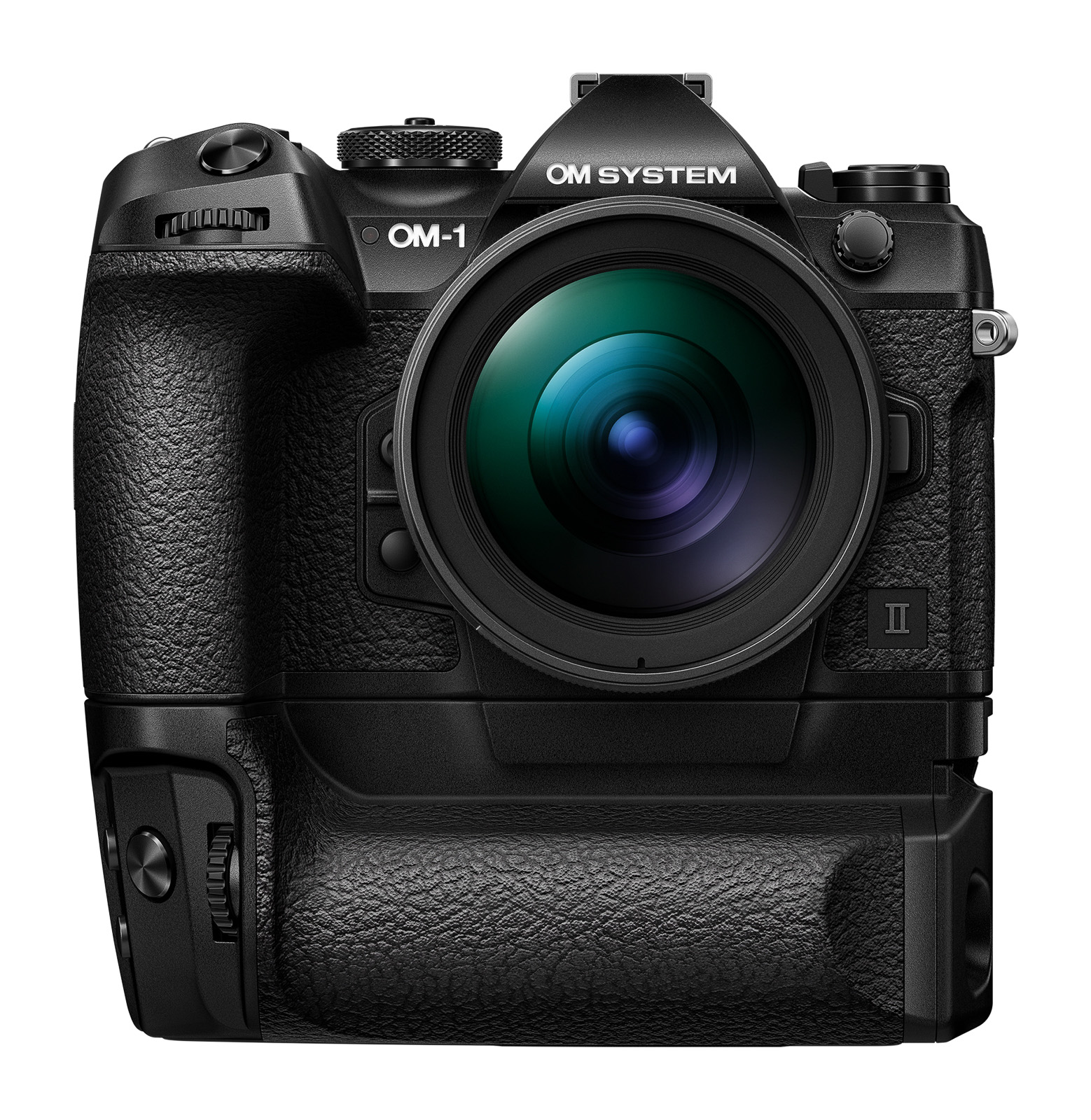
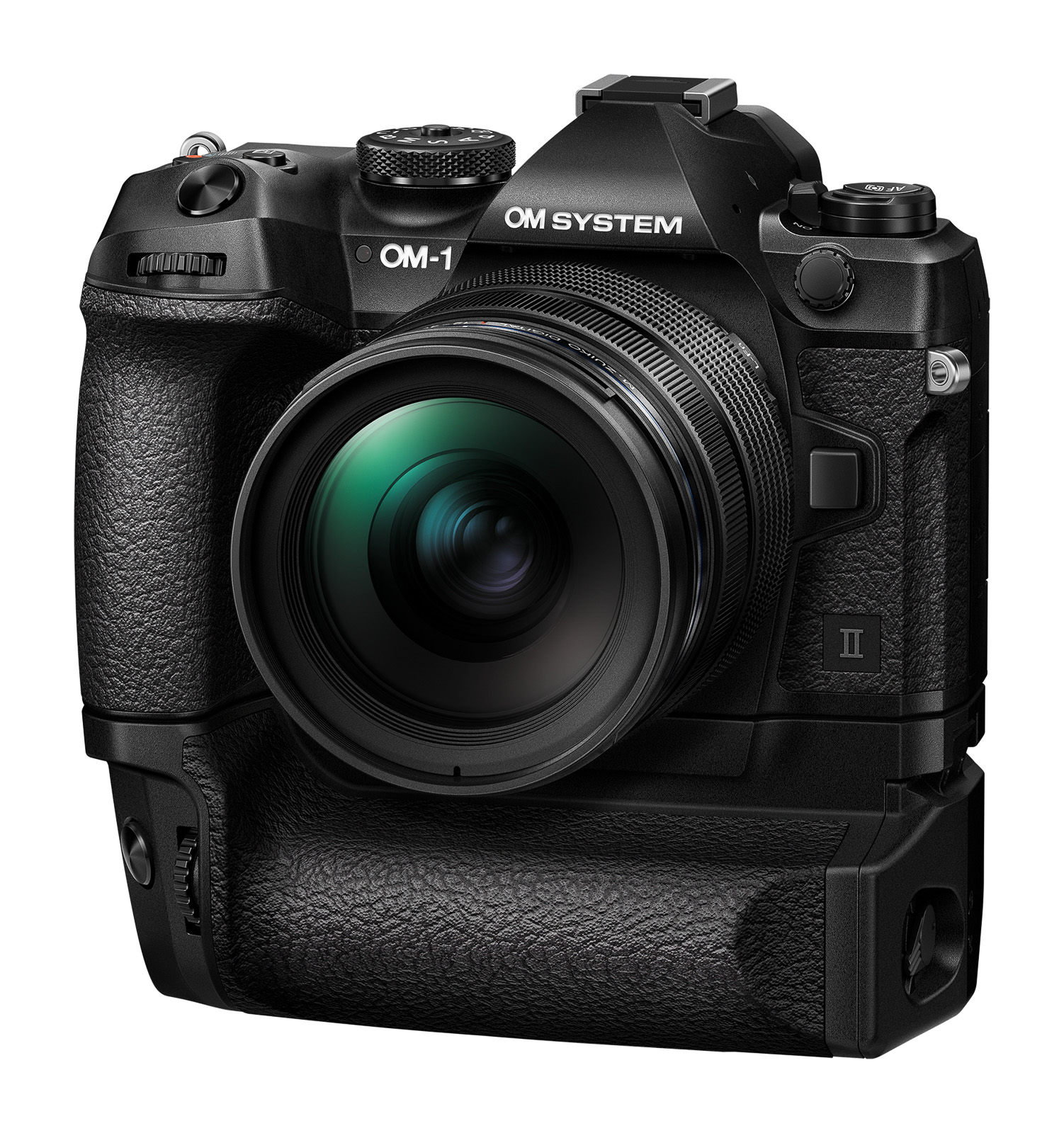
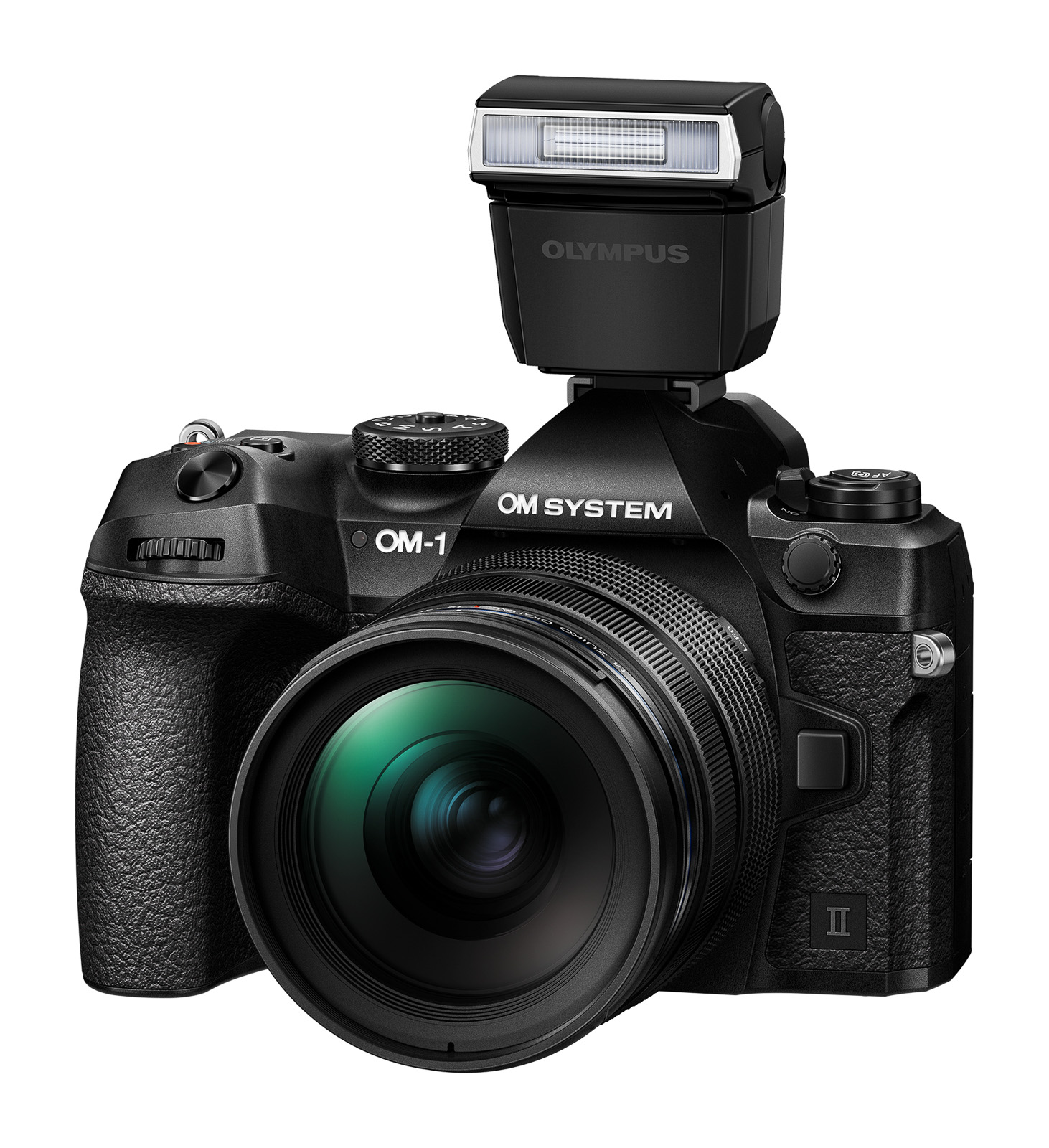
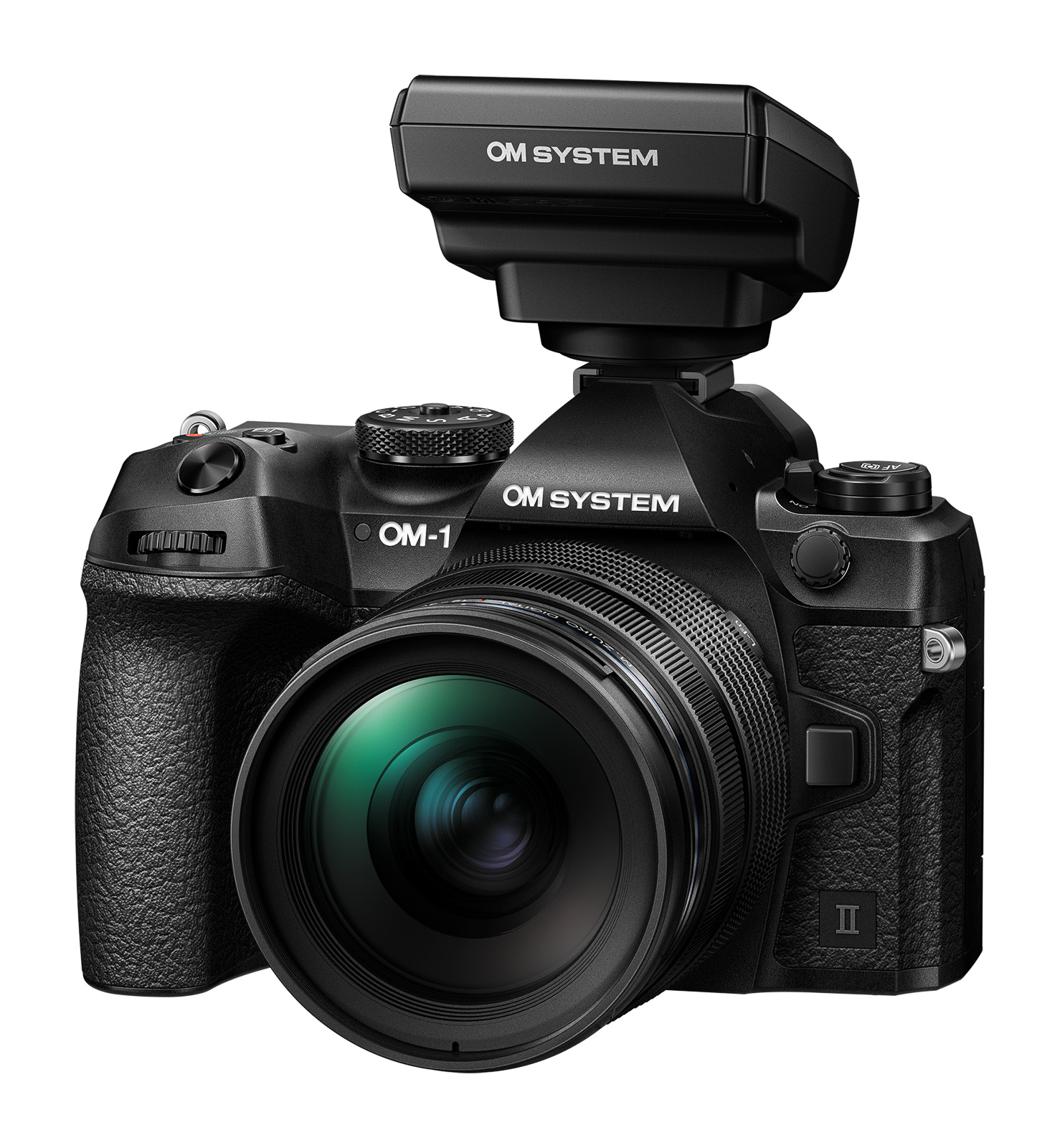
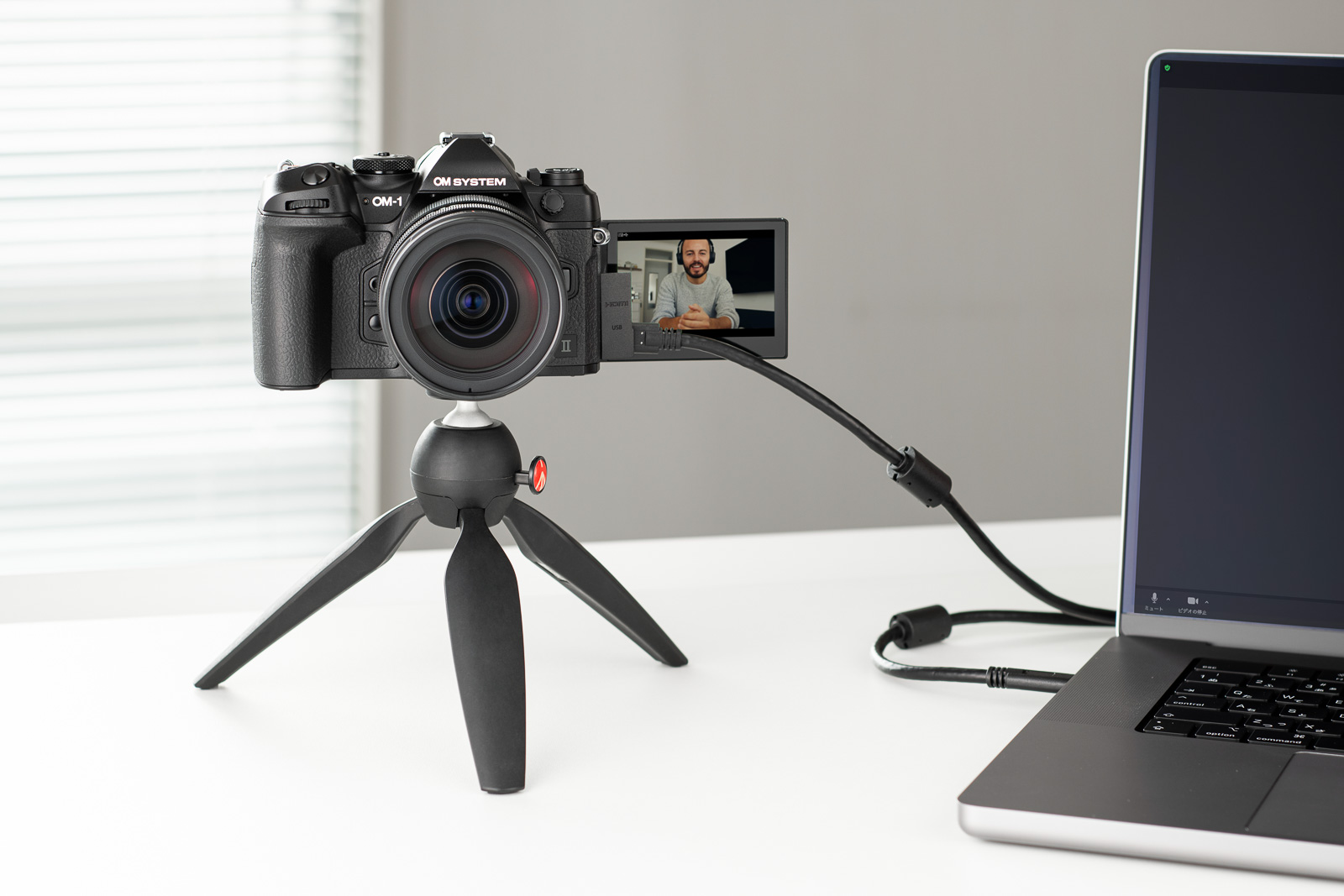
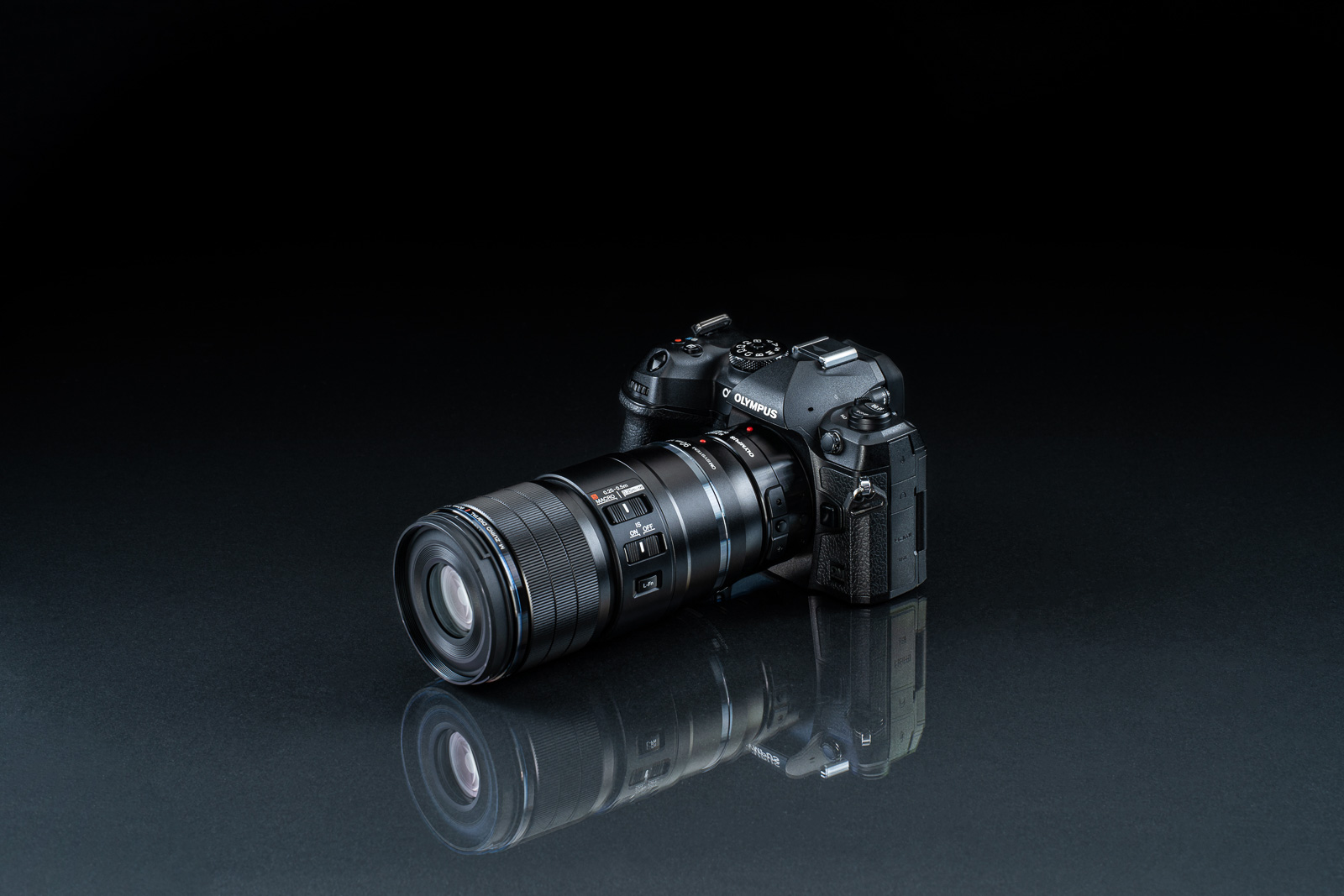
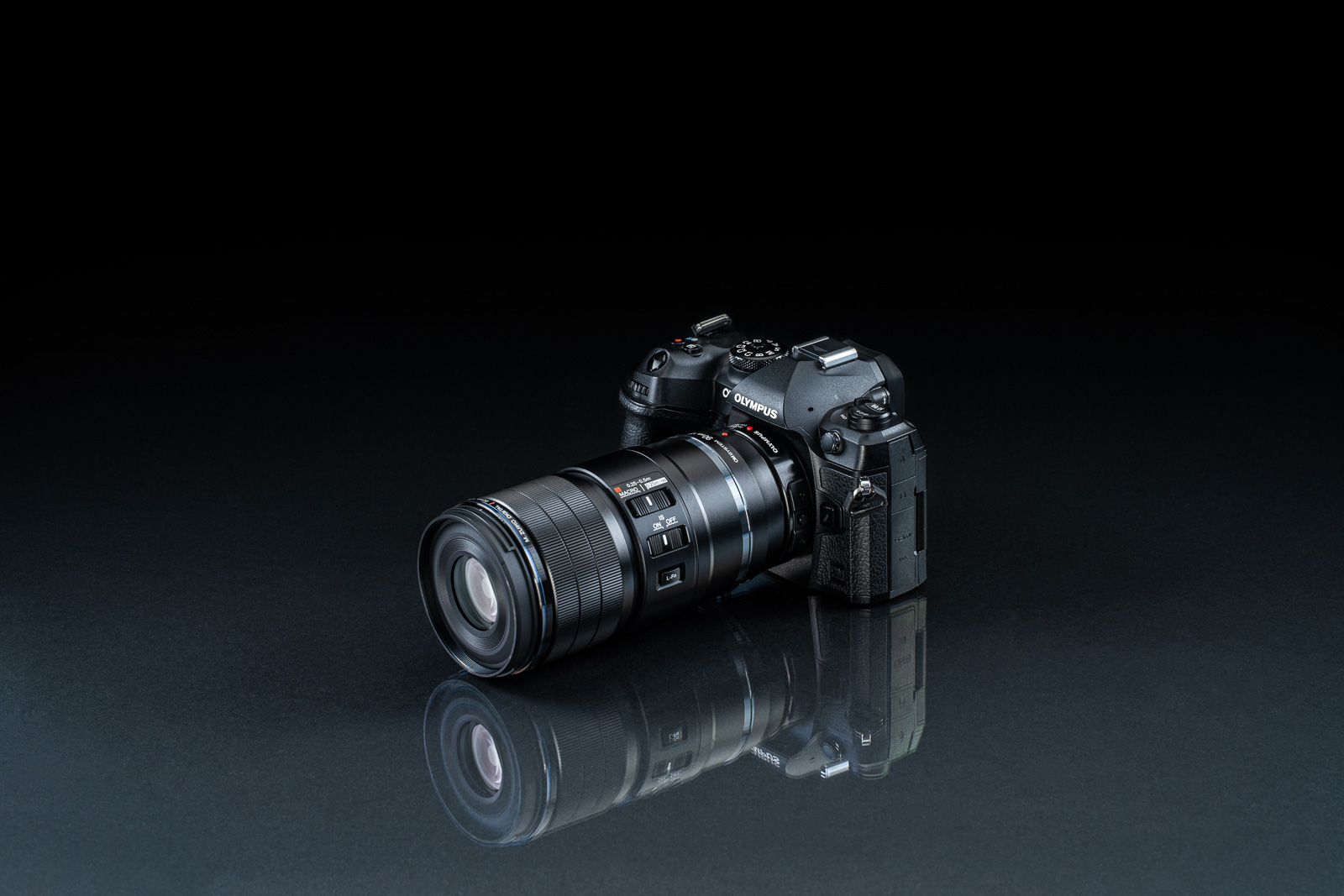
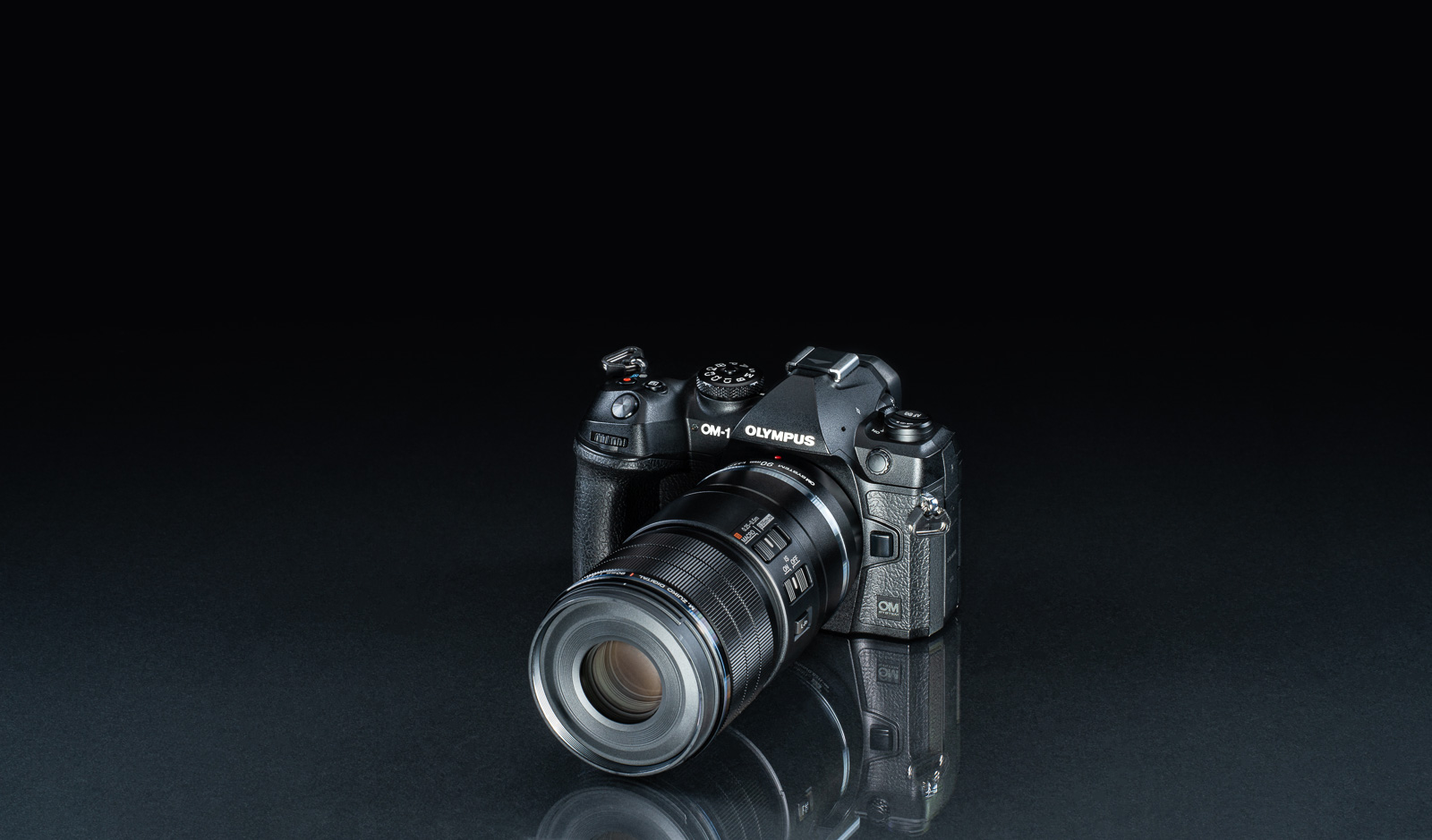
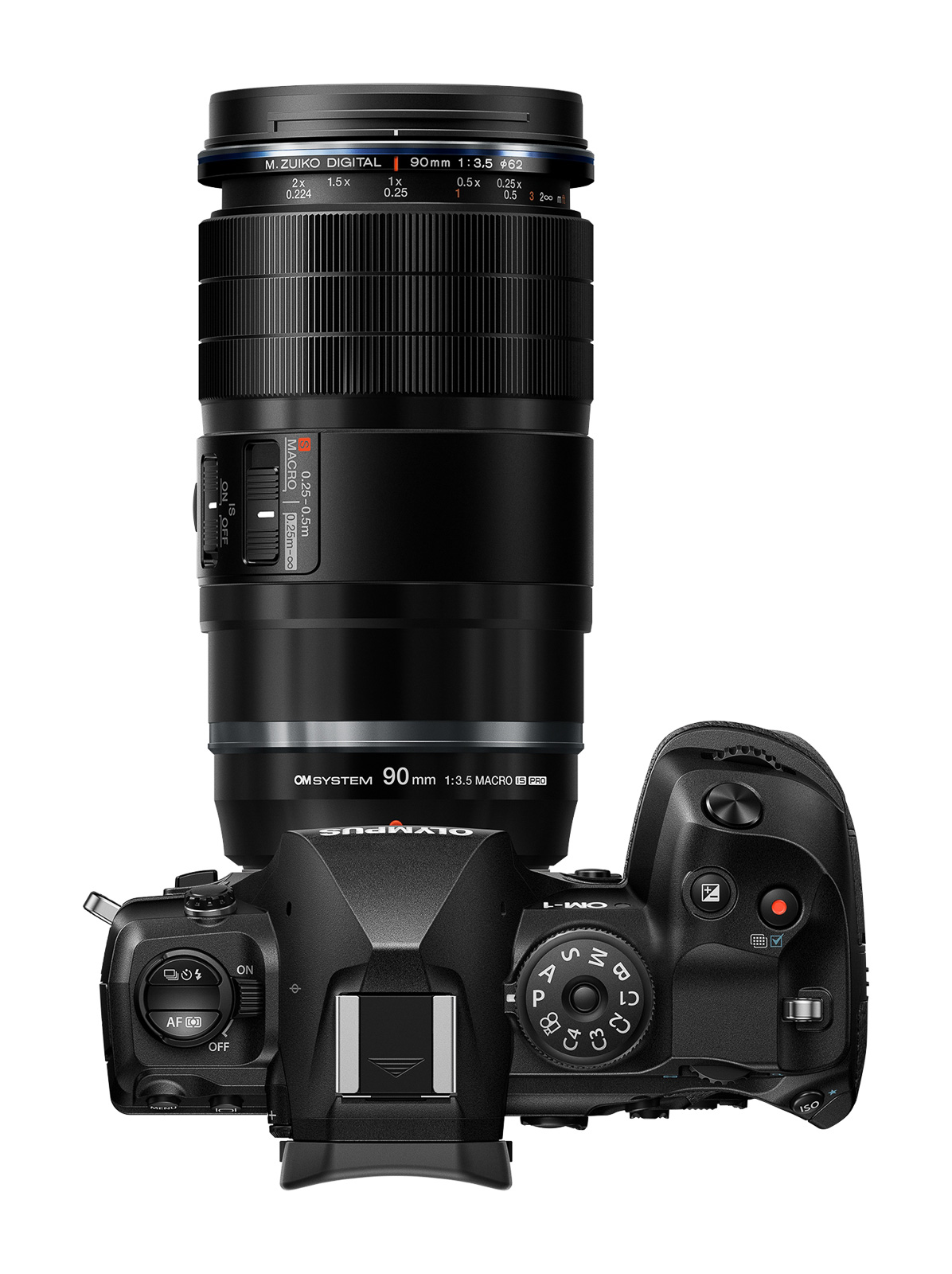
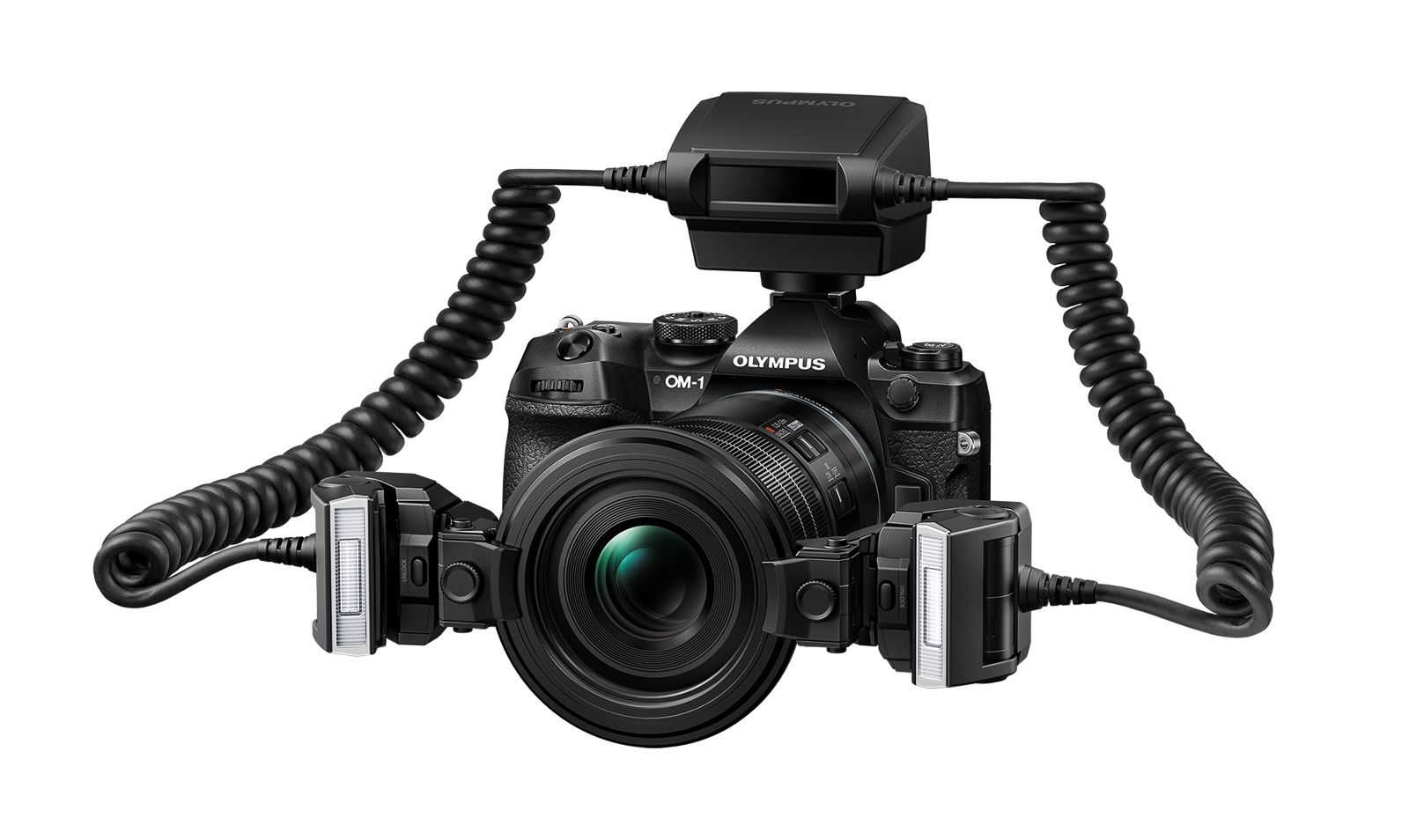
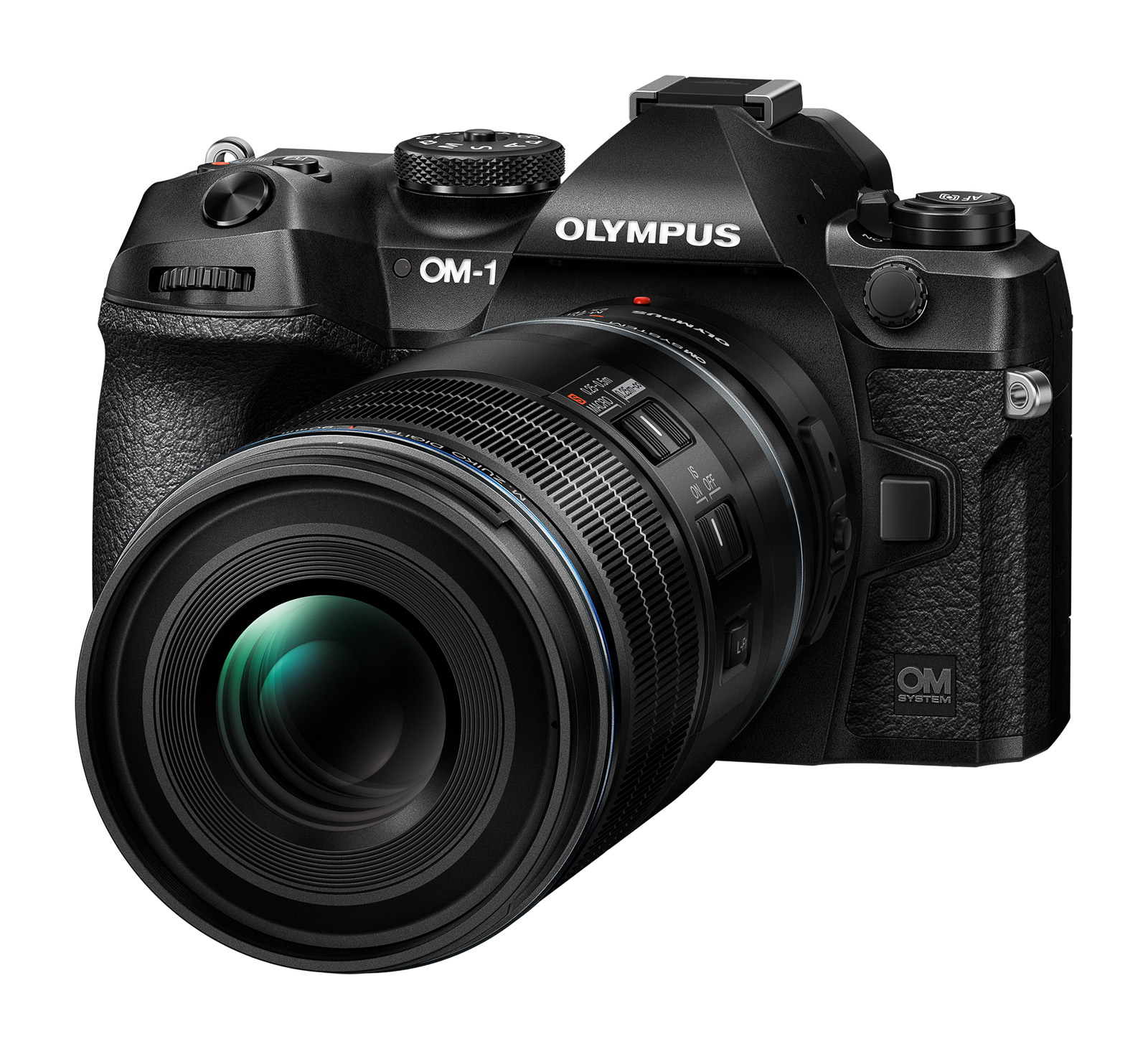
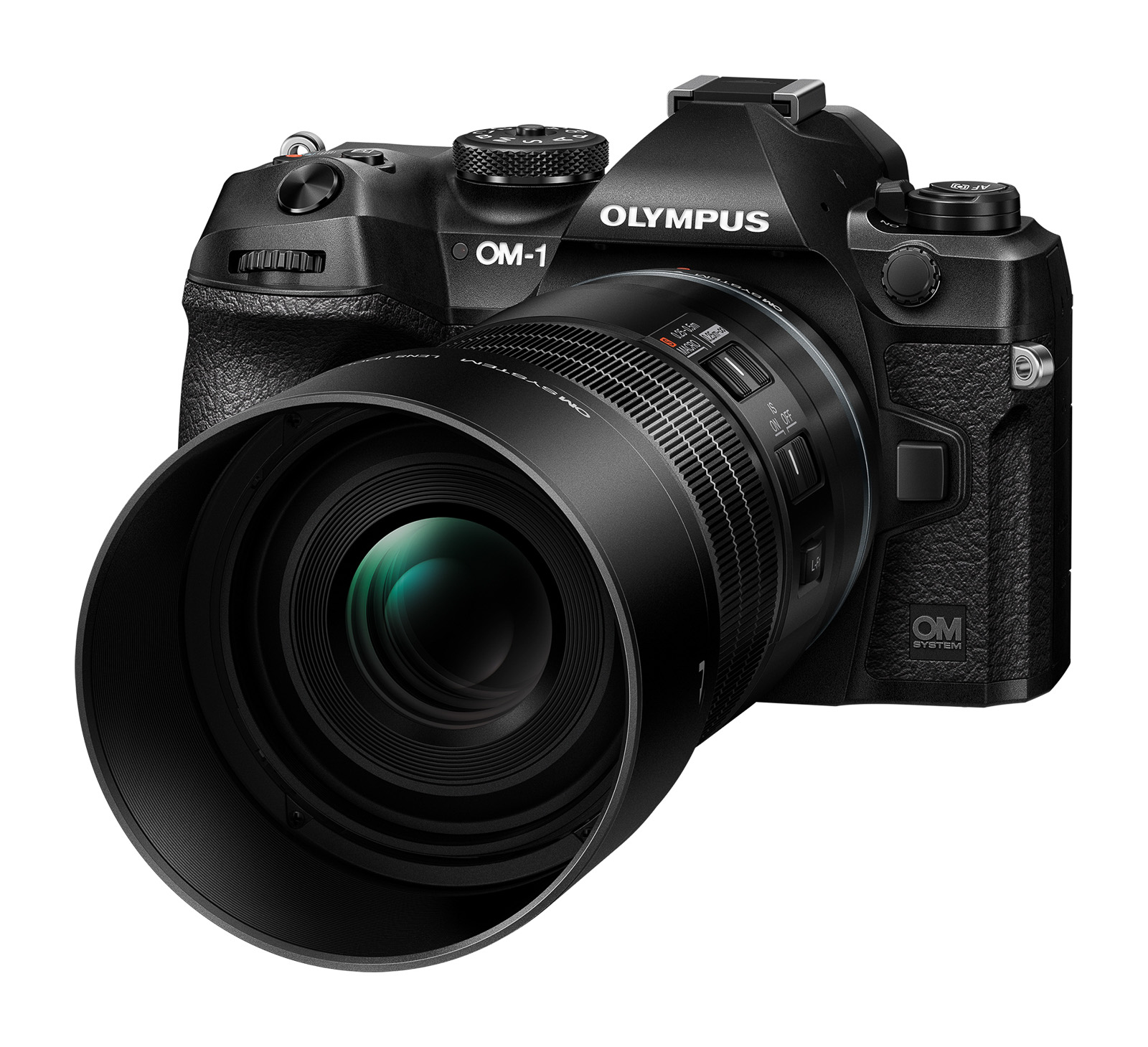
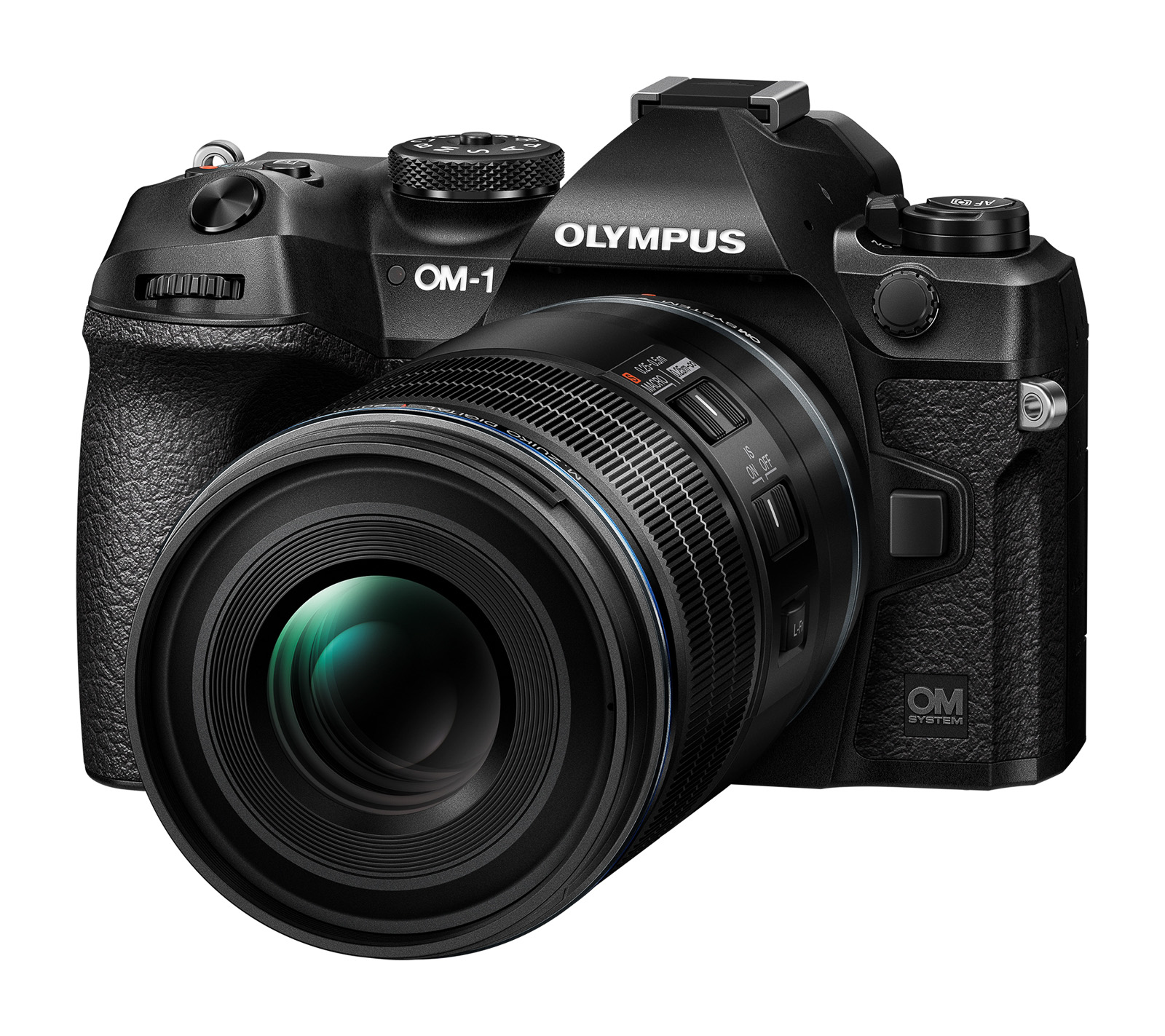
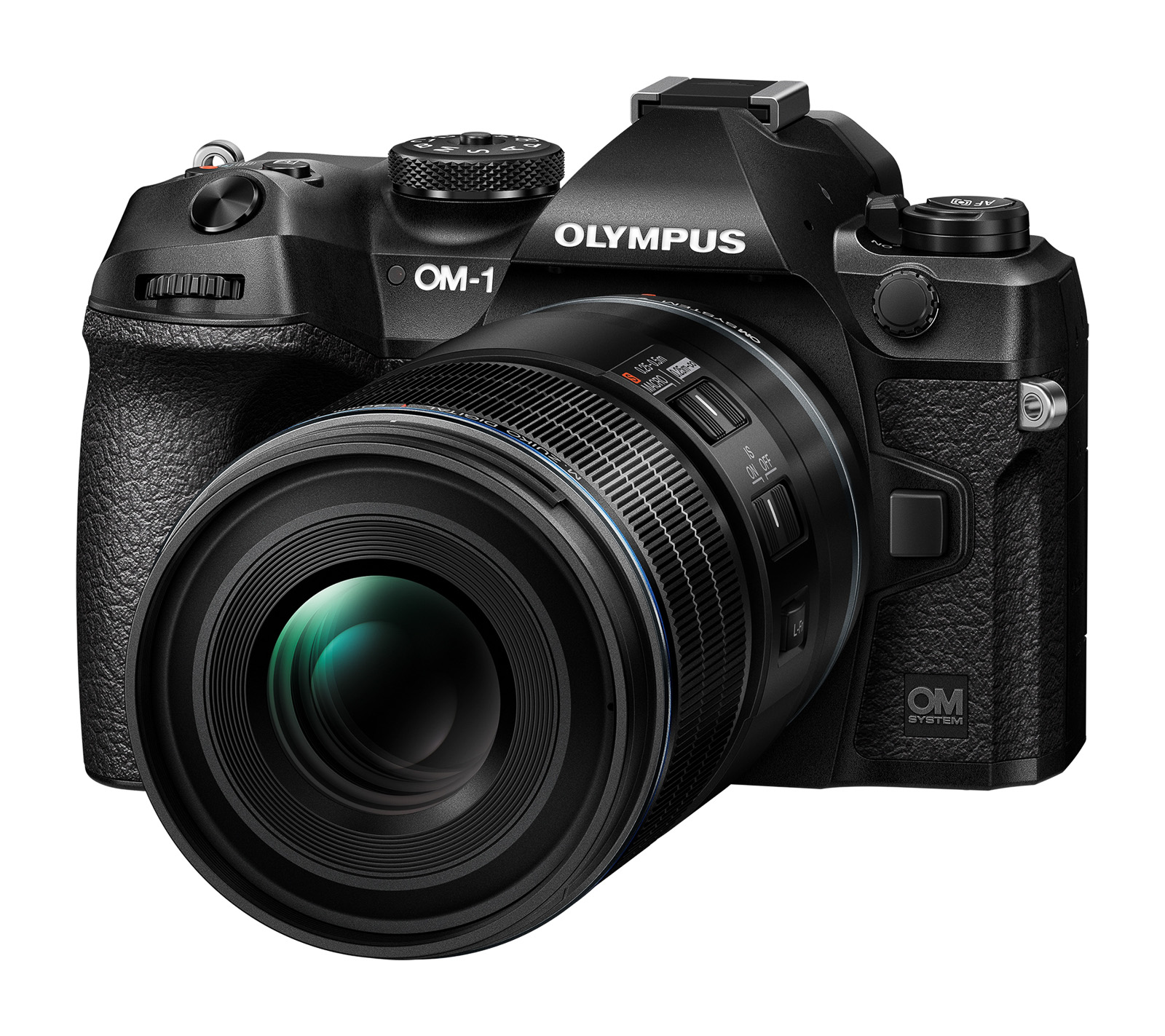
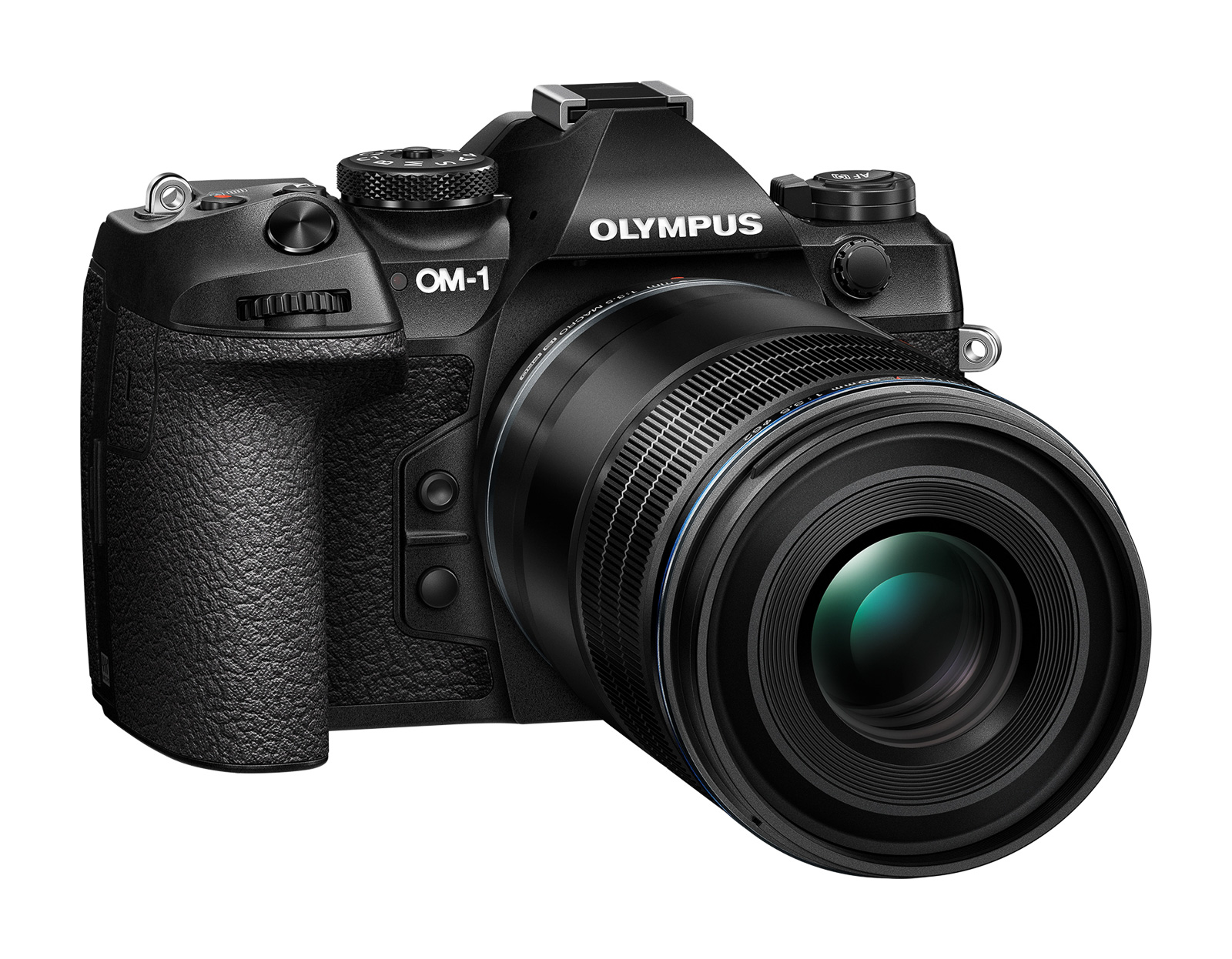
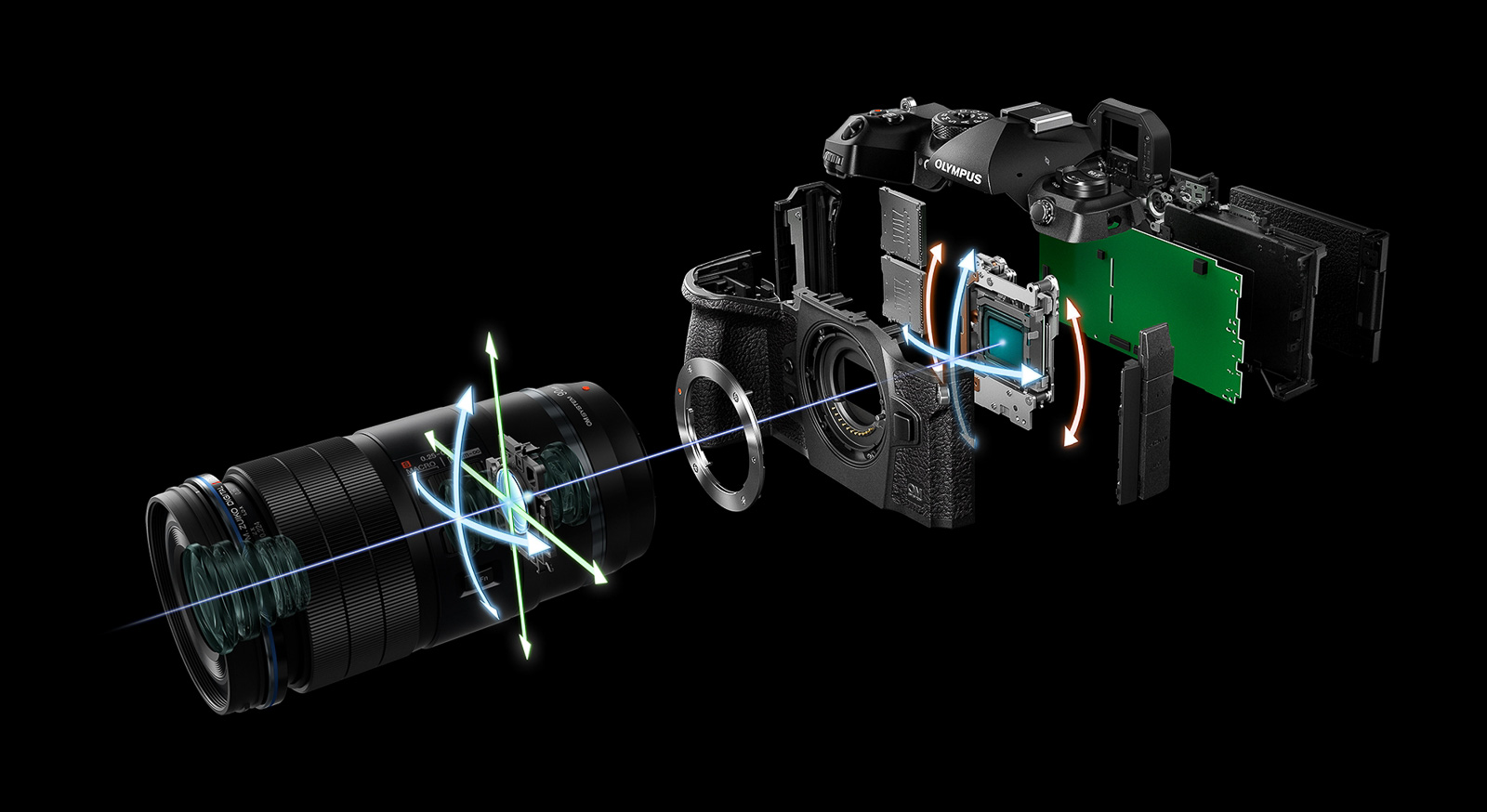
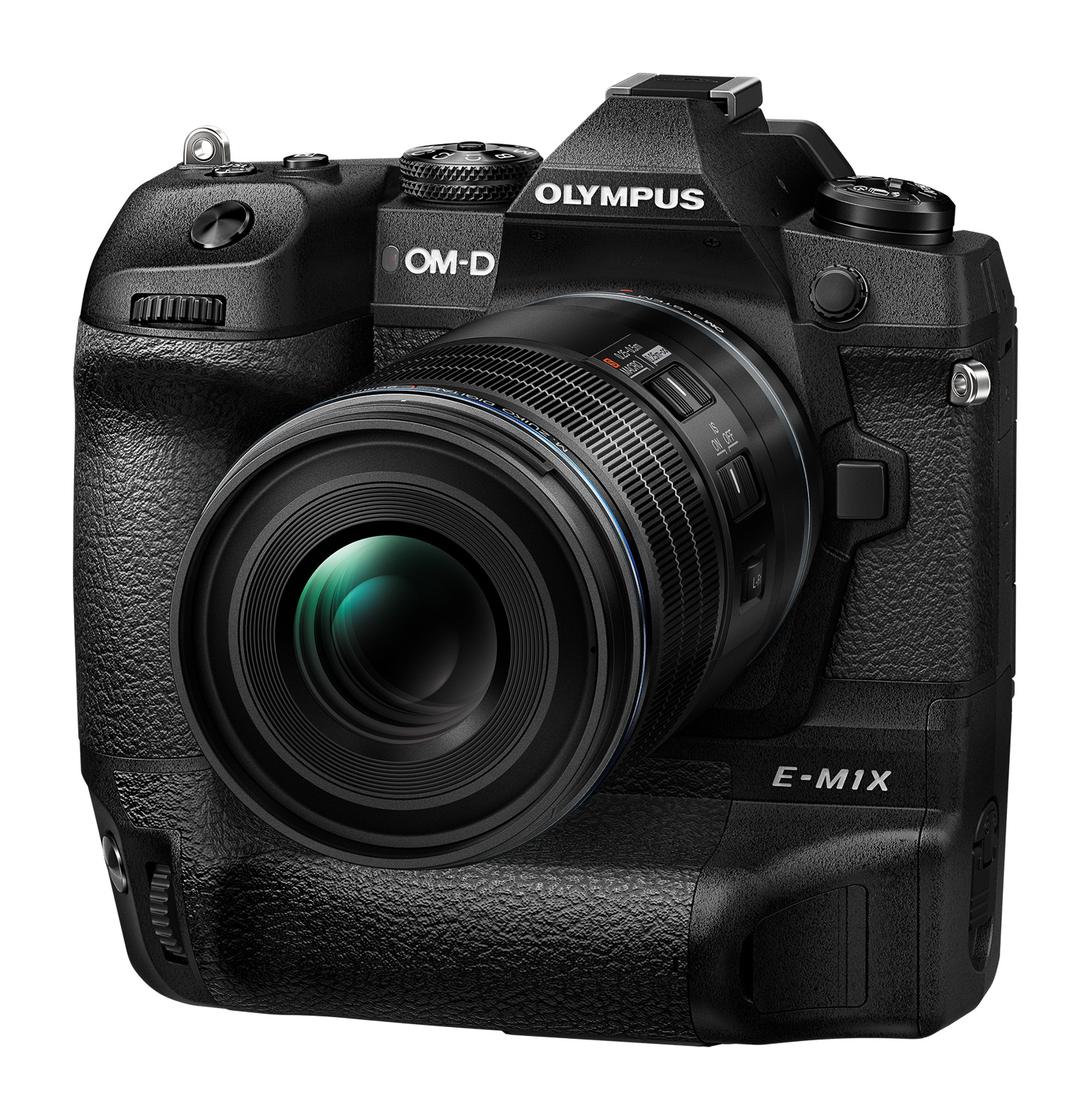
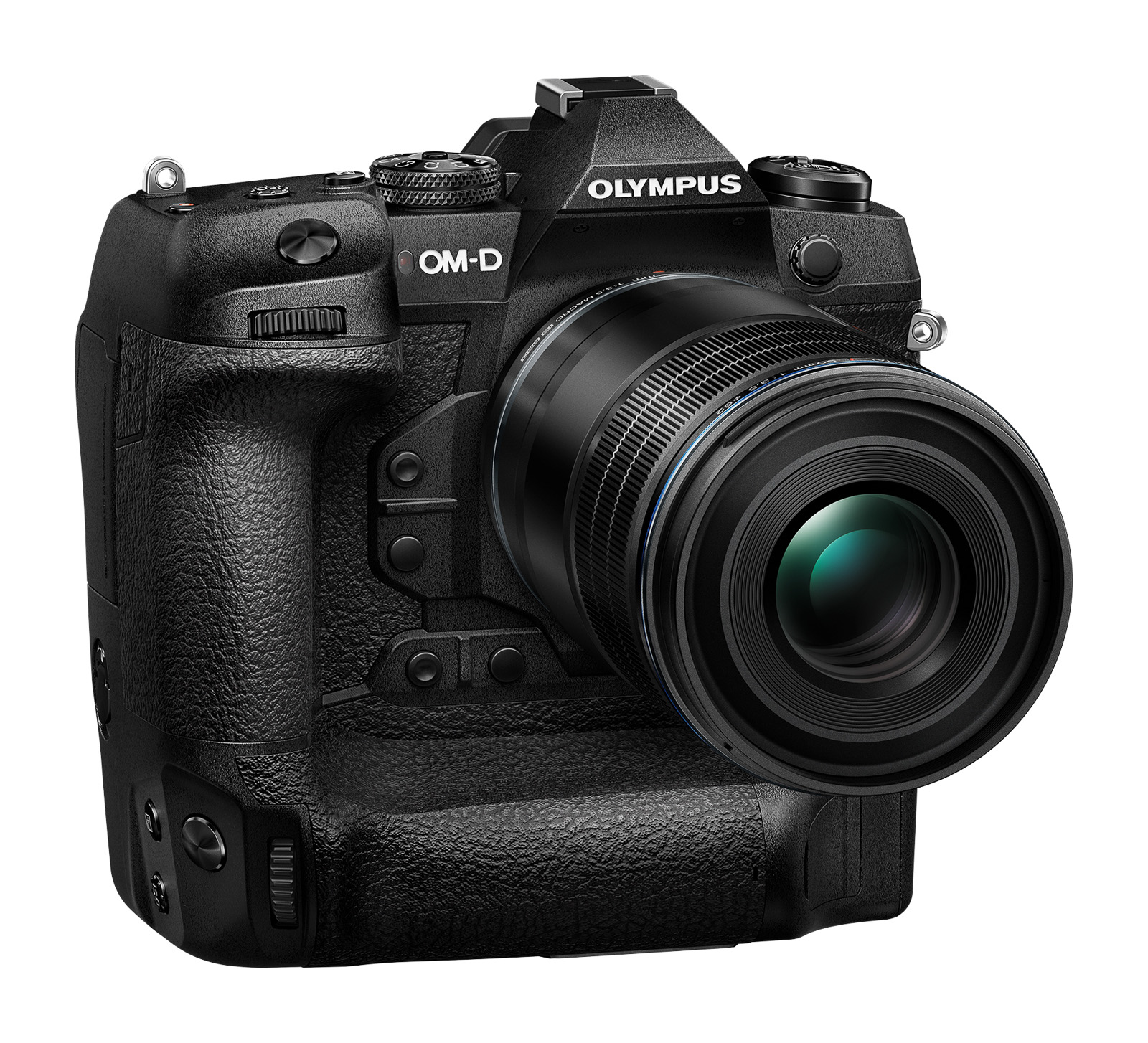
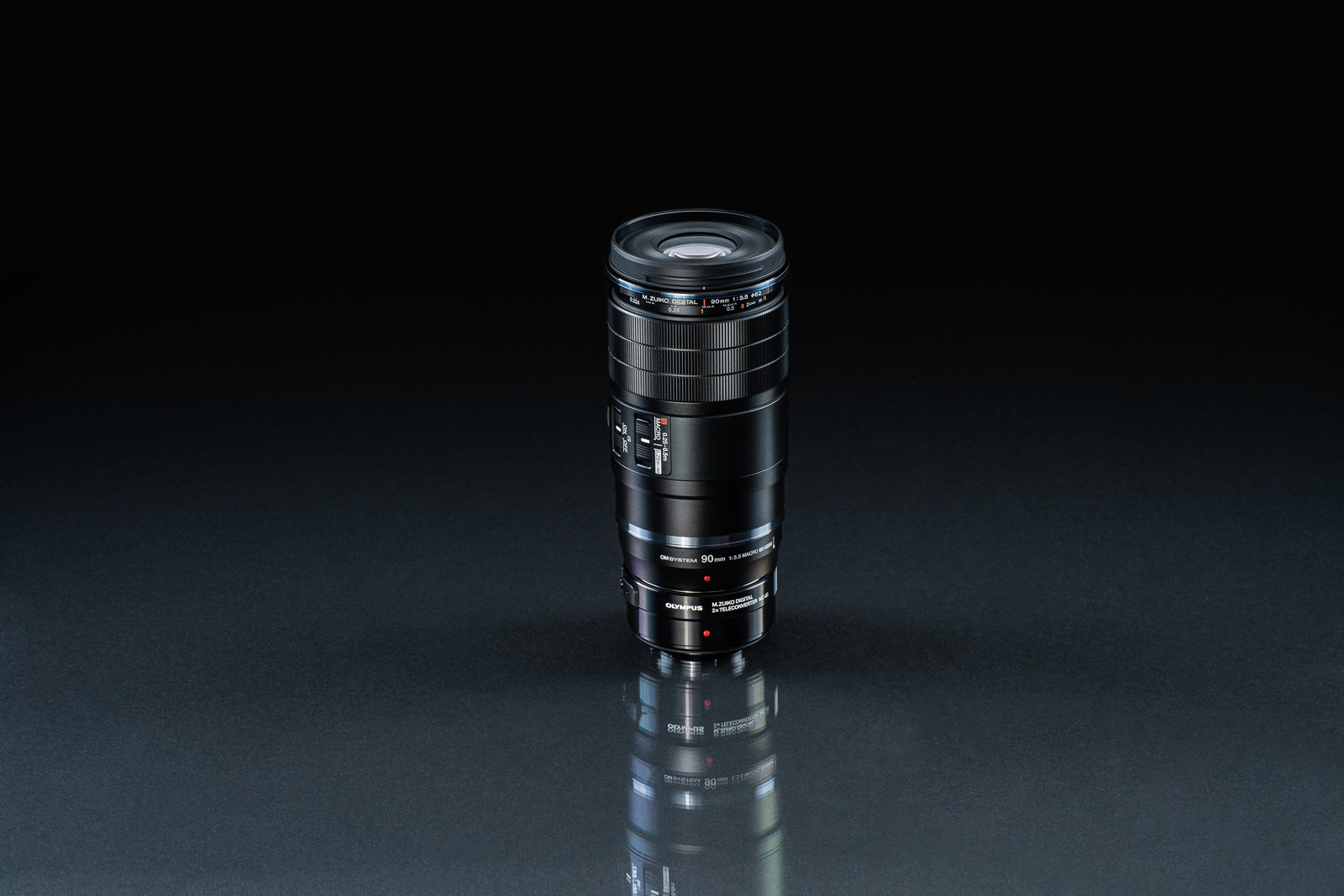
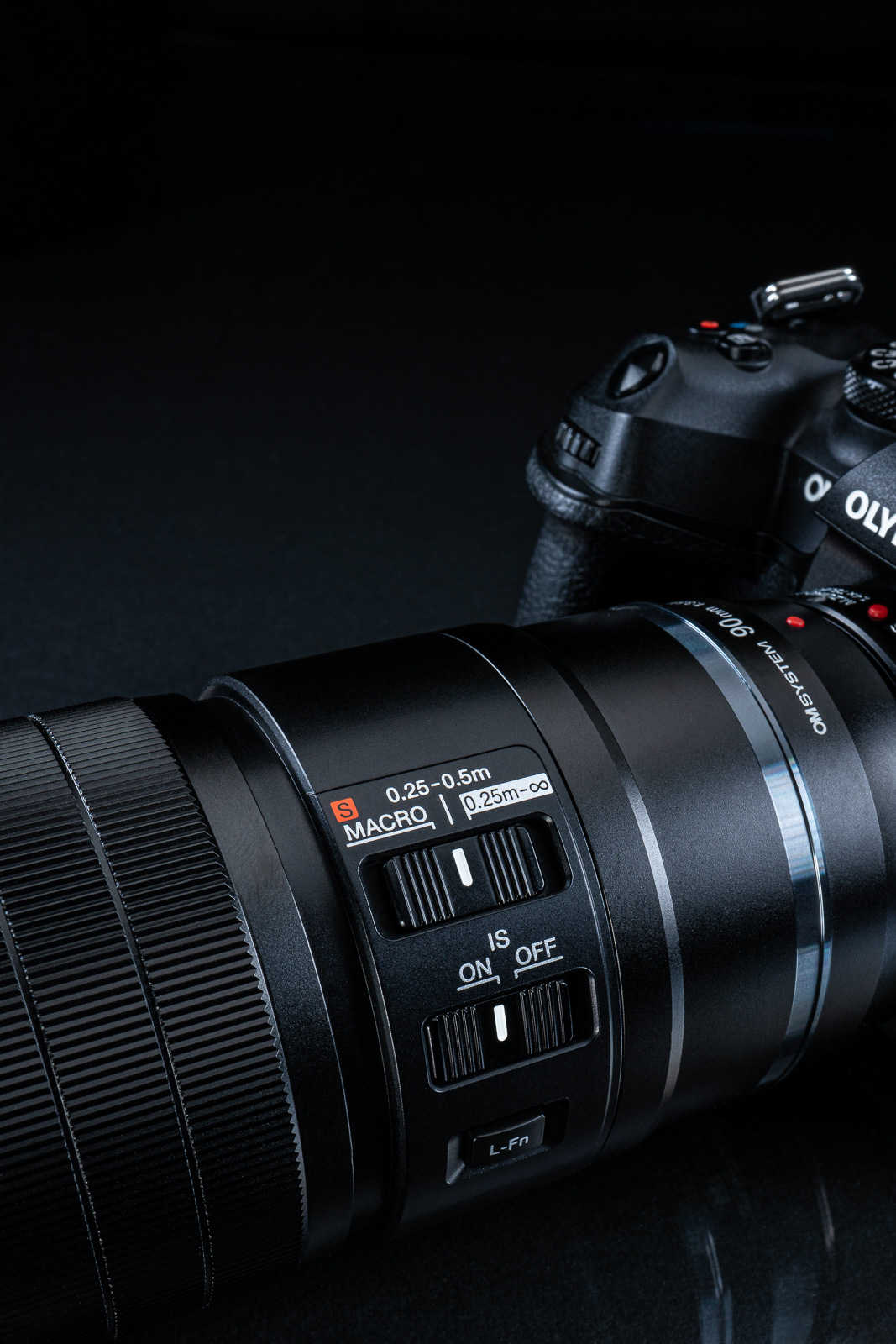
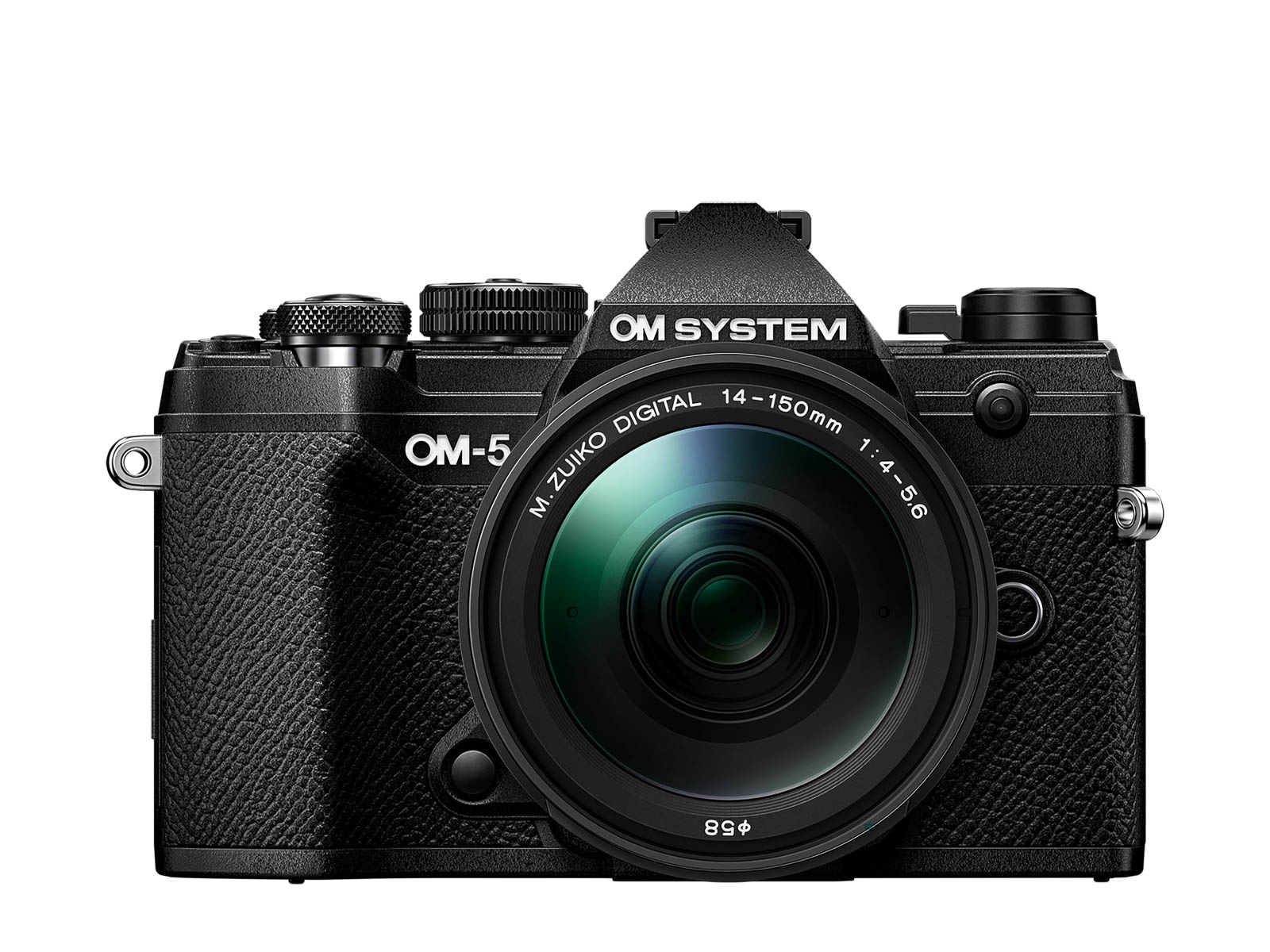
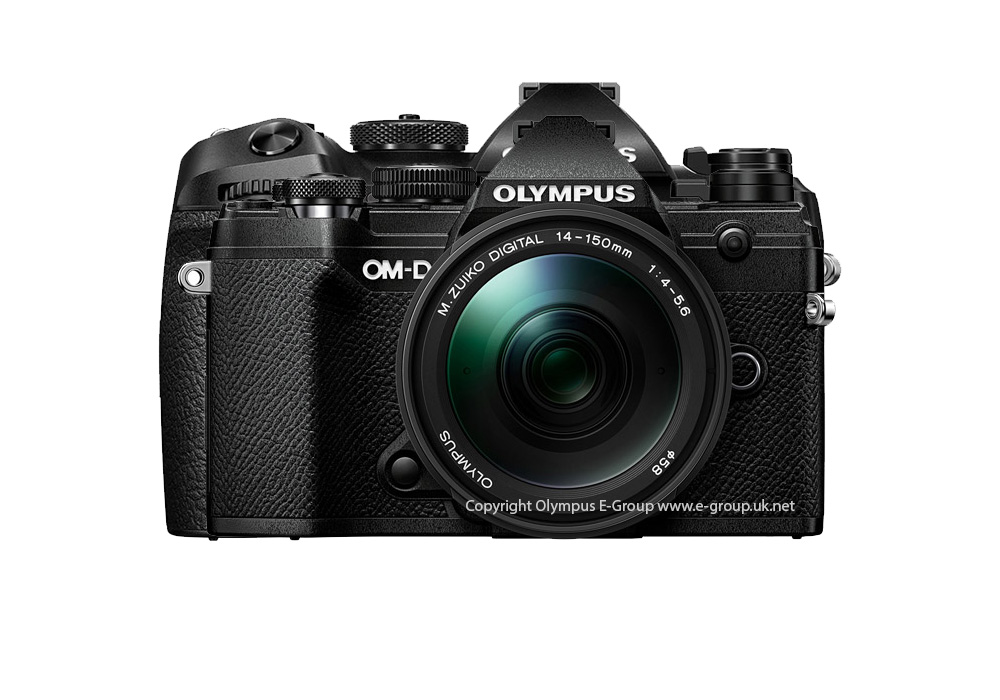
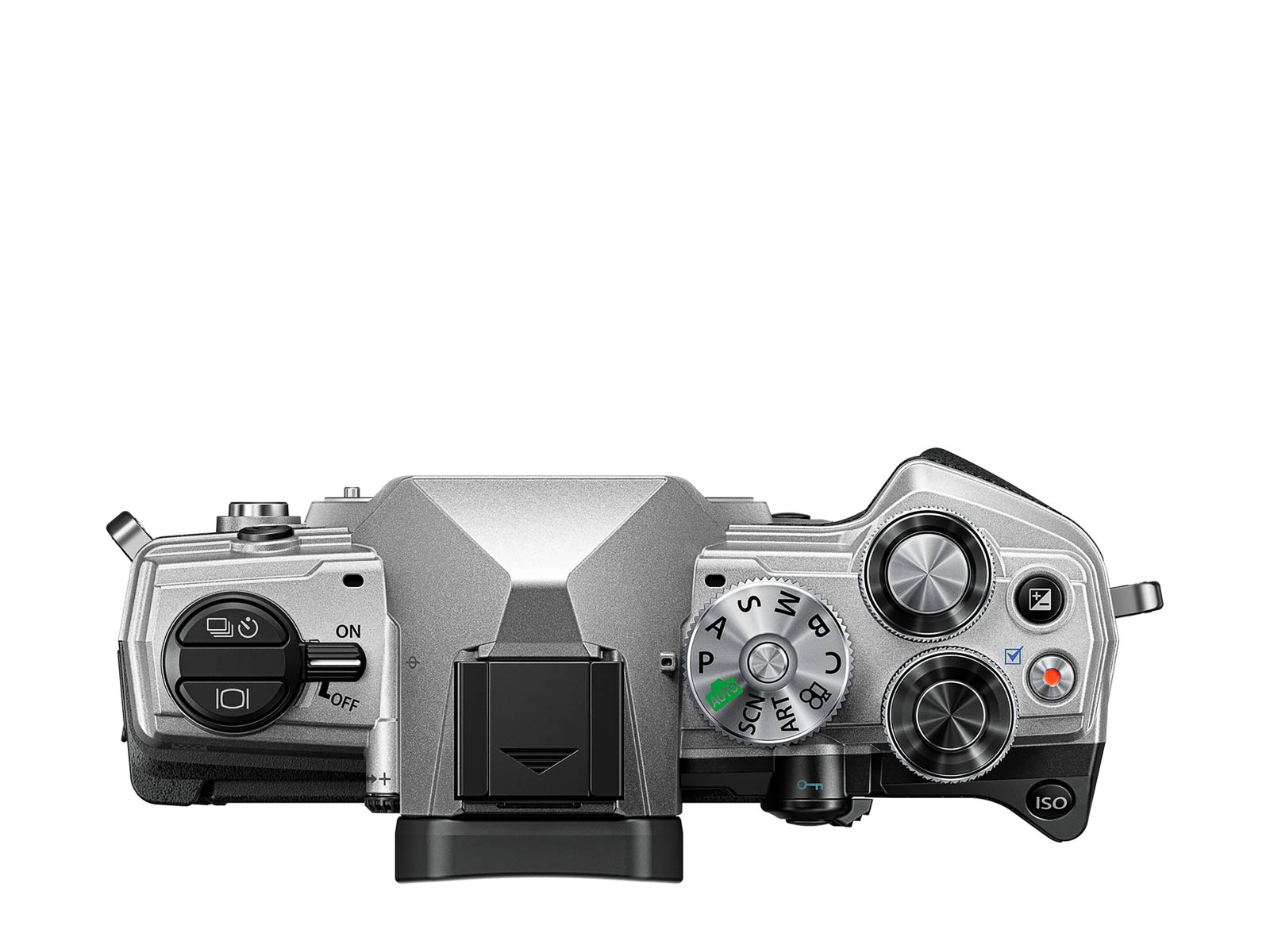
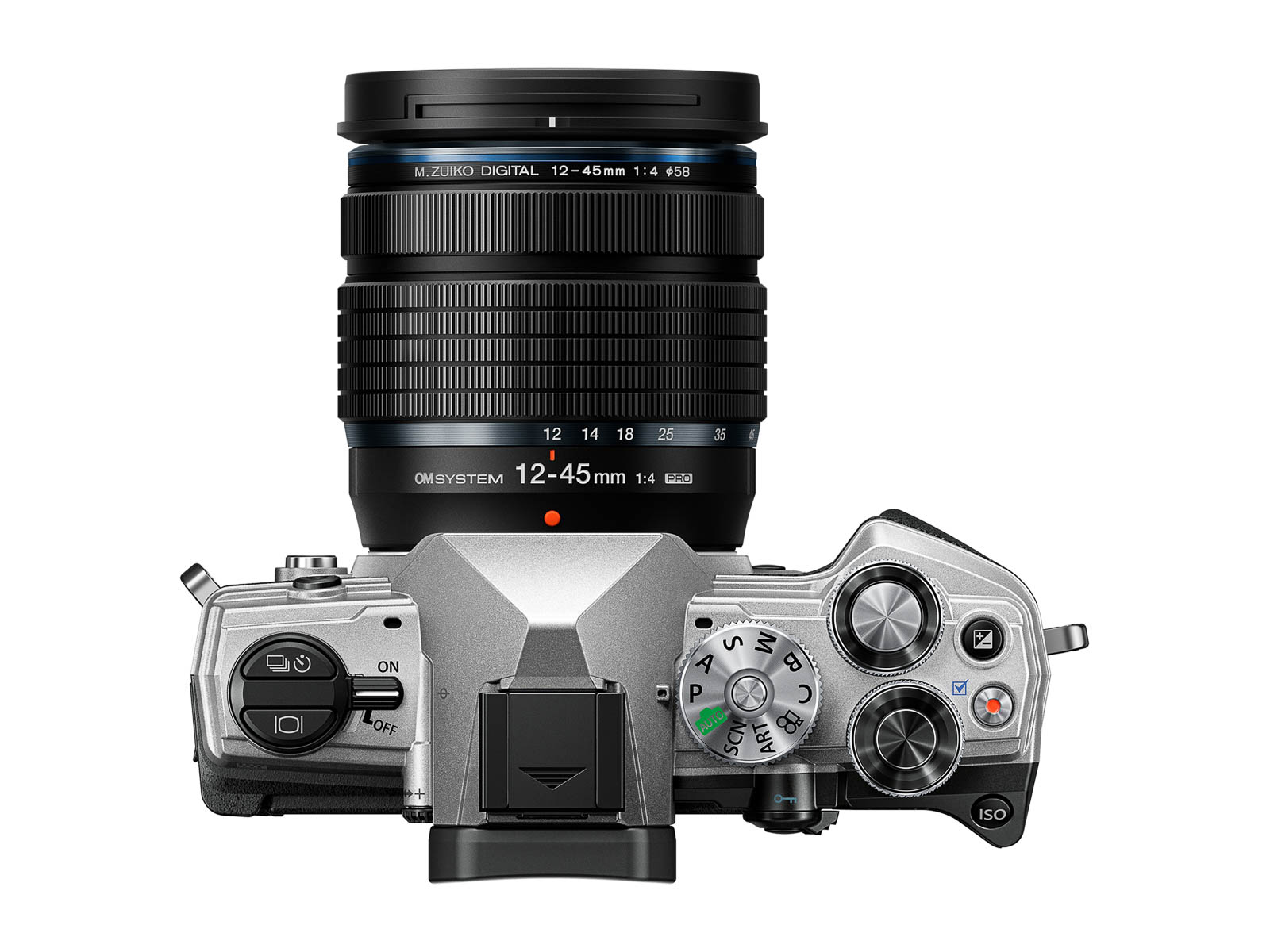
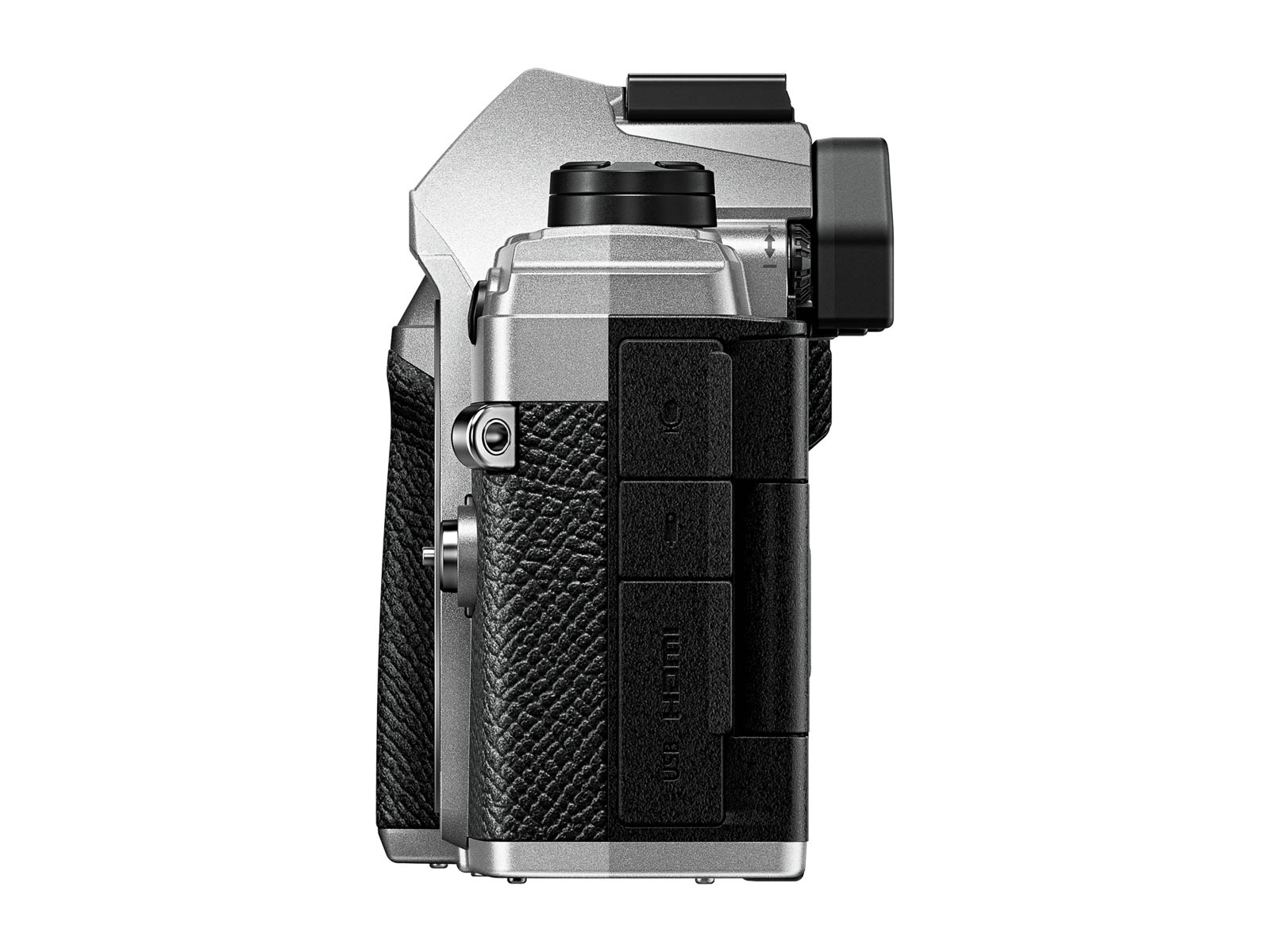
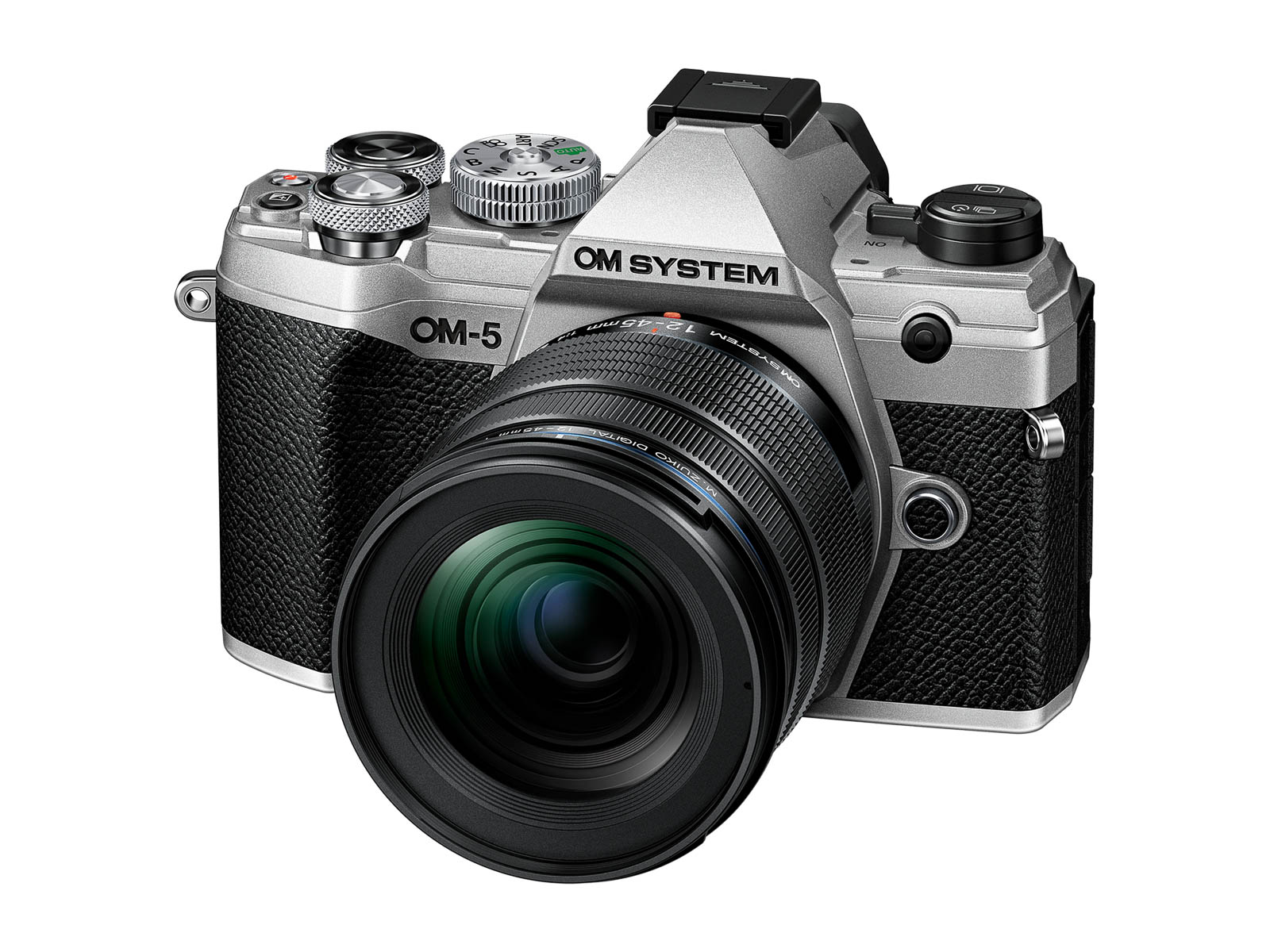
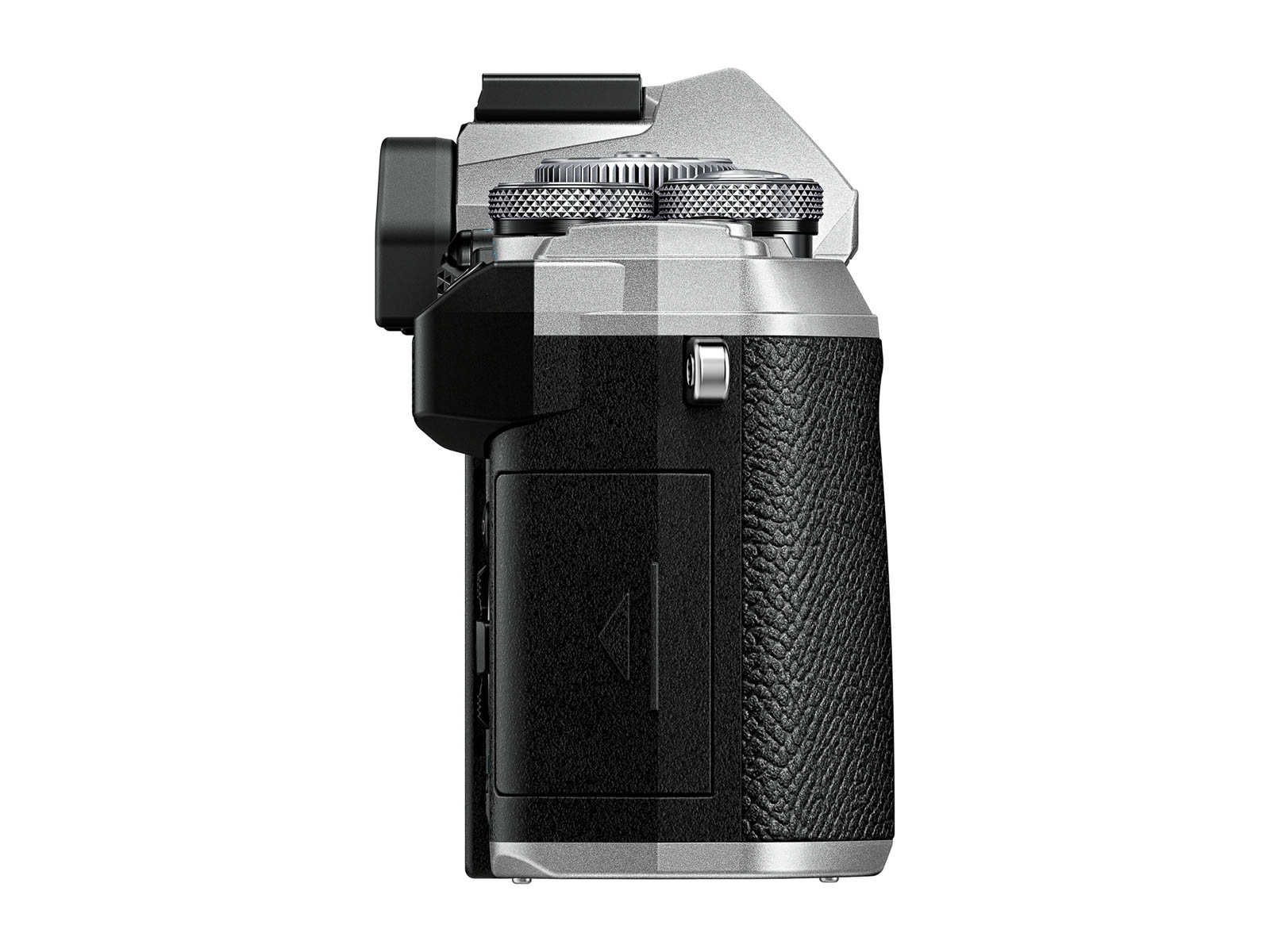
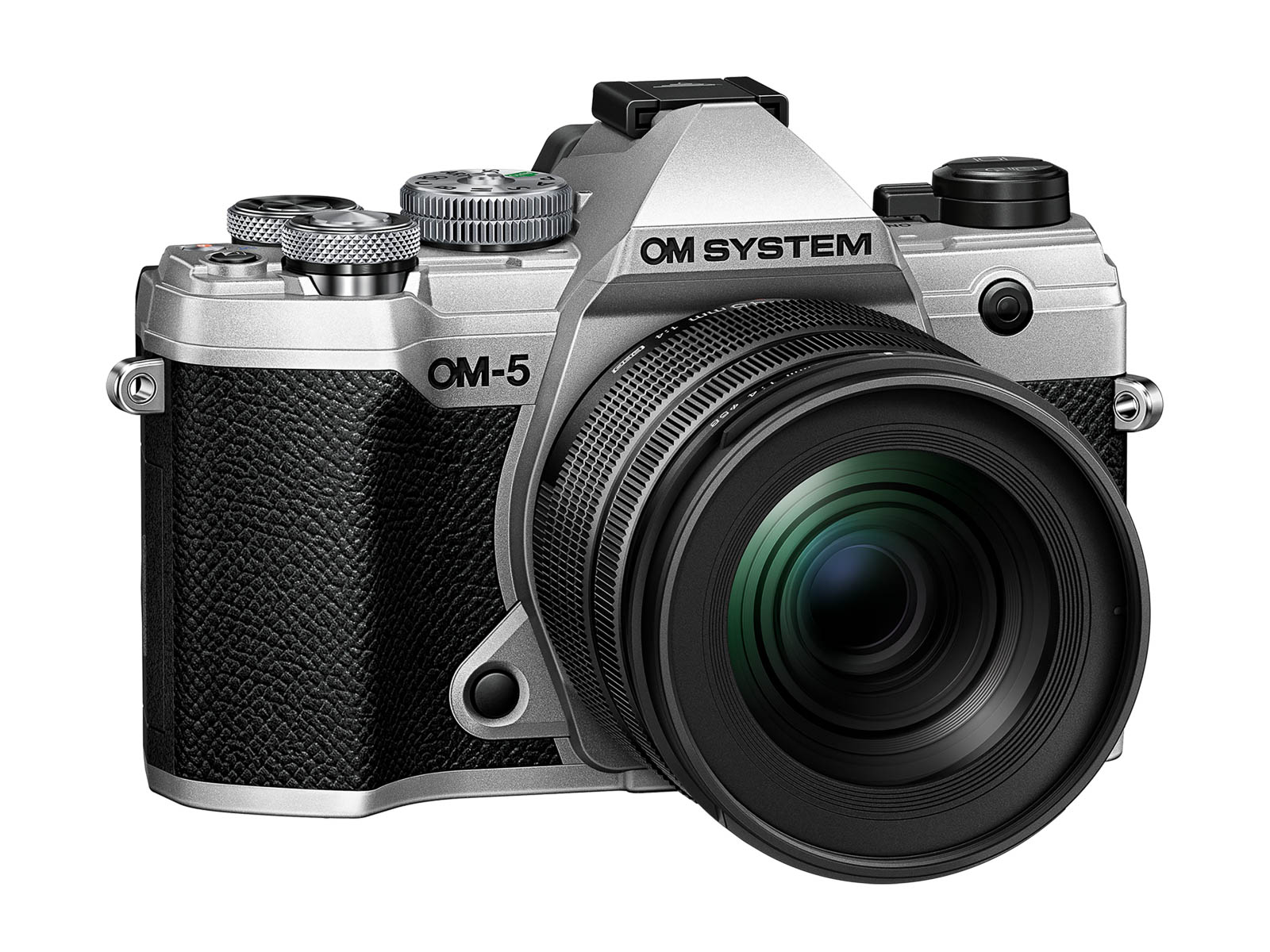
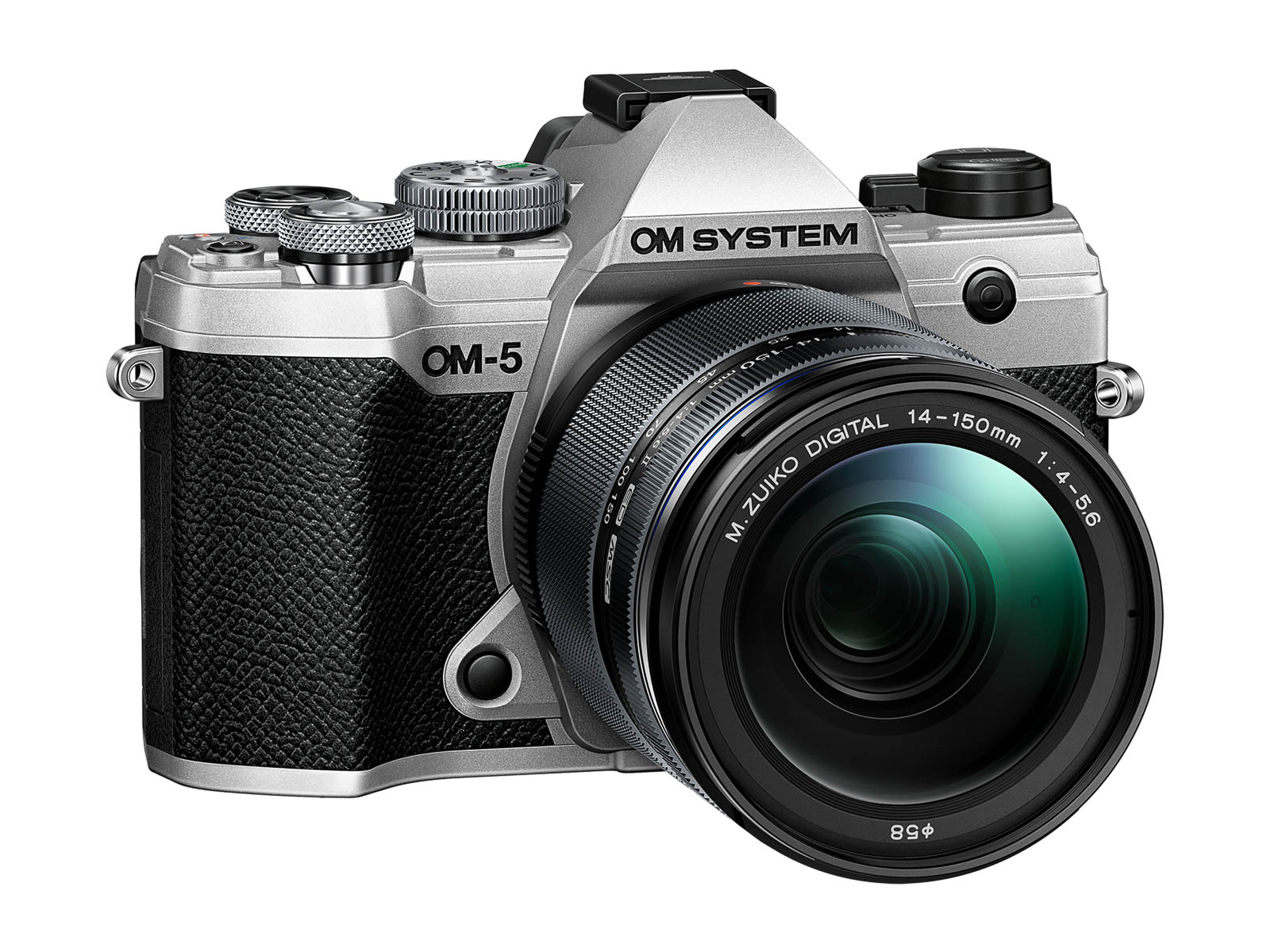
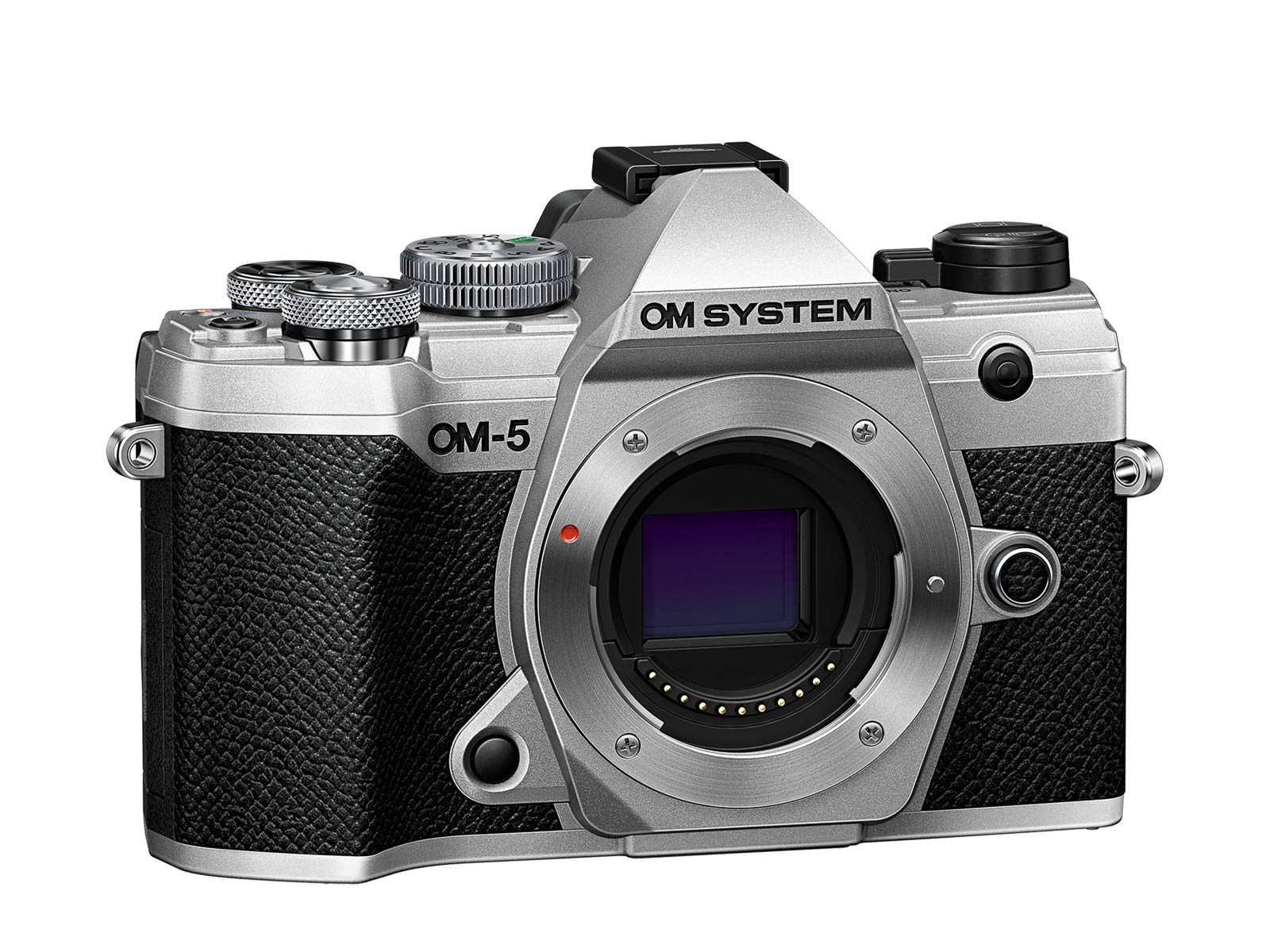
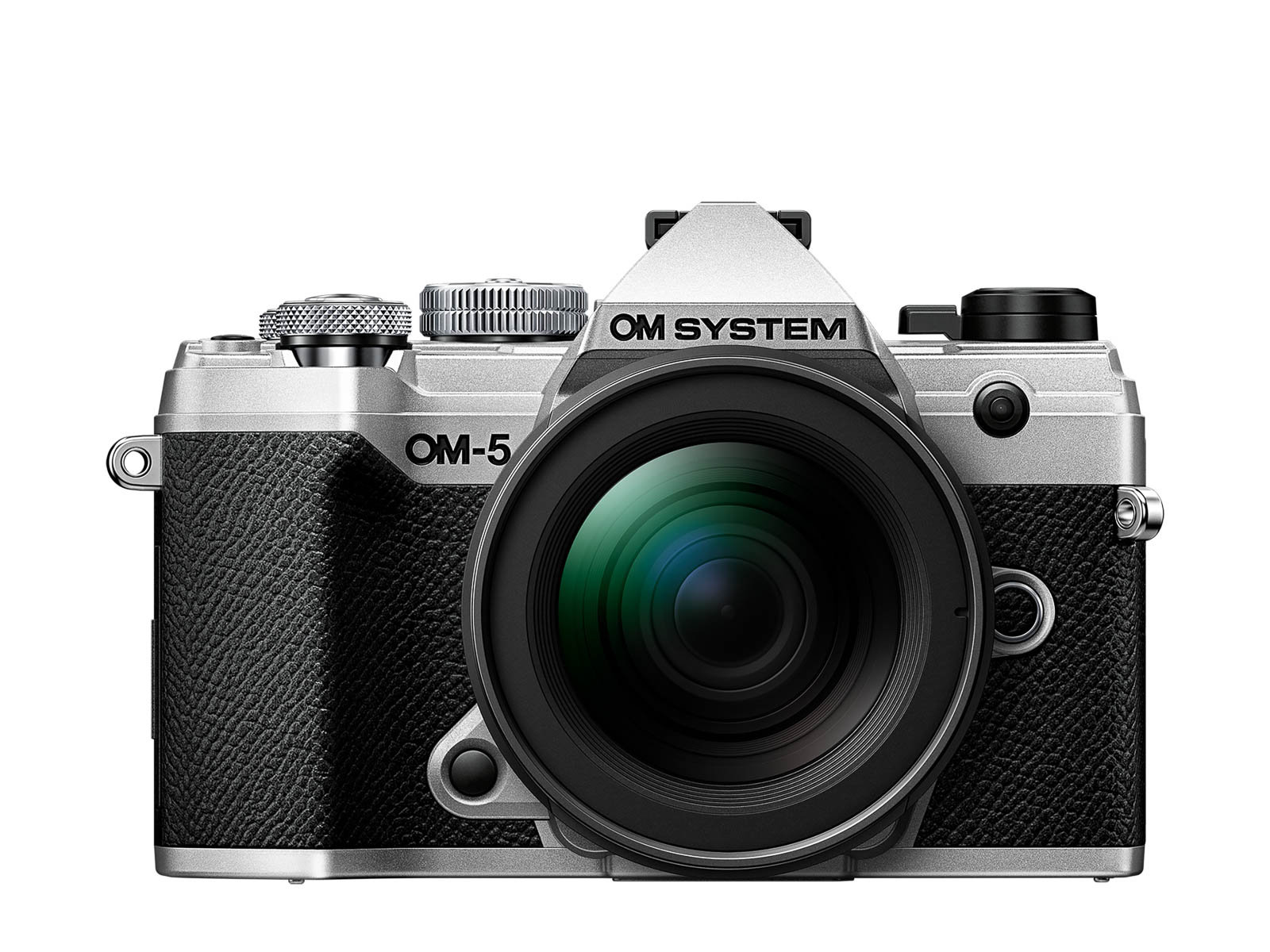
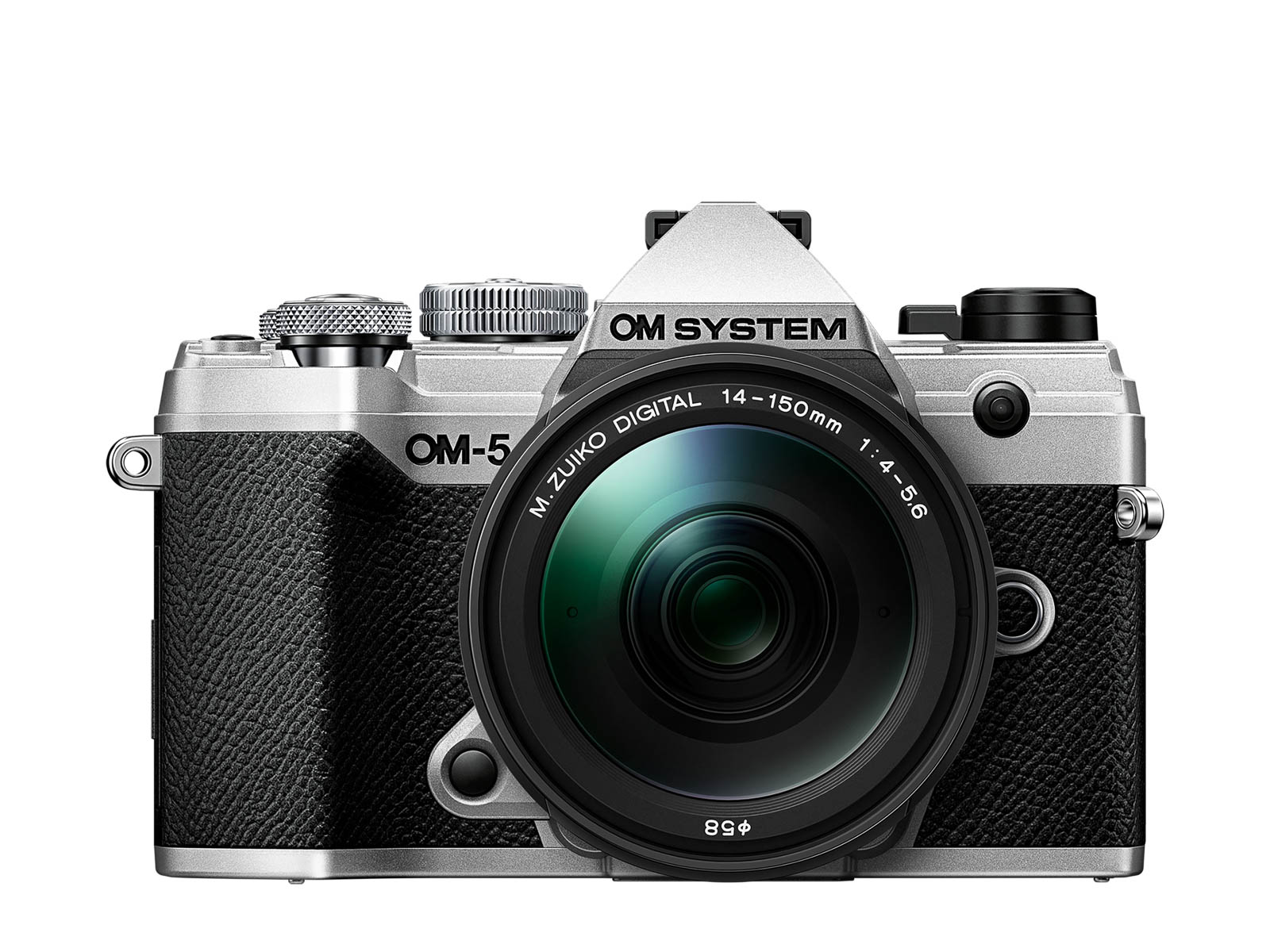
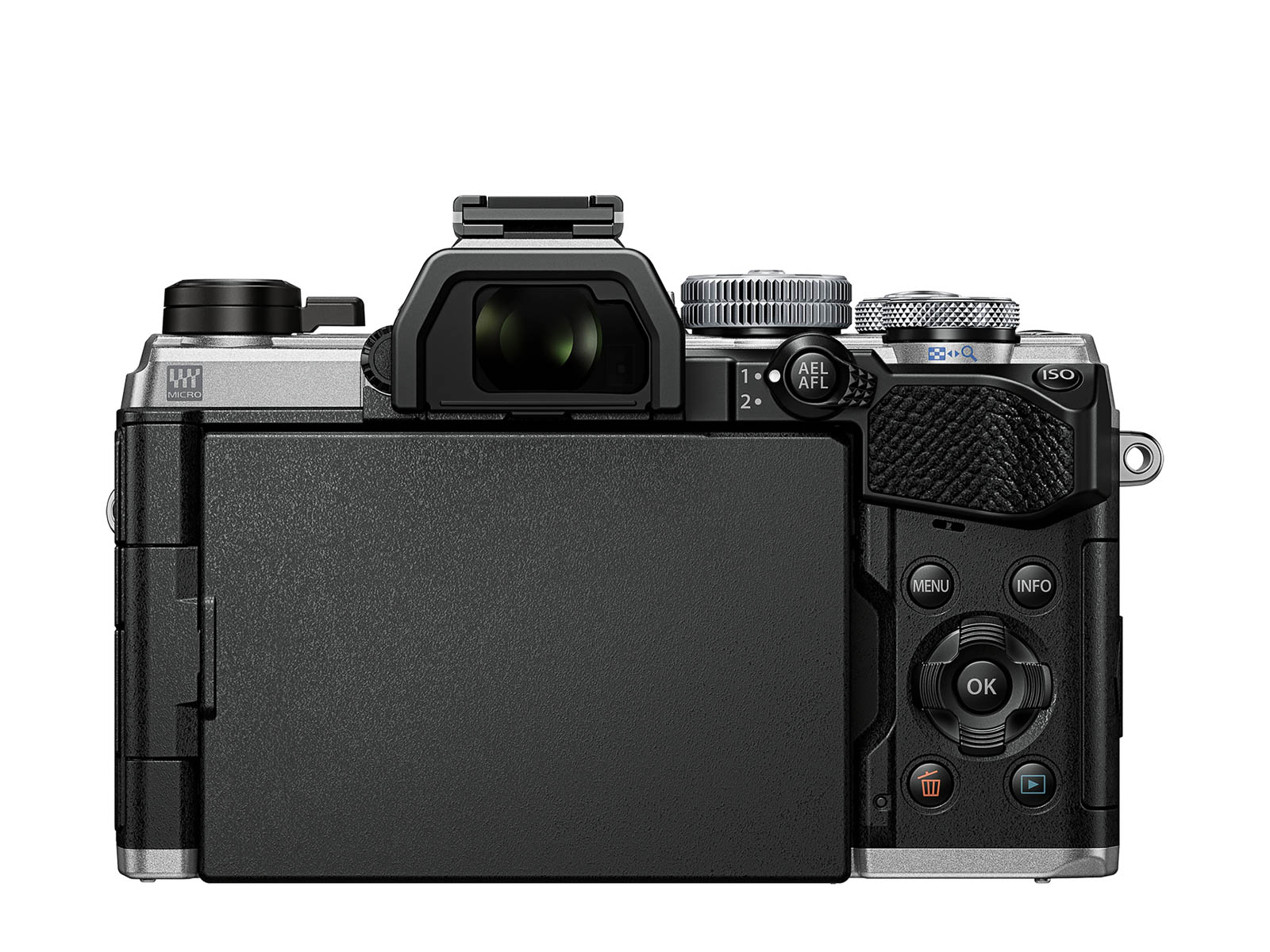
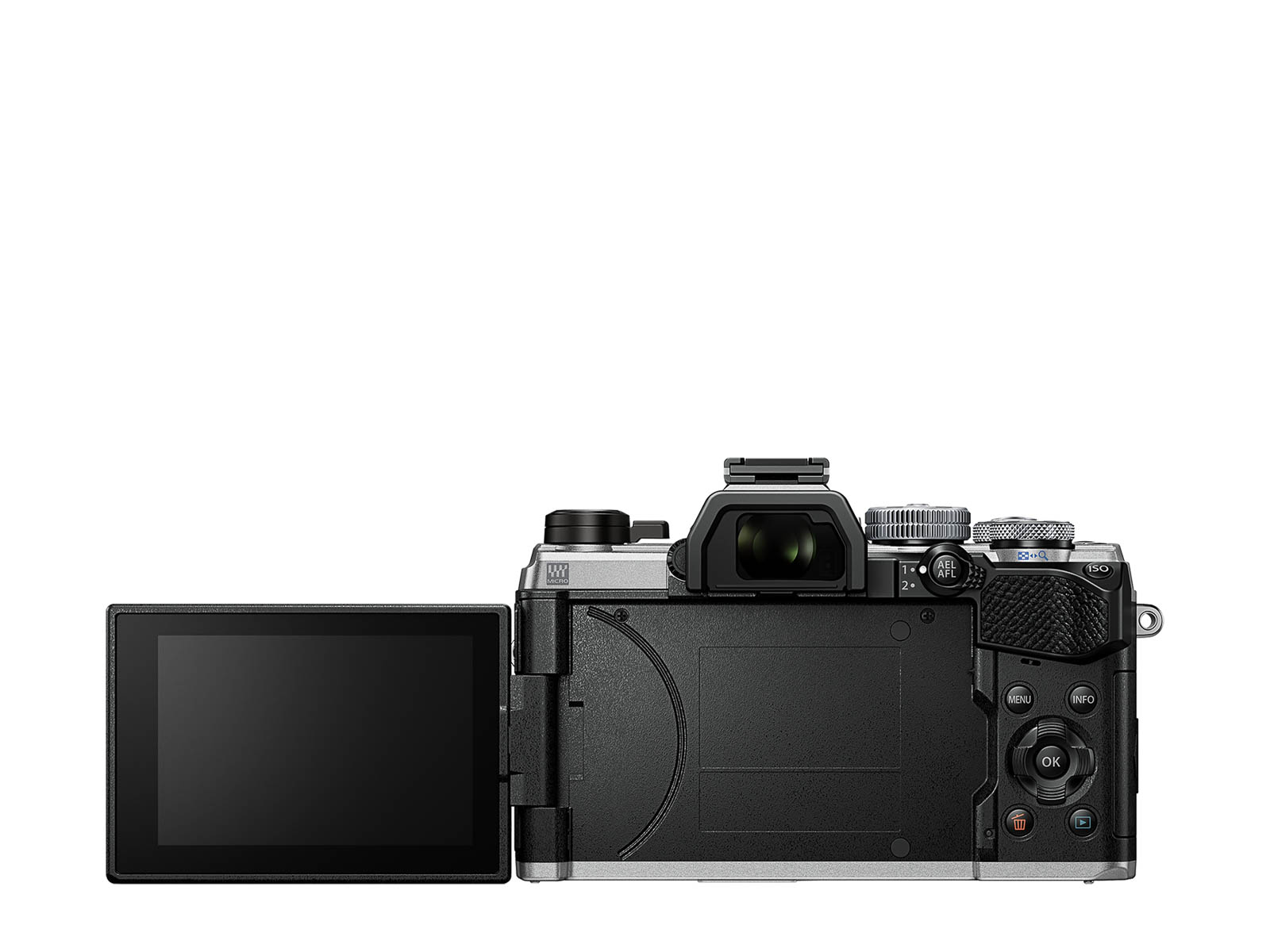
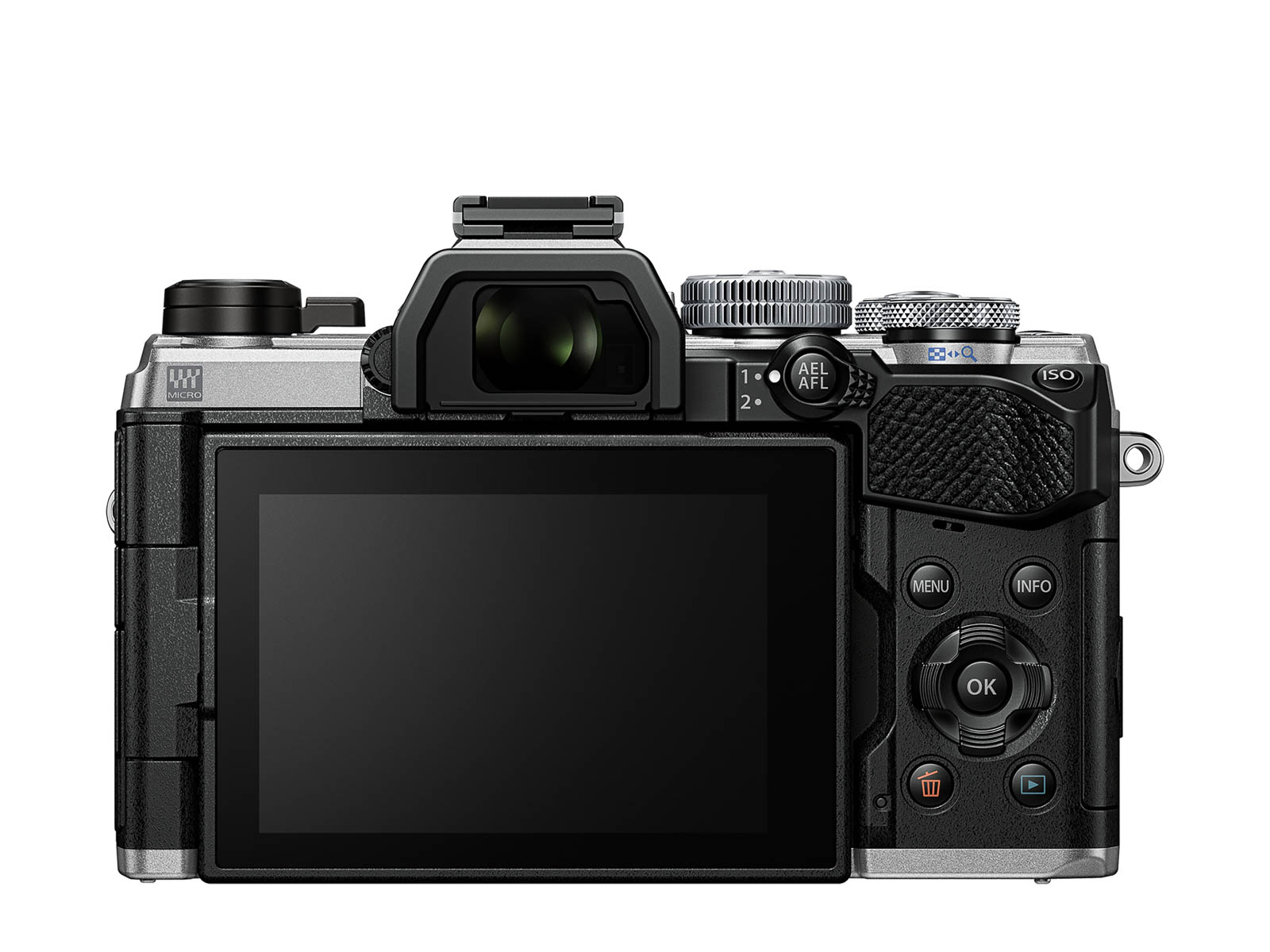
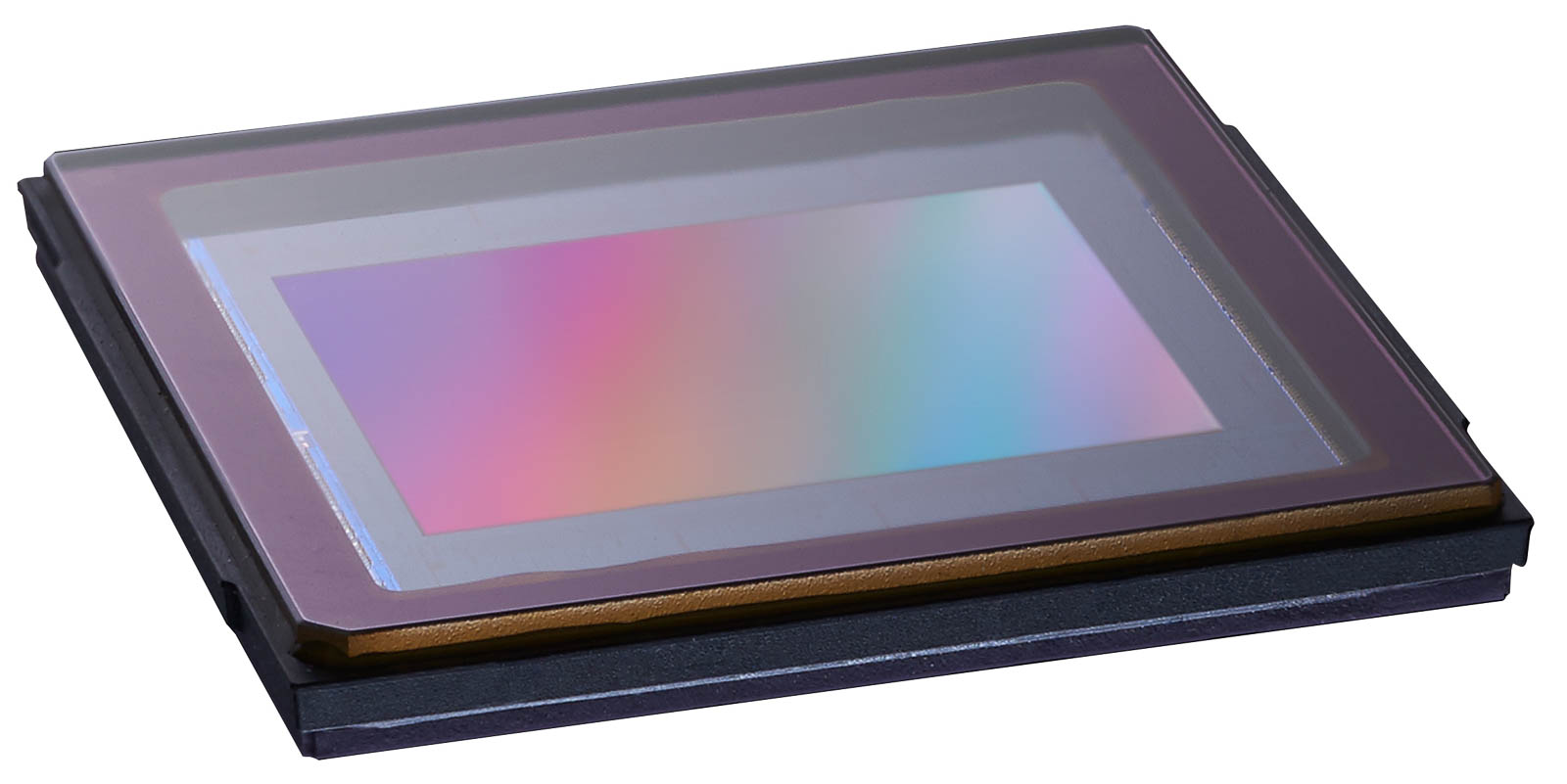
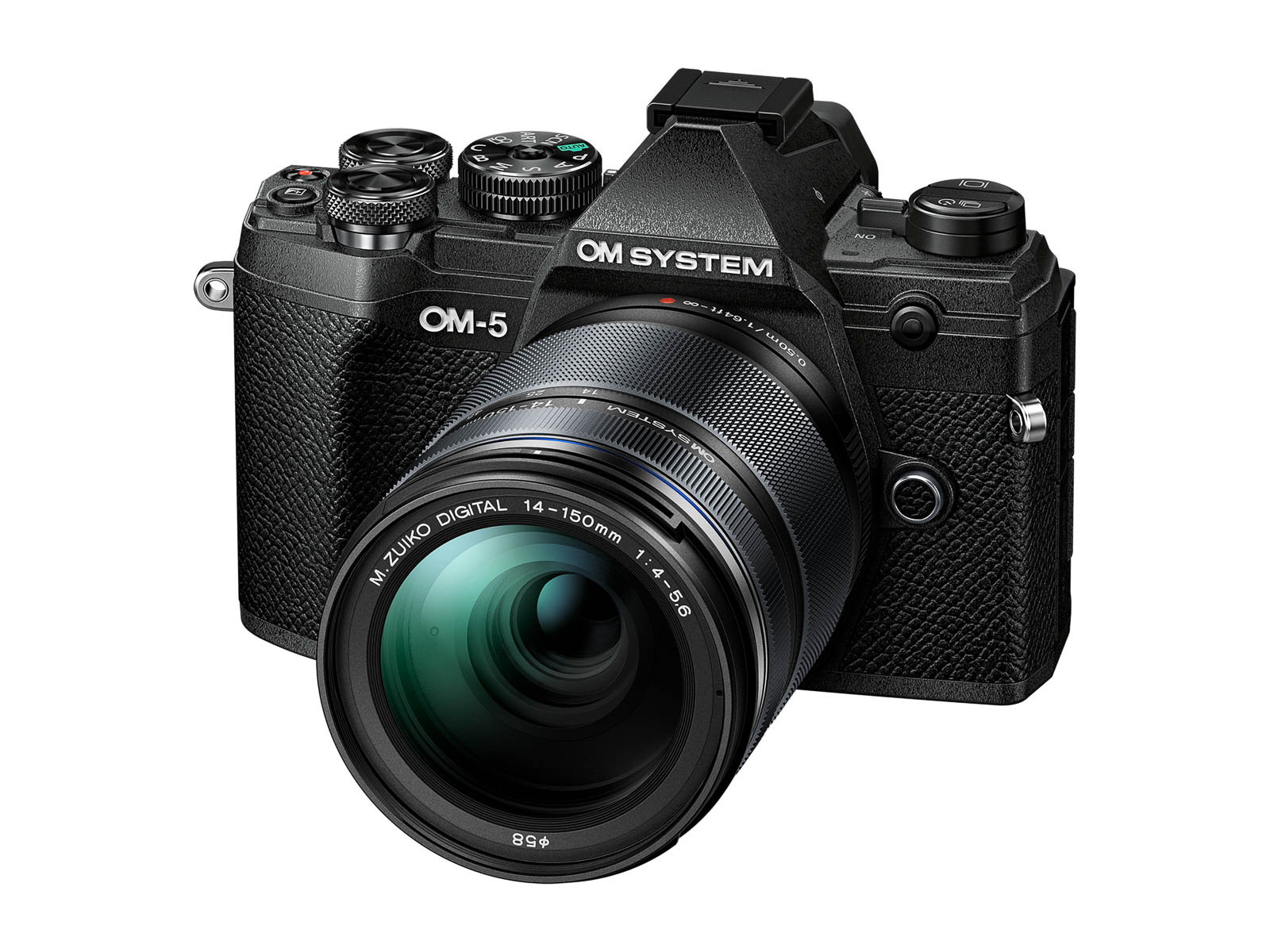
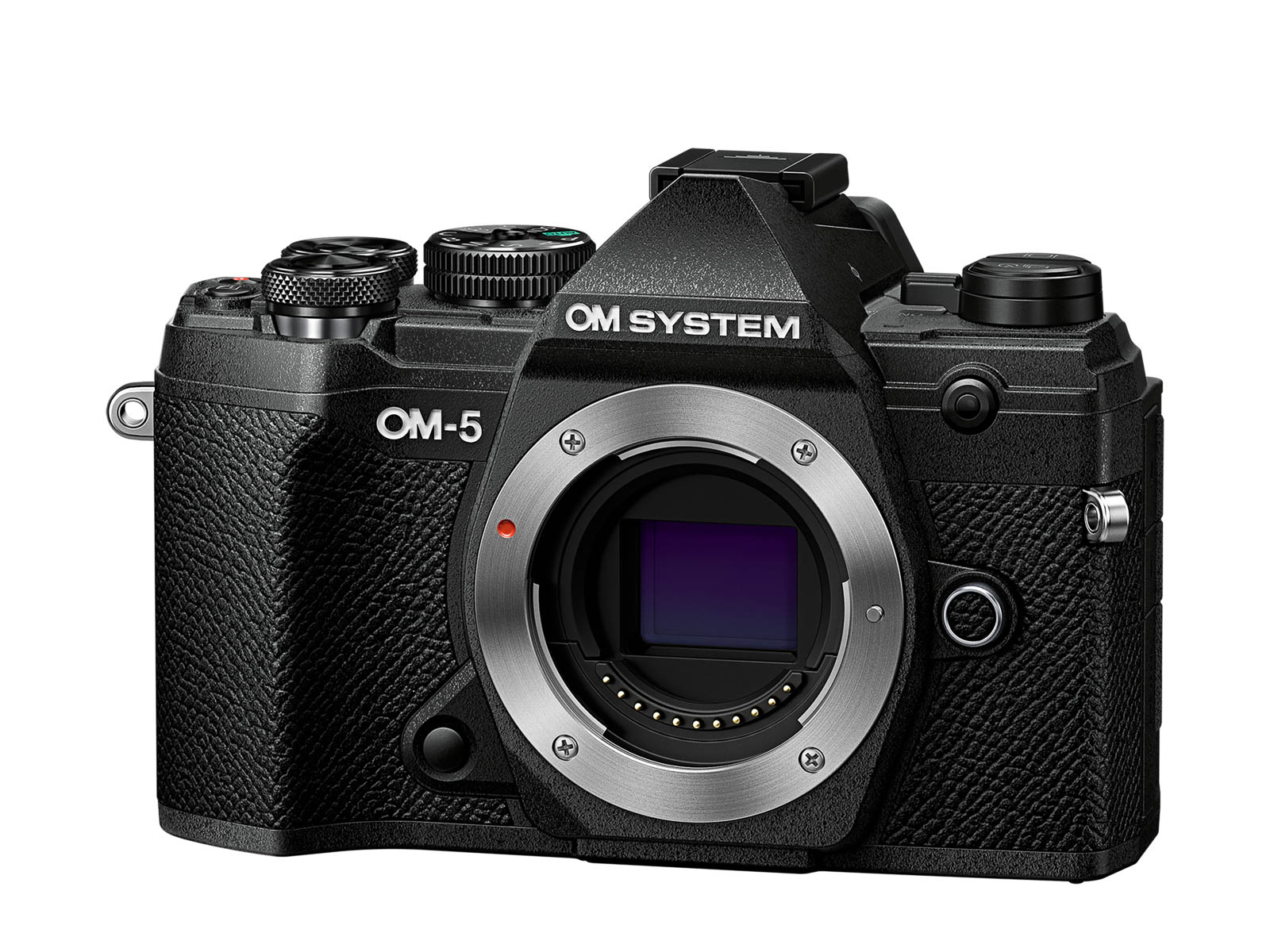
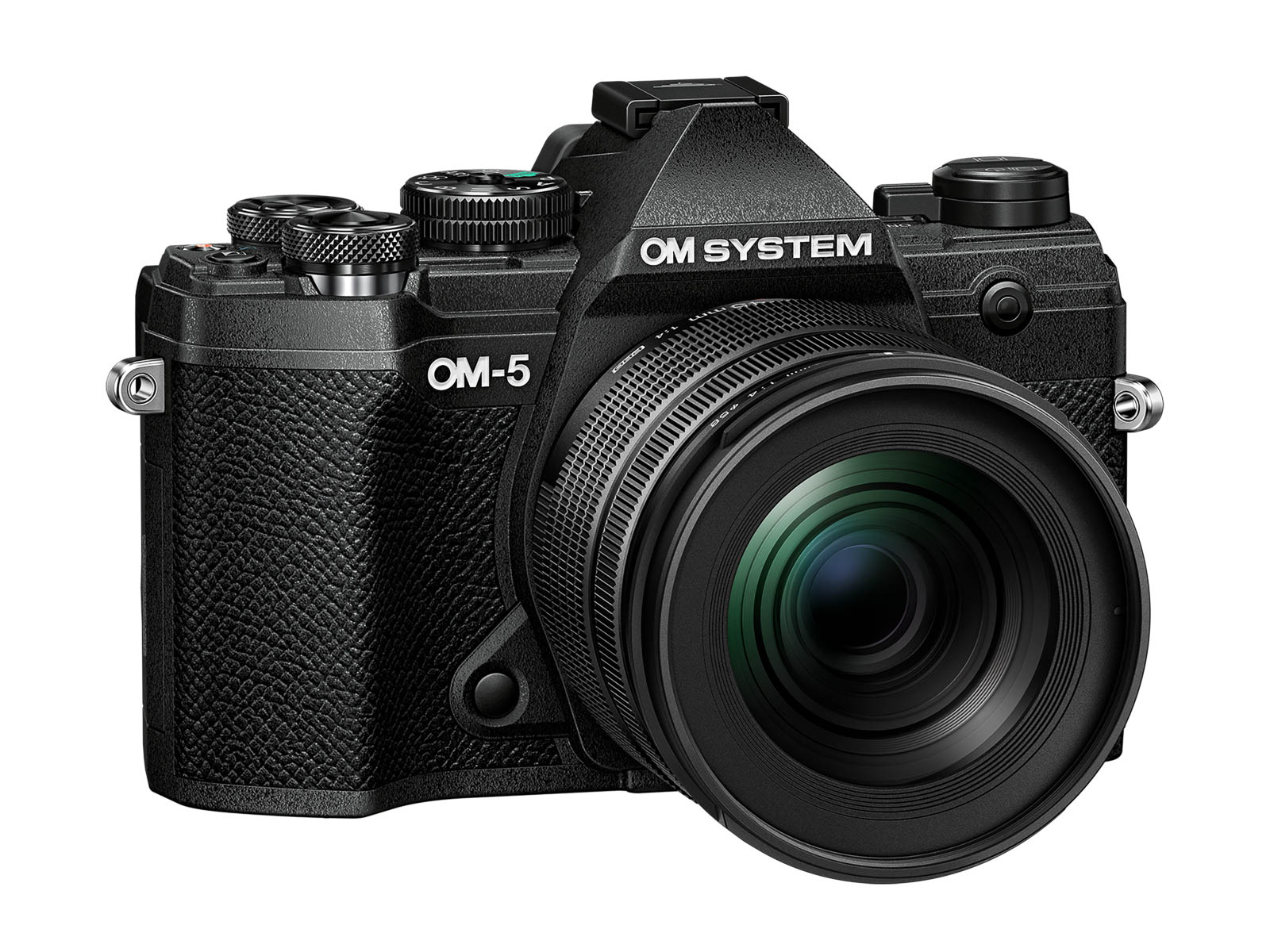
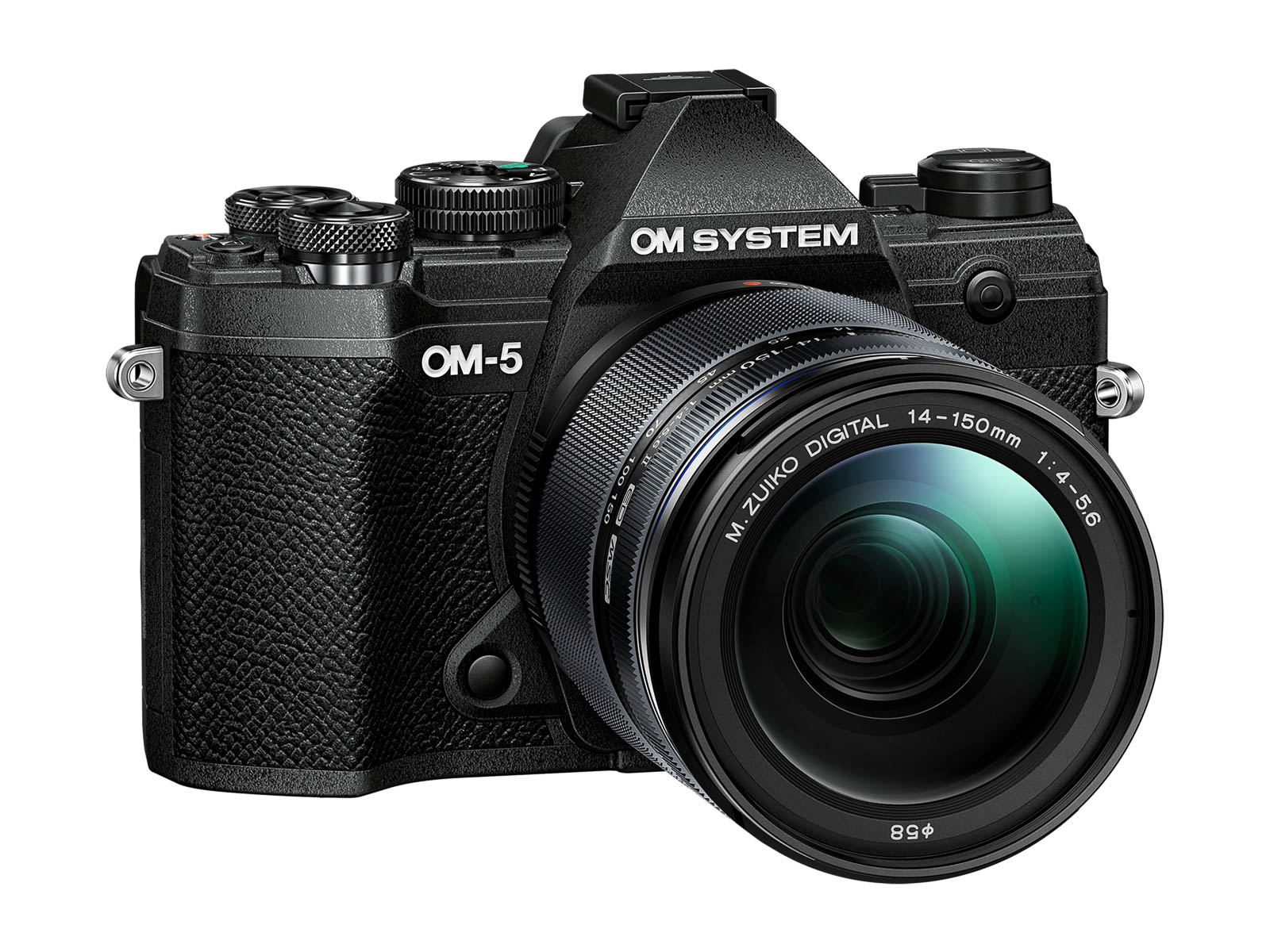
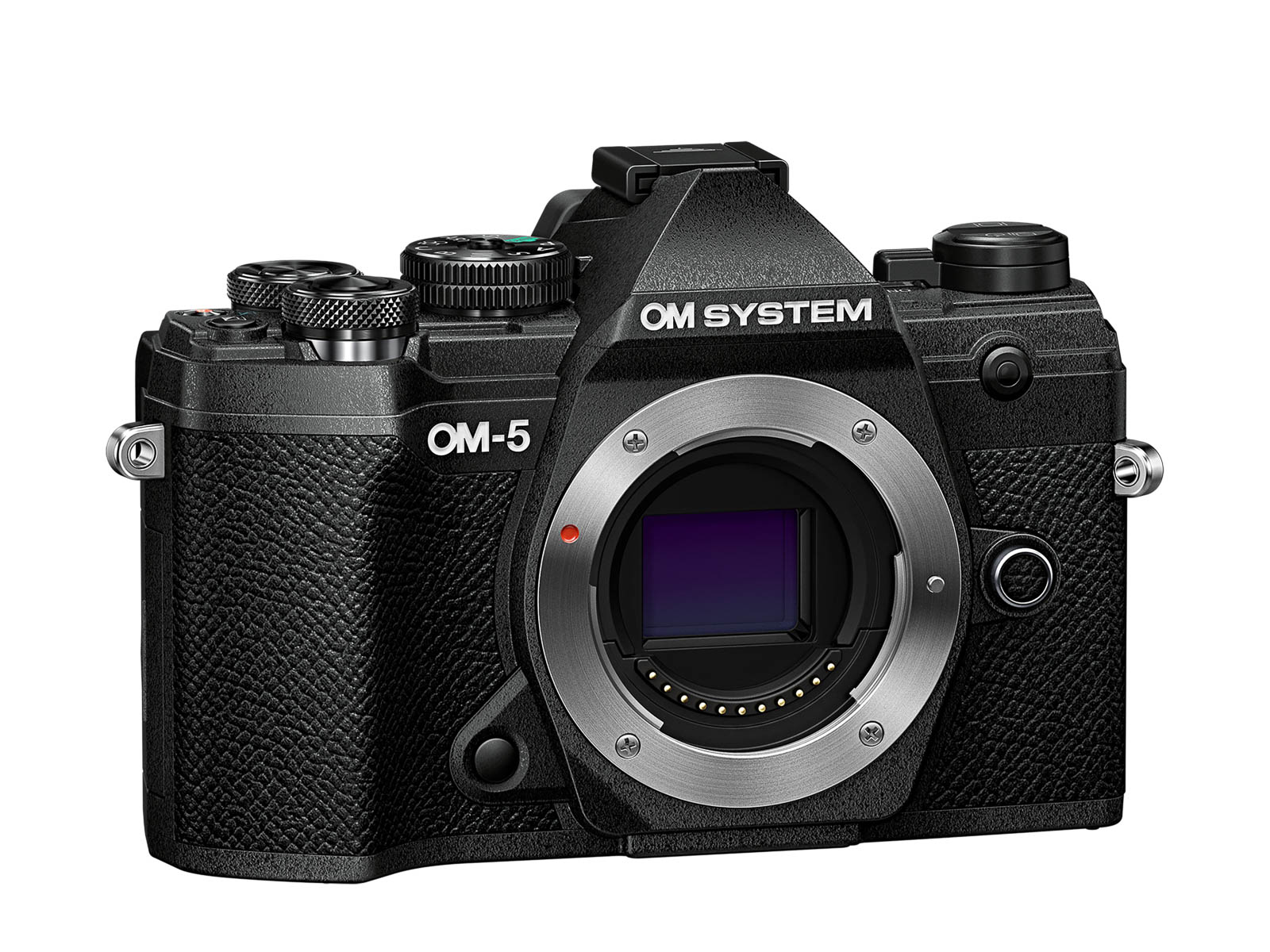
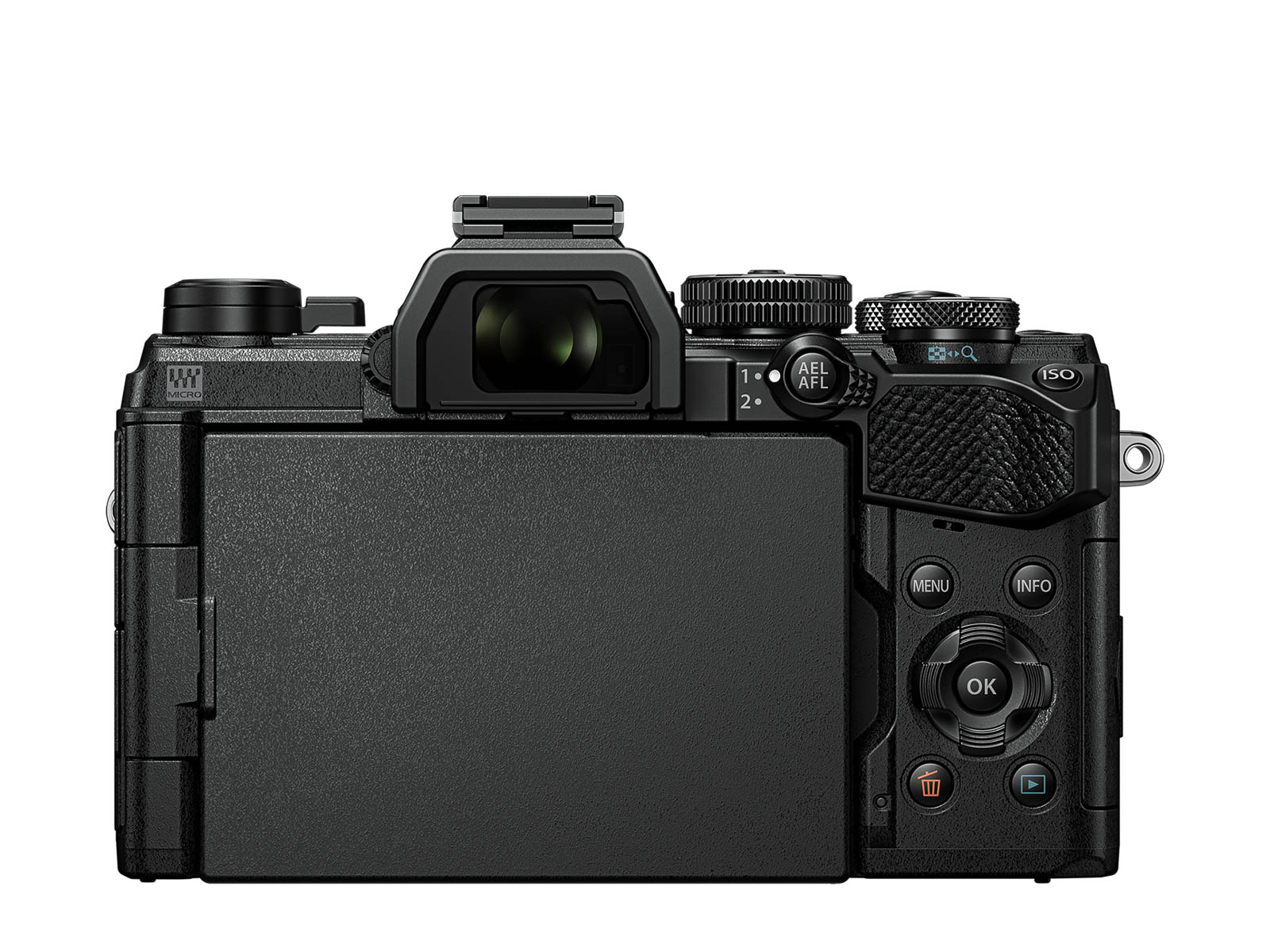
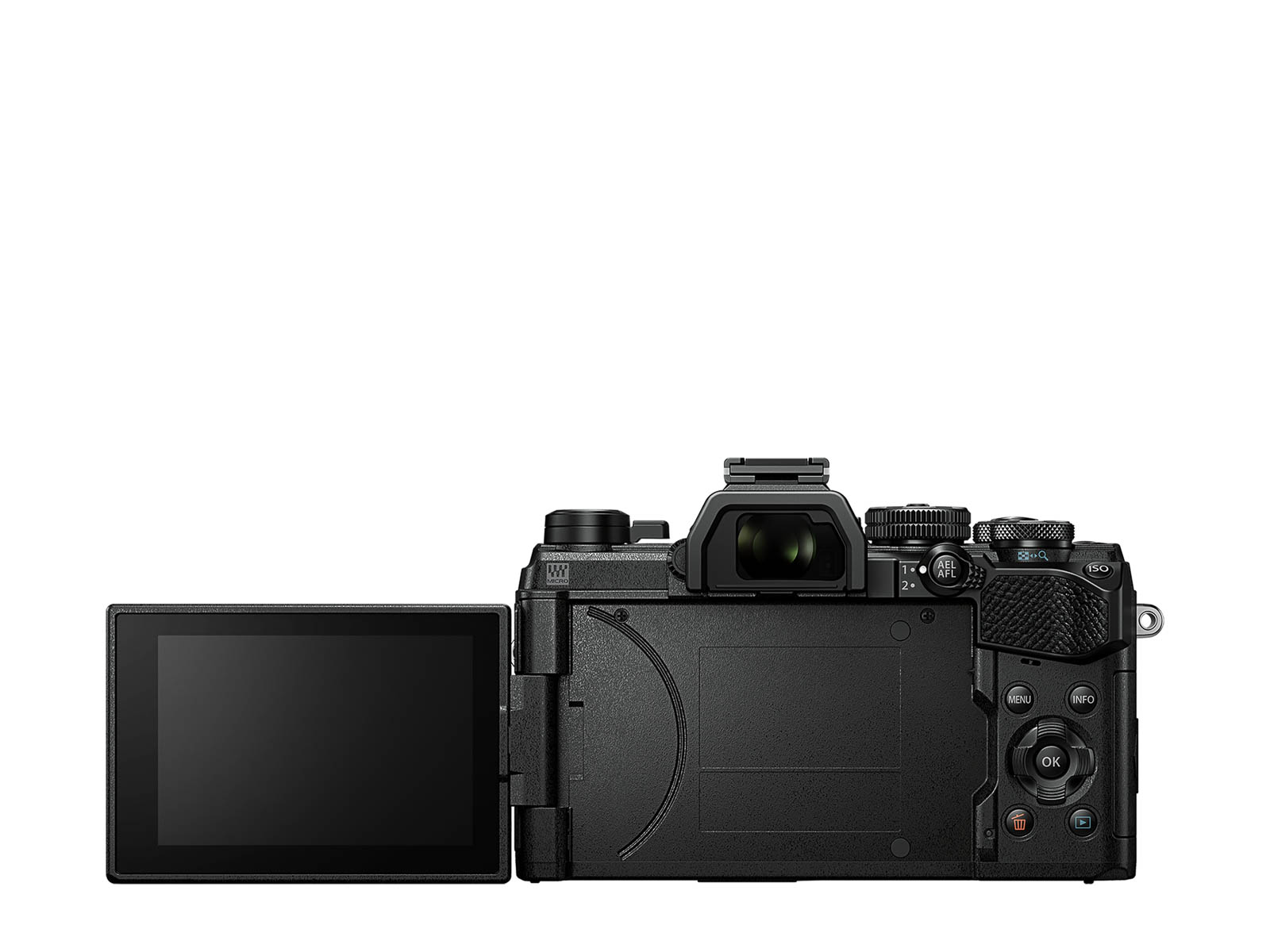
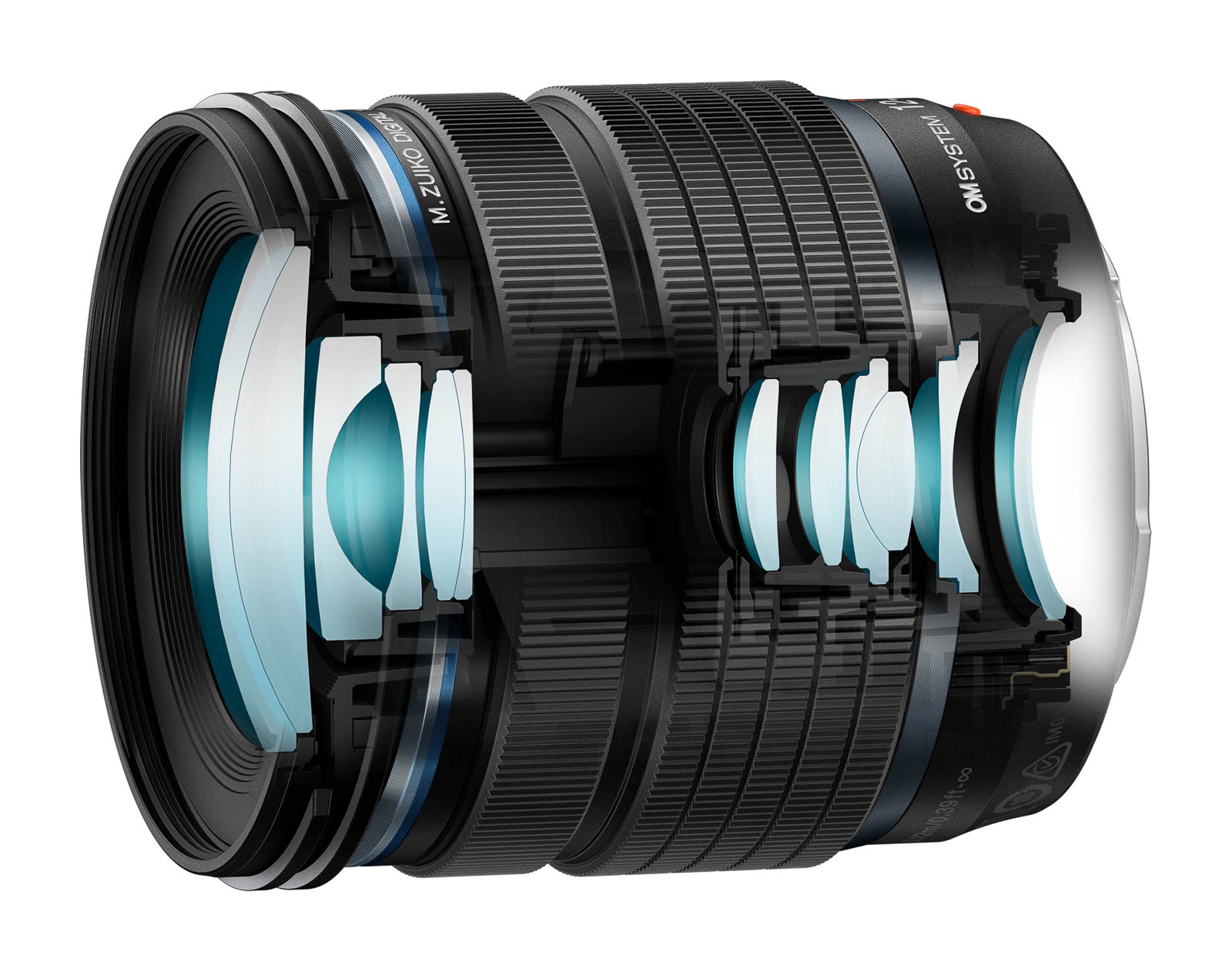
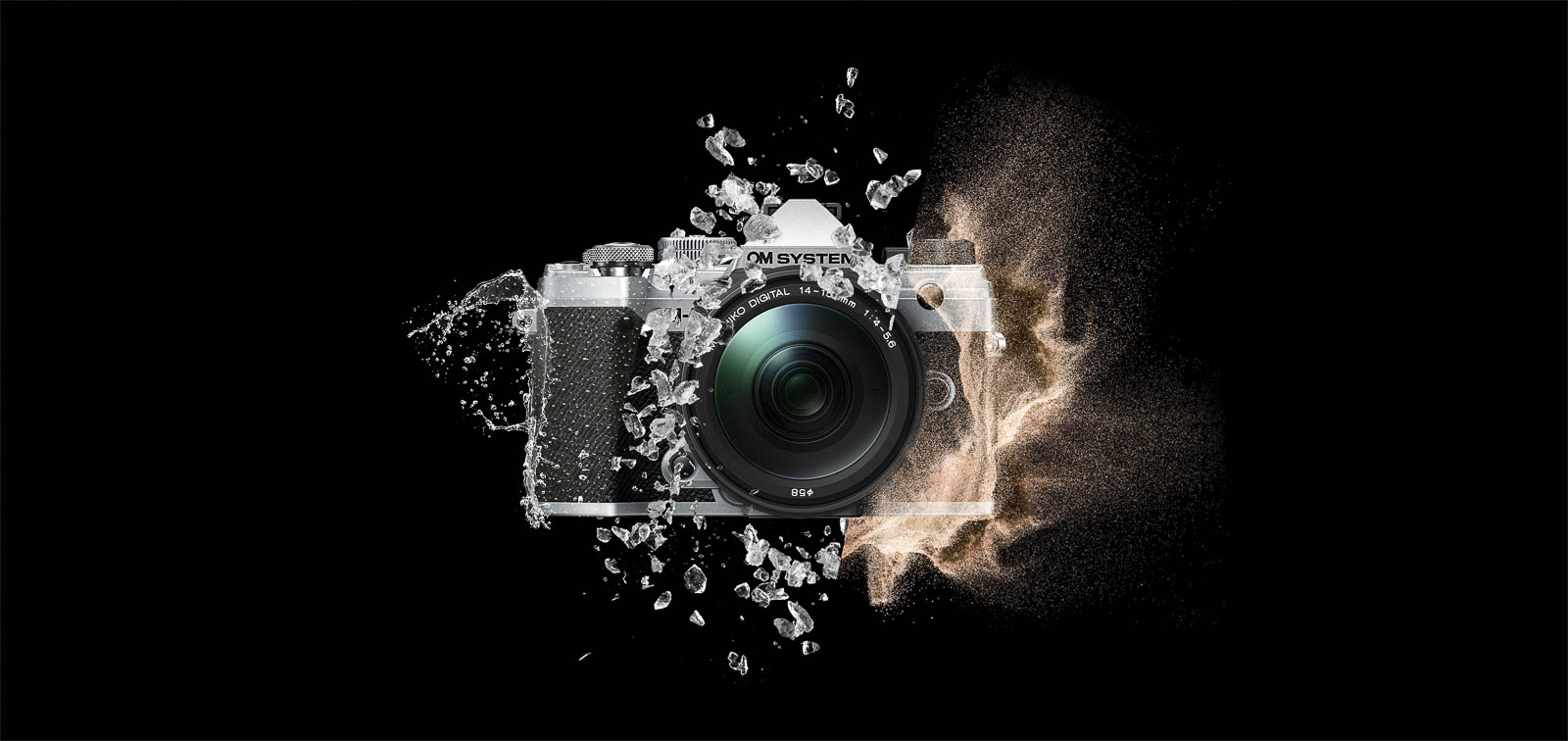
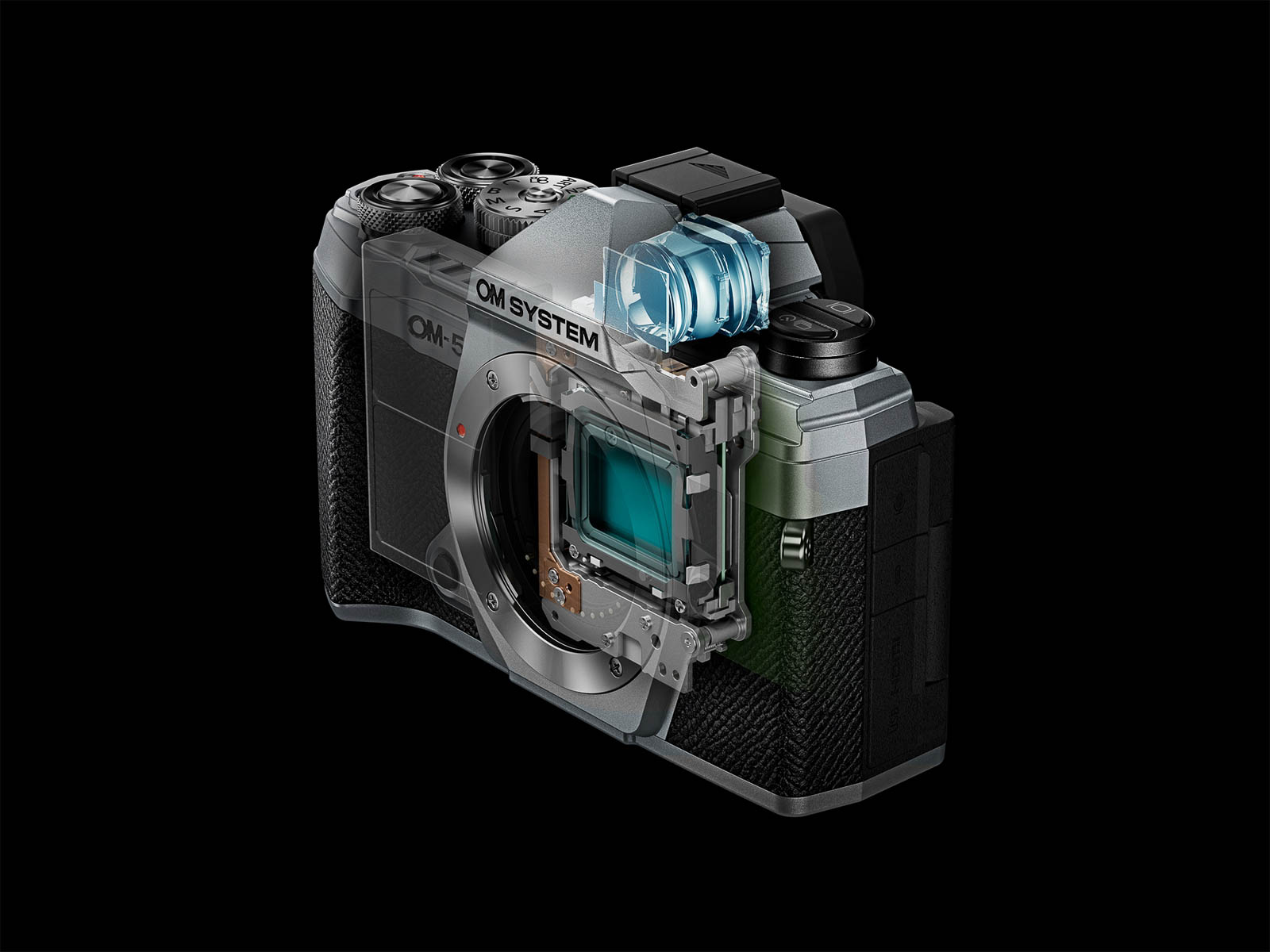
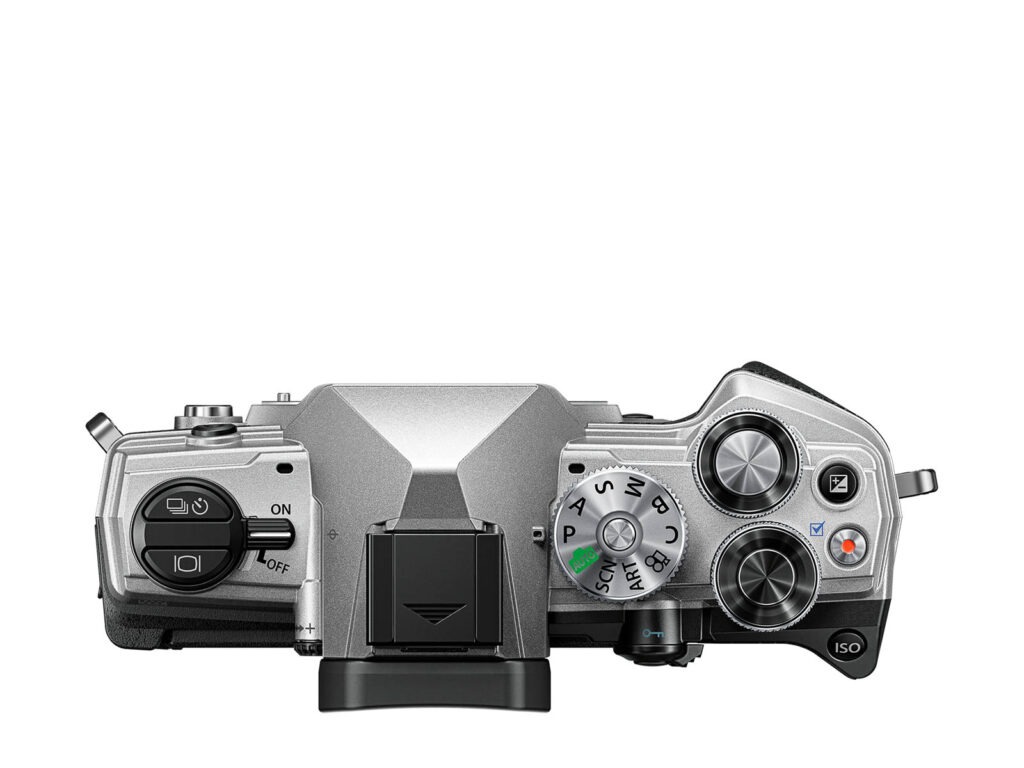
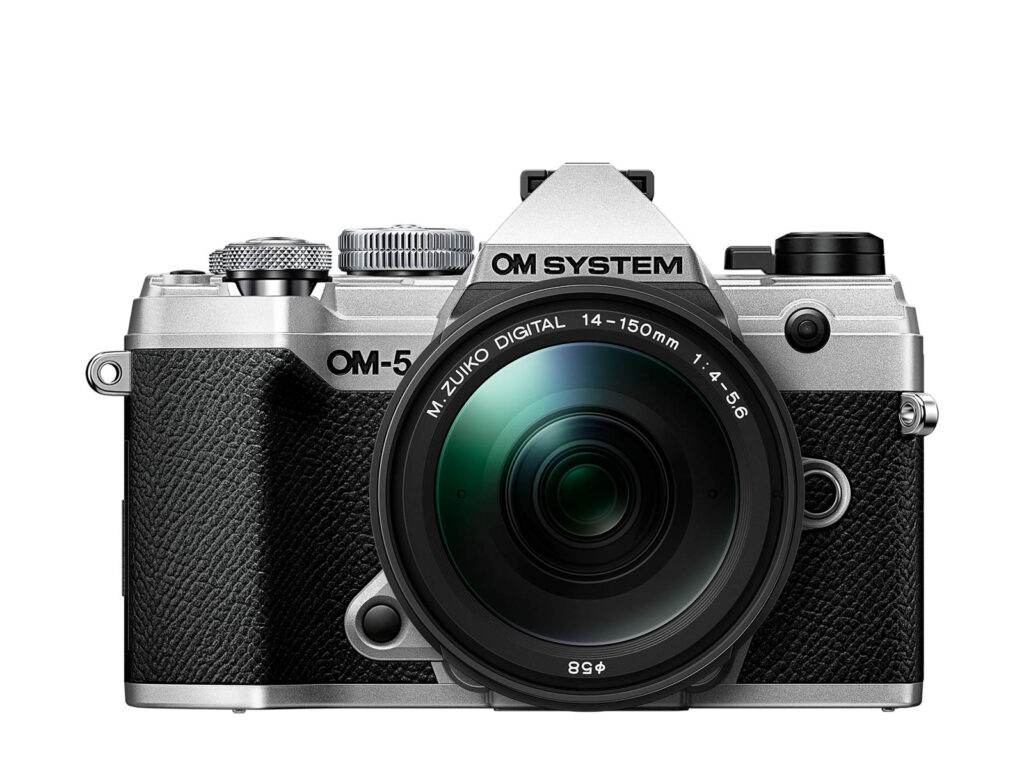
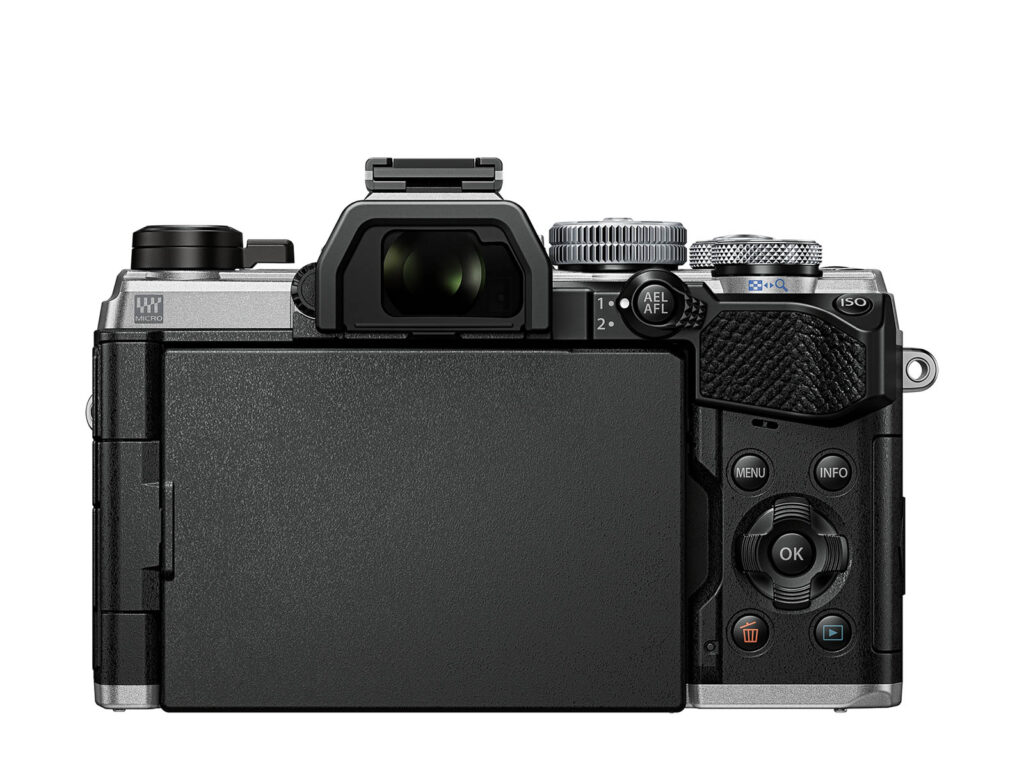
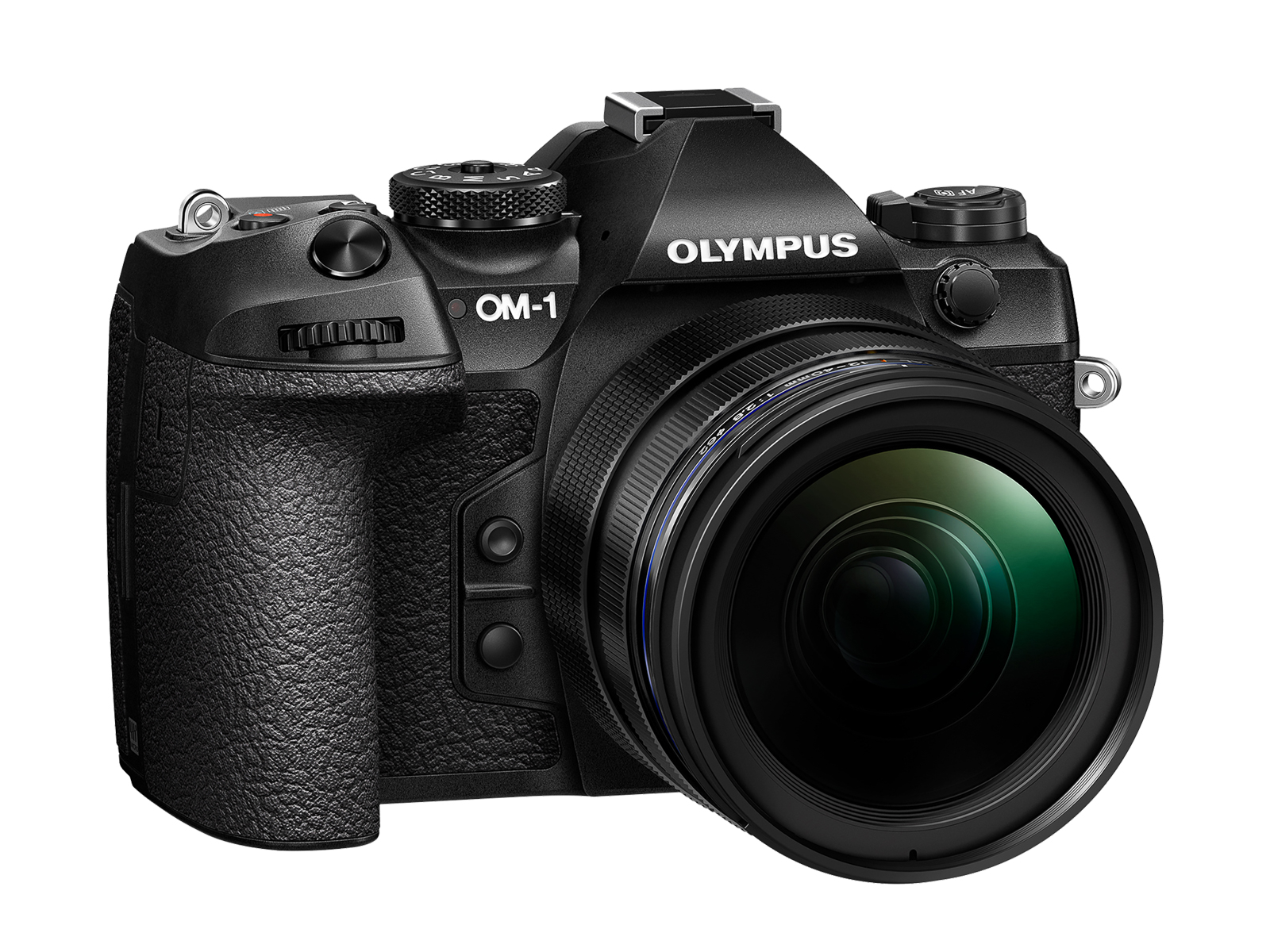
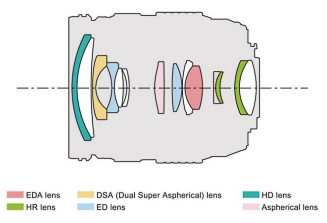
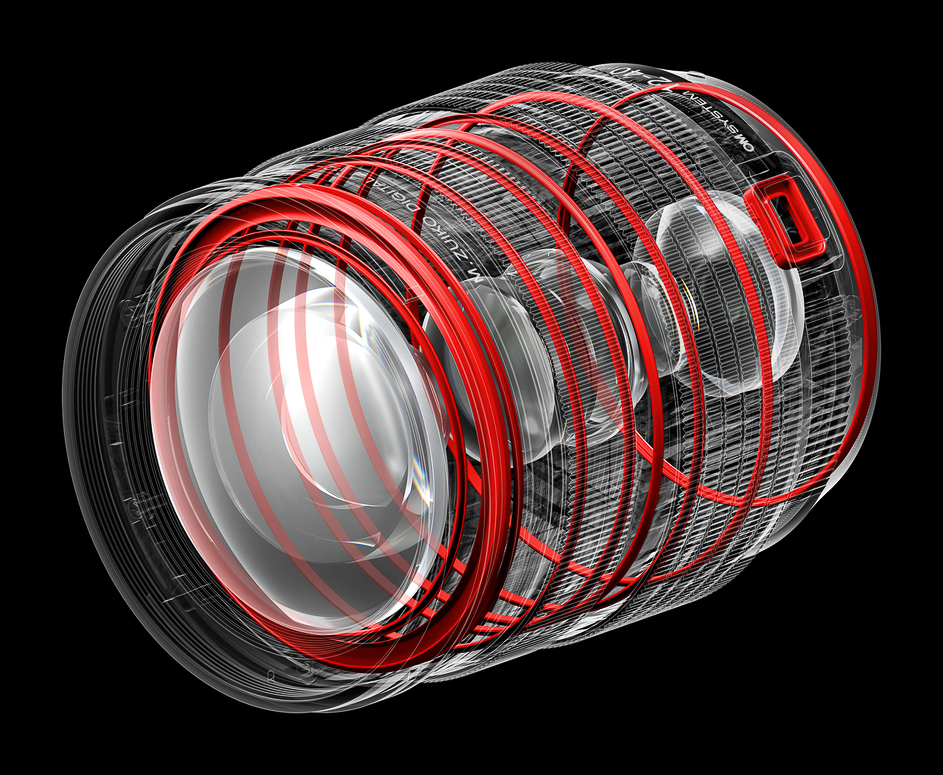
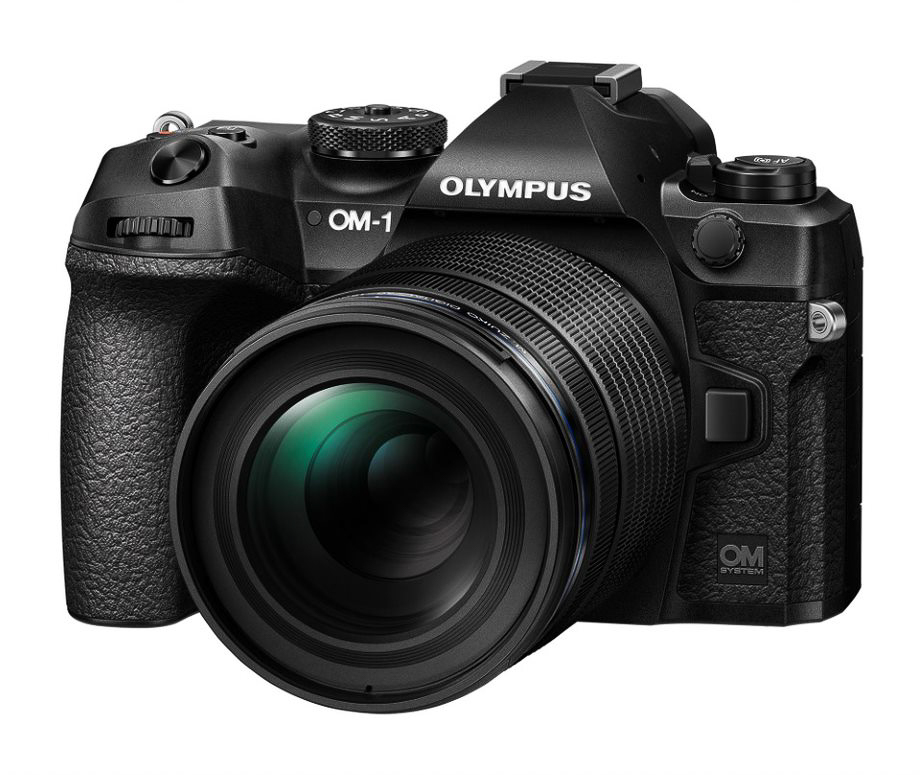
OM System have released a special version of the popular retro-style OM-3, the OM-3 Astro, adapted for astrophotographers. In essence, the integrated infra red filter for the image sensor has been changed in specification to optimise the light transmission characteristics of celestial bodies.
While the standard OM-3, in the right hands, is capable of very good captures of nebulae and galaxies, the OM-3 Astro brings out even more detail and tone, transforming the results.
It’s possible to use some of OM-Systems’ trademark computational photography modes, like High Res Shot to optimise results, and special colour profiles are integrated.
One downside of the OM-3 Astro is that it can’t really be used for normal daylight colour photography.
To summarise:
Key Features
Optimized IR-cut filter with near 100% Hα transmission for vivid red nebula capture.
TruePic X image processor delivering high-sensitivity, high-resolution astrophotography performance.
High Res Shot stacking mode producing approximately 50MP images with enhanced detail and reduced noise.
Dedicated astrophotography color profiles and custom modes for easy night sky shooting.
Advanced in-camera tools including Starry Sky AF, Live Composite, and Night View for long-exposure imaging.
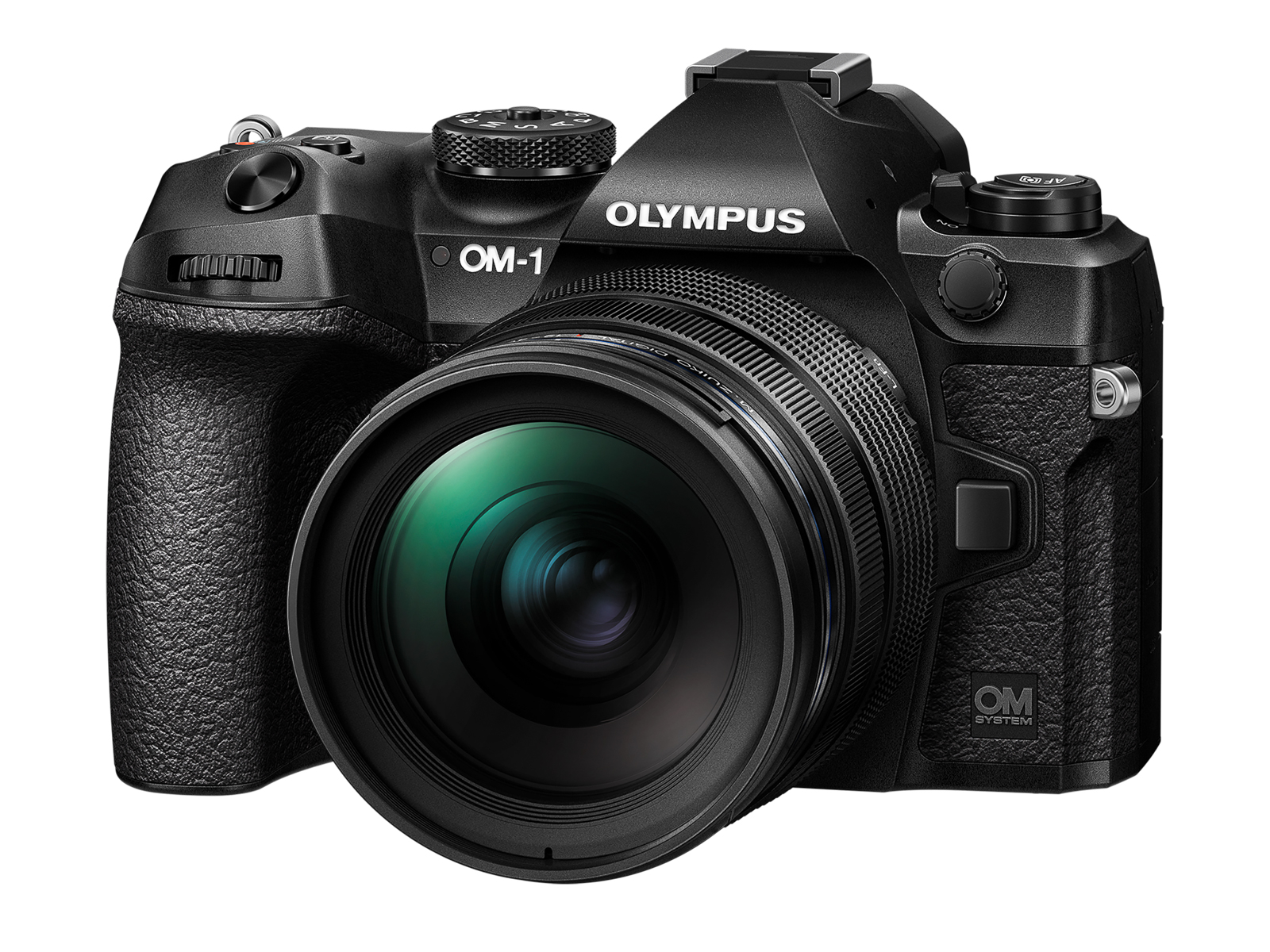
Today, a third OM-3 camera model, in name, at least is revealed, in digital form for once. OM System has revealed their digital OM-3, which pays homage to, and is styled on, the Olympus OM-3 film SLR first launched in 1983, and the almost identical-looking OM-3 Ti (Titanium construction) launched in 1994.
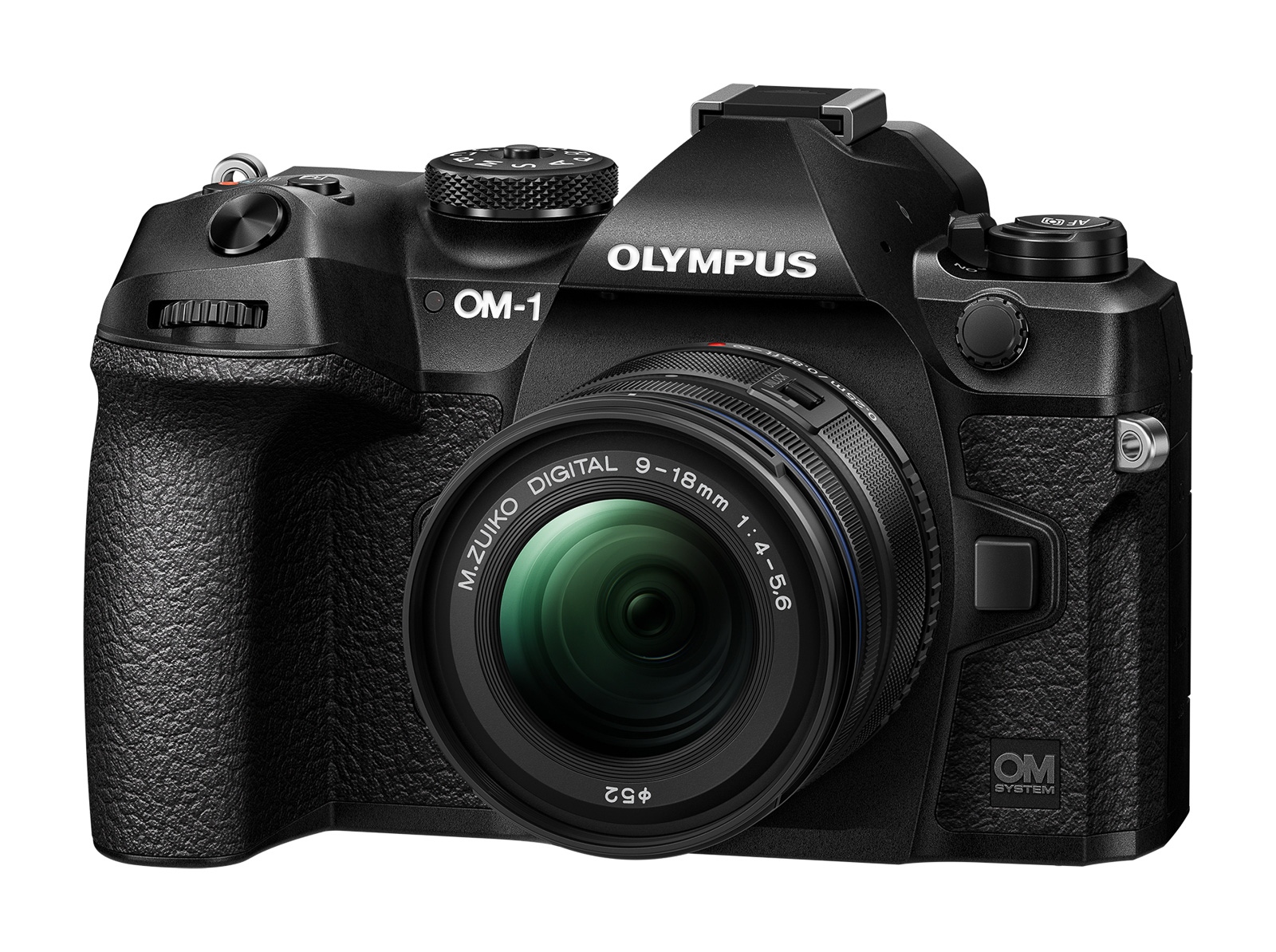
A look at the specification of the OM-3’s internals indicates that the OM-3 uses the same sensor, BLX1 battery, TruePic X image processing engine, and, probably, viewfinder, as the flagship OM System OM-1 Mark II. That means you get the same high-speed 20 megapixel BSI Live MOS sensor, and the same industry leading image stabilisation of up to 6.5 stops. Don’t forget 1053 cross-type PD AF points, AI-trained AF subject detection and tracking, shooting rates at up to 120 frames per second, or 50fps with continuous AF, AF that works for astrophotography, backwards time-travel by up to 70 frames Pro-Capture shooting, and more.
But it’s the packaging of the OM-3 that is radically different.
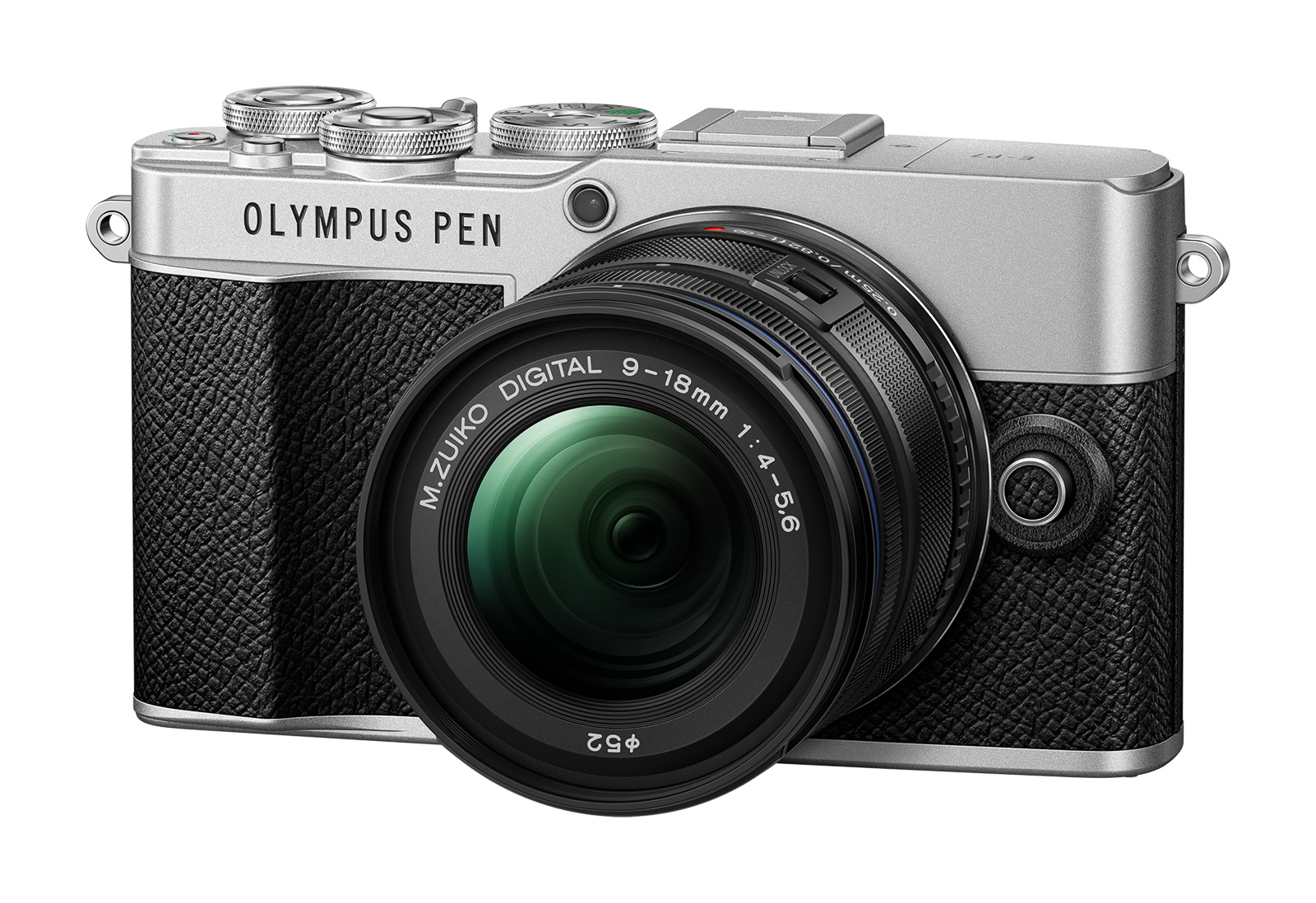
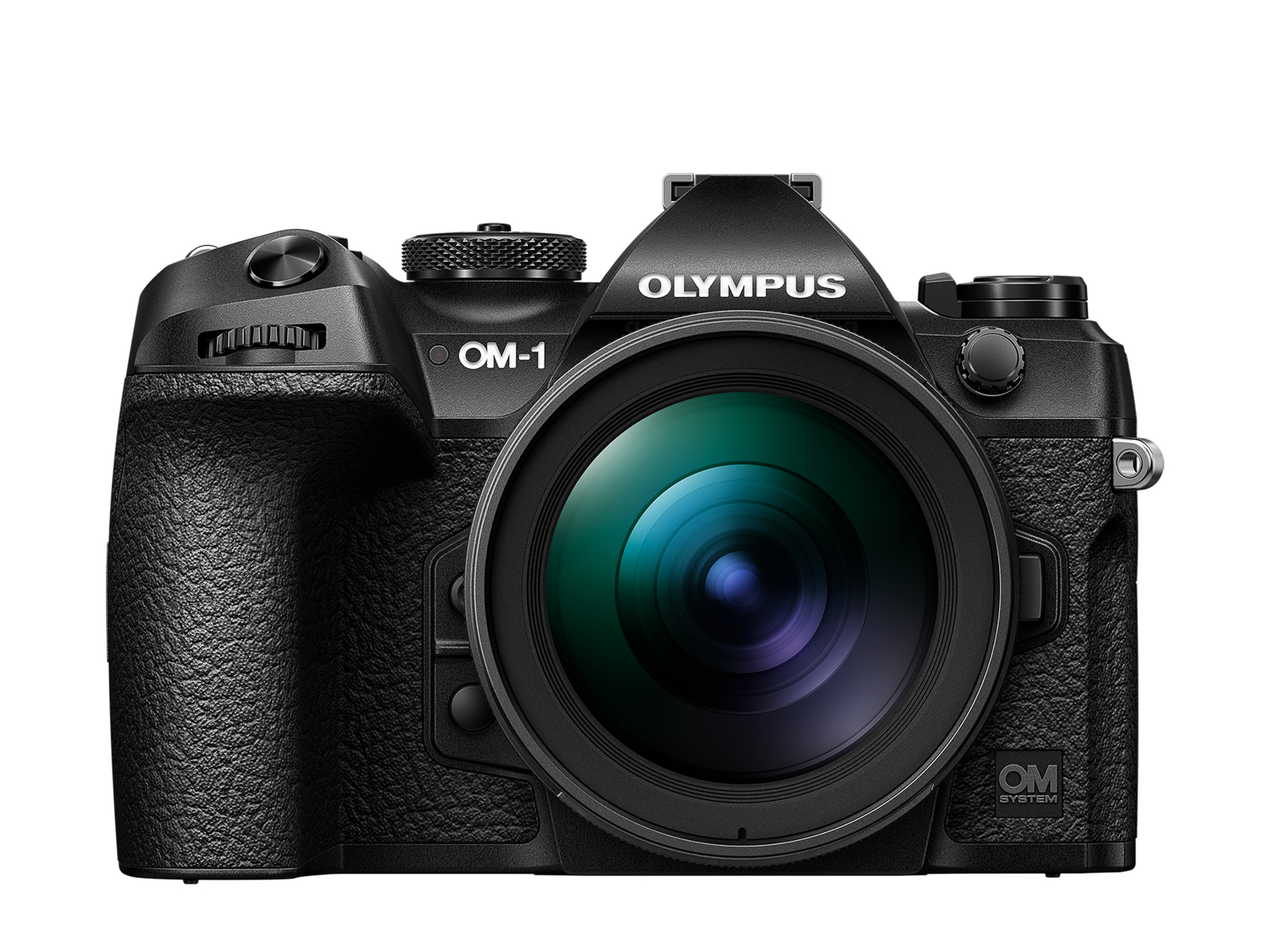
The OM-3 is unashamedly retro, eschewing the sculpted shoulders and hand grip of the OM-1. While the late, lamented, digital Olympus Pen F, from 2016, served to remind everyone of the brand’s 1960s heritage, the OM-3 brings us forward to the early 1980s, and even, arguably, the 1970s, the heyday of the original Olympus OM film SLR system.
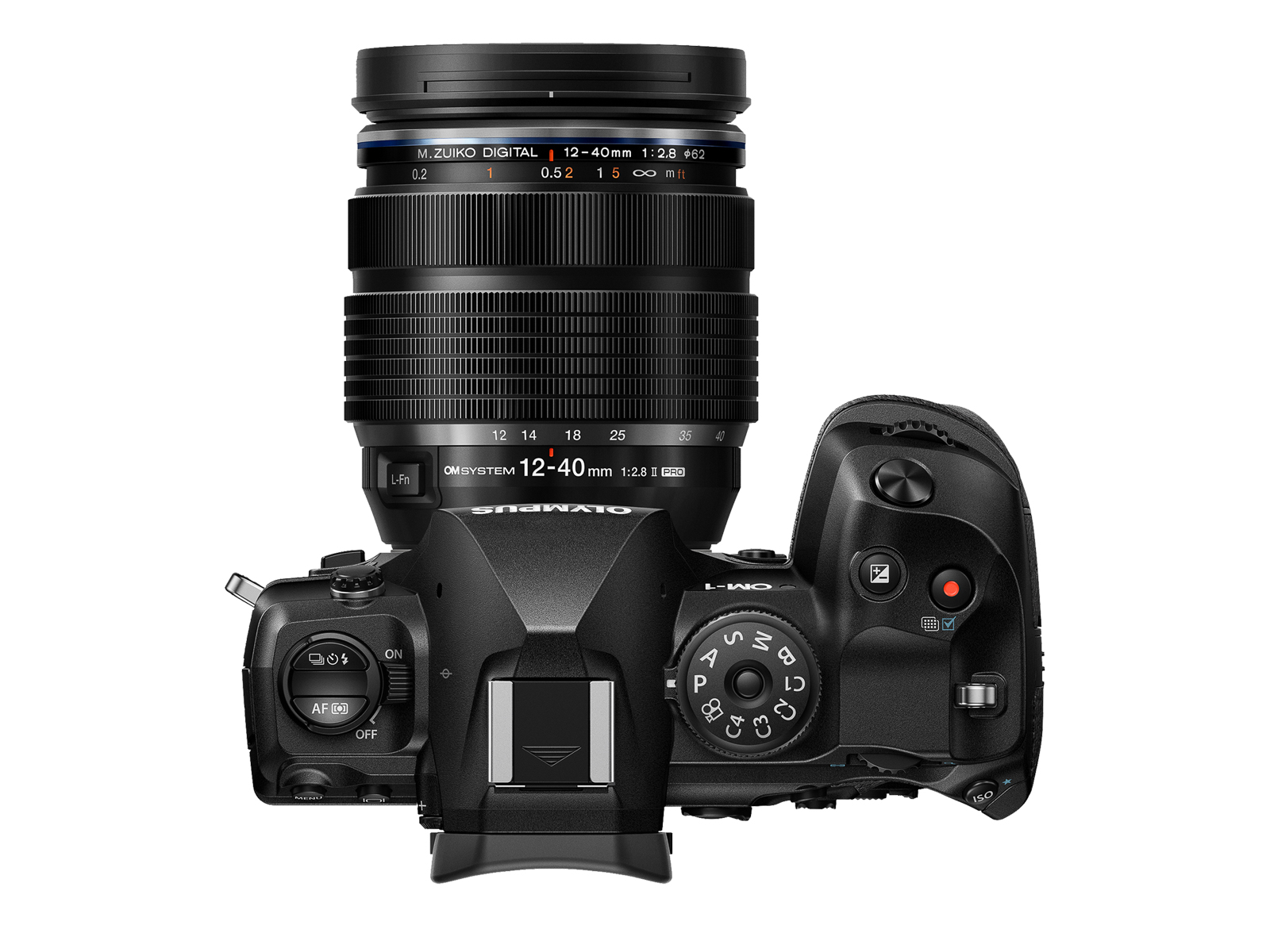
Apart from the faux pentaprism housing, the top-plate, including the shutter release position, is flat, as is the front profile. Only a film advance lever is gone! Several buttons and controls you would find on the exterior of an OM-2 are missing from the OM-3. As partial compensation there is a front-mounted function mode dial, reminding us of where a self-timer control used to be.
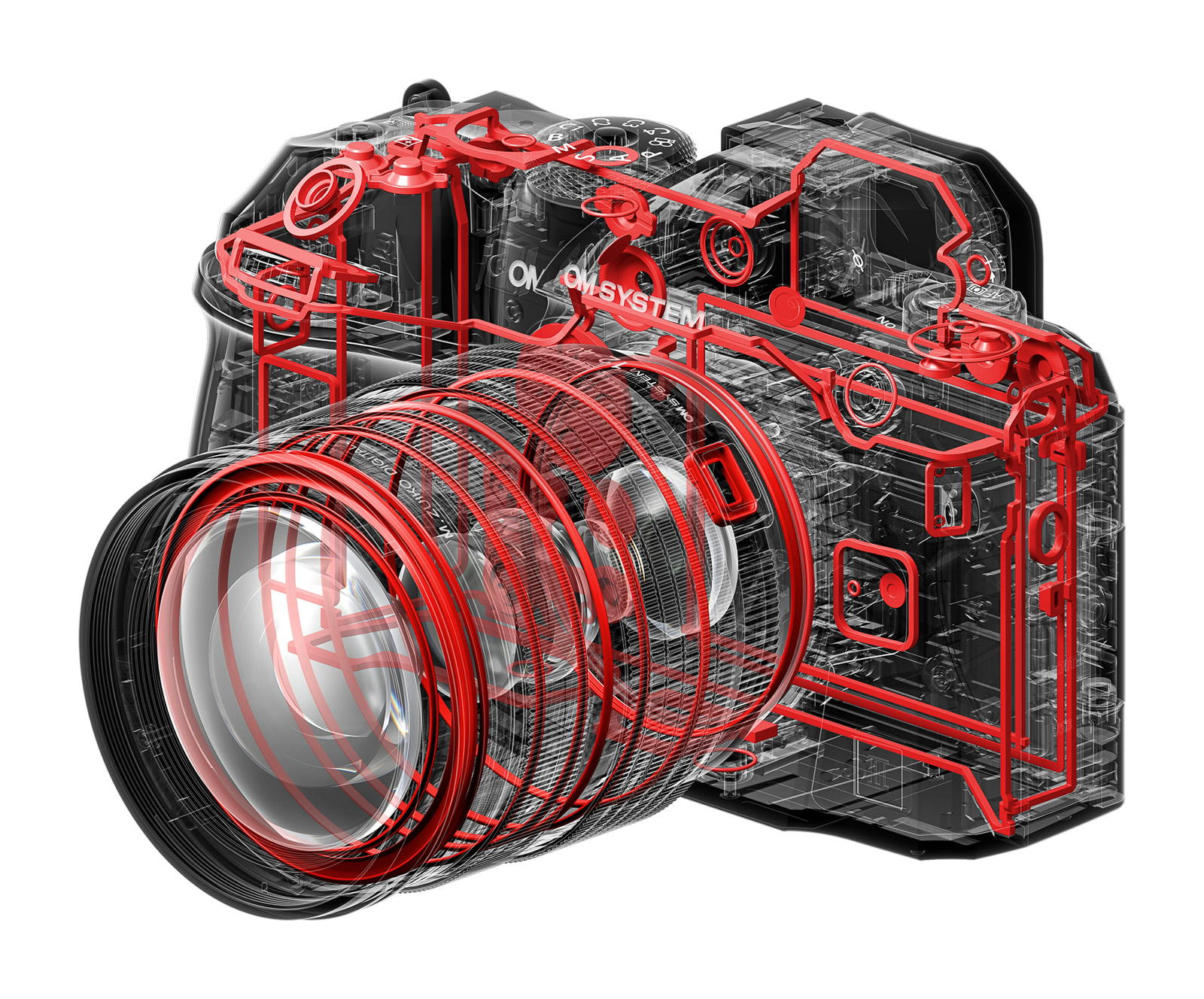
There isn’t a titanium version of this OM-3, but instead a professional-grade lightweight magnesium alloy frame. At 413g, an OM-3 body (minus battery) is around 20% lighter than an OM-2 body. The OM-3 has an impress IP53 rating for resistance to dust and moisture ingress.
In a nod to users potentially wishing to use their retro-style OM-3 in a retro fashion, the OM-3 gets new customisable colour and monochrome profile controls. Just think of how much fun you could have reinventing your favourite colour or black and white film characteristics, and no film or developing and processing costs, to boot.
From the OM-3 official press release:
Customizable Profiles for Unique Artistic Expression
Recreate the look of classic film photography with the OM-3’s intuitive Color and Monochrome Profile Controls.
• Color Profile Control: Adjust the saturation of 12 colors across 11 levels, combined with Highlight and Shadow Control for rich, dynamic tones. Choose from four presets like ‘Standard’, ‘Chrome Film Rich Color’ for deep, dynamic tones, ‘Chrome Film Vivid,’ which provides vivid saturation and rich colors, or ‘Chrome Film Soft Tone’ for light, soft tones.
• Monochrome Profile Control: Apply a combination of up to four effects. Presets include Color Filter effect, Highlight & Shadow Control, Shading effects, Film Grain effect, and Monochrome Color effect for unique black and white images. The following four presets are available: Standard, Classic Film B&W, which makes use of a film grain effect, for striking black-and-white images, Classic Film IR, simulating the look of infrared film, and Classic Film Low Contrast, which tones down contrast for a subtle finish.
These profile controls make it easy for photographers to create a signature visual aesthetic while enjoying the flexibility of the latest digital technology.
Decidedly not-retro computational photography features, including those introduced with the OM System OM-1 Mark II, like the simulated Graduated Neutral Density (GND) filter, are retained.
There had been much hope that OM System would update the flat-top 60s-heritage digital Pen F, launched back in 2016. OM System must surely have been aware of this, but the OM-3 was conceived instead. You could ask, why wouldn’t OM System prefer an OM retro offering? The debate as to whether the OM-3 was the right strategy has already started.
OM System’s price on their own Web Shop, currently, is £2149 for the OM-1 Mark II body-only. The OM-3 has many of the best components of the OM-1 Mark II, for £1699. A kit, bundled with the 12-45 (24-90) standard zoom, is priced £1999.
OM System says you will be able to buy an OM-3 from 27th February.
The official page for the OM-3 on the OM System website is accessible here.
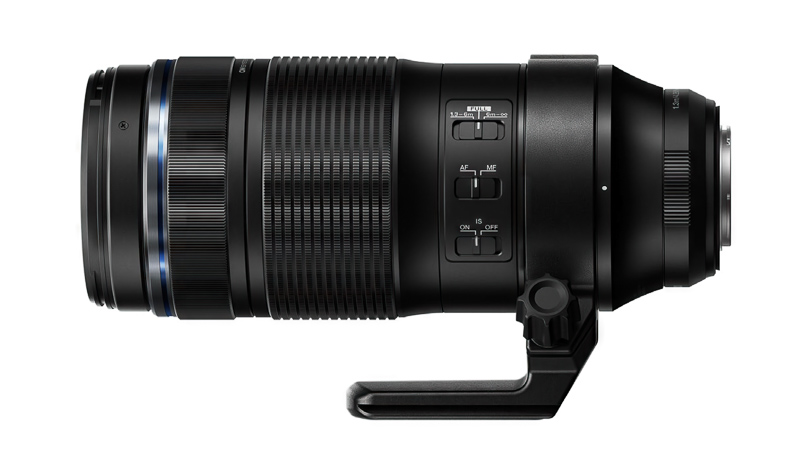
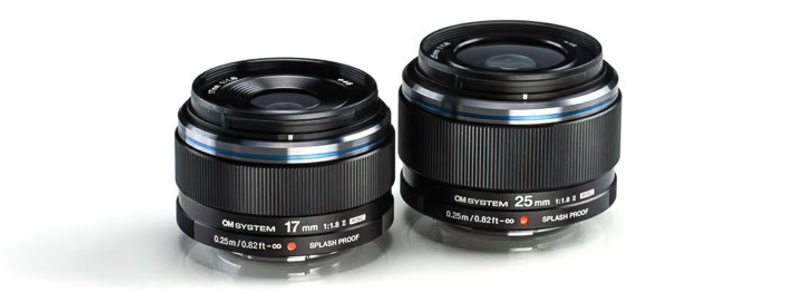
OM System has made some welcome updates to three of its existing lenses; the 17mm f/1.8, 25mm f/1.8, and 100-400mm f/5-6.3, and all now sport the ‘II’ suffix. For anyone reading this who is unfamiliar with the comparable focal lengths in ‘full frame’ terms, these are 34mm, 50mm, and 200-800mm, respectively.
Although not 100% confirmed, we don’t think there are any changes to the optical designs of these lenses. They all appear to share the same optical element construction configurations with their predecessors.
Neither the original 17mm, nor 25mm, were dust and splash-proofed. They have, now, both acquired environmental sealing and an IPX rating.
The 100-400 did have environmental sealing but Olympus did not state what the IP rating was, but it is now confirmed to be IPX, too.
Subtle external differences are discernible with the new 17mm and 25mm lenses. The focusing rings look wider, for example. We assume the 17mm retains its sliding focus ring clutch arrangement, for instant manual focus access, though in the pictures we’ve seen so far, it’s not clear. The original 25mm lens was always a budget design and didn’t feature a focus clutch ring; it would be nice if it acquired this feature.
There is little external difference to the 100-400mm f/5-6.3 Mark II compared to it predecessor. However, this new edition of the lens now supports 5-axis Sync IS, which enables the moving sensor image stabilisation in the camera body (selected models) to work in tandem with the optical image stabilisation of the lens. This improves maximum stabilisation headroom from 3 stops to 7 stops.
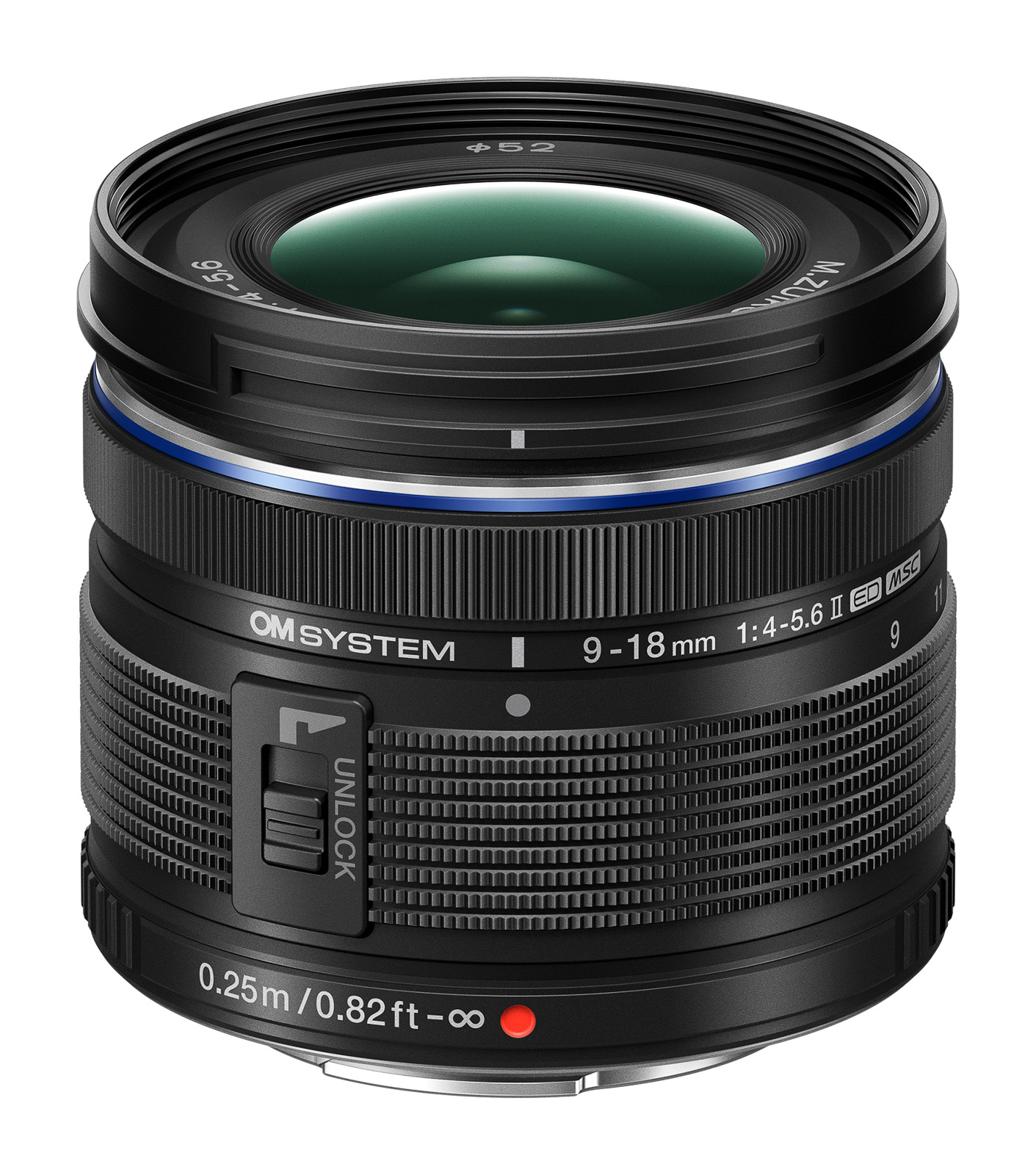
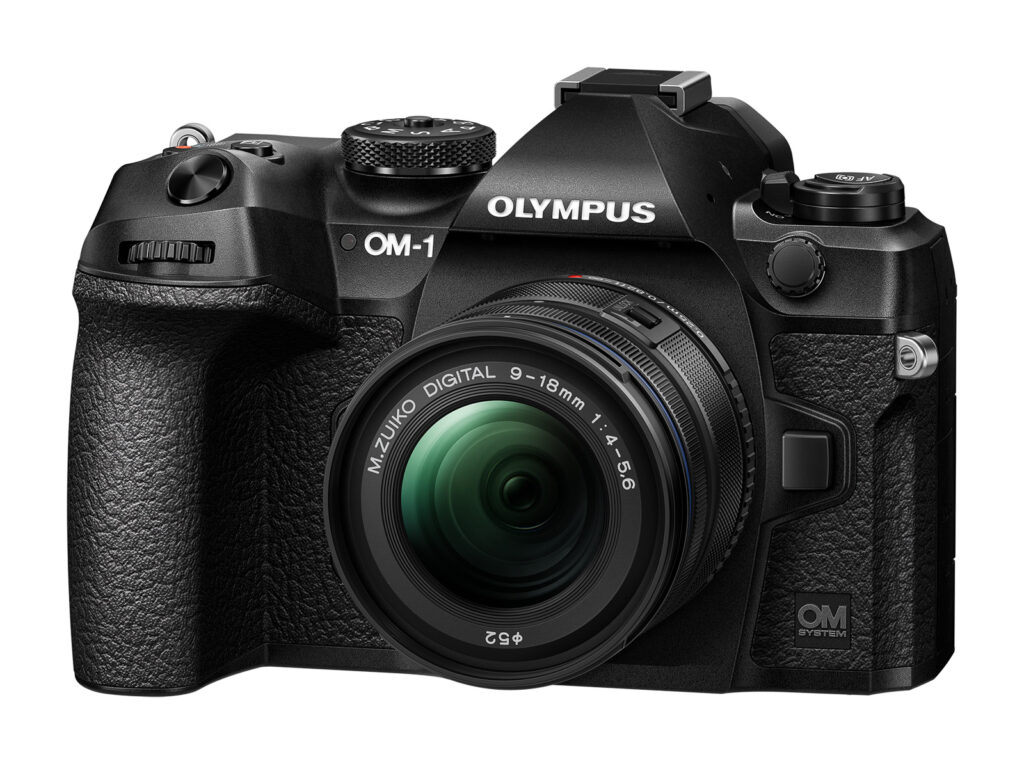
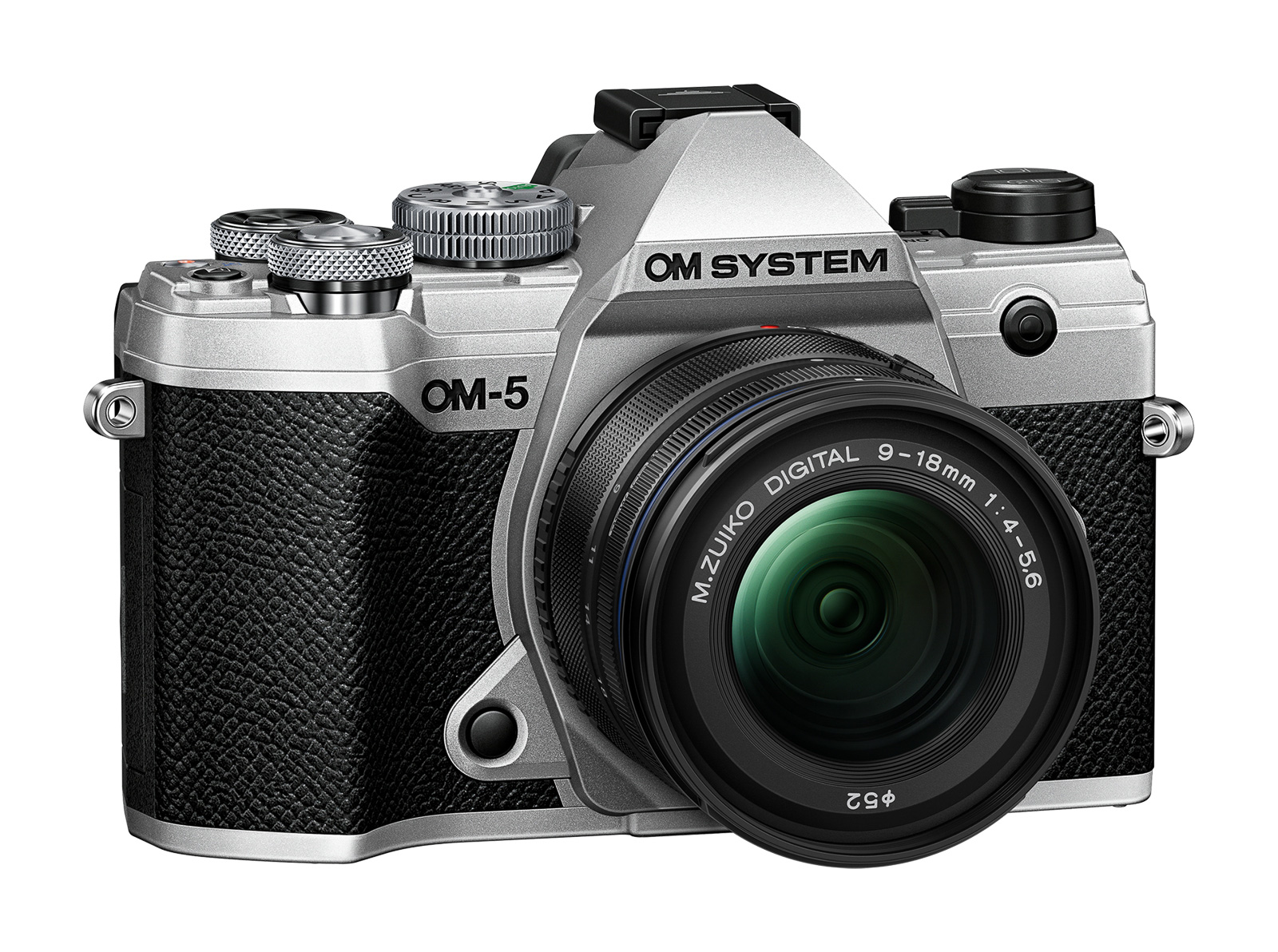
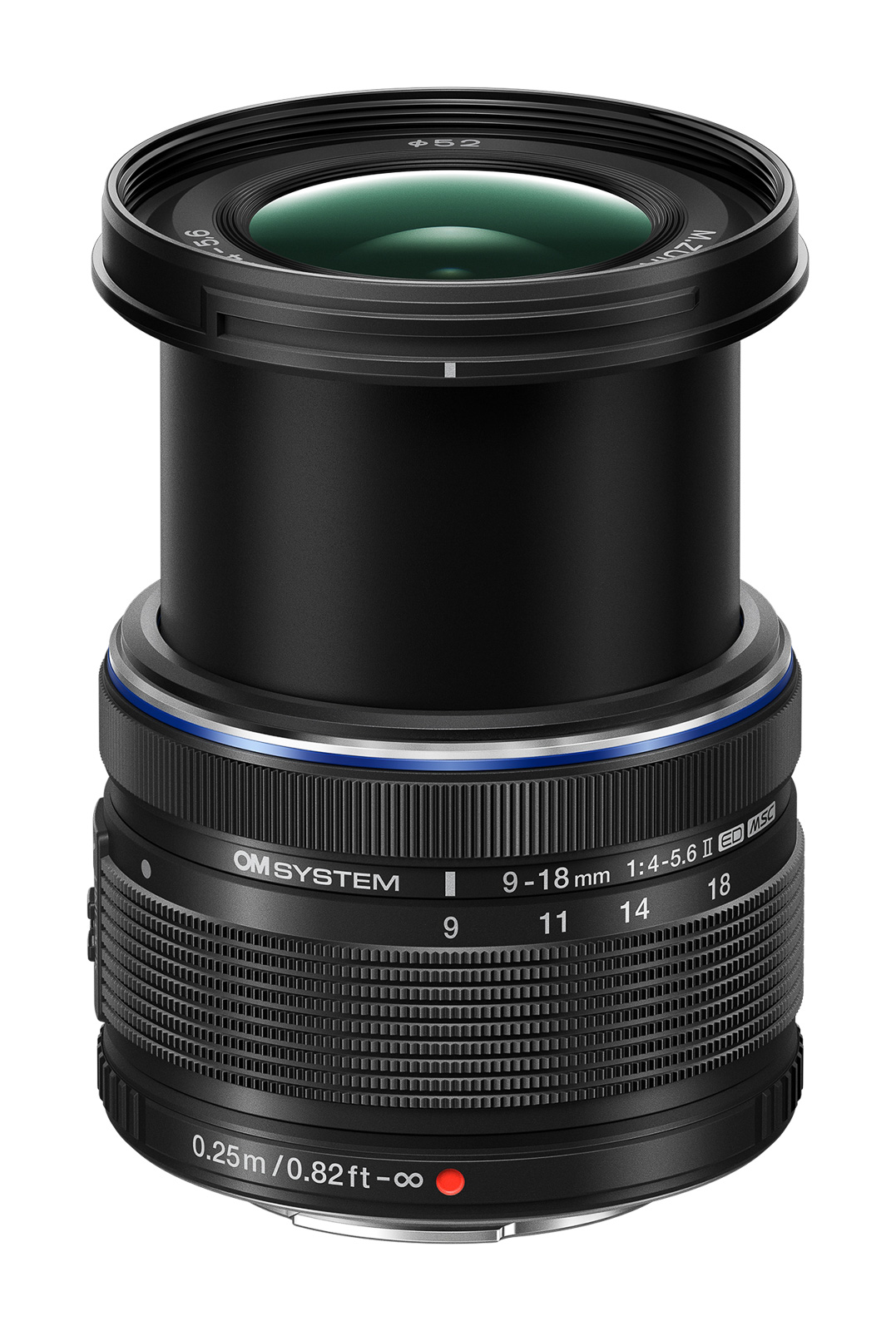
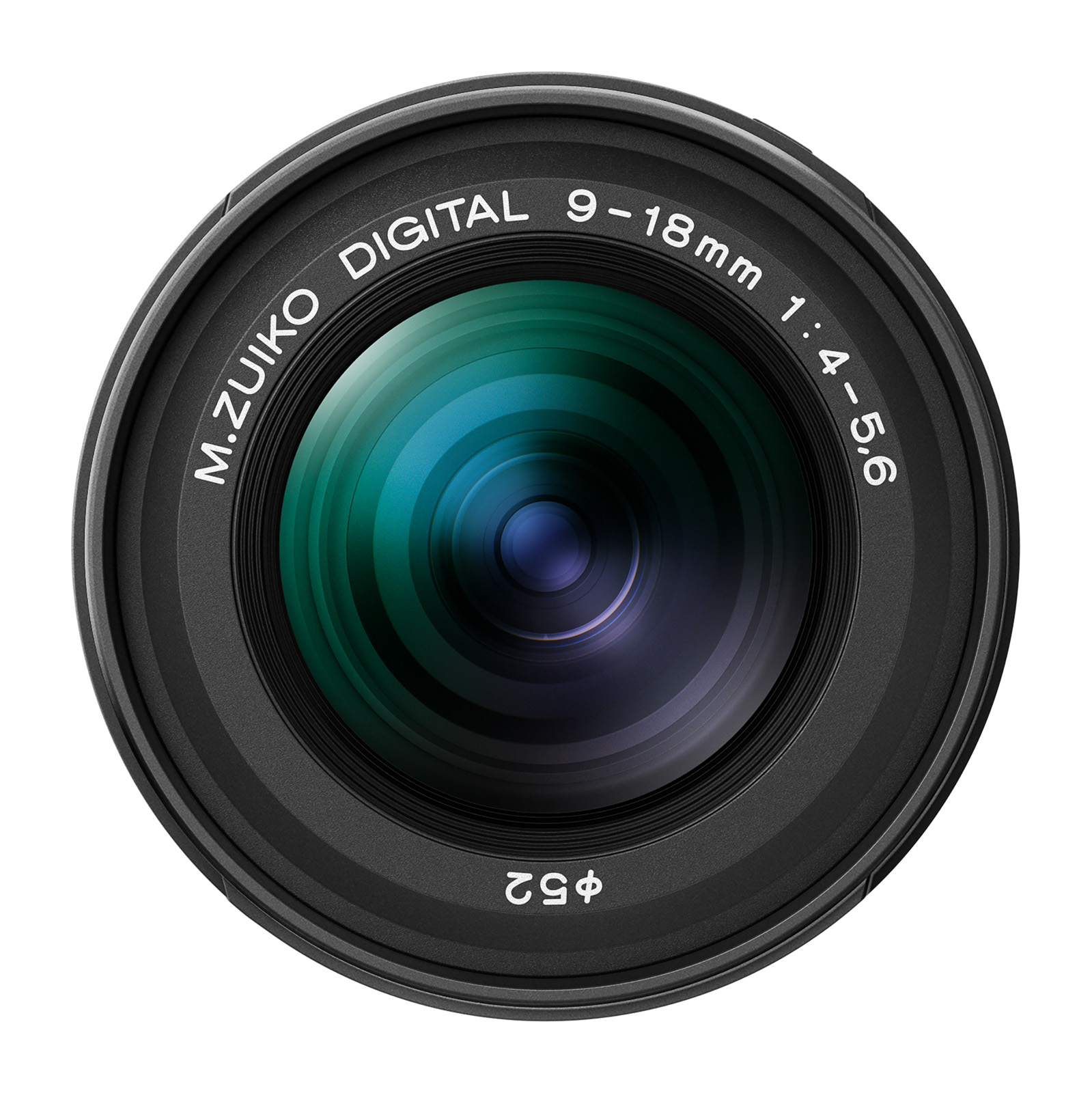
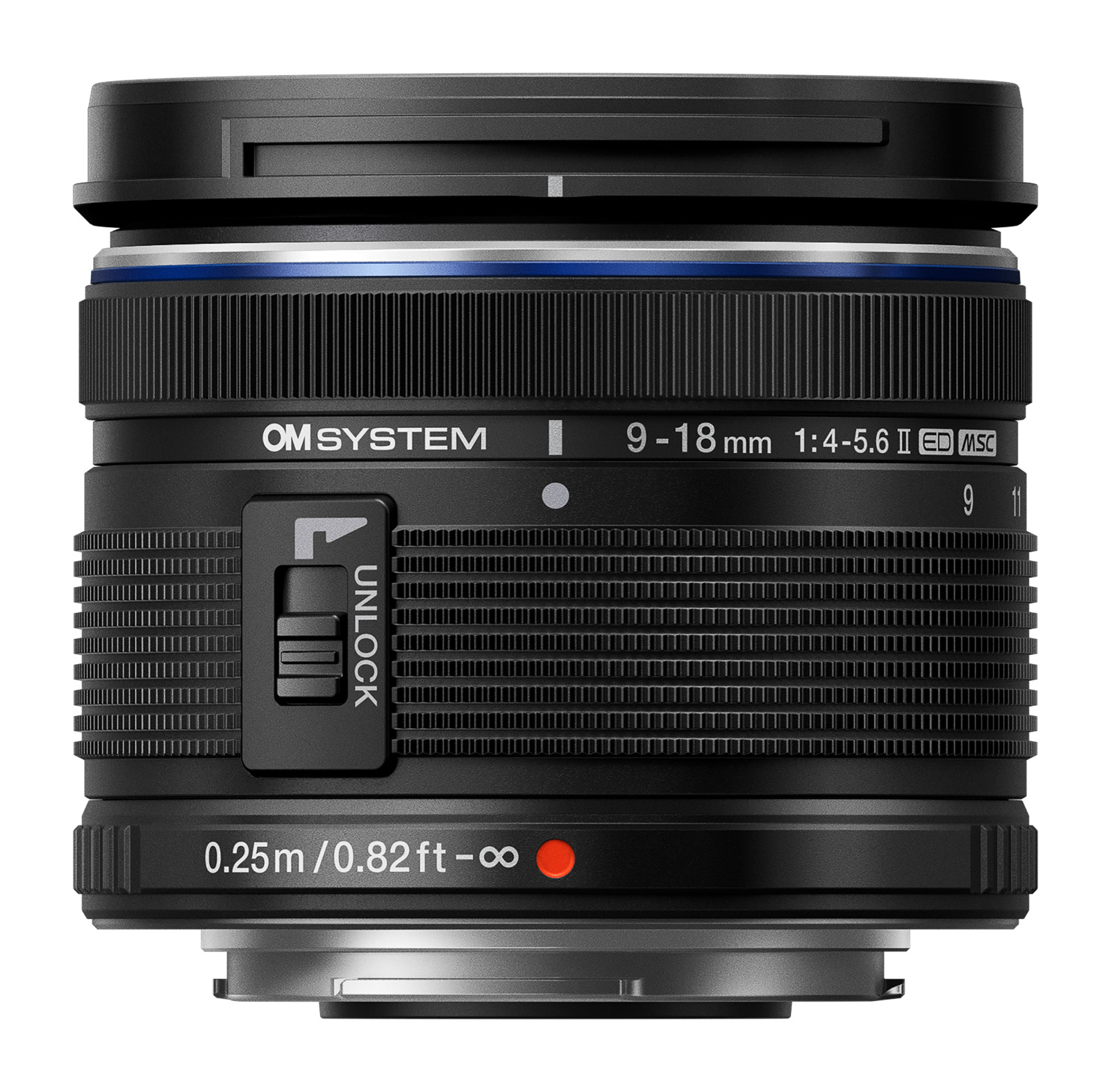
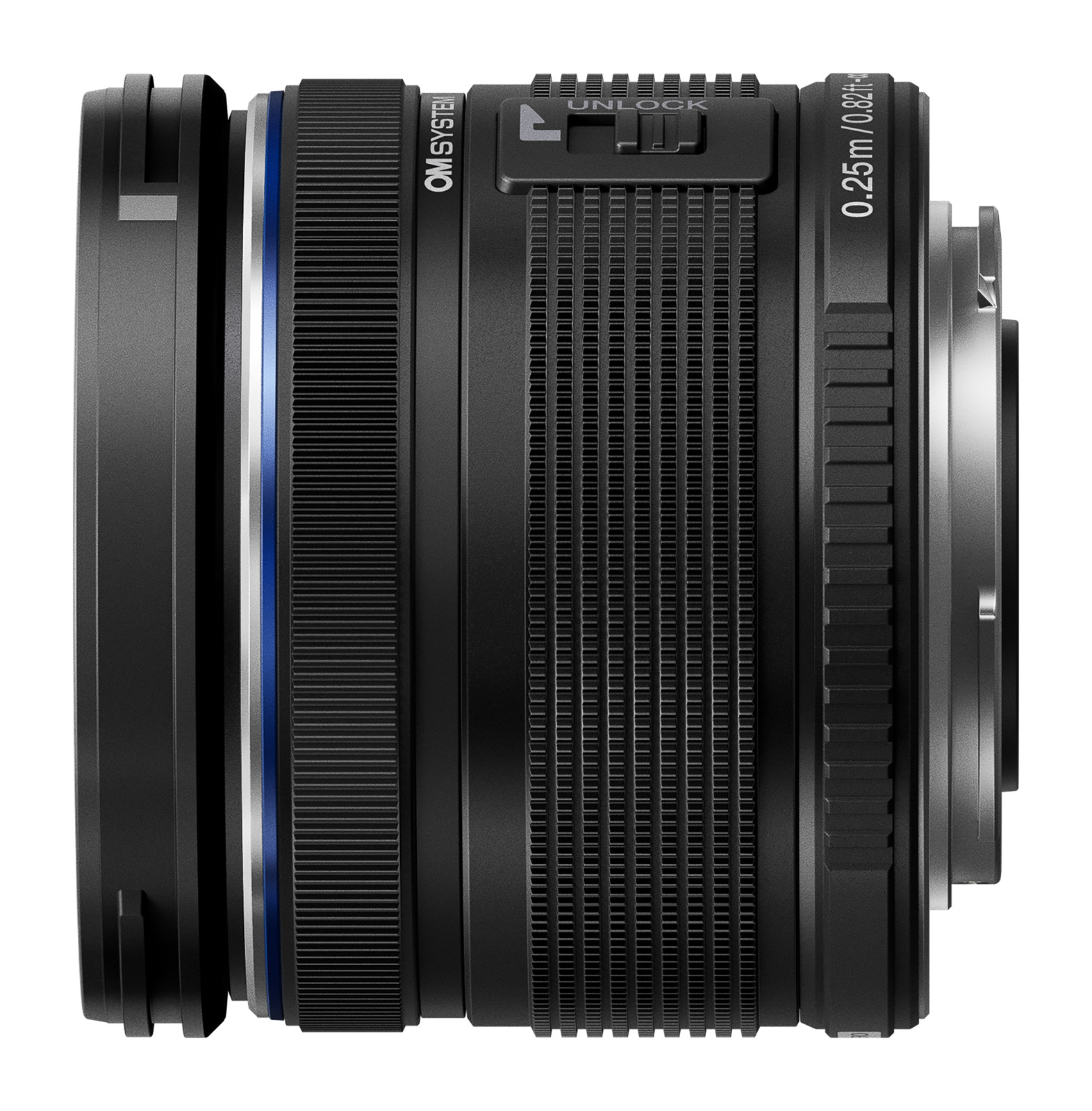
A little old and affordable friend has returned; the m.Zuiko ED 9-18mm f/4-5.6 ultra wide angle zoom, now in Mark II guise.
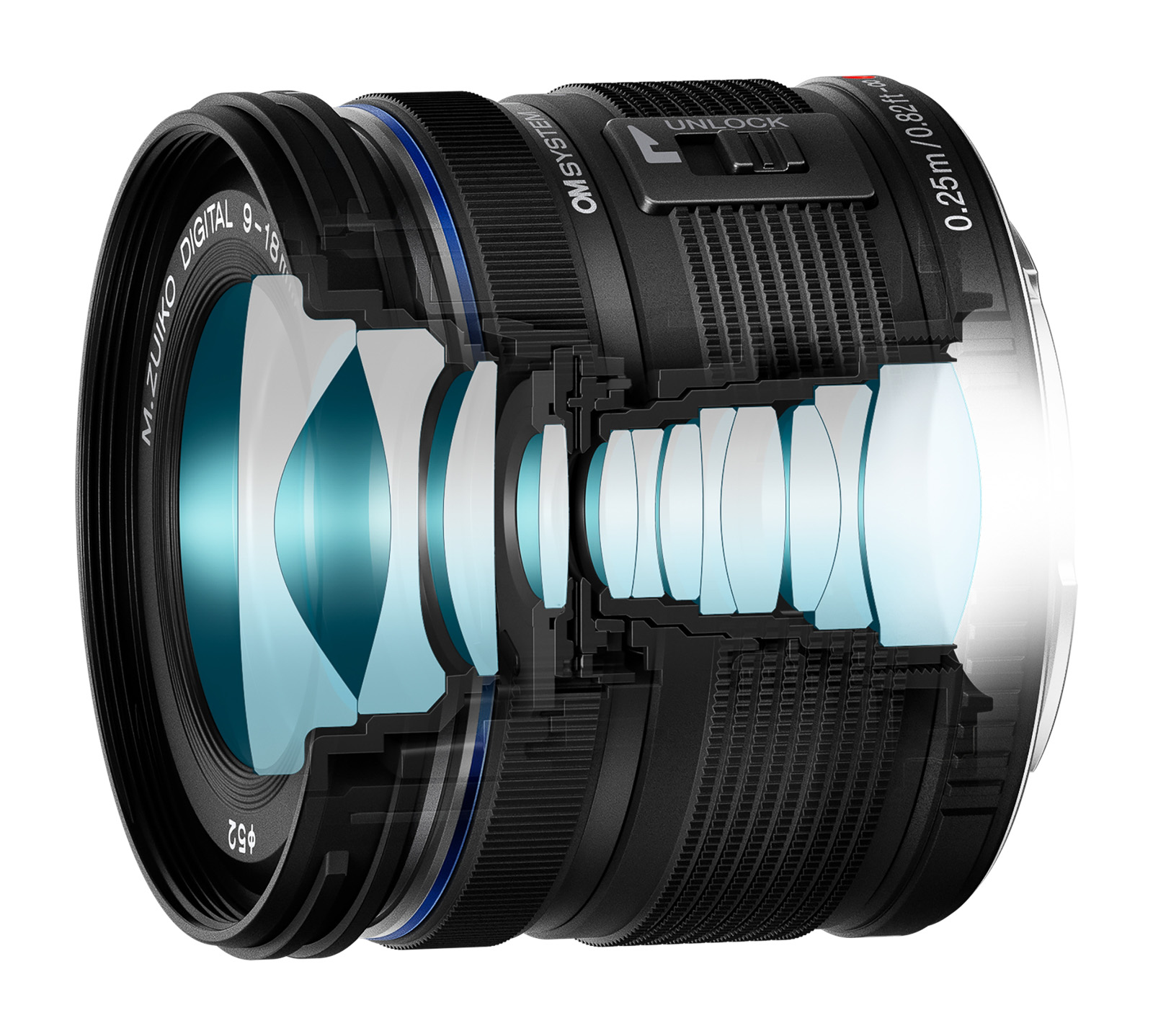
One of Olympus’ earlier Micro Four Thirds lenses, launched back in 2010, the m.Zuiko 9-18mm (18-36mm in full frame field of view) is a marvel in compactness and light weight. Its design is collapsible for ultimate compactness when not in use. Twist the barrel to unlock and the lens extends and locks ready for use.
The 9-18 is relatively affordable for its type, which means lightweight construction, but this is forgiven considering its diminutive size and portability. It’s a decent performer for its price range, too.
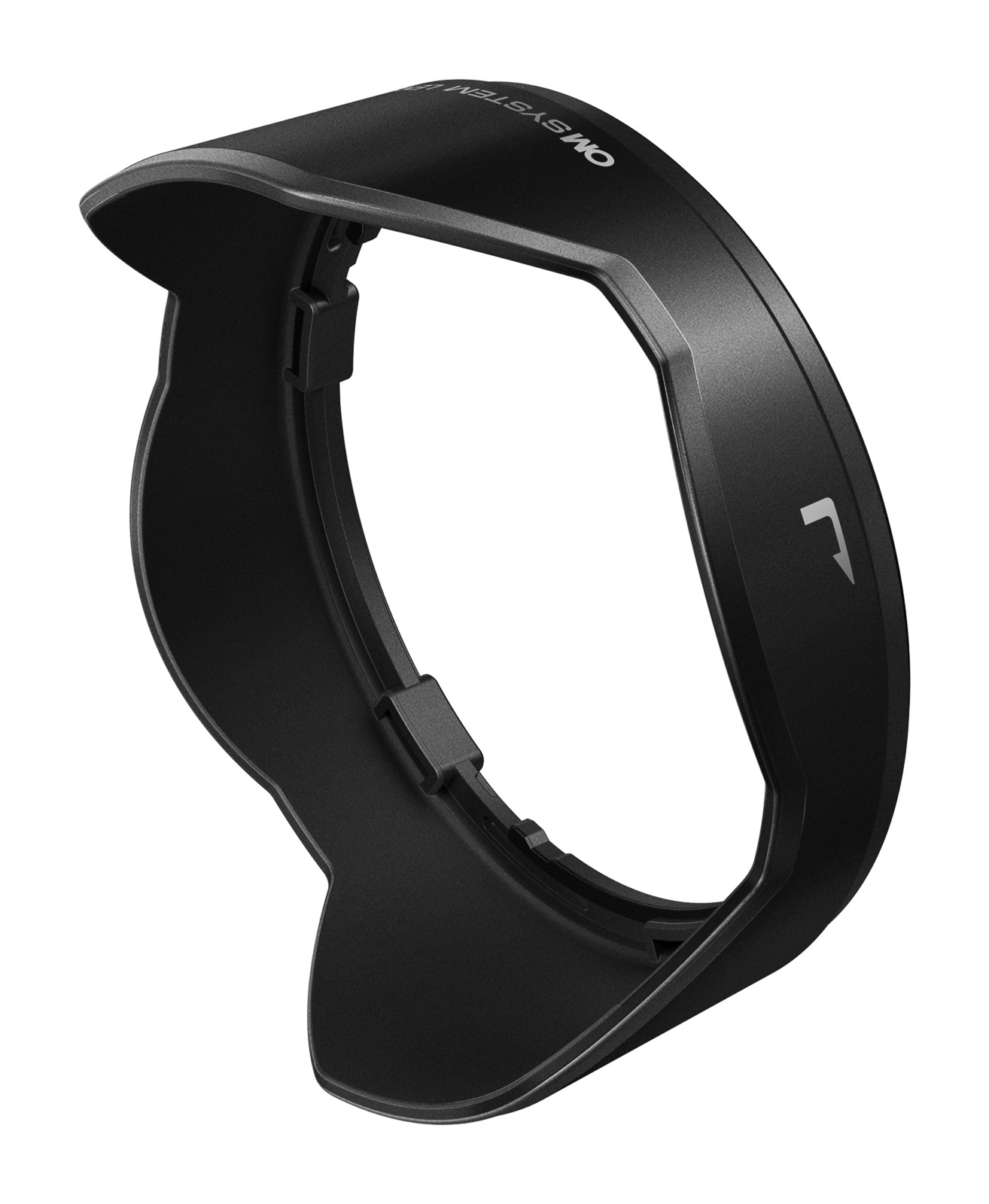
The new Mark II version is only lightly modified, with the old retro zoom and focusing ring styles, which matched the original Olympus Pen cameras, now replaced by a more contemporary design. The optical design and specifications remain unchanged, apart from an upgrade to the anti-reflection lens coatings.
If you haven’t seen a 9-18, do check this lens out; it’s mini marvel. It only weighs 154 grams.
Expect the 9-18 Mark II to go on sale in March, priced £599 (€699).
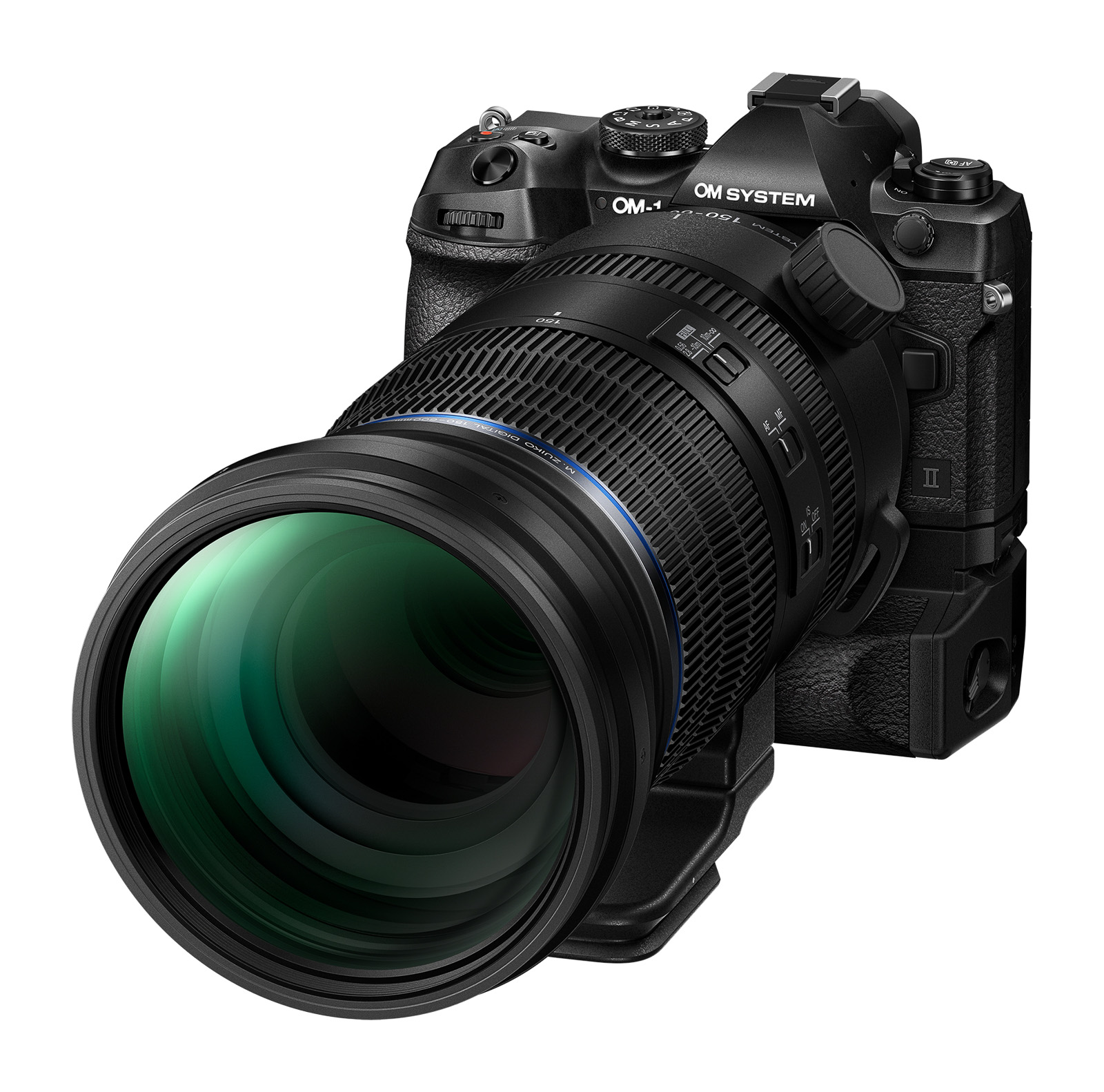
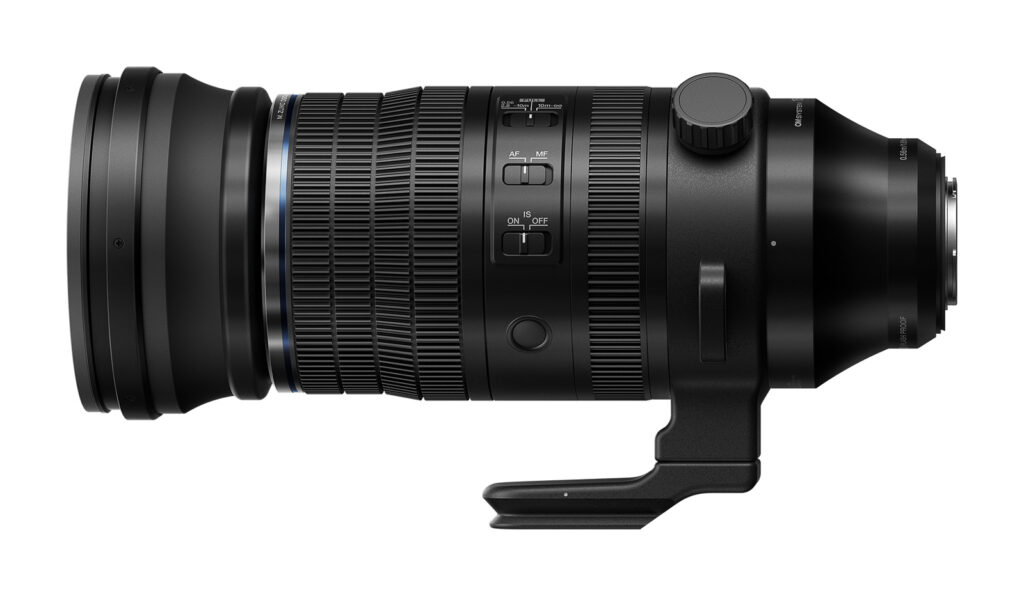
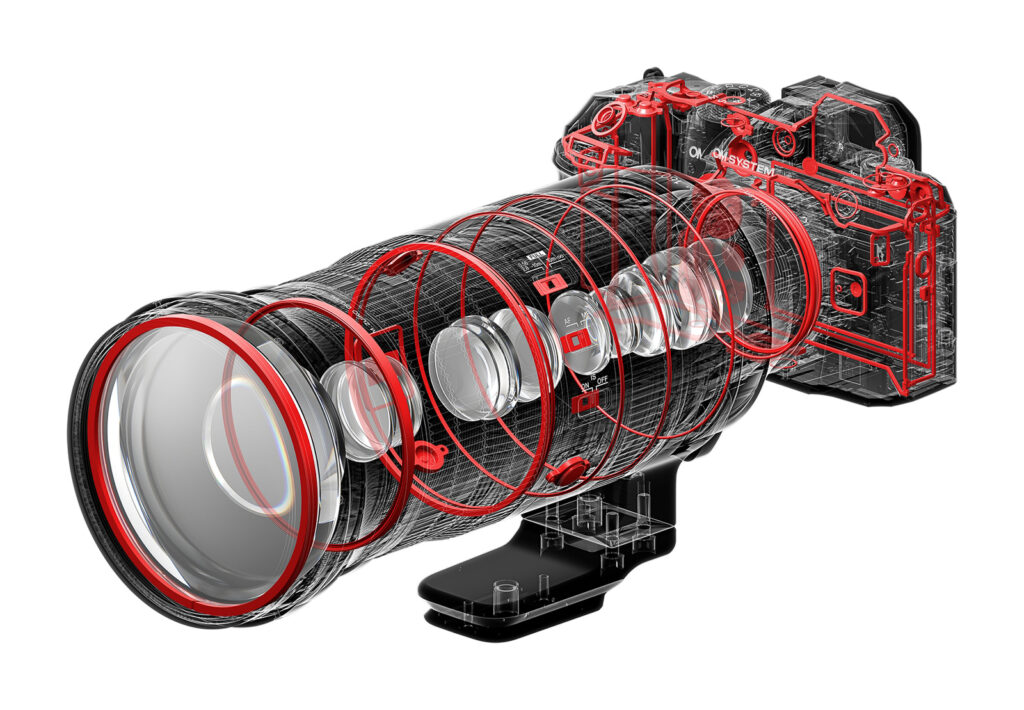
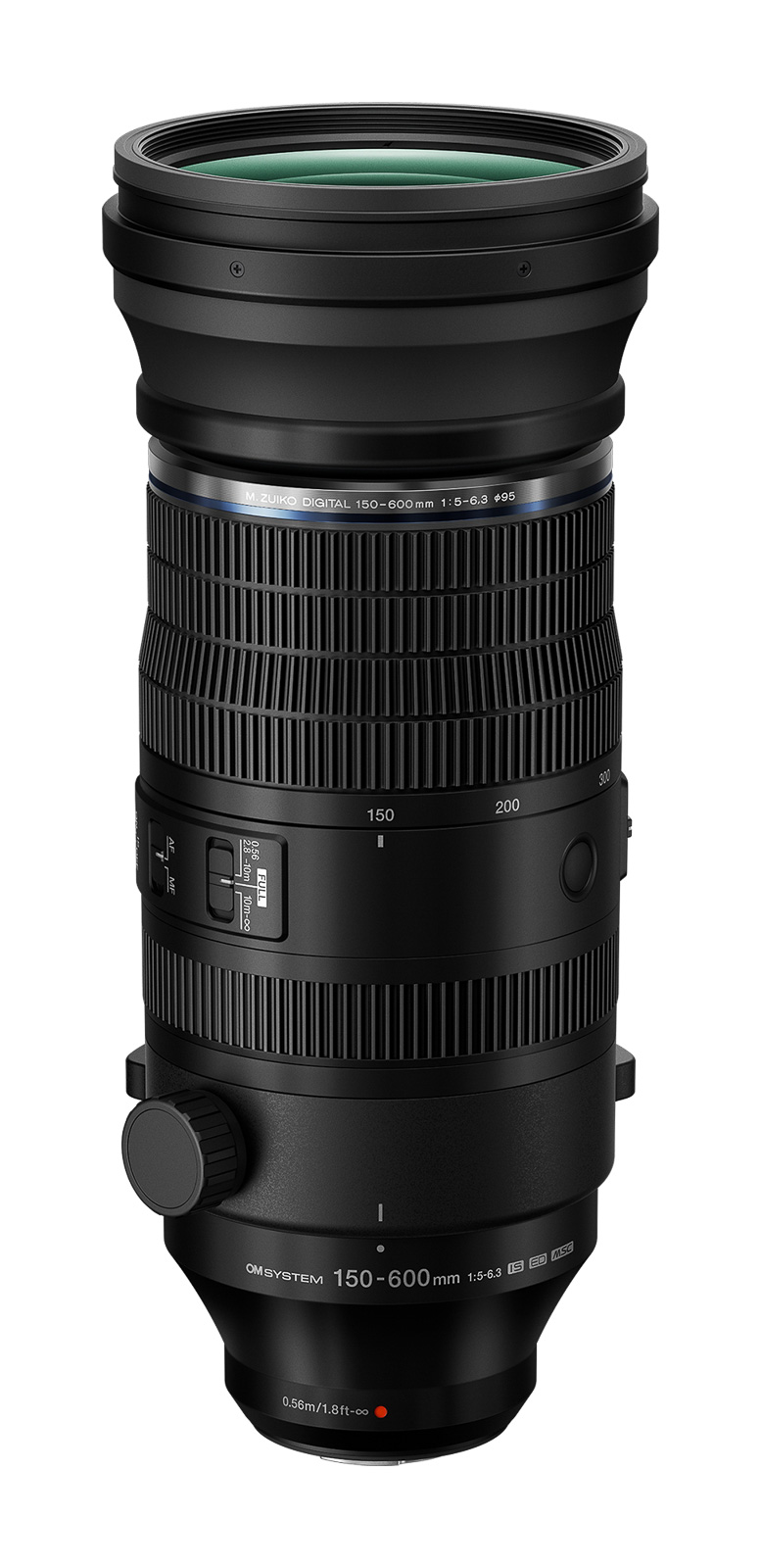
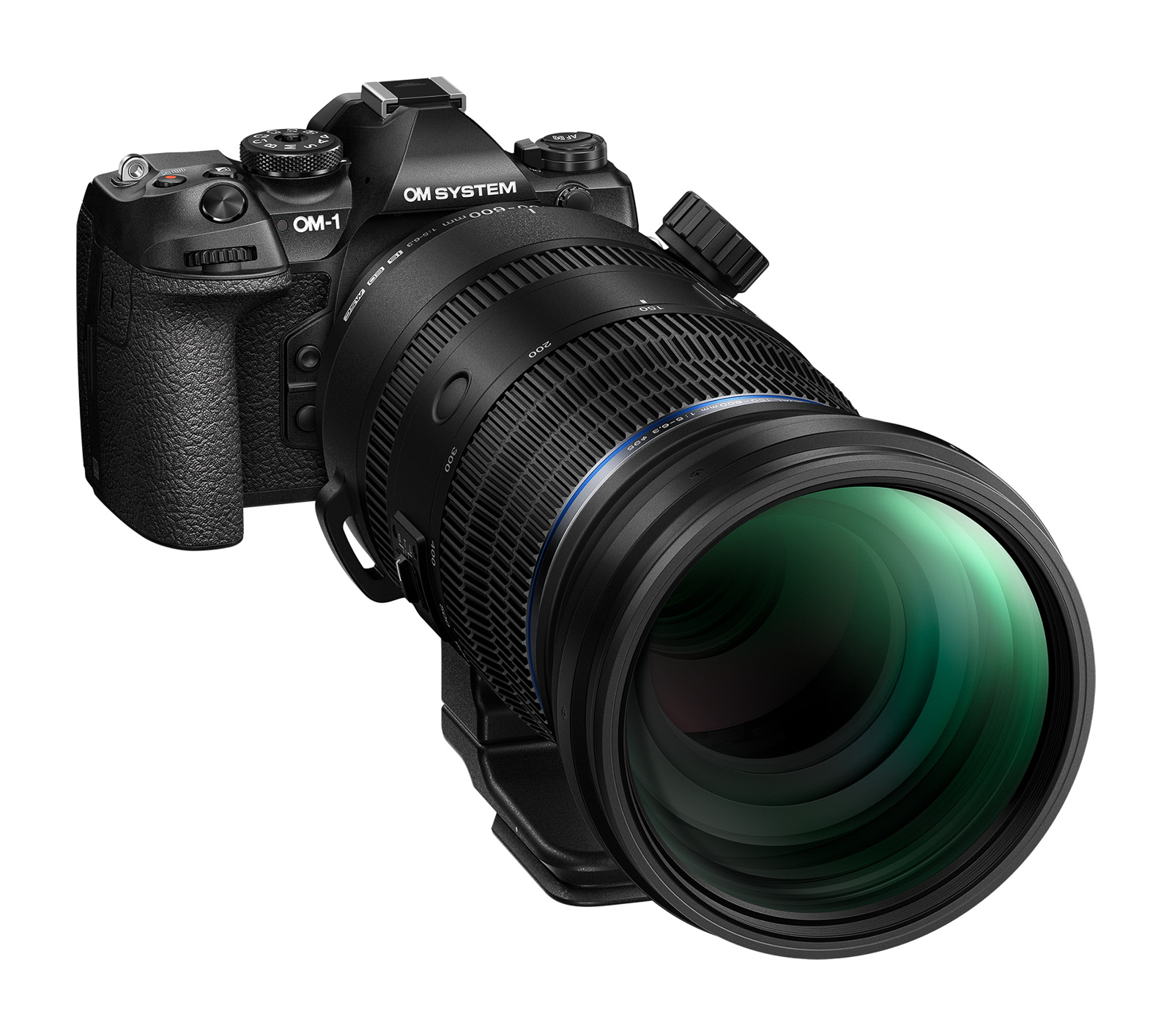
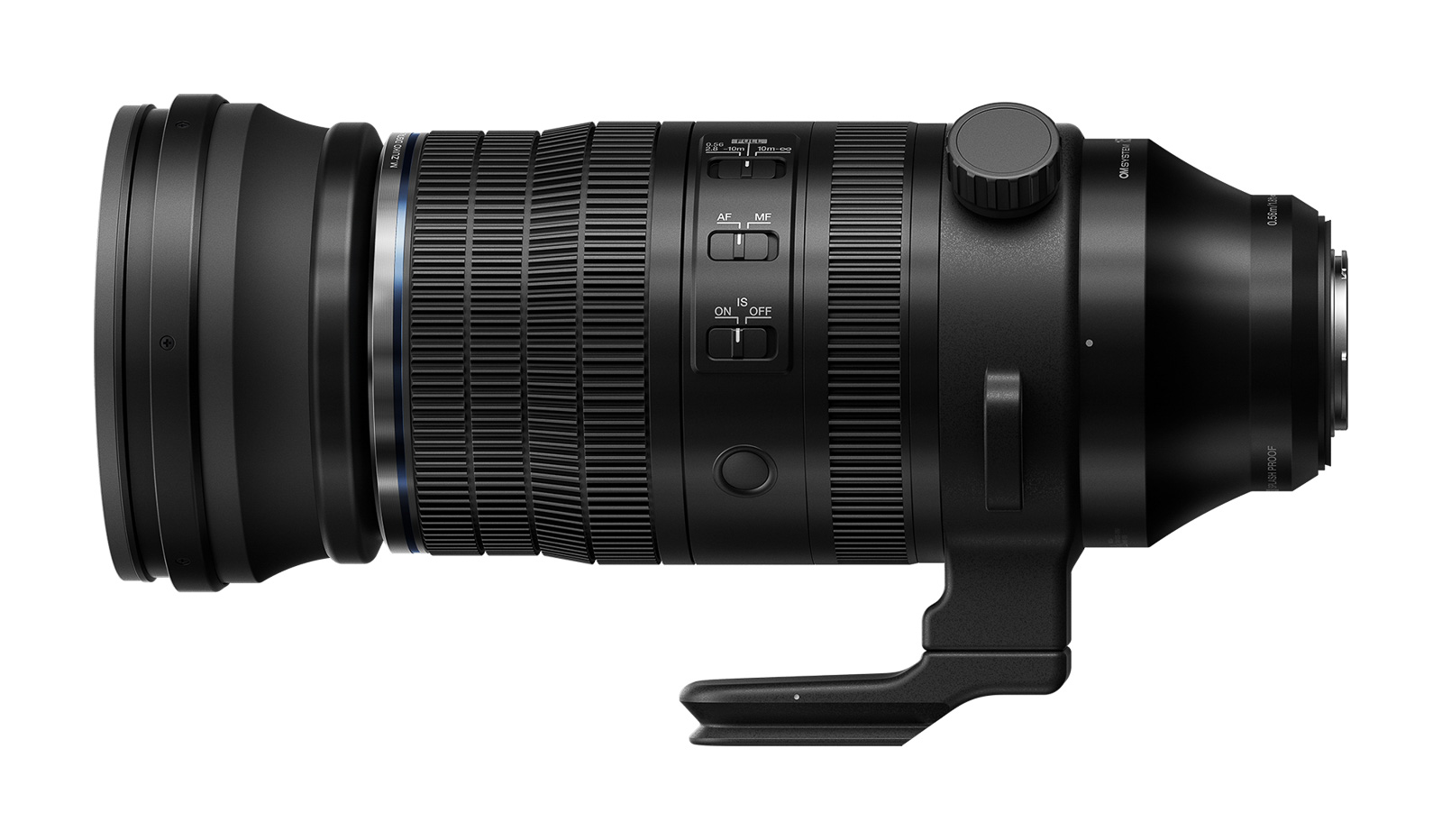
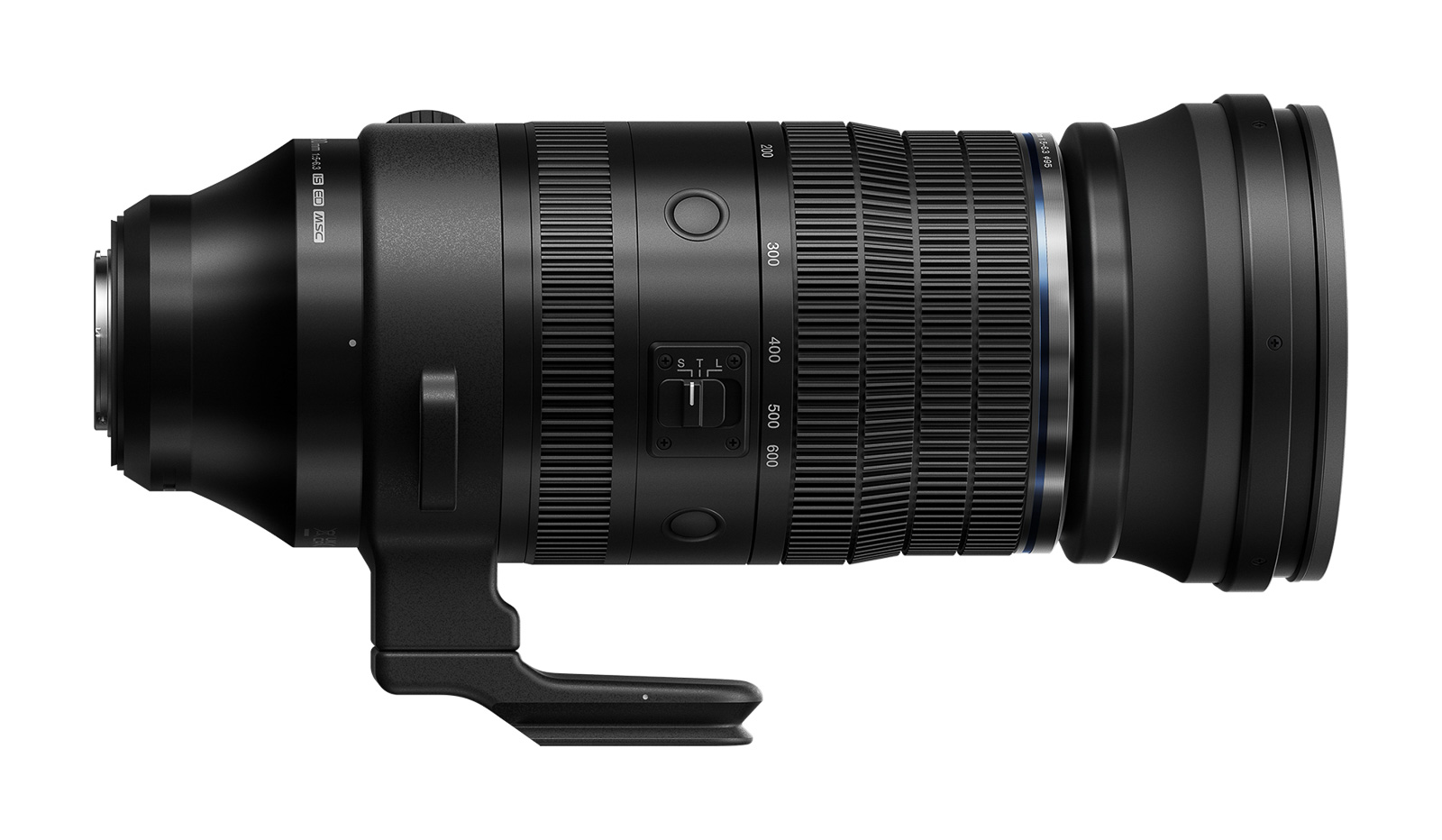
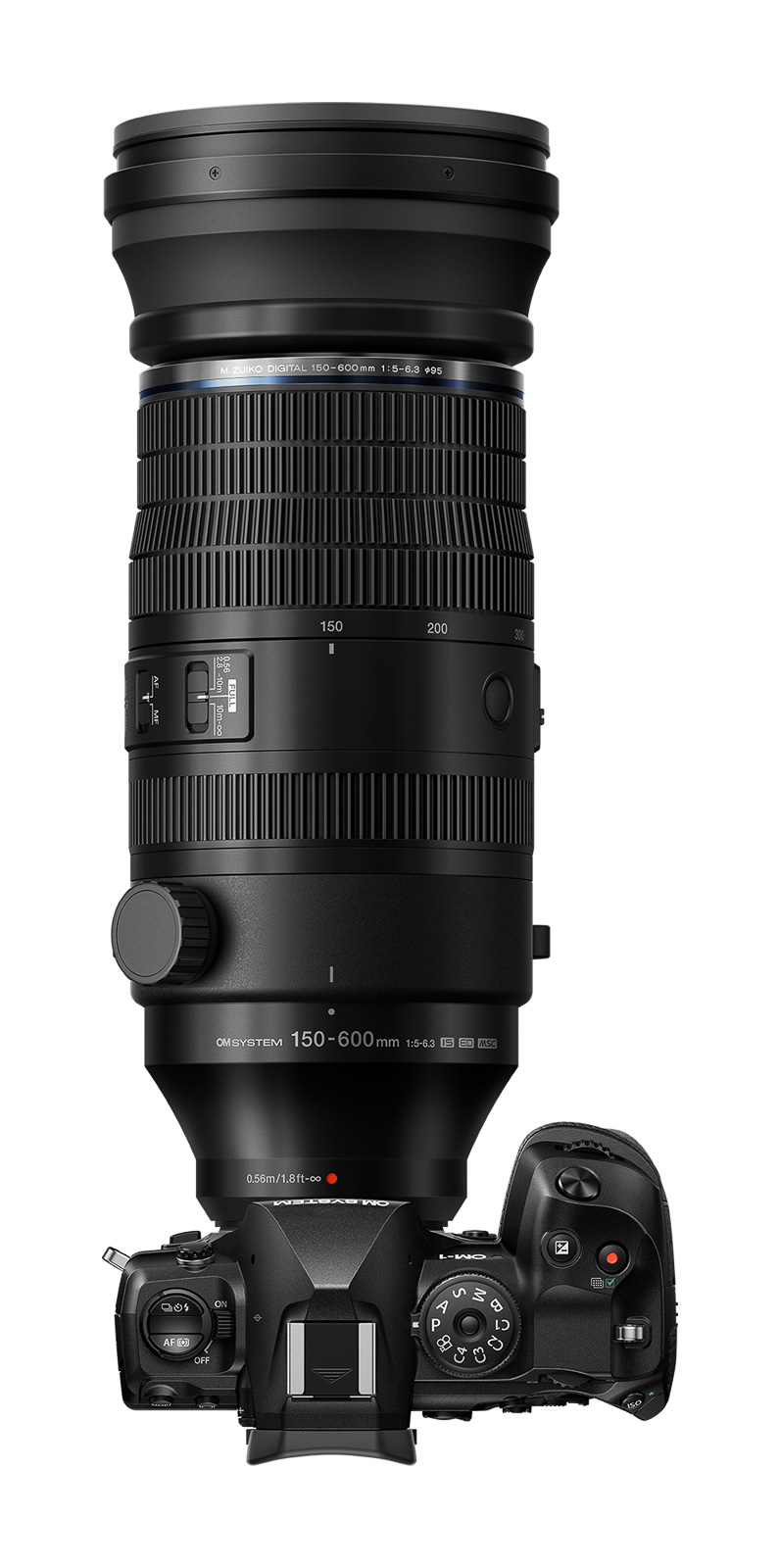
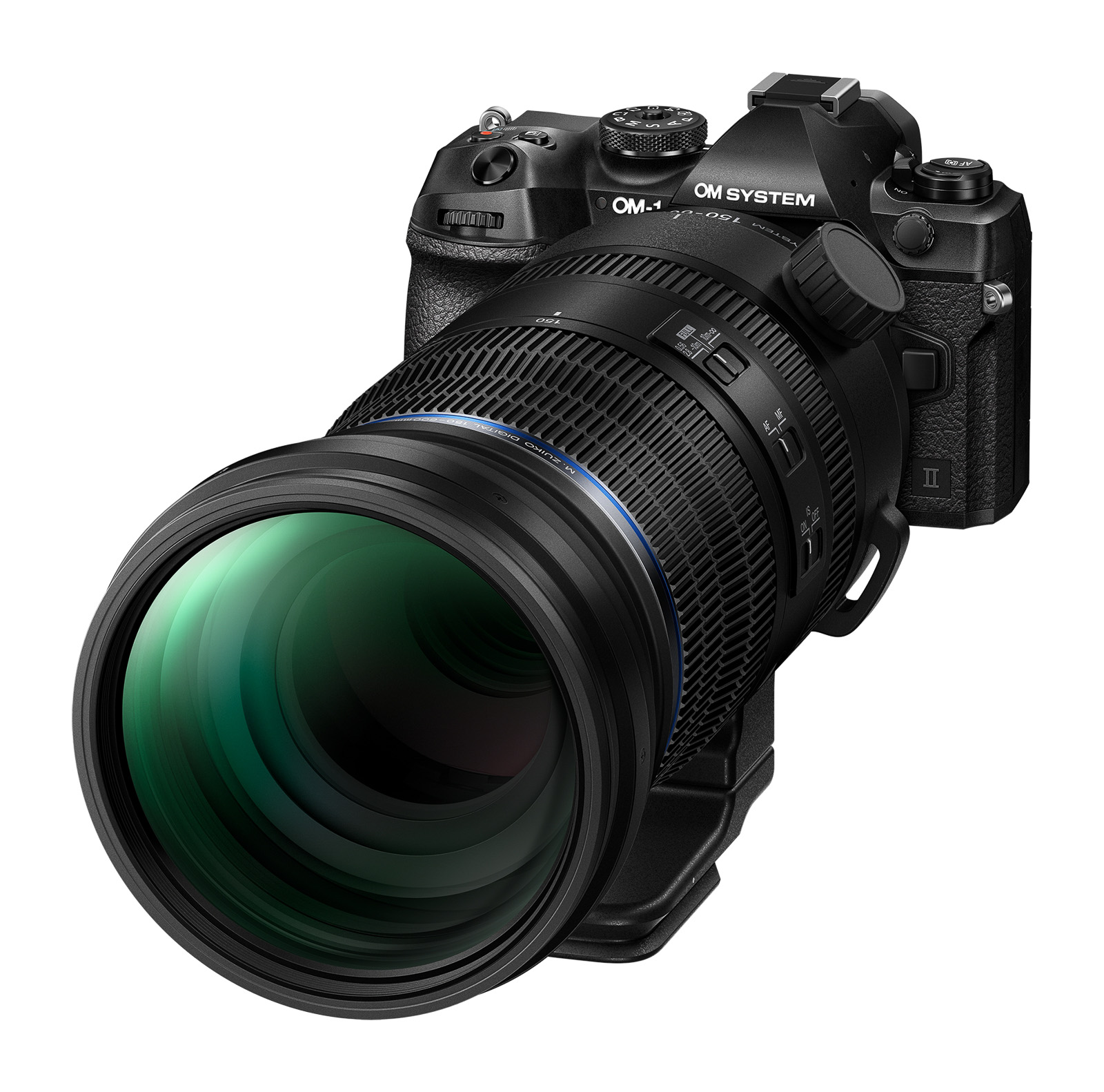
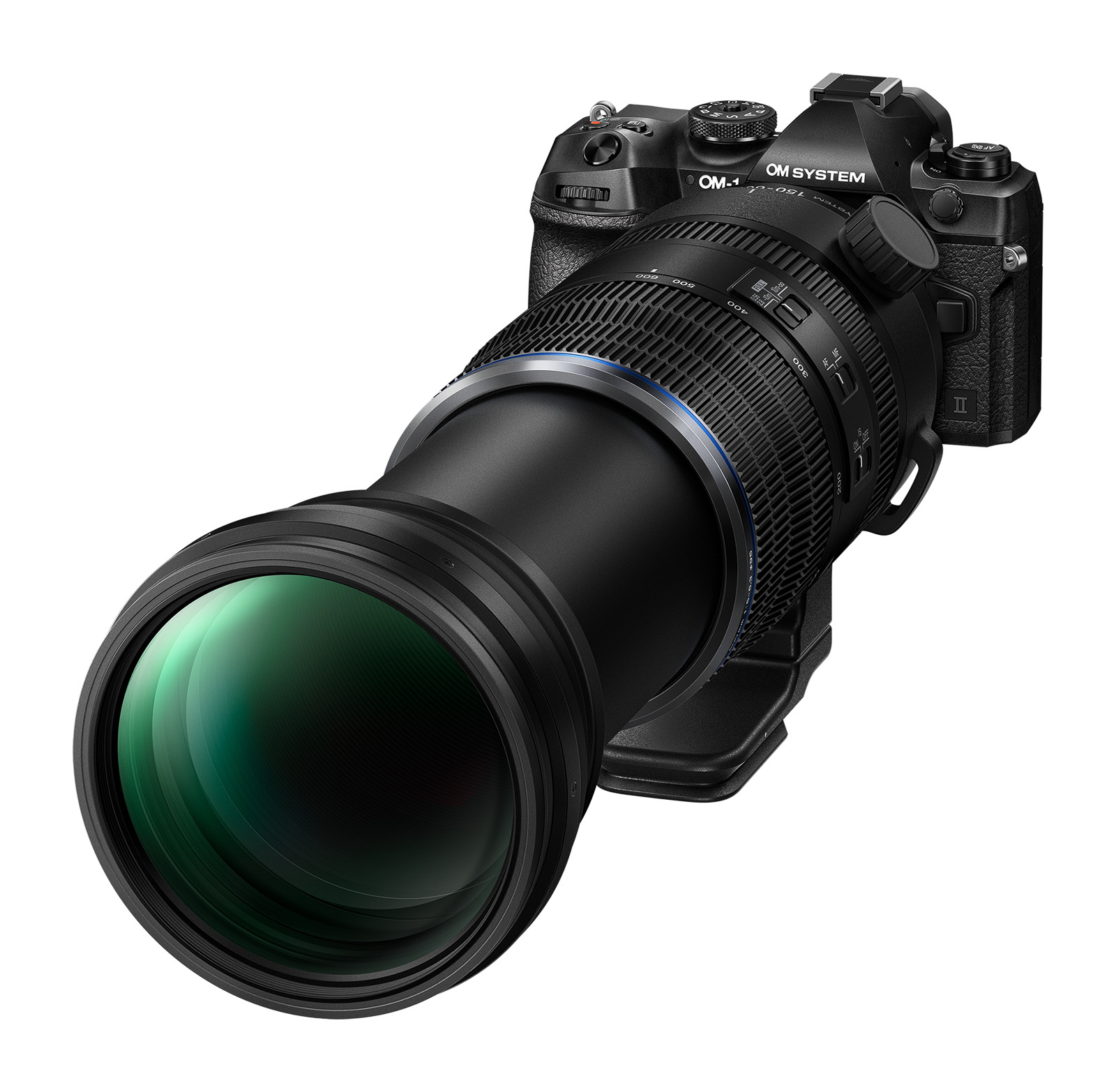
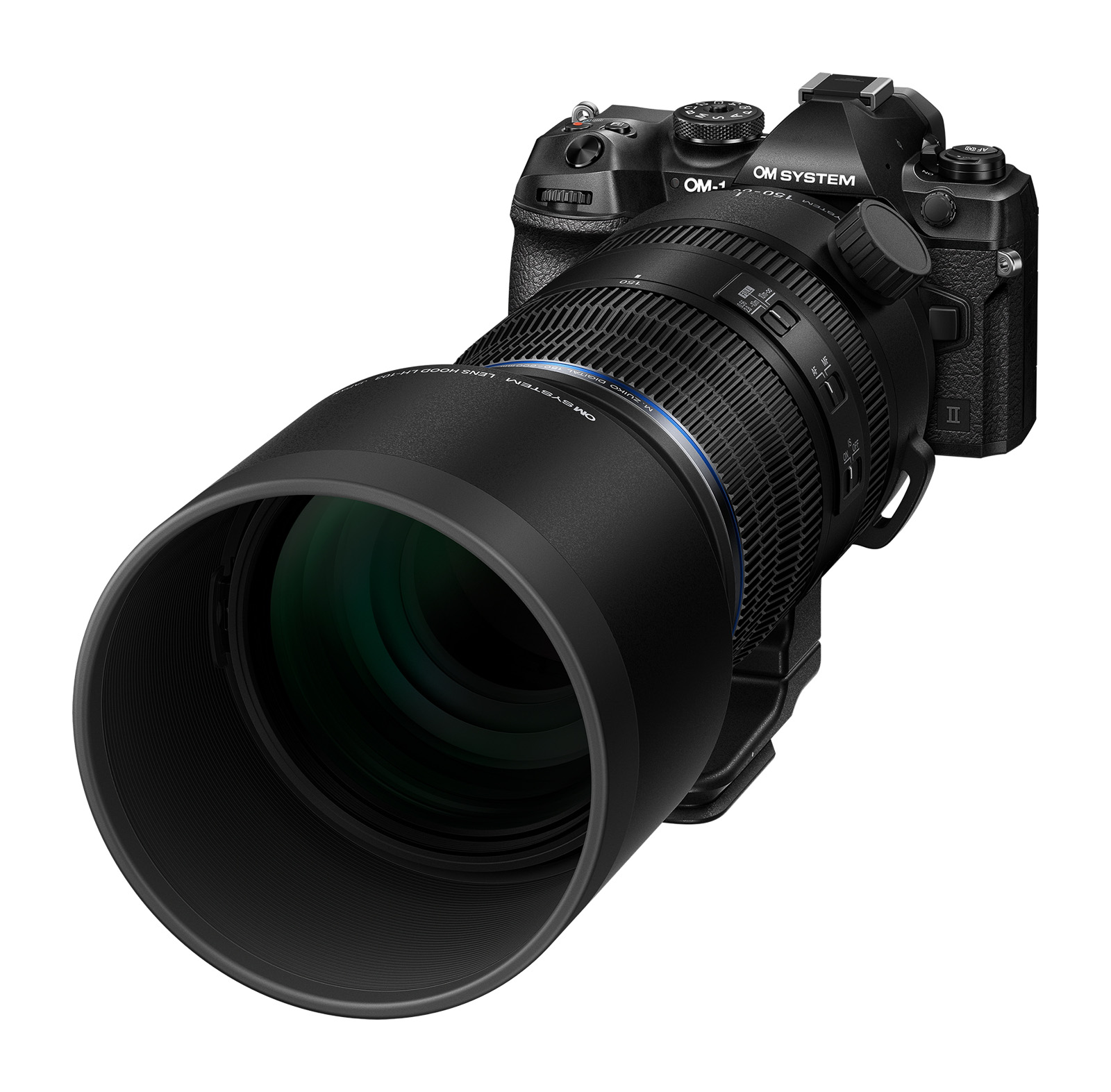
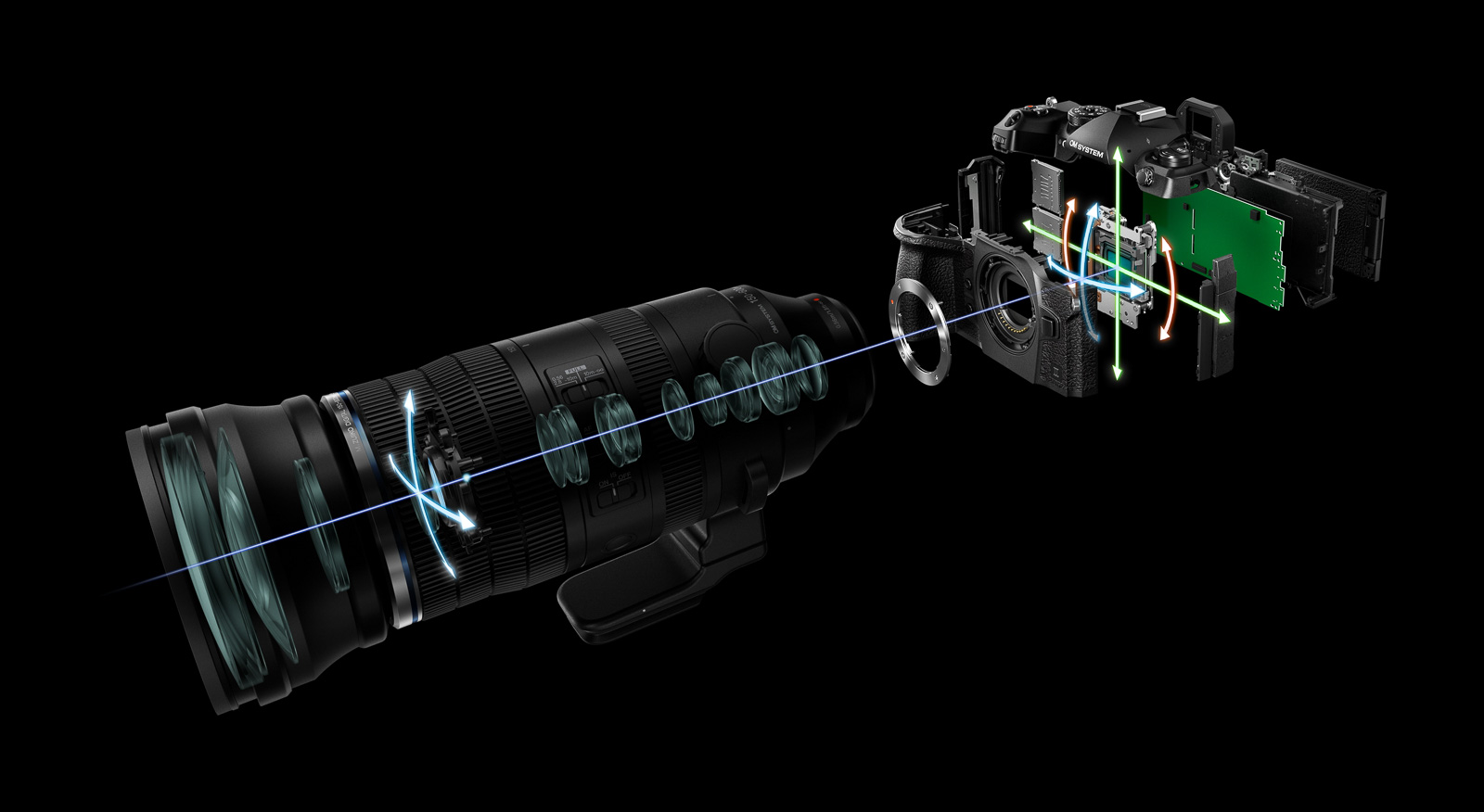
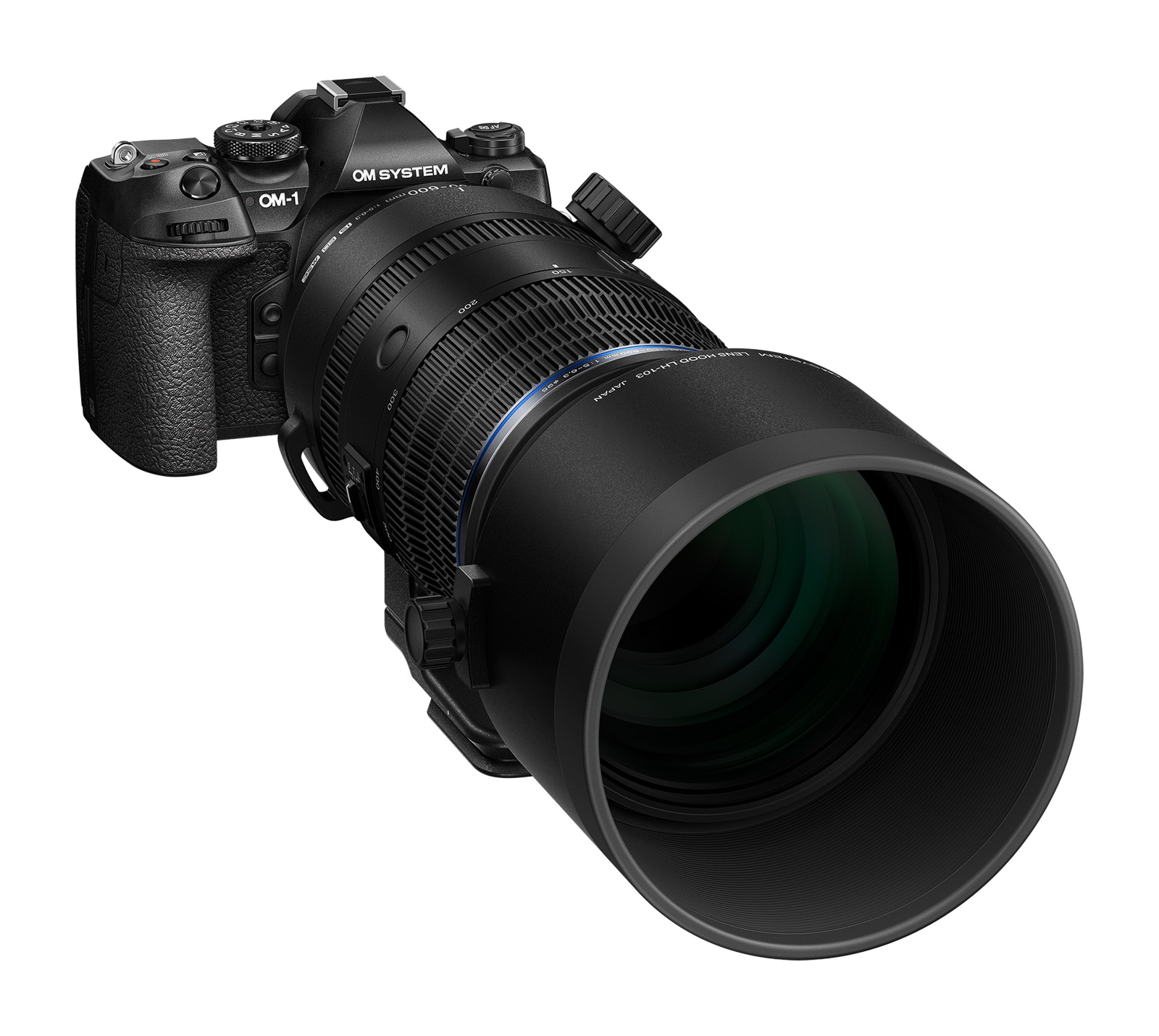
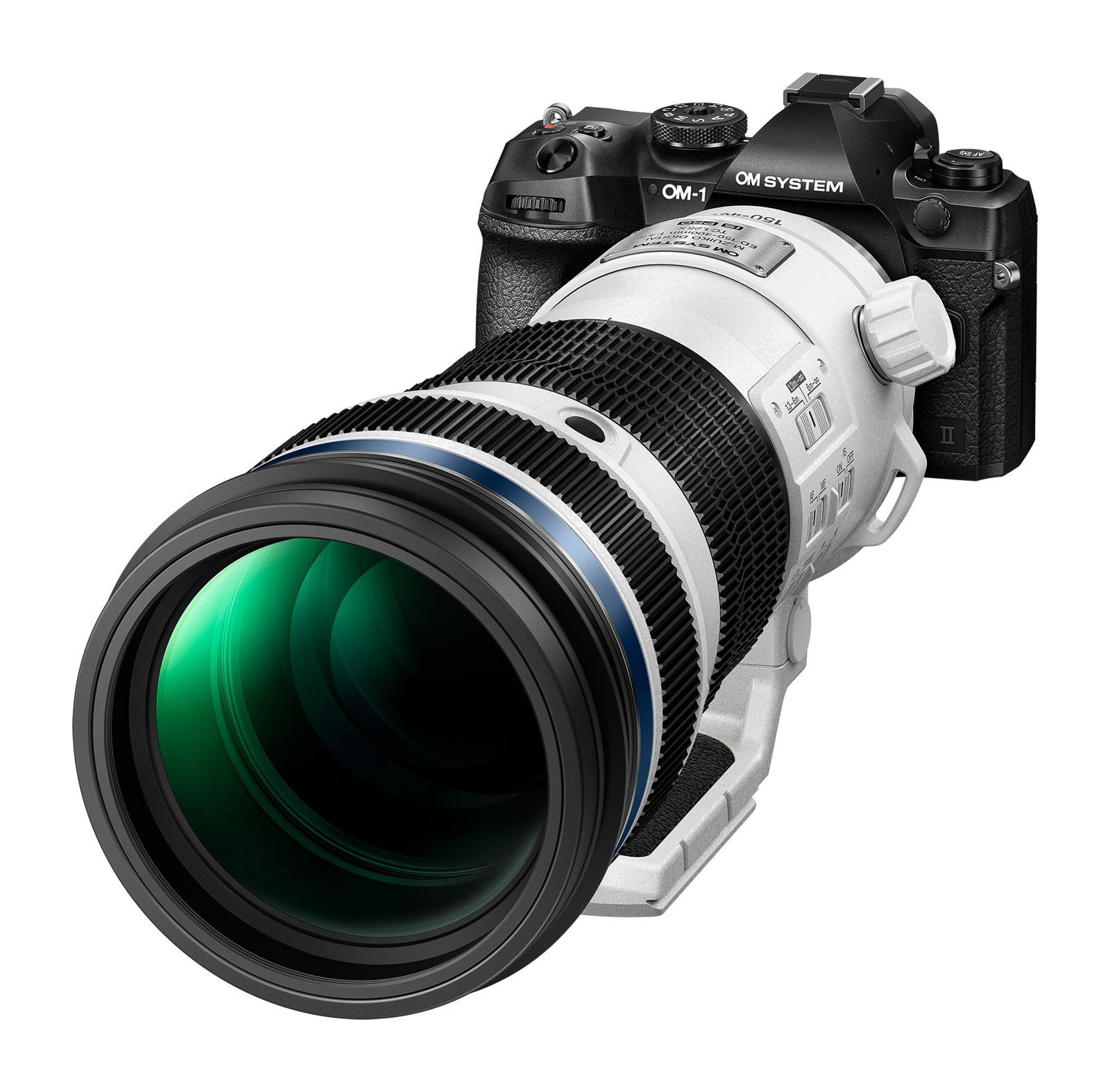
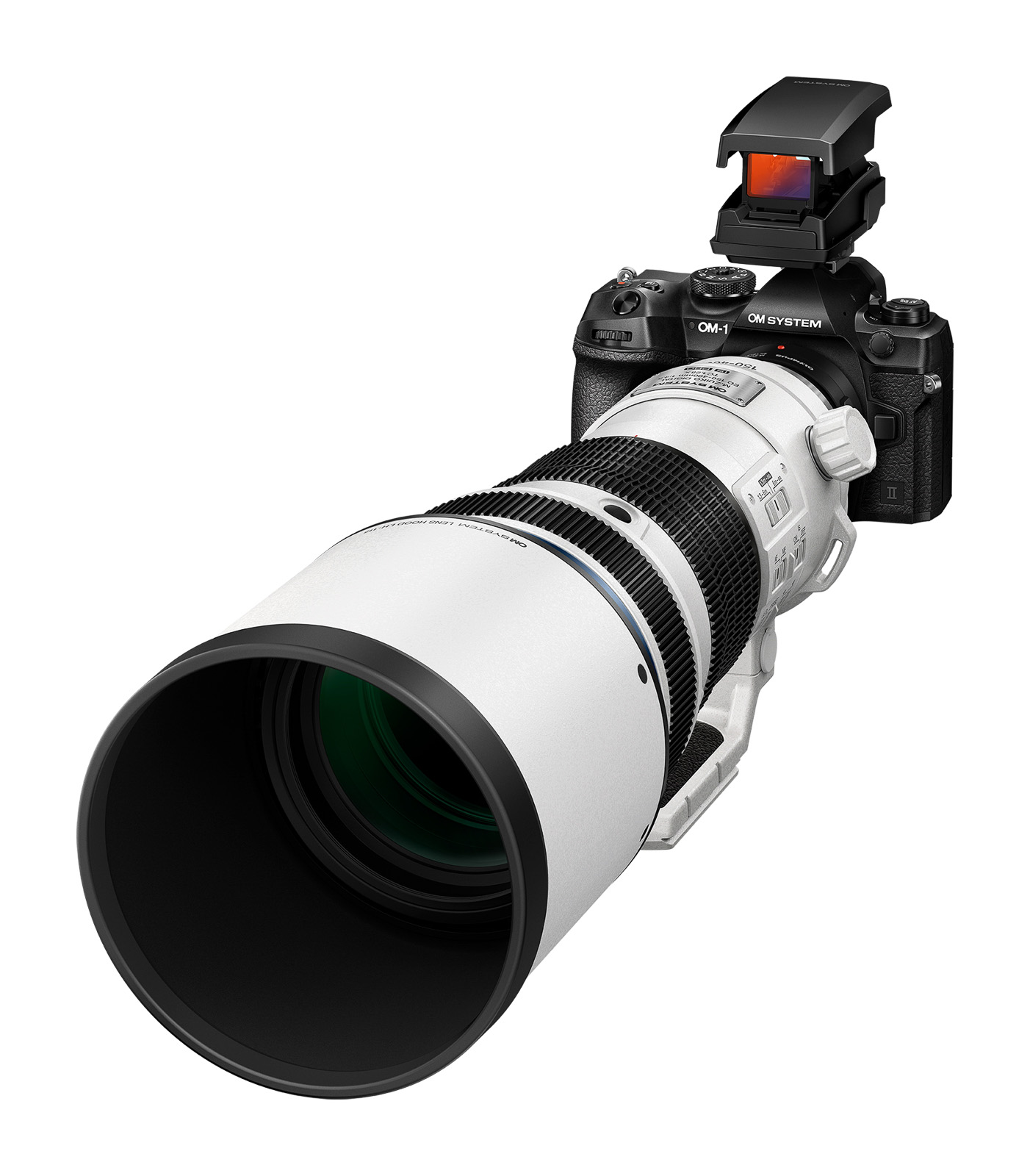
If a 400mm super telephoto (800mm in full frame terms) isn’t enough, OM System now has a solution; the new ultra tele m.Zuiko ED 150-600mm f/5-6.3 IS. That’s a 300-1200mm field of view if you are shooting full frame. And you can use MC-14 1.4x and MC-20 2x teleconverters, if you wish. With the MC-20, that gives you a 300-1200mm f/10-13 Micro Four Thirds view, or full frame 600-2400mm.
Headline features:
150-600mm f/5-6.3 ultra telephoto zoom 300-1200mm full frame field of view)
Compatible with MC-14 and MC-20 teleconverters
Features Sync IS (up to 7 steps of image stabilisation headroom extension)
Just over 2kg weight
Focuses as close as 0.56m at 150mm (0.7x semi-macro usability)
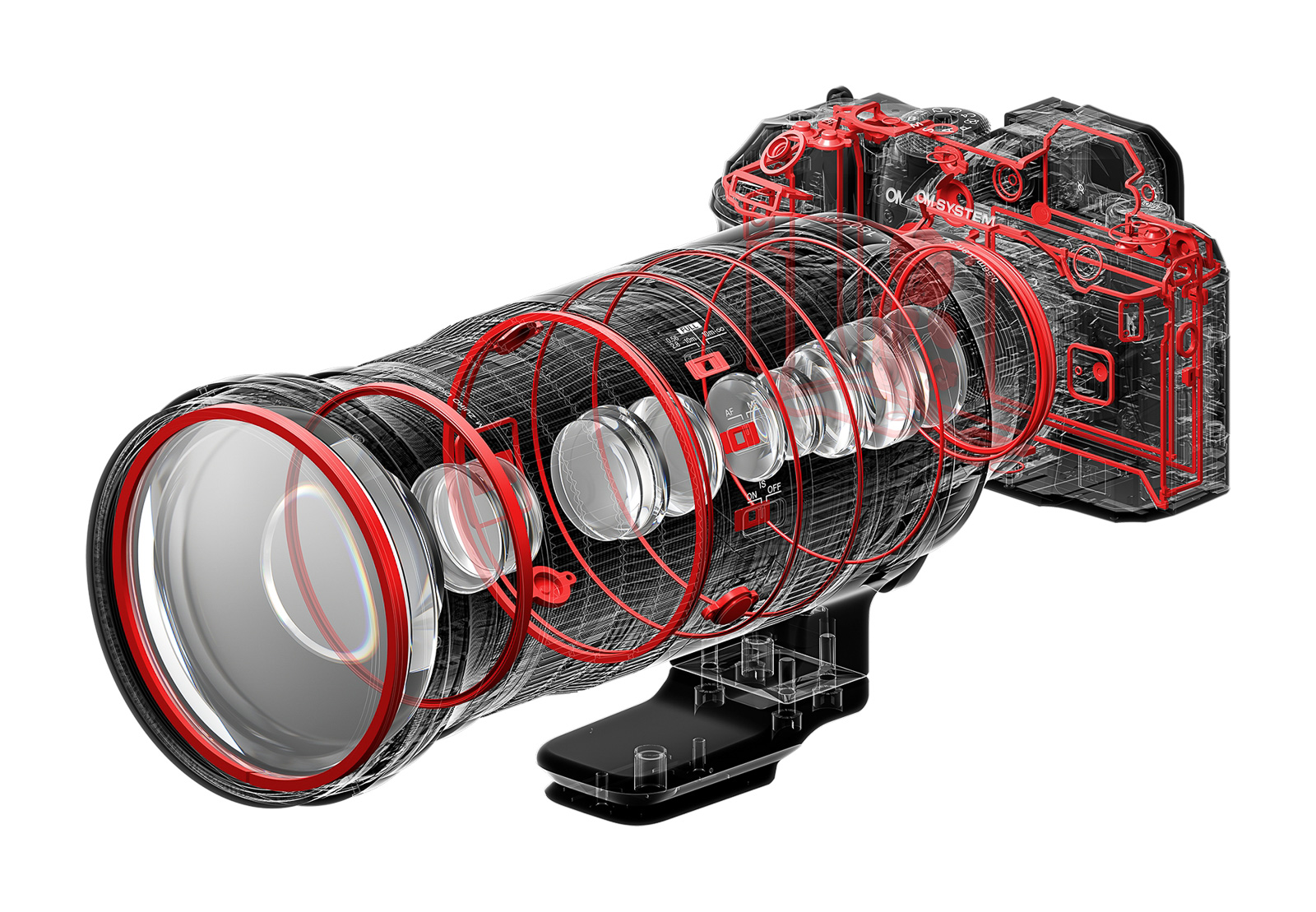
IPX1 dust and splash-proof sealing
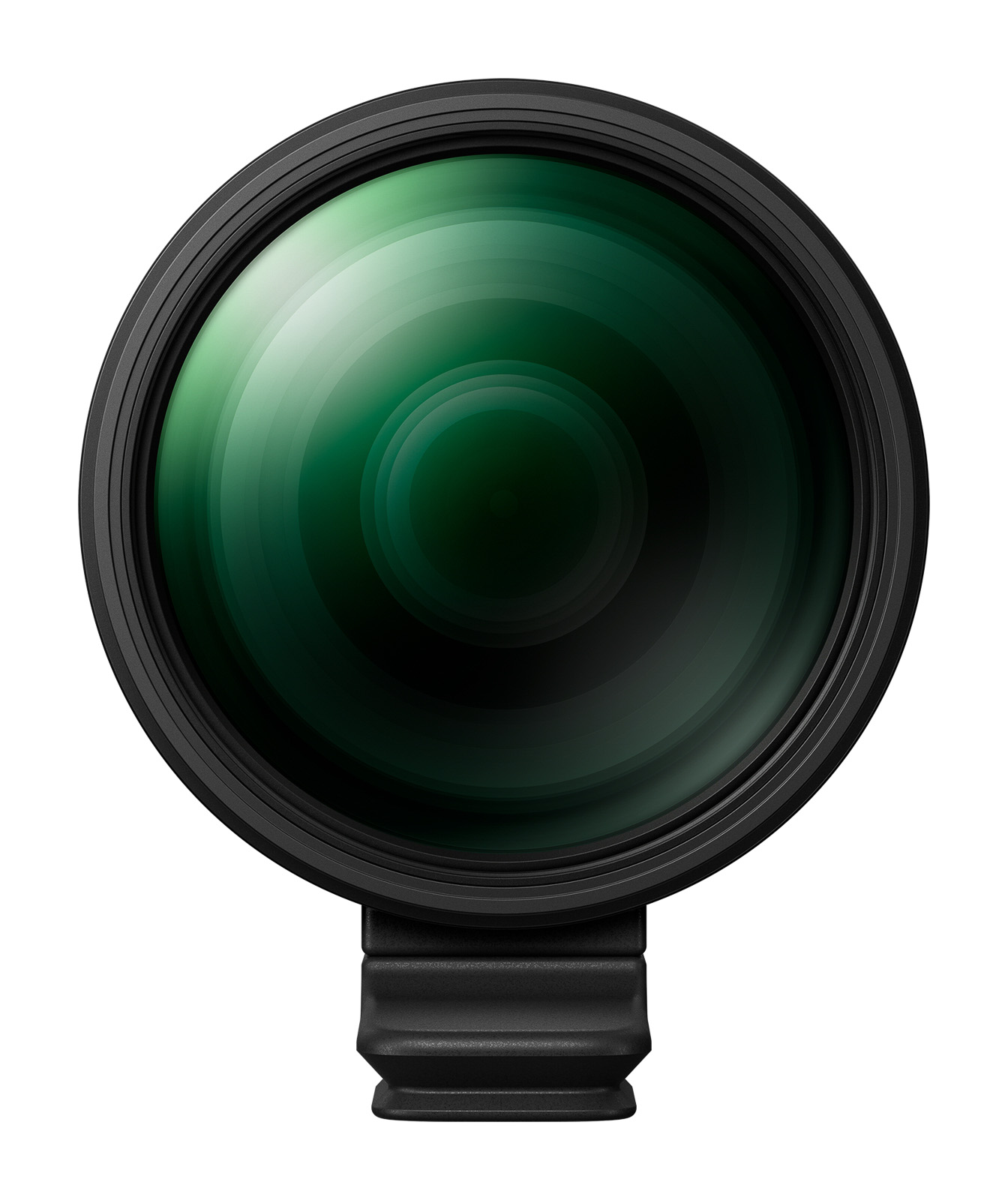
Water droplet and dust-resistant fluorine front element coating
95mm filter thread
Arca-Swiss compatible tripod foot
Price: £2,399.99, €2,699.00, $2699.99 US
Availability, late February
Sync IS
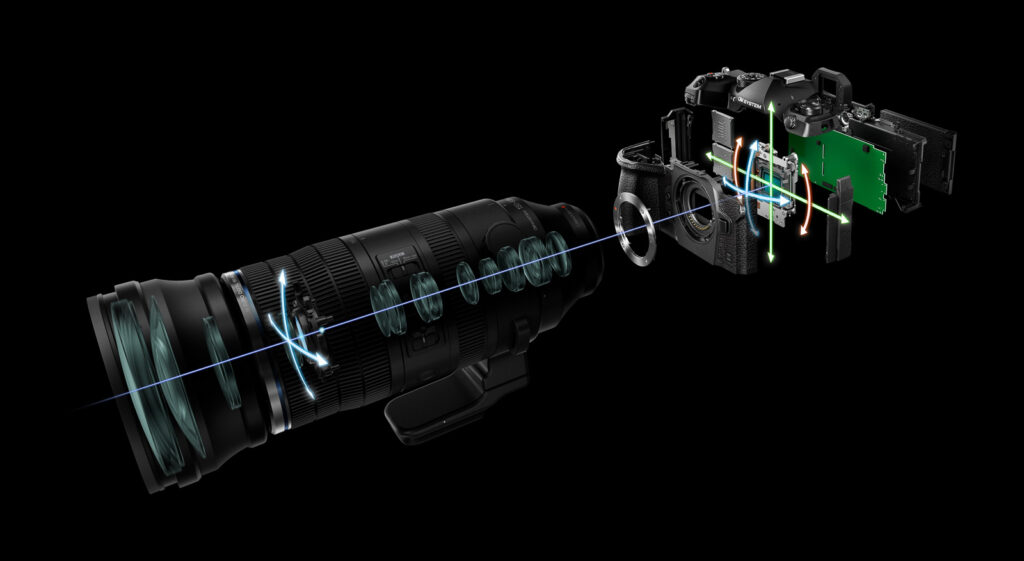
While the 150-600 is not a ‘Pro’ moniker lens, it does benefit from Sync IS. This is the smart combination of camera body sensor-shift image stabilisation, and in-lens optical stabilisation.
OM System says, when used with an OM-1 body, up to 7 EV steps of stability are available at 150mm, reducing to 6 steps at 600mm.
Size and weight
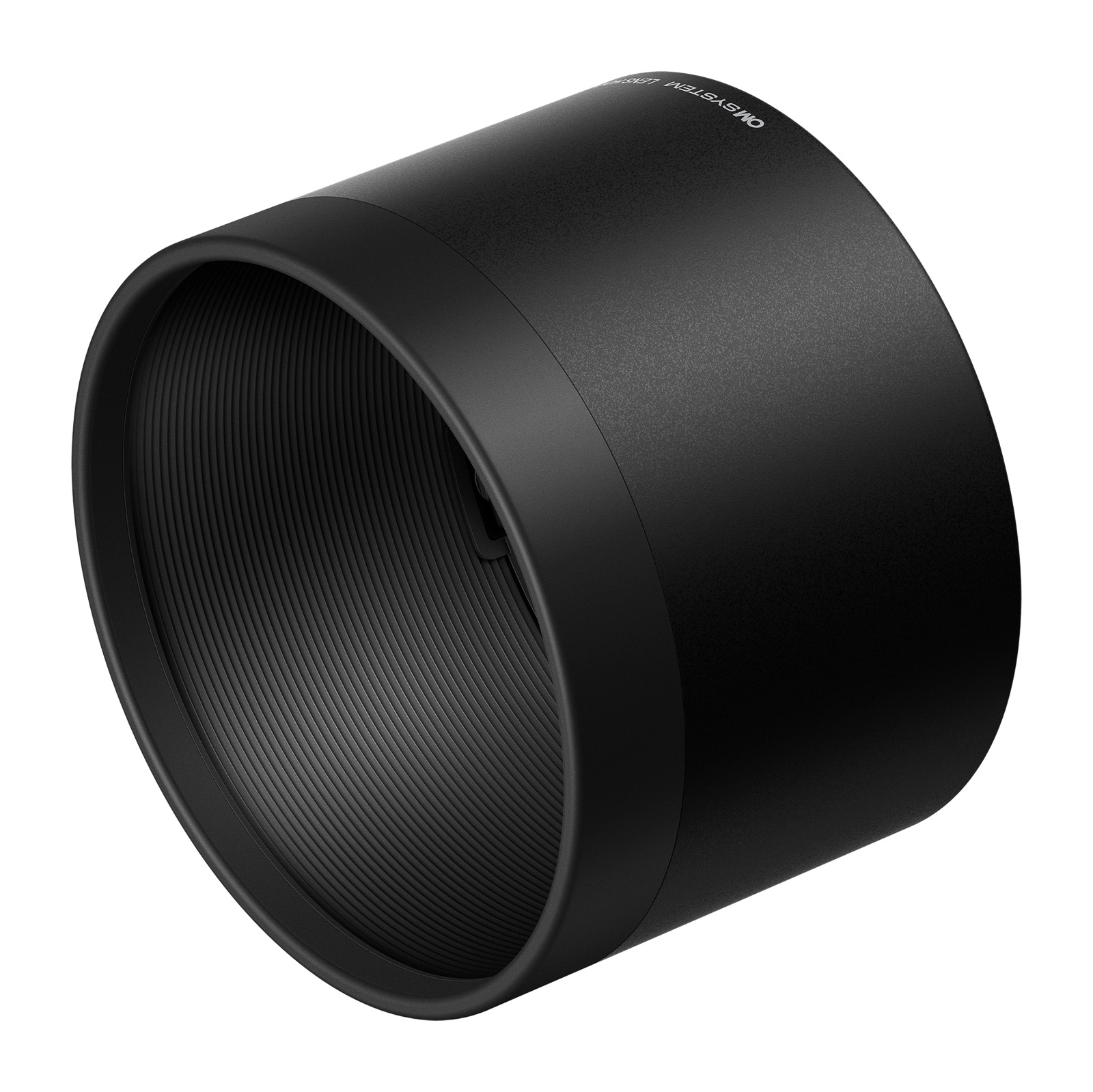
The 150-600 is, understandably, a large and heavy lens, weighing a smidgen over 2kg (without its 151g LH-103 lens hood). Focusing is internal, but the zoom mechanism increases the overall length from 26.4cm by about 10cm at the longer end of the zoom range.
On the following page, we delve into what the features and specifications could add up to.
[nextpage title=”The same, but different”]
There has been a lot of speculation about the origins of the OM System m.Zuiko ED 150-600mm f/5-6.3.
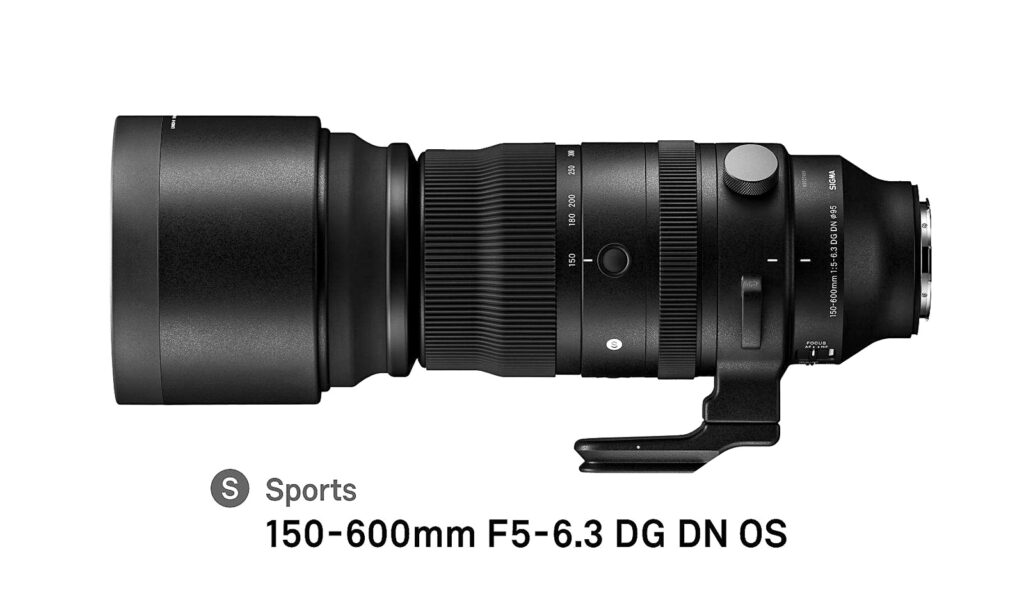
Both Tamron and Sigma have made 150-600mm DSLR zooms for years. More recently, Sigma produced a 150-600mm f/5-6.3, its DG DN OS model, designed specifically for mirrorless cameras.
Comparisons with the Sigma 150-600mm F5-6.3 DG DN OS | Sports (bottom) are inevitable
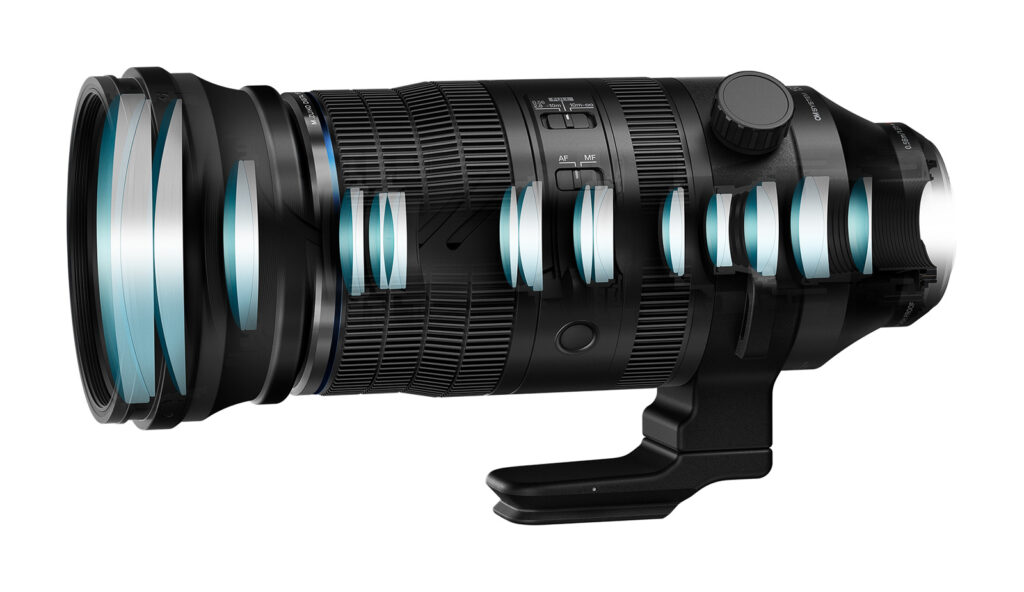
OM System won’t talk about their lens’ provenance, but you only have to look at the exterior appearance to see that it bears more than just a passing resemblance to the Sigma optic. It has very similar dimensions, weight, filter size, external controls, and the same number of lens elements designed into the same number of groups.
But there are some very important differences to consider. The Sigma was designed for full frame sensors. Some adjustment of the optics to optimise for the smaller Micro Four Thirds sensor is only to be expected.
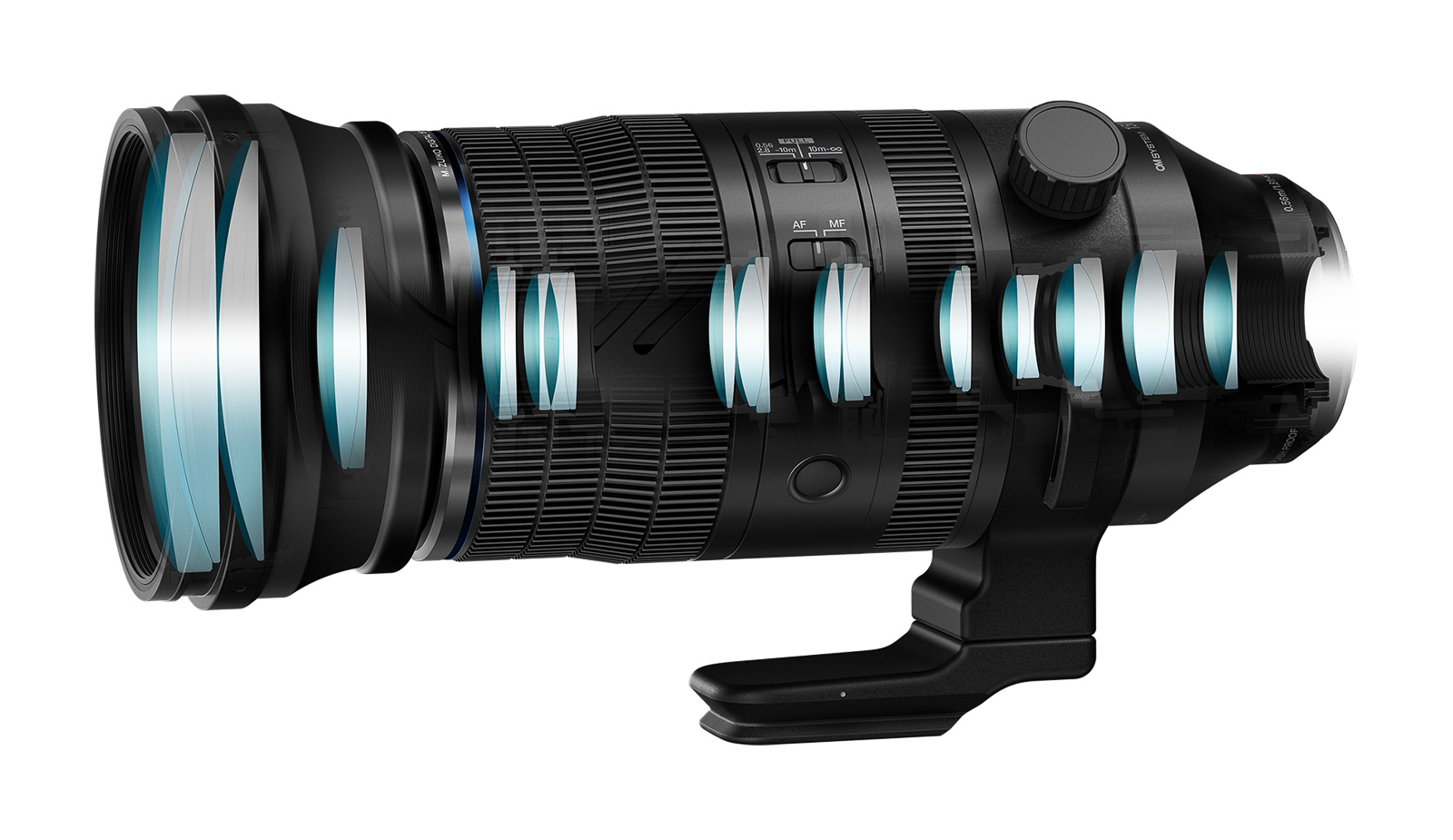
OM Systems’s official specifications list 25 elements in 15 groups, with 4 Super ED lenses, 2 ED lenses, 6 HR lenses and one 1 HD lens. The Sigma is listed as having 25 elements in 15 groups, with 4 FLD and 2 SLD elements. This, of course, could simply be emphasis, on Sigma’s part, of its use of FLD and SLD low dispersion glass. These could, respectively, be Super ED and ED (extra low dispersion) in OM System parlance.
Technical reviews of the Sigma 150-600 sometimes indicate that sharpness towards the corners of the frame isn’t as good as at the centre. Because Micro Four Thirds is a ‘crop’ sensor, we must hope that if there is any corner softness, it lies outside the confines of a Micro Four Thirds frame.
Sigma says its lens features a “highly effective dust and splash resistant structure with special sealing at the mount connection, manual focus ring, zoom ring, and cover connection.” We can only guess, but OM System appear suggest a more determined approach to environmental sealing, and Sigma doesn’t give any industry standard rating for effectiveness, while OM System quote IPX1.
Most significantly of all, OM System decided to endow the 150-600 with full Sync IS, which makes the in body sensor image stabilisation (IBIS) work optimally, over 5 axes, in tandem with the optical image stabilisation built into the lens. Sync IS is featured in high-end m.Zuiko lenses, like the 300mm f/4 Pro and the 150-400mm f/4.5 Pro, but the 100-400mm f/5 does not.
The proof will be in the pudding, as they say. I’m told that the 150-600 is very sharp, right up to 600mm. Sigma’s 150-600 covers the same full frame field of view zoom range as OM System’s more affordable, compact and lightweight 75-300mm f/4.8-6.7 on Micro Four Thirds. A 150-600 on Micro Four Thirds is aimed at photographers who need exceptional long-distance reach. You can photograph birds in flight, hand held, with a 300mm, on Micro Four Thirds. Perhaps the 150-600 will be resting on its Arca-Swiss foot in a hide more often than not? And we haven’t even explored the possibilities of using the MC-14 and MC-20 converters.
Certainly, the inevitable reviews, especially in the field, will be highly interesting. Meanwhile, a little nugget for you – a Canon RF 1200mm f/8 ultra telephoto is twice as long as the 150-600, over 50% heavier, is 1.3 stops less bright and doesn’t even offer you the convenience of zooming out. It also costs nearly £20,000.
To see the latest discussions on today’s news, check out our famously informative and friendly discussion forum.
On the next page we have OM System’s specifications for the 150-600.
[nextpage title=”Specifications”]
M.ZUIKO DIGITAL ED 150-600mm F5.0-6.3 IS
Focal Length 150-600mm
35mm Equivalent Focal Length 300-1200mm
Lens Construction 25 elements in 15 groups
(4 Super ED lenses, 2 ED lenses, 6 HR lenses, 1 HD lens)
Splashproof Type / Dustproof “IEC Standard publication 60529 IPX1
(applies when the lens is used with OMDS splashproof Body) / Dustproof construction”
Angle of View 8.2 degrees – 2.1 degrees
Closest Focusing Distance Wide:0.56m / Tele:2.8m
Maximum Image Magnification Wide:0.35x / Tele:0.20x
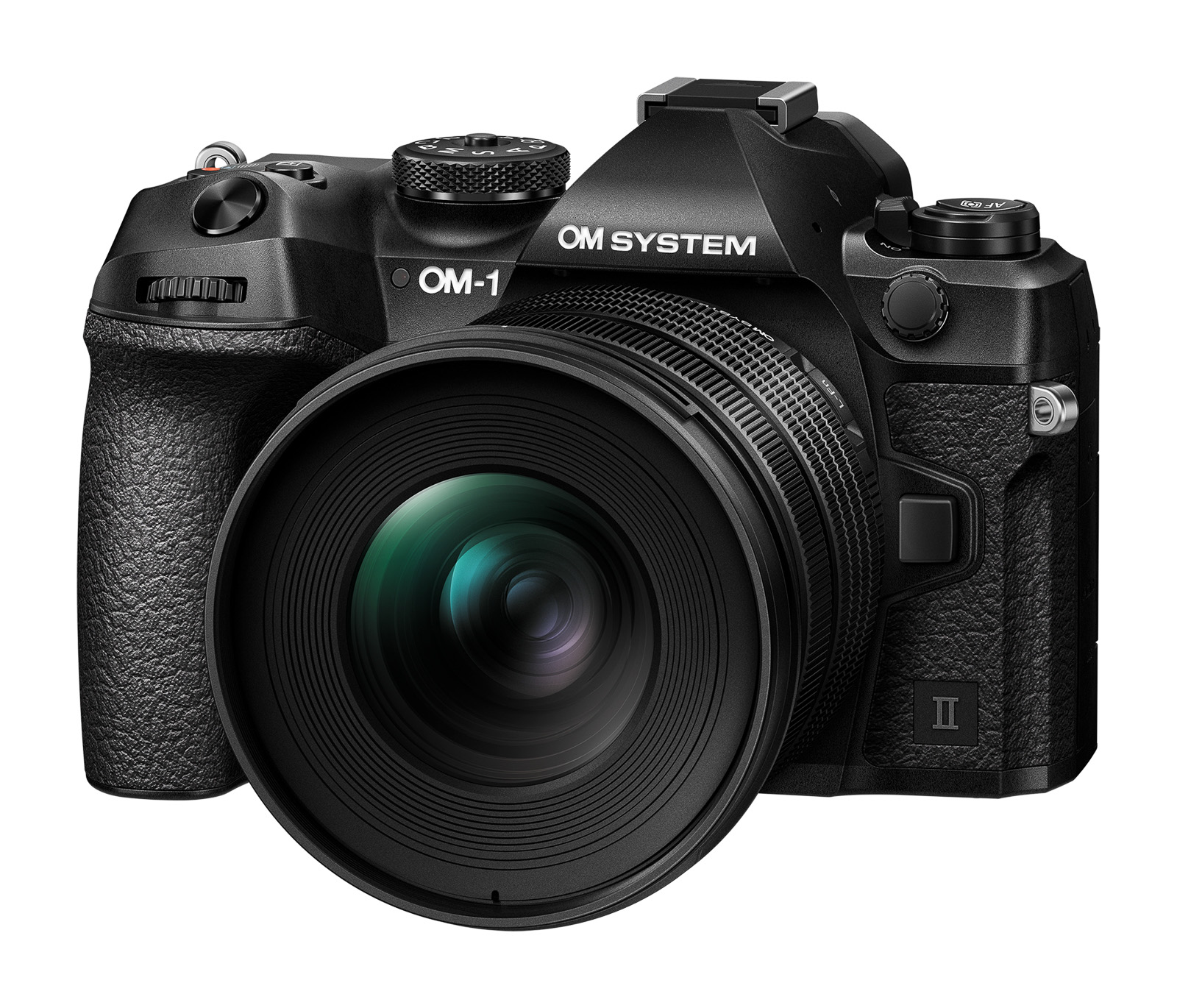
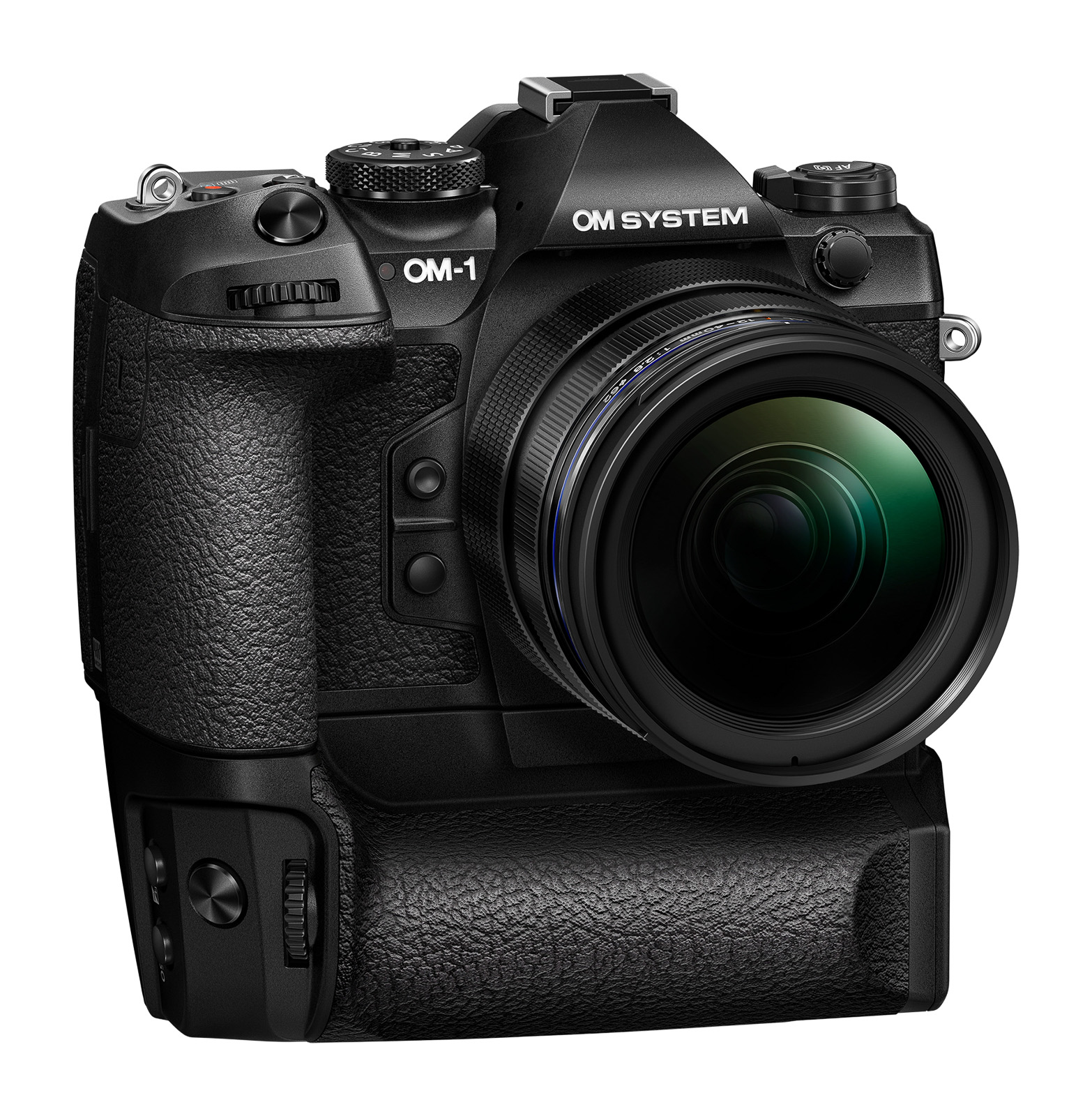
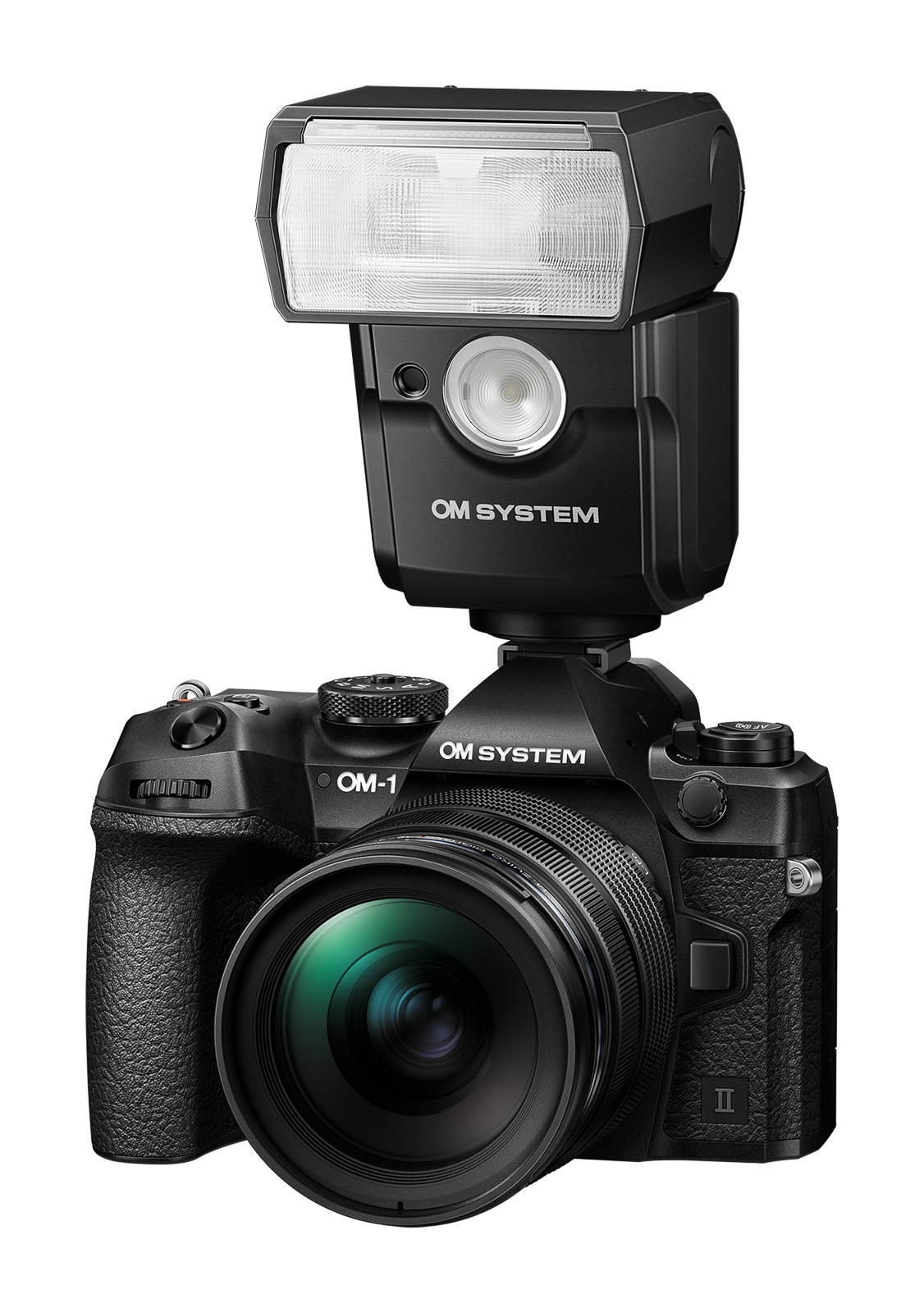
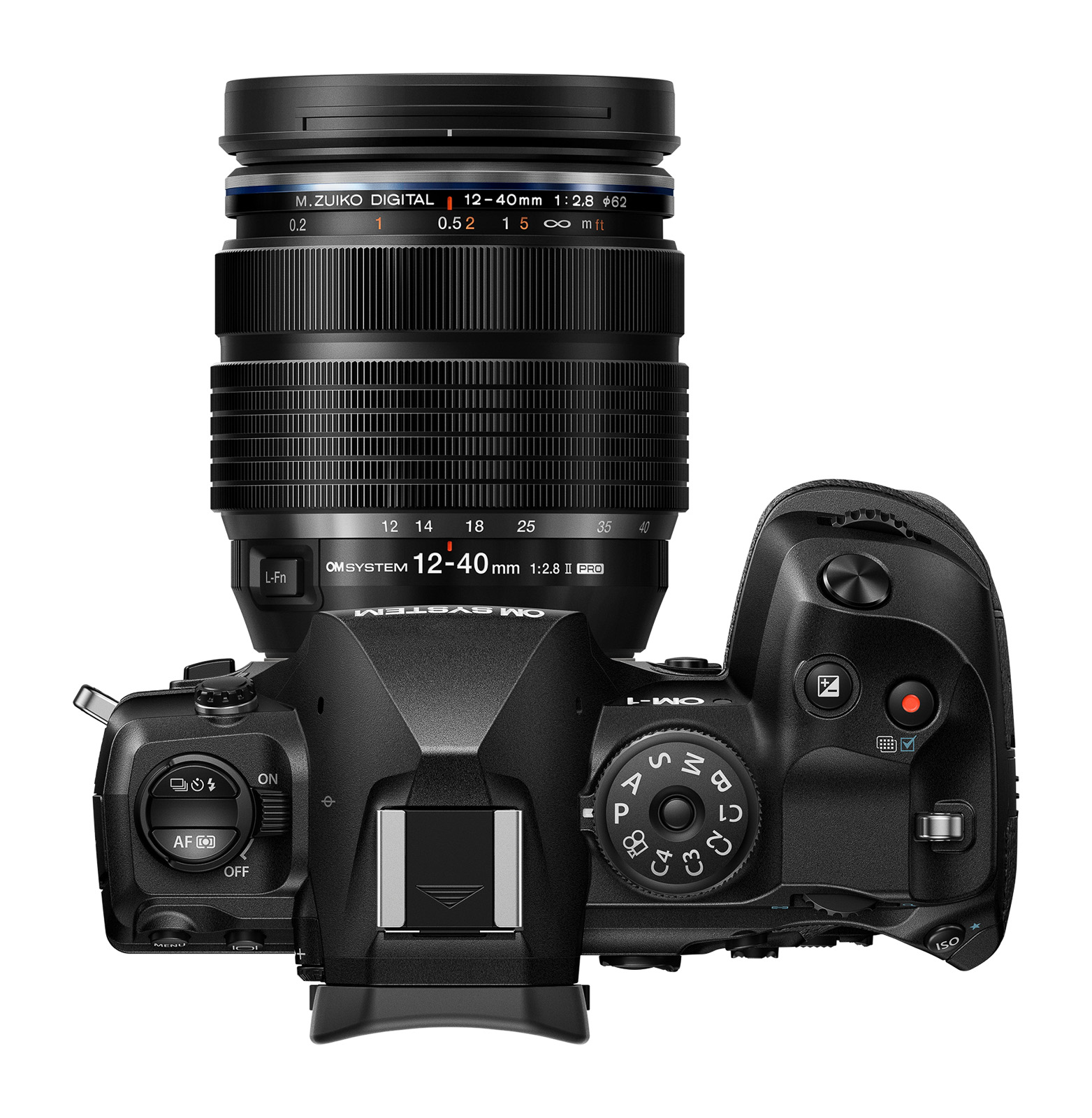
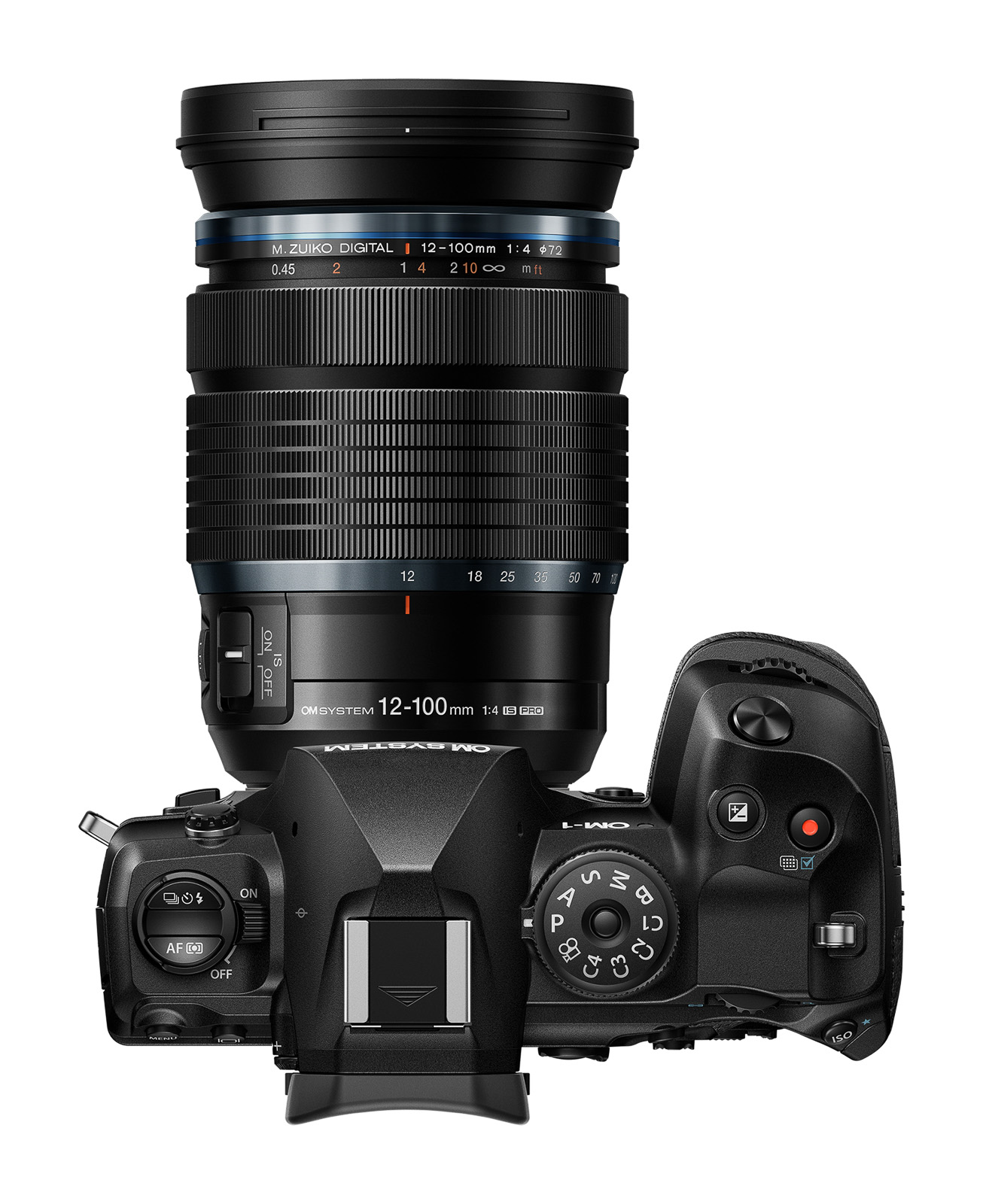
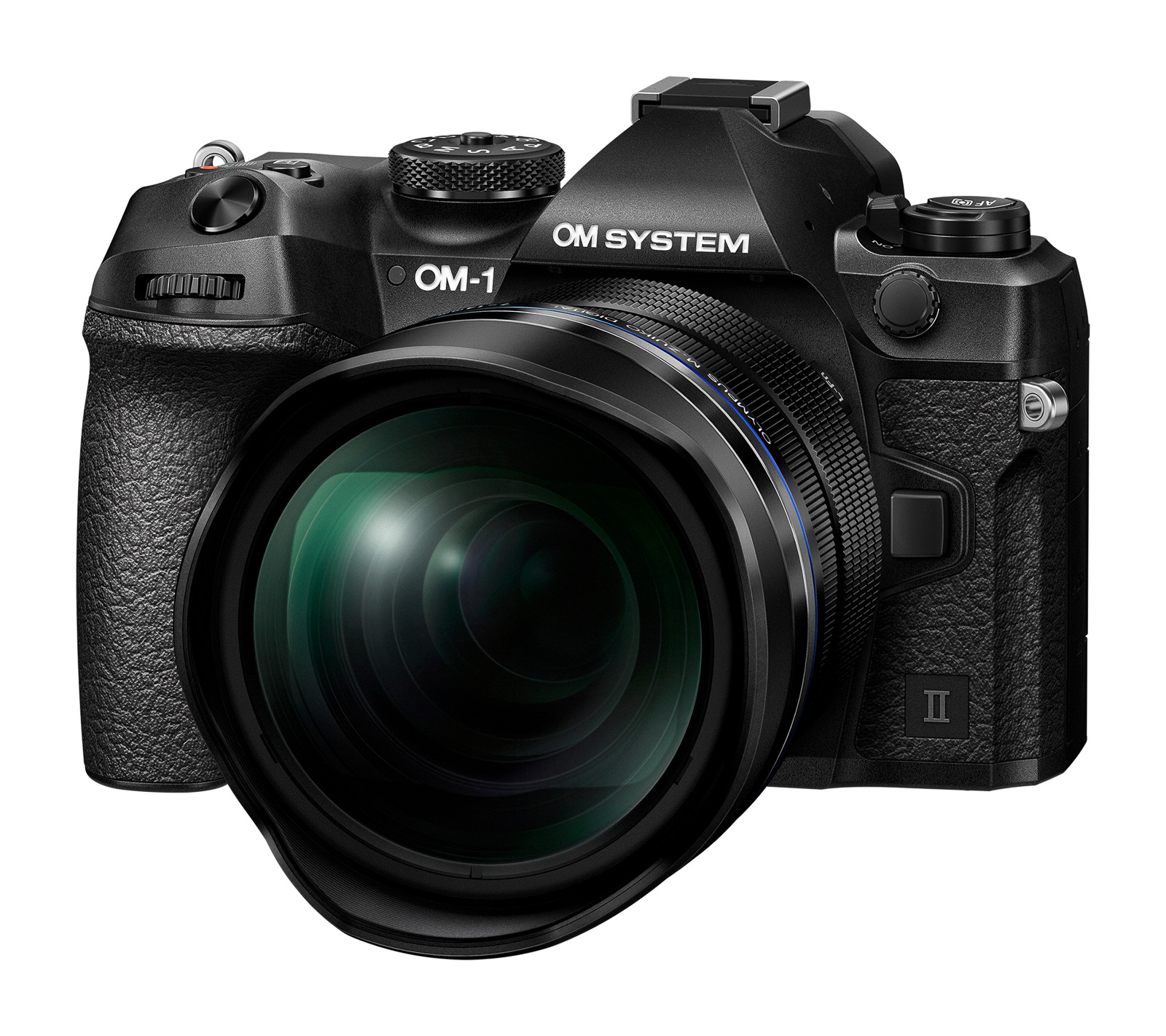
Gone is the familiar Olympus branding, but this is still the OM-1, the OM System OM-1, Mark II.
Headline points:
Minimal external design changes apart from grippier rubberised adjustment wheels
Unchanged sensor and Imaging Engine (TruePic X), but buffer RAM has been doubled
Significant Continuous AF reliability improvements through revised algorithms
AI-powered human person detection added
Selection of subject when several are identified now possible
Blackout-free sequential shooting at lower frame rates now available
In body image stabilisation (IBIS) improved by 20% to 8.5 stops
Menu button function can now be relocated to right-hand side for single-handed operation
14-bit RAW now available from high res shooting modes
Live ND digital neutral density filter mode extended by an extra stop to ND128
Landscape photographers targeted by new Live GND graduated filter tool
Faster focus stacking and bracketing
Vertical ‘mobile phone’ aspect video shooting for posting to social media is now supported
Availability end of February
Pricing: camera body €2,399.00, £2,199.99, bundle kit with 12-40mm f/2.8 II €2,999.00, £2,699.99
Autofocus
OM System say the OM-1 Mark II has improved subject identification abilities and continuous autofocus is more reliable than before – all thanks to improved algorithms and AI models. No information was available regarding single point AF reliability, which some have reported. But overall, AF has been improved.
Live ND and Live GND
You can now darken your digital Live ND filter by a further stop, to ND128. On top of that, digital ND filtration in graduated (Live GND) form is now available. You have touch-screen control over the position and angle of the graduated ND filter, up to GND8. There are Soft, Medium, and Hard filters to choose from. Live GND can’t be used at the same time as Live ND or ProCapture.
14-bit RAW
Only when using 50 and 80 megapixel high res shot modes, but 14-bit RAW files can now be produced. These modes already reduced noise and increased dynamic range and now, with the digital headroom extension to 14 bits you can work with up to three times as many levels of tone.
Less waiting
With the doubled buffer memory, there is less chance of stalling your camera when shooting at extremely high sequential rates and having to wait while the buffer empties. Computational algorithms have also been optimised so waits after focus stacking and bracketing have been reduced.
OM System’s strategy for the OM-1 Mark II
I sensed that OM System are being realistic and aren’t producing the OM-1 Mark II to persuade existing OM-1 users to upgrade, although, no doubt, some will. The OM-1 Mark II is an incremental upgrade to the original OM-1, after all it is only two years since the OM-1 was originally launched. But a fresher OM-1 should help to maintain the attraction of the system in the eyes of those looking to switch to Micro Four Thirds.
So what about existing OM-1 users? Logically, it doesn’t seem unreasonable to think that functions endowed to the OM-1 Mark II through software improvements, might be headed their way to the original OM-1, via a firmware update. I raised this very question and was given a clear – “there are no plans” response. I was given a vague impression that some of the improvements did depend, to a degree, on the limited internal upgrades, like the increased buffer memory.
But this is a tricky point for OM System. It’s not unusual for firmware updates to accompany the launch of new lenses, for example, so we probably can expect updates in the future, but whether or not the original OM-1 will get some or any of the Mark II functionality upgrades, remains a moot point.
The E-Group forum.
We run a busy and friendly discussion forum dedicated to Olympus/OM System and Micro Four Thirds. There will sure to be a lot of discussion on this week’s news – you can find the forum here.
Finally, here is a gallery of official OM System product imagery for you to explore:
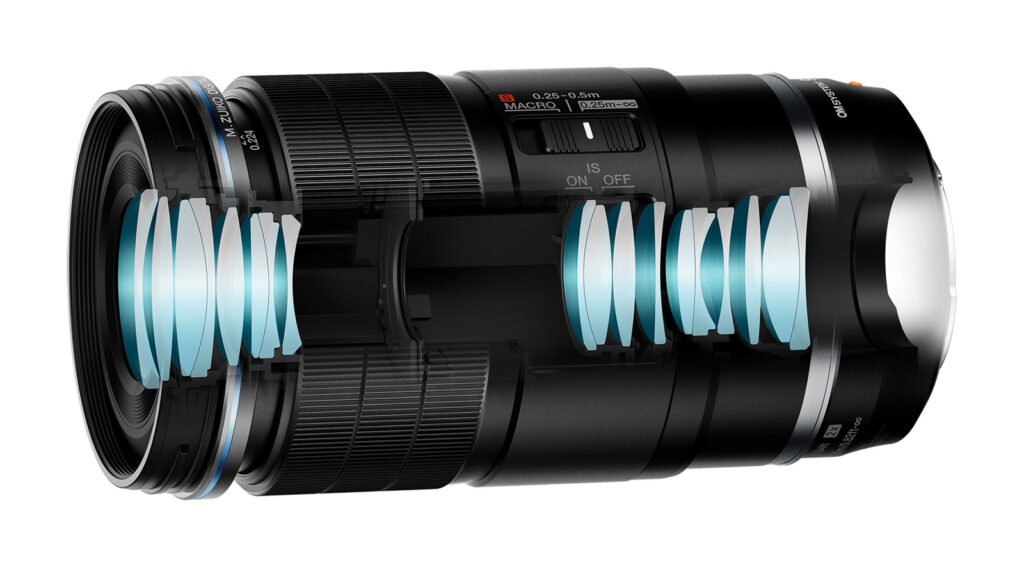
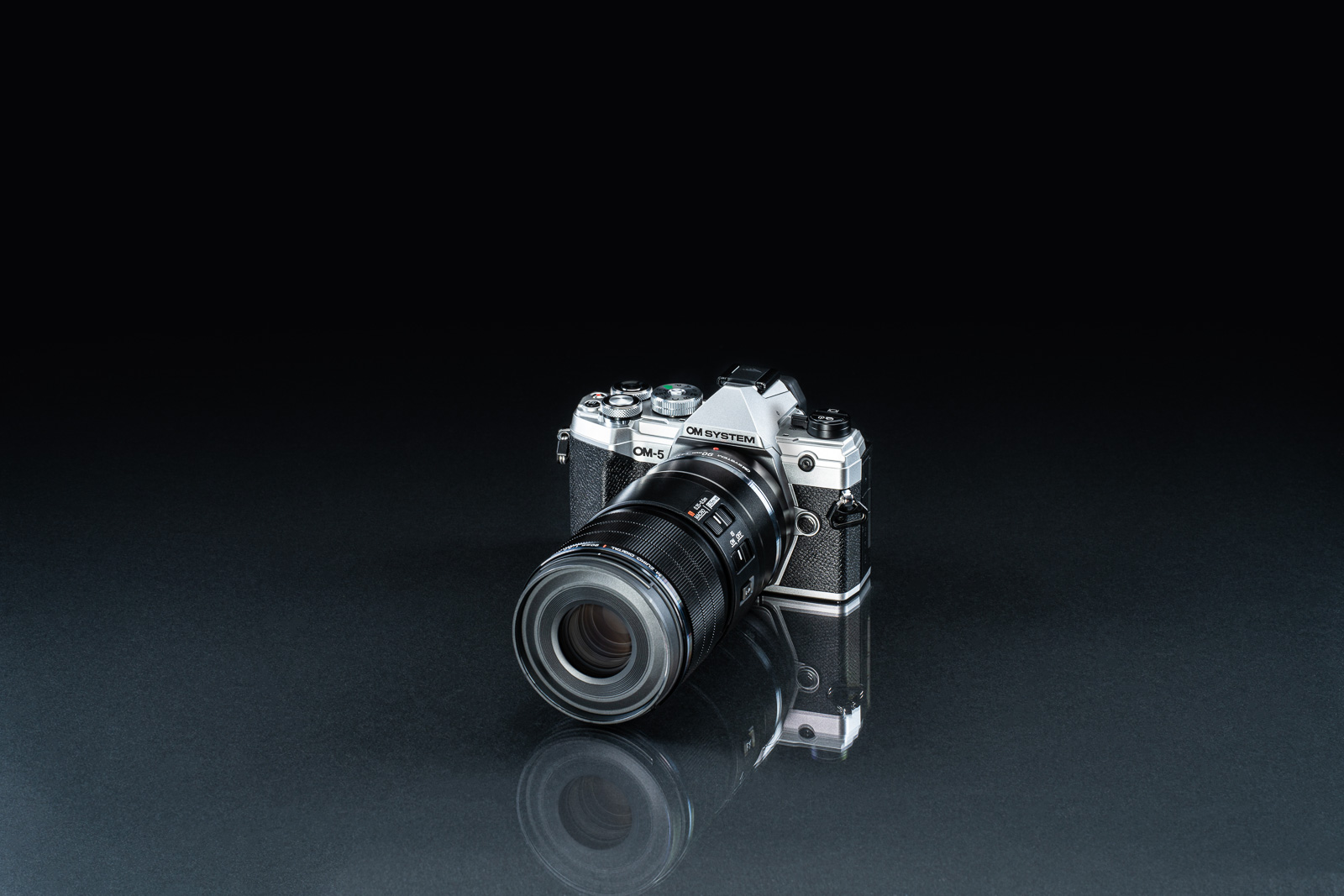
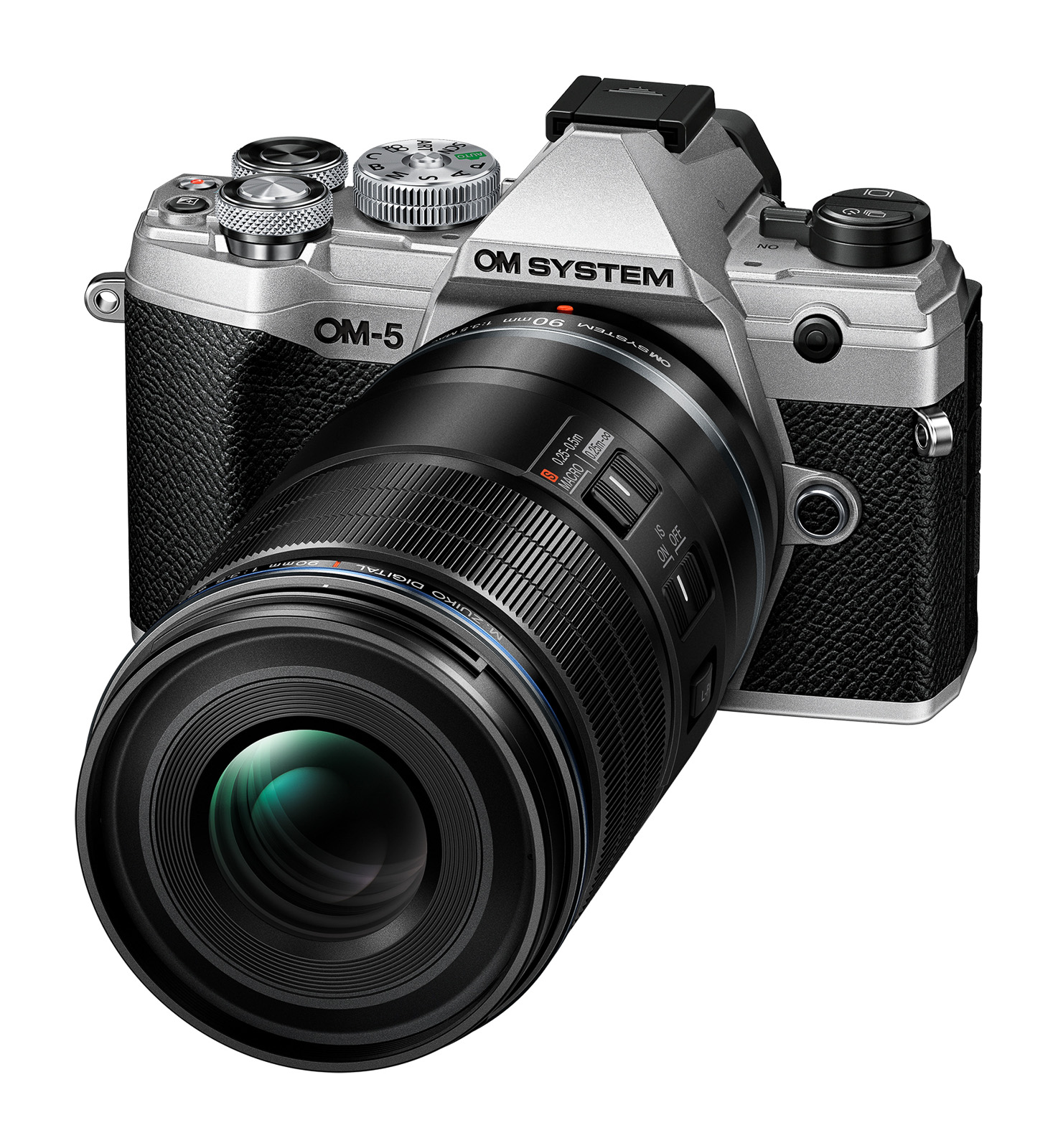
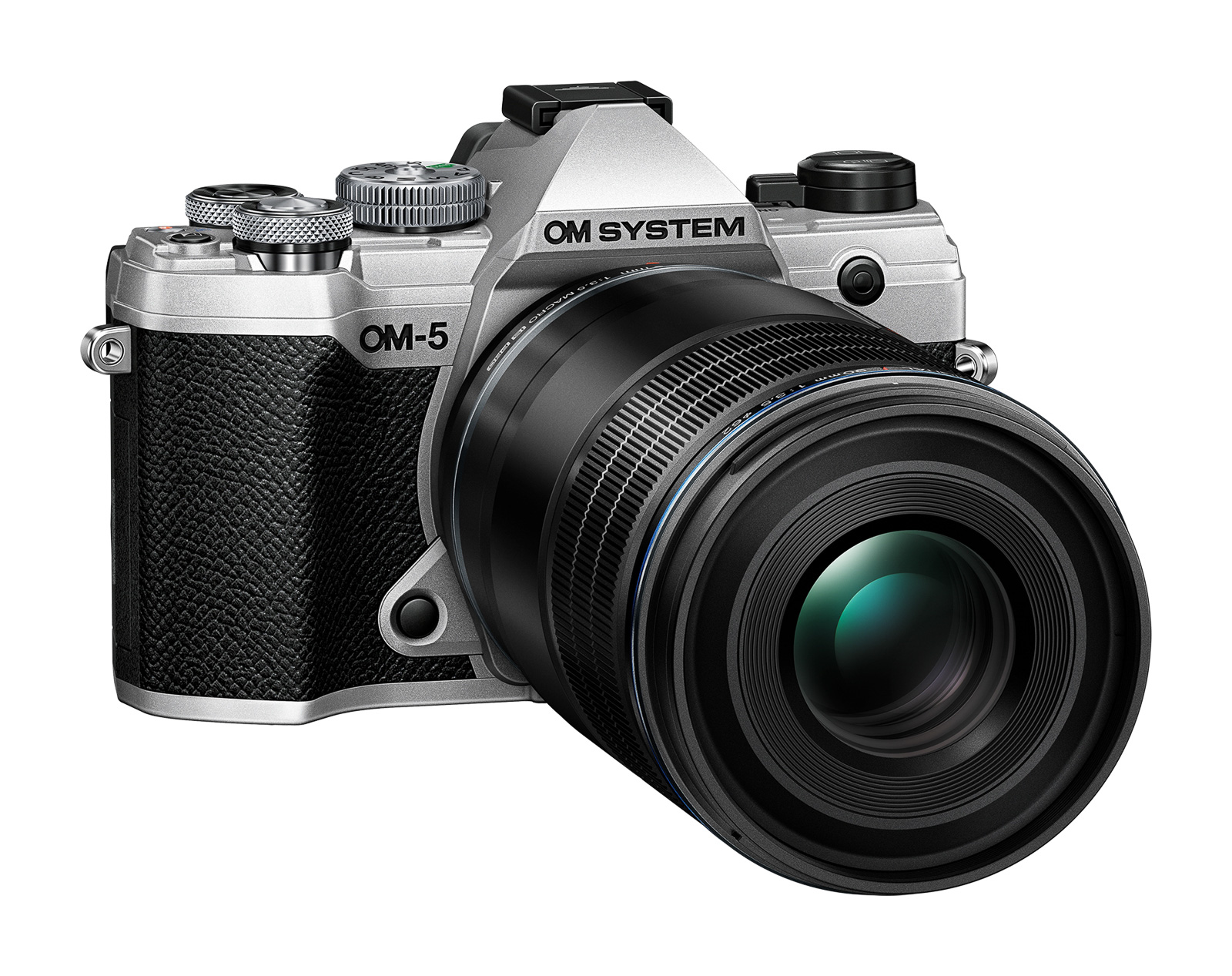
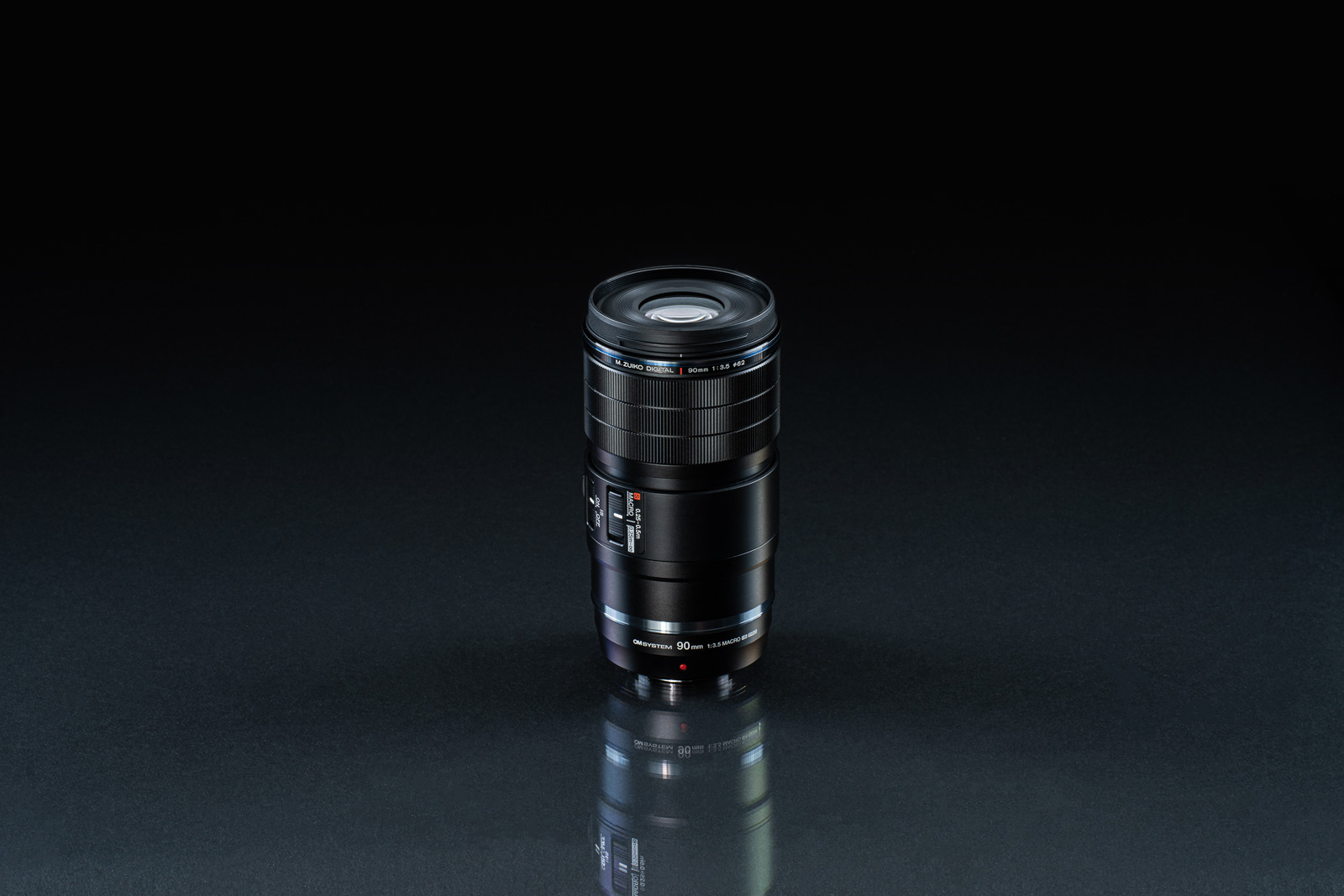
It’s been a ghost on Olympus, and, subsequently, OM System lens roadmap charts for several years, but now it’s a reality, the OM System m.Zuiko ED Digital 90mm f/3.5 IS Pro 2:1 macro lens.
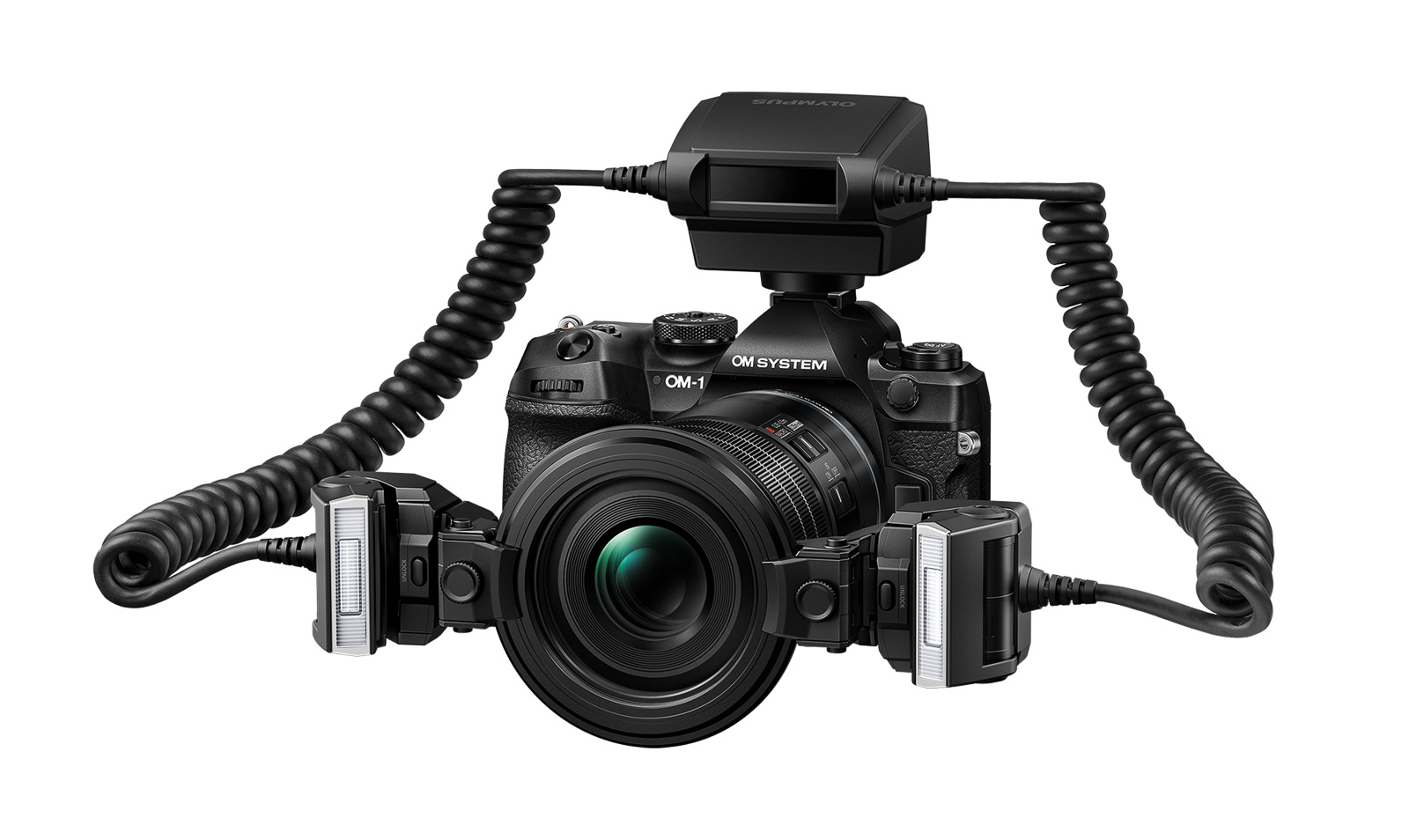
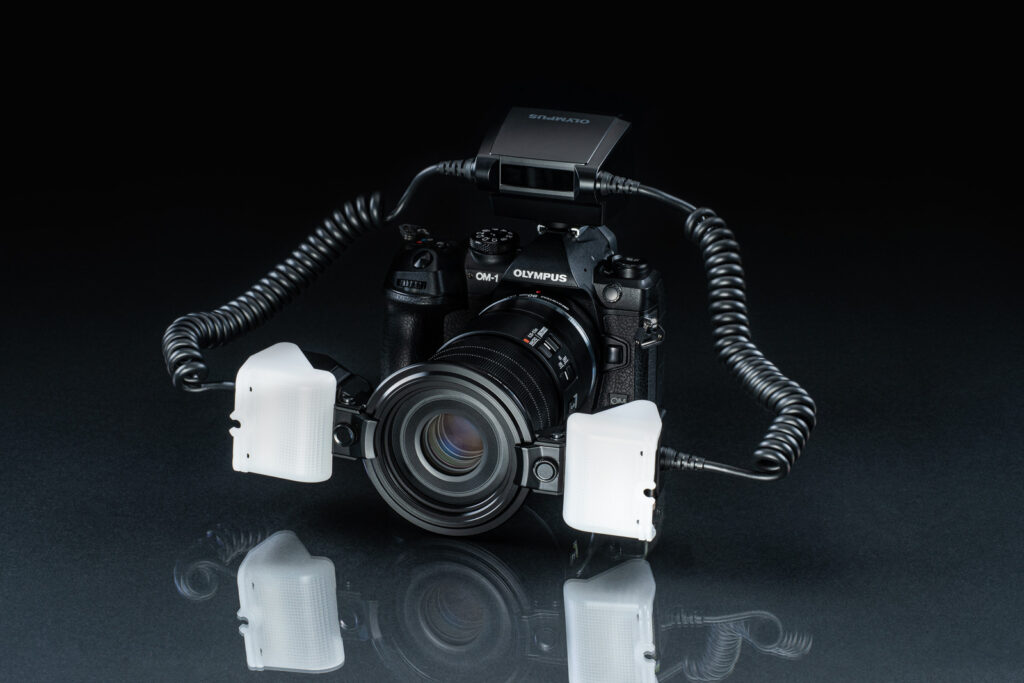
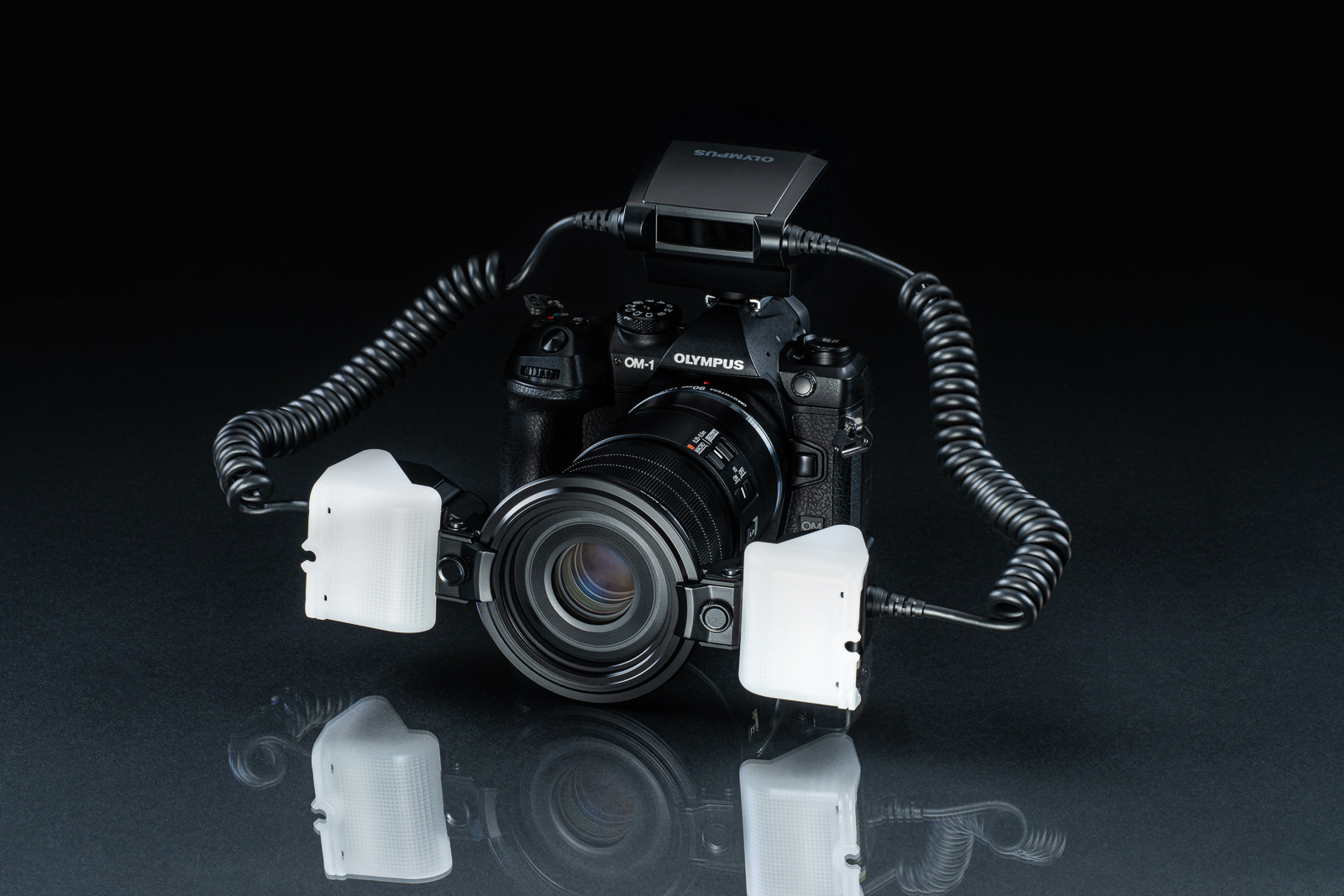
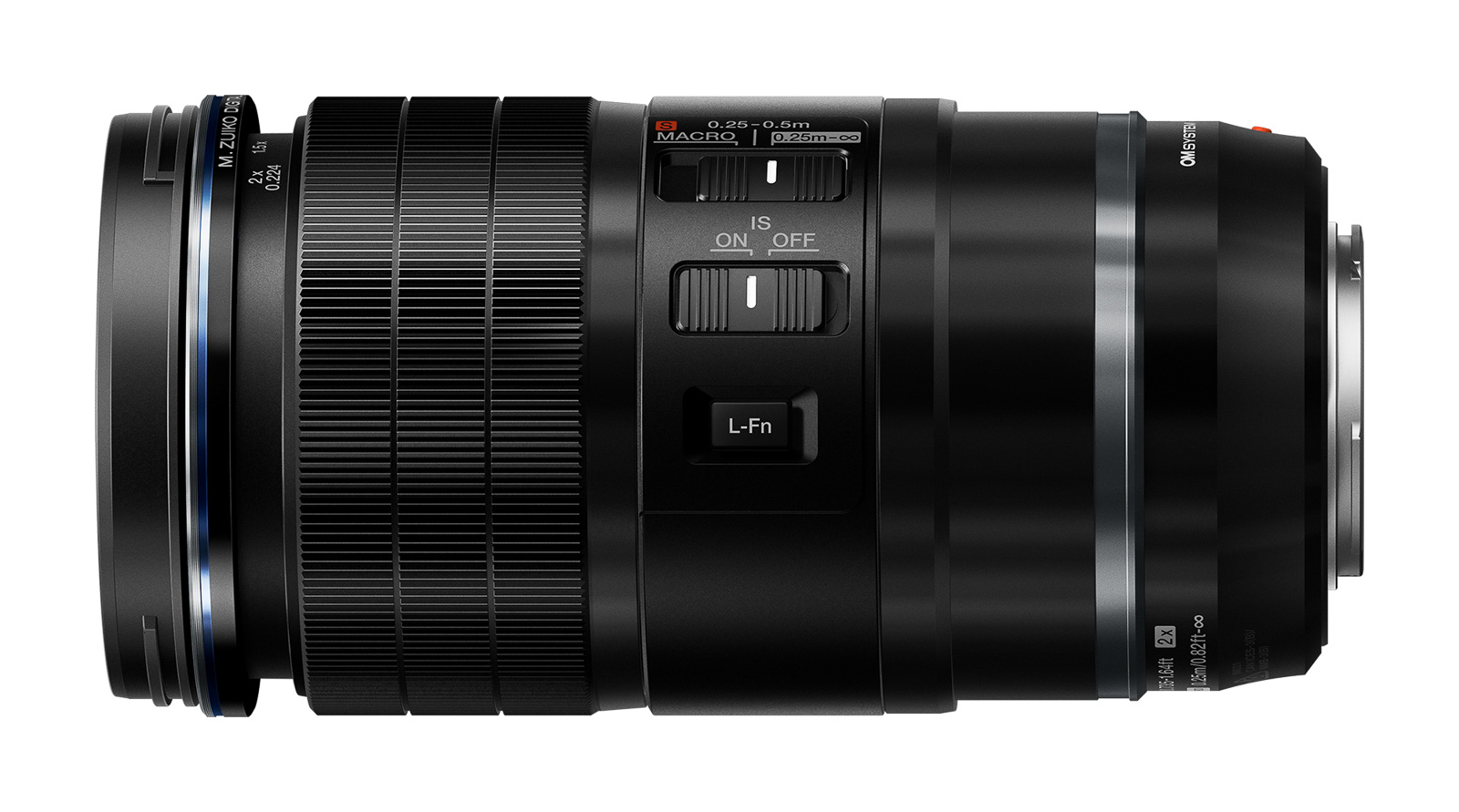
OM System m.Zuiko ED Digital 90mm f/3.5 IS Pro macro lens with STF-8 twin-flash
Aimed at macro photography in the field
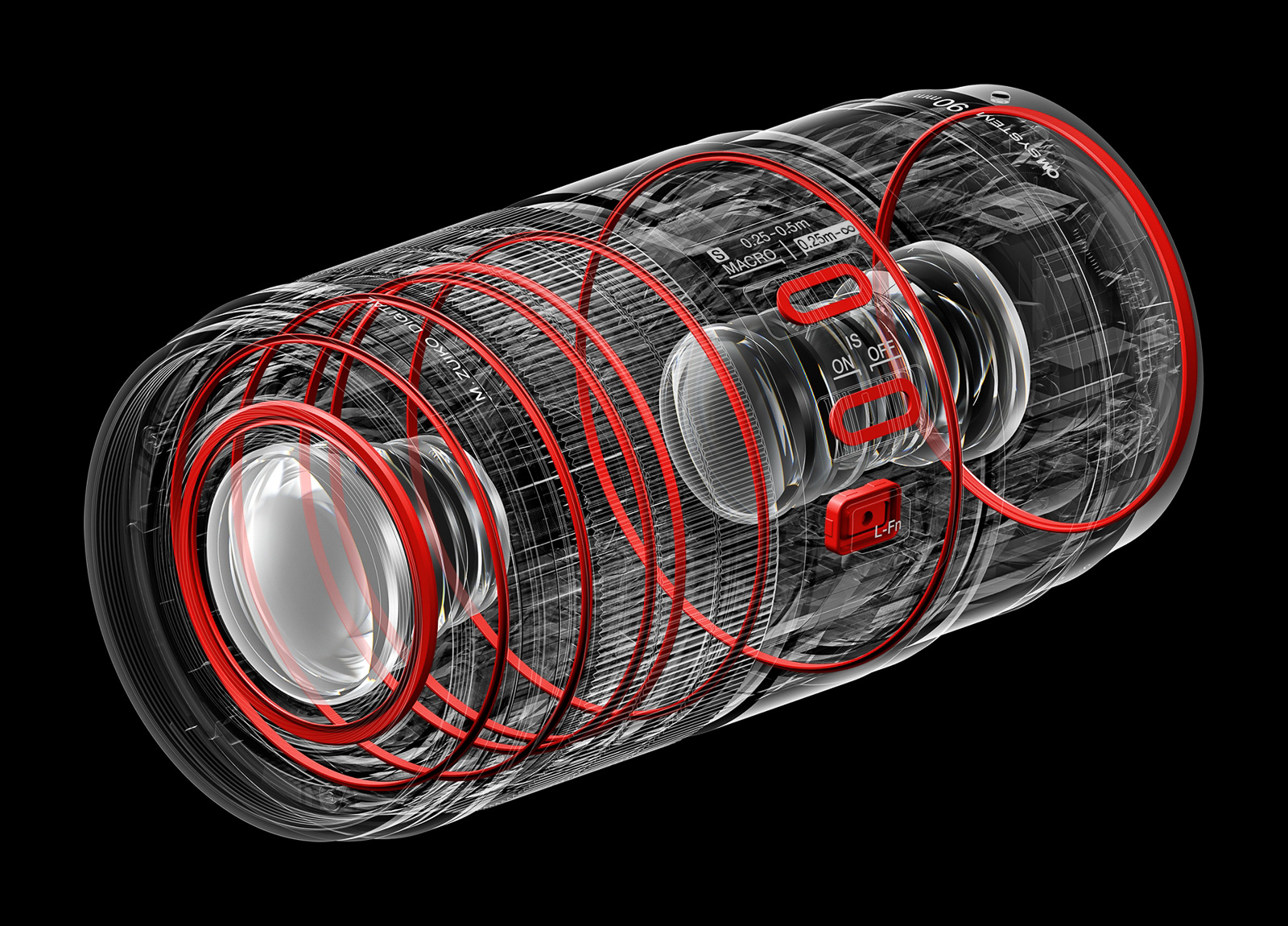
Combining ultra-fast macro focusing and Sync IS, as well as class-leading dust and splash-proofing, OM System’s new 90mm macro lens is aimed at both professional photographers working in all weathers and conditions, and those amateurs who seek same benefits.
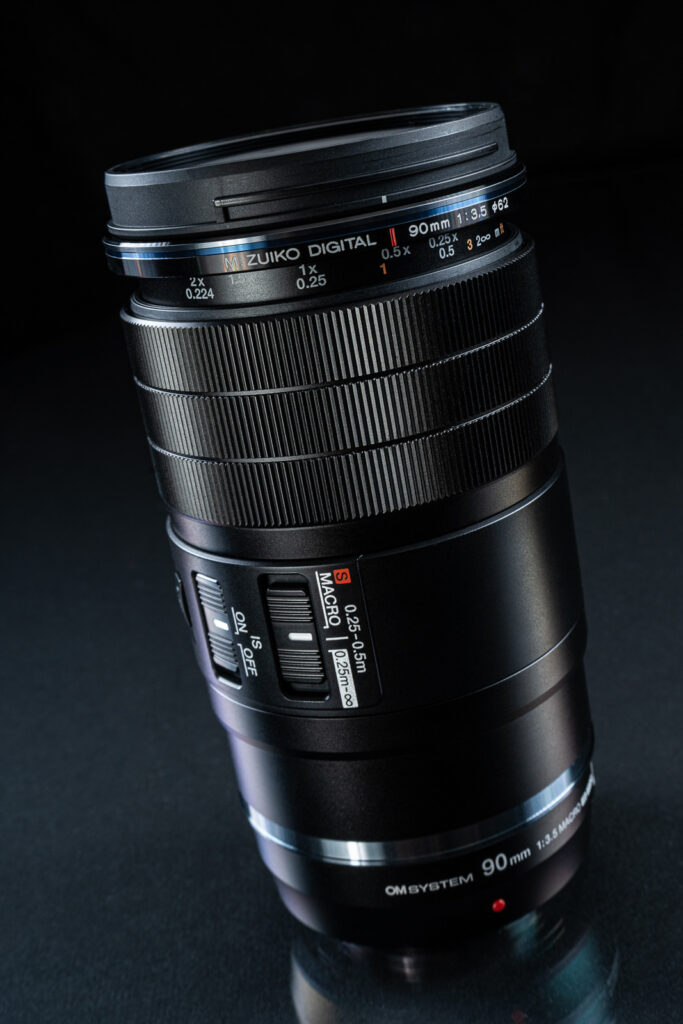
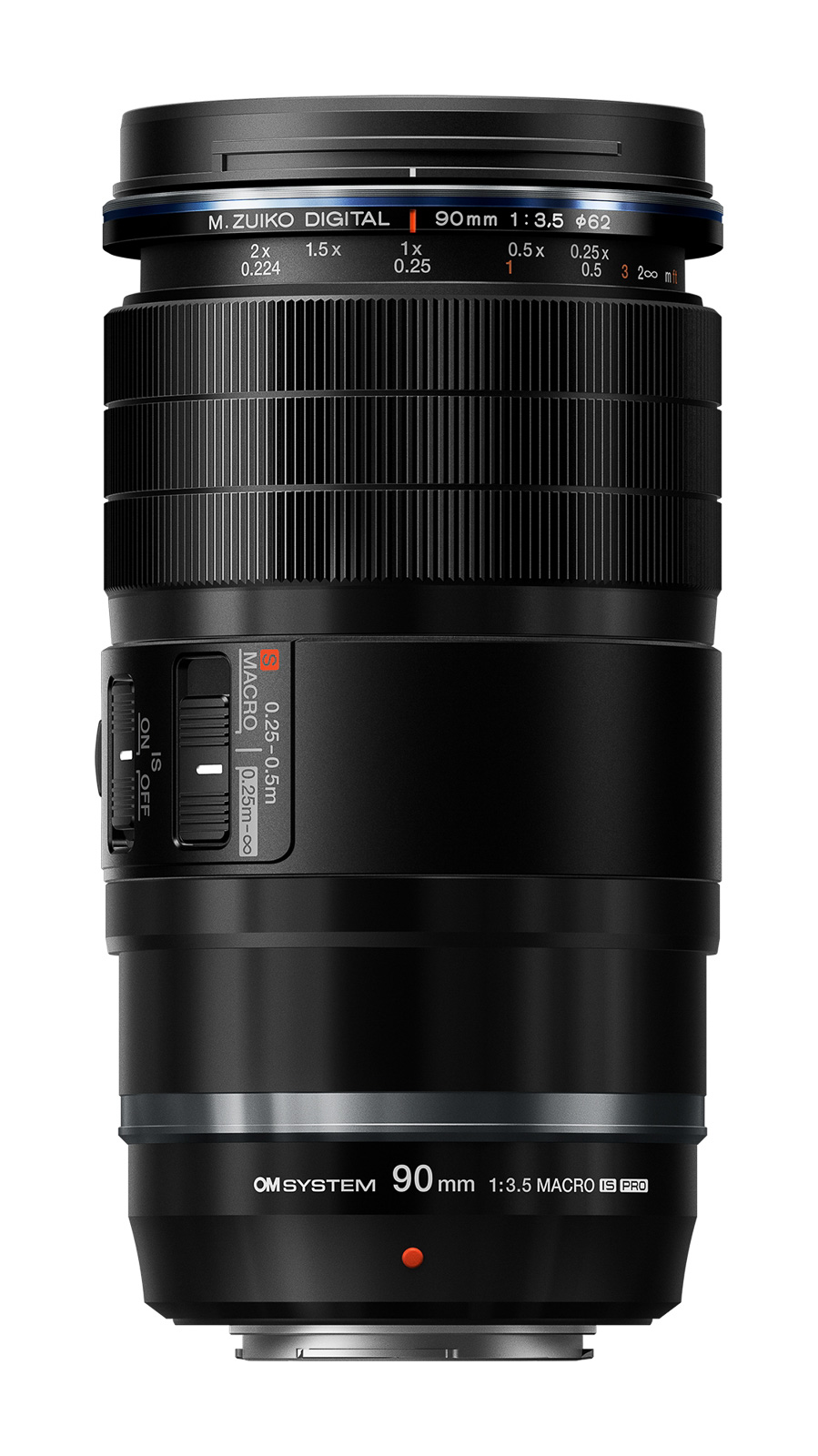
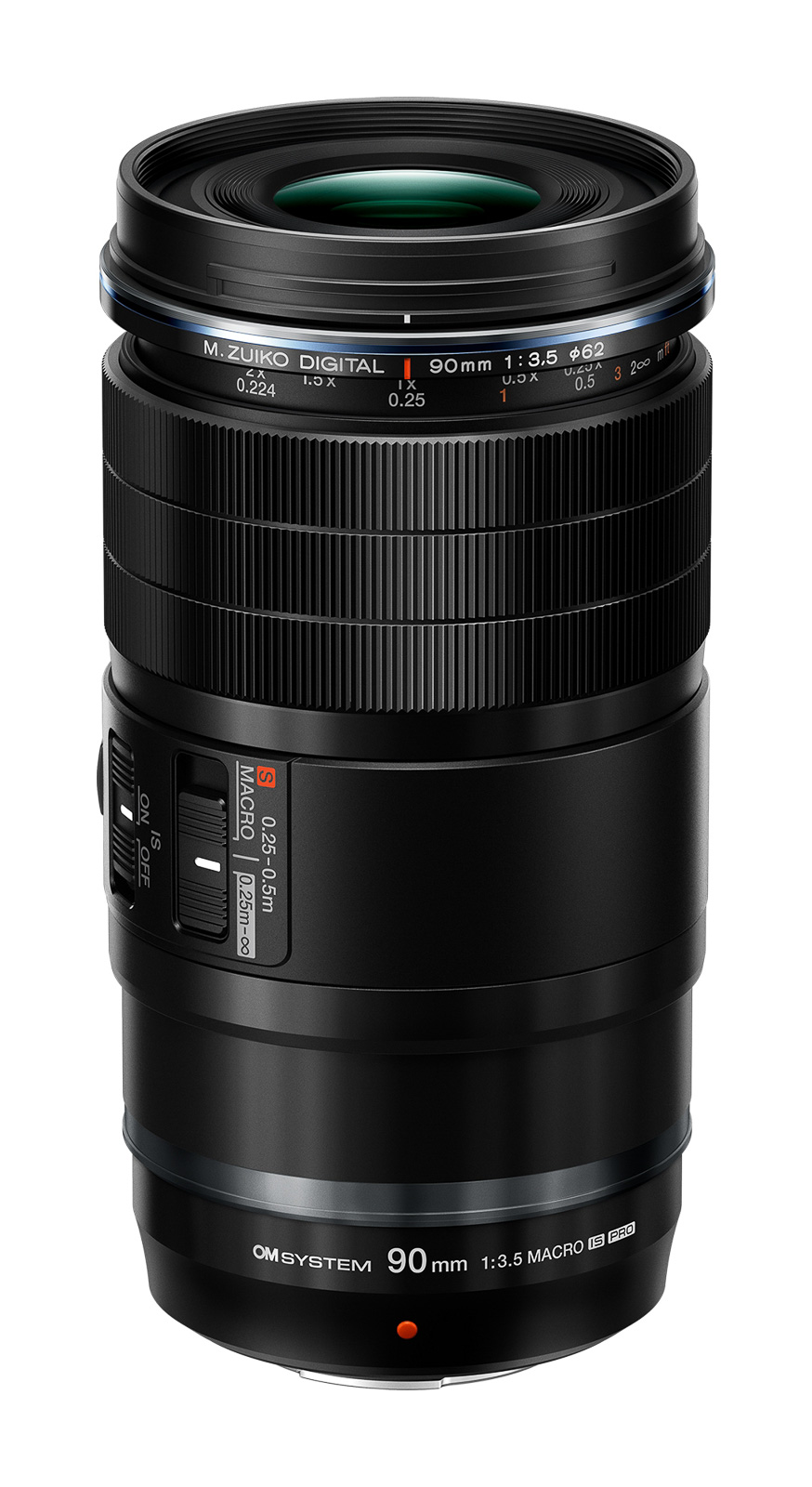
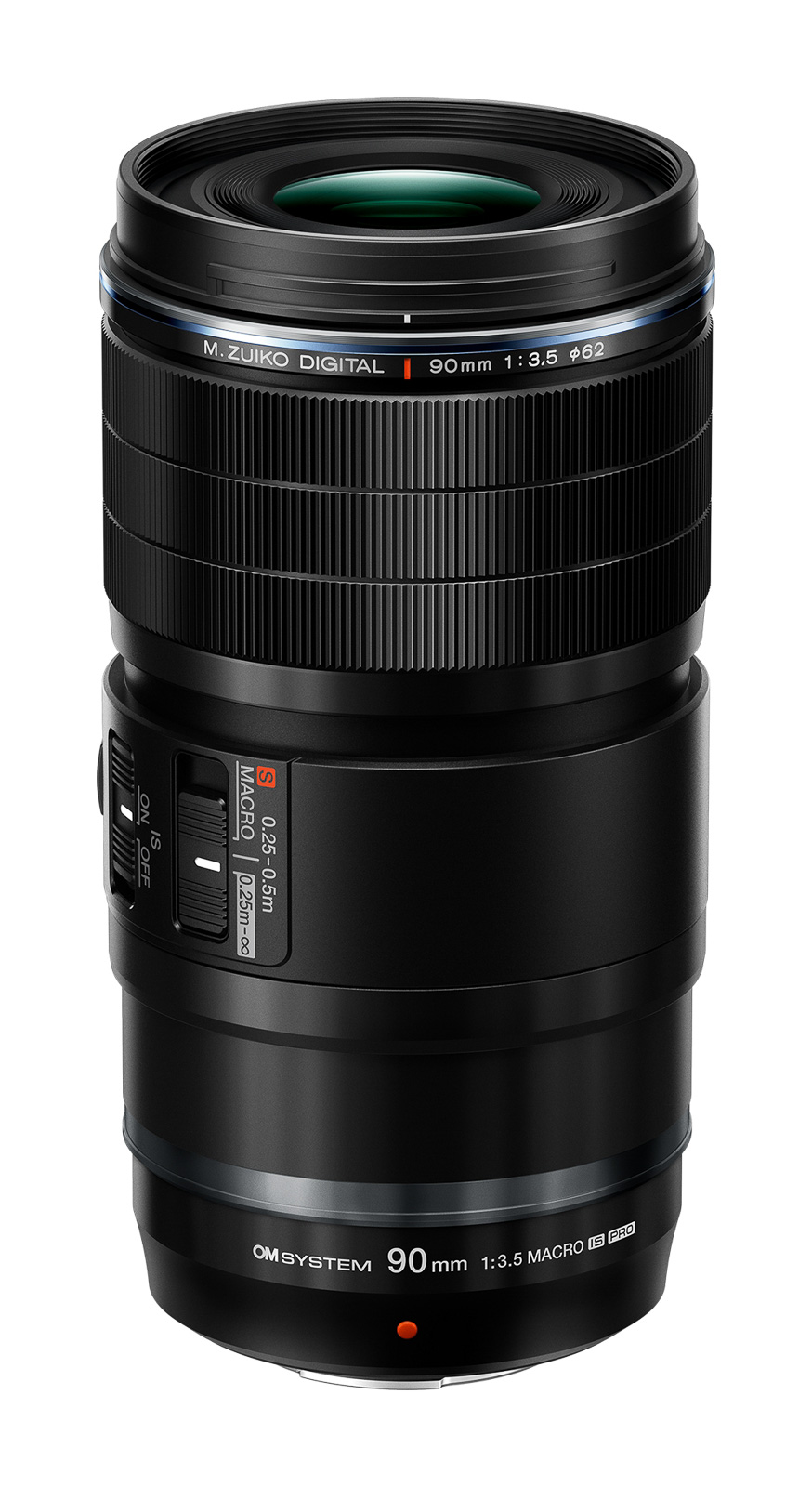
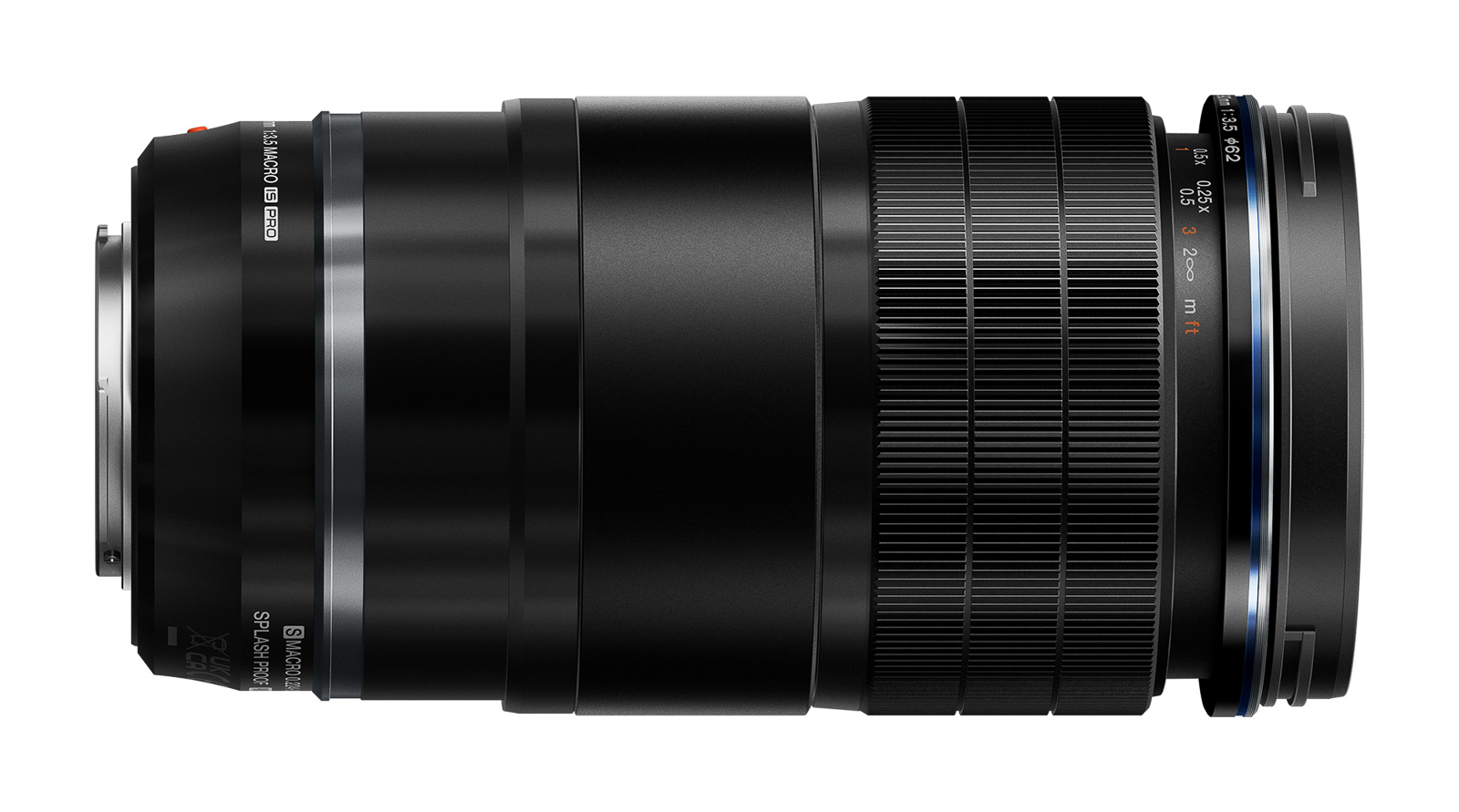
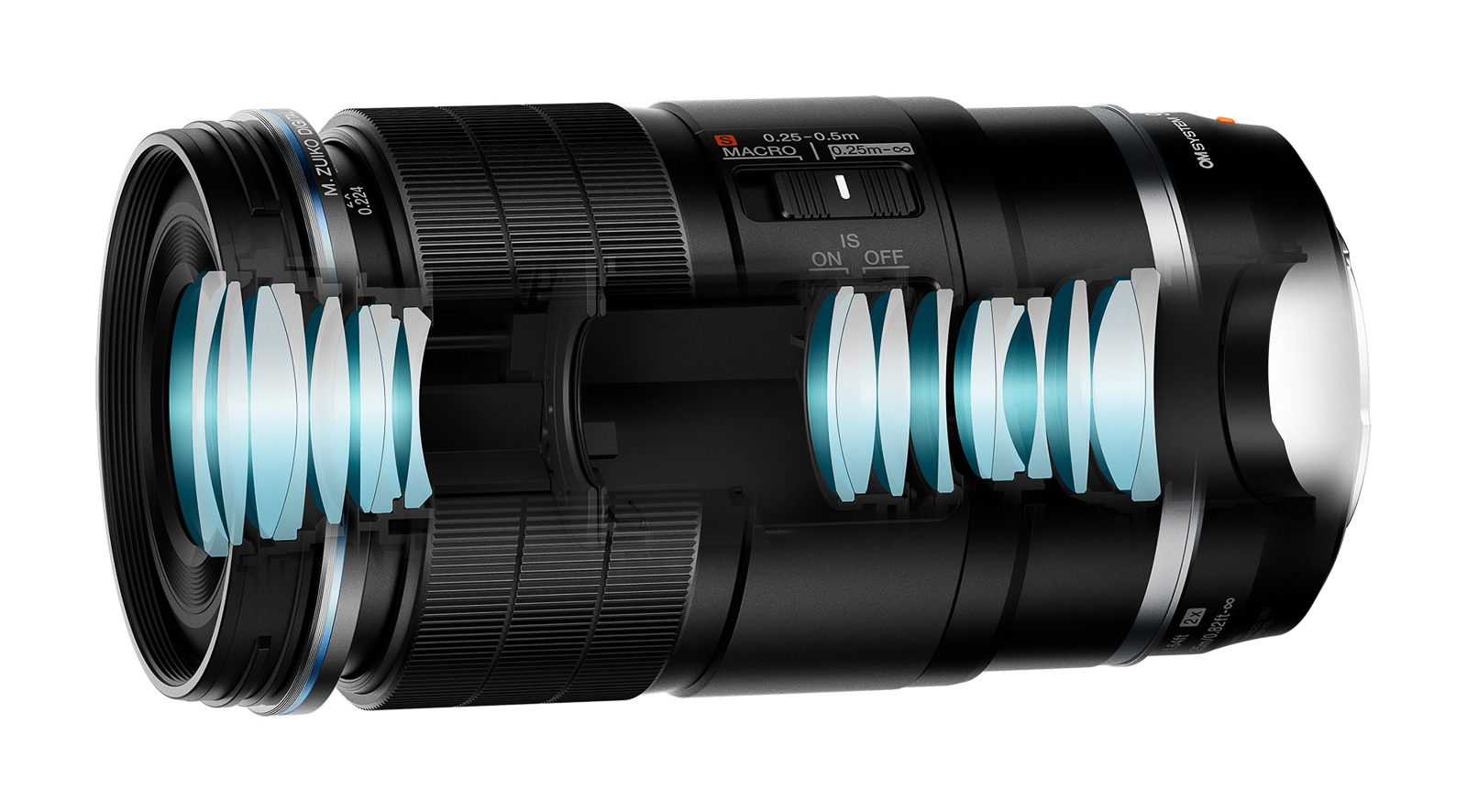
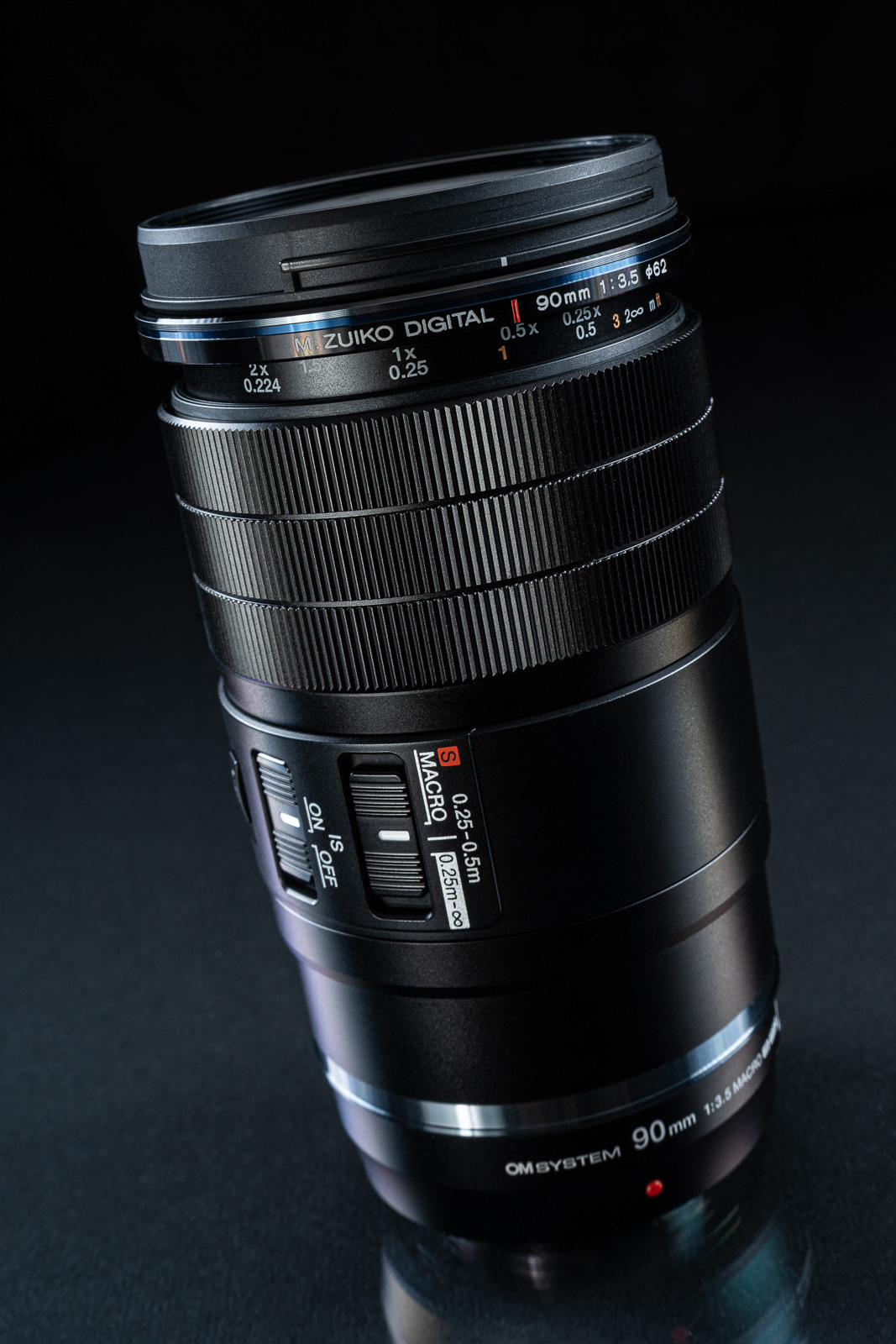
OM System m.Zuiko ED Digital 90mm f/3.5 IS Pro macro lens
Key features:
At closest focus you get 2:1 (2x life size) subject reproduction on the sensor.
Closest focus (2:1) is achieved at a distance of 0.224m.
Compatibility with OM System’s MC-14 (1.4x) and MC-20 (2x) converters, delivers up to 4x life-size reproduction on the sensor.
A Micro Four Thirds sensor, being smaller than a full frame sensor, fills the frame twice as much at the same magnification when compared to an equivalent FF macro lens; 2x magnification with the 90mm macro is like 4x on FF.
Fast auto and manual focusing, with an instant focus clutch for the latter.
Compatibility with Olympus and OM System camera bodies that include in-camera high-speed focus bracketing and focus stacking modes.
Up to 7 EVs of shutter speed compensation via integrated lens optical image stabilisation (OIS) and tandem (Sync IS) camera body sensor-shift image stabilisation (IS).
Fluorine-coated front element for significantly more effective clearing of water droplets in damp conditions.
On-lens control switches for infinity/mid-range focus limiting and Macro mode (S), IS on/off, and programmable L-Fn button.
The 90mm macro lens is also suitable for use as a conventional short telephoto (180mm FF equivalent) lens.
IP53 dust and moisture sealing.
Available from the end of February (Europe) and early March (North America) – UK price £1299 (€1499 in Europe and $1499 in the US)
OM System m.Zuiko ED Digital 90mm f/3.5 IS Pro macro lens
Compared to the m.Zuiko 60mm macro
The familiar and more affordable m.Zuiko 60mm f.2.8 macro lens gets you down to a maximum 1:1 subject reproduction, at a focusing distance of 0.19m. At the same magnification the distance is 0.25m for the 90mm lens.
Dimensions
The non-extending lens barrel is 136mm in length and 69.8mm wide. Its weight is 453g and it takes 62mm filters. OM System points out that few other macro lenses can deliver 2:1 reproduction without extension tubes, while the new 90mm macro is also one of the lightest lenses in its field.
Accessories
An LH-66E lens hood and CS-53 wrapping cloth are included in the box. The lens fits the optional LSC-0914 pouch case, and the lens is also compatible with the STF-8 Macro twin flash system.
Summary
Above all, the m.Zuiko ED Digital 90mm f/3.5 IS Pro macro lens is aimed squarely at a photographer who wants to travel light, probably without a tripod, and shoot without being overly concerned about the weather. At the same time the lens, by default, can magnify subjects by 2x and this can increase to 4x with the optional MC-20 converter. Real-time focus bracketing and stacking complete the picture. And when this lens isn’t being used for macro, it becomes a convenient short telephoto, complete with a focus limiter, if required. Having instantly available manual focusing (which can also be range limited) thanks to the familiar m.Zuiko manual/auto focus clutch system, is the icing on the cake.
Product image gallery
OM System m.Zuiko ED Digital 90mm f/3.5 IS Pro macro lens
OM System m.Zuiko ED Digital 90mm f/3.5 IS Pro macro lens
OM System m.Zuiko ED Digital 90mm f/3.5 IS Pro macro lens
OM System m.Zuiko ED Digital 90mm f/3.5 IS Pro macro lens
OM System m.Zuiko ED Digital 90mm f/3.5 IS Pro macro lens
OM System m.Zuiko ED Digital 90mm f/3.5 IS Pro macro lens
OM System m.Zuiko ED Digital 90mm f/3.5 IS Pro macro lens
OM System m.Zuiko ED Digital 90mm f/3.5 IS Pro macro lens
OM System m.Zuiko ED Digital 90mm f/3.5 IS Pro macro lens
OM System m.Zuiko ED Digital 90mm f/3.5 IS Pro macro lens
OM System m.Zuiko ED Digital 90mm f/3.5 IS Pro macro lens
OM System m.Zuiko ED Digital 90mm f/3.5 IS Pro macro lens
OM System m.Zuiko ED Digital 90mm f/3.5 IS Pro macro lens
OM System m.Zuiko ED Digital 90mm f/3.5 IS Pro macro lens
OM System m.Zuiko ED Digital 90mm f/3.5 IS Pro macro lens
OM System m.Zuiko ED Digital 90mm f/3.5 IS Pro macro lens
OM System m.Zuiko ED Digital 90mm f/3.5 IS Pro macro lens
OM System m.Zuiko ED Digital 90mm f/3.5 IS Pro macro lens
OM System m.Zuiko ED Digital 90mm f/3.5 IS Pro macro lens
OM System m.Zuiko ED Digital 90mm f/3.5 IS Pro macro lens
OM System m.Zuiko ED Digital 90mm f/3.5 IS Pro macro lens
OM System m.Zuiko ED Digital 90mm f/3.5 IS Pro macro lens
OM System m.Zuiko ED Digital 90mm f/3.5 IS Pro macro lens
OM System m.Zuiko ED Digital 90mm f/3.5 IS Pro macro lens
OM System m.Zuiko ED Digital 90mm f/3.5 IS Pro macro lens
OM System m.Zuiko ED Digital 90mm f/3.5 IS Pro macro lens
OM System m.Zuiko ED Digital 90mm f/3.5 IS Pro macro lens
OM System m.Zuiko ED Digital 90mm f/3.5 IS Pro macro lens
OM System m.Zuiko ED Digital 90mm f/3.5 IS Pro macro lens
OM System m.Zuiko ED Digital 90mm f/3.5 IS Pro macro lens
OM System m.Zuiko ED Digital 90mm f/3.5 IS Pro macro lens
OM System m.Zuiko ED Digital 90mm f/3.5 IS Pro macro lens
OM System m.Zuiko ED Digital 90mm f/3.5 IS Pro macro lens
OM System m.Zuiko ED Digital 90mm f/3.5 IS Pro macro lens
OM System m.Zuiko ED Digital 90mm f/3.5 IS Pro macro lens
OM System m.Zuiko ED Digital 90mm f/3.5 IS Pro macro lens
OM System m.Zuiko ED Digital 90mm f/3.5 IS Pro macro lens
OM System m.Zuiko ED Digital 90mm f/3.5 IS Pro macro lens
OM System m.Zuiko ED Digital 90mm f/3.5 IS Pro macro lens
OM System m.Zuiko ED Digital 90mm f/3.5 IS Pro macro lens
OM System m.Zuiko ED Digital 90mm f/3.5 IS Pro macro lens
OM System m.Zuiko ED Digital 90mm f/3.5 IS Pro macro lens
OM System m.Zuiko ED Digital 90mm f/3.5 IS Pro macro lens
OM System m.Zuiko ED Digital 90mm f/3.5 IS Pro macro lens
OM System m.Zuiko ED Digital 90mm f/3.5 IS Pro macro lens
OM System m.Zuiko ED Digital 90mm f/3.5 IS Pro macro lens
OM System m.Zuiko ED Digital 90mm f/3.5 IS Pro macro lens
OM System m.Zuiko ED Digital 90mm f/3.5 IS Pro macro lens
OM System m.Zuiko ED Digital 90mm f/3.5 IS Pro macro lens
OM System m.Zuiko ED Digital 90mm f/3.5 IS Pro macro lens
OM System m.Zuiko ED Digital 90mm f/3.5 IS Pro macro lens
OM System m.Zuiko ED Digital 90mm f/3.5 IS Pro macro lens
OM System m.Zuiko ED Digital 90mm f/3.5 IS Pro macro lens
OM System m.Zuiko ED Digital 90mm f/3.5 IS Pro macro lens
OM System m.Zuiko ED Digital 90mm f/3.5 IS Pro macro lens
OM System m.Zuiko ED Digital 90mm f/3.5 IS Pro macro lens
OM System m.Zuiko ED Digital 90mm f/3.5 IS Pro macro lens
OM System m.Zuiko ED Digital 90mm f/3.5 IS Pro macro lens
OMDS launches its first OM System branded camera, the OM-5
OM-5 Q&A with E-Group member, Paul Kaye, on Page 2
While the OM-1 was the first camera launched by OM System since the acquisition of Olympus’ camera division, last year, by OM Digital Solutions (OMDS), the OM-5 is the first camera to bear the OM System brand.
The launch of the OM-5 will be a major challenge for OM System because it has to follow the OM-1, which brought significant new features, including a new menu system, new stacked BSI sensor with many more focus points, new extra high resolution viewfinder and the latest TruePic X image processing system.
The E-M5 Mark III and OM-5 are significantly smaller and lighter than an OM-1
Well, the OM-5 gets none of those OM-1 goodies. Instead, the OM-5 can be regarded as an E-M5 Mark III upgraded to E-M1 Mark III specifications.
Key points
Inherits sensor, on-sensor phase AF, and TruePic IX engine from the E-M1 Mark III
Unchanged polycarbonate construction body and physical controls – size and weight are unchanged
Upgraded dust and moisture-resistant sealing from IPX to IP53
Four, instead of three, Custom Modes supported, each of which can now be assigned to a button
Hand-held High-res mode now supported (50 megapixel stills)
Starry sky AF mode supported
LV-ND (ND 16) now supported
Interval mode exposure smoothing now supported
4K video recording with OM-LOG profile mode now available
Video recording clips are no longer limited to half an hour
Vertical aspect video recording supported
Plug and play USB Web camera mode supported
RM-WR1 wireless remote control supported
While the dream of an OM-5 being a smaller and lighter (and cheaper) version of an OM-1 might be tempting, there are a number of reasons why this was always unrealistic for an E-M5 category model to be released just 8 months after the OM-1.
OM-5 product image gallery
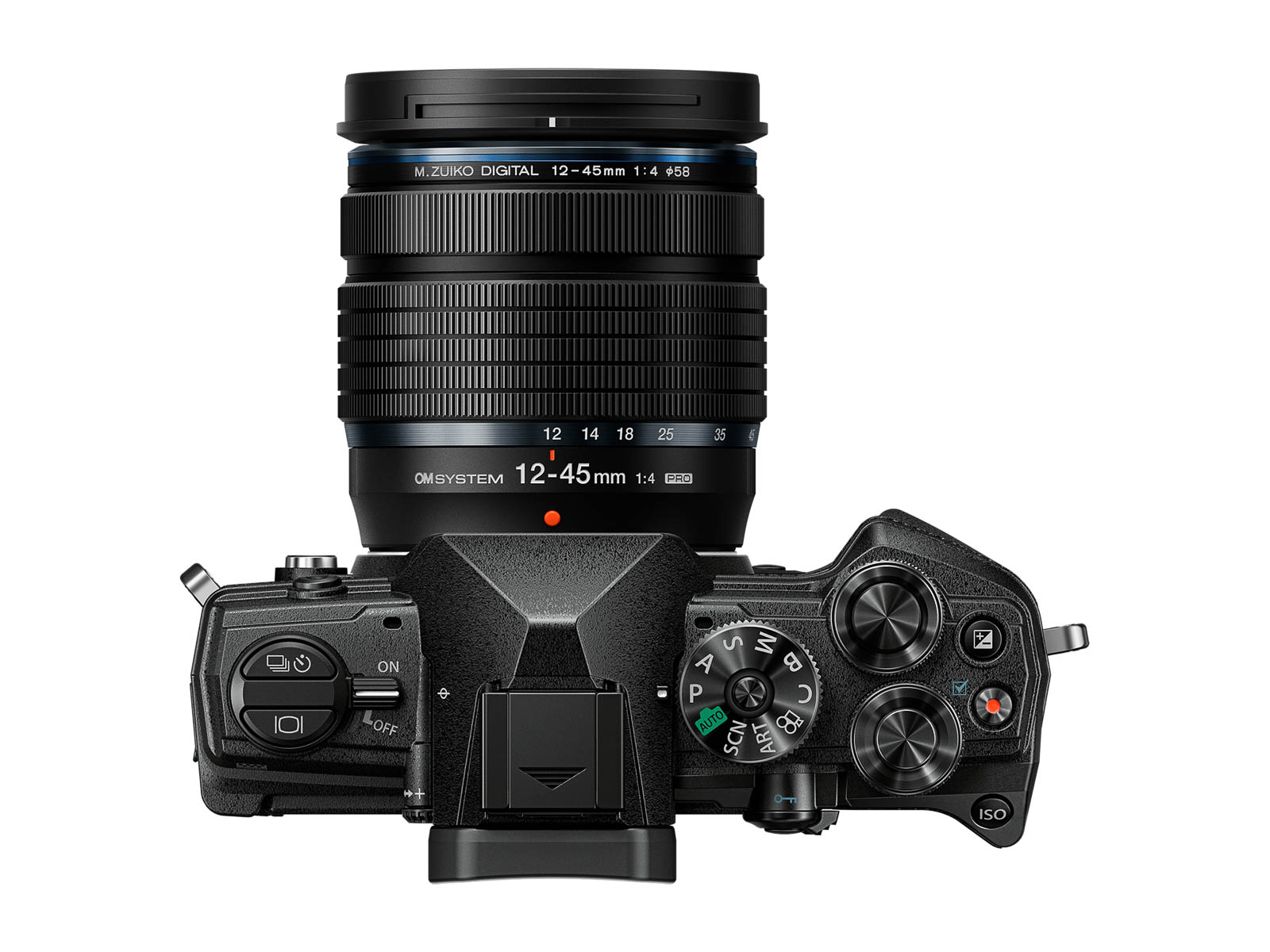
OM-5 (silver) top plate view with 12-45 f/4 Pro fitted
OM-5 (silver) top plate view with 12-45 f/4 Pro fitted
OM-5 side view (silver, left)
OM-5 side view (silver, left)
OM-5 (silver) side view
OM-5 (silver) side view
OM-5 (silver) with 14-150 f/4-5.6 II
OM-5 (silver) with 14-150 f/4-5.6 II
OM-5 (silver) with 12-45 f/4 Pro
OM-5 (silver) with 12-45 f/4 Pro
OM-5 (silver) back view with screen folded facing inward
OM-5 (silver) back view with screen folded facing inward
LiveMOS sensor
LiveMOS sensor
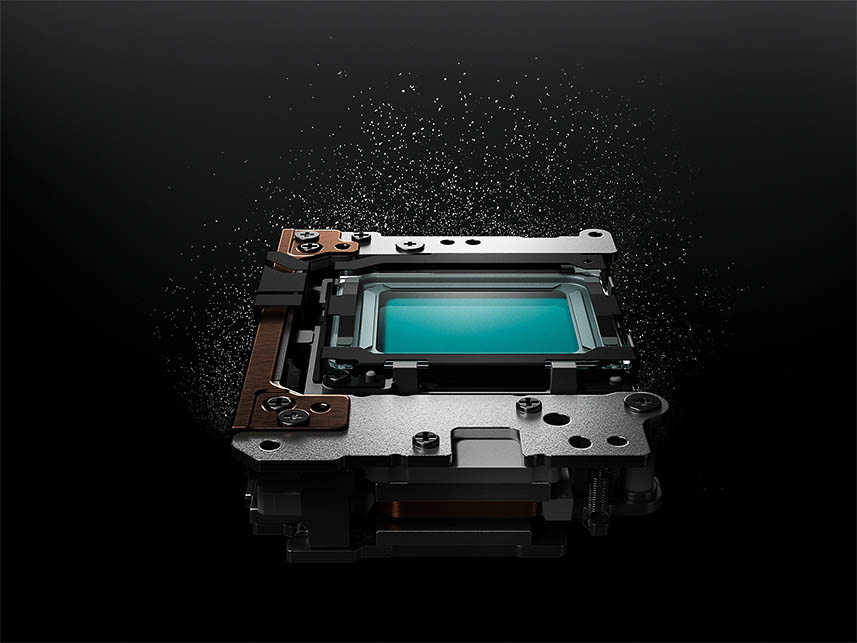
LiveMOS sensor and image stabilisation mechanics plus SSWF dust reduction system
LiveMOS sensor and image stabilisation mechanics plus SSWF dust reduction system
OM-5 (black) top plate view with 12-45 f/4 Pro fitted
OM-5 (black) top plate view with 12-45 f/4 Pro fitted
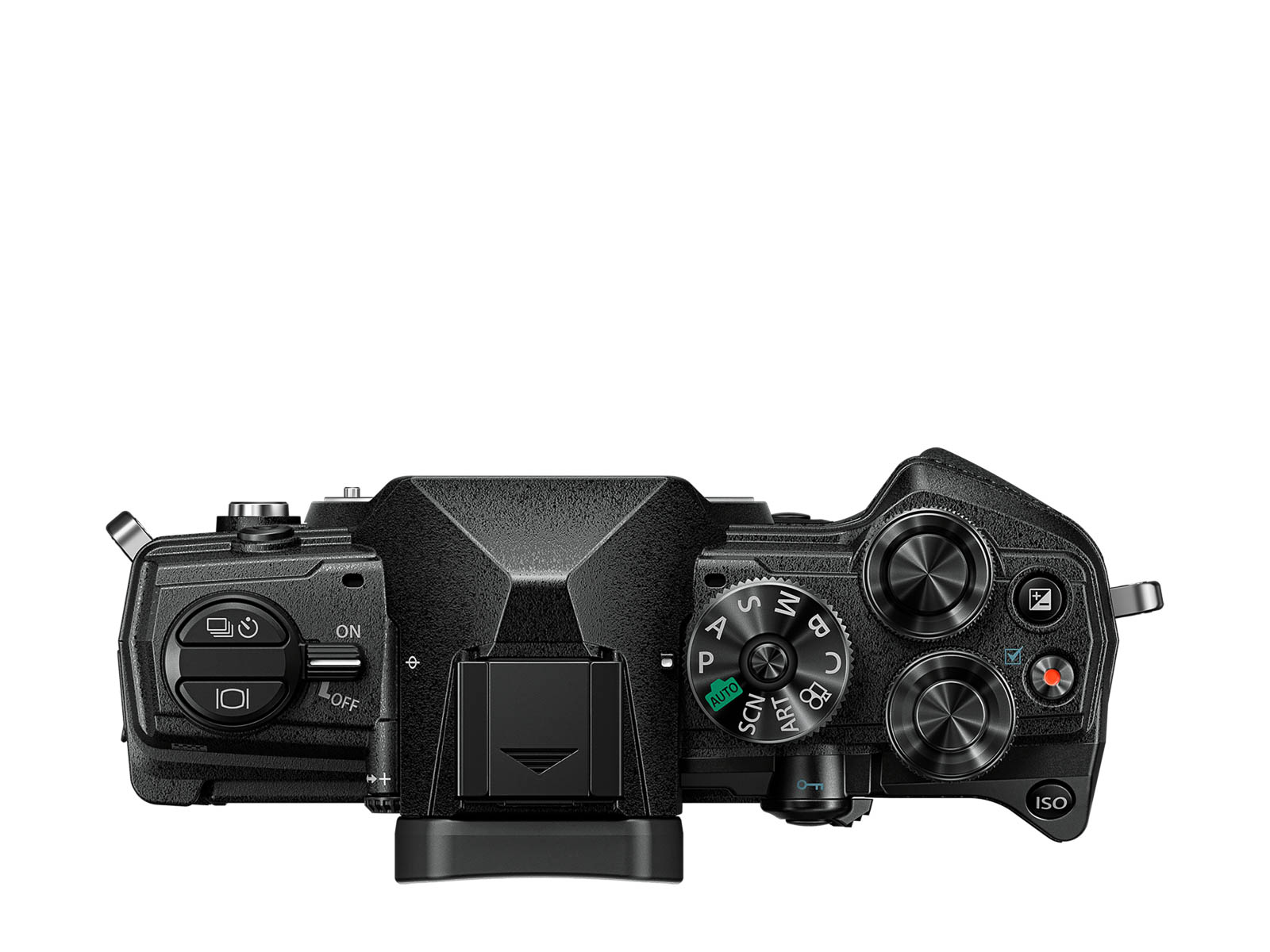
OM-5 (black) top plate view
OM-5 (black) top plate view
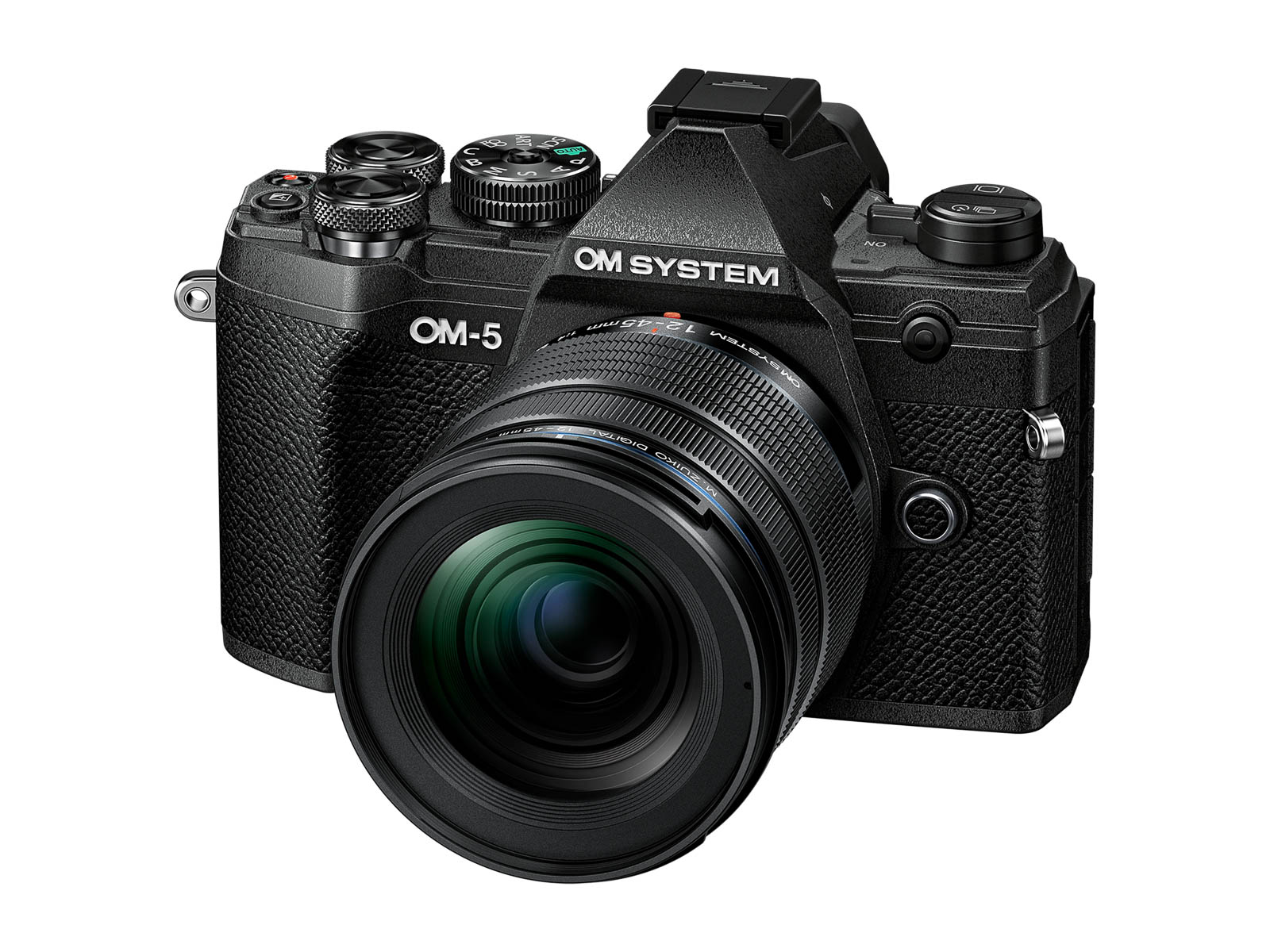
OM-5 (black) with 12-45 f/4 Pro lens fitted
OM-5 (black) with 12-45 f/4 Pro lens fitted
OM-5 (black) with 14-150 f/4=5.6 II lens fitted
OM-5 (black) with 14-150 f/4=5.6 II lens fitted
OM-5 (black) with 12-45 f/4 Pro lens fitted
OM-5 (black) with 12-45 f/4 Pro lens fitted
OM-5 (black) with 14-150 f/4=5.6 II lens fitted
OM-5 (black) with 14-150 f/4=5.6 II lens fitted
OM-5 (black) with 14-150 f/4=5.6 II lens fitted
OM-5 (black) with 14-150 f/4=5.6 II lens fitted
OM-5 (black) back view with screen folded facing inward
OM-5 (black) back view with screen folded facing inward
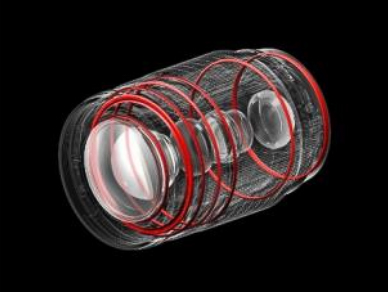
View of the m.Zuiko 12-45mm f/4 Pro showing internal optical construction
View of the m.Zuiko 12-45mm f/4 Pro showing internal optical construction
To start with, the E-M5 Mark III inherited functionality from the E-M1 Mark II, launched three years previously. The OM-5 has continued this strategy and inherited much from the E-M1 Mark III, which arrived two and a half years ago. This also enables the OM-5 to be priced affordably – at £1199 (body-only) it’s £800 cheaper than an OM-1 body.
If you accept the OM-1 as being the successor to the flagship E-M1X, the relatively short gap between the introductions of the OM-1 and OM-5 replicates the arrivals of the E-M1X and E-M5 Mark III in 2019.
And would OM System really want a brand-new model that would cannibalise the OM-1 at this stage? Even if you ignore this point, it could not have been priced £800 cheaper.
Who is the OM-5 for?
The E-M5/OM-5 form factor is ultra-small and light. You might think that the E-M1 Mark III and OM-1 are already tiny, compared to rivals. While that is true, the E-M5 Mark III and the OM-5 are significantly smaller and lighter still. You need to pick one up and hold it to really appreciate this.
Clearly, with the development E-M1X and the OM-1, the emphasis has been on AI-assisted AF performance for wildlife, sports and other action-category photography. The E-M5 and, now, OM-5, continue a tradition of being smaller, lighter, and cheaper. OM System has further-developed the raison d’être of the E-M5 Mark III for travel photography and for video-bloggers. Pack an OM-5 body, a battery, and an m.Zuiko 12-45mm f/4 Pro and a 40-150mm f/4 Pro into your airline carry-on bag, and it steals little space and only adds just over a kilo in weight.
The OM-5 doesn’t have the AI-assisted AF subject identification and tracking of the E-M1X and the OM-1. But the OM-5 does have the image processor, sensor and AF system of the E-M1 Mark III. Many skilled E-Group members have produced excellent action sports and wildlife results with the E-M1 Mark III.
If you’re already an E-M5 fan, the OM-5 has a decent amount to tempt you to upgrade, including hand-held high-res shooting at 50 megapixels, updated and more versatile video capabilities, Live ND shooting, an extra EV in image stabilisation headroom, a fourth Custom Mode and the ability to assign them to buttons, Starry sky AF capability, even better dust and water ingress resistance, and you can now use your camera as a super high-quality Webcam without the need for additional software.
OM-5 (silver) back view with screen folded facing inward
If there is one thing that would have been nice with the OM-5, it’s probably the implementation of the OM-1’s well-received menu system. While that’s not offered, at least what is remains familiar.
The E-M1X and E-M1 Mark III introduced the multi-way controller and you don’t get this with the OM-5 because there just isn’t enough space. An improved resolution viewfinder with greater magnification would have been nice, too, but that would have impacted on the cost. And was this a E-M5 Mark III weakness to start with?
Initial conclusion
The OM-D E-M5 Mark III was based on the guts of the six-year old E-M1 Mark II’s. It was way overdue to be updated. The result is the OM-5, based on the innards of the two and a half or so years old E-M1 Mark III. It’s not a smaller and lighter OM-1. But it is arguably good value for money at its much lower price.
Of what there is no doubt is that the OM-5 is a very attractively packaged camera for those who wan to to travel light. It’s a decent upgrade over the E-M5 Mark III, especially if you value the added computational shooting features and its improved video recording features.
OM System’s first (OMS-branded) camera is a routine update rather than a revolutionary step. Let’s hope it’s the first OM System camera of many more to come.
Full specifications
You can download a PDF document containing the official OM System specifications for the OM-5 here.
Pricing and availability
The OM-5 will be available in Silver and Black in late-November 2022 in the following configurations and pricing: OM SYSTEM OM-5 Body Only: £1,199.99 OM SYSTEM OM-5 Body with 12-45mm f/4.0 PRO Lens Kit: £1,499.99 OM SYSTEM OM-5 Body with 14-150mm f/4.0-5.6 II Lens Kit: £1,499.99
On page two, we speak to a photographer who represents the target market for the OM-5.
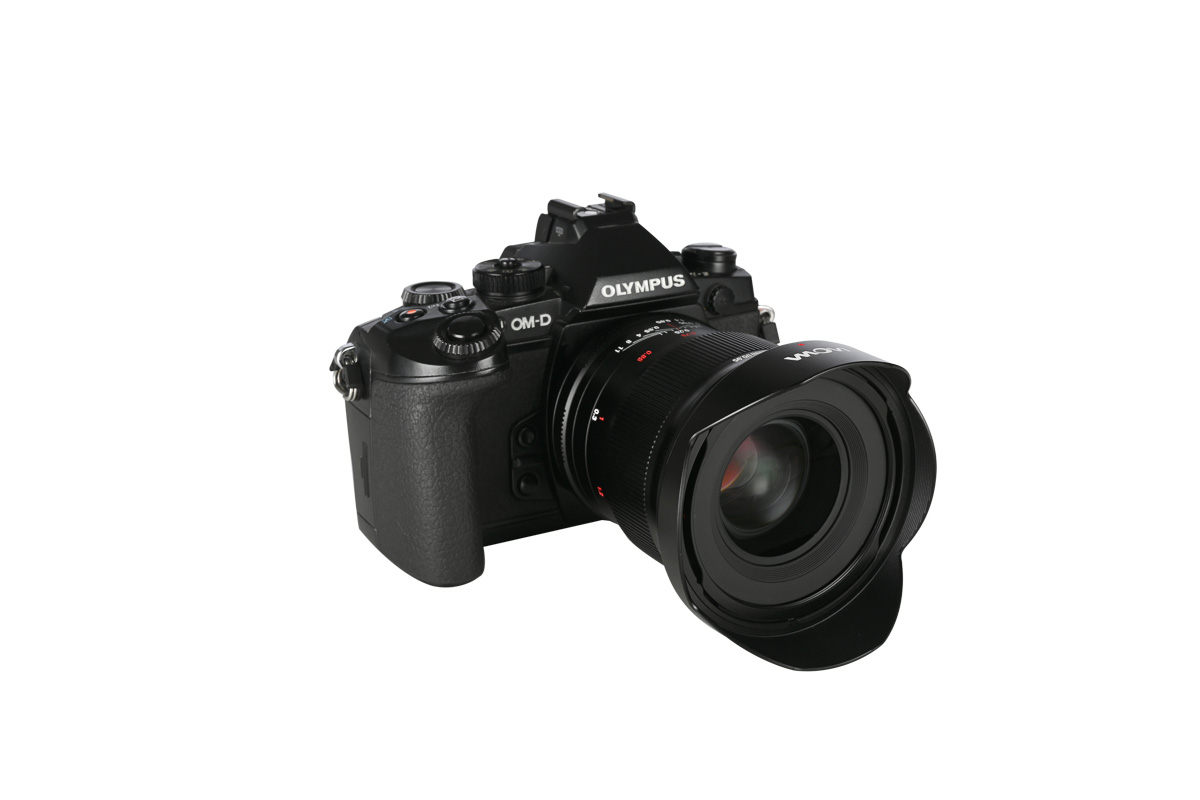
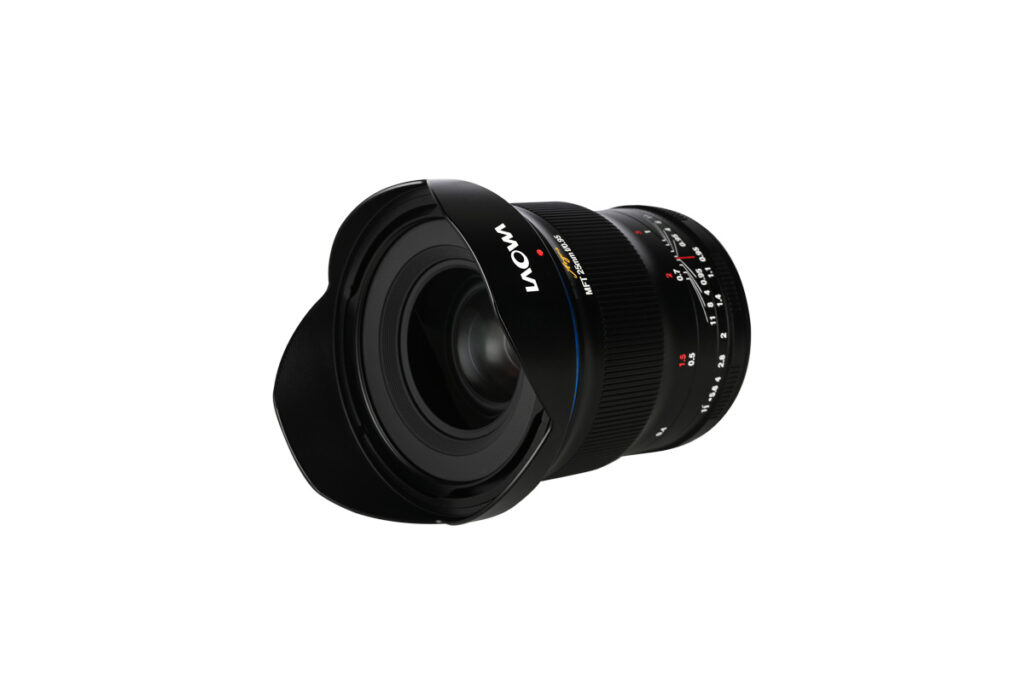
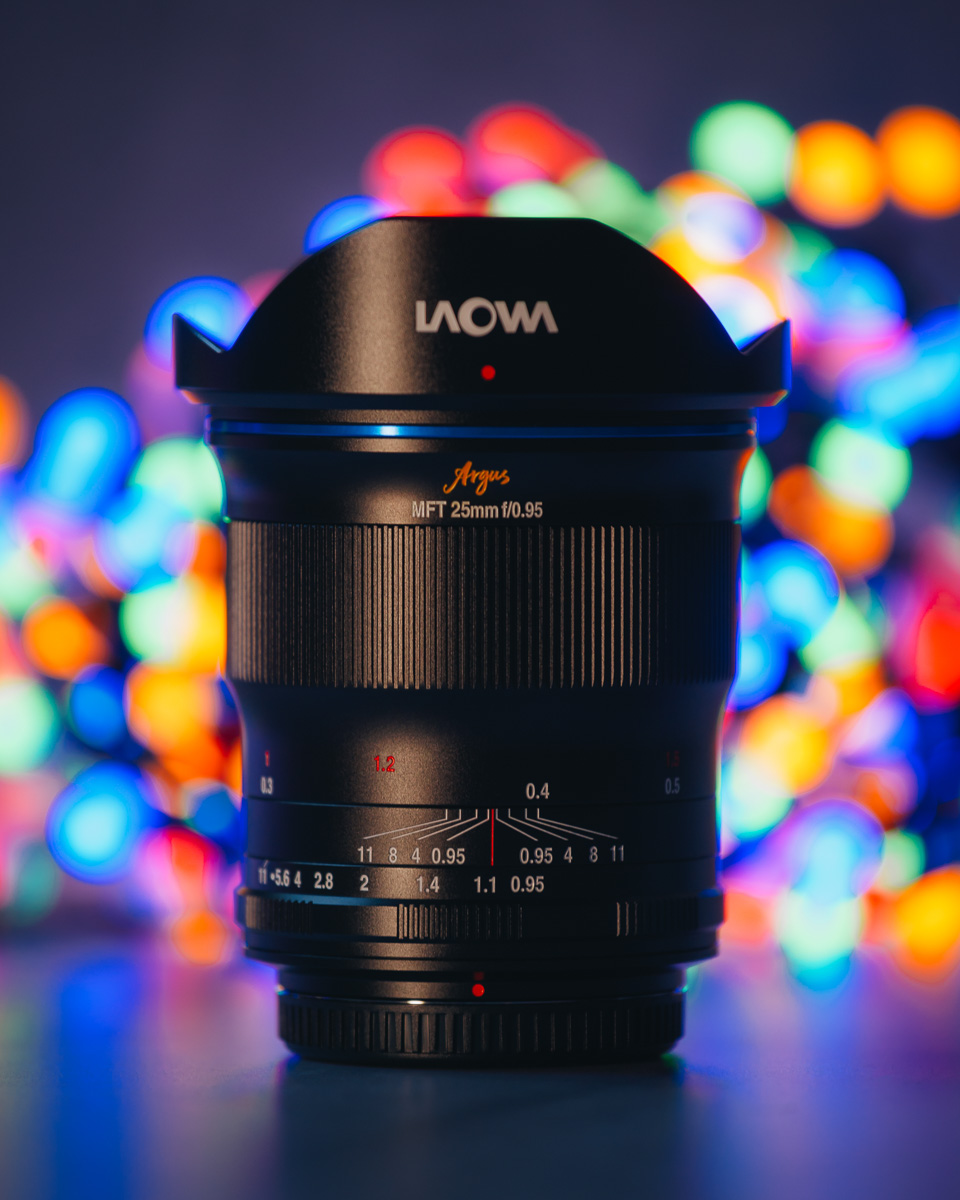
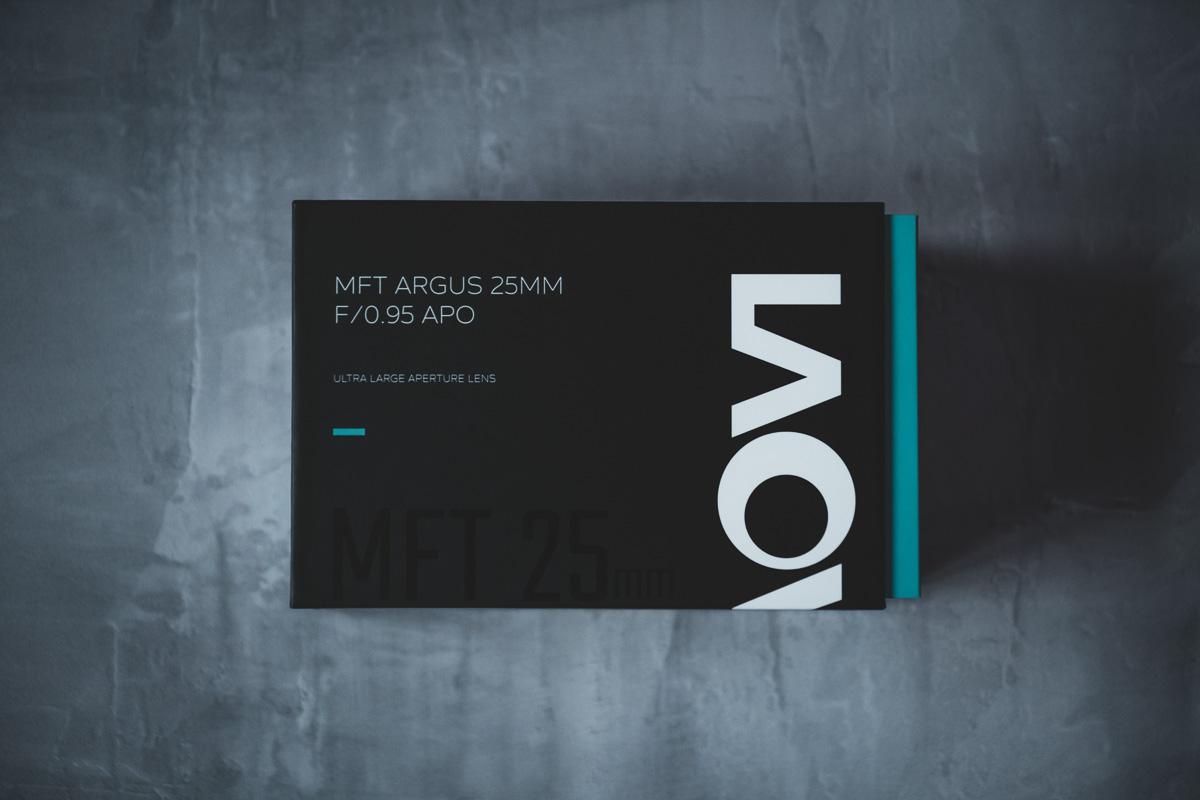
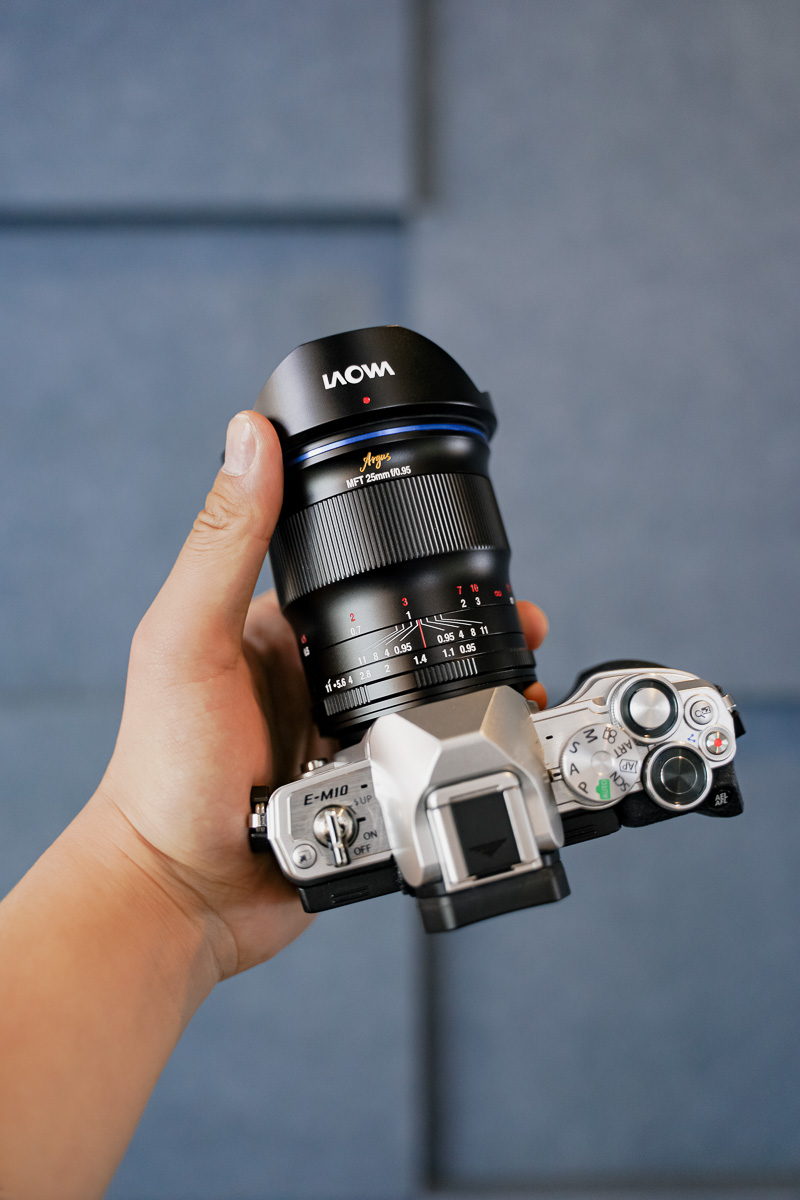
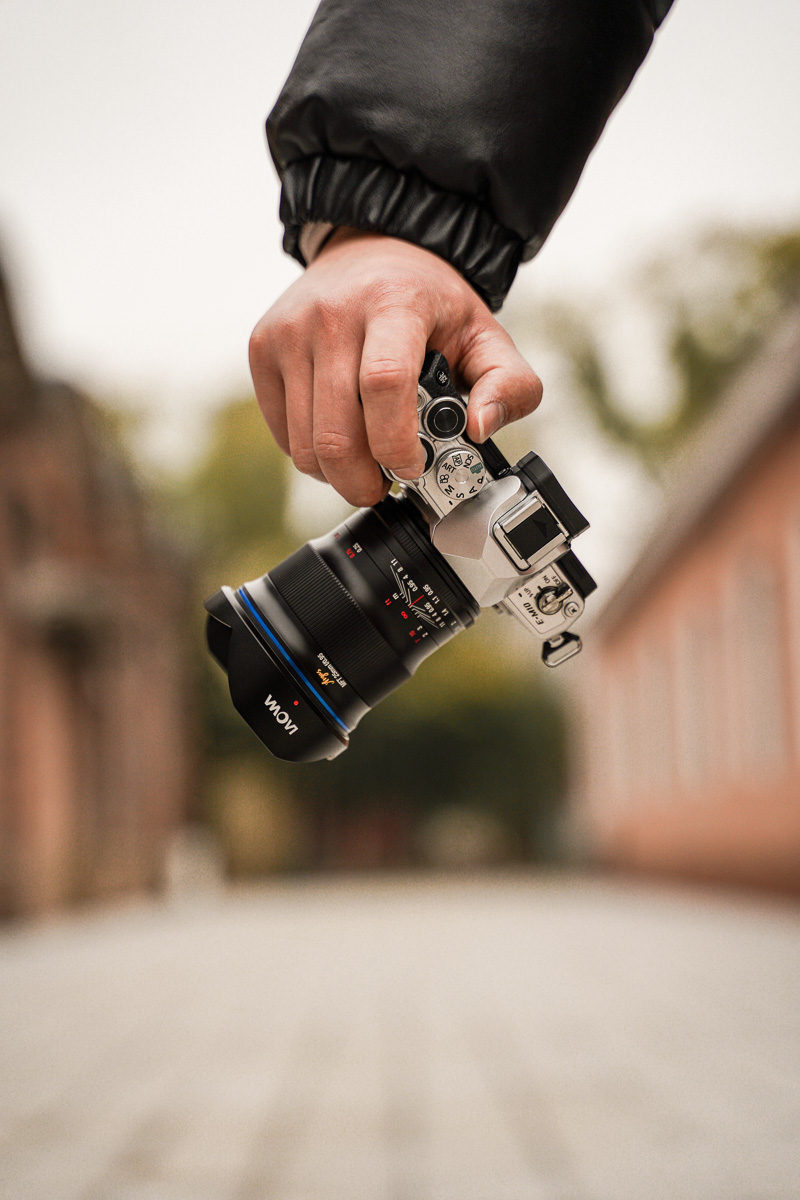
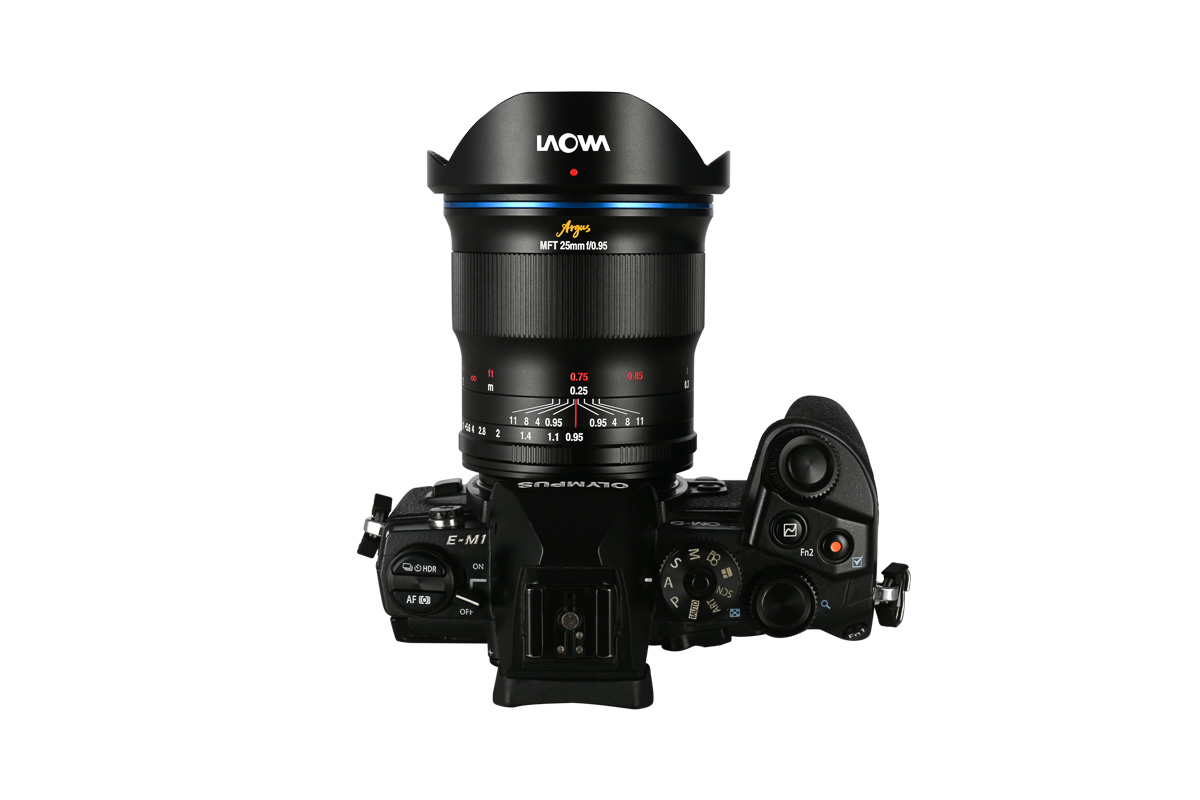
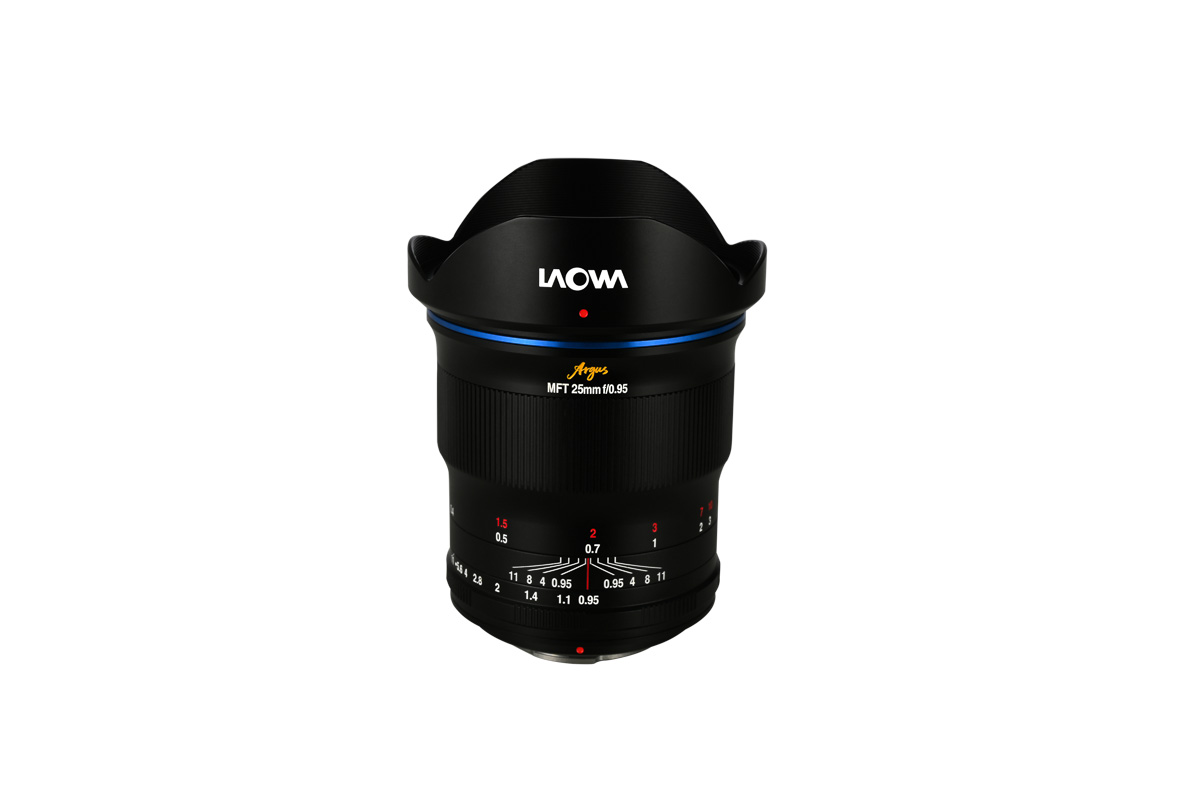
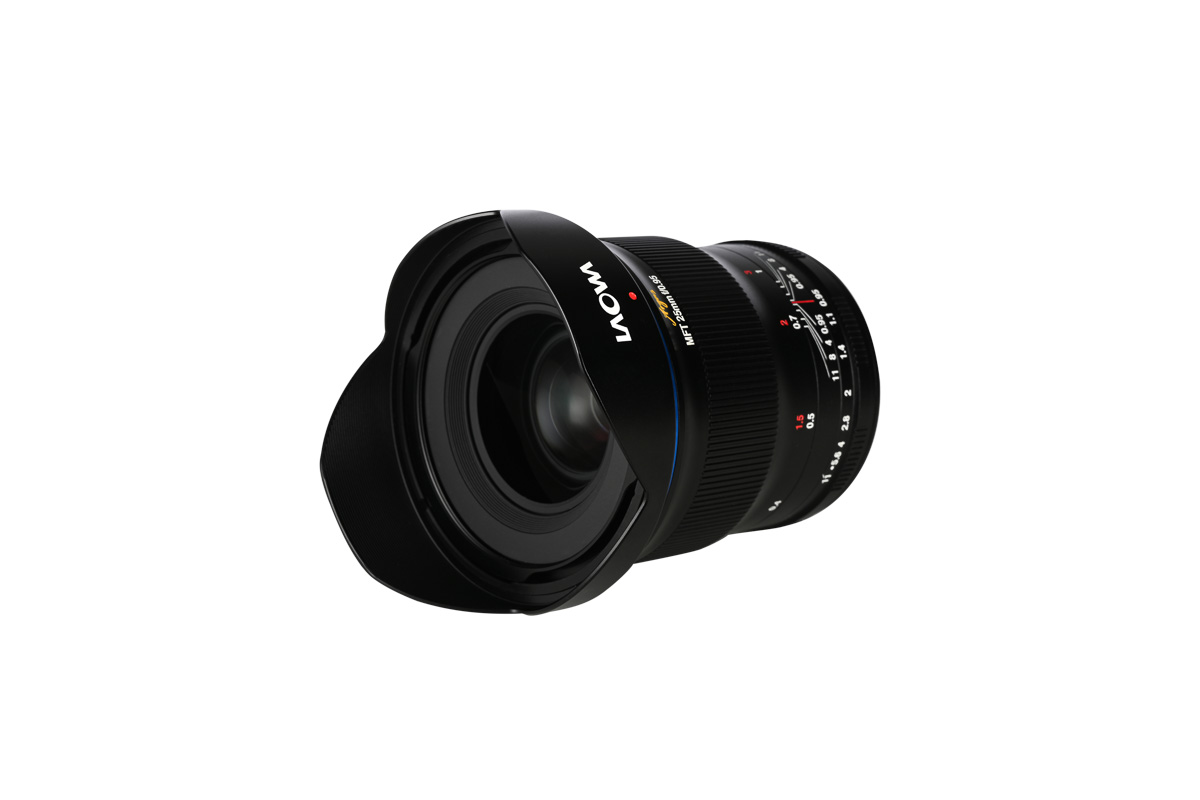
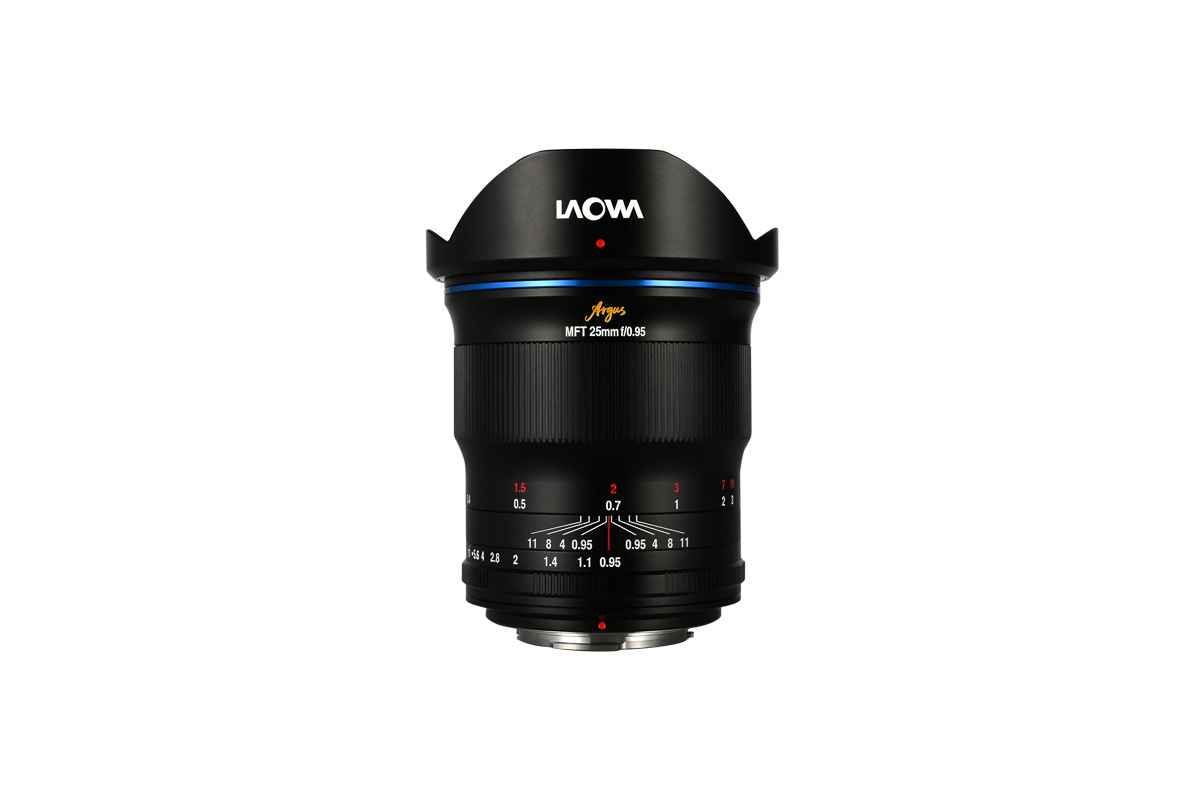
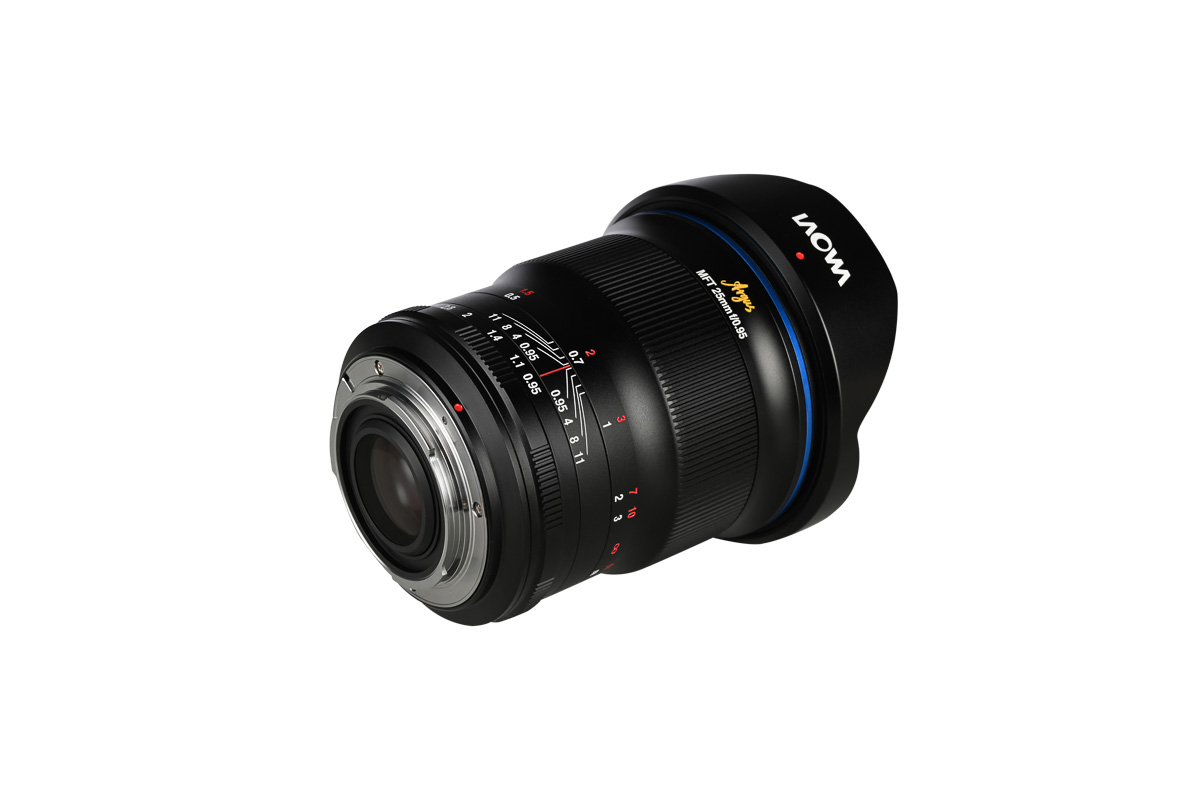
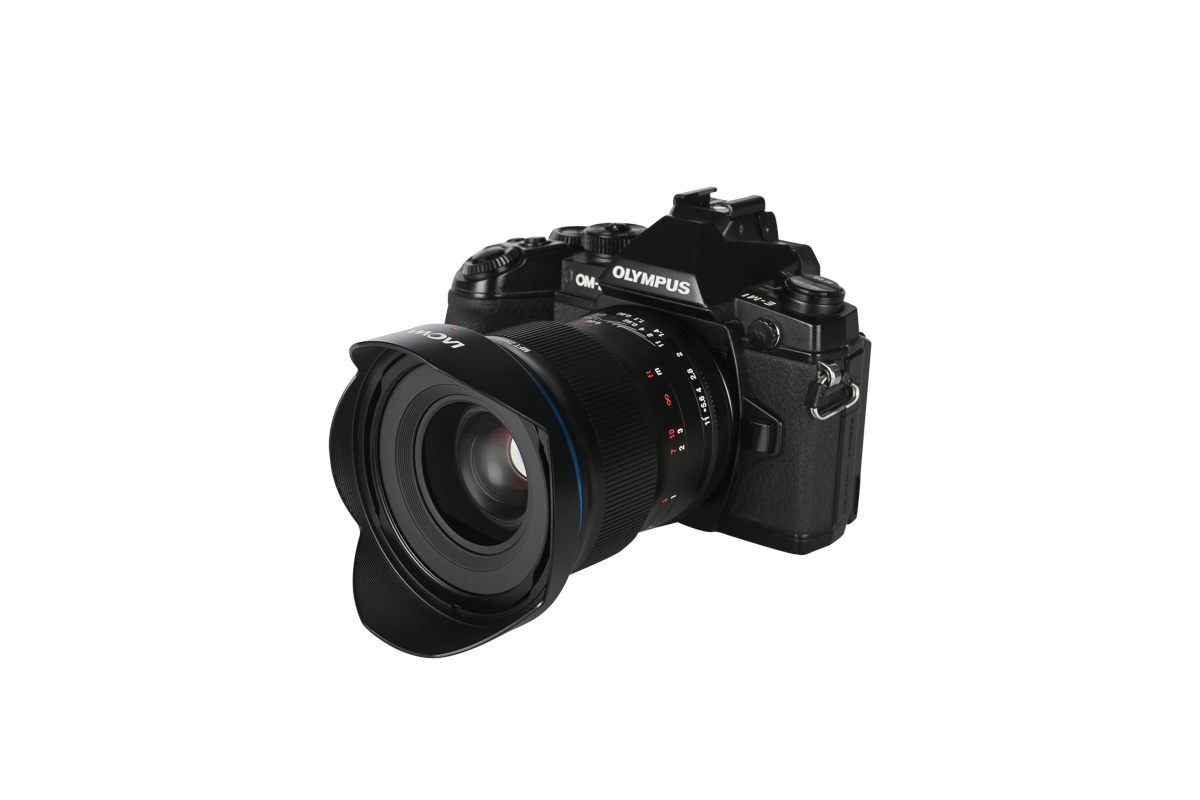
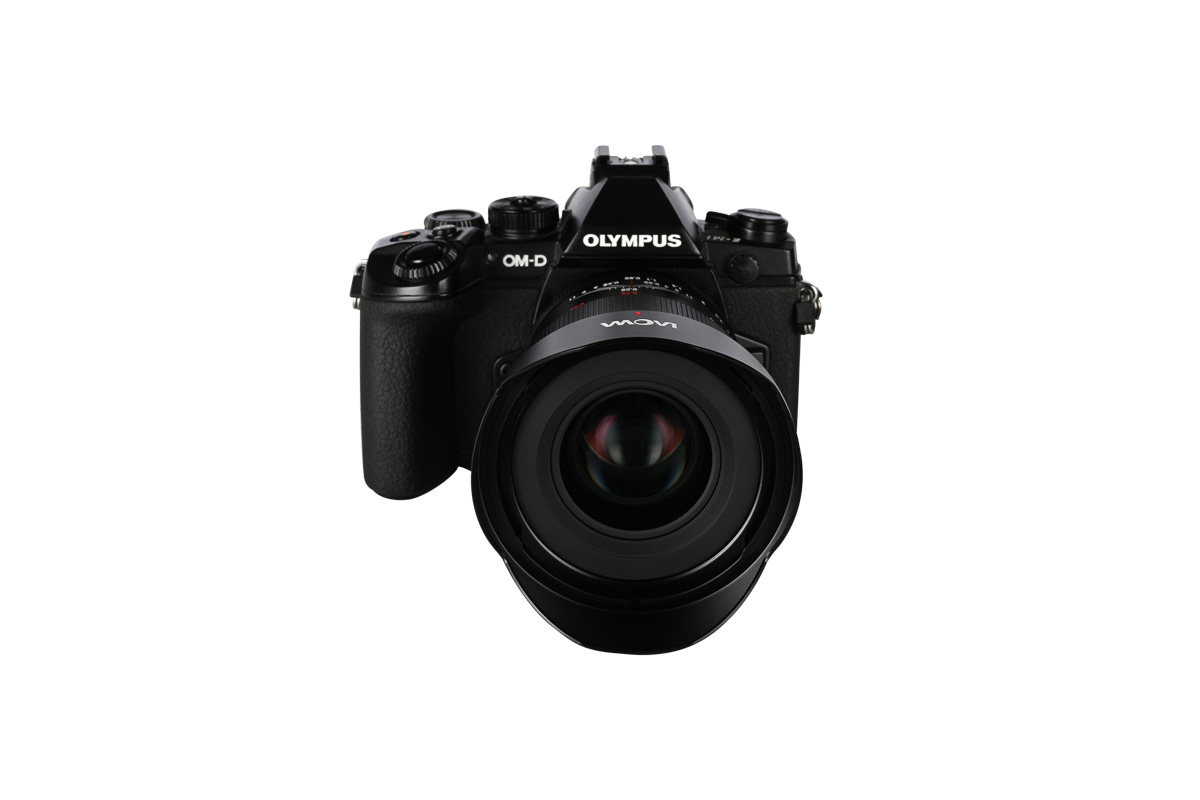
Chinese lens maker, Venus Optics, has unveiled a $399 superfast f/0.95 prime 25mm ‘standard lens’ for Micro Four Thirds cameras, the Laowa Argus 25mm f/0.95 MFT APO.
Venus Optics Argus 25mm f/0.95 MFT APO
Classic standard lens
A 25mm focal length on Micro Four Thirds offers the same classic field of view as a traditional, 35mm or ‘full frame’, 50mm lens.
The Laowa Argus 25mm f/0.95 is a sophisticated 14 elements in 8 groups apochromatic design and the body is mostly metal. One aspherical element is use, plus one ED and 3 UHR (ultra high refractive index) elements.
For such an ambitious specification – f/0.95 is two thirds of stop brighter than f/1.2 – the $399 price tag seems remarkable. However, this is because it’s a manual focus lens.
As there is no electronic communication between the lens and the camera body this also means the aperture mechanism is manual. A 9-blade aperture iris combined with its very wide aperture design should mean great bokeh.
Venus Optics Argus 25mm f/0.95 MFT APO product shot gallery:
Venus Optics Argus 25mm f/0.95 MFT APO
Venus Optics Argus 25mm f/0.95 MFT APO
Venus Optics Argus 25mm f/0.95 MFT APO
Venus Optics Argus 25mm f/0.95 MFT APO
Venus Optics Argus 25mm f/0.95 MFT APO
Venus Optics Argus 25mm f/0.95 MFT APO
Venus Optics Argus 25mm f/0.95 MFT APO
Venus Optics Argus 25mm f/0.95 MFT APO
Venus Optics Argus 25mm f/0.95 MFT APO
Venus Optics Argus 25mm f/0.95 MFT APO
Venus Optics Argus 25mm f/0.95 MFT APO
Venus Optics Argus 25mm f/0.95 MFT APO
Venus Optics Argus 25mm f/0.95 MFT APO
Venus Optics Argus 25mm f/0.95 MFT APO
Venus Optics Argus 25mm f/0.95 MFT APO
Venus Optics Argus 25mm f/0.95 MFT APO
Venus Optics Argus 25mm f/0.95 MFT APO
Venus Optics Argus 25mm f/0.95 MFT APO
Venus Optics Argus 25mm f/0.95 MFT APO
Venus Optics Argus 25mm f/0.95 MFT APO
Venus Optics Argus 25mm f/0.95 MFT APO
Venus Optics Argus 25mm f/0.95 MFT APO
Venus Optics Argus 25mm f/0.95 MFT APO
Venus Optics Argus 25mm f/0.95 MFT APO
For video and stills
Venus Optics mentions that the lens design minimises focus ‘breathing’, which suggests the lens has been designed with videographers in mind. The focus ring has a long 300 degree throw to facilitate precise adjustment, which is just as well because depth of field at f/0.95 is very narrow.
The aperture ranges to f/11 only, which is interesting because Micro Four Thirds lenses often offer settings as low as f/16 and f/22. On the other hand it’s recommended not to go much below f/5.6 in order to avoid diffraction softening.
Minimum focus distance is 25cm (9.8 inches). The lens weighs 570g and is 86mm long and 71mm wide. The filter thread is 62mm. There is no mention of environmental sealing.
Sample images
Venus Optics have kindly supplied some sample images taken by a variety of photographers, using Olympus and Panasonic bodies. Presumably, they were all taken at f/0.95. There is a gallery of selected images below.
For more information, the Laowa brand website can be found here. The UK distributor’s website is here.
Below is a gallery of sample images provided by Venus Optics:
Sample image taken with a Venus Optics Laowa 25mm f/0.95 MFT APO and OLympus OM-D E-M1 Mark II
Sample image taken with a Venus Optics Laowa 25mm f/0.95 MFT APO and OLympus OM-D E-M1 Mark II
Sample image taken with a Venus Optics Laowa 25mm f/0.95 MFT APO and OLympus OM-D E-M1 Mark II
Sample image taken with a Venus Optics Laowa 25mm f/0.95 MFT APO and OLympus OM-D E-M1 Mark II
Sample image taken with a Venus Optics Laowa 25mm f/0.95 MFT APO and OLympus OM-D E-M1 Mark II
Sample image taken with a Venus Optics Laowa 25mm f/0.95 MFT APO and OLympus OM-D E-M1 Mark II
Sample image taken with a Venus Optics Laowa 25mm f/0.95 MFT APO and OLympus OM-D E-M1 Mark II
Sample image taken with a Venus Optics Laowa 25mm f/0.95 MFT APO and OLympus OM-D E-M1 Mark II
Sample image taken with a Venus Optics Laowa 25mm f/0.95 MFT APO and OLympus OM-D E-M1 Mark II
Sample image taken with a Venus Optics Laowa 25mm f/0.95 MFT APO and OLympus OM-D E-M1 Mark II
Sample image taken with a Venus Optics Laowa 25mm f/0.95 MFT APO and OLympus OM-D E-M1 Mark II
Sample image taken with a Venus Optics Laowa 25mm f/0.95 MFT APO and OLympus OM-D E-M1 Mark II
Sample image taken with a Venus Optics Laowa 25mm f/0.95 MFT APO and OLympus OM-D E-M1 Mark II
Sample image taken with a Venus Optics Laowa 25mm f/0.95 MFT APO and OLympus OM-D E-M1 Mark II
Sample image taken with a Venus Optics Laowa 25mm f/0.95 MFT APO and Panasonic Lumix GH5
Sample image taken with a Venus Optics Laowa 25mm f/0.95 MFT APO and Panasonic Lumix GH5
Sample image taken with a Venus Optics Laowa 25mm f/0.95 MFT APO and Panasonic Lumix GH5
Sample image taken with a Venus Optics Laowa 25mm f/0.95 MFT APO and Panasonic Lumix GH5
Along with the Olympus OM-1 reveal today, OM Digital solutions unveiled a mildly revised m.Zuiko 12-40mm f/2.8 Pro and a brand new ultra-compact 40-150mm f/4 Pro.
m.Zuiko 12-40 f/2.8 Pro II
OM System 12-40mm f/2.8 Pro II
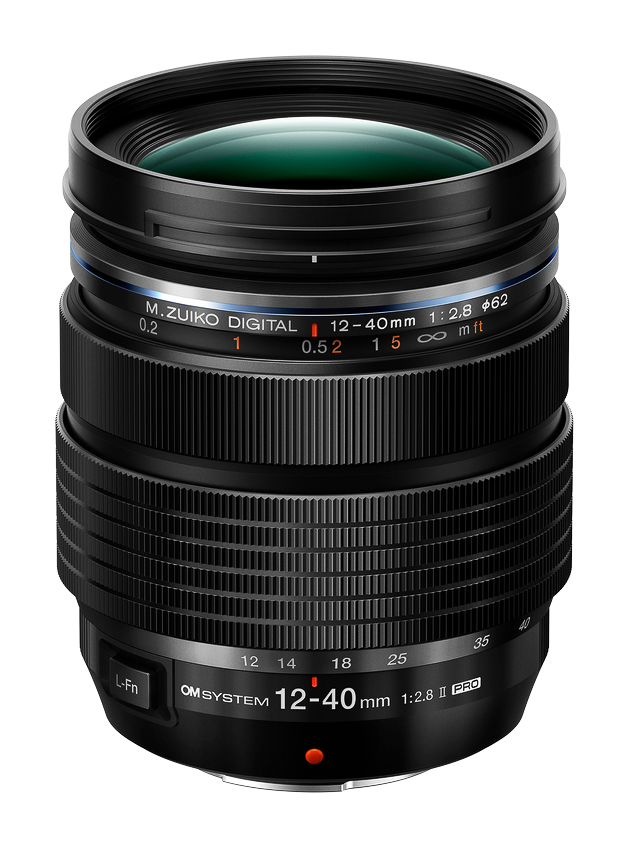
The 12-40 is exactly the same optical and mechanical design but is now certified a step up to IP53 dust and splash-proof resistance matching the same IP53 categorisation of the new OM-1 body. It also gets the most up-to-date ZERO anti-reflection coatings.
m.Zuiko 40-150 f/4 Pro
40-150mm f/4 Pro
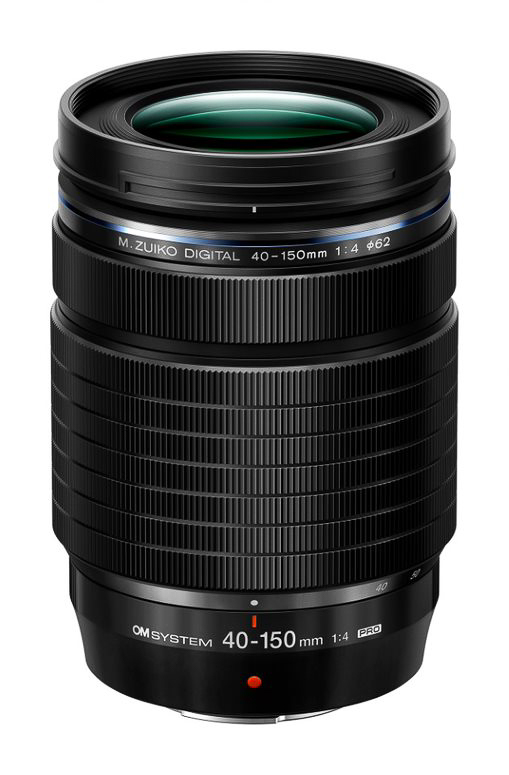
All-new, the 40-150mm f/4 Pro is ultra compact and also IP53 rated. The design uses a ‘collapsing’ mechanism to reduce the length of the lens when you don’t need to use it. This is achieved by twisting the zoom ring fully. The lens is less than 100mm long when collapsed, just 30mm longer than the 12-40. In ready to use configuration it is 124mm long just 8mm longer than the 12-100 f/4 Pro. Weight is 382g. An inner-zoom design means the lens does not change length according to its zoom setting. Closest focusing is as near as 70cm, throughout the zoom range, matching the same feat of its sibling, the 40-150 f/2.8 Pro.
With ultra compact dimensions and light weight the priority, the 40-150 f/4 Pro does not feature a manual/autofocus clutch ring, which is popular on m.Zuiko Pro lenses. Neither is it compatible with M.Zuiko MC-14 or MC-20 teleconverters. And you won’t find optical image stabilisation (OIS) on this lens, though this hasn’t really held back the 40-150 f/2.8 Pro.
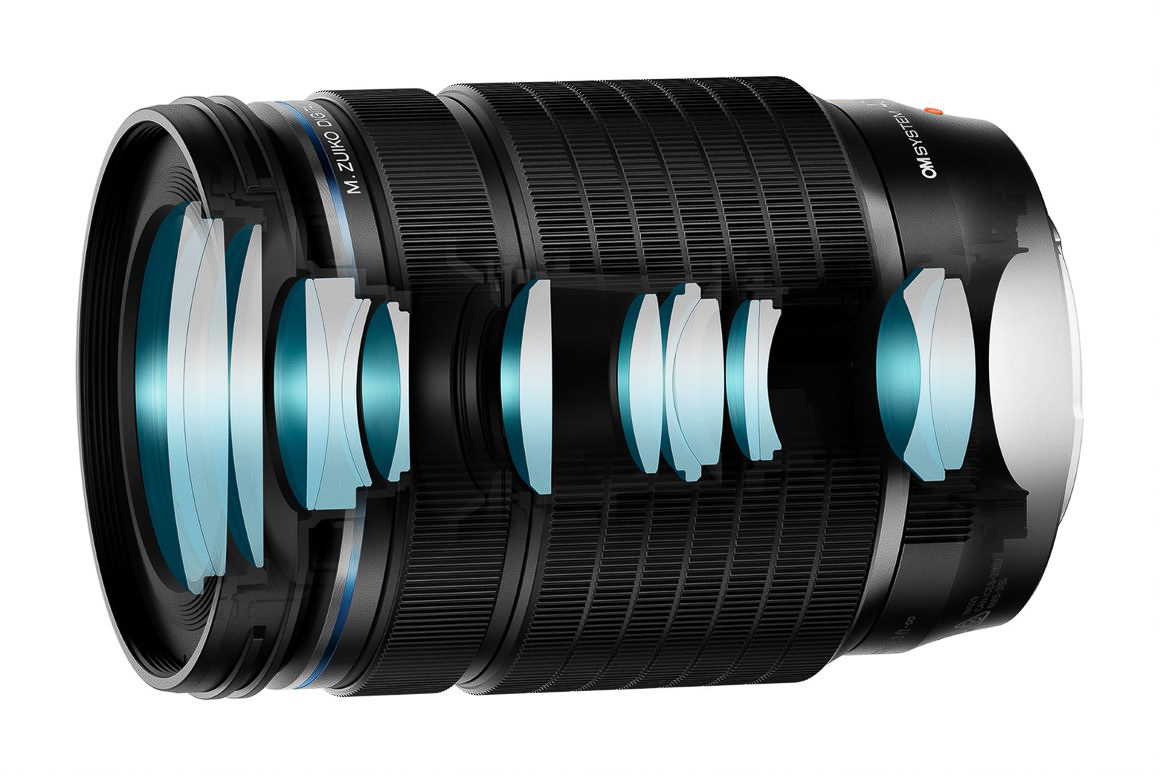
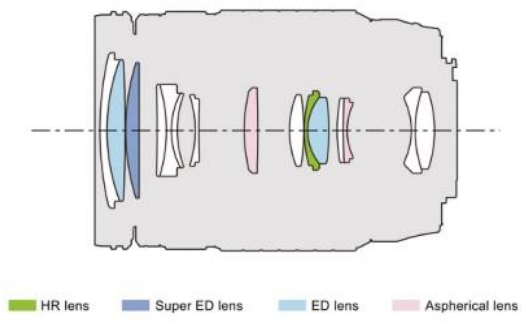
However, we are promised excellent optical performance thanks to its 15 element in 9 groups optics, with two ED and one Super ED element, plus one HR and one aspherical element. Advanced computational shooting modes like focus stacking are supported.
The 40-150 f/4 Pro is priced £799 and the 12-40 f/2.8 Pro is £899.
Join in the discussion about the new lenses at the forum.
Here are two galleries of product images showing internal and external aspects of the design of each lens:
12-40 Pro II
Olympus OM-1 with 12-40 f/2.8 Pro II
Olympus OM-1 with 12-40 f/2.8 Pro II
Olympus OM-1 top view with 12-40mm f/2.8 Pro II lens
Olympus OM-1 top view with 12-40mm f/2.8 Pro II lens
The new digital Olympus OM-1
The new digital Olympus OM-1
OM System 12-40mm f/2.8 Pro II
OM System 12-40mm f/2.8 Pro II
OM System 12-40mm f/4 Pro II IP53 sealing illustration
OM System 12-40mm f/4 Pro II IP53 sealing illustration
40-150 f/4 Pro
Olympus OM-1 with 40-150mm f/4 Pro
Olympus OM-1 with 40-150mm f/4 Pro
40-150mmf/4 Pro lens construction
40-150mmf/4 Pro lens construction
40-150mm f/4 Pro
40-150mm f/4 Pro
40-150mm f/4 Pro IP53 environmental sealing
40-150mm f/4 Pro IP53 environmental sealing
OM System 40-150mm f/4 Pro lens construction diagram
OM System 40-150mm f/4 Pro lens construction diagram
This website uses cookies to improve your experience. We'll assume you're ok with this, but you can opt-out if you wish. AcceptRejectRead More
Privacy & Cookies Policy
Privacy Overview
This website uses cookies to improve your experience while you navigate through the website. Out of these, the cookies that are categorized as necessary are stored on your browser as they are essential for the working of basic functionalities of the website. We also use third-party cookies that help us analyze and understand how you use this website. These cookies will be stored in your browser only with your consent. You also have the option to opt-out of these cookies. But opting out of some of these cookies may affect your browsing experience.
Necessary cookies are absolutely essential for the website to function properly. This category only includes cookies that ensures basic functionalities and security features of the website. These cookies do not store any personal information.
Any cookies that may not be particularly necessary for the website to function and is used specifically to collect user personal data via analytics, ads, other embedded contents are termed as non-necessary cookies. It is mandatory to procure user consent prior to running these cookies on your website.