Posted on

OM System launches the m.Zuiko ED Digital 90mm f/3.5 IS Pro macro lens

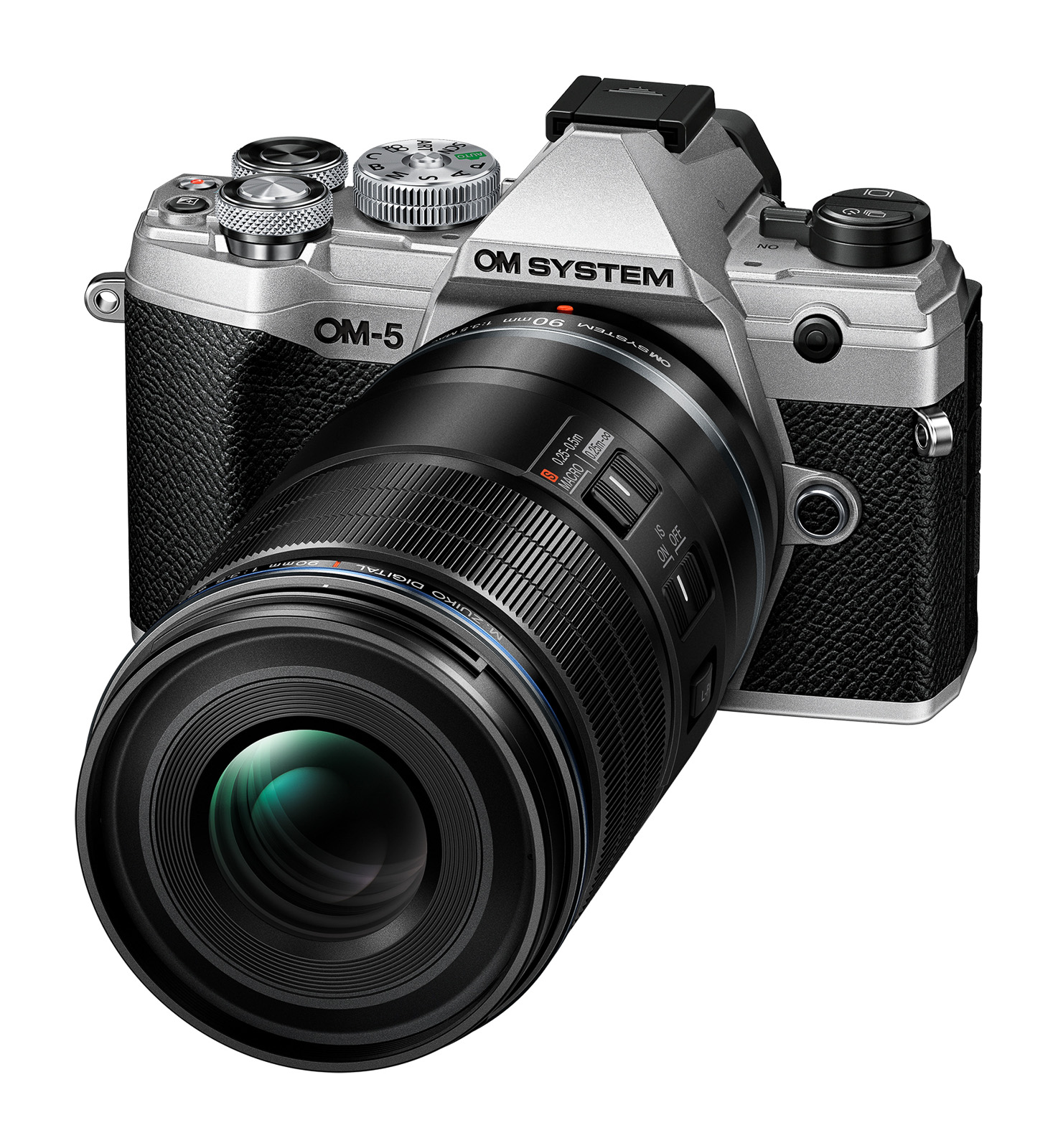
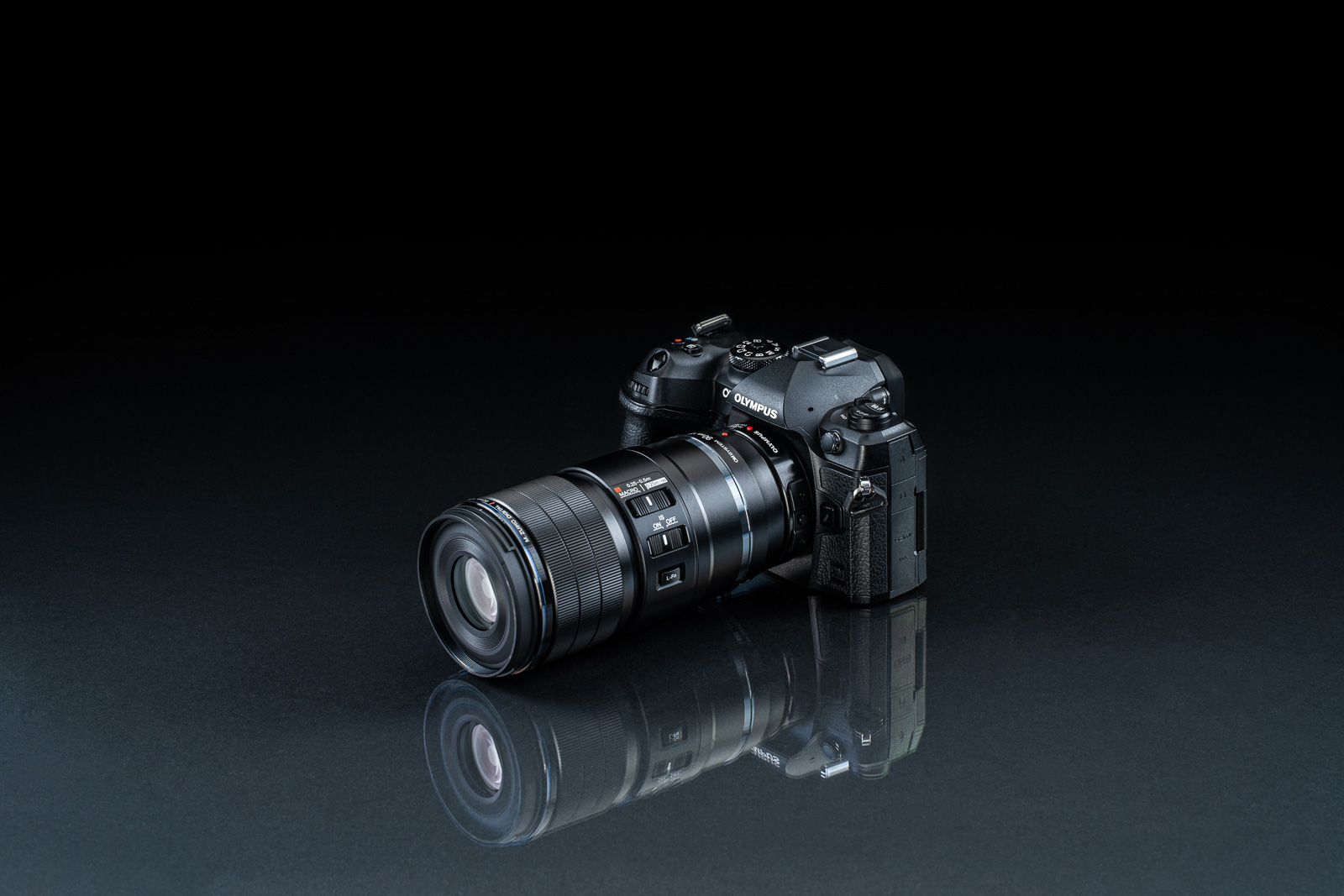
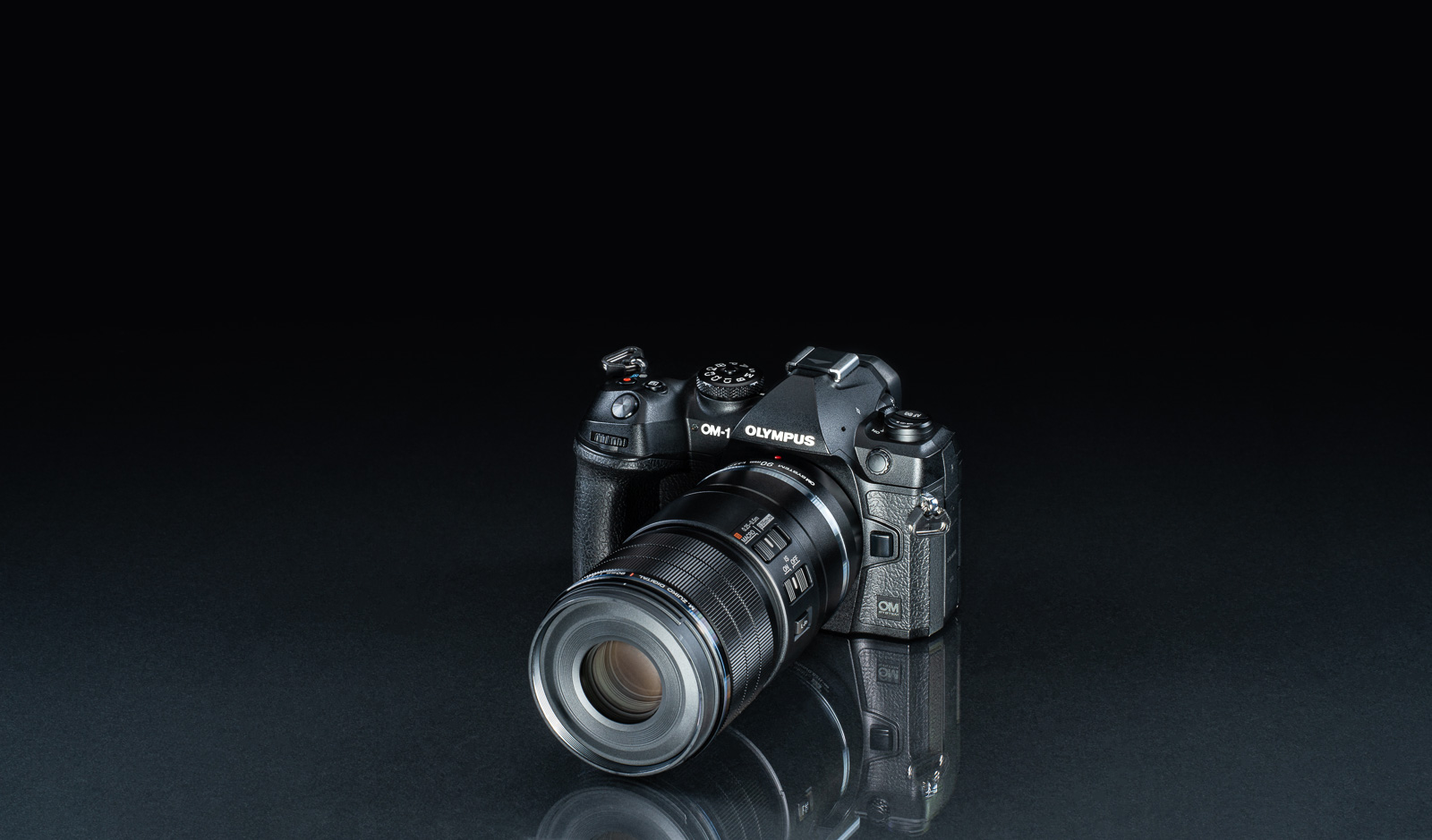
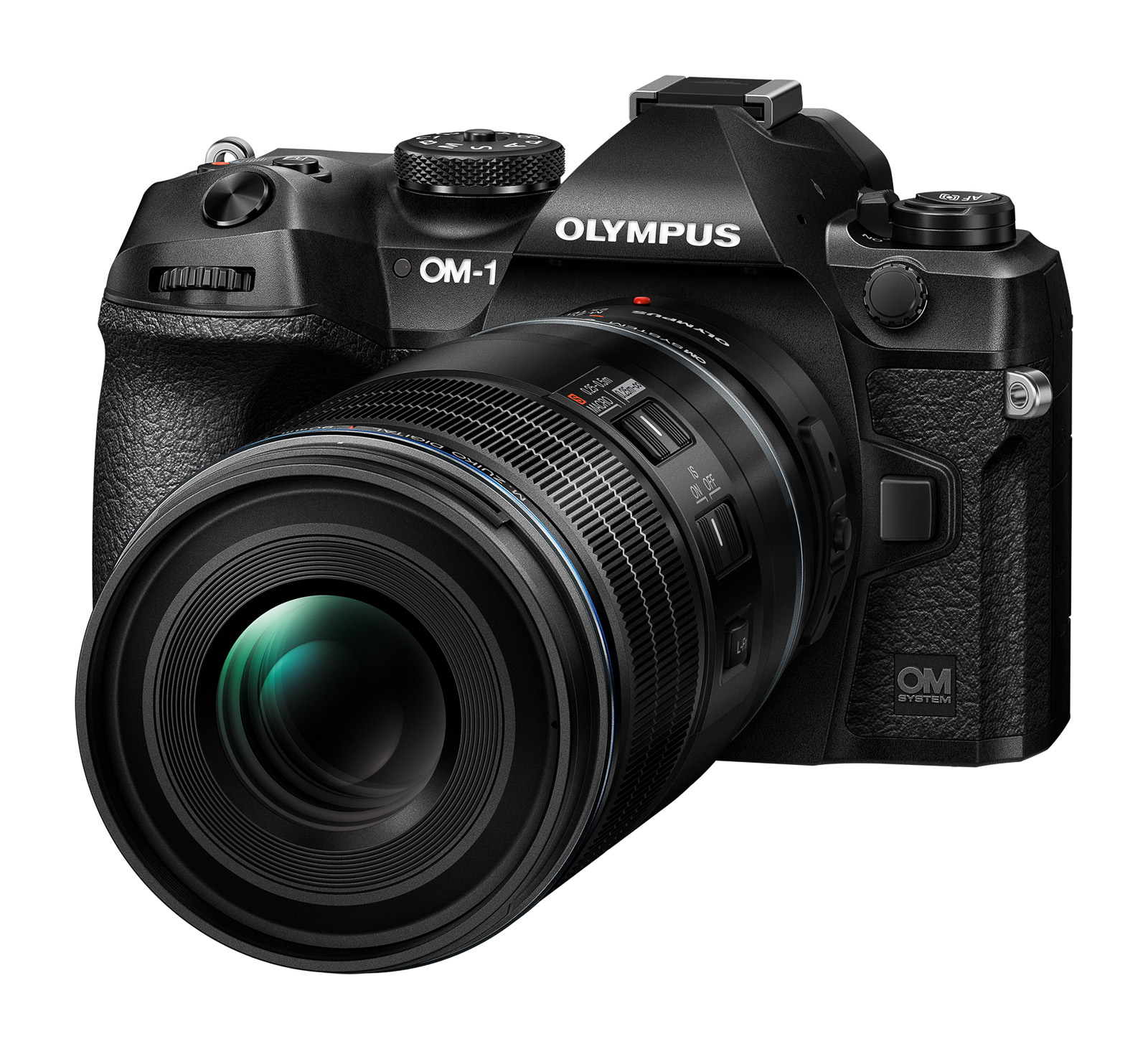
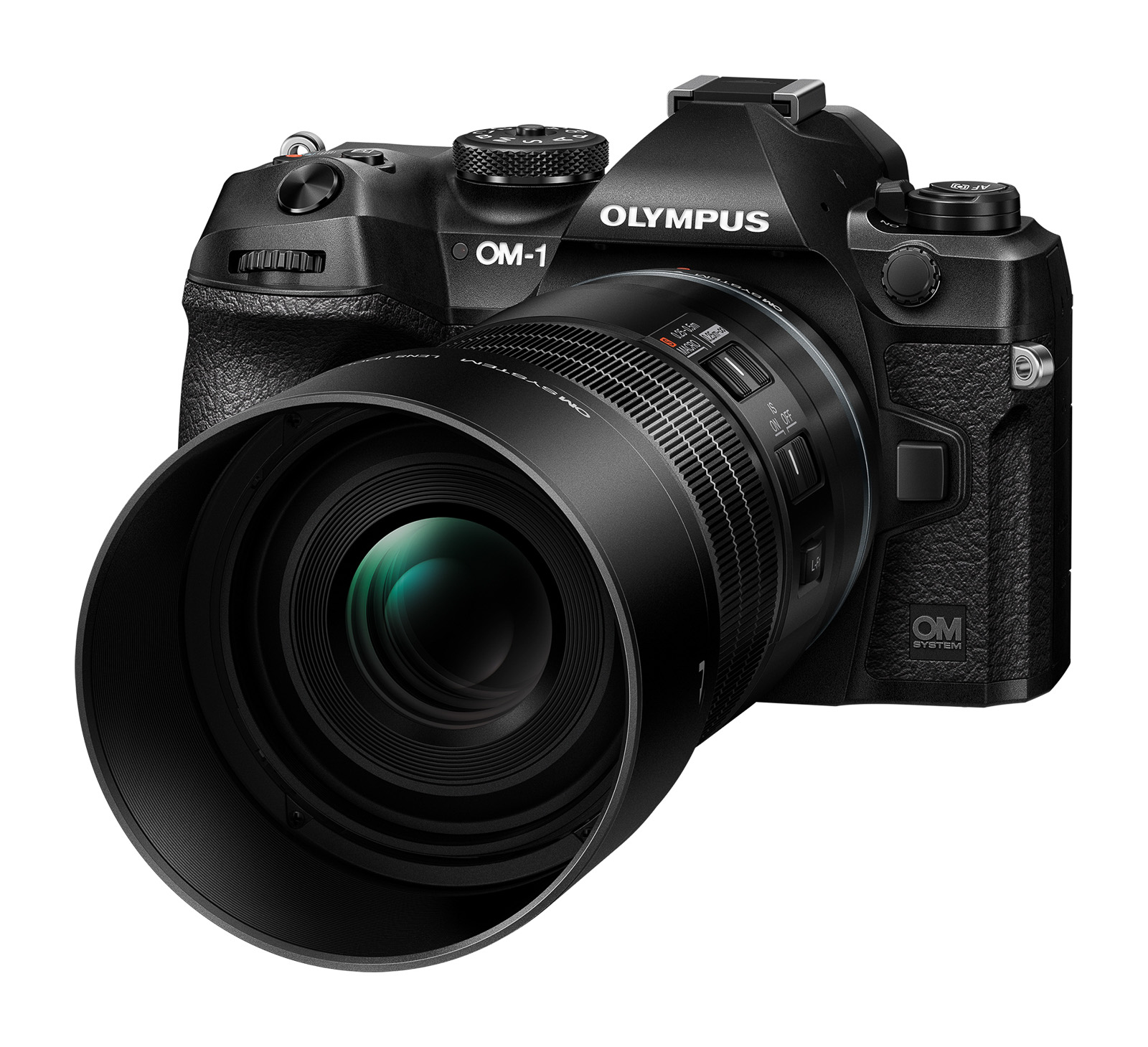
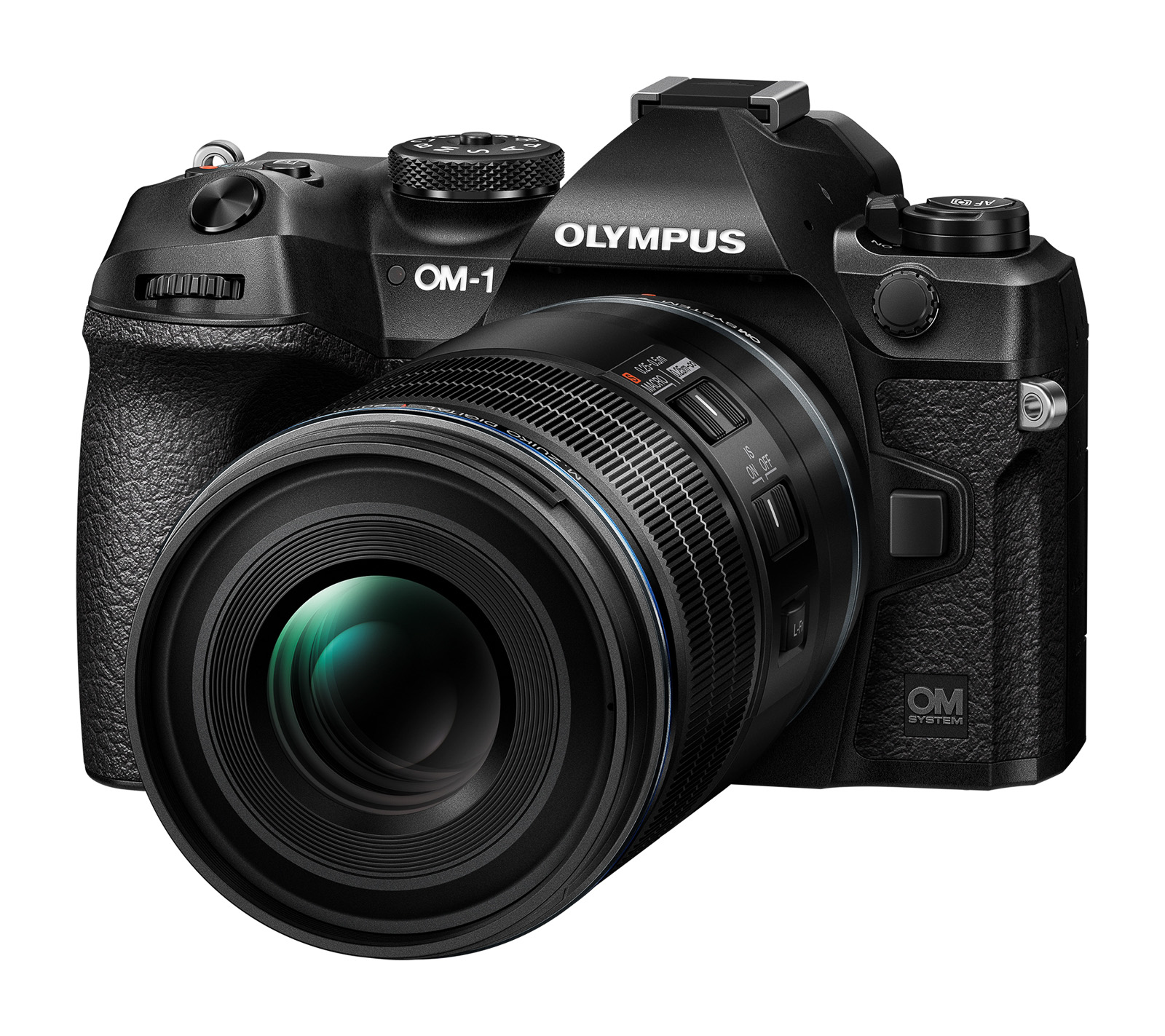
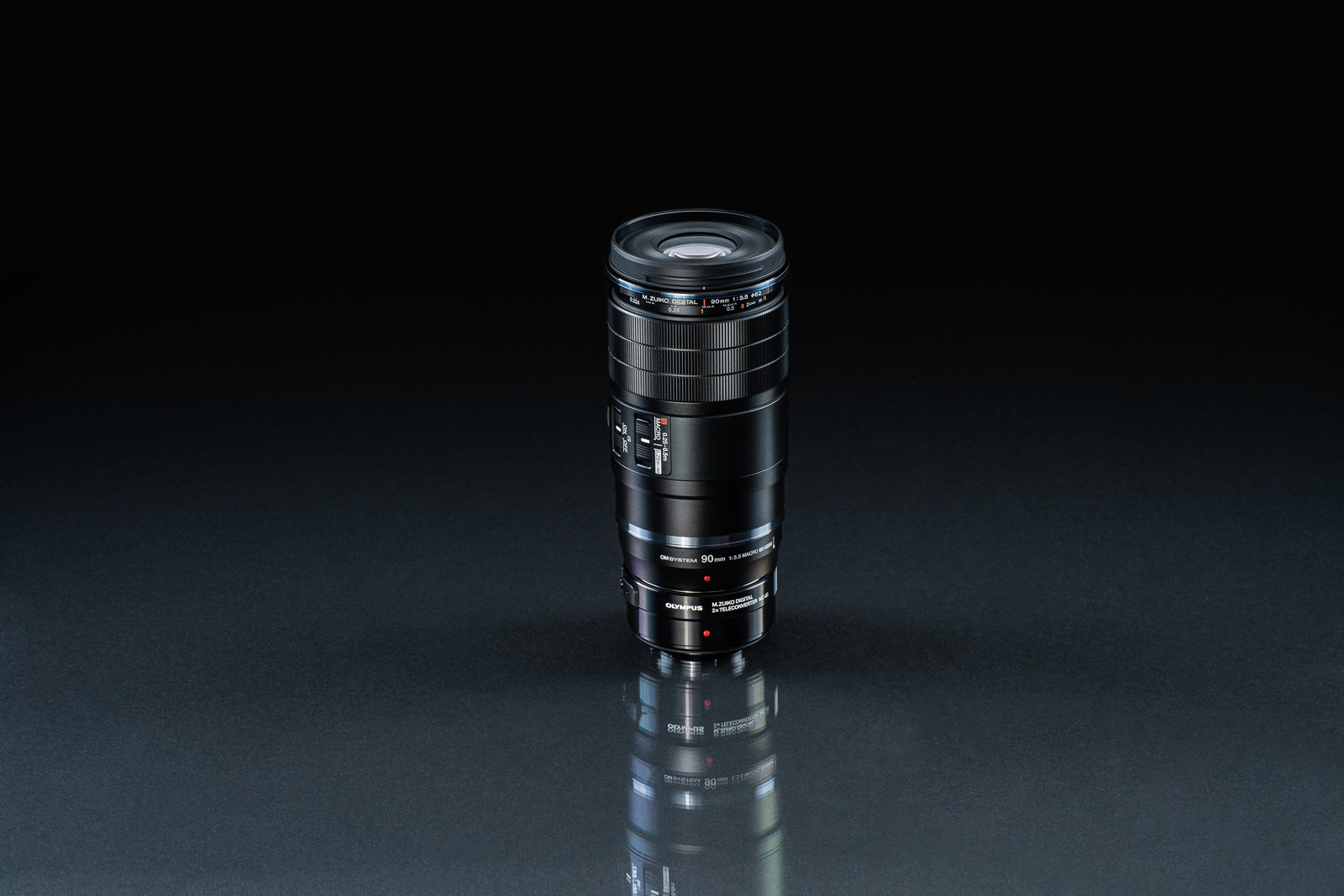
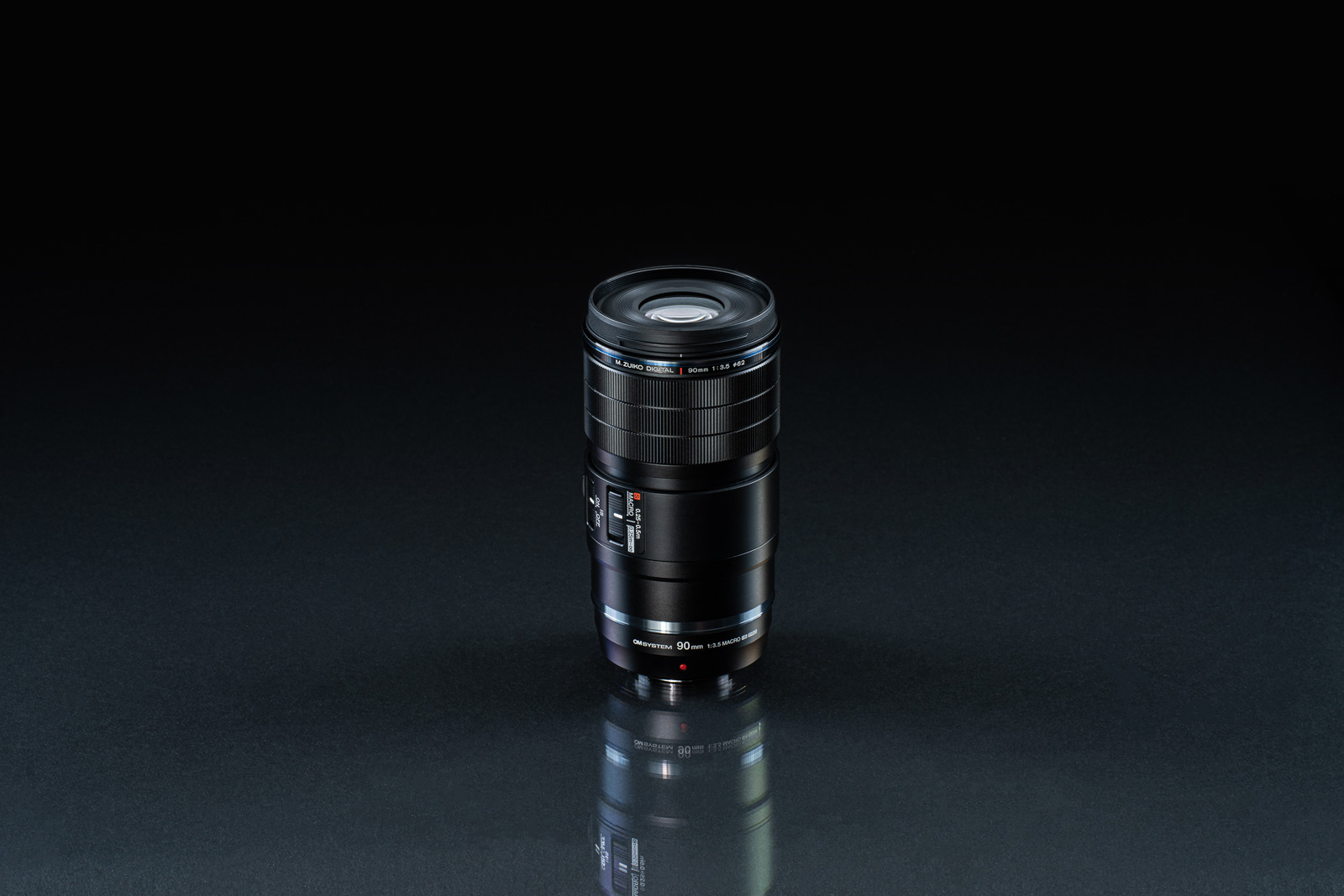
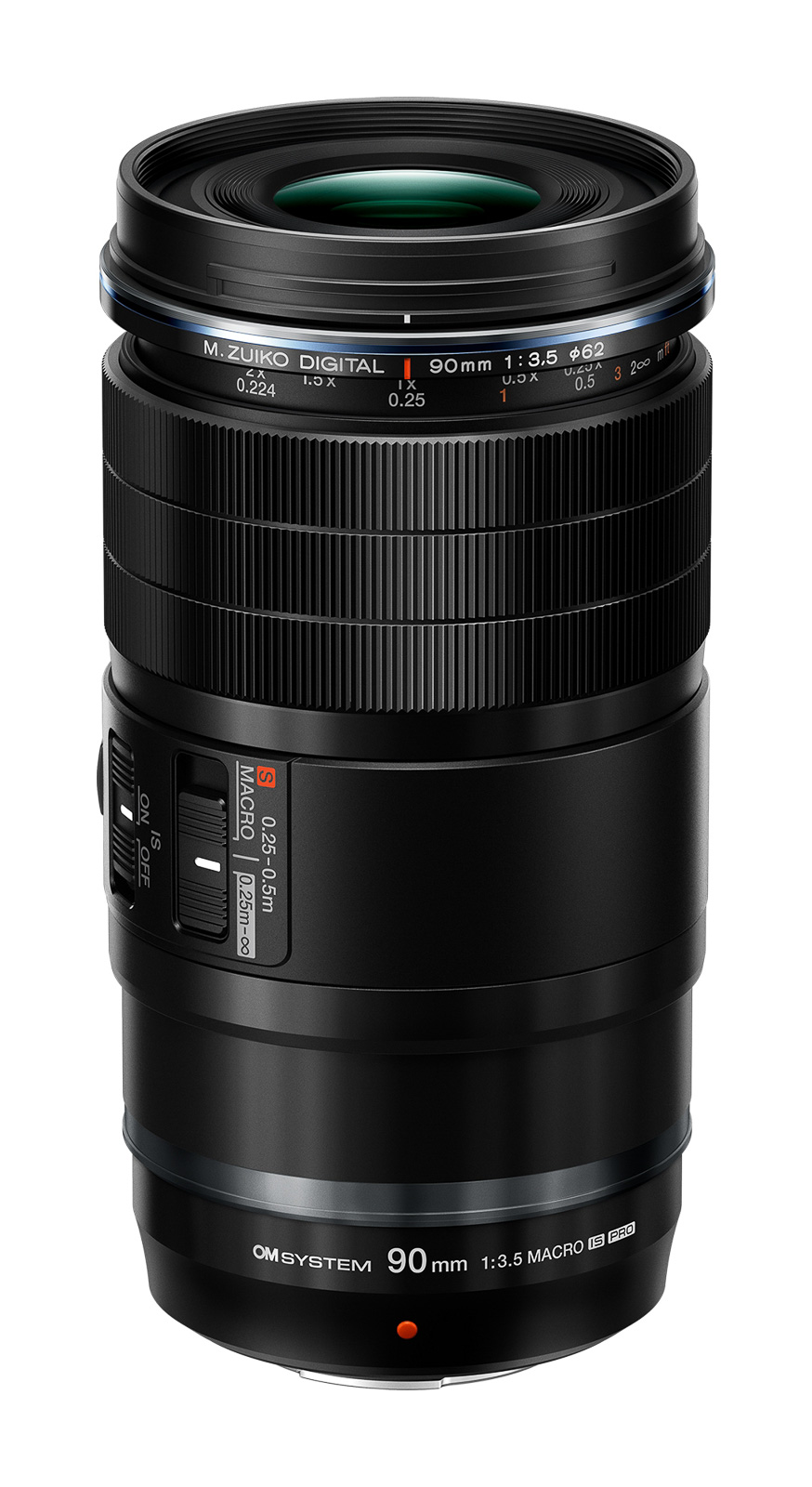
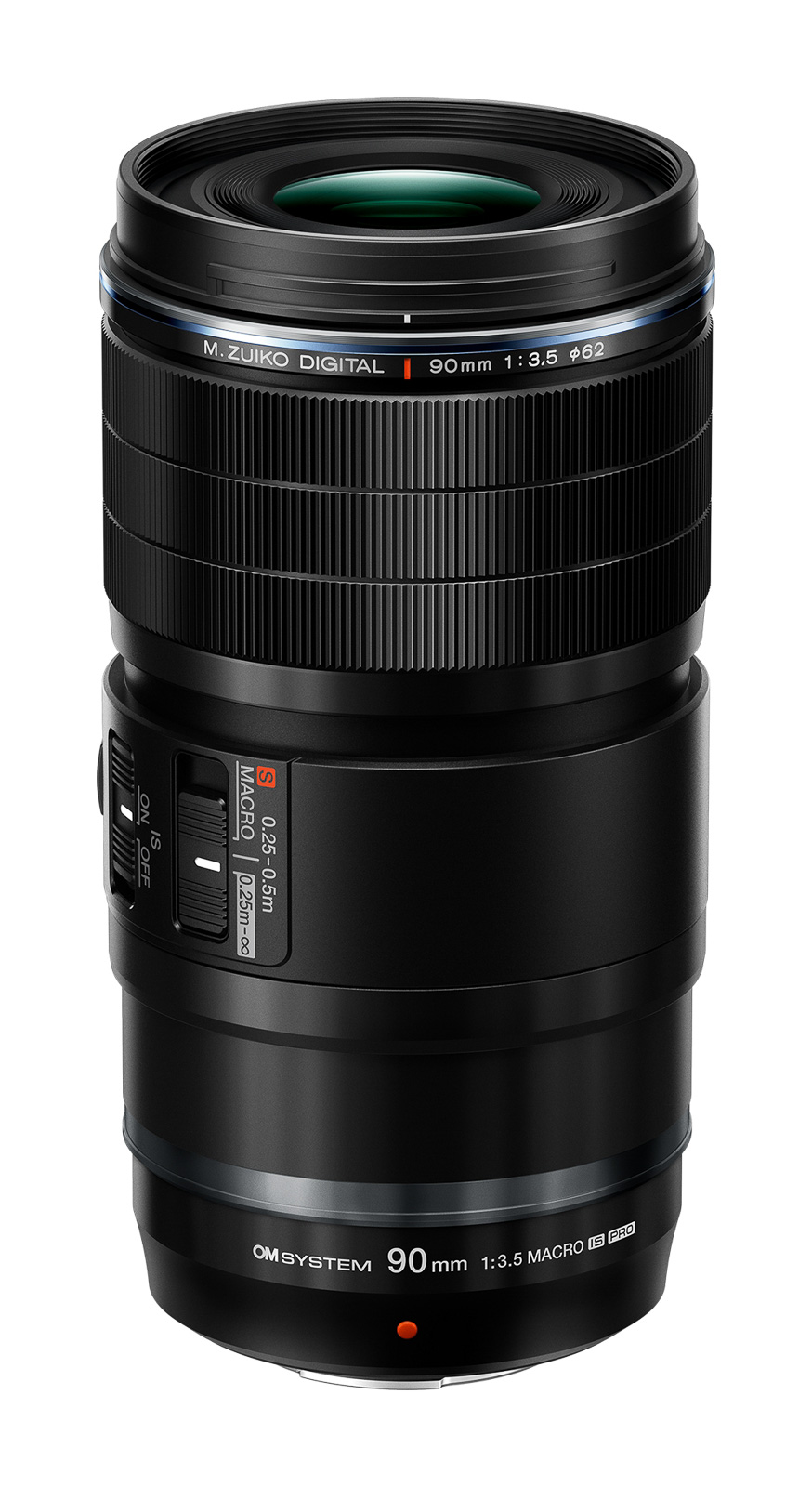
It’s been a ghost on Olympus, and, subsequently, OM System lens roadmap charts for several years, but now it’s a reality, the OM System m.Zuiko ED Digital 90mm f/3.5 IS Pro 2:1 macro lens.
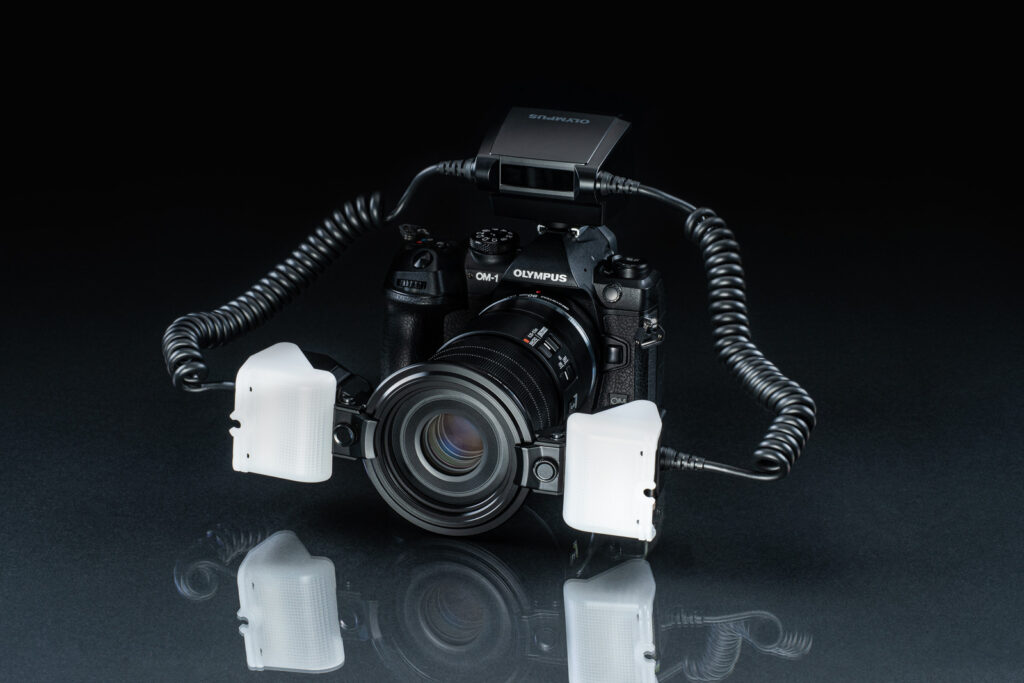
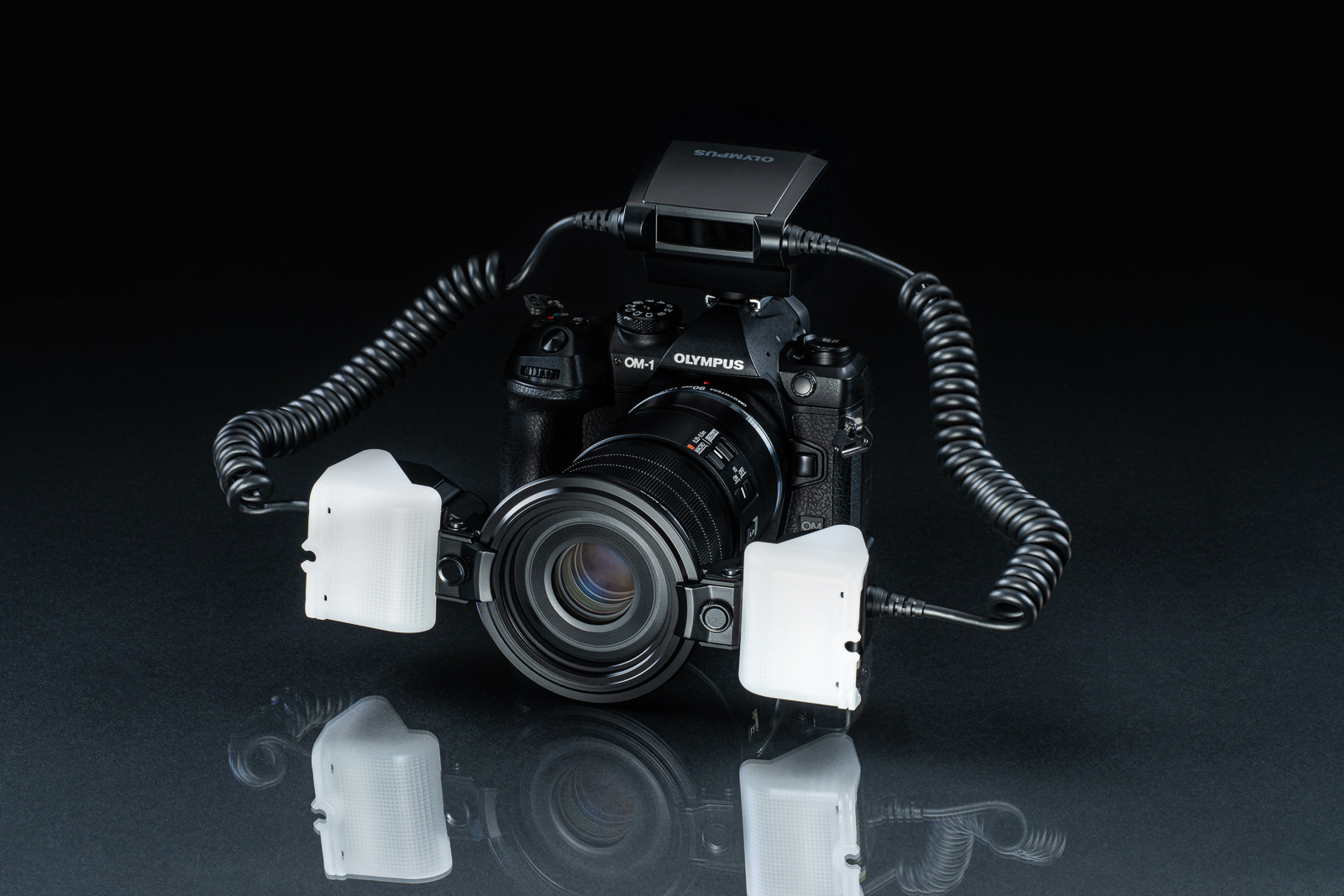
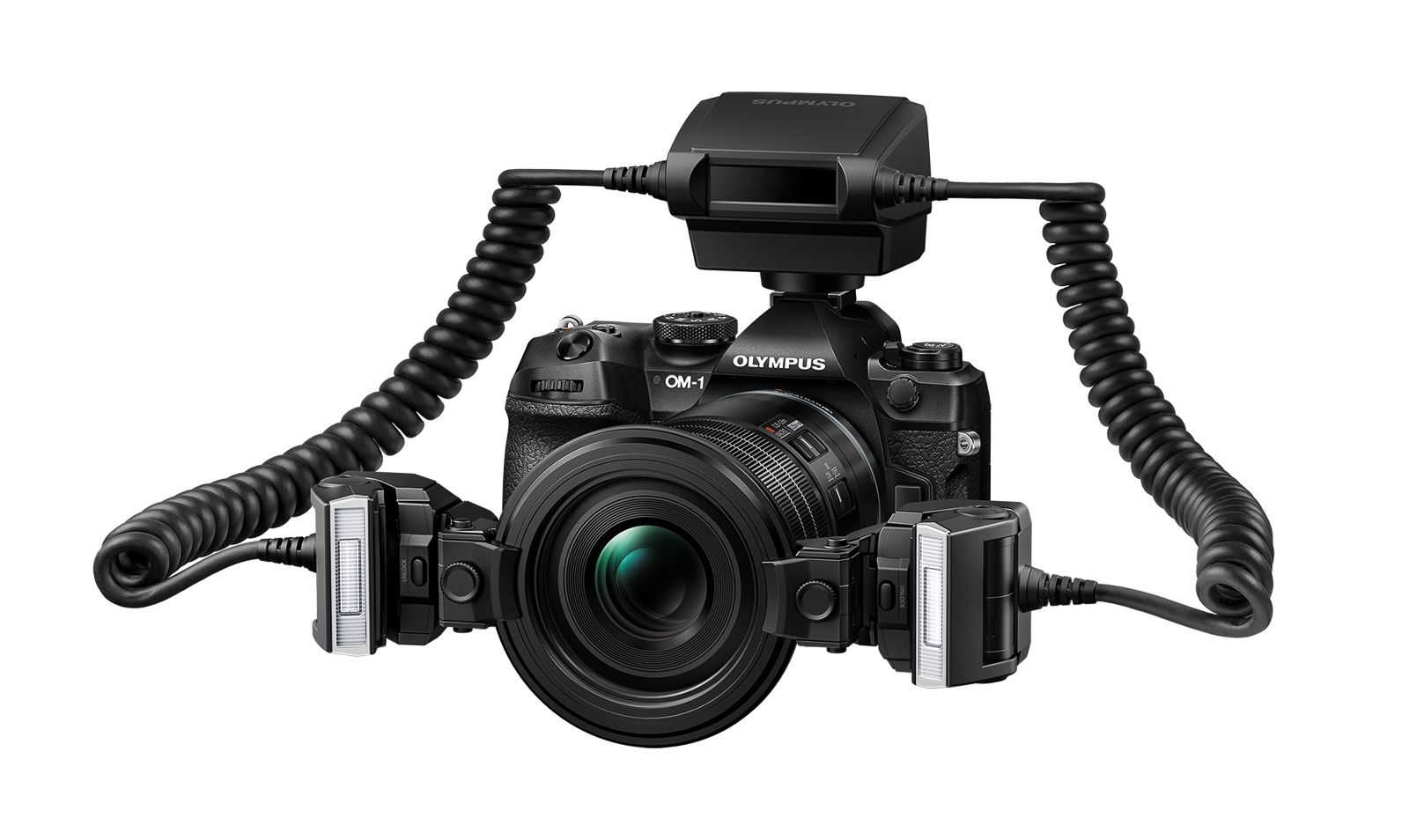
OM System m.Zuiko ED Digital 90mm f/3.5 IS Pro macro lens with STF-8 twin-flash

Aimed at macro photography in the field

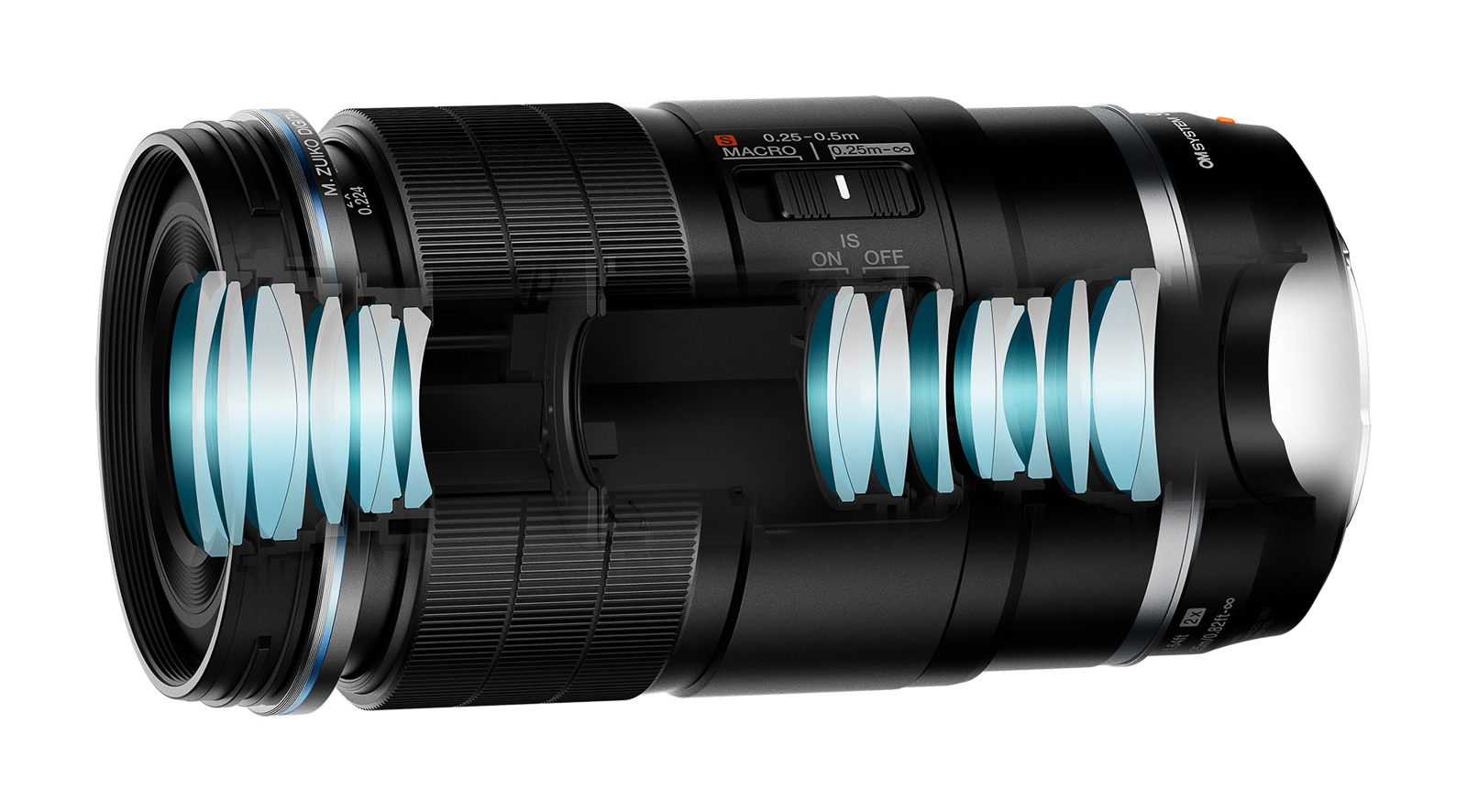
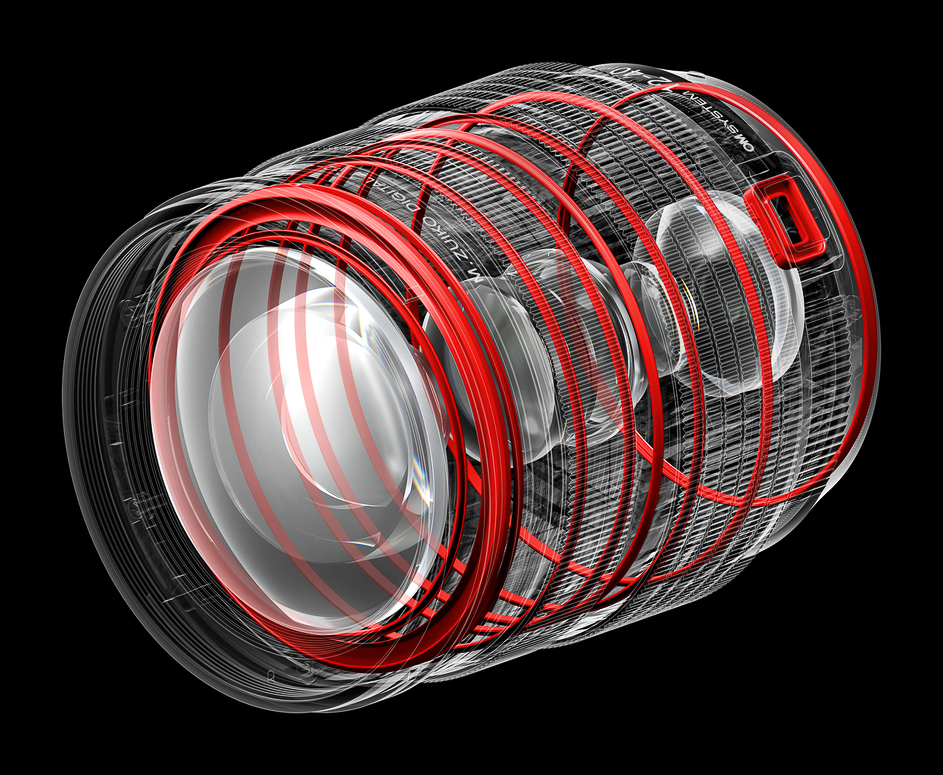
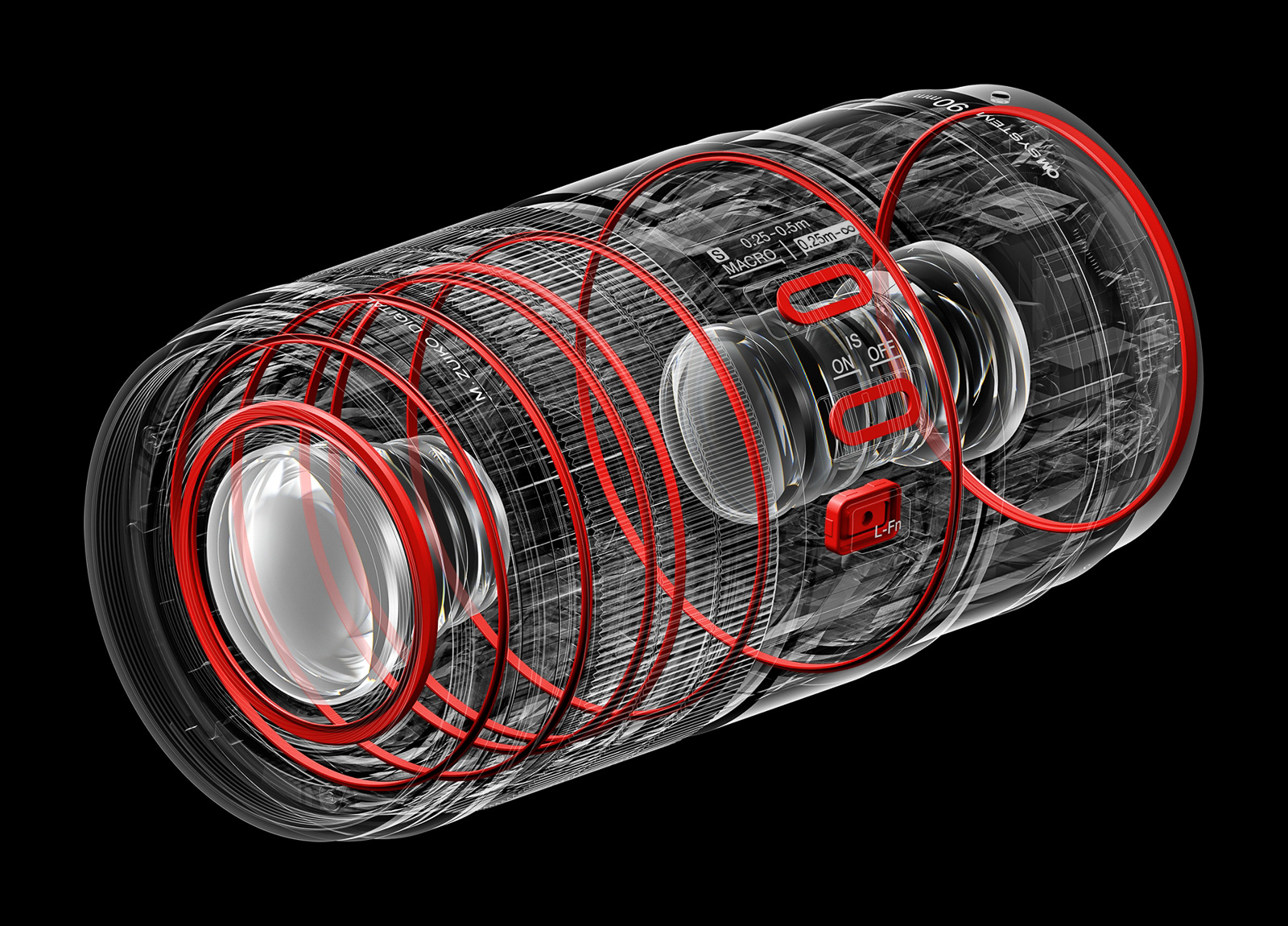
Combining ultra-fast macro focusing and Sync IS, as well as class-leading dust and splash-proofing, OM System’s new 90mm macro lens is aimed at both professional photographers working in all weathers and conditions, and those amateurs who seek same benefits.
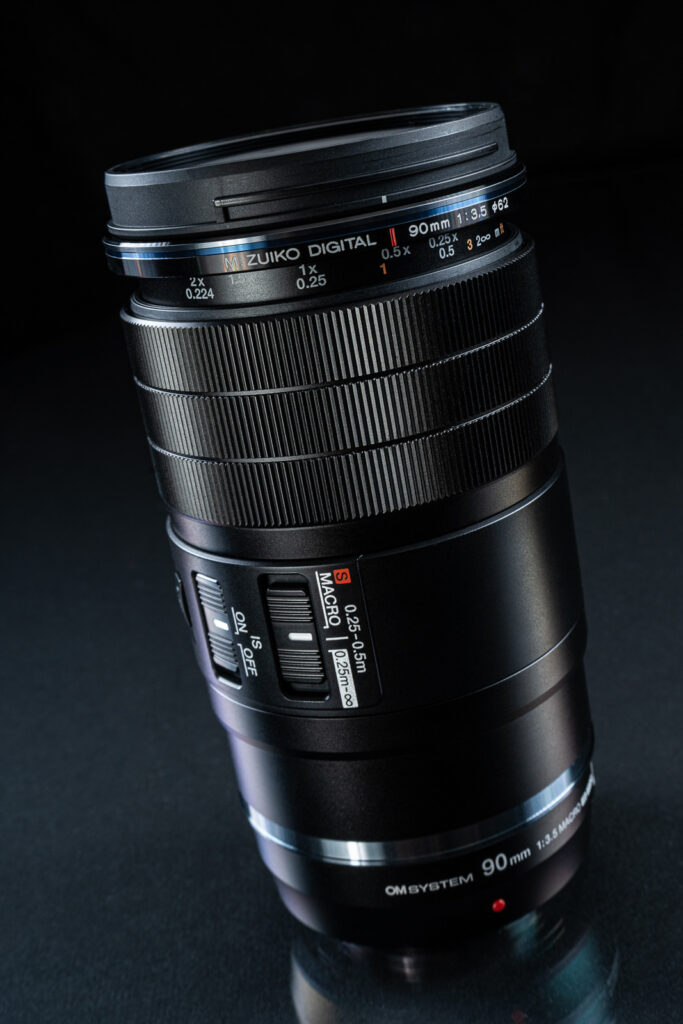
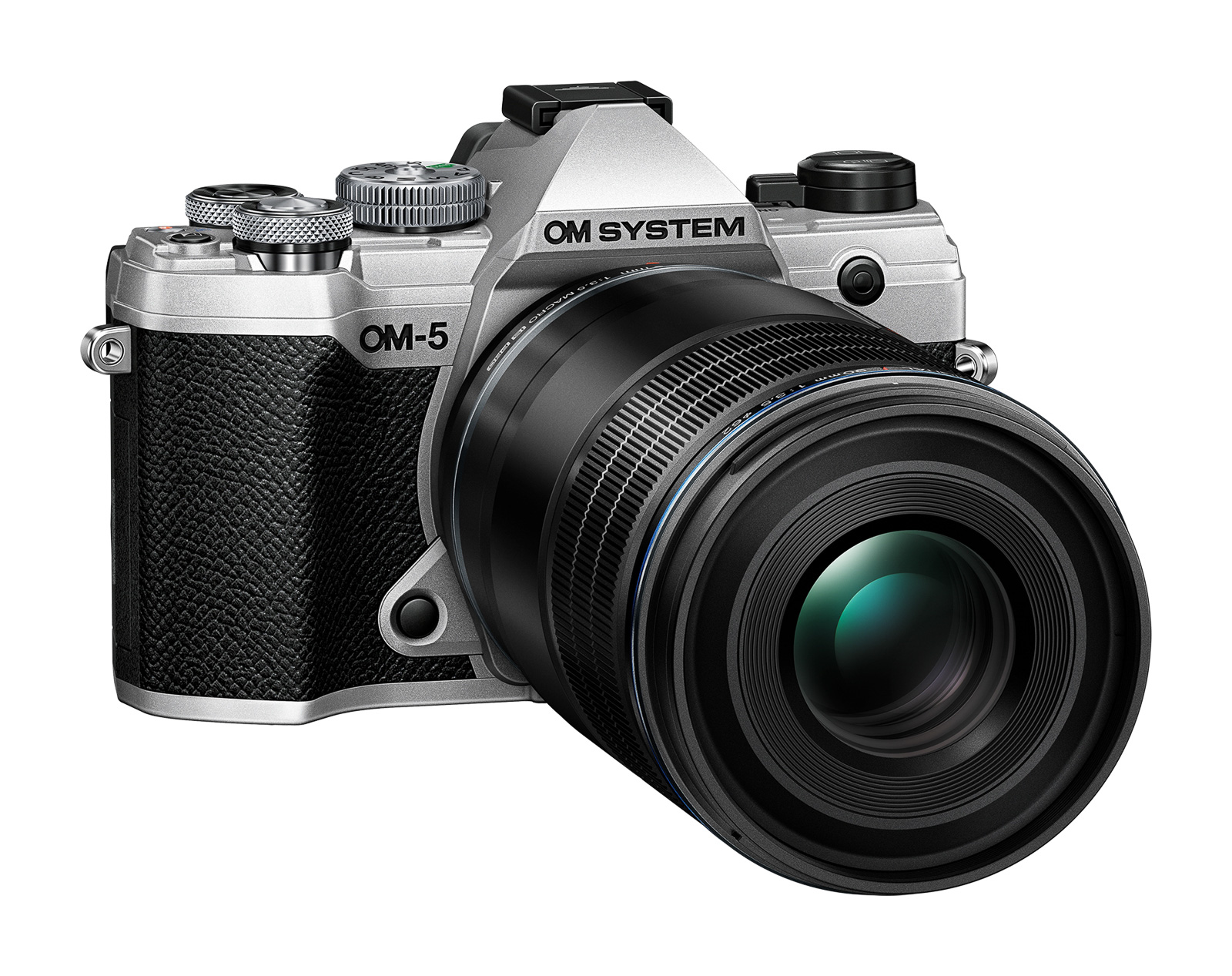
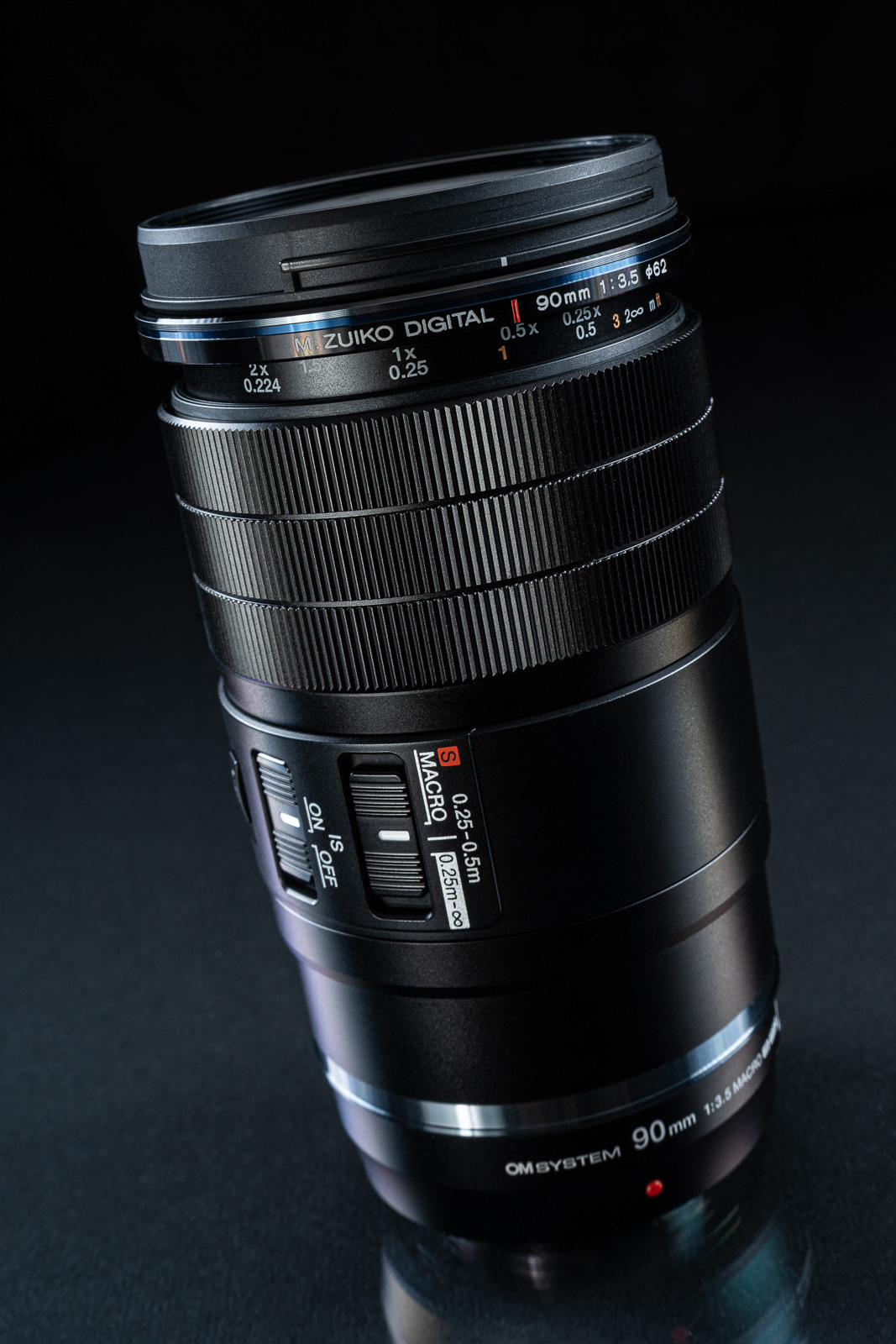
OM System m.Zuiko ED Digital 90mm f/3.5 IS Pro macro lens

Key features:

  • At closest focus you get 2:1 (2x life size) subject reproduction on the sensor.
  • Closest focus (2:1) is achieved at a distance of 0.224m.
  • Compatibility with OM System’s MC-14 (1.4x) and MC-20 (2x) converters, delivers up to 4x life-size reproduction on the sensor.
  • A Micro Four Thirds sensor, being smaller than a full frame sensor, fills the frame twice as much at the same magnification when compared to an equivalent FF macro lens; 2x magnification with the 90mm macro is like 4x on FF.
  • Fast auto and manual focusing, with an instant focus clutch for the latter.
  • Compatibility with Olympus and OM System camera bodies that include in-camera high-speed focus bracketing and focus stacking modes.
  • Up to 7 EVs of shutter speed compensation via integrated lens optical image stabilisation (OIS) and tandem (Sync IS) camera body sensor-shift image stabilisation (IS).
  • Fluorine-coated front element for significantly more effective clearing of water droplets in damp conditions.
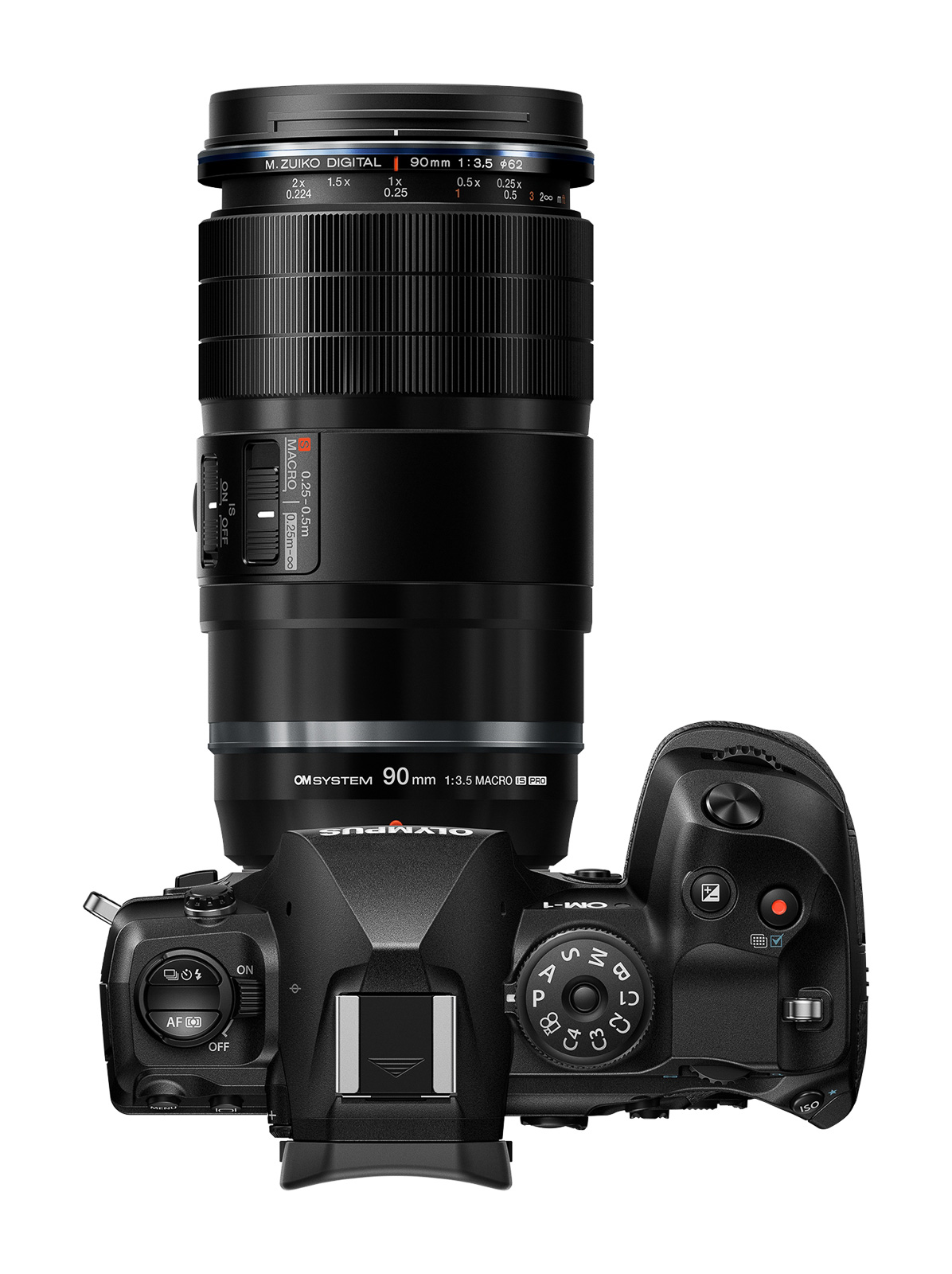
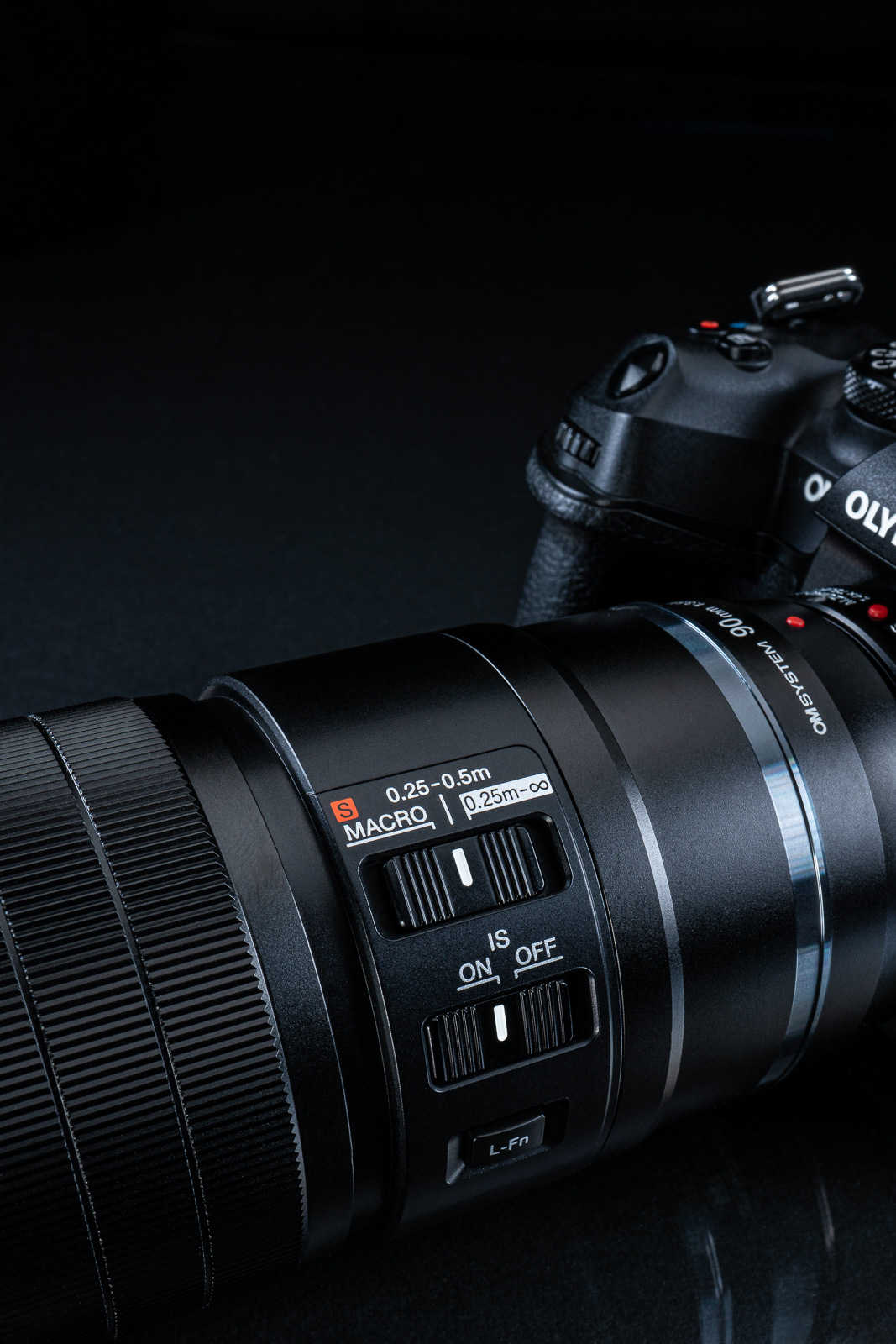
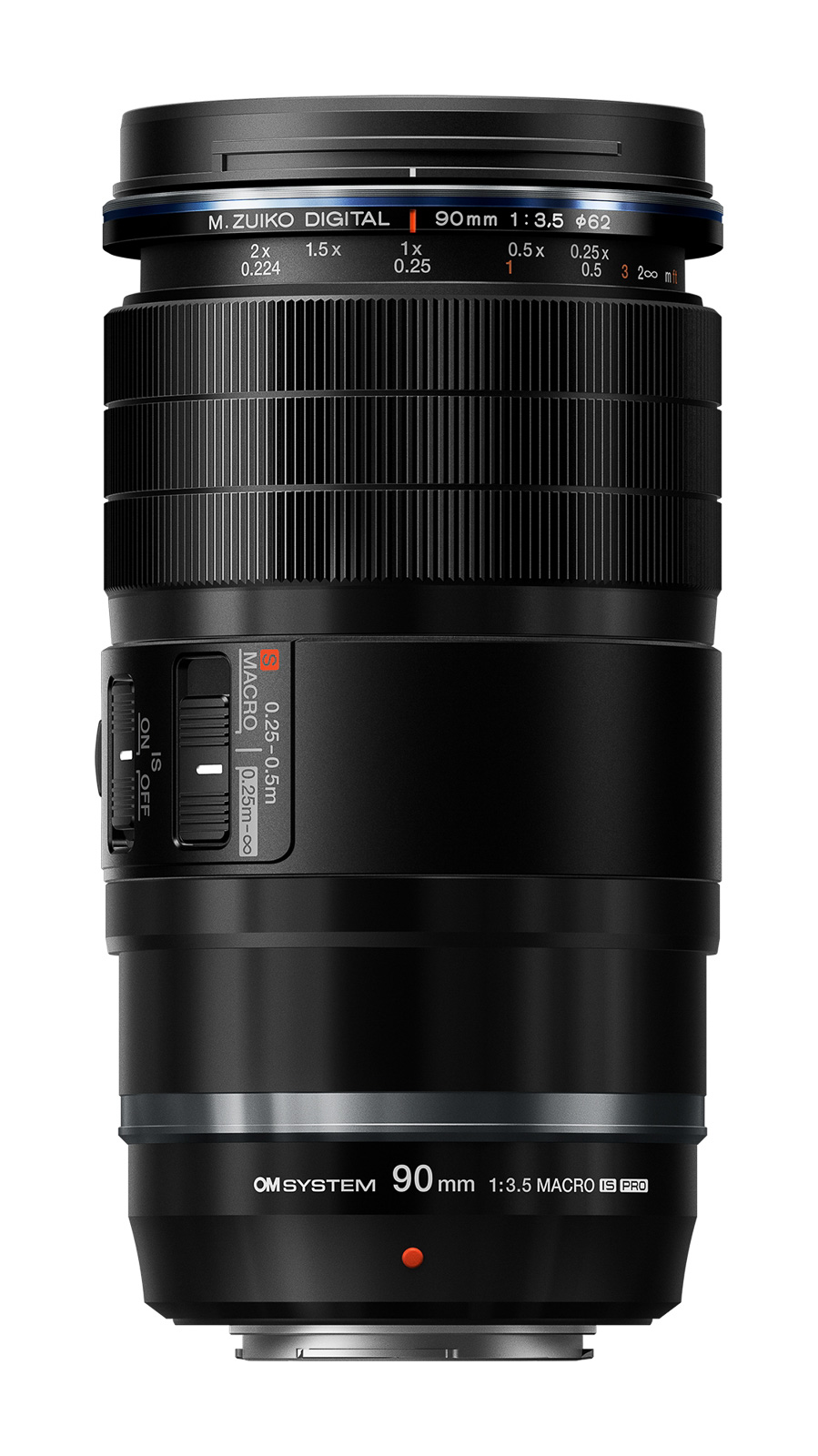
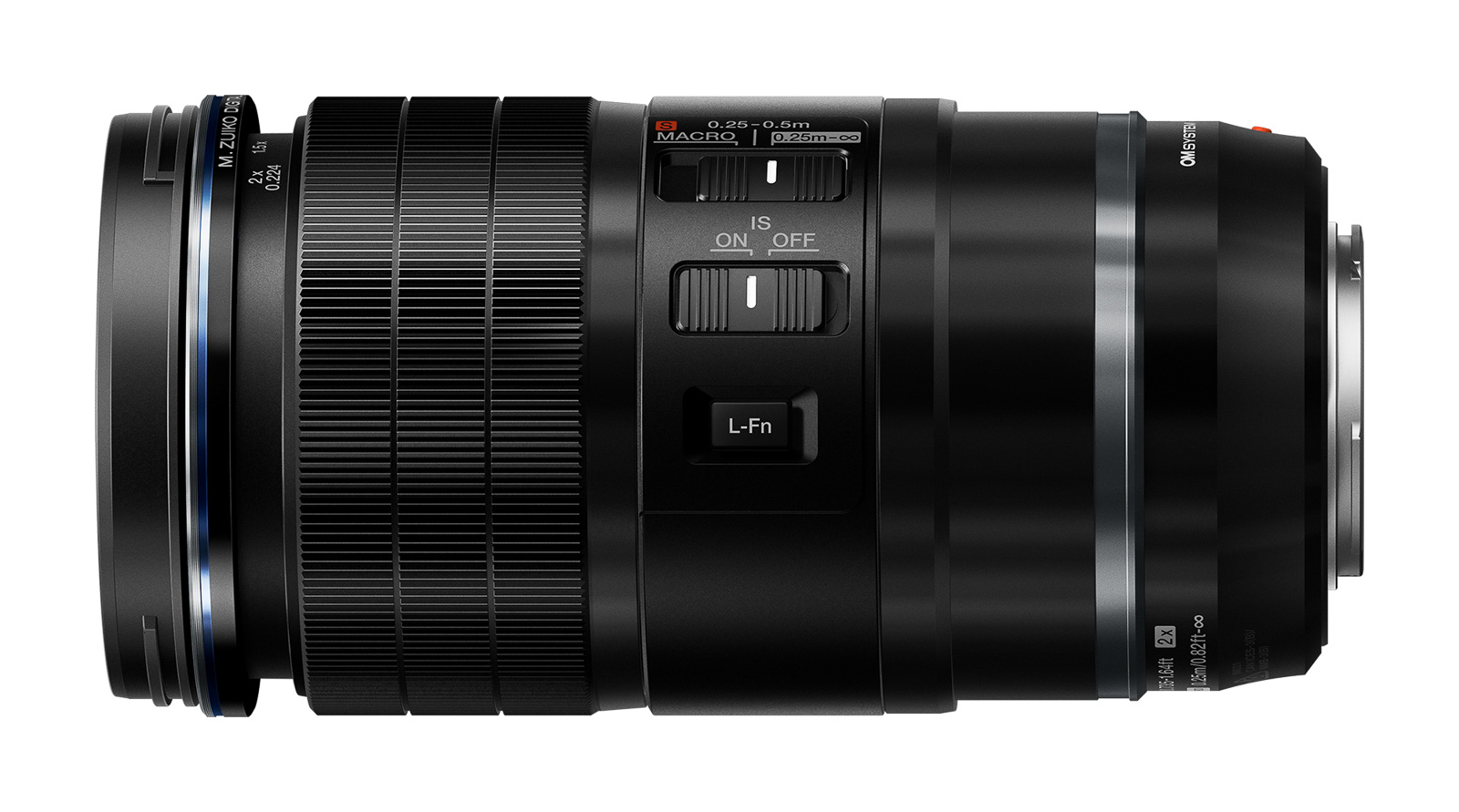
  • On-lens control switches for infinity/mid-range focus limiting and Macro mode (S), IS on/off, and programmable L-Fn button.
  • The 90mm macro lens is also suitable for use as a conventional short telephoto (180mm FF equivalent) lens.
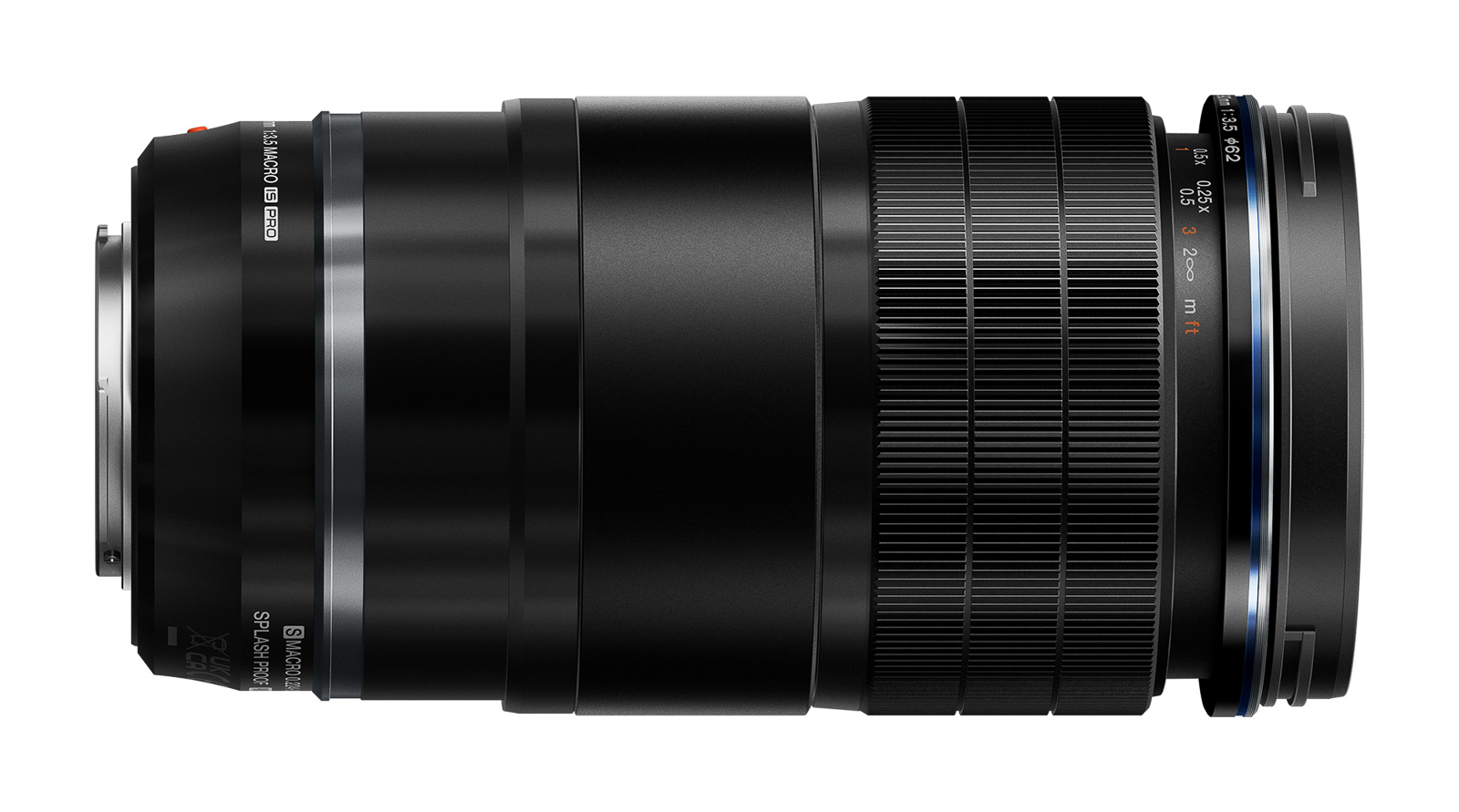
  • IP53 dust and moisture sealing.
  • Available from the end of February (Europe) and early March (North America) – UK price £1299 (€1499 in Europe and $1499 in the US)
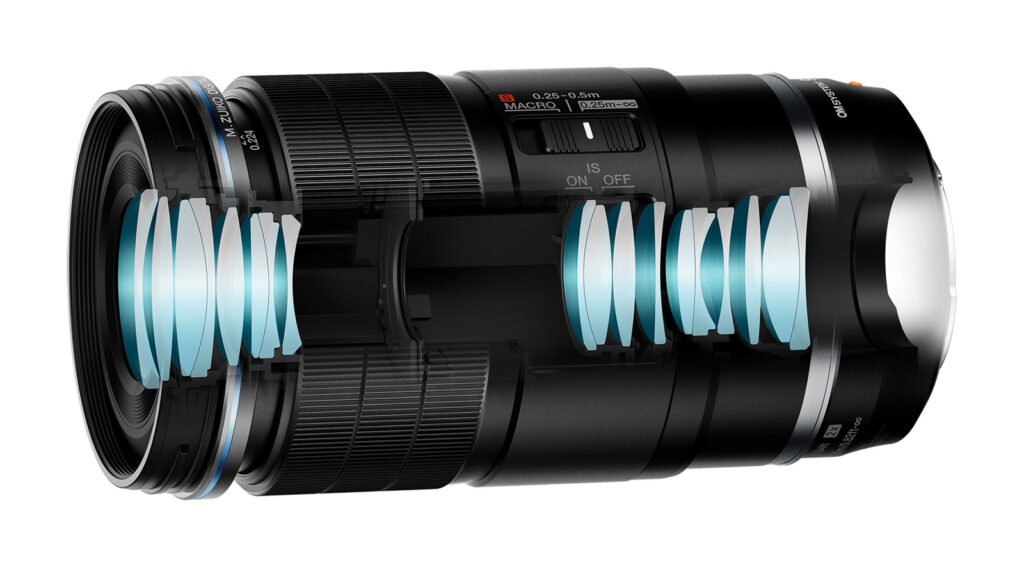
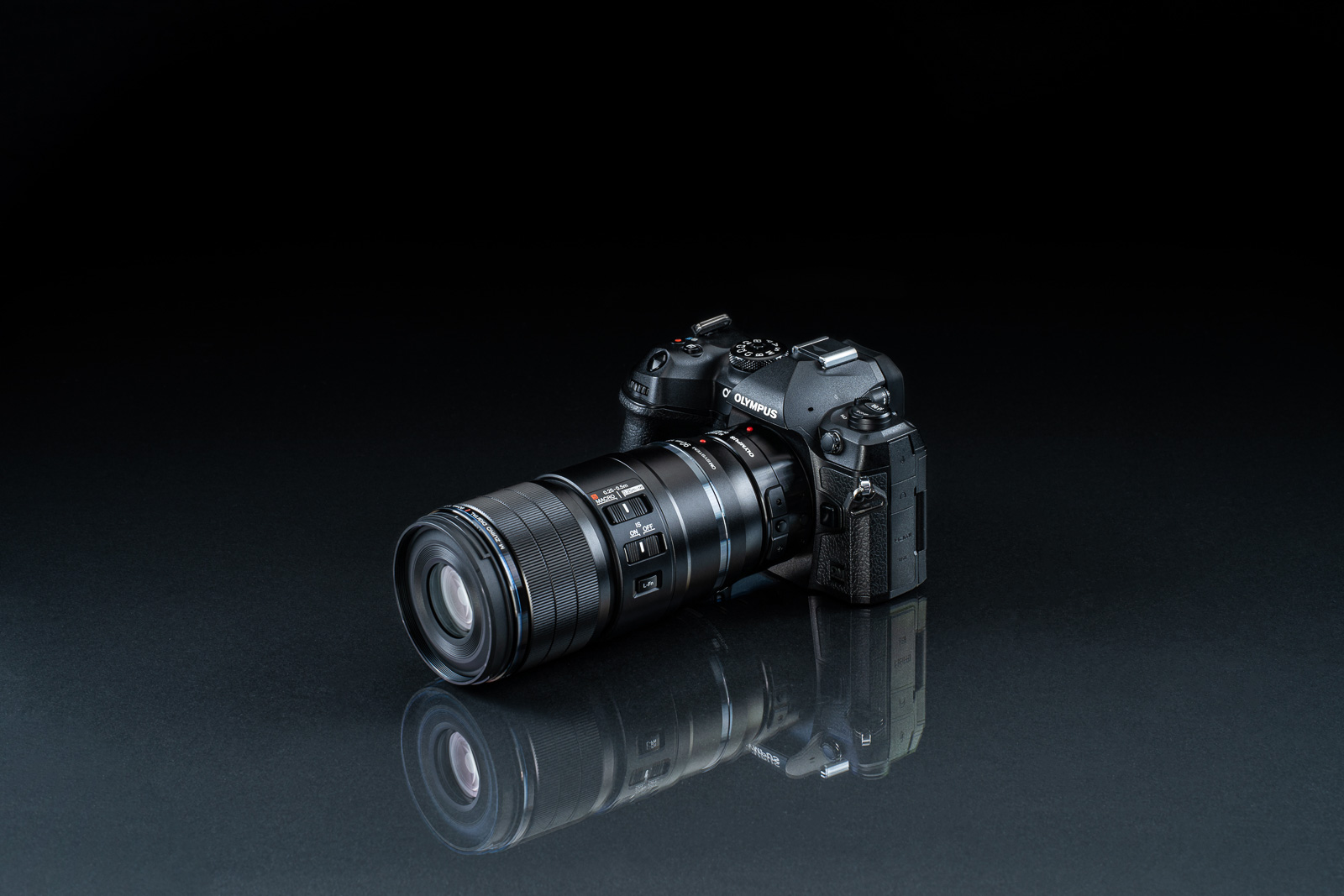
OM System m.Zuiko ED Digital 90mm f/3.5 IS Pro macro lens

Compared to the m.Zuiko 60mm macro

The familiar and more affordable m.Zuiko 60mm f.2.8 macro lens gets you down to a maximum 1:1 subject reproduction, at a focusing distance of 0.19m. At the same magnification the distance is 0.25m for the 90mm lens.

Dimensions

The non-extending lens barrel is 136mm in length and 69.8mm wide. Its weight is 453g and it takes 62mm filters. OM System points out that few other macro lenses can deliver 2:1 reproduction without extension tubes, while the new 90mm macro is also one of the lightest lenses in its field.

Accessories

An LH-66E lens hood and CS-53 wrapping cloth are included in the box. The lens fits the optional LSC-0914 pouch case, and the lens is also compatible with the STF-8 Macro twin flash system.

Summary

Above all, the m.Zuiko ED Digital 90mm f/3.5 IS Pro macro lens is aimed squarely at a photographer who wants to travel light, probably without a tripod, and shoot without being overly concerned about the weather. At the same time the lens, by default, can magnify subjects by 2x and this can increase to 4x with the optional MC-20 converter. Real-time focus bracketing and stacking complete the picture. And when this lens isn’t being used for macro, it becomes a convenient short telephoto, complete with a focus limiter, if required. Having instantly available manual focusing (which can also be range limited) thanks to the familiar m.Zuiko manual/auto focus clutch system, is the icing on the cake.

Product image gallery
Posted on

A look at IP ratings for dust and water resistance in cameras and lenses

Right from the original Olympus E-1 back in 2003, Olympus has specialised in high-performance environmental sealing of its premium model system cameras. There are plenty of anecdotes that testify to the reliability of Olympus camera body and lens environmental sealing to keep dust and water at bay. But it’s only relatively recently that Olympus and, now, OM System have included an industry standard rating in their product specifications.

Most recent camera bodies and lenses that are deemed ‘dust and splash-proof’ have been rate to the IPX1 level standard. The latest OM-5 and some recent lenses are rated to IP53. ‘IPX1’ may, superficially, sound more impressive than ‘IP53’ but the latter is a more demanding level to attain. So, just what do IPX1 and IP53 mean?

To start with ‘IP’ mean Ingress Protection. ‘IP’ is the prefix in an Ingress Protection code that is defined by the International Electrotechnical Commission (IEC), a widely recognised international technical standards body.

An IP code has two suffix values. The first is a single character that relates to ‘solid particle protection’. The second value can be up to two characters and relates to ‘liquid ingress protection’.

Both suffix values can have an ‘X’ rating. This, basically, means that there is no information provided to meet any protection rating. You could say a rating of IPXX means the item rated has no protection against solid particle or liquid ingress. In practice, it might also mean that the product has not been tested to provide evidence that it passes a protection rating – even though it may have functioning protection.

IPX1

Olympus has used the IPX1 rating in its product specifications for lenses and camera bodies that feature environmental sealing for several years. But as described above, the ‘X’ means that the product is unrated for solid particle protection. We all know that Olympus sealed bodies and lenses since 2003 are pretty effective at resisting the ingress of dust, which is a recognised form of solid particle. So we can only assume that Olympus didn’t bother undergoing the required testing for this part of the IP rating.

After the X, comes ‘1’. This means the product resists the ingress of water dripping onto it. More precisely: “Dripping water (vertically falling drops) shall have no unsafe effect on the specimen when mounted in an upright position onto a turntable and rotated at 1 RPM.” The test simulates one millimetre of rainfall per minute over a duration of ten minutes.

IP53

With the new OM-1 and OM-5 camera bodies launched by OM System, and several of its new lenses, the IP specification is now IP53.

The ‘5’ means the product is ‘Dust protected’ but this is one down from the ‘6’ rating of ‘Dust-tight’. Rating 5 means: “Ingress of dust is not entirely prevented, but it must not enter in sufficient quantity to interfere with the safe operation of the equipment.”

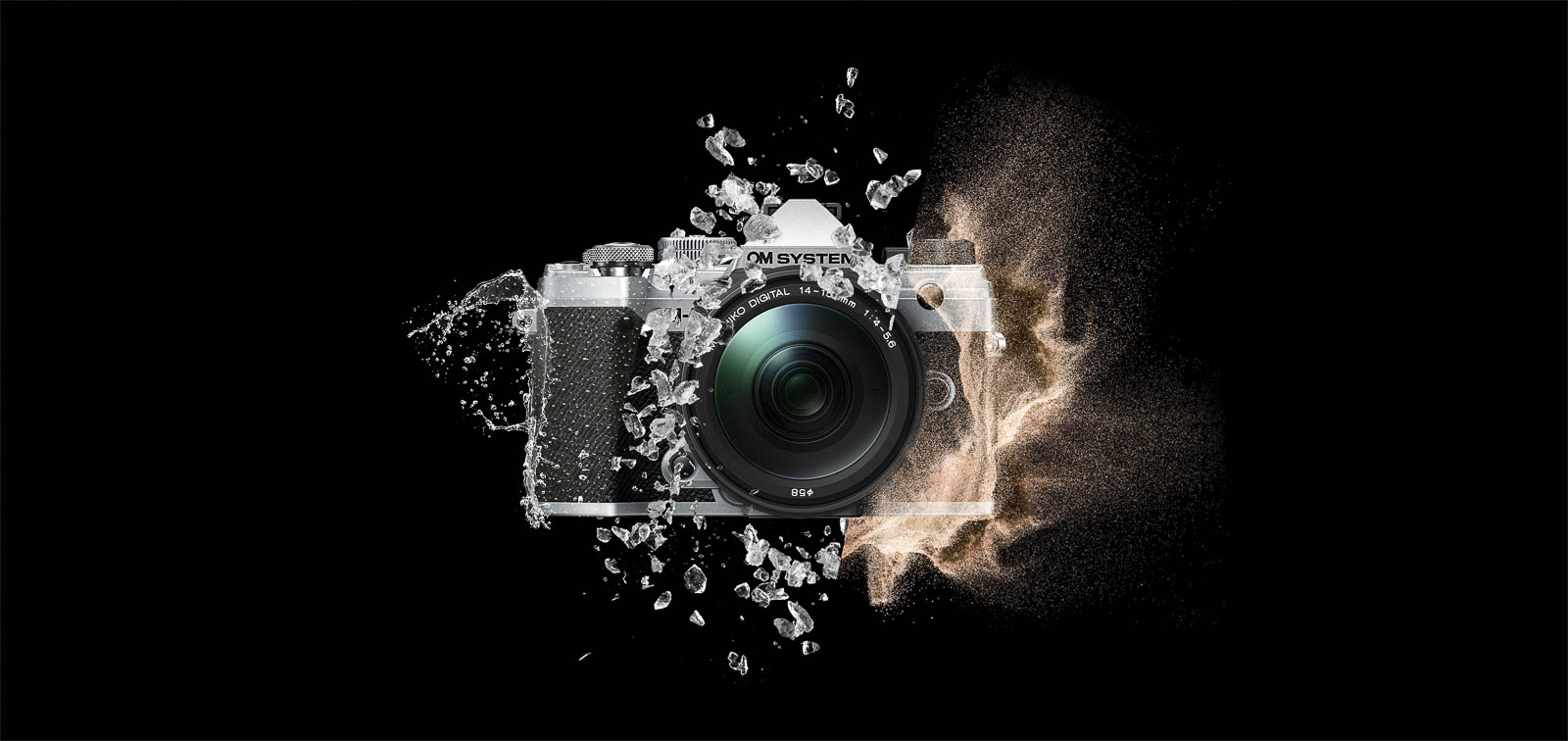
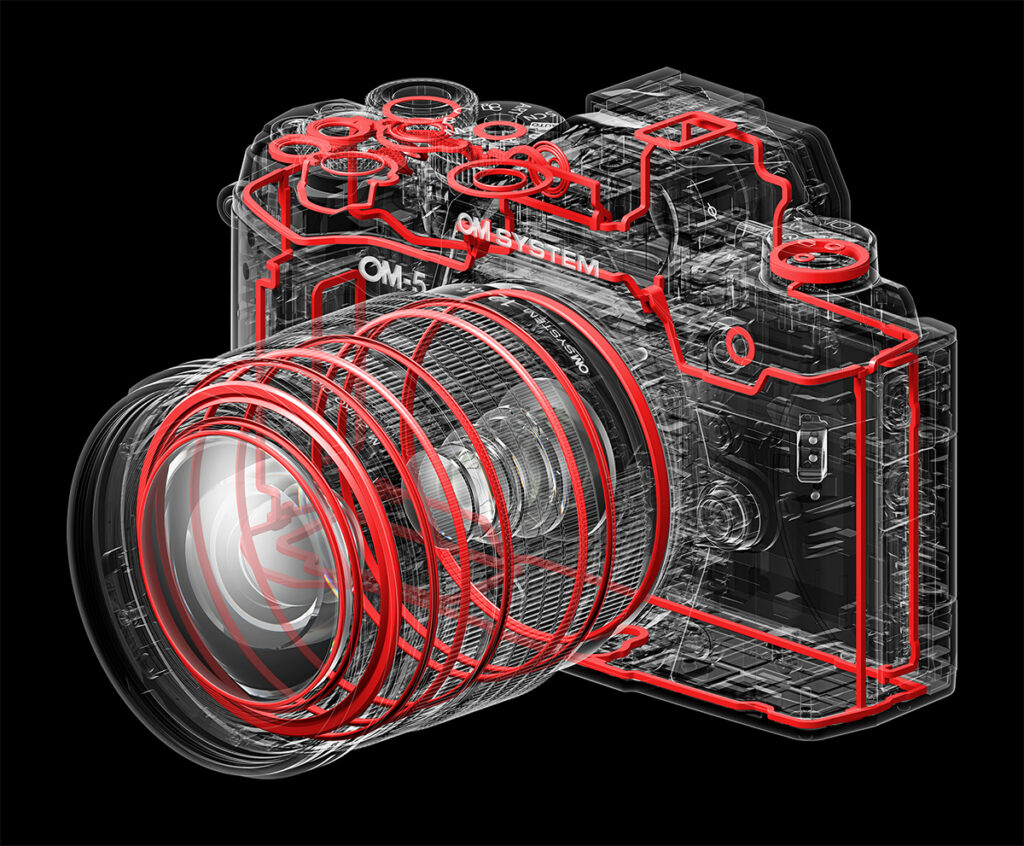
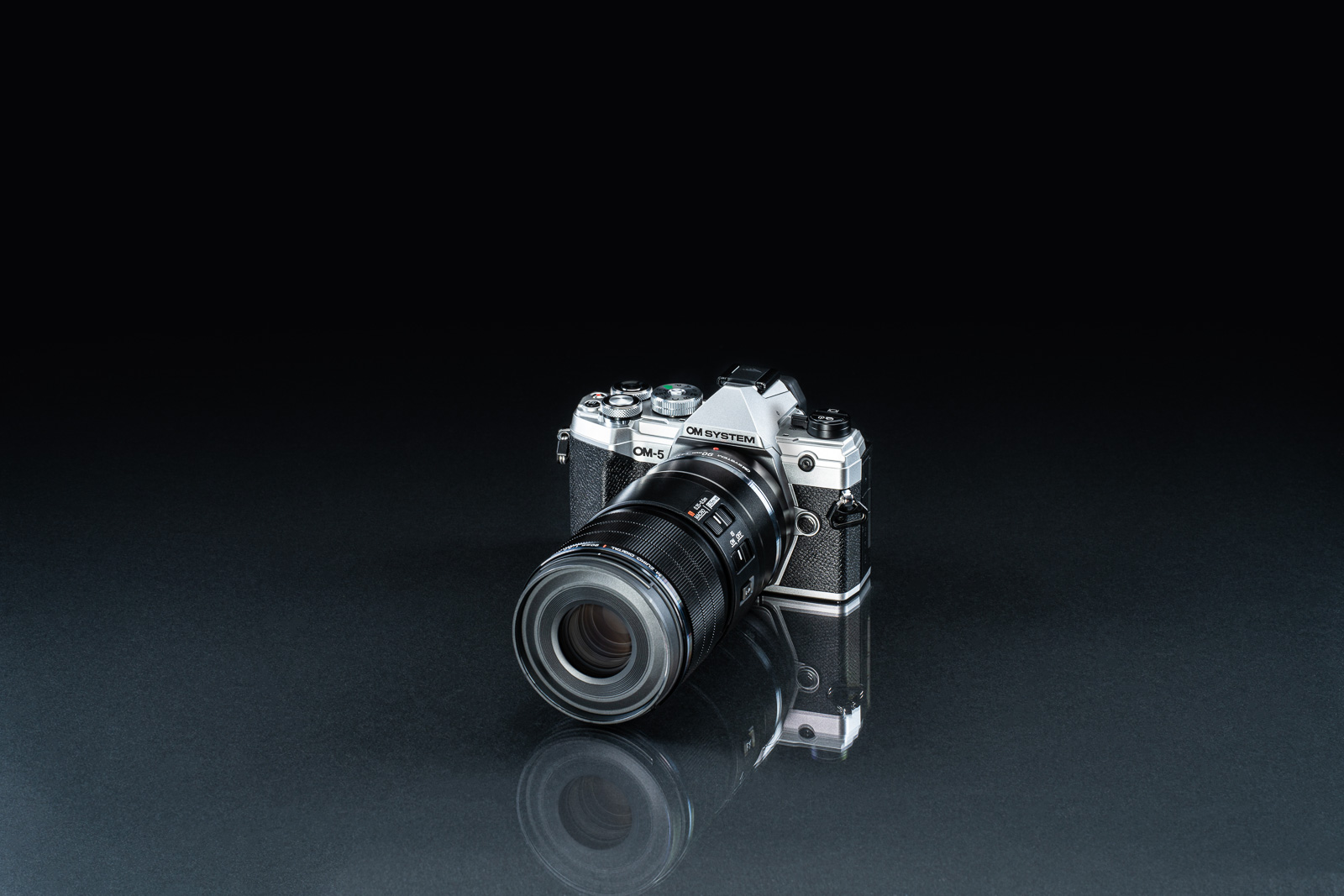
OM System OM-5 and 12-45mm f/4 Pro sealing

The second value, ‘3’, means that there is protection that can cope with water spraying onto the product. Interestingly, the next number up the protection performance ratings (4) refers to splash-resistance. It seems that neither Olympus, nor OM System have yet achieved this level of IP rating for water resistance, despite the widespread talk of ‘splash-resistant’ bodies and lenses.

The test regime to achieve a ‘3’ for liquid ingress is: “Water falling as a spray at any angle up to 60° from the vertical shall have no harmful effect, utilizing either: a) an oscillating fixture, or b) A spray nozzle with a counterbalanced shield. Test a) is conducted for 5 minutes, then repeated with the specimen rotated horizontally by 90° for the second 5-minute test. Test b) is conducted (with shield in place) for 5 minutes minimum.”

Better sealing or simply more testing?

It’s not clear whether the new OM-5 body, which shares an almost identical chassis with its predecessor, the Olympus E-M5 Mark III, has physically improved environmental sealing or not, despite having a superior IP53 rating compared to IPX1. It could simply mean that the product was submitted for, and passed, tougher tests to earn the superior rating.

Nevertheless, IP53 is a tangible and realistic affirmation of long-held claims by Olympus and, now, OM System. Interestingly, I found it difficult to find IP ratings in the specifications of other brand pro-spec cameras, even though these cameras do claim to be dust and water resistant.