Posted on

Goodbye Olympus OM-1, hello OM System OM-1 Mark II

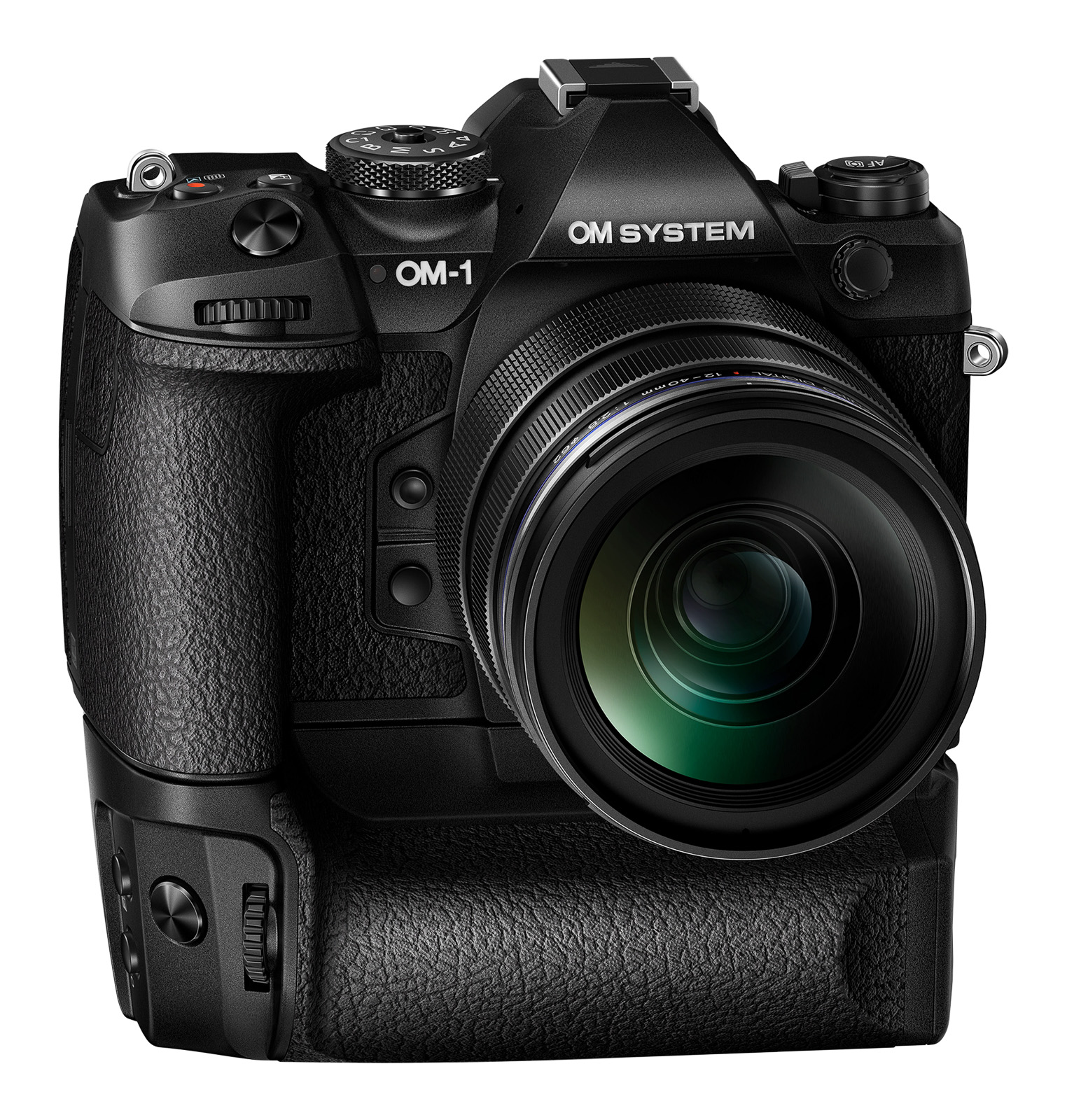
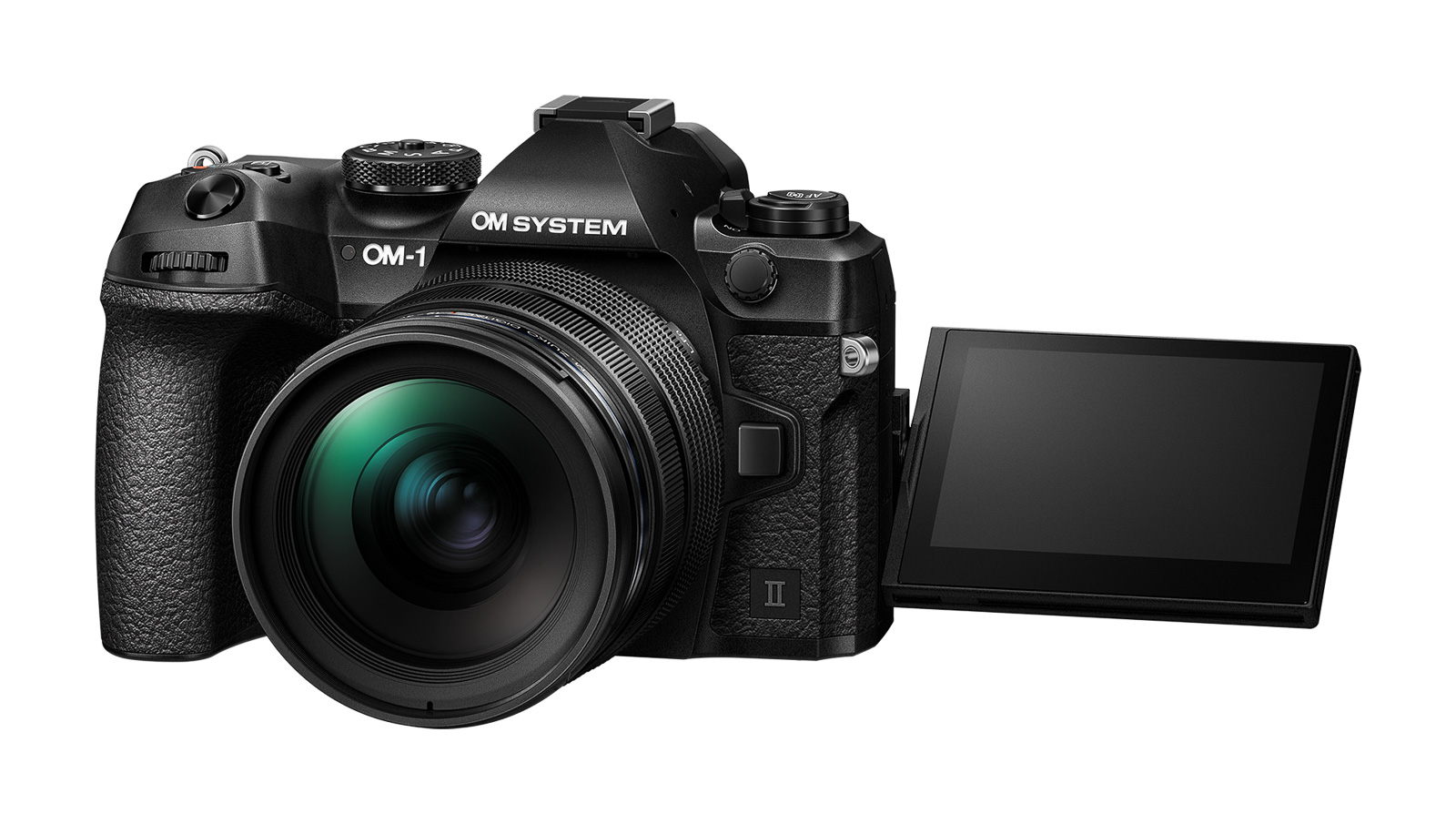
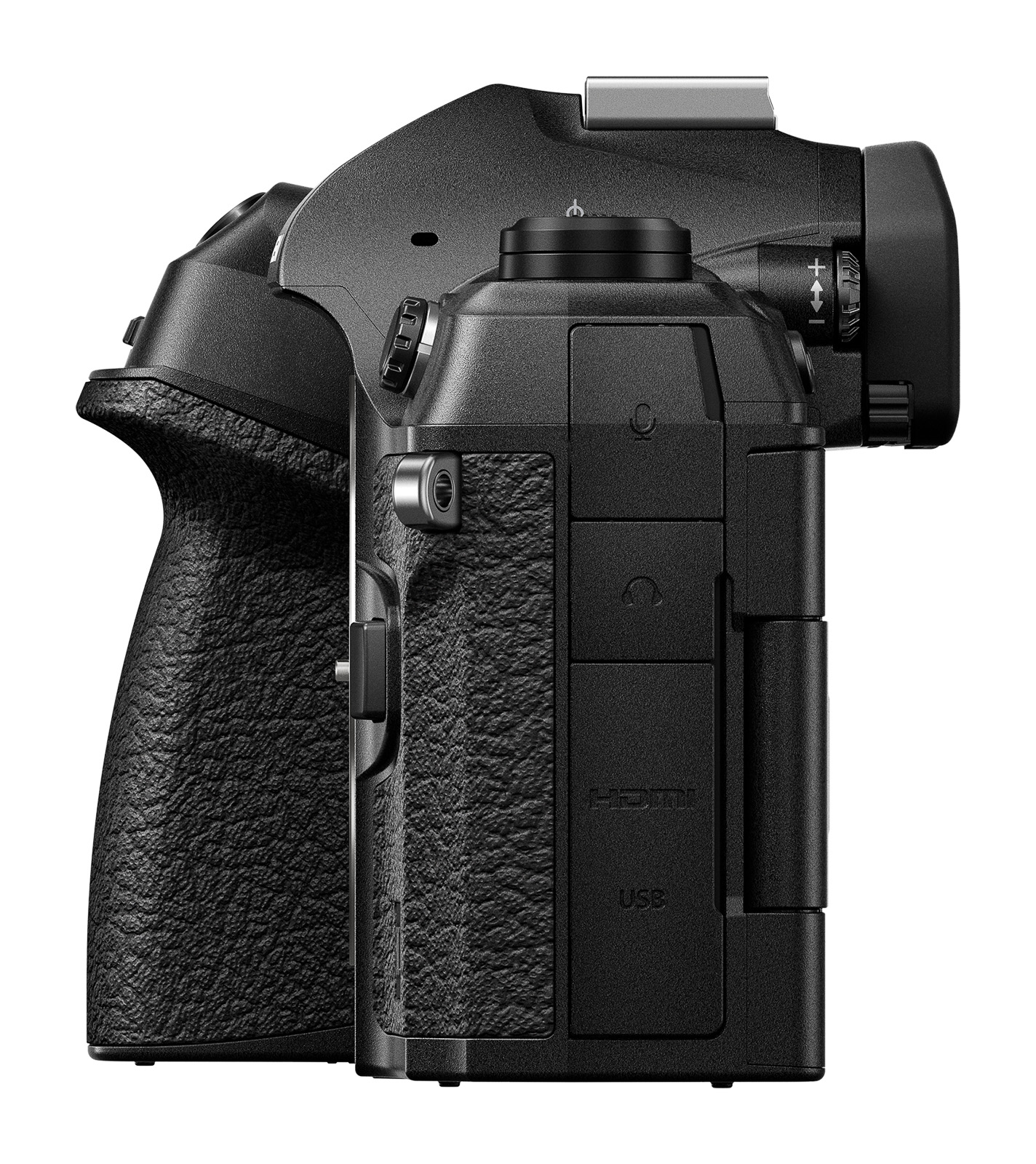
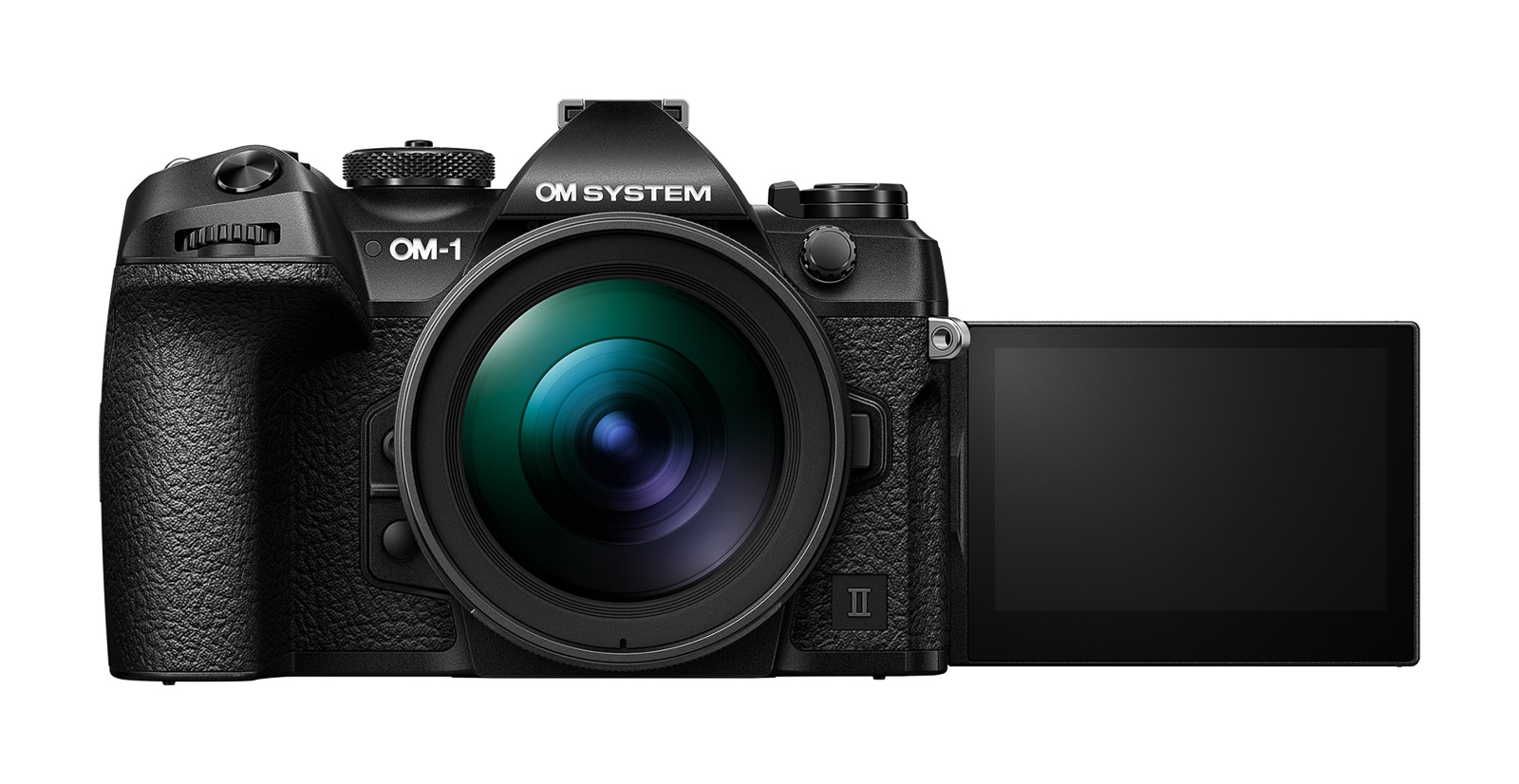
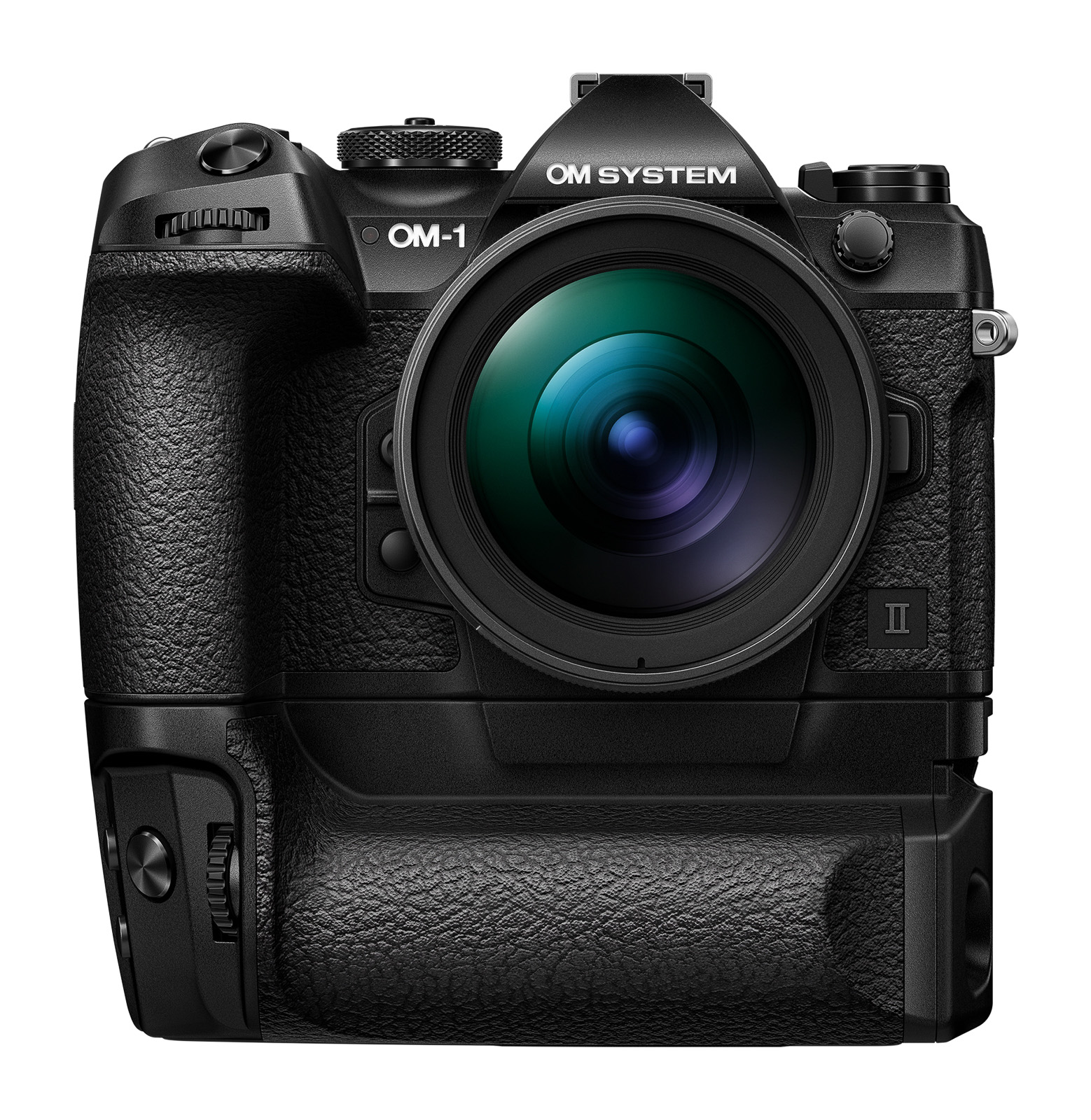
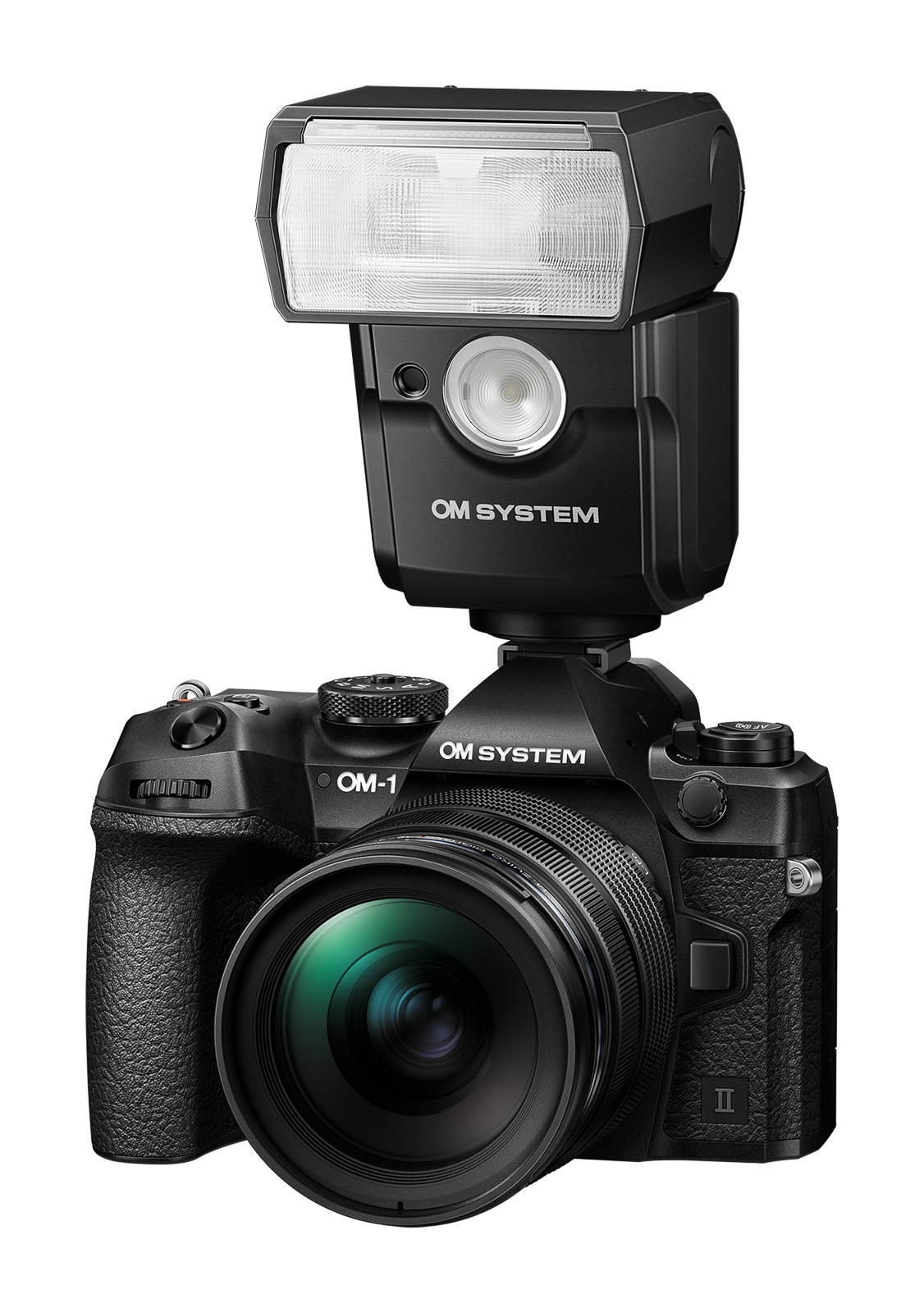
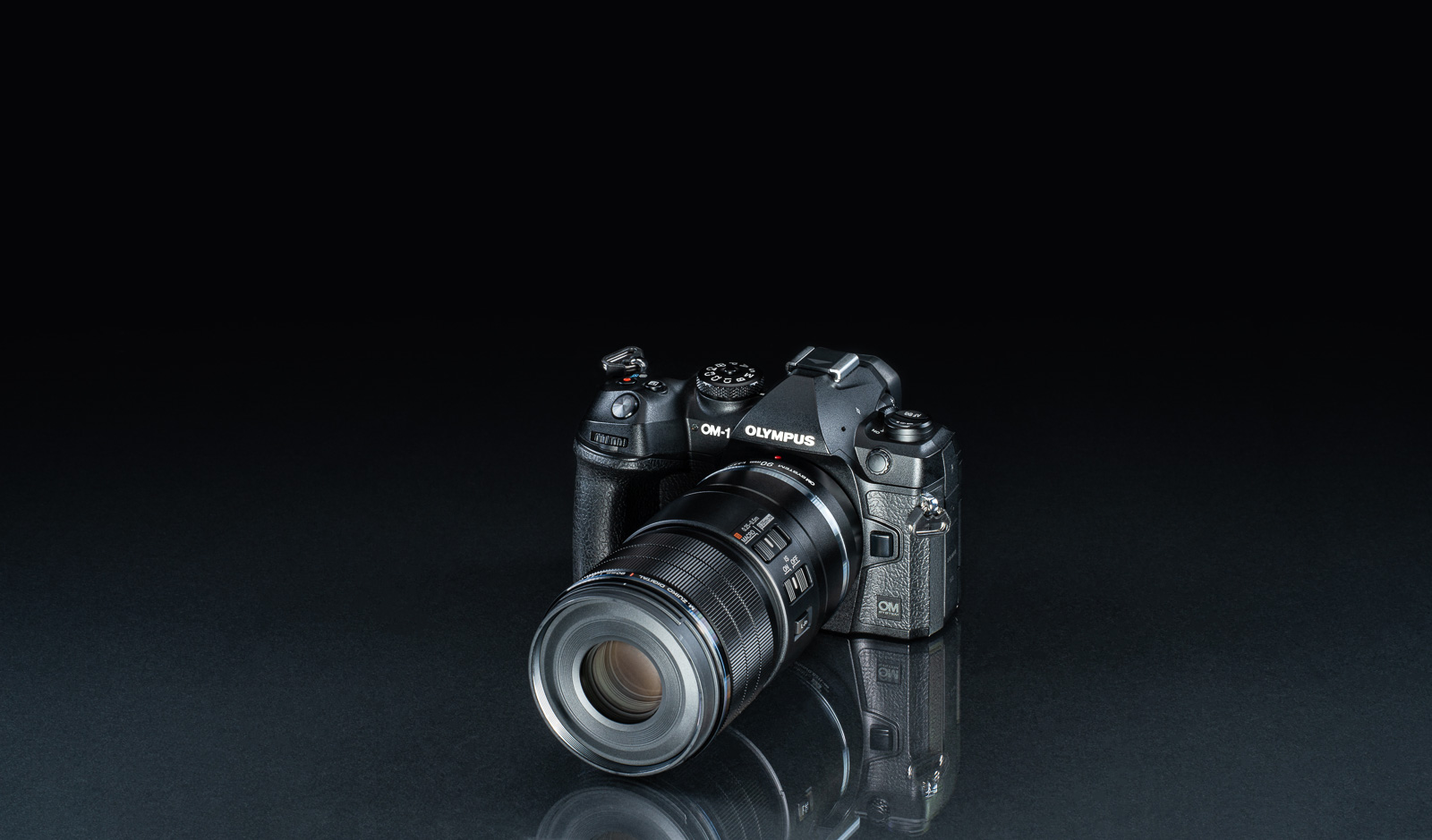
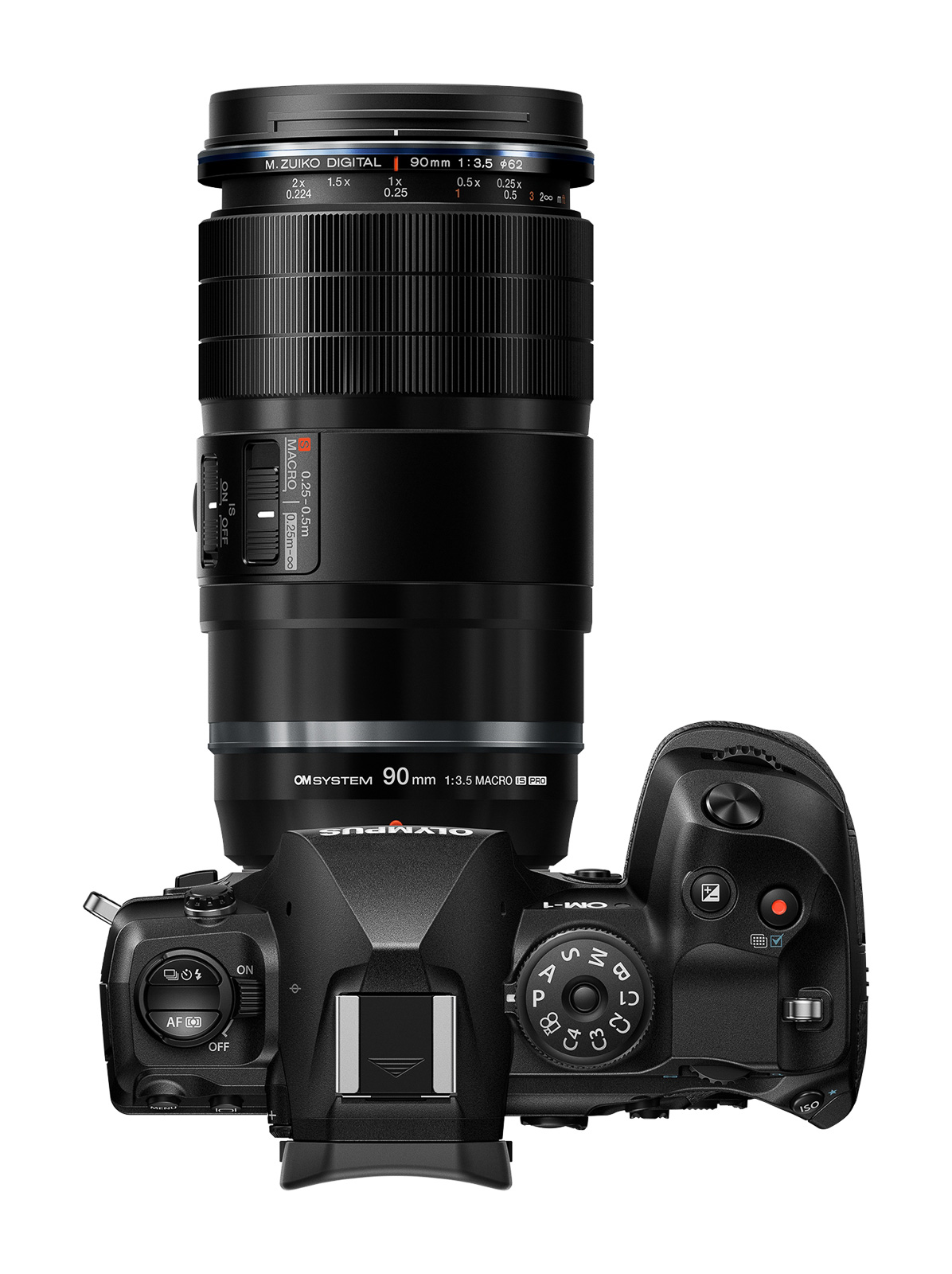
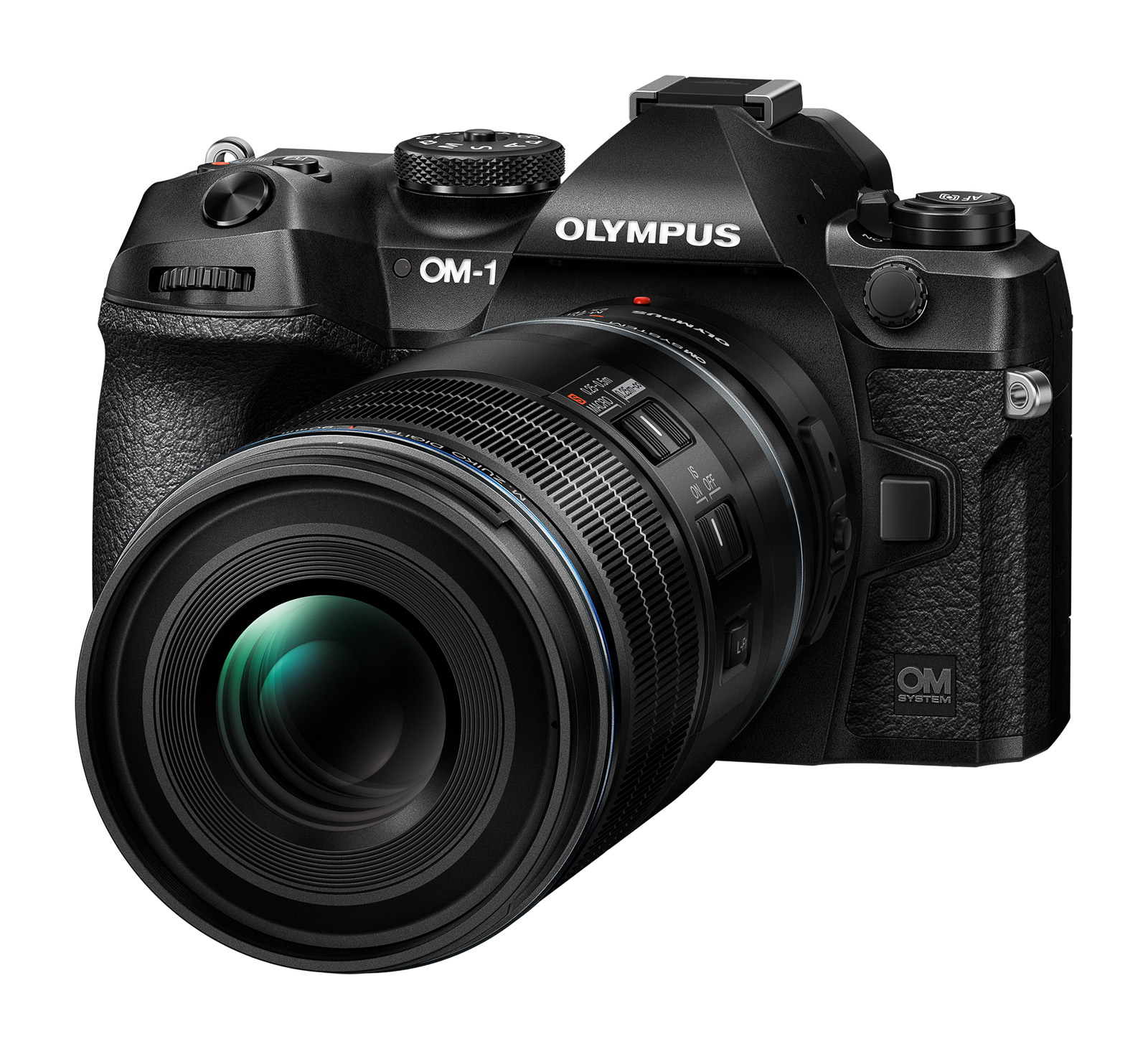
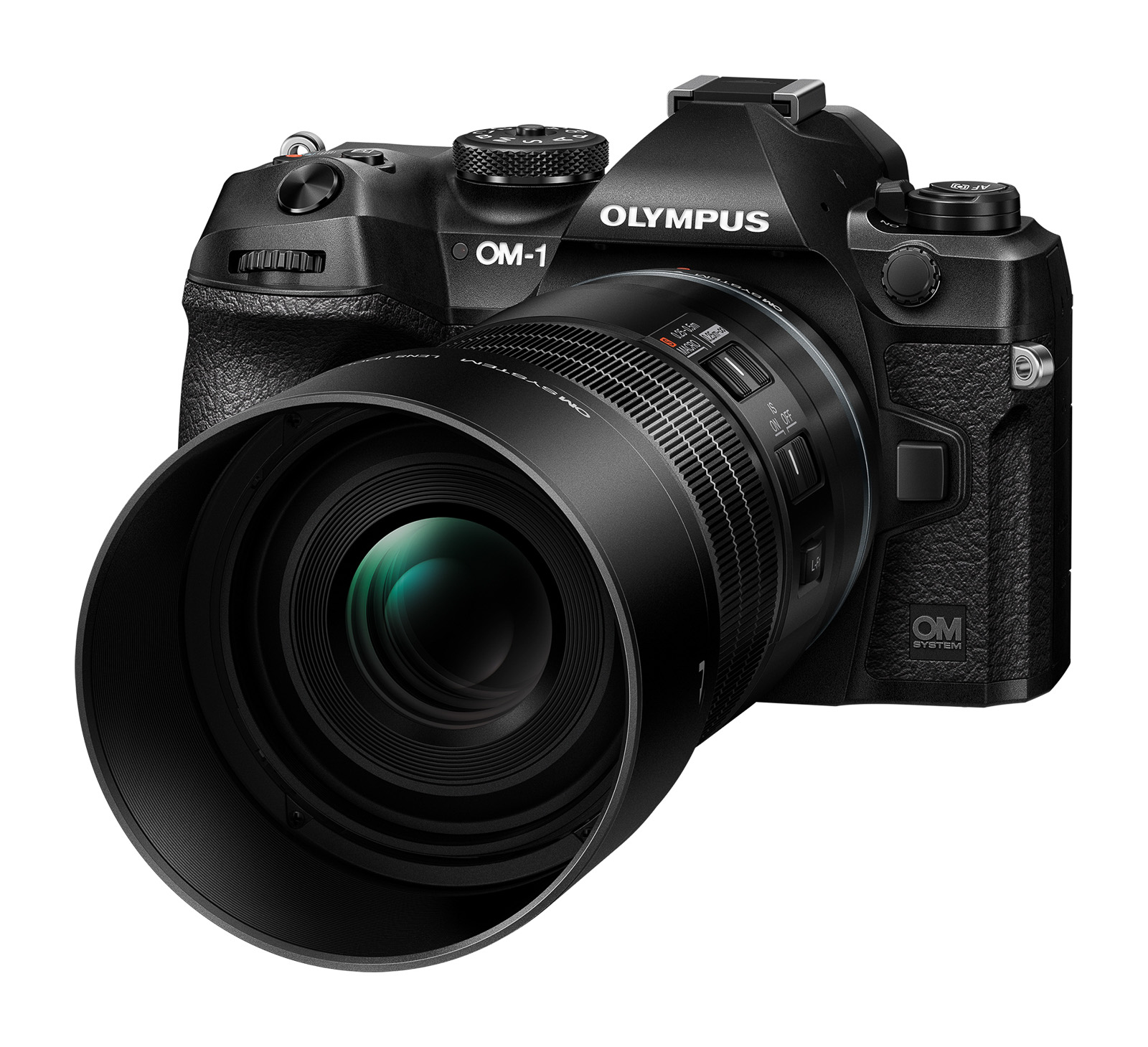
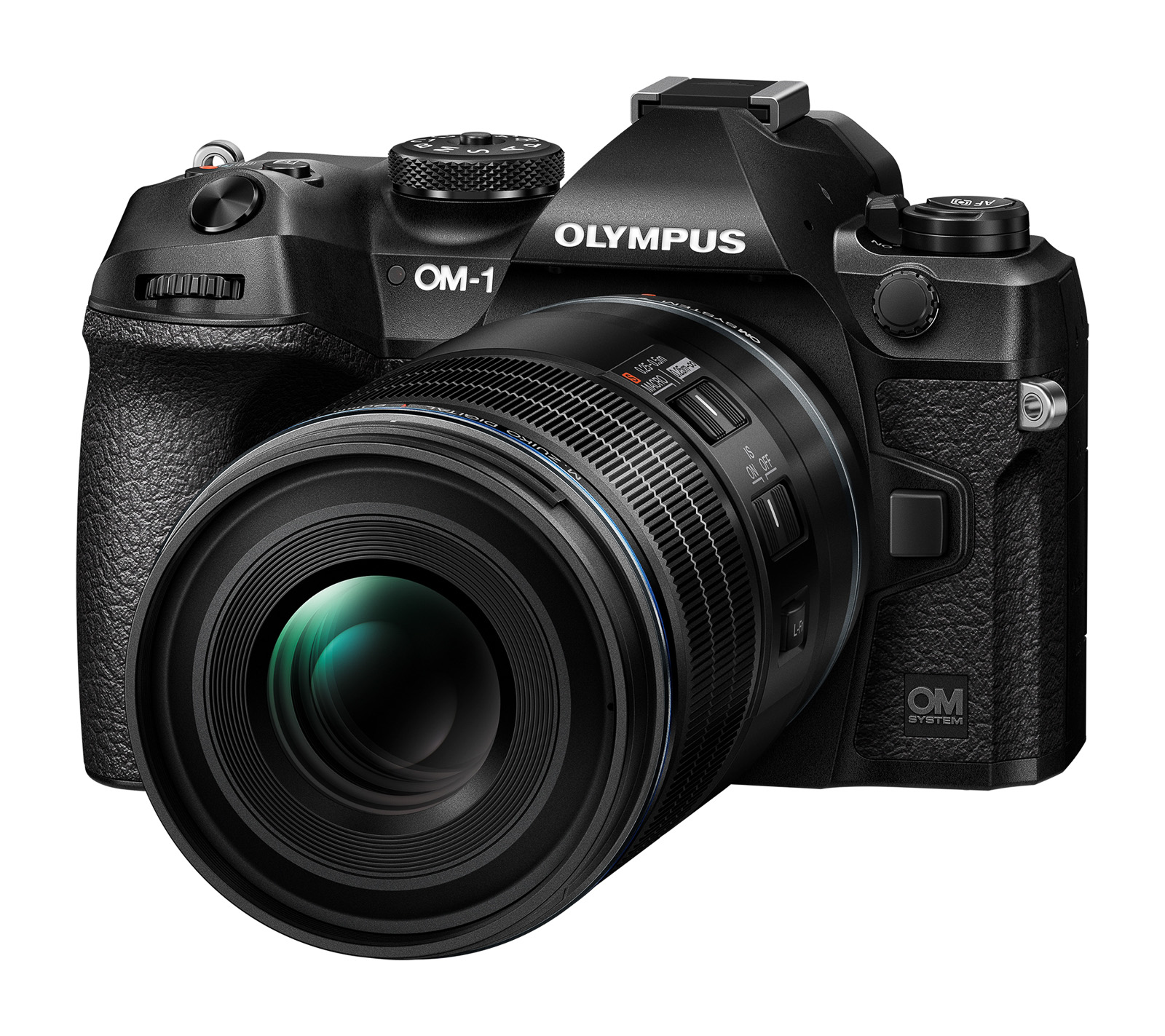
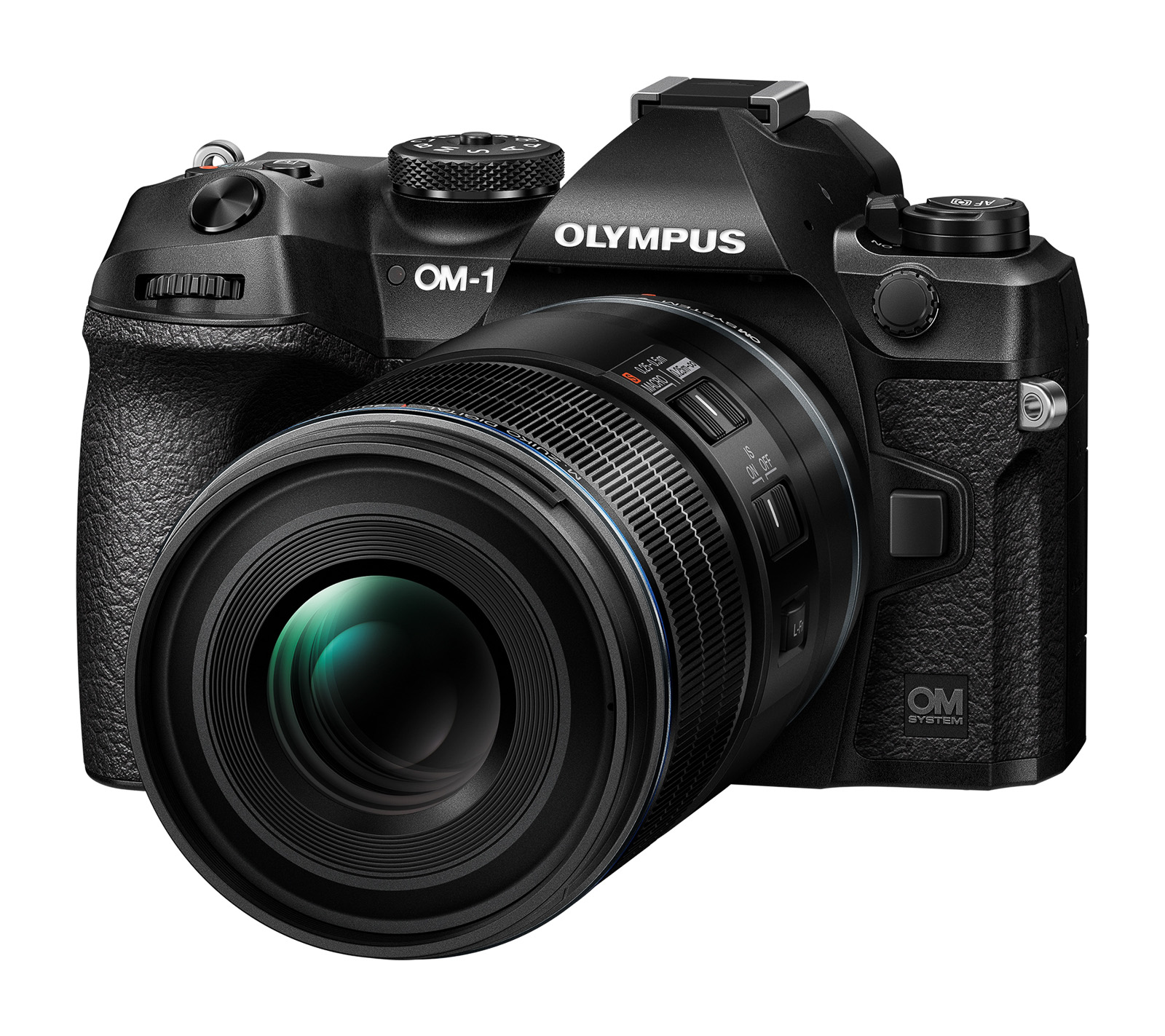
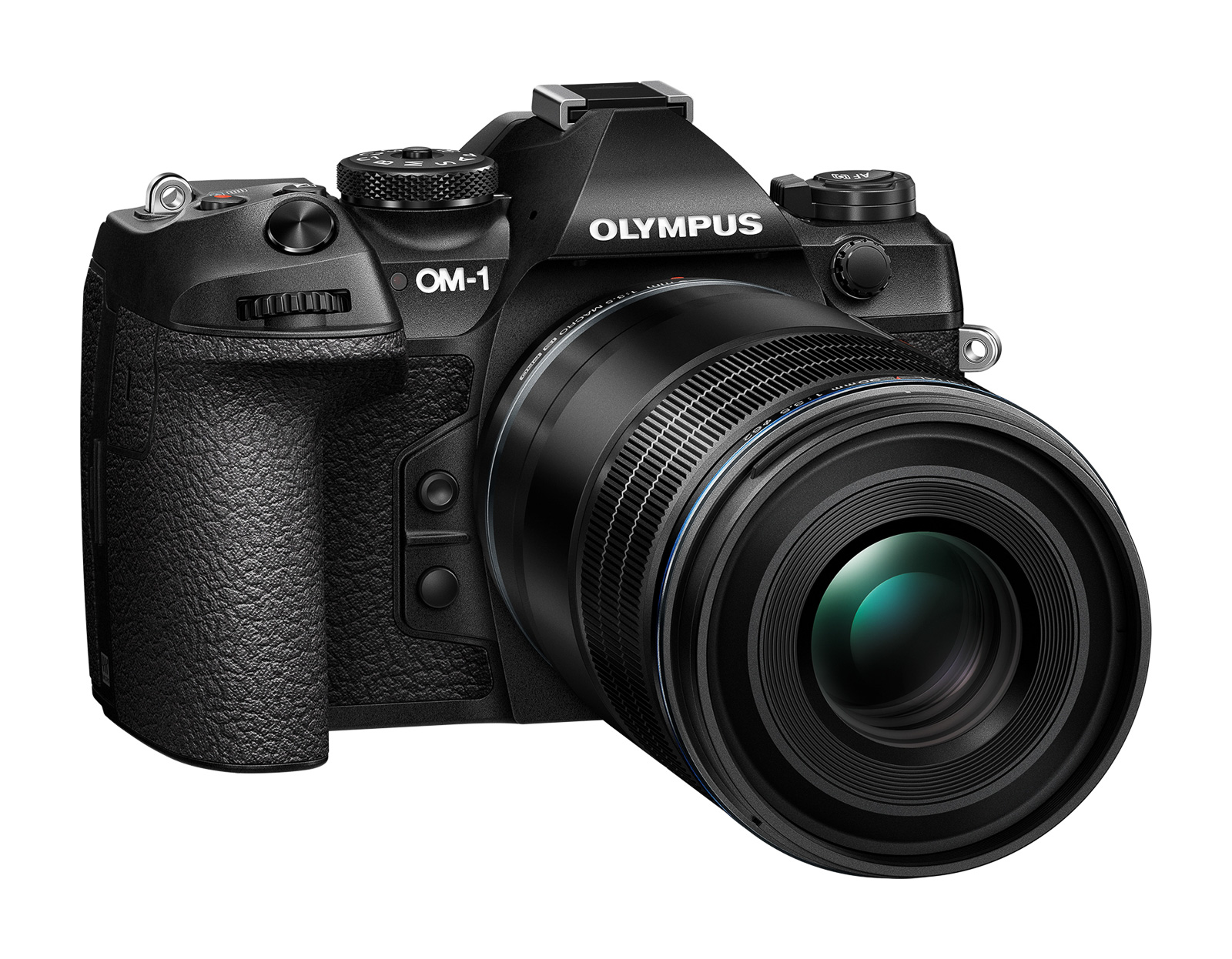
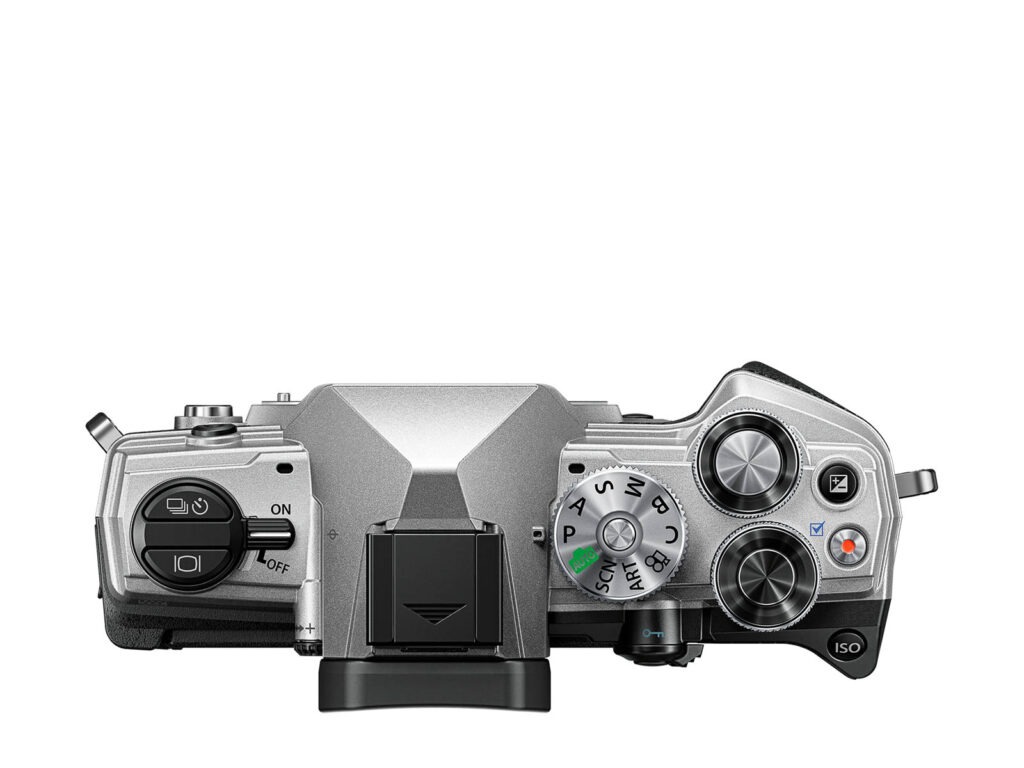
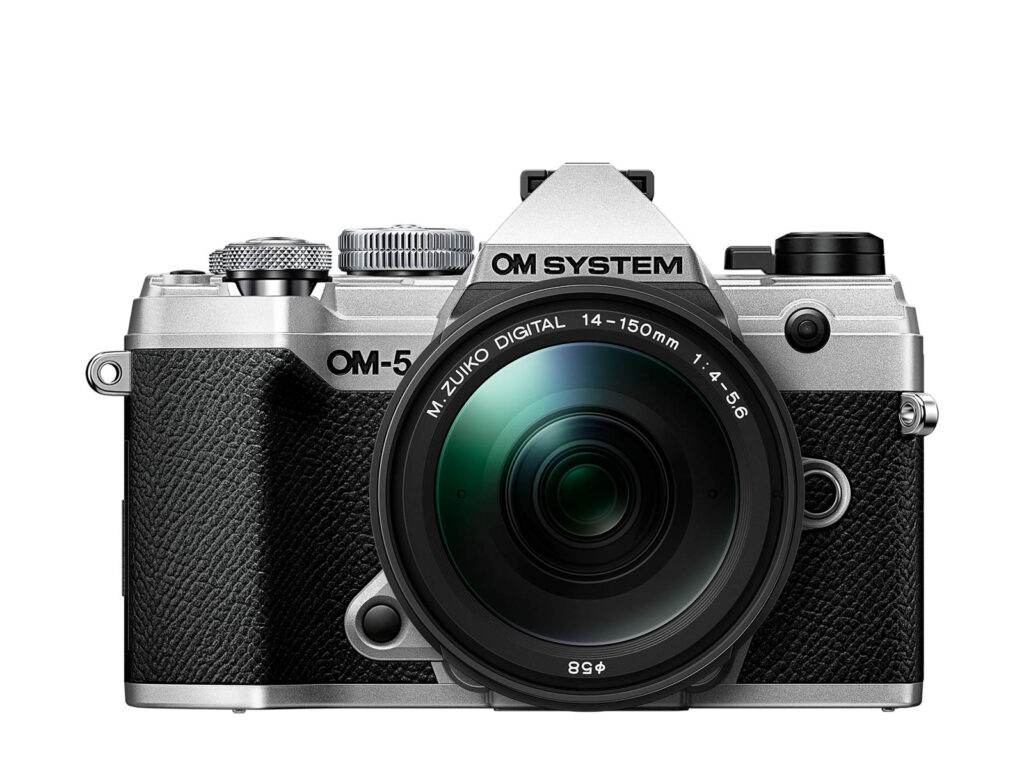
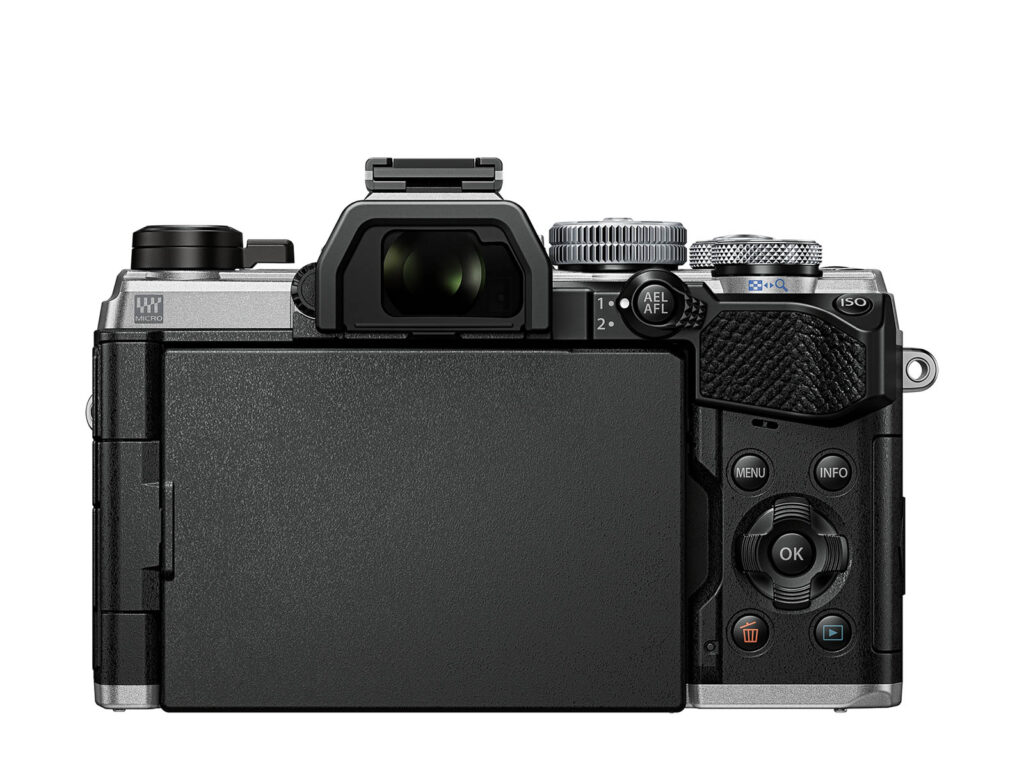
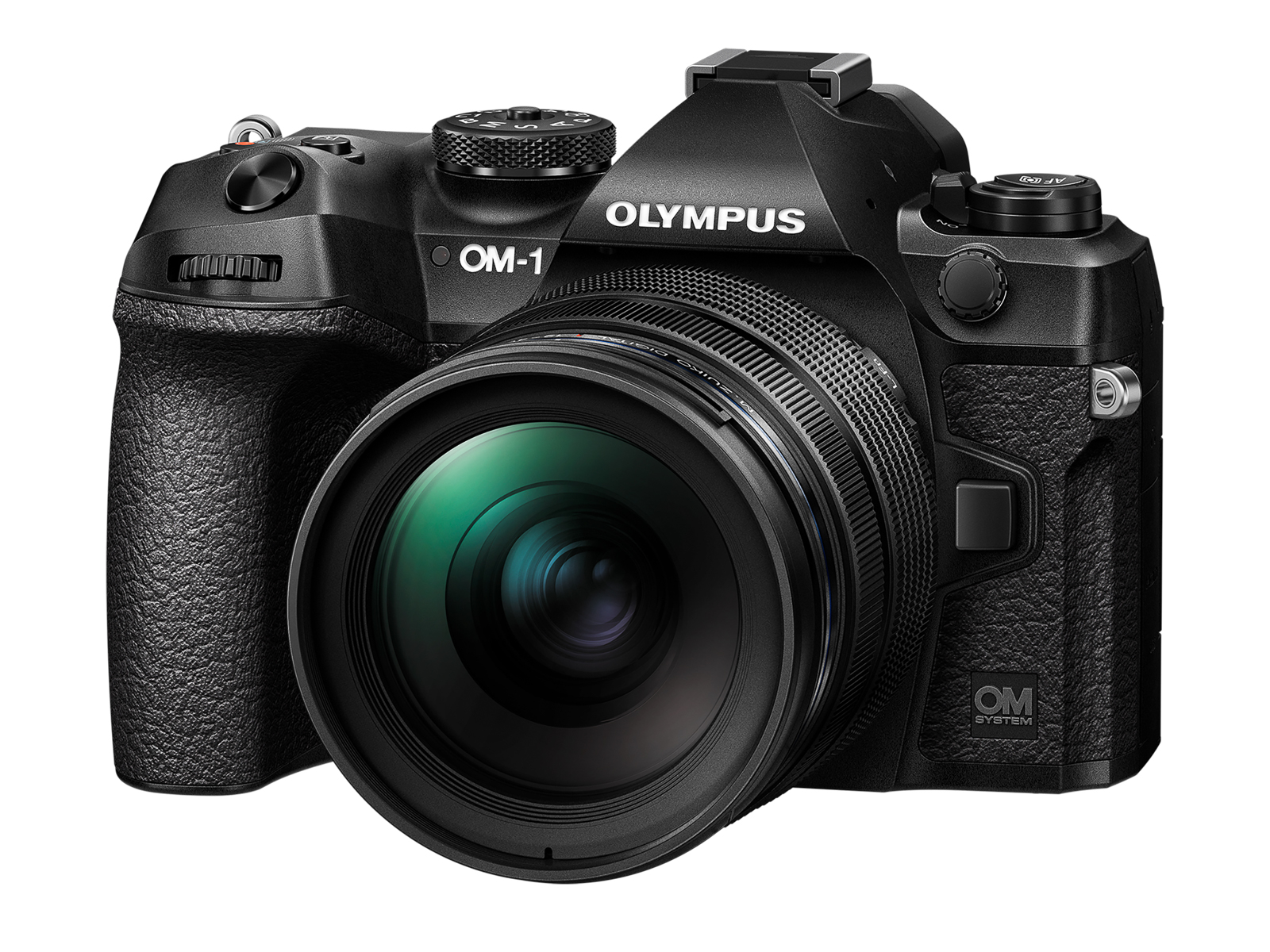
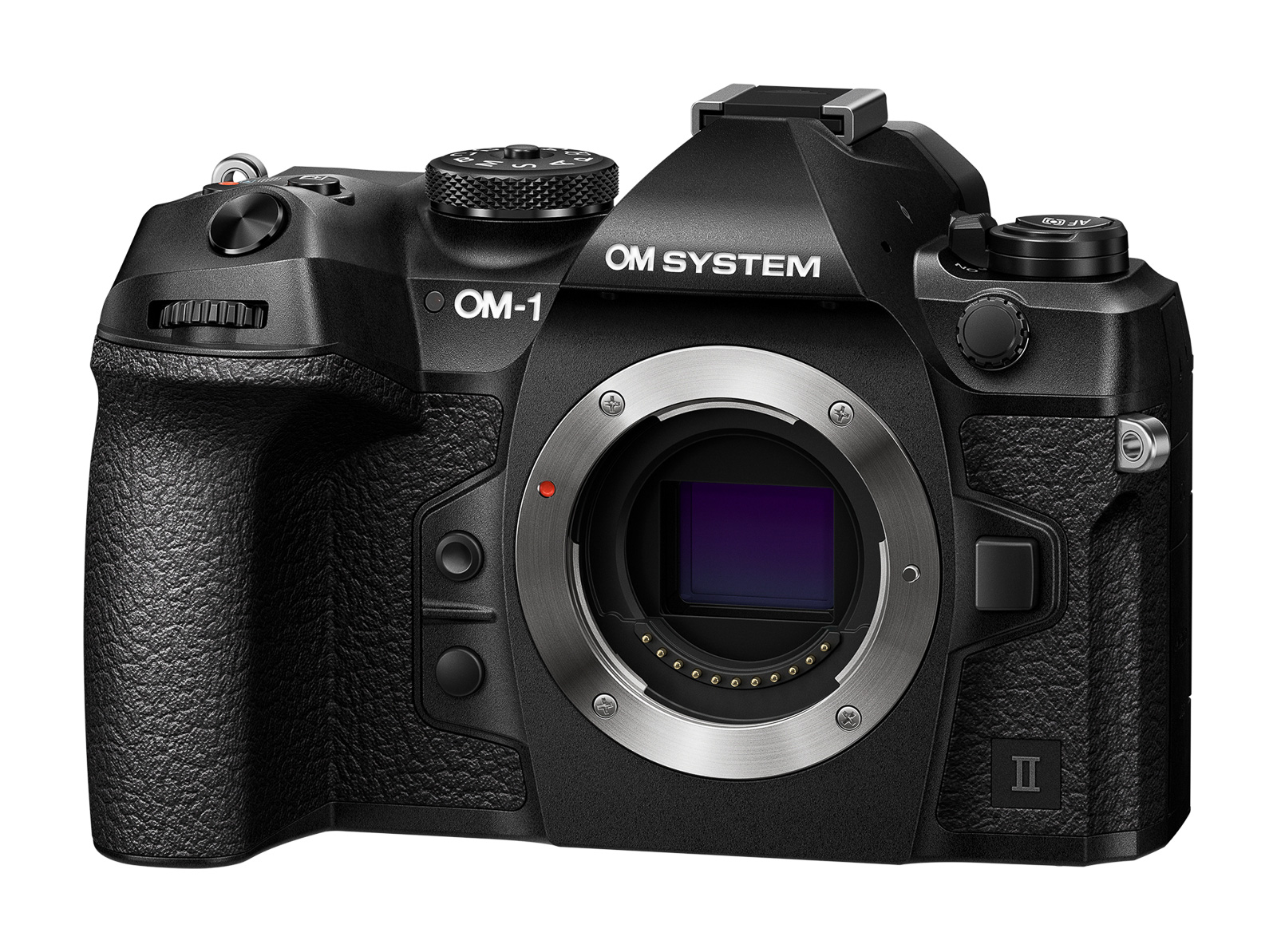
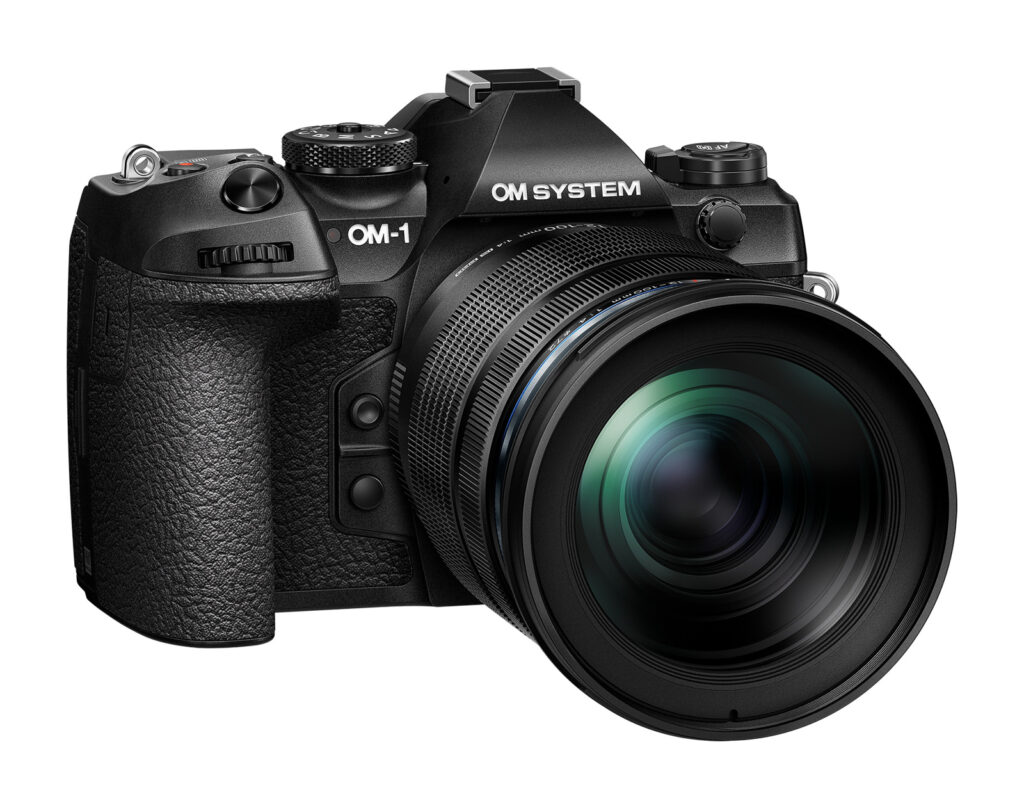
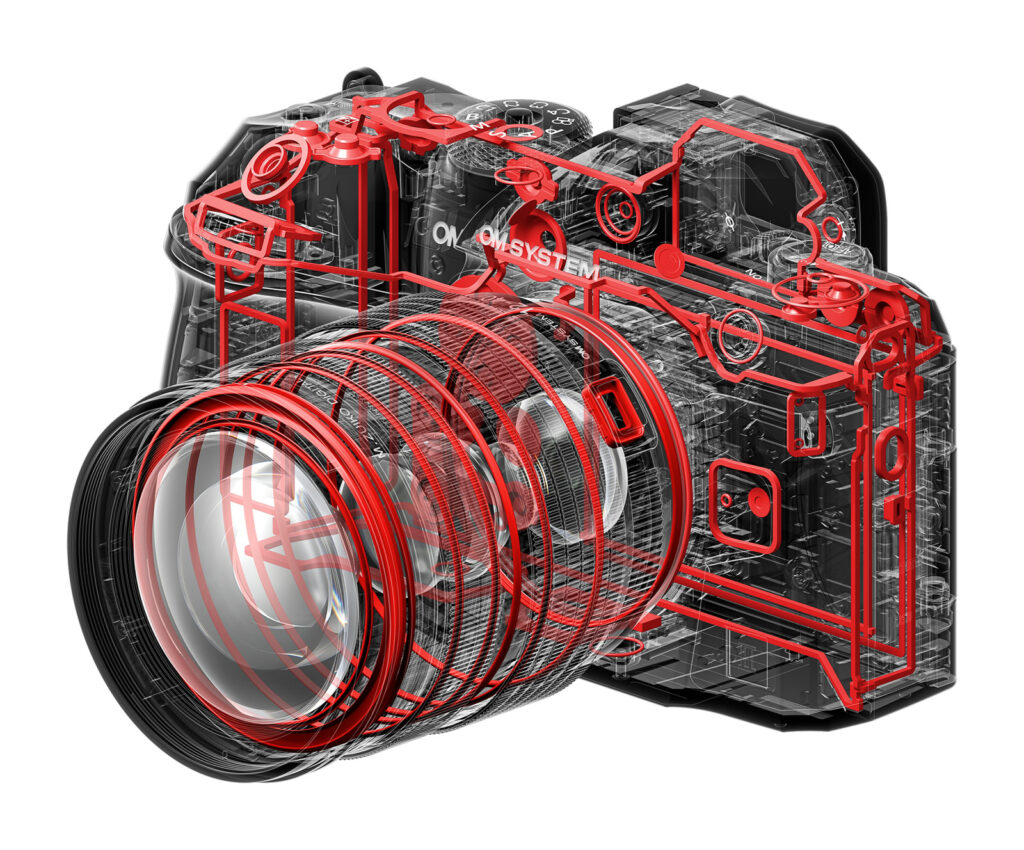
OM System OM-1 Mark II

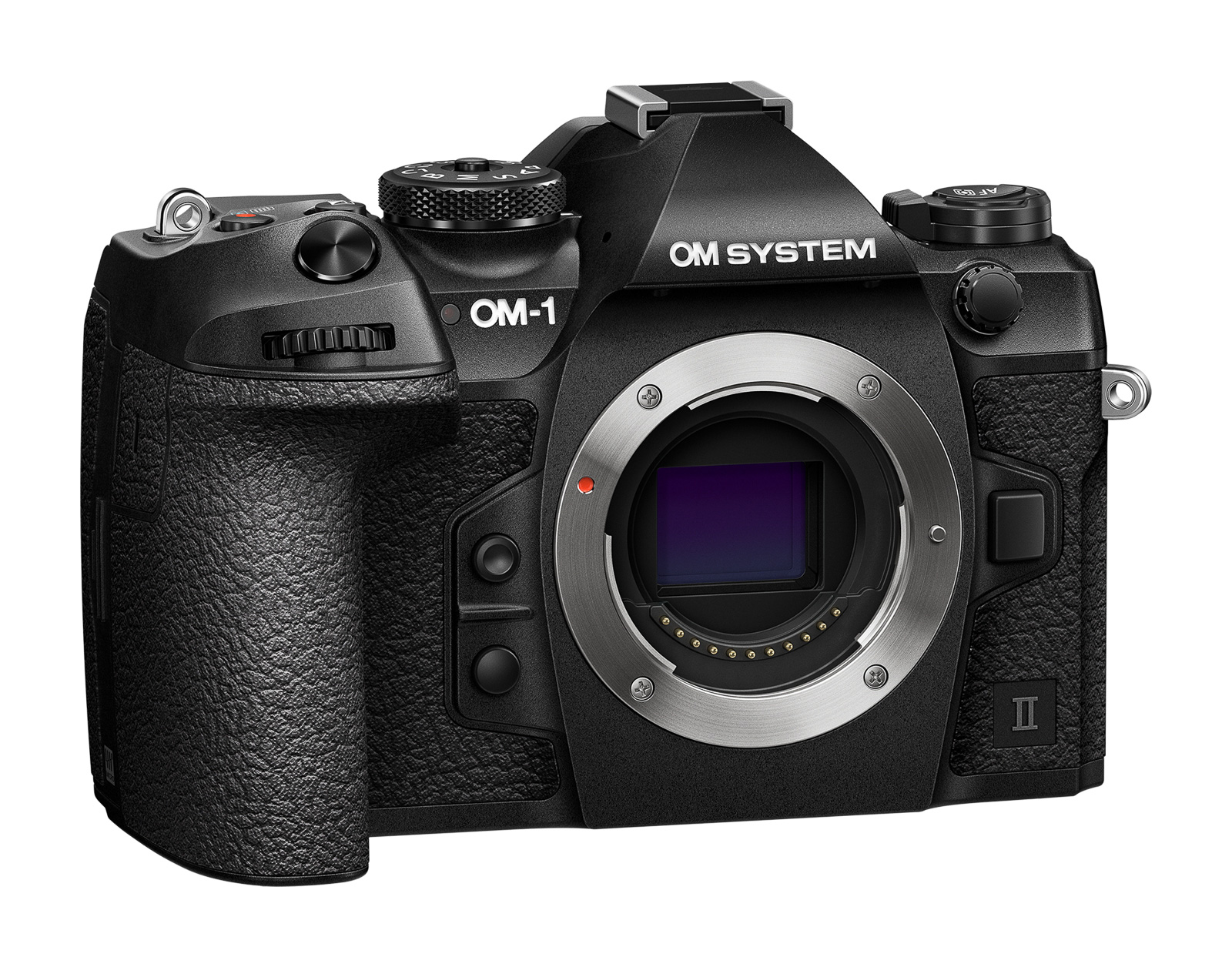
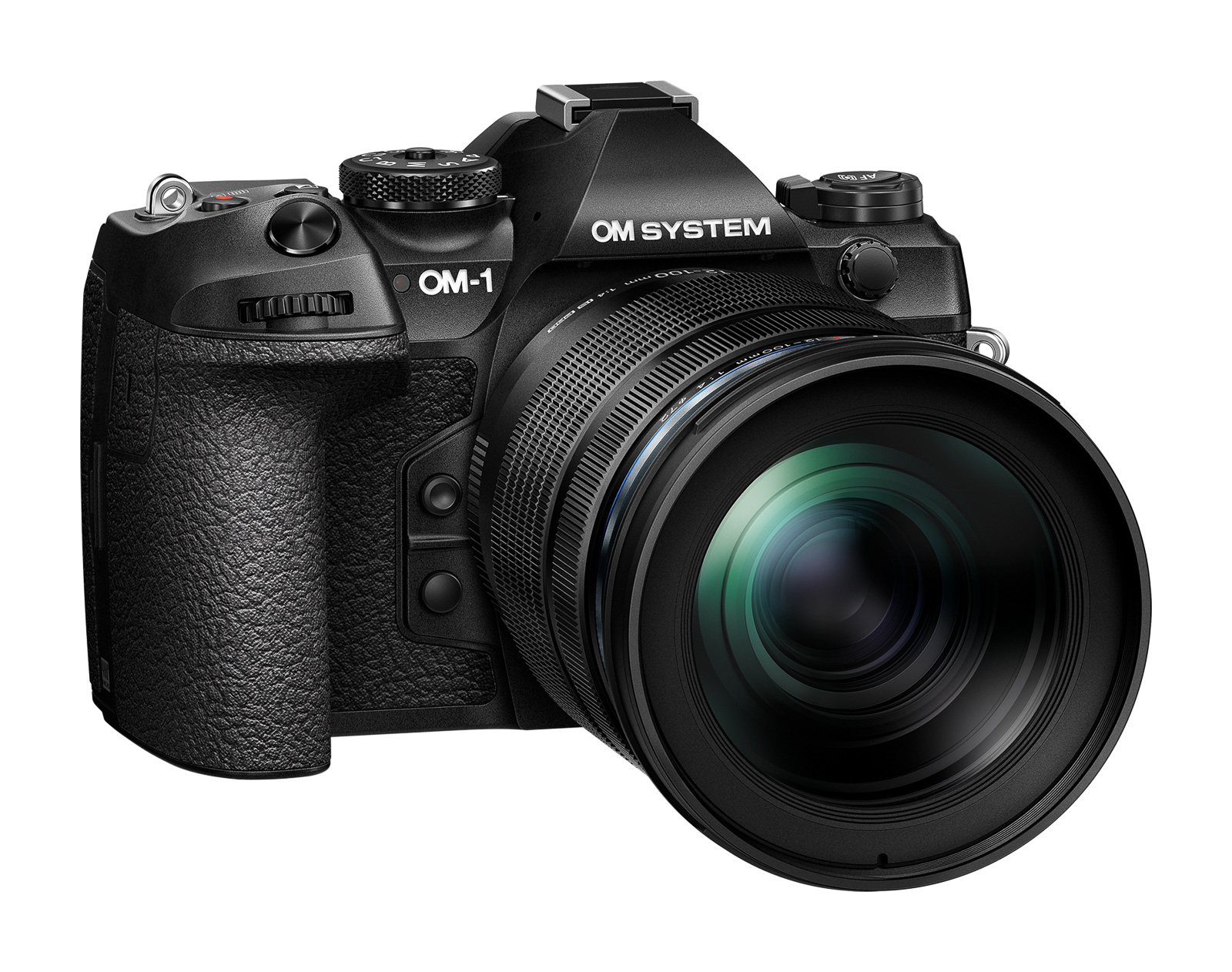
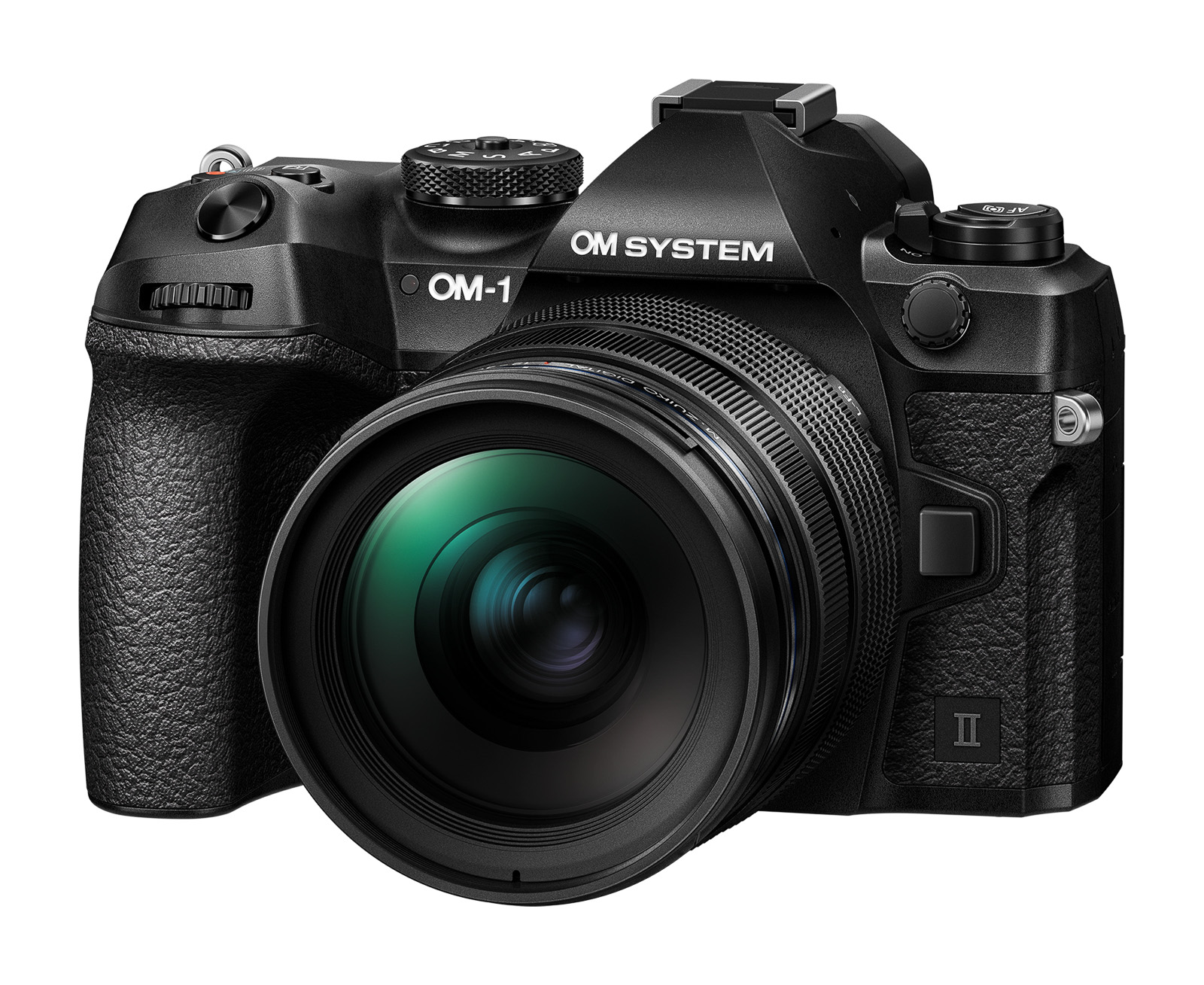
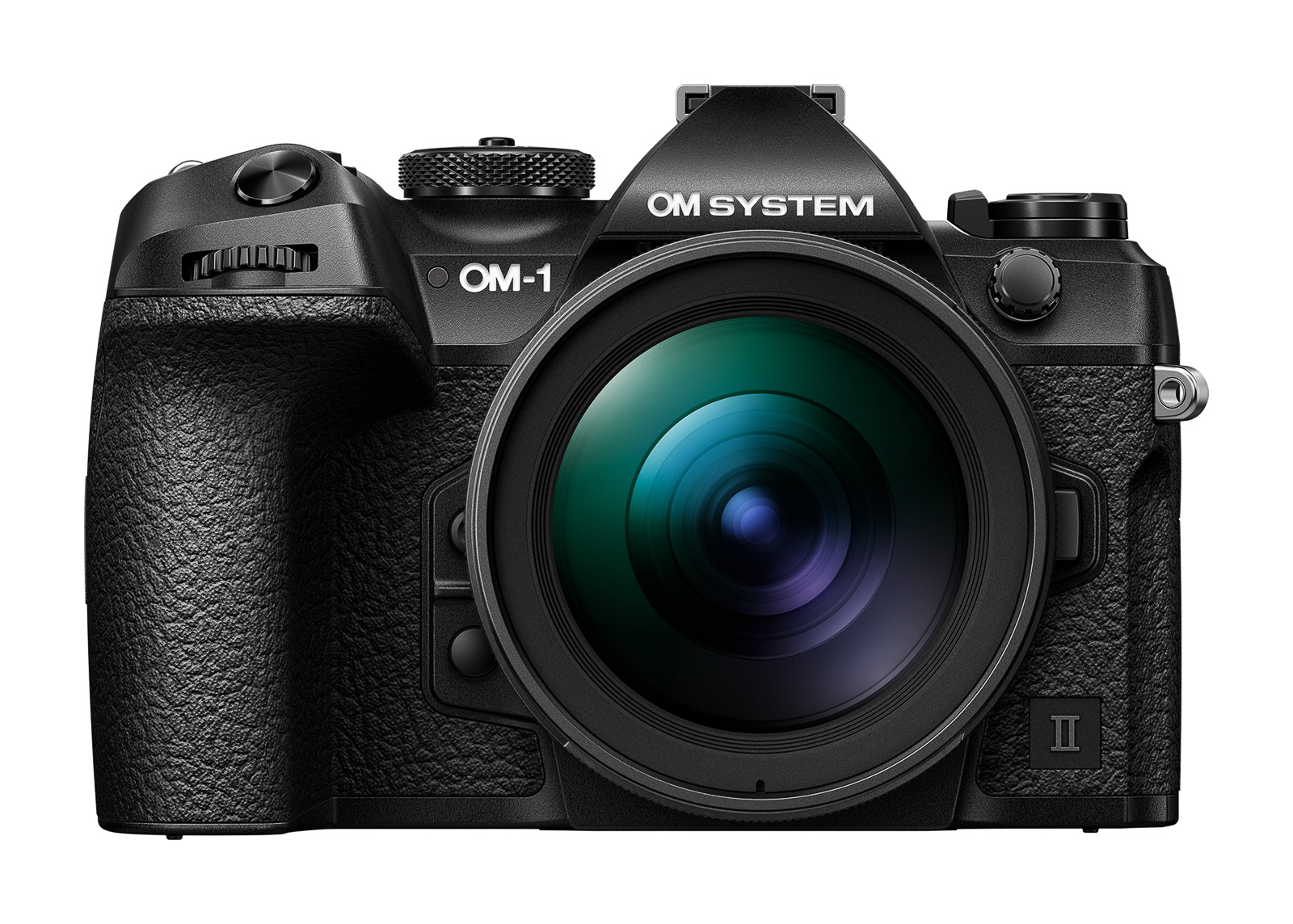
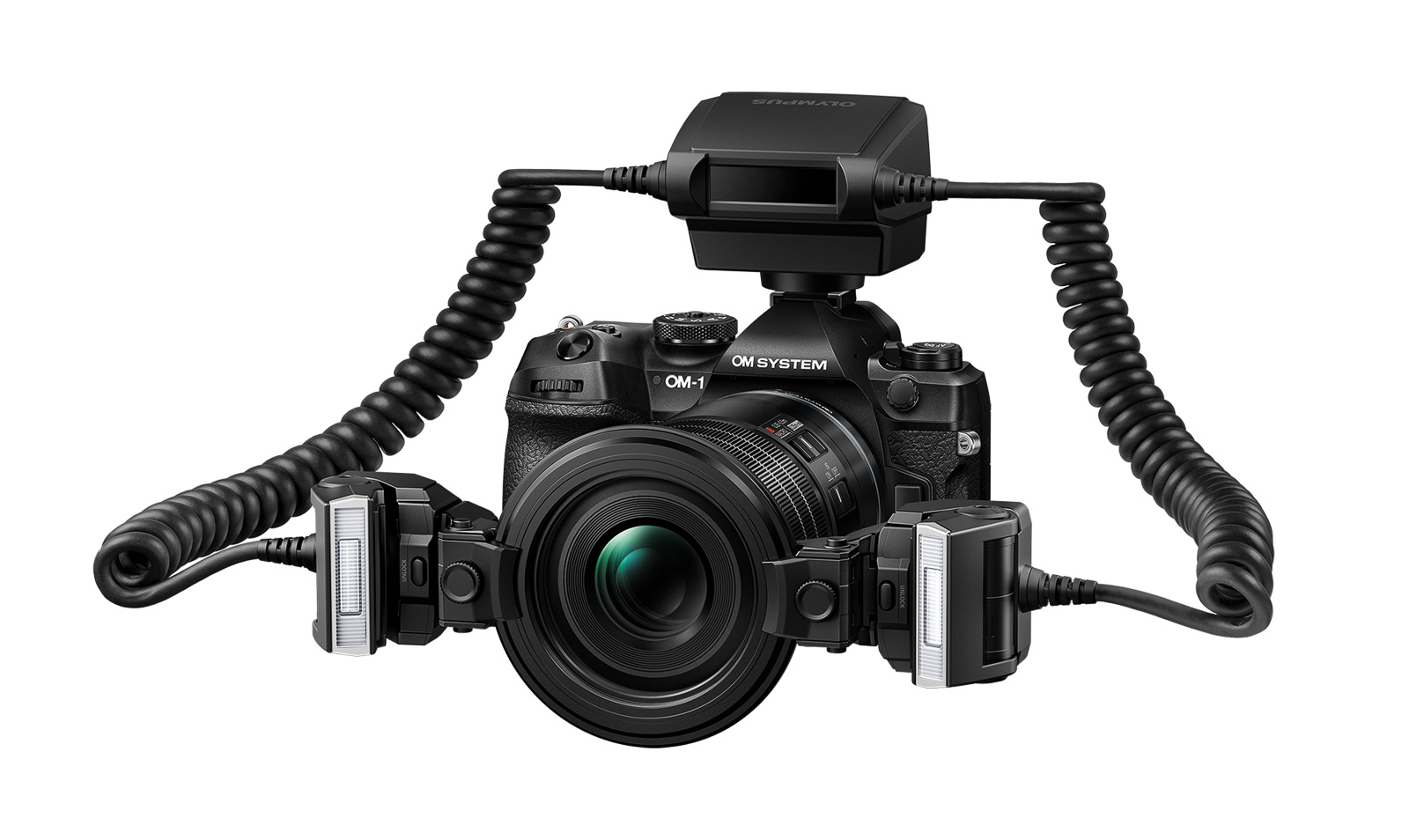
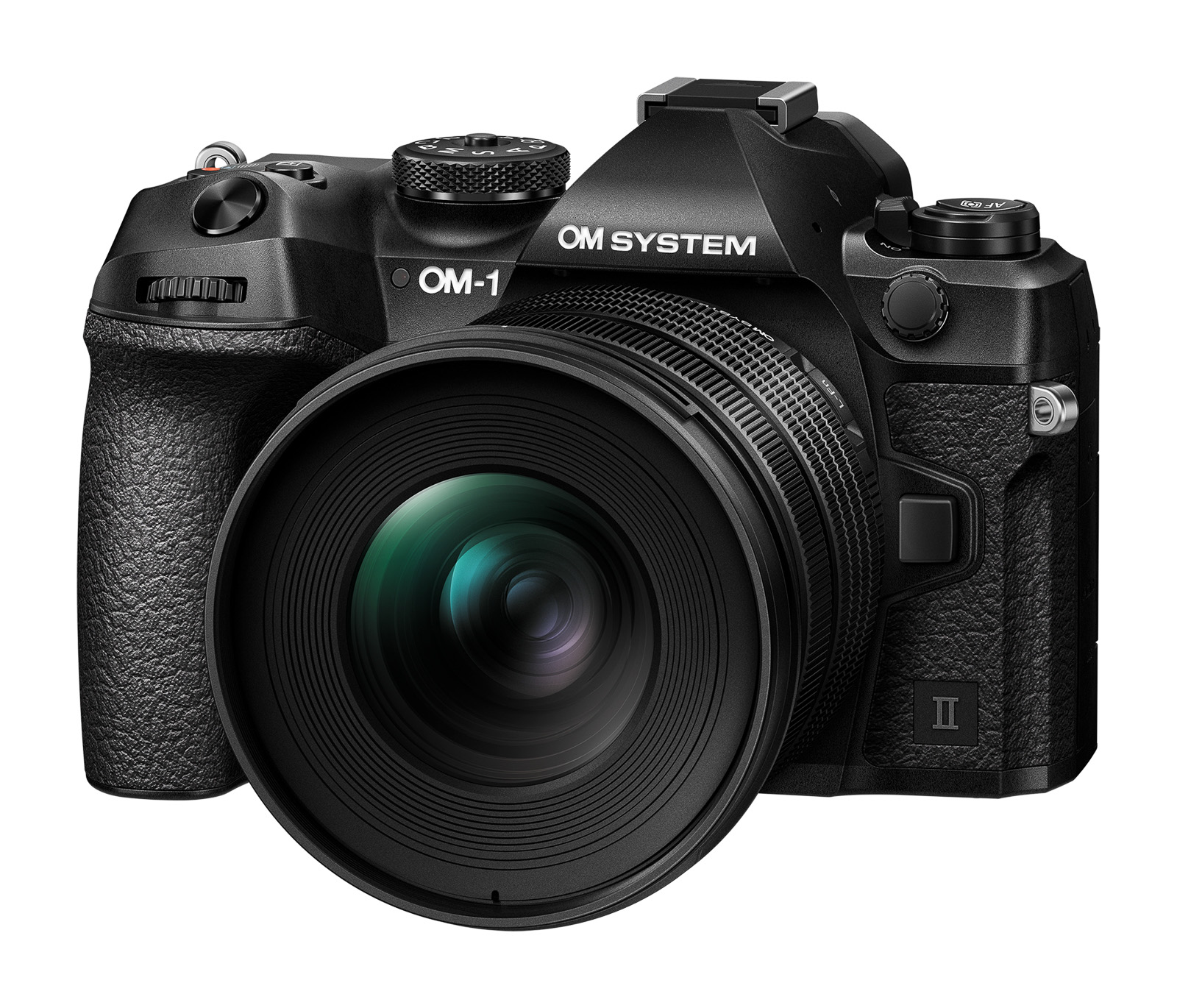
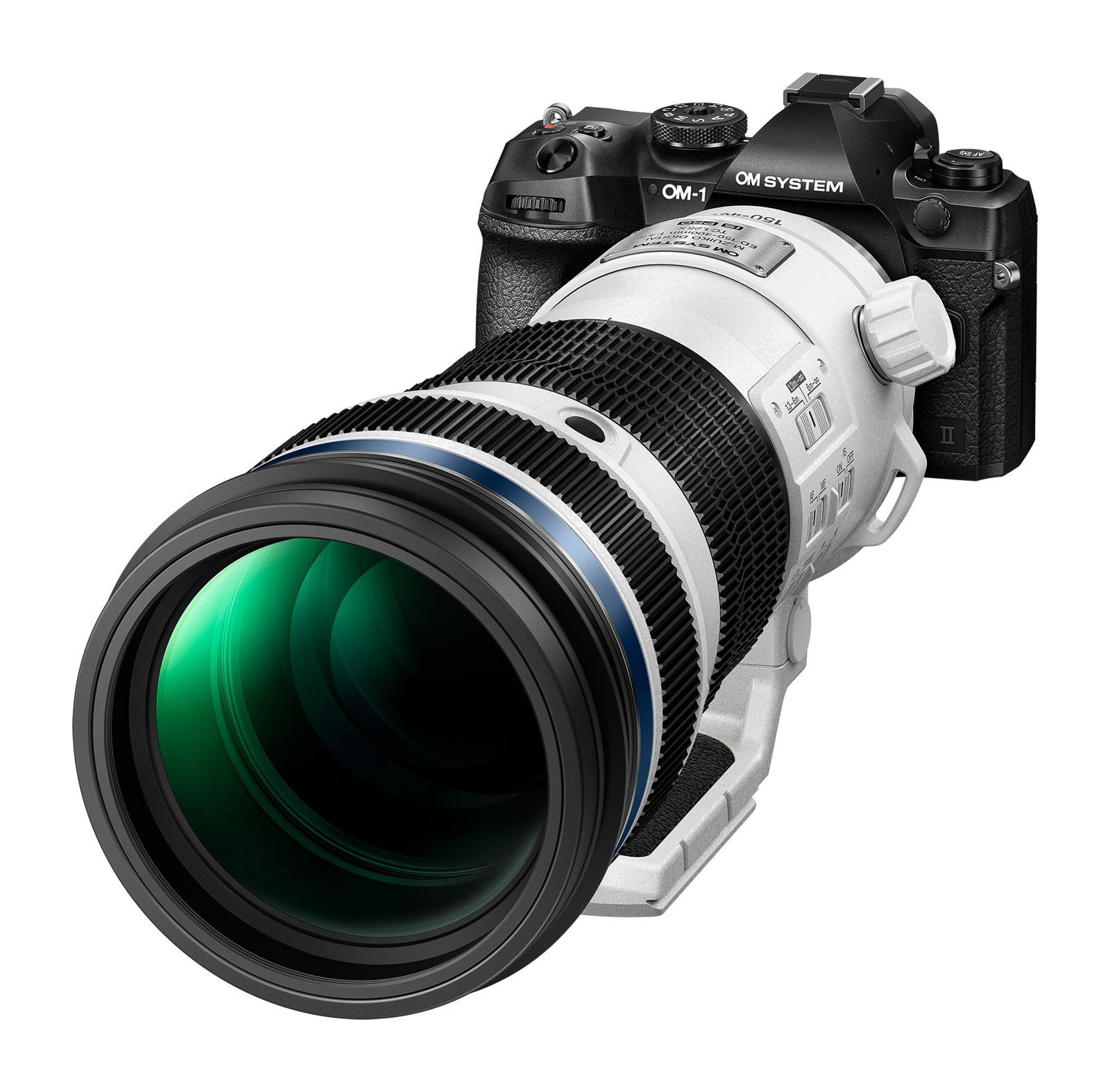
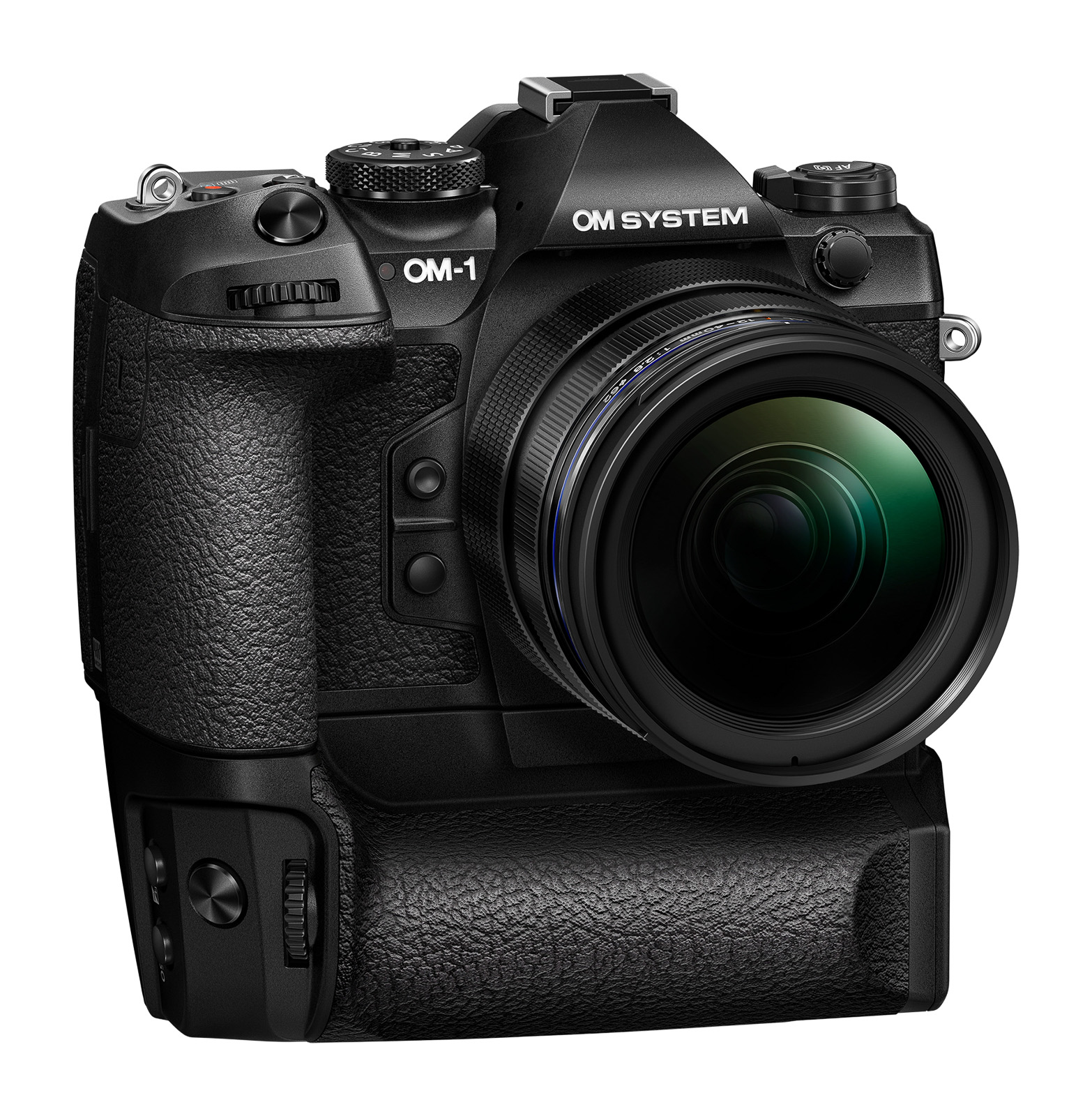
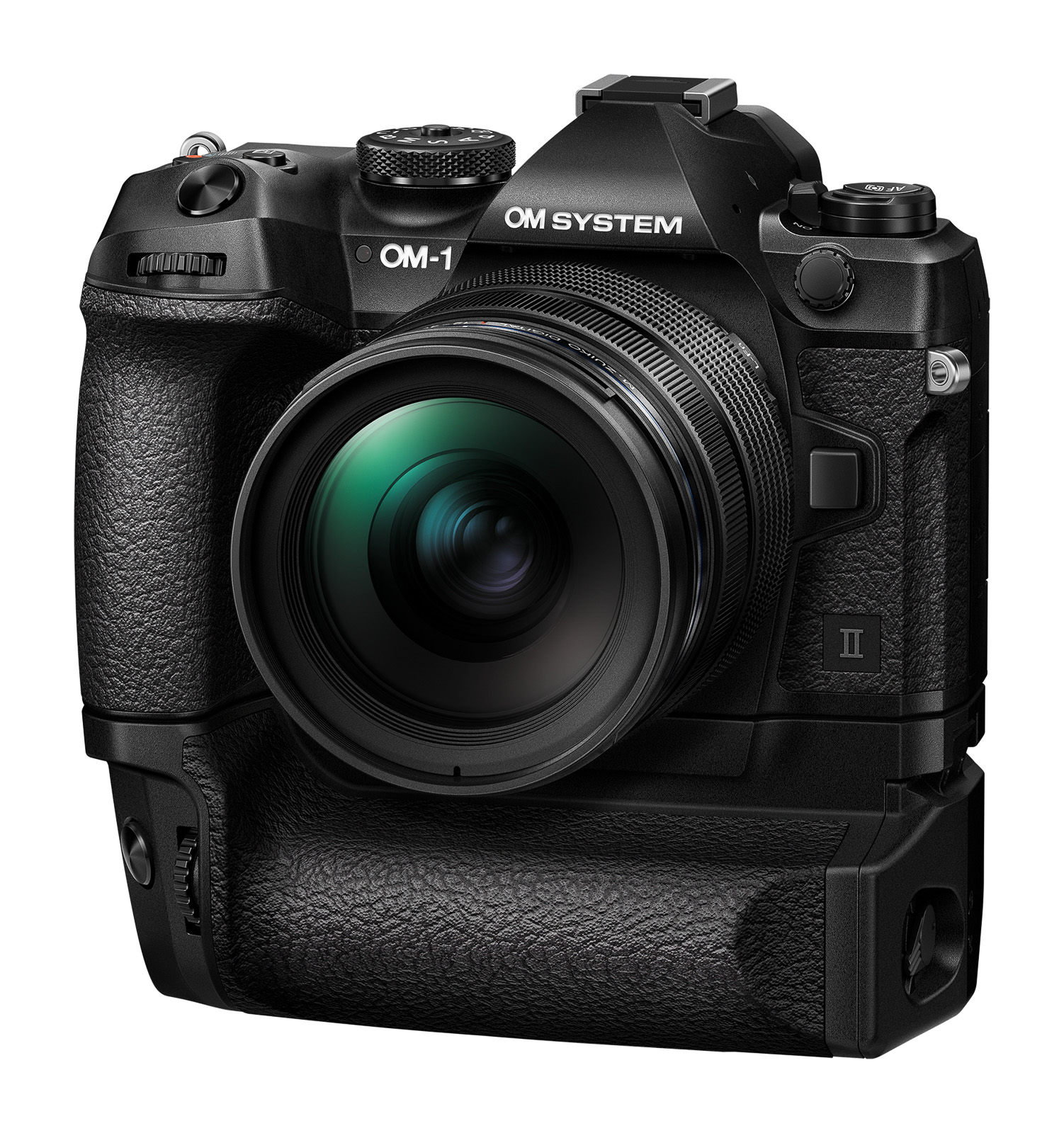
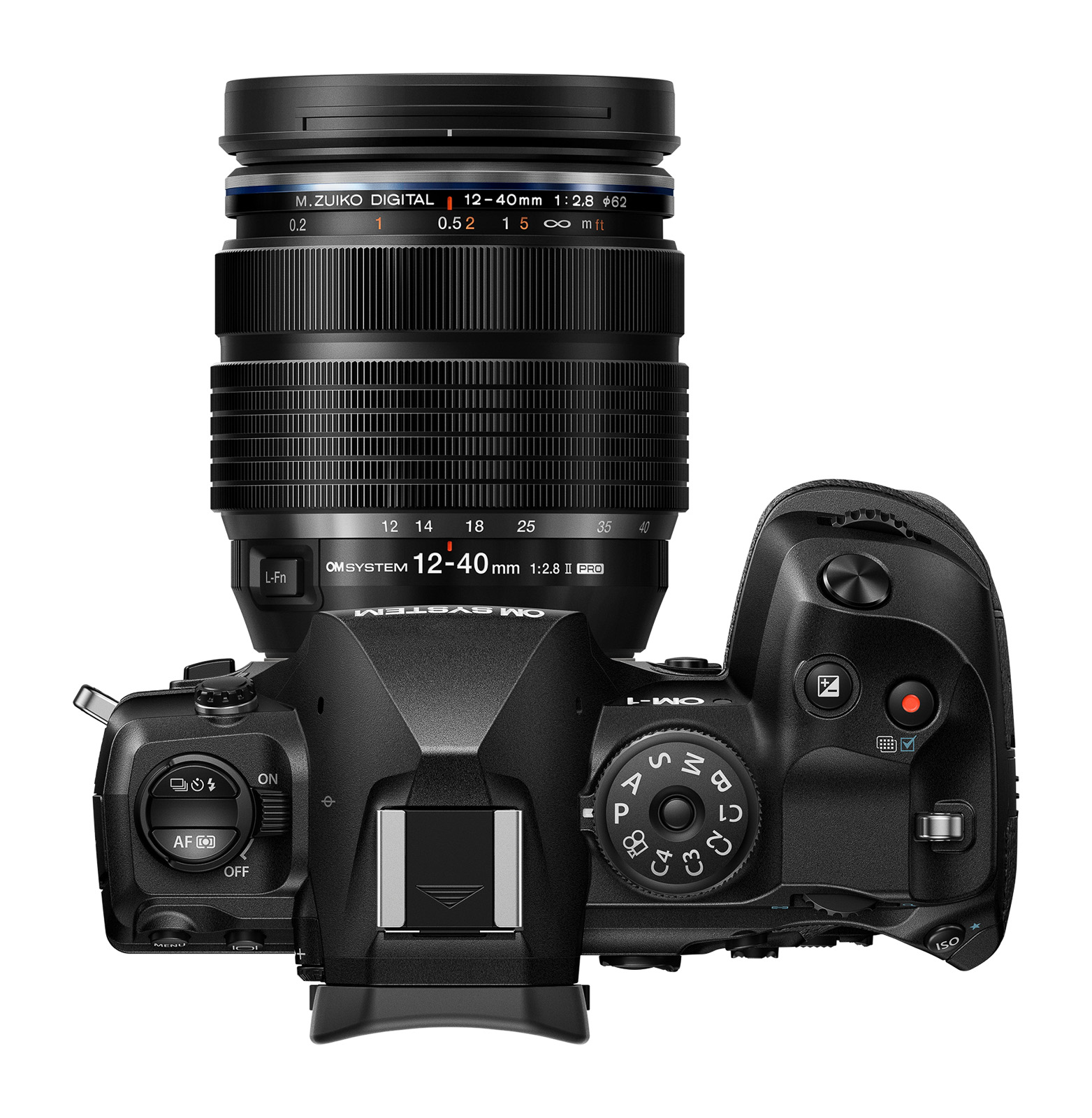
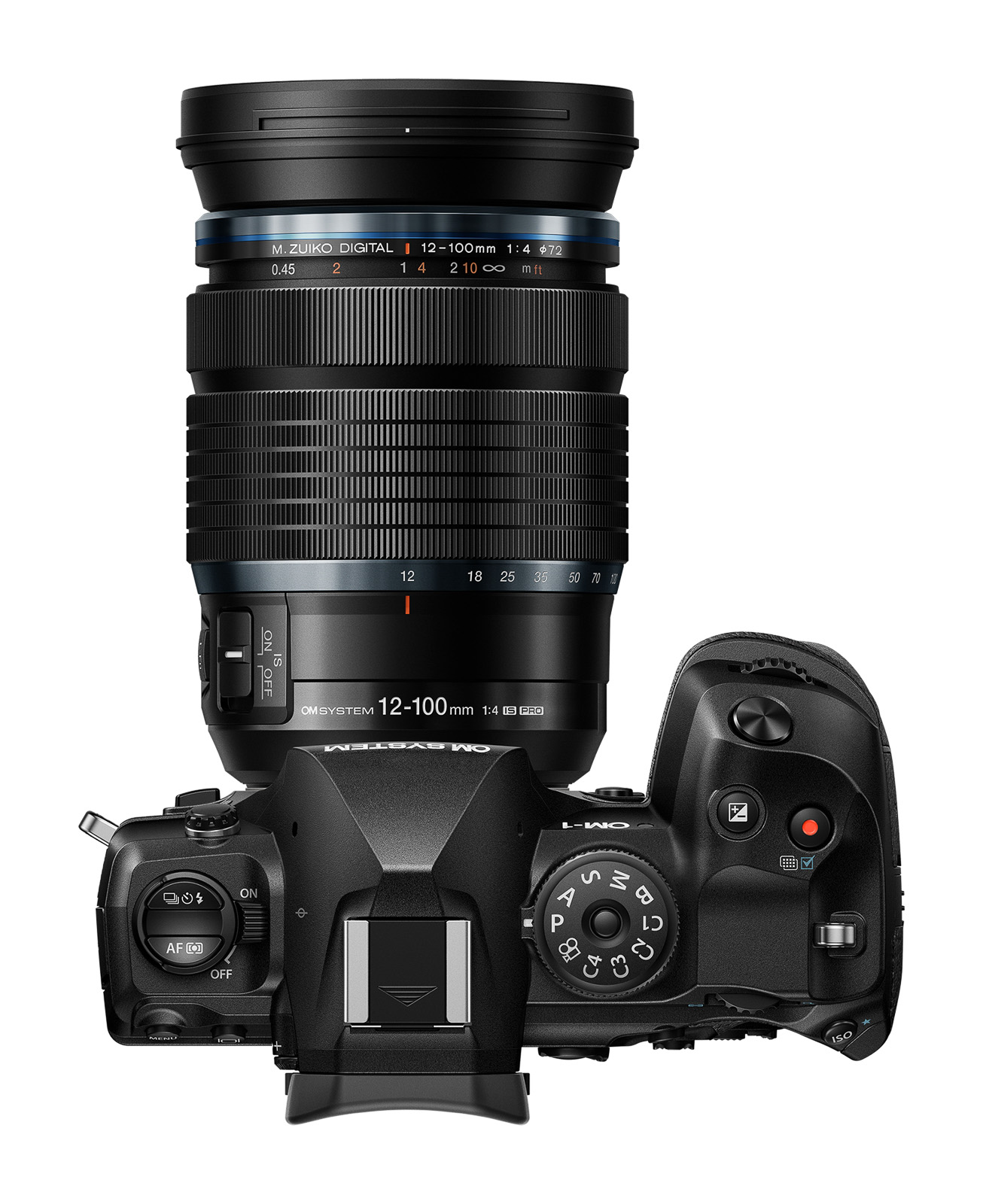
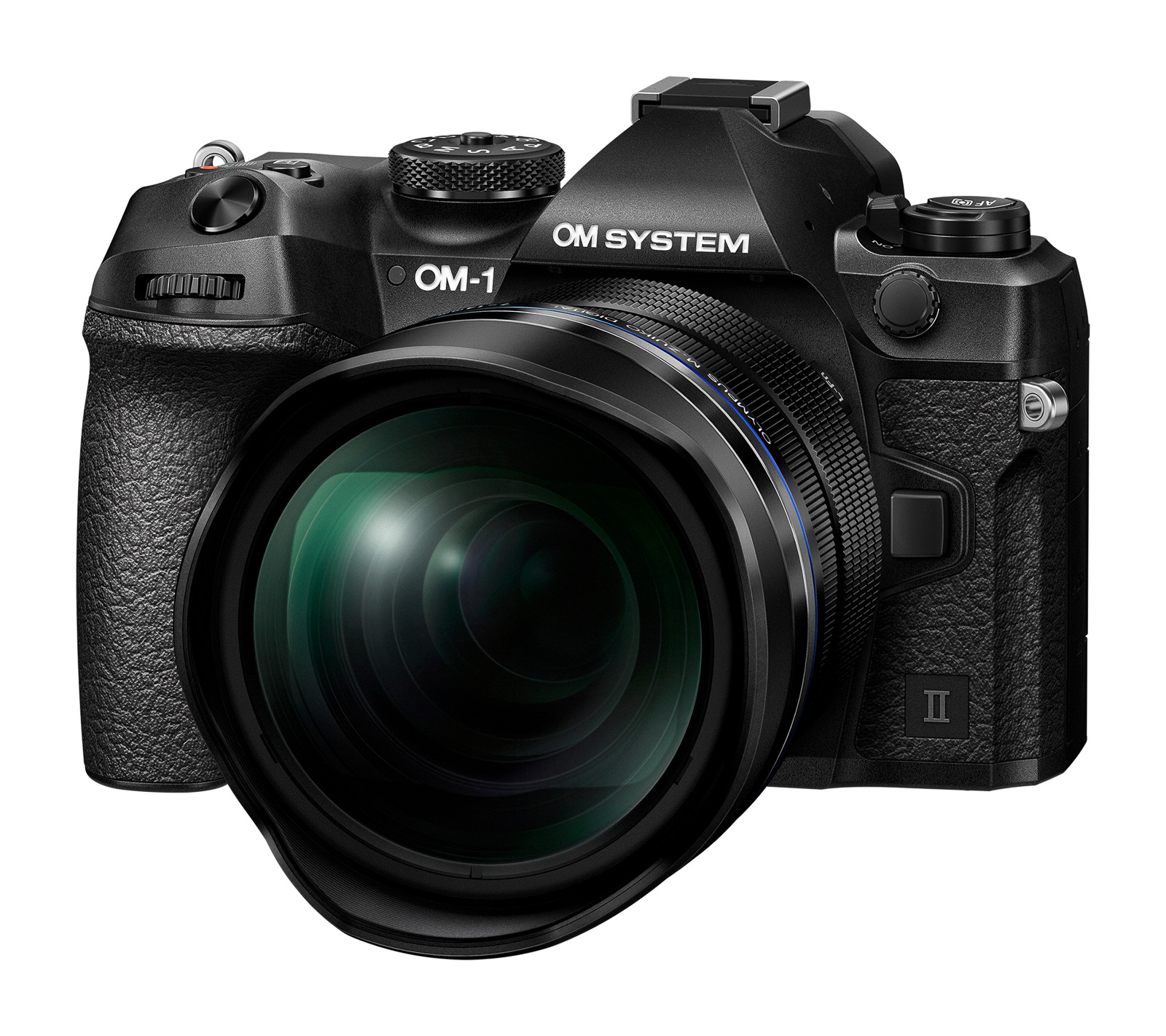
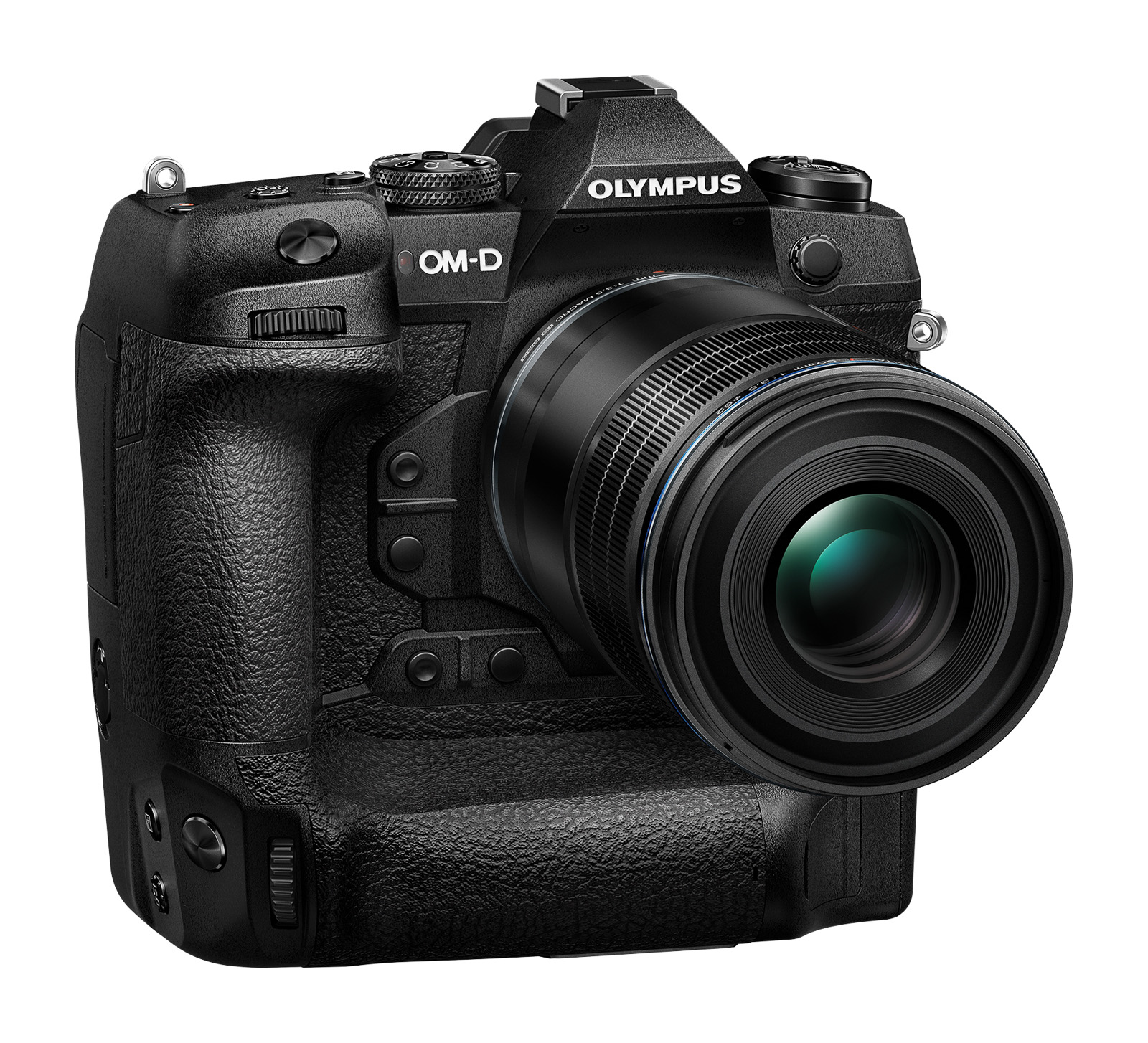
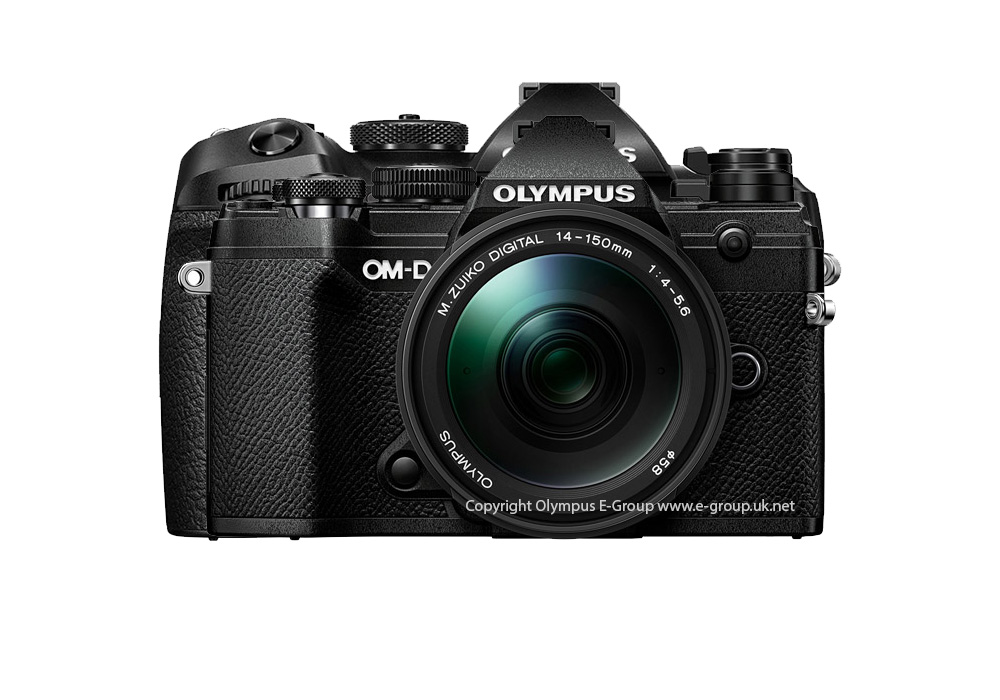
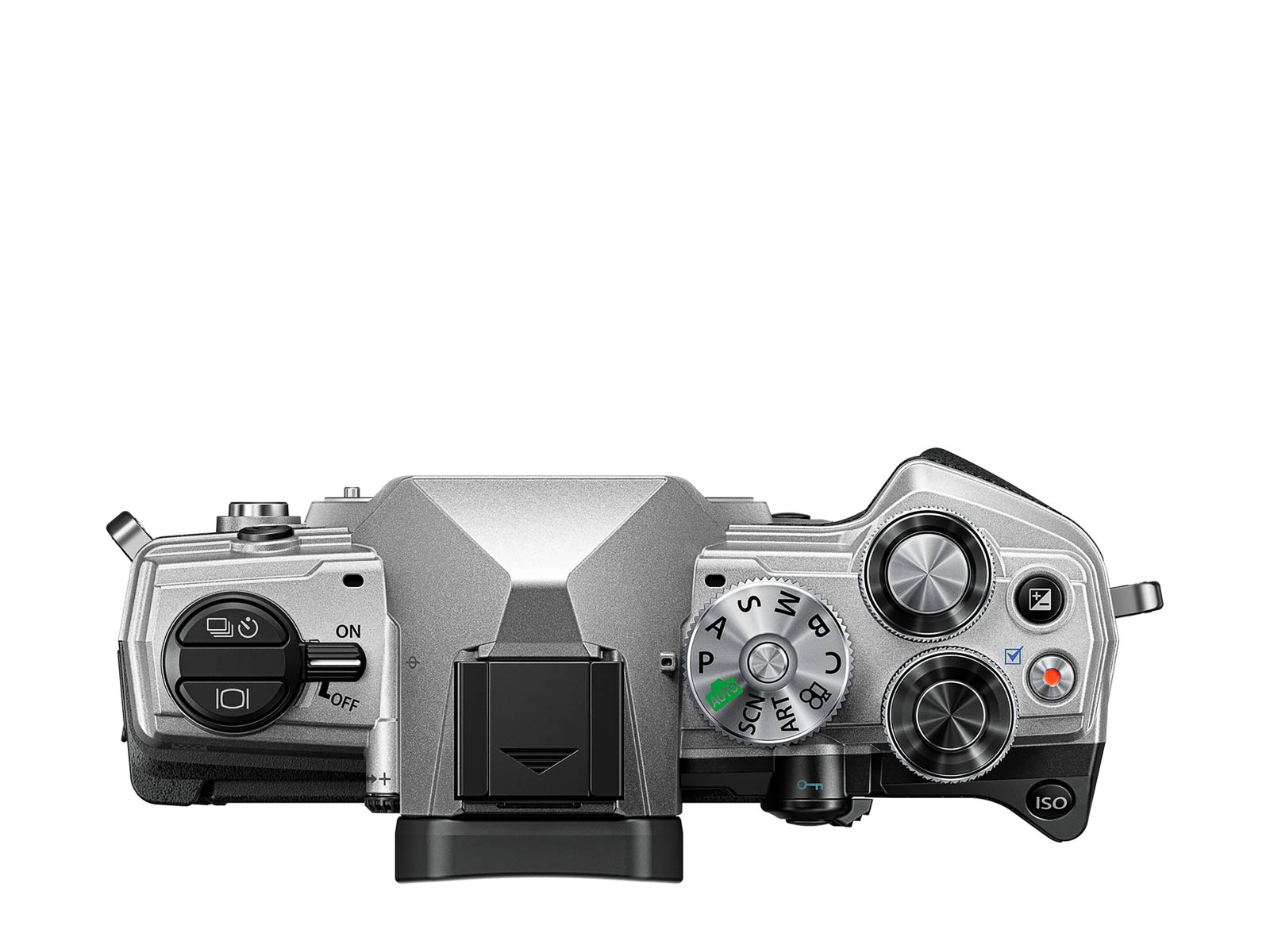
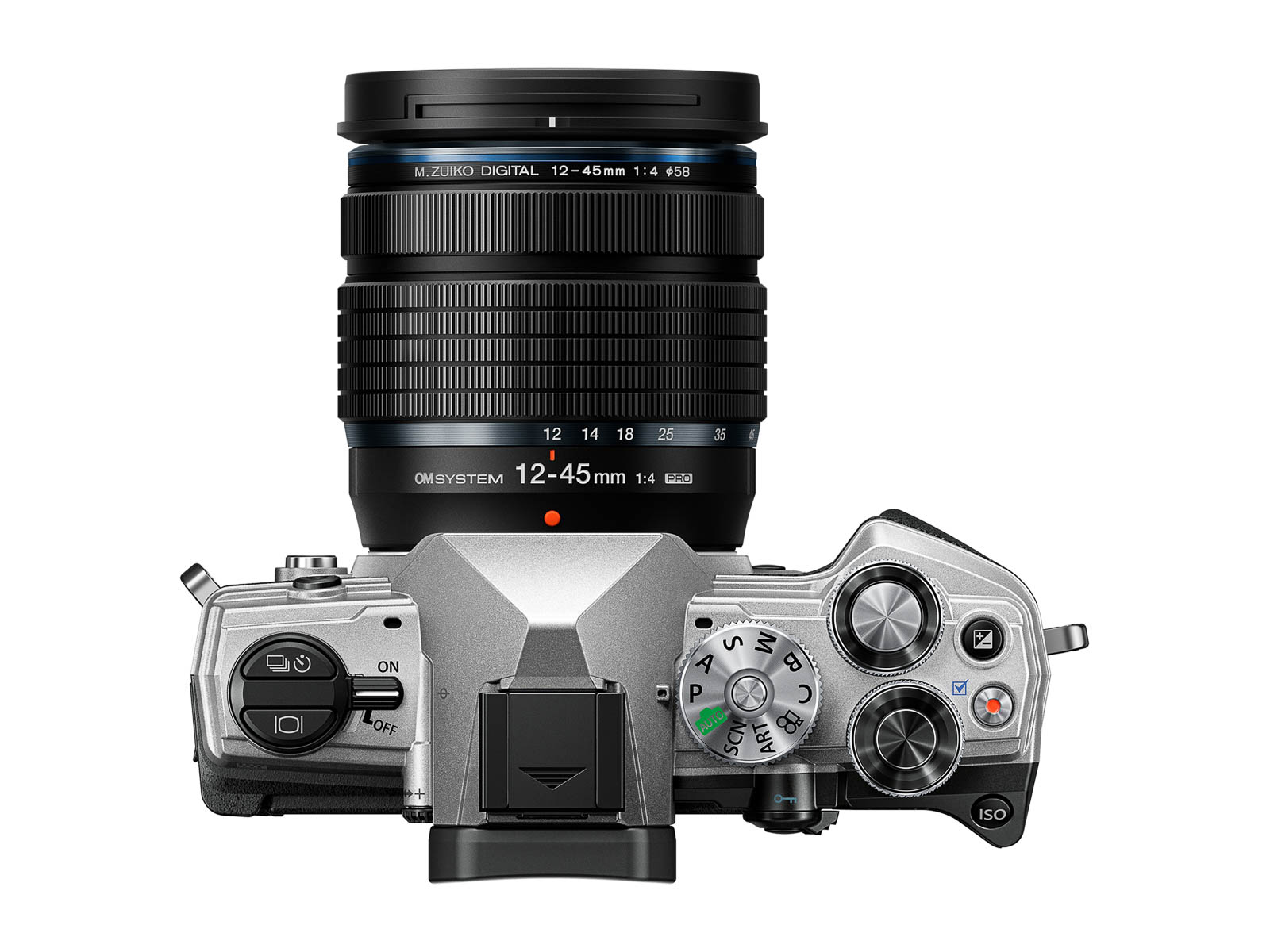
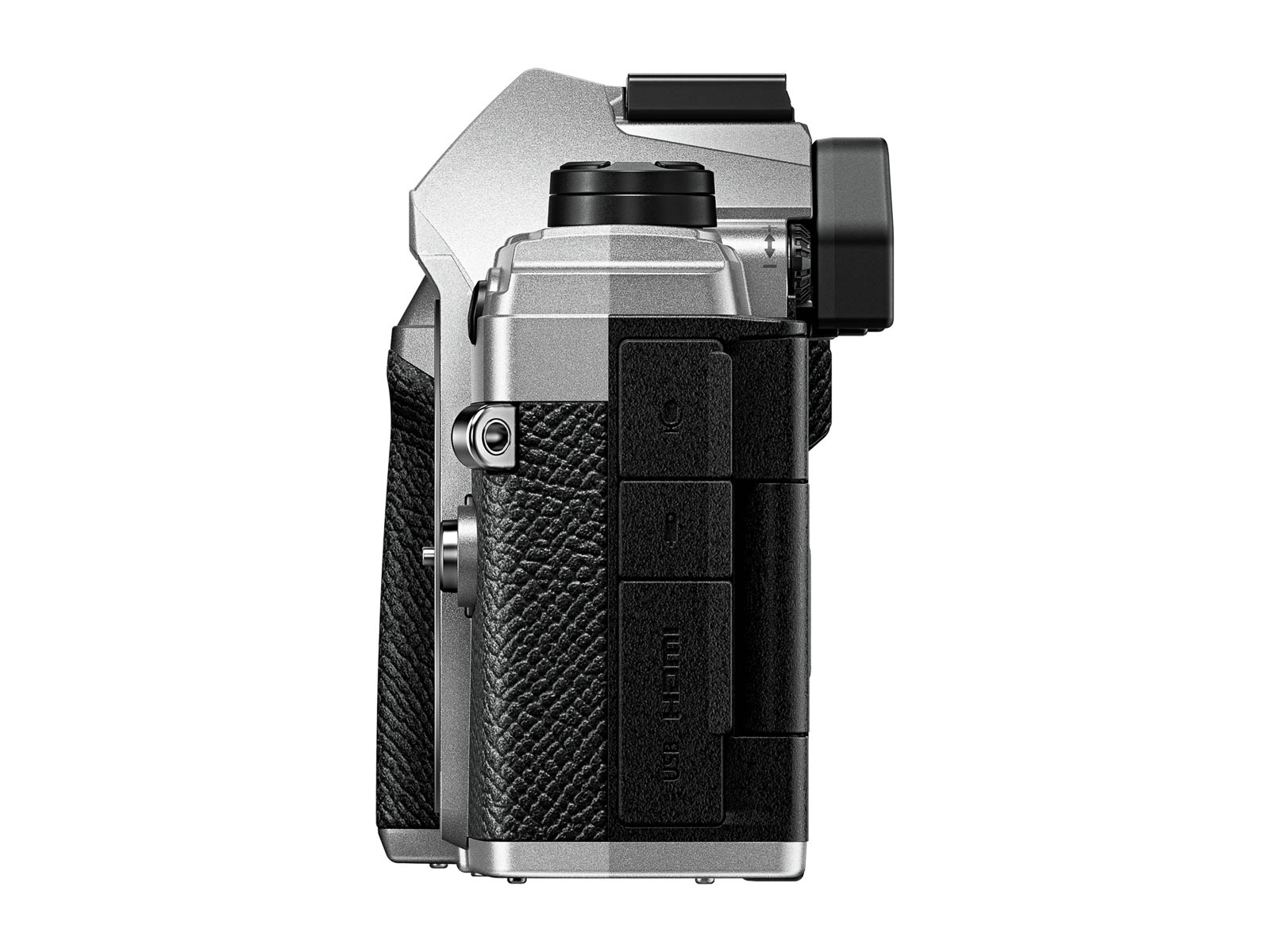
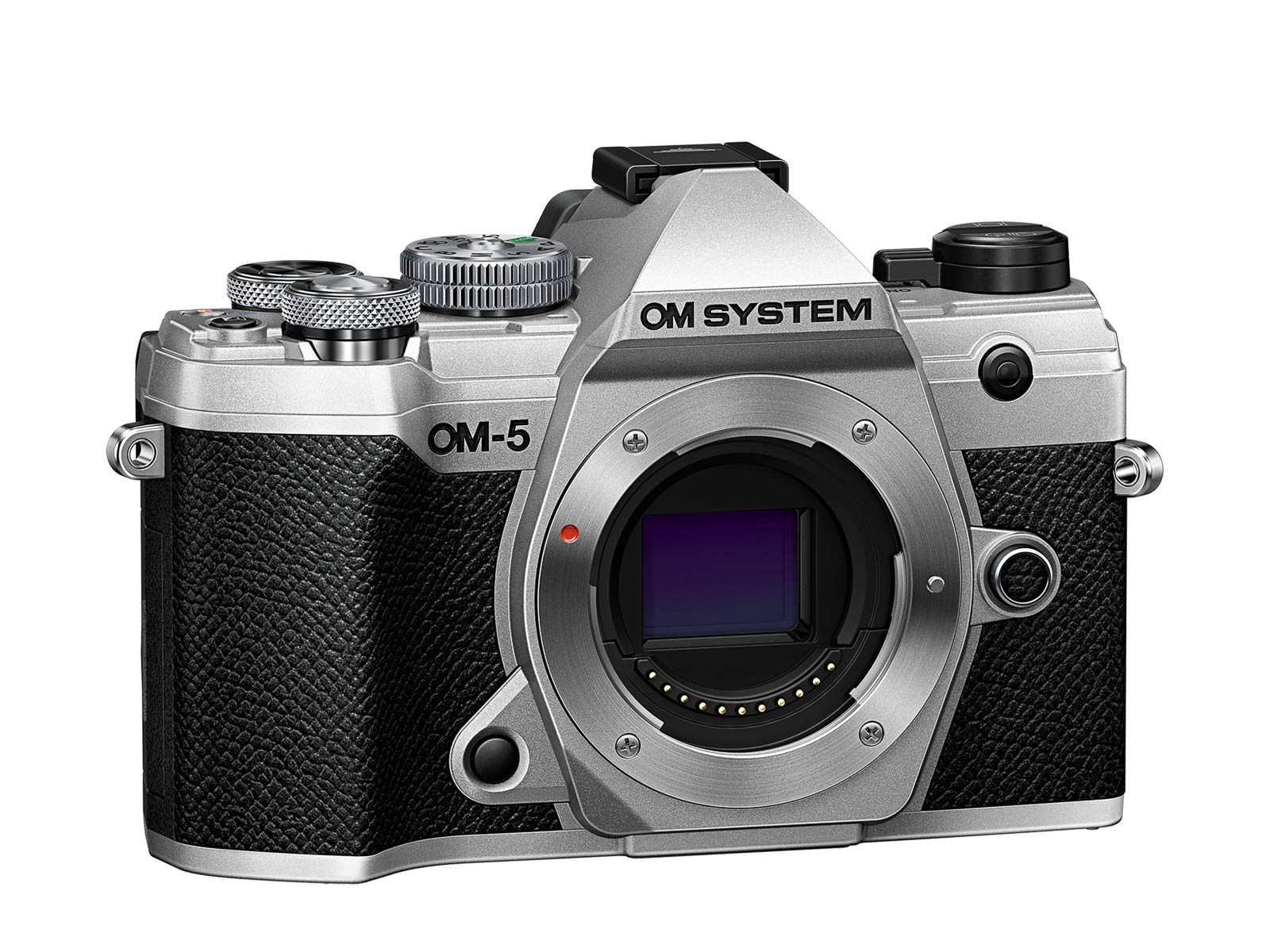
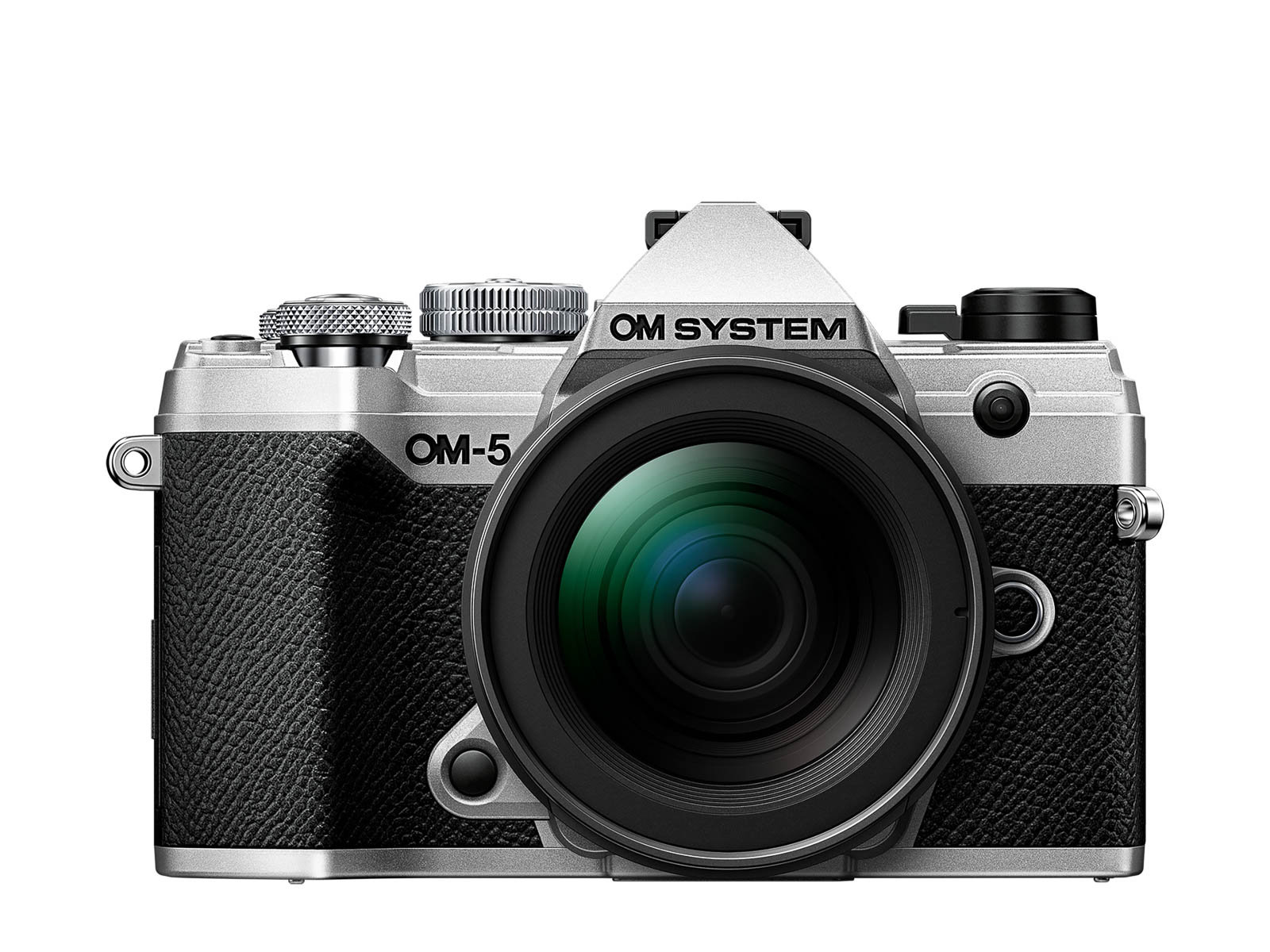
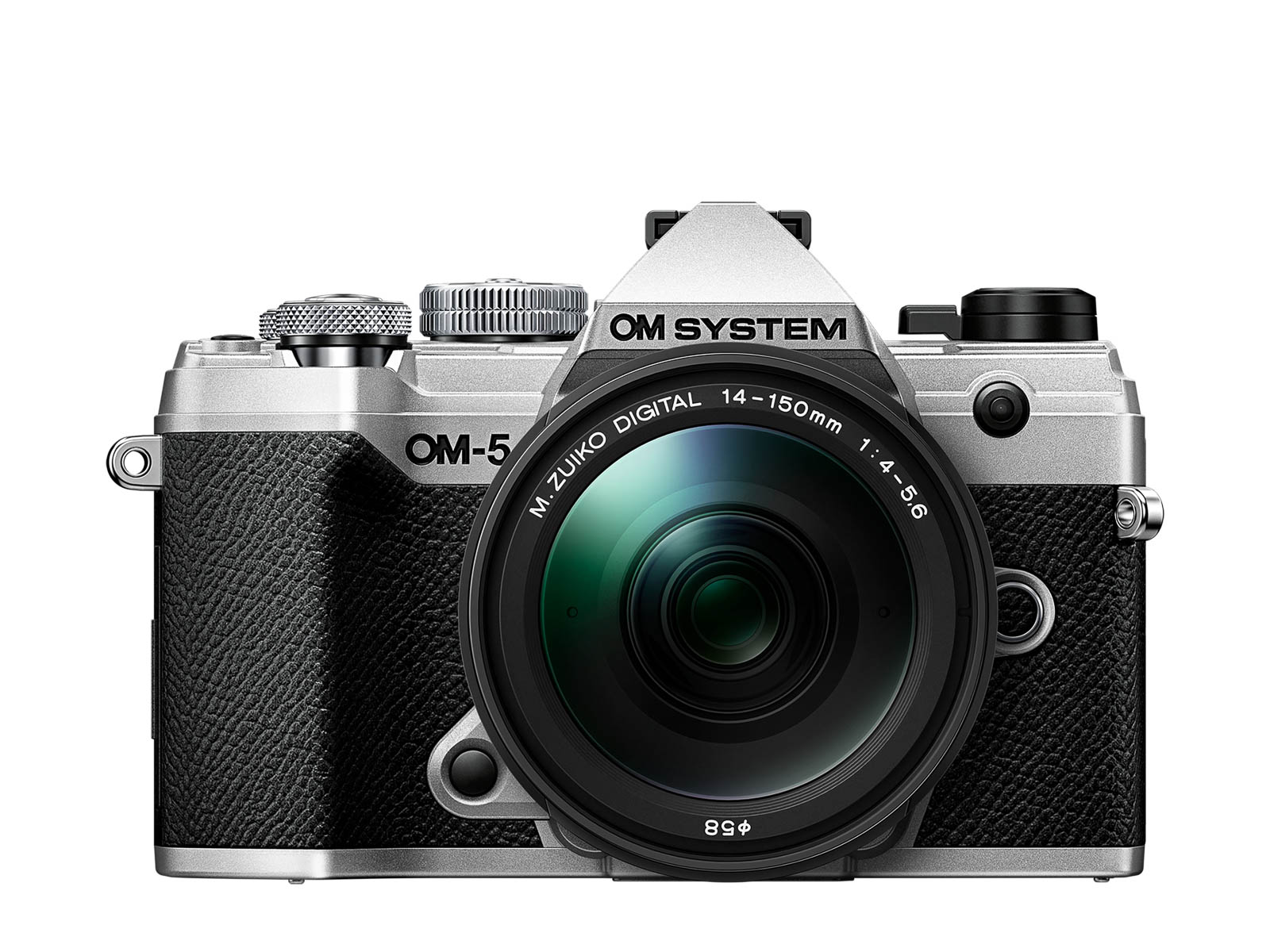
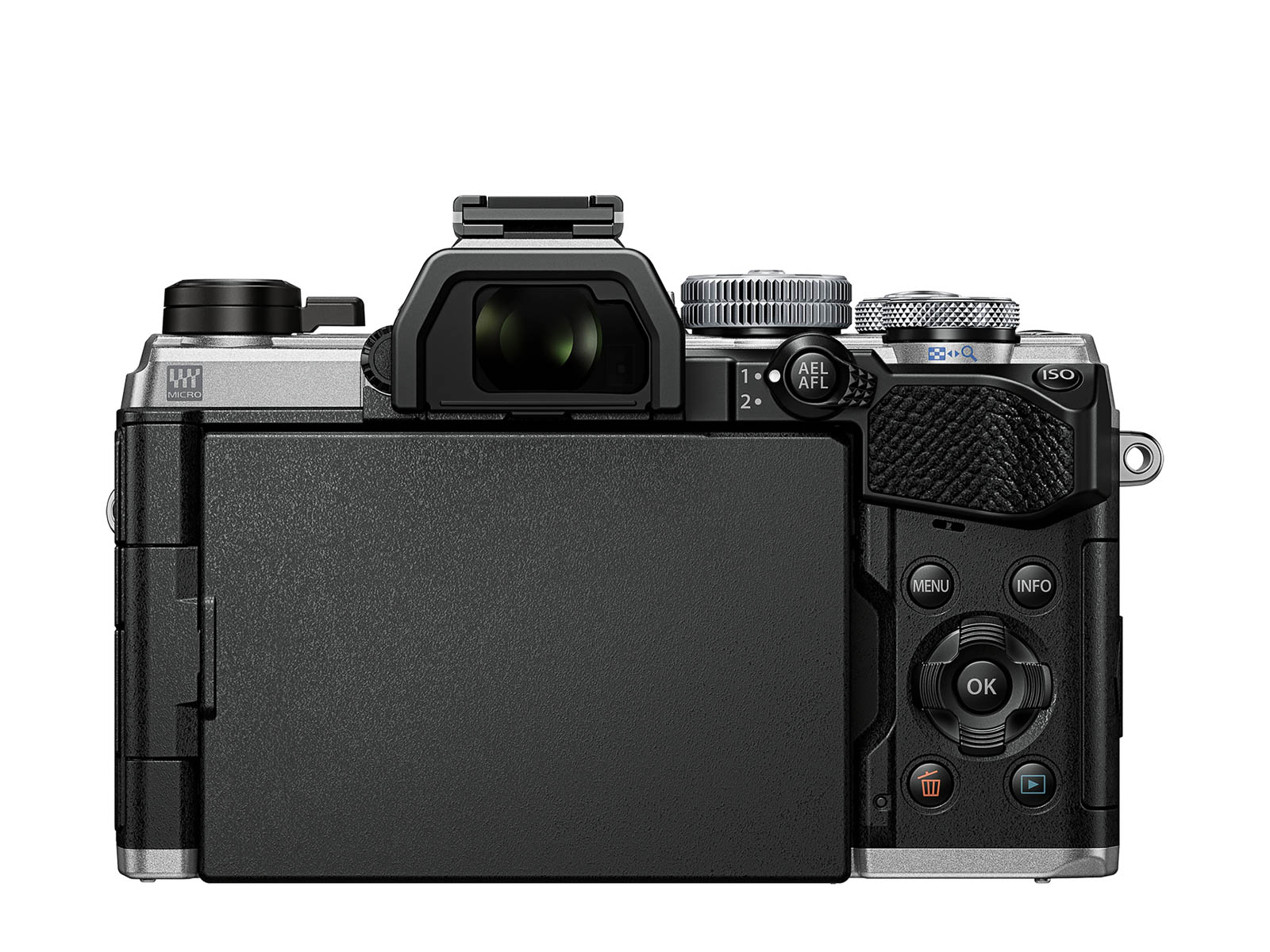
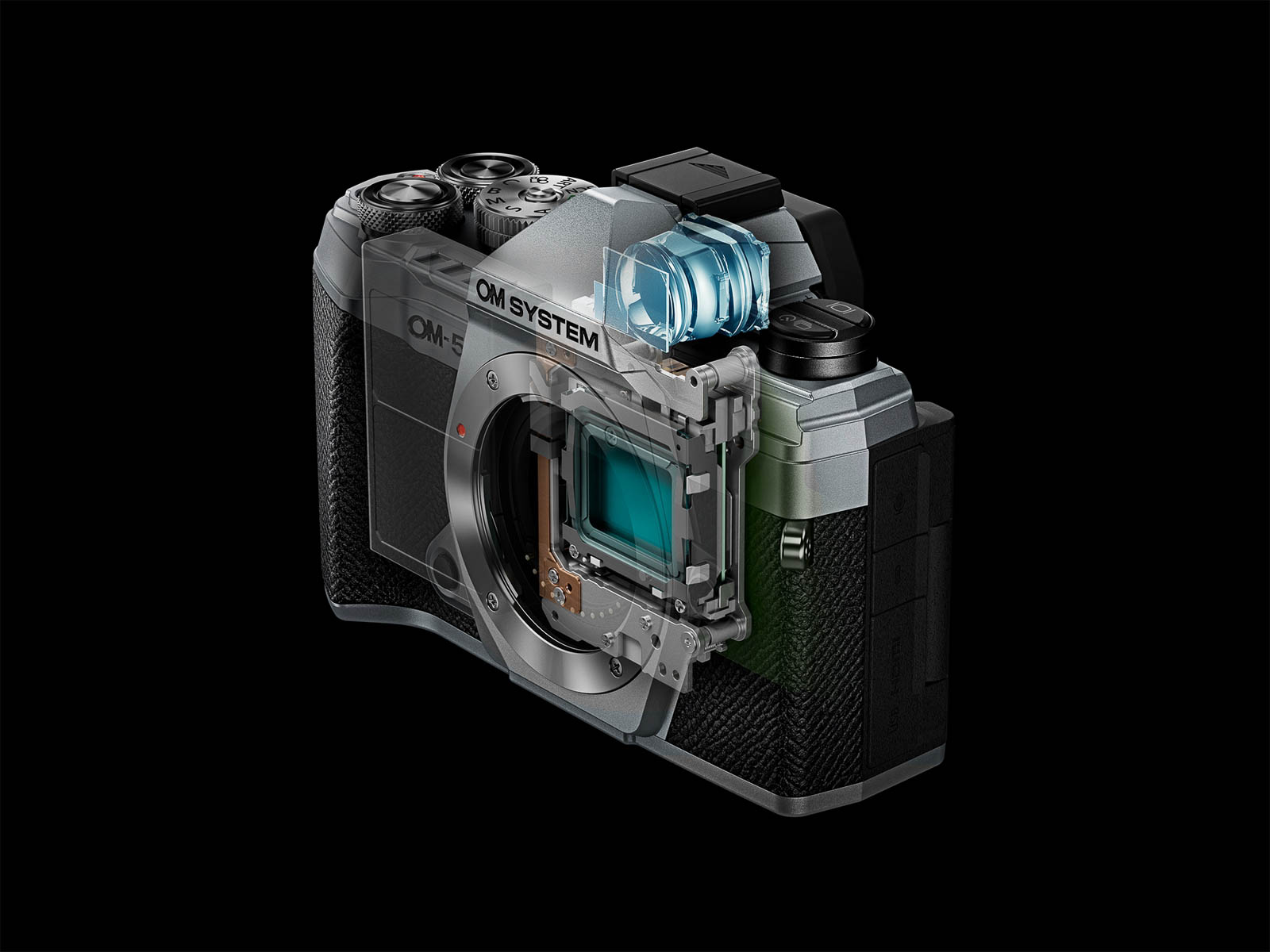
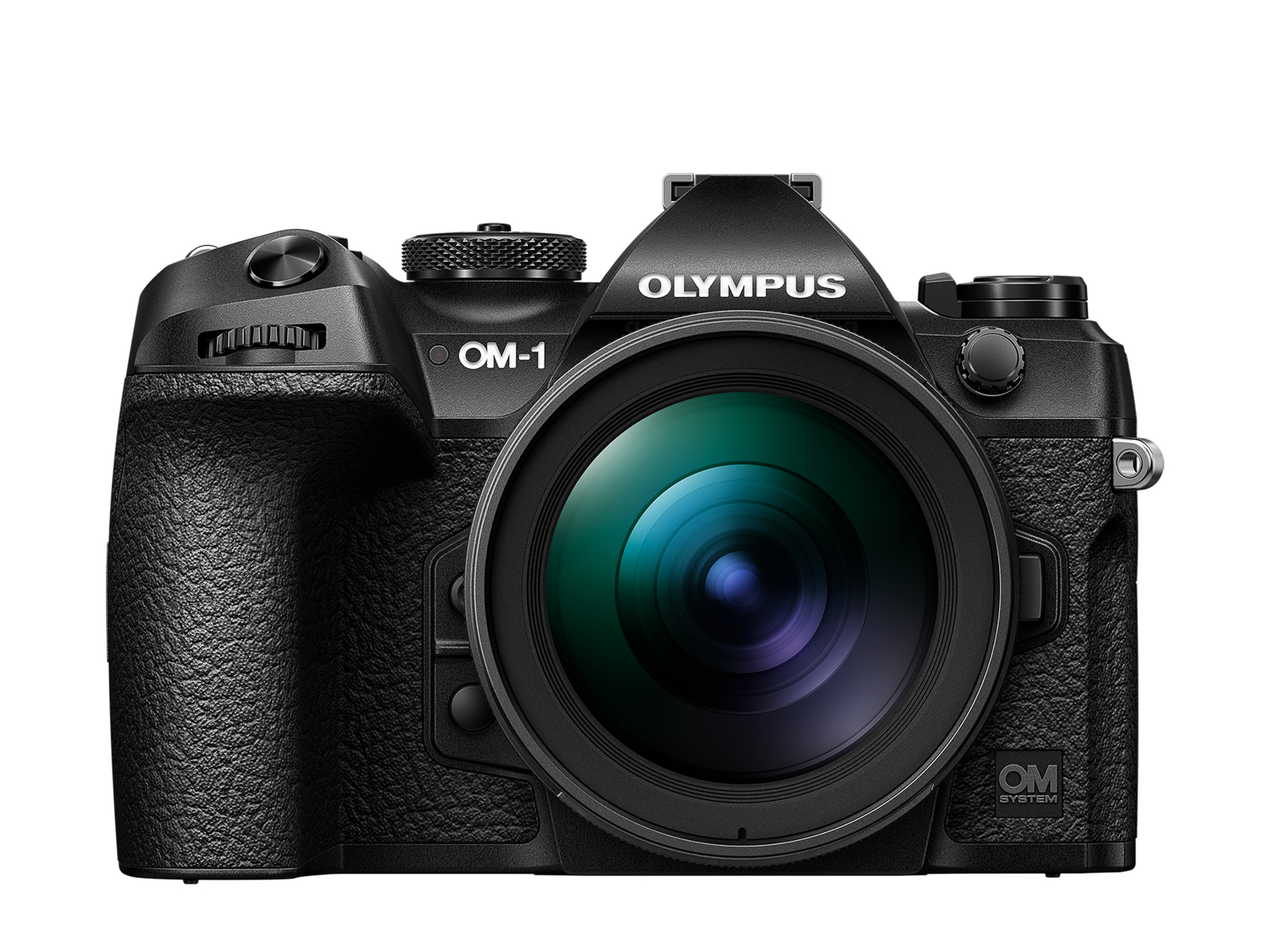
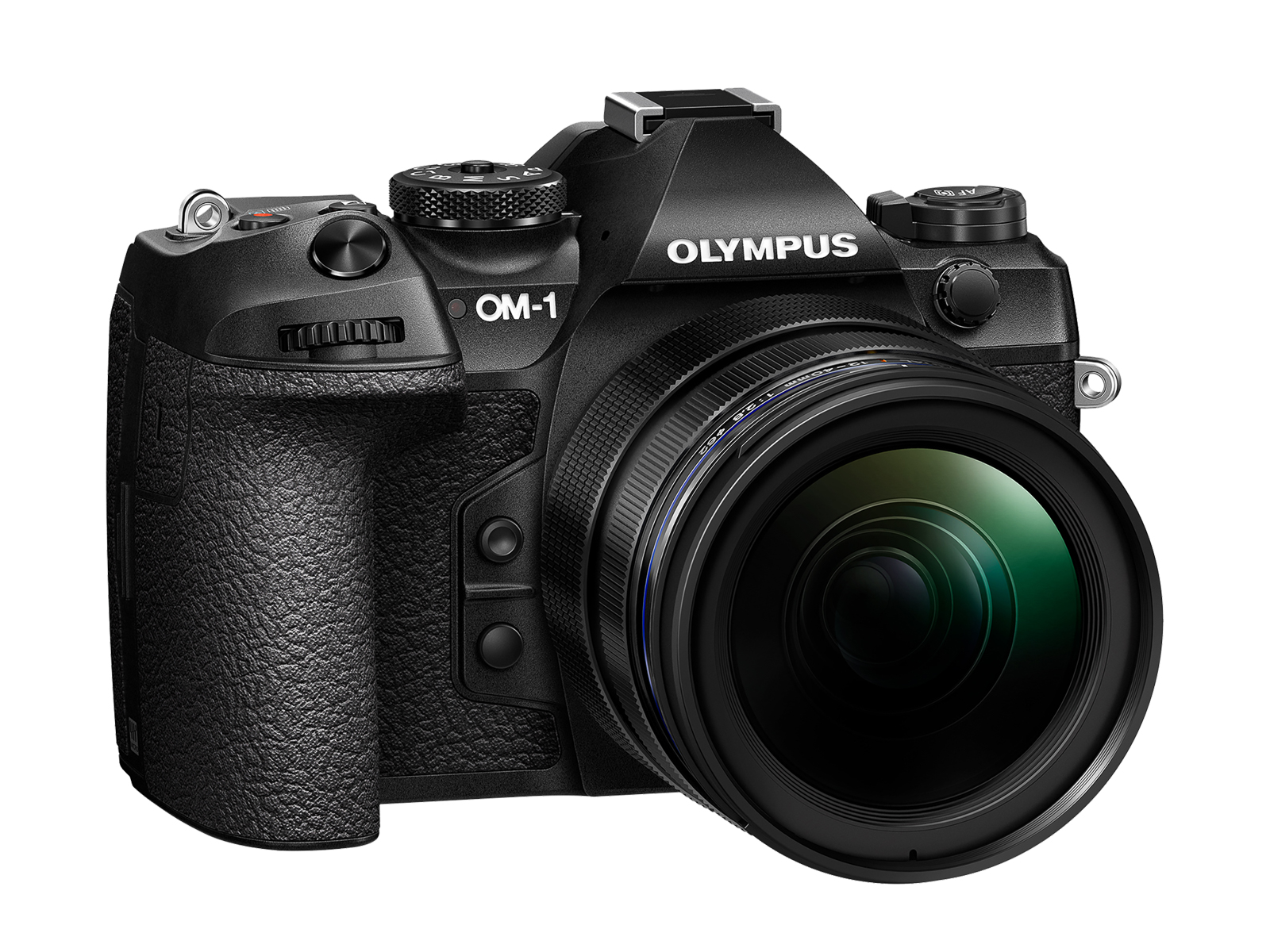
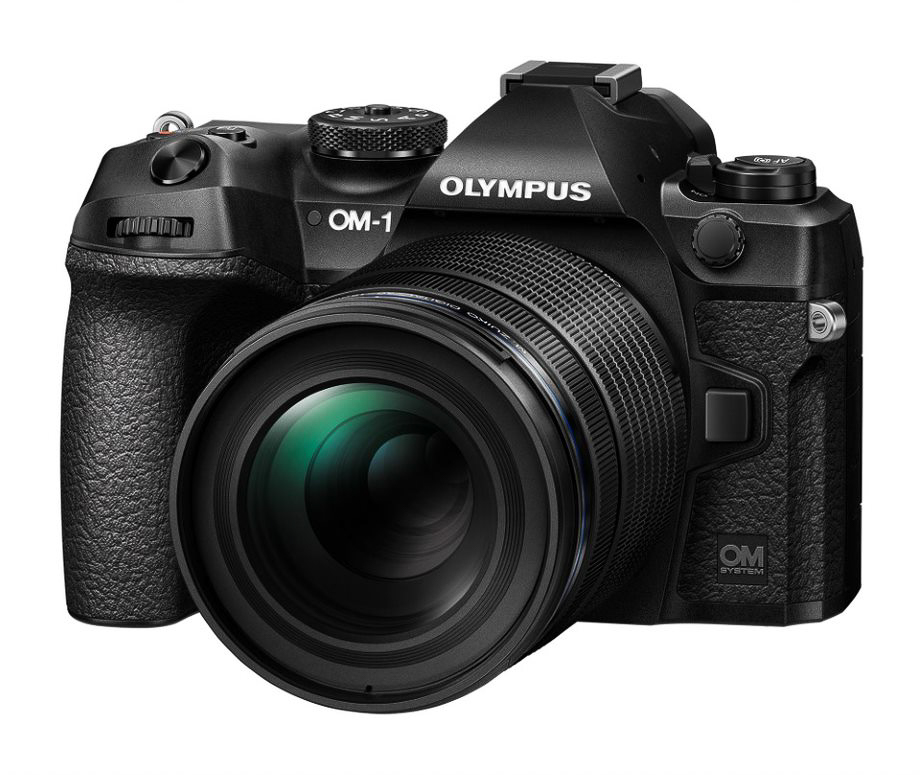
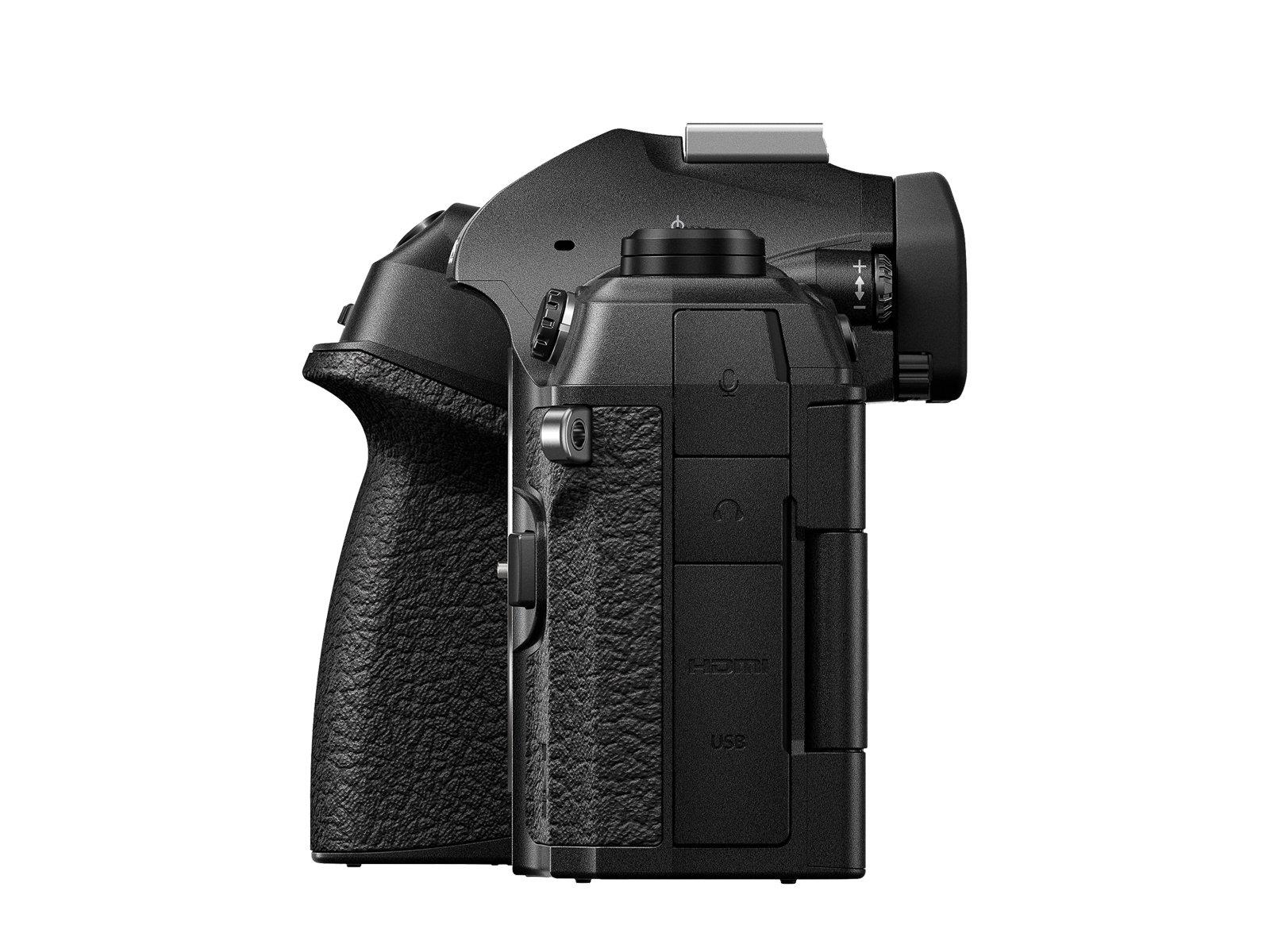
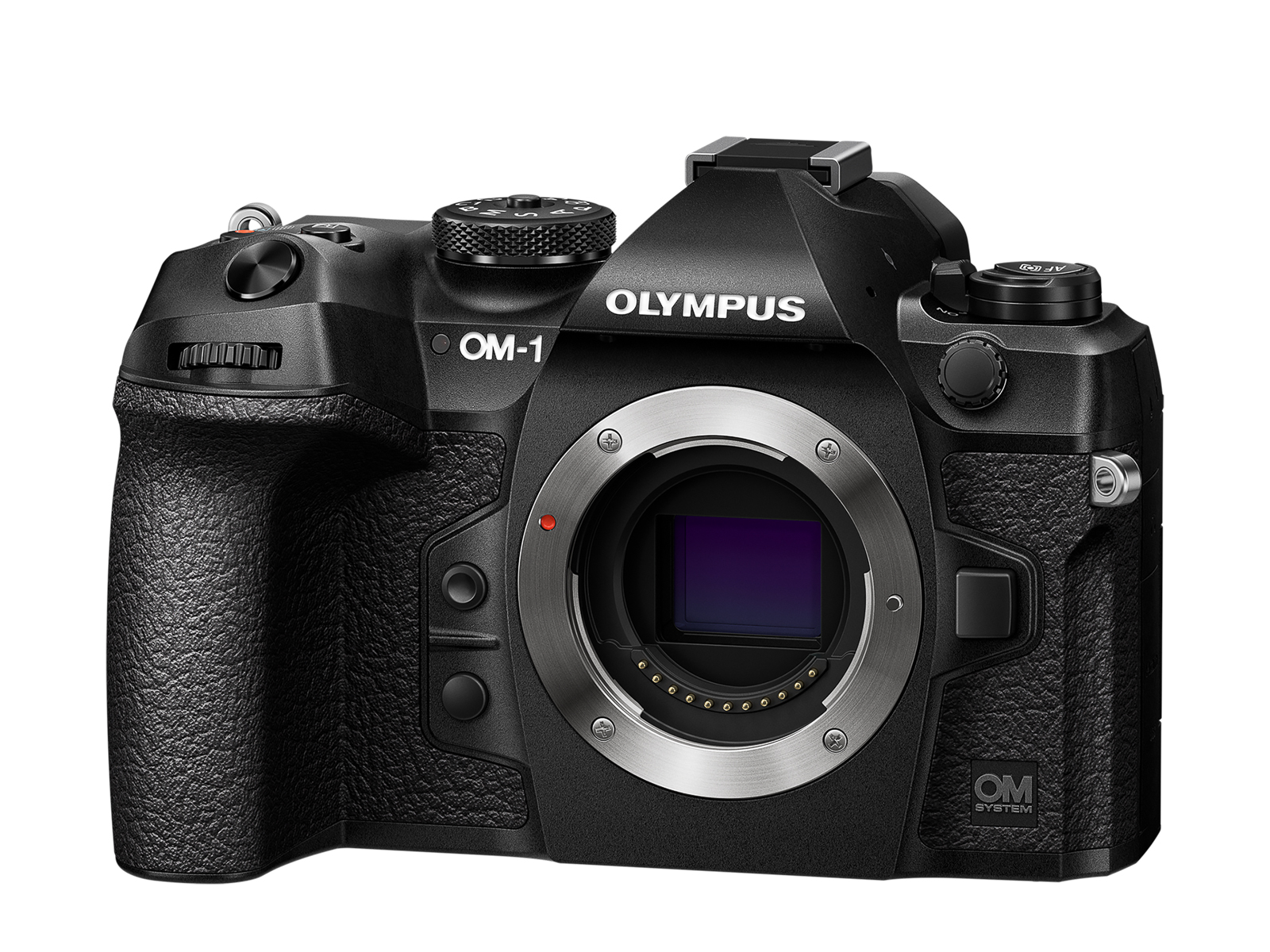
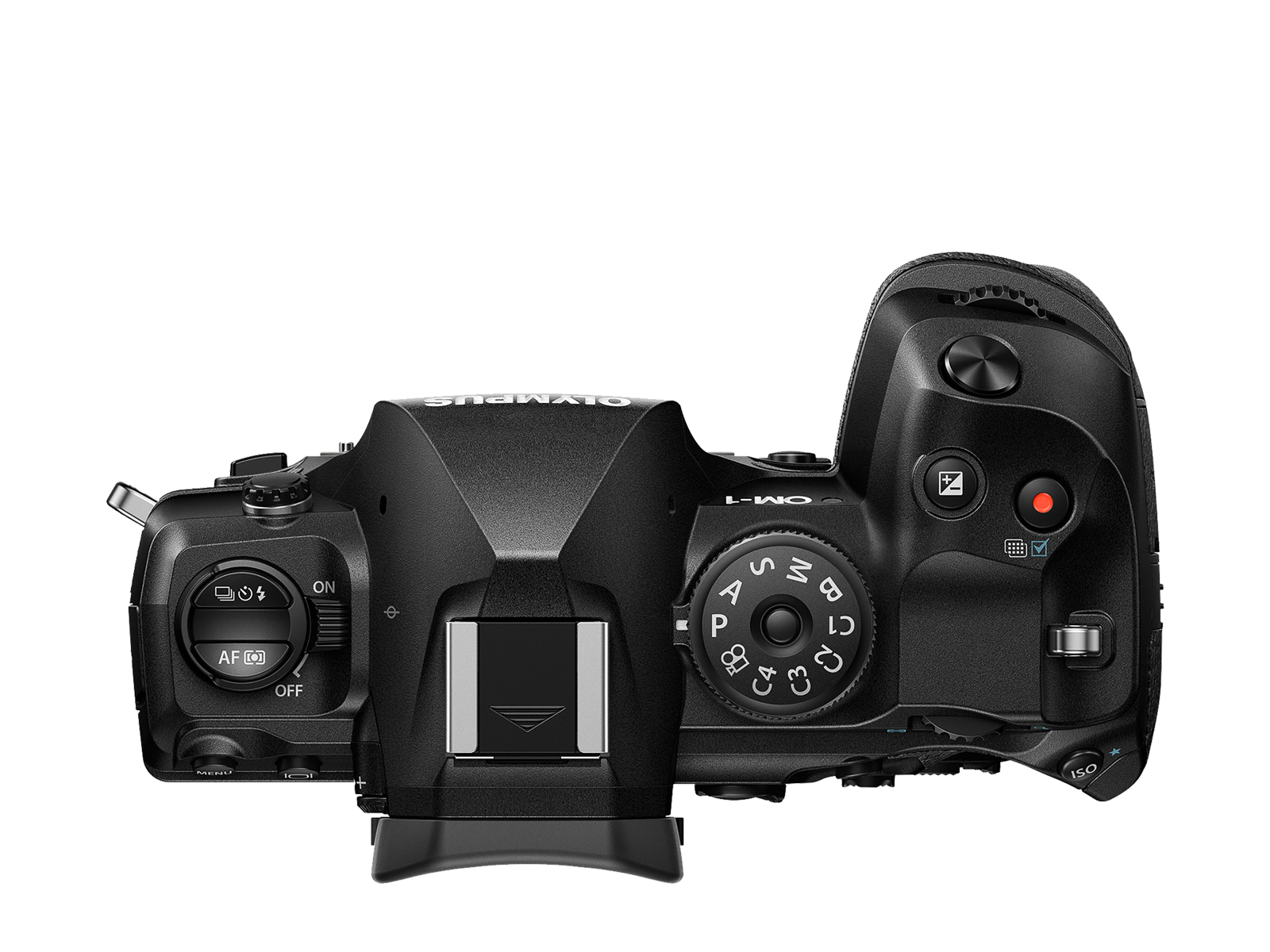
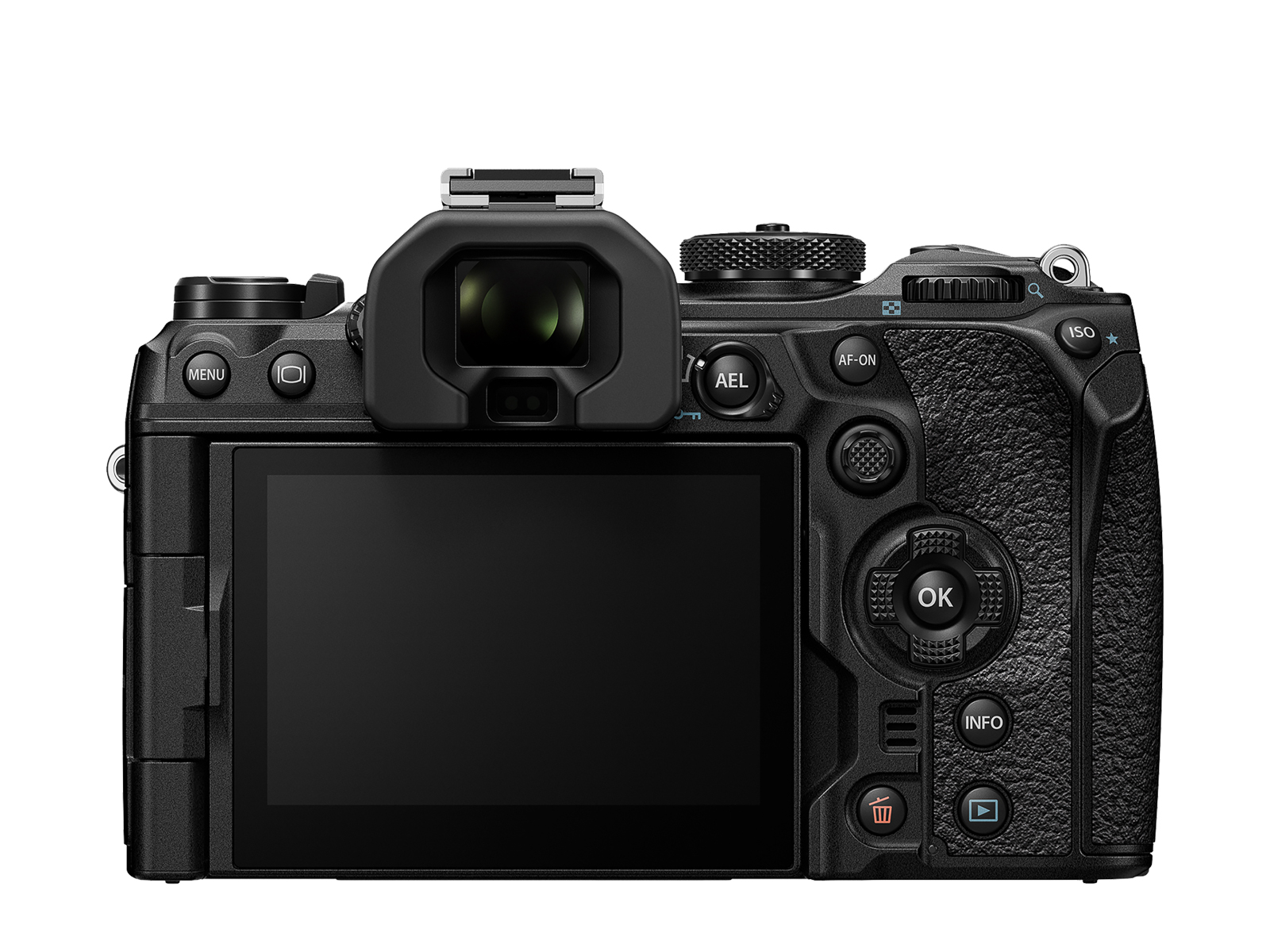
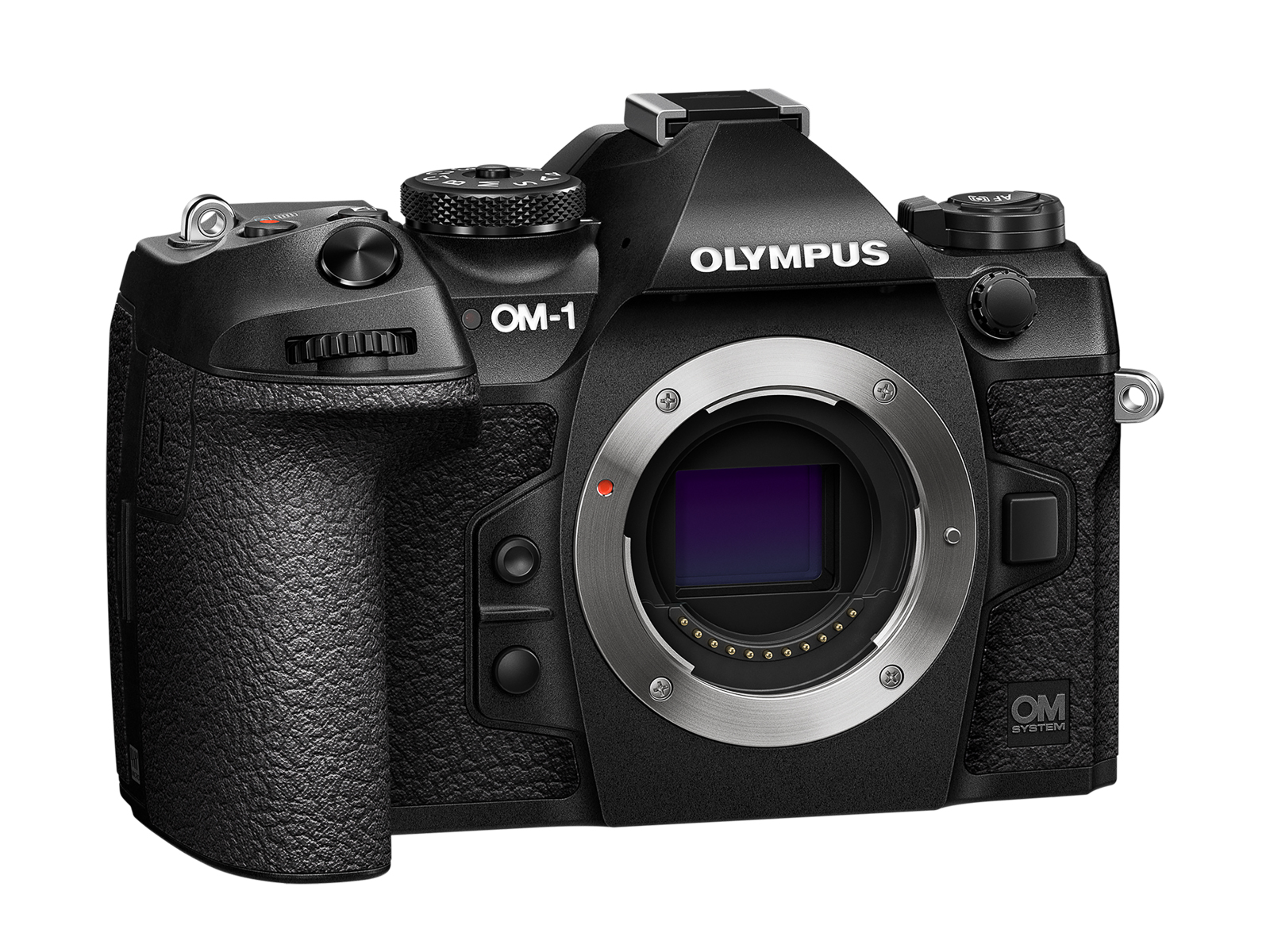
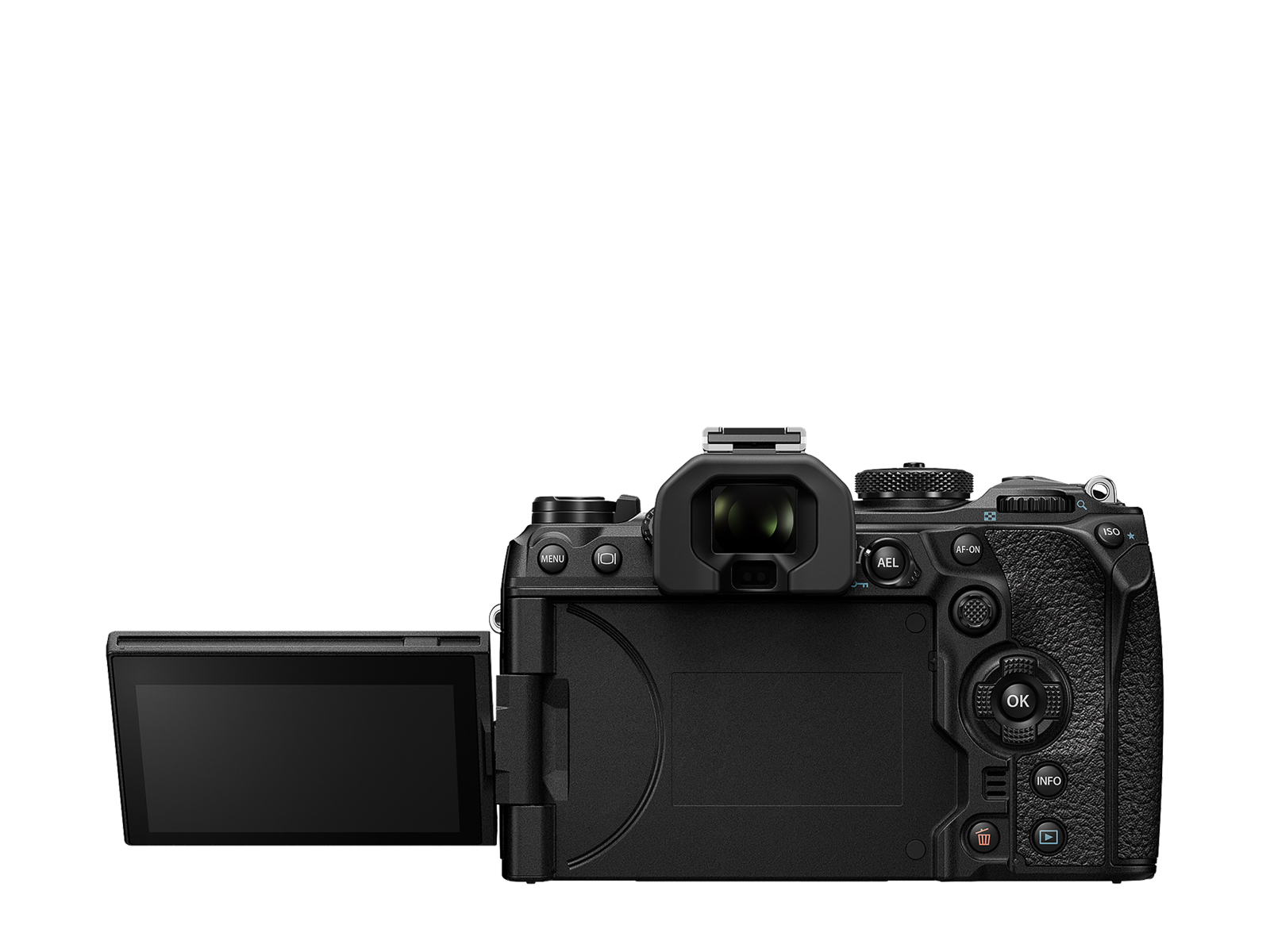
Gone is the familiar Olympus branding, but this is still the OM-1, the OM System OM-1, Mark II.

Headline points:

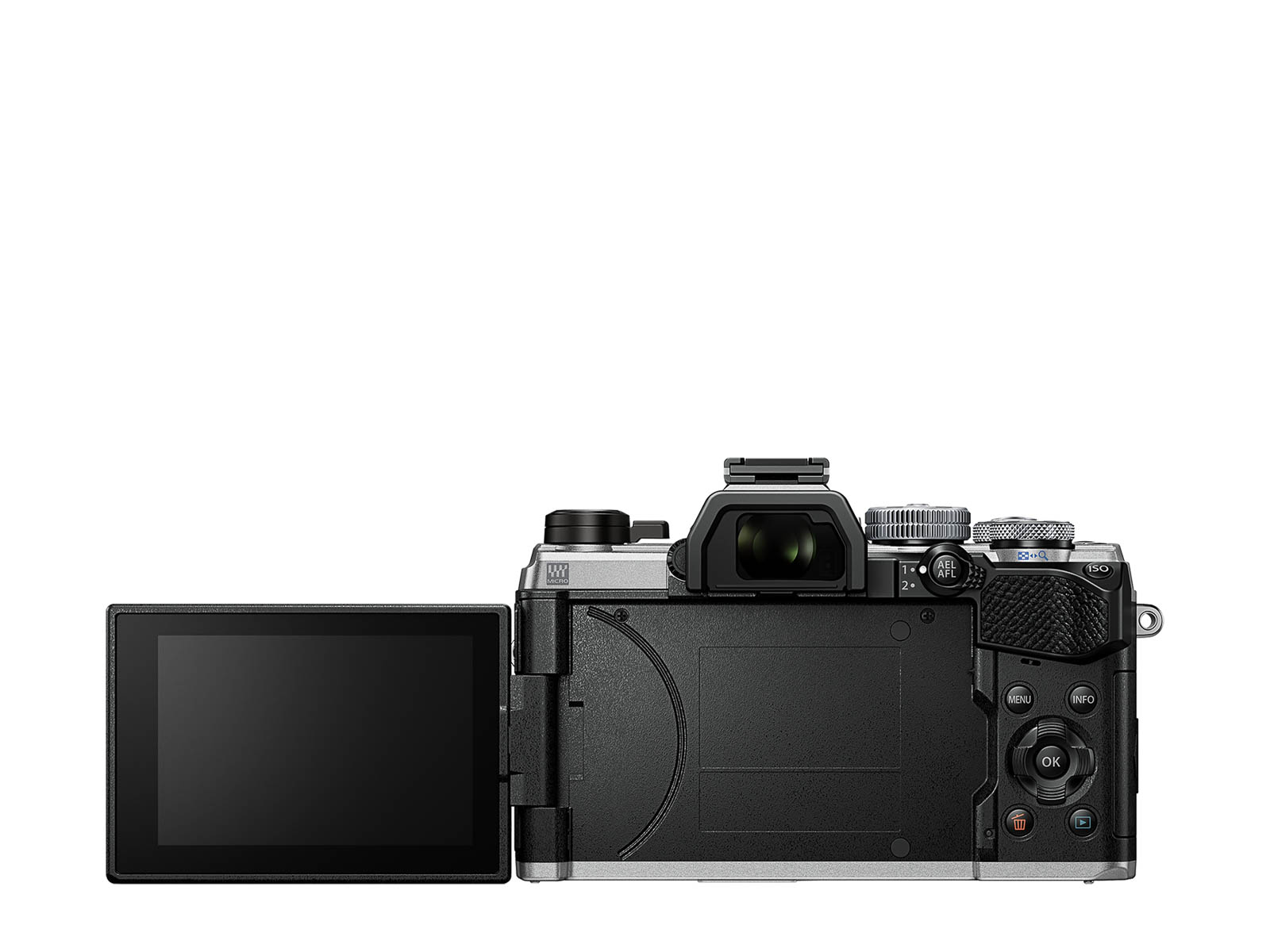
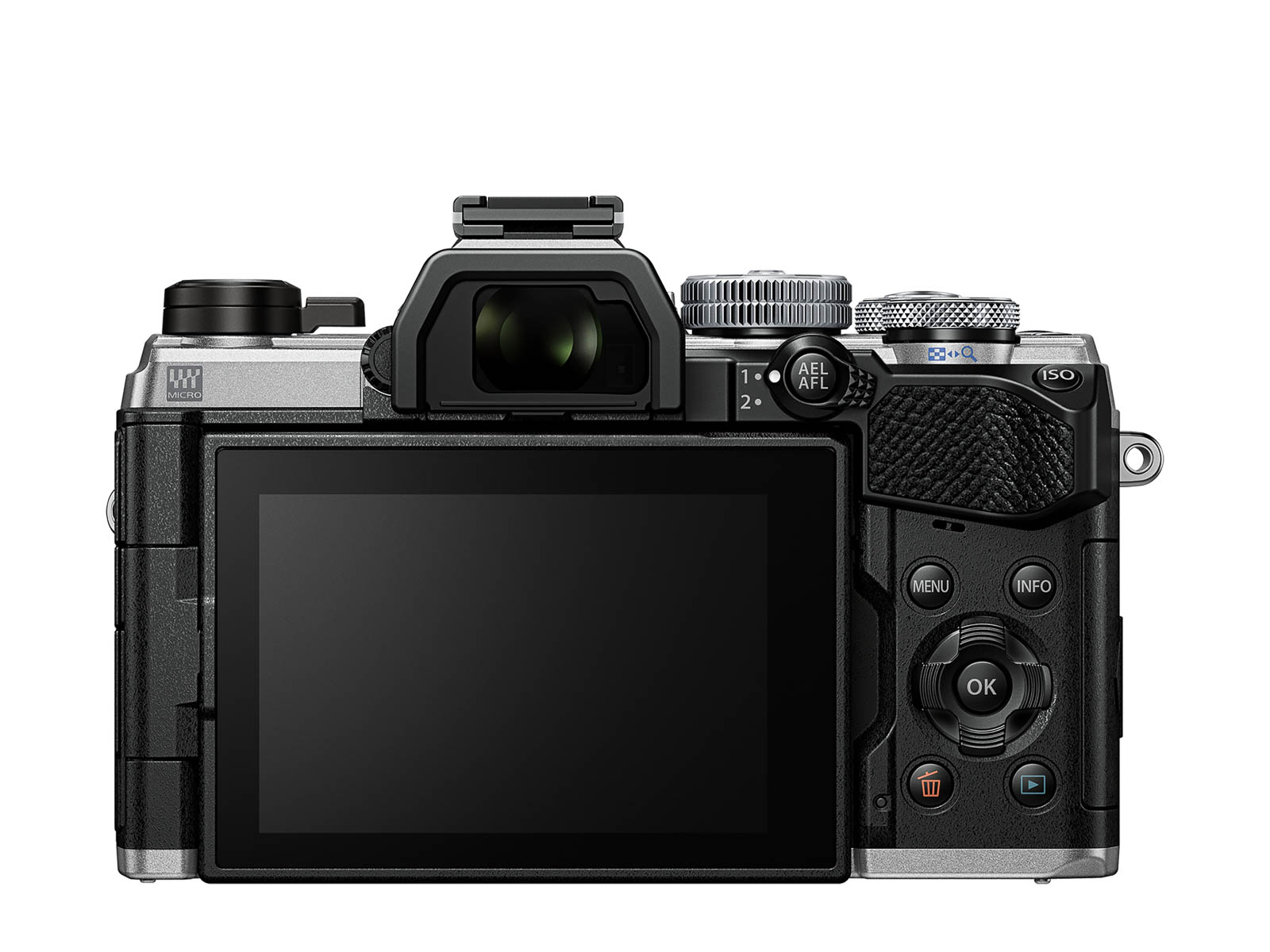
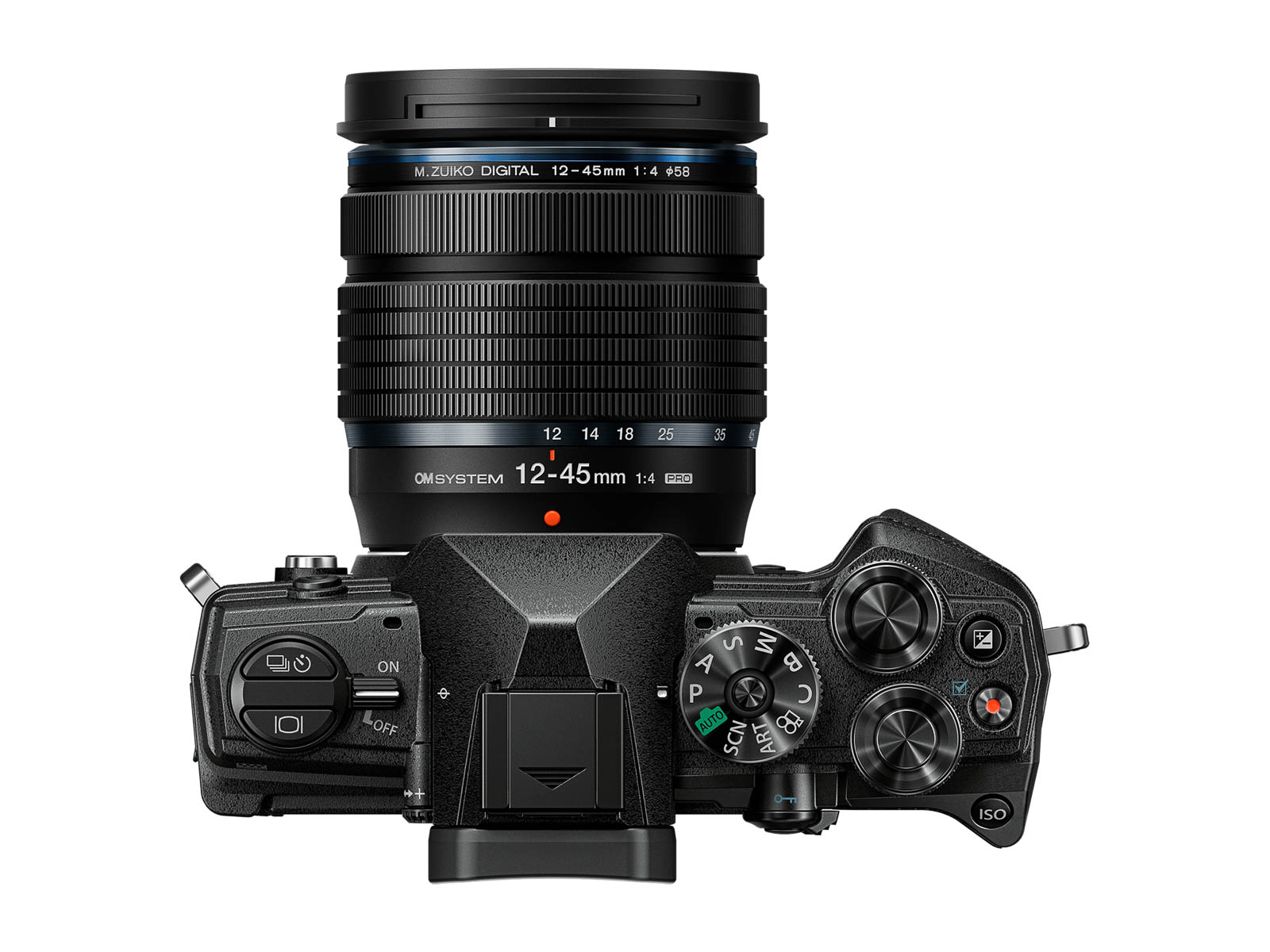
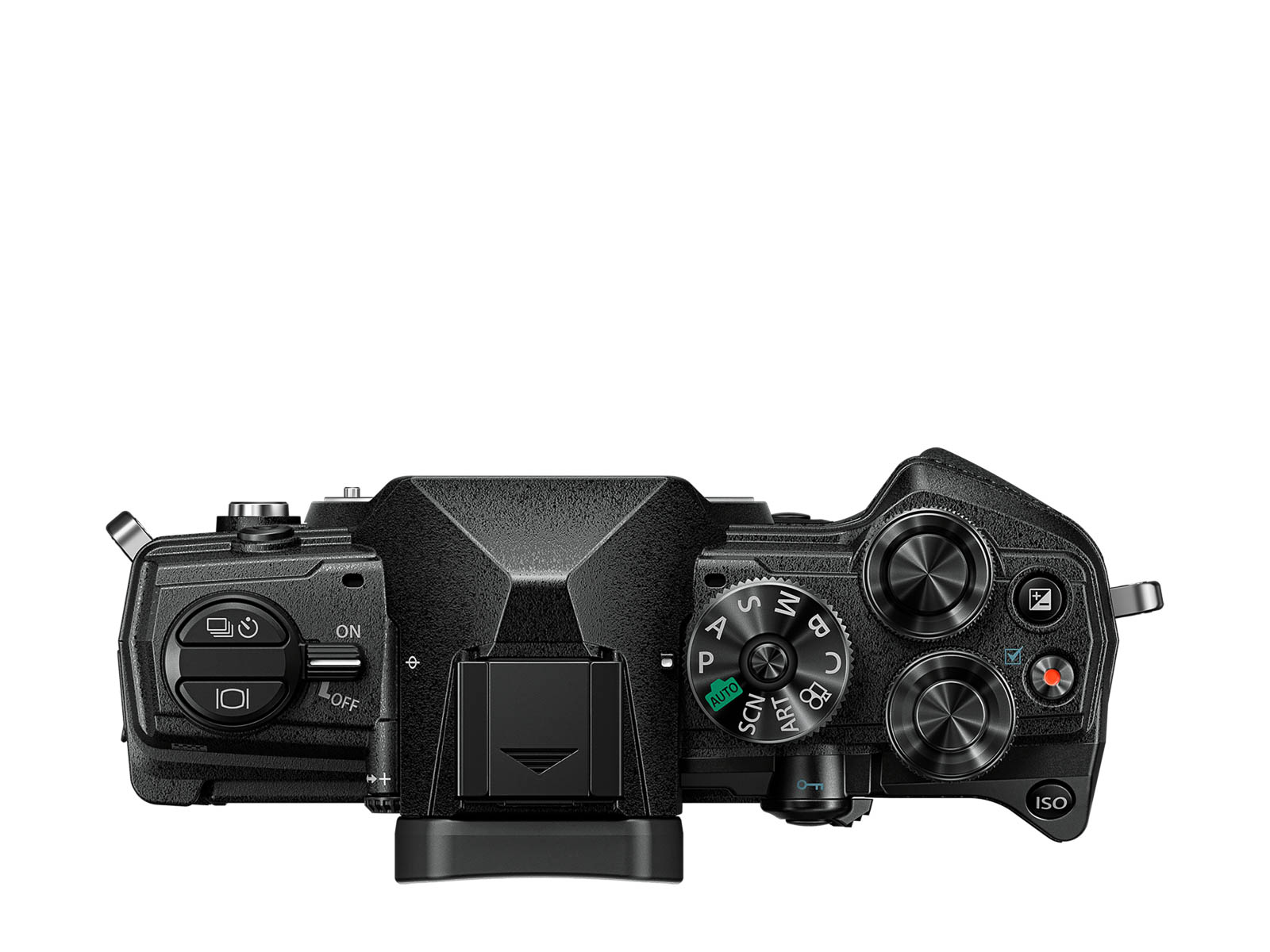
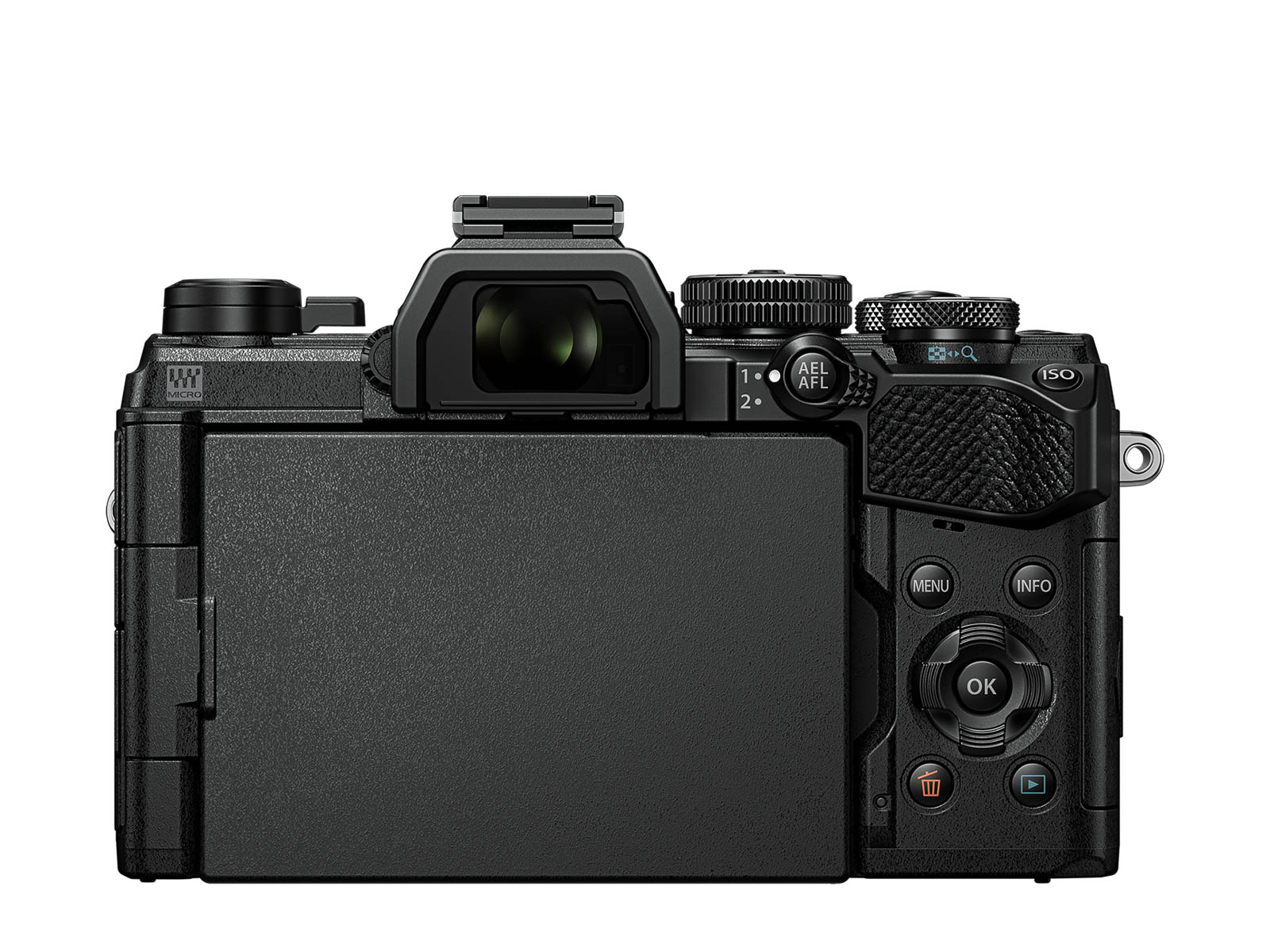
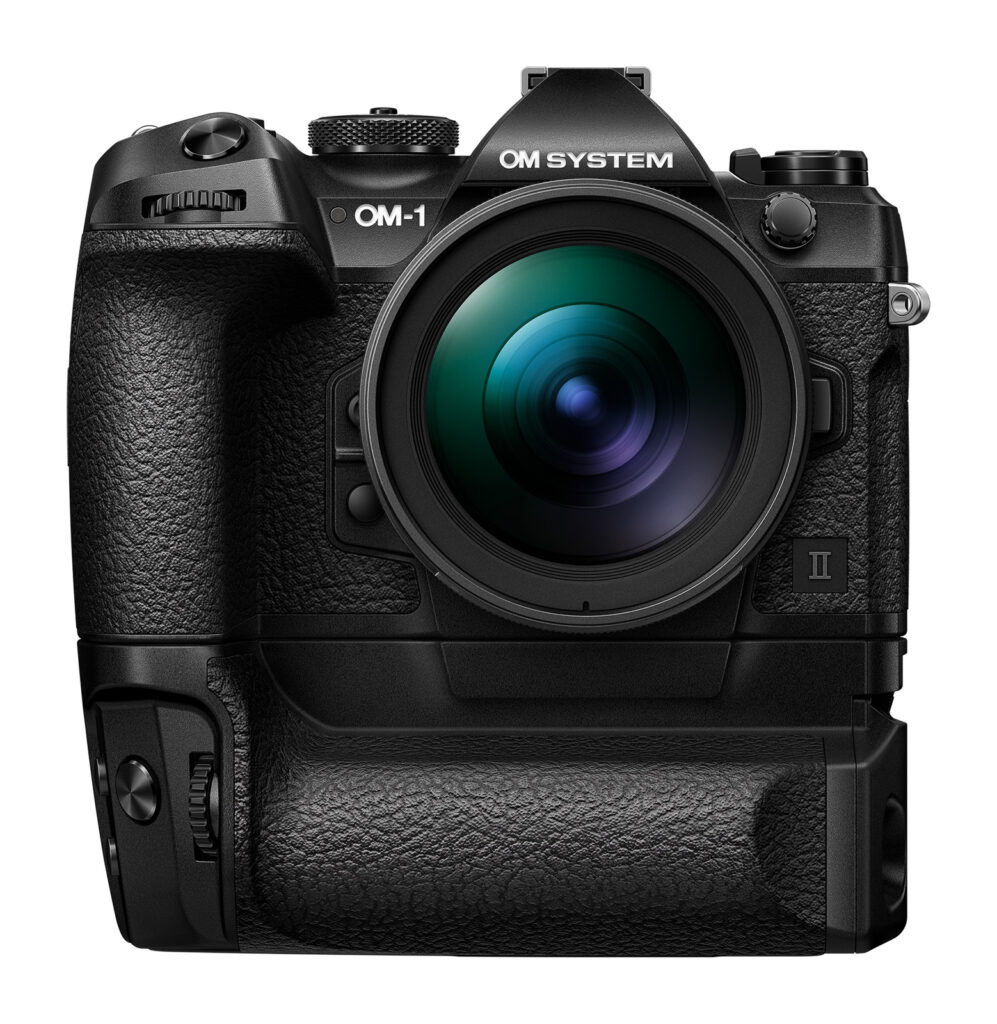
  • Minimal external design changes apart from grippier rubberised adjustment wheels
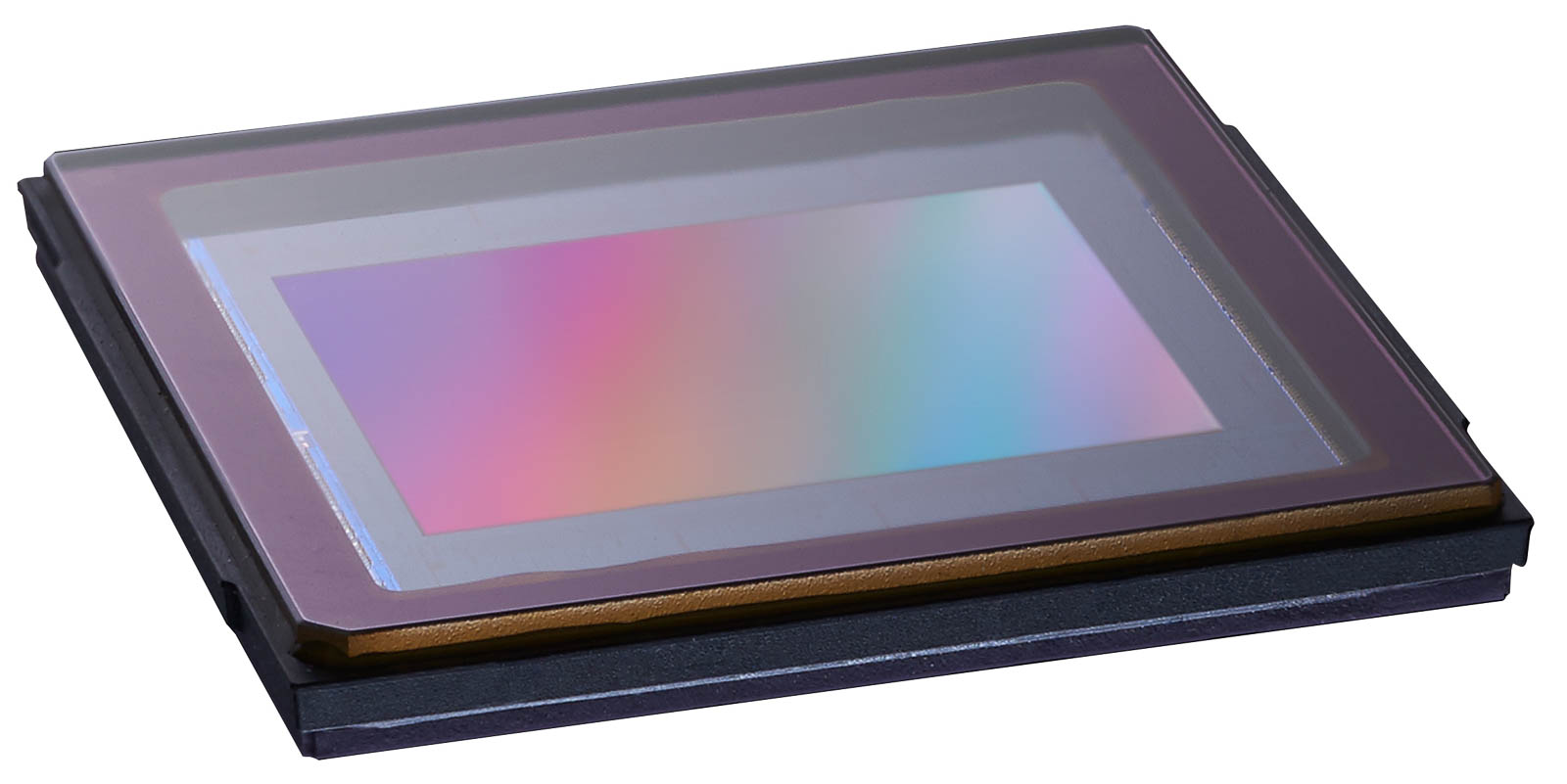
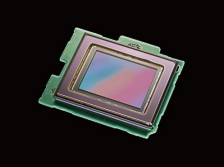
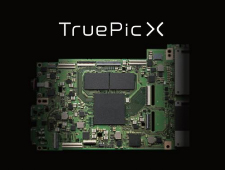
  • Unchanged sensor and Imaging Engine (TruePic X), but buffer RAM has been doubled
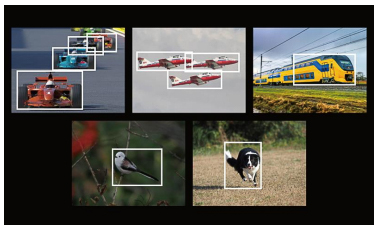
  • Significant Continuous AF reliability improvements through revised algorithms
  • AI-powered human person detection added
  • Selection of subject when several are identified now possible
  • Blackout-free sequential shooting at lower frame rates now available
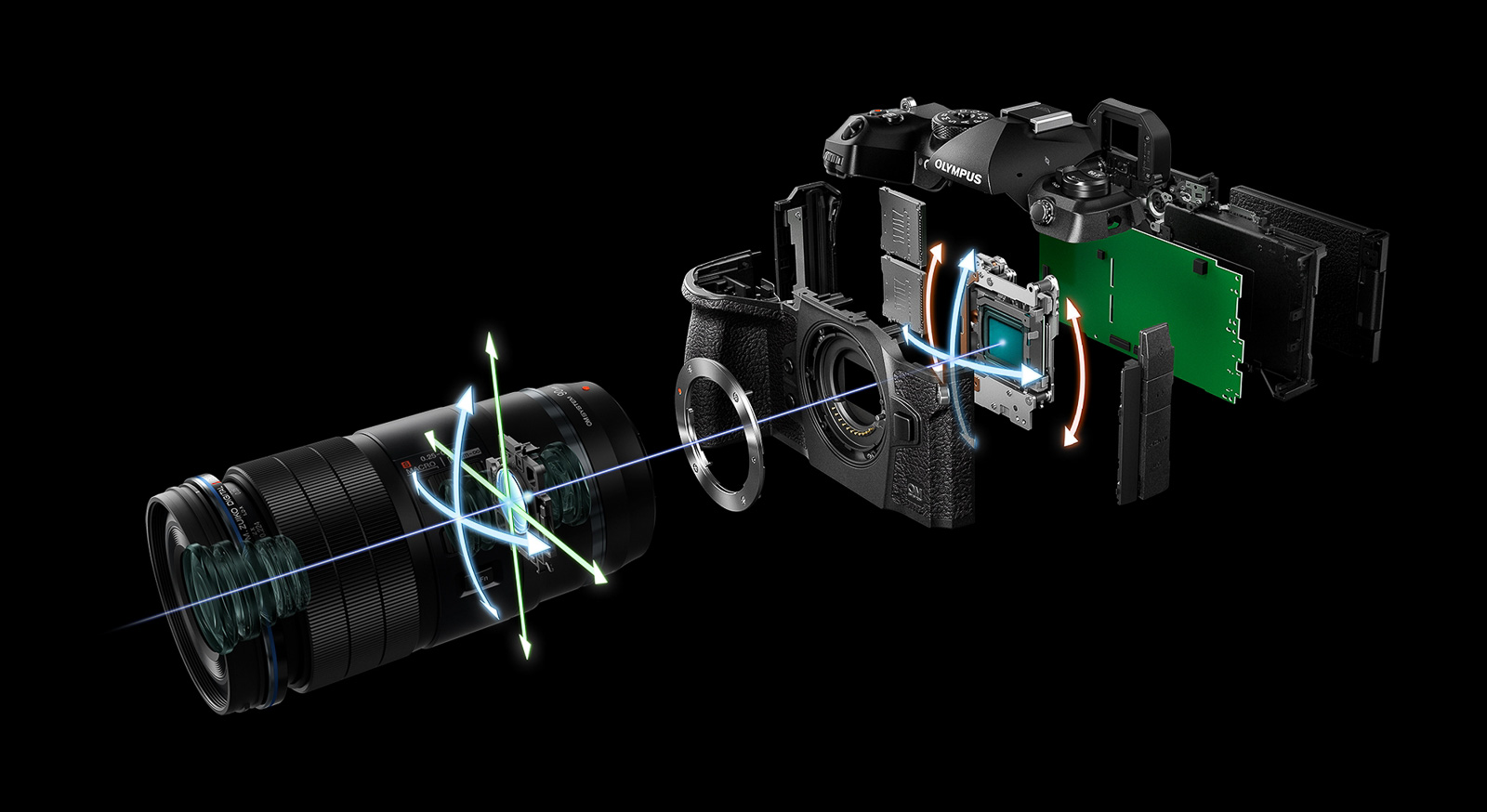
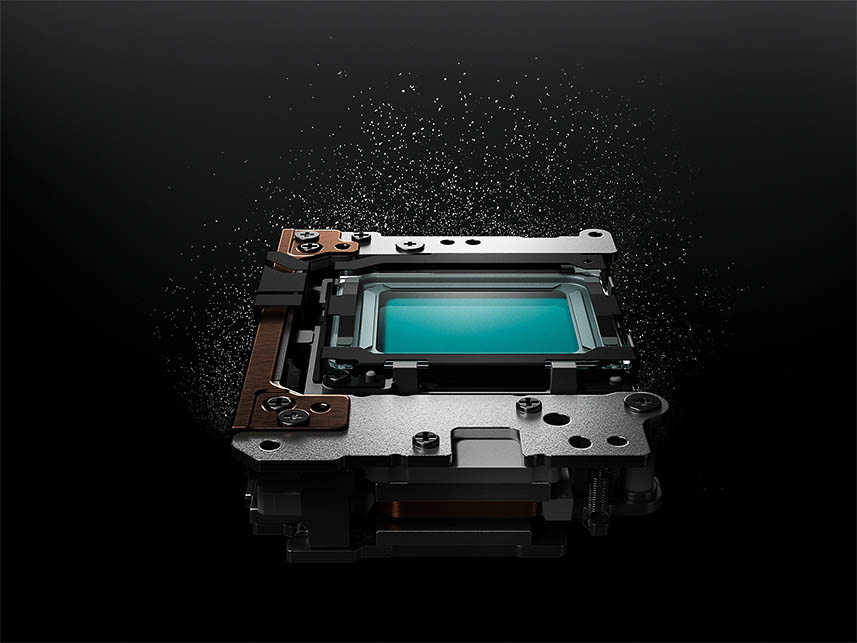
  • In body image stabilisation (IBIS) improved by 20% to 8.5 stops
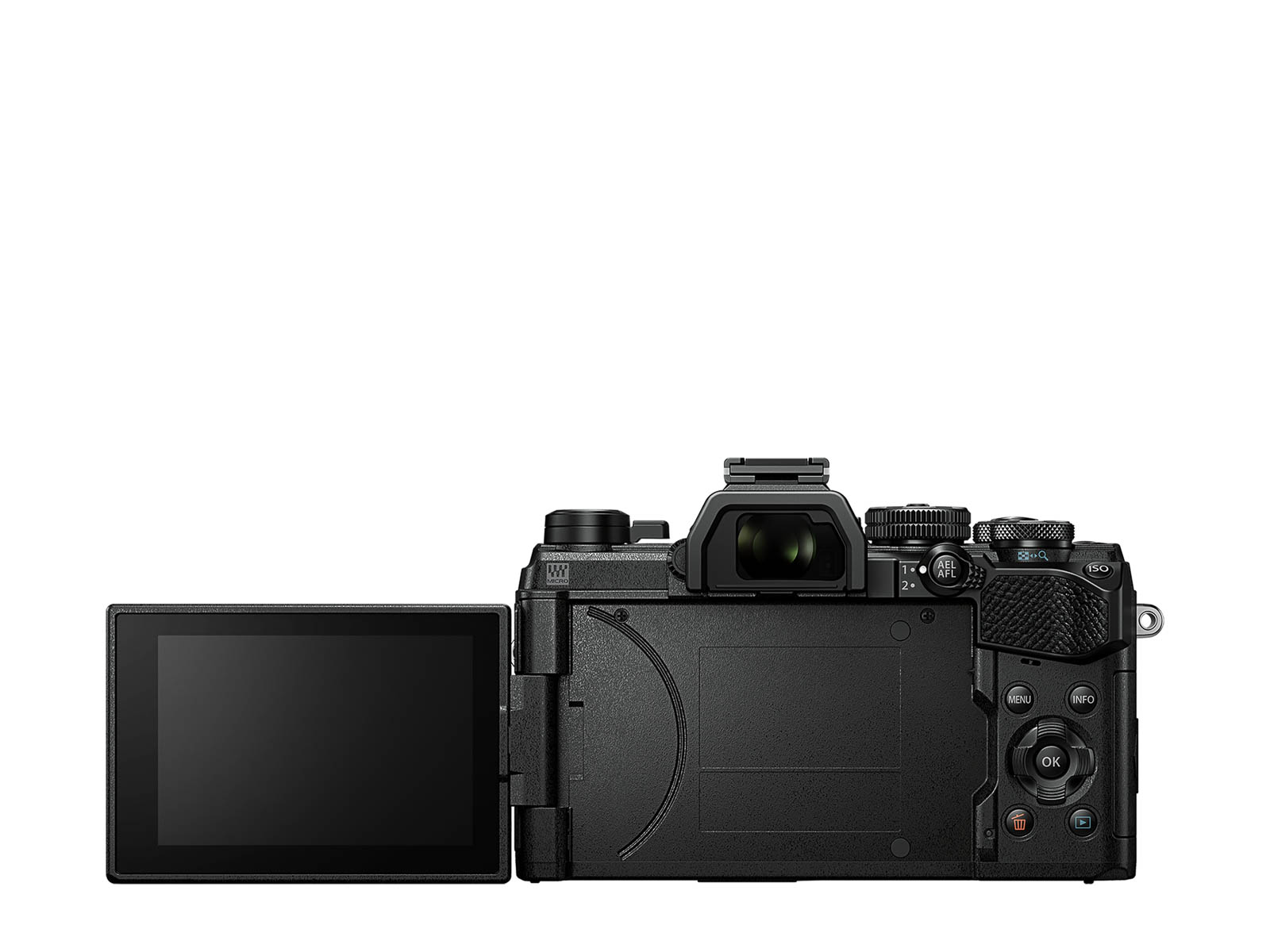
  • Menu button function can now be relocated to right-hand side for single-handed operation
  • 14-bit RAW now available from high res shooting modes
  • Live ND digital neutral density filter mode extended by an extra stop to ND128
  • Landscape photographers targeted by new Live GND graduated filter tool
  • Faster focus stacking and bracketing
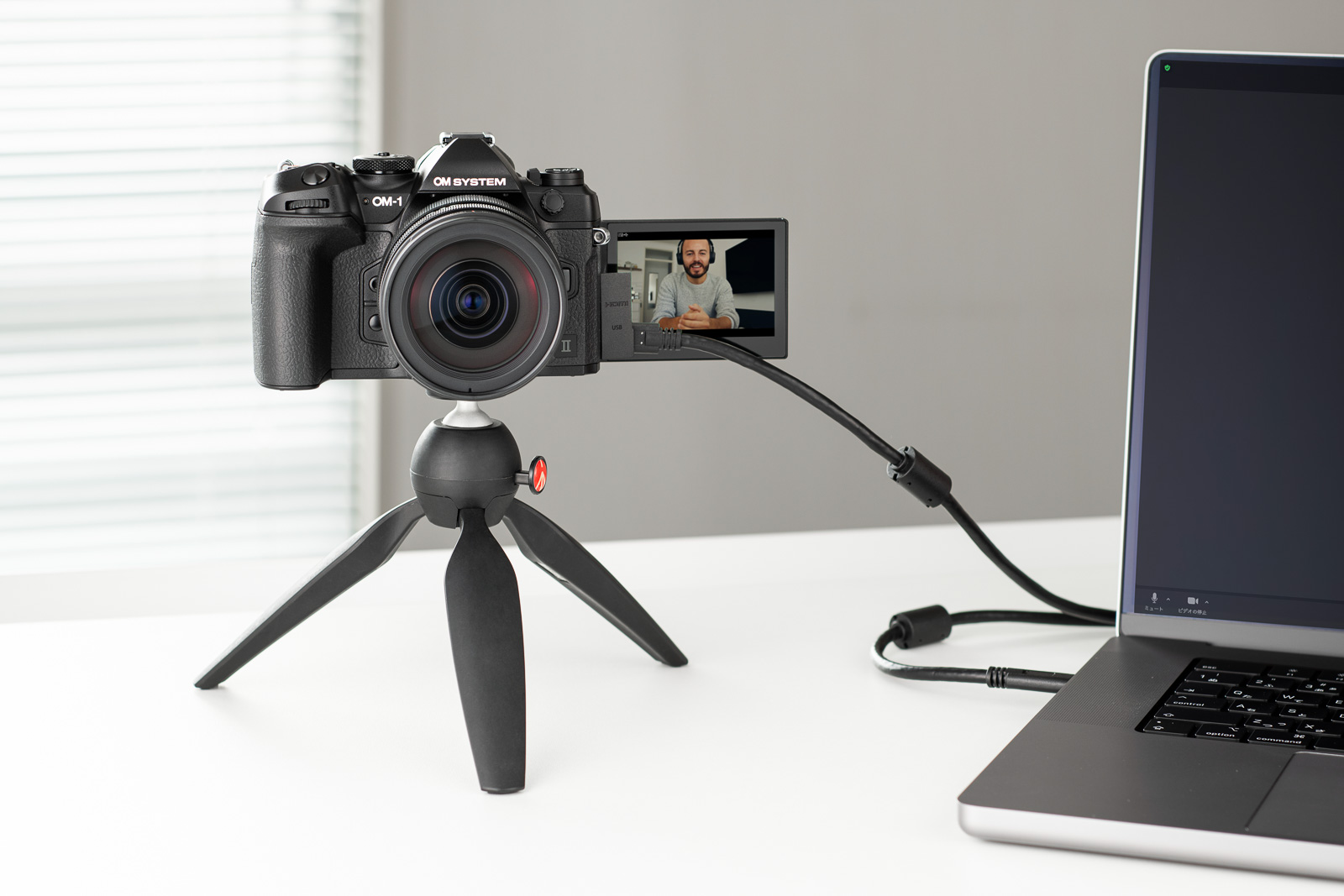
  • Vertical ‘mobile phone’ aspect video shooting for posting to social media is now supported
  • Availability end of February
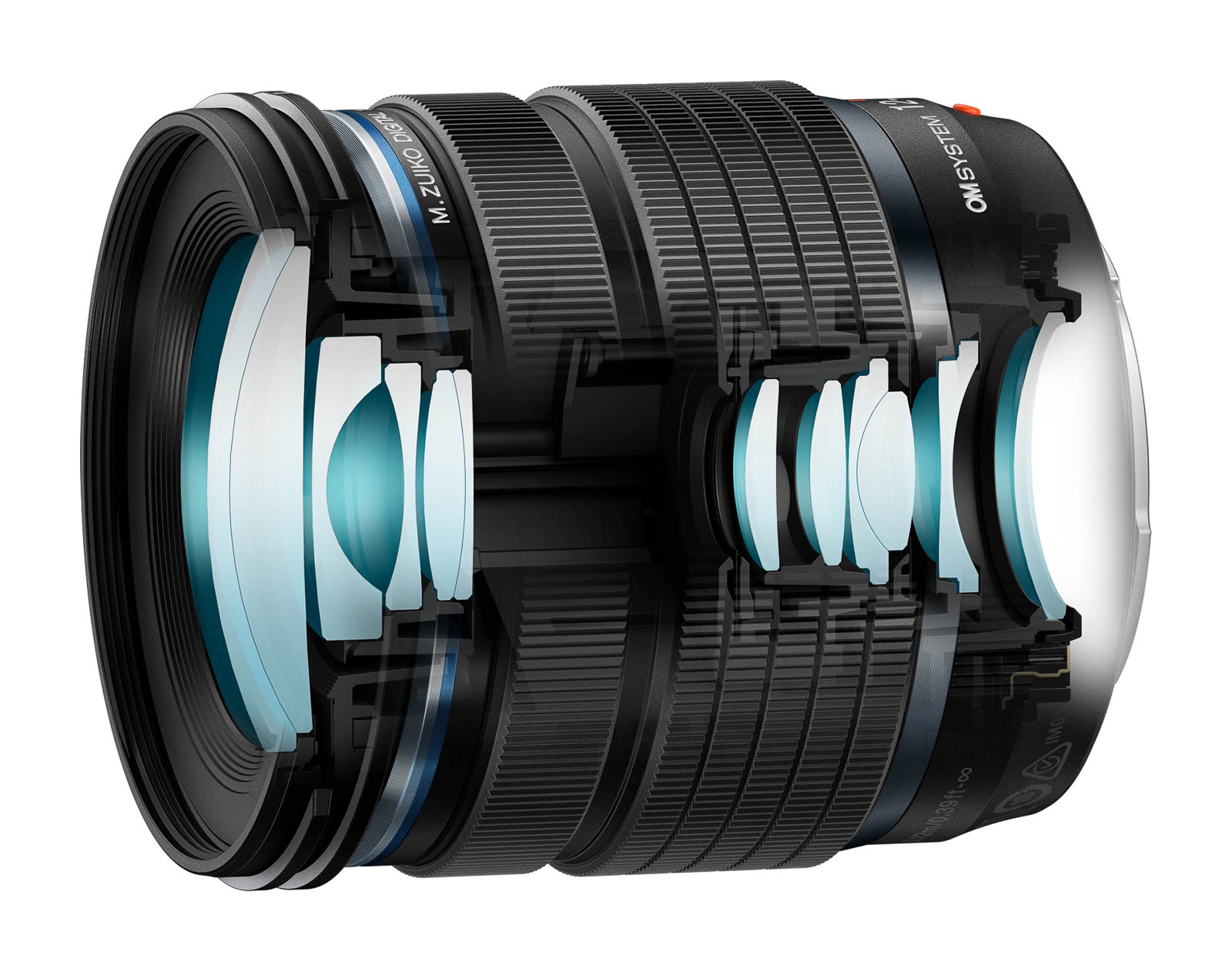
  • Pricing: camera body €2,399.00, £2,199.99, bundle kit with 12-40mm f/2.8 II €2,999.00, £2,699.99
OM System OM-1 Mark II

Autofocus

OM System say the OM-1 Mark II has improved subject identification abilities and continuous autofocus is more reliable than before – all thanks to improved algorithms and AI models. No information was available regarding single point AF reliability, which some have reported. But overall, AF has been improved.

Live ND and Live GND

You can now darken your digital Live ND filter by a further stop, to ND128. On top of that, digital ND filtration in graduated (Live GND) form is now available. You have touch-screen control over the position and angle of the graduated ND filter, up to GND8. There are Soft, Medium, and Hard filters to choose from. Live GND can’t be used at the same time as Live ND or ProCapture.

14-bit RAW

Only when using 50 and 80 megapixel high res shot modes, but 14-bit RAW files can now be produced. These modes already reduced noise and increased dynamic range and now, with the digital headroom extension to 14 bits you can work with up to three times as many levels of tone.
OM System OM-1 Mark II

Less waiting

With the doubled buffer memory, there is less chance of stalling your camera when shooting at extremely high sequential rates and having to wait while the buffer empties. Computational algorithms have also been optimised so waits after focus stacking and bracketing have been reduced.

OM System’s strategy for the OM-1 Mark II

I sensed that OM System are being realistic and aren’t producing the OM-1 Mark II to persuade existing OM-1 users to upgrade, although, no doubt, some will. The OM-1 Mark II is an incremental upgrade to the original OM-1, after all it is only two years since the OM-1 was originally launched. But a fresher OM-1 should help to maintain the attraction of the system in the eyes of those looking to switch to Micro Four Thirds.

So what about existing OM-1 users? Logically, it doesn’t seem unreasonable to think that functions endowed to the OM-1 Mark II through software improvements, might be headed their way to the original OM-1, via a firmware update. I raised this very question and was given a clear – “there are no plans” response. I was given a vague impression that some of the improvements did depend, to a degree, on the limited internal upgrades, like the increased buffer memory.

But this is a tricky point for OM System. It’s not unusual for firmware updates to accompany the launch of new lenses, for example, so we probably can expect updates in the future, but whether or not the original OM-1 will get some or any of the Mark II functionality upgrades, remains a moot point.
OM System OM-1 Mark II

The E-Group forum.

We run a busy and friendly discussion forum dedicated to Olympus/OM System and Micro Four Thirds. There will sure to be a lot of discussion on this week’s news – you can find the forum here.

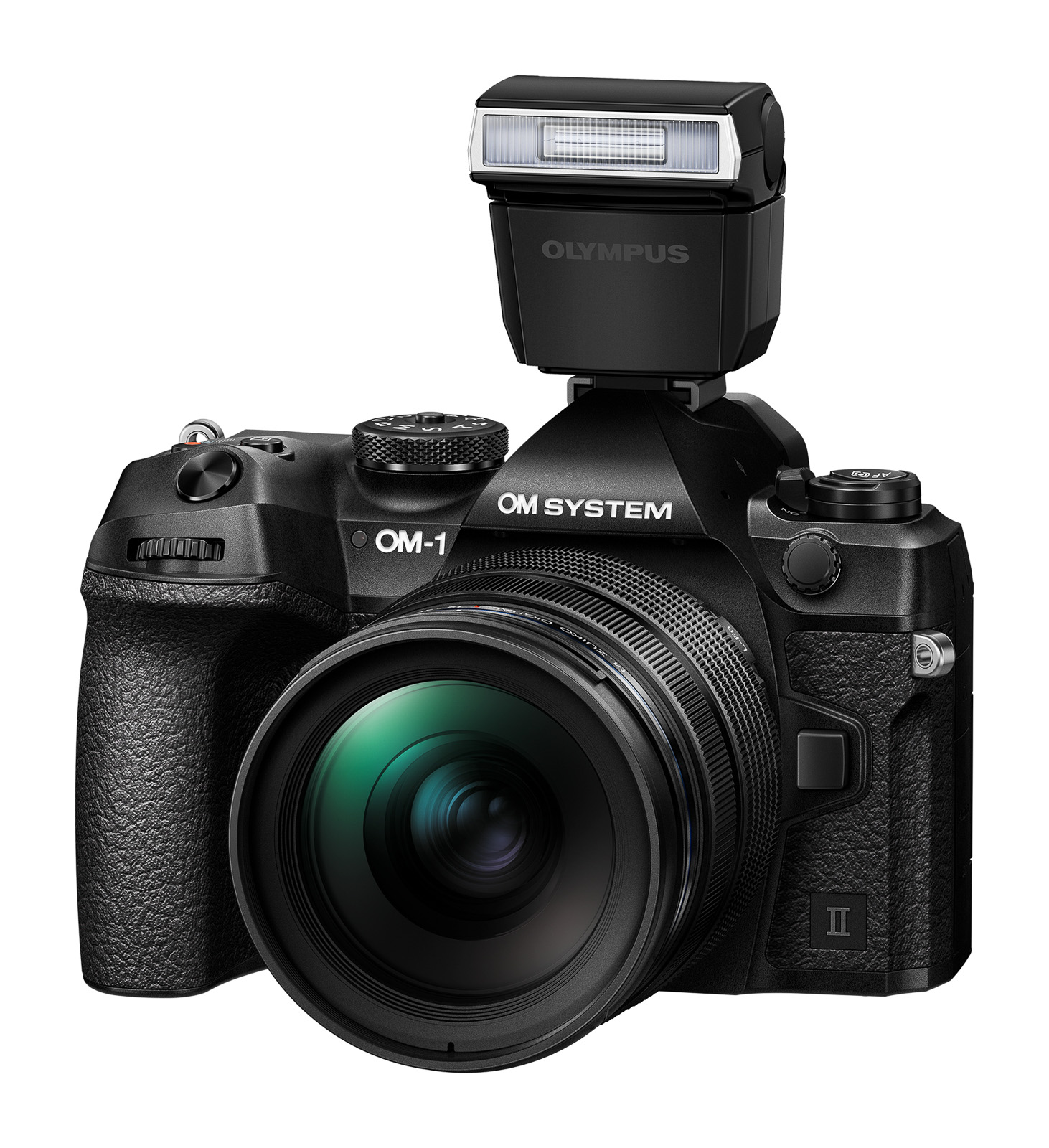
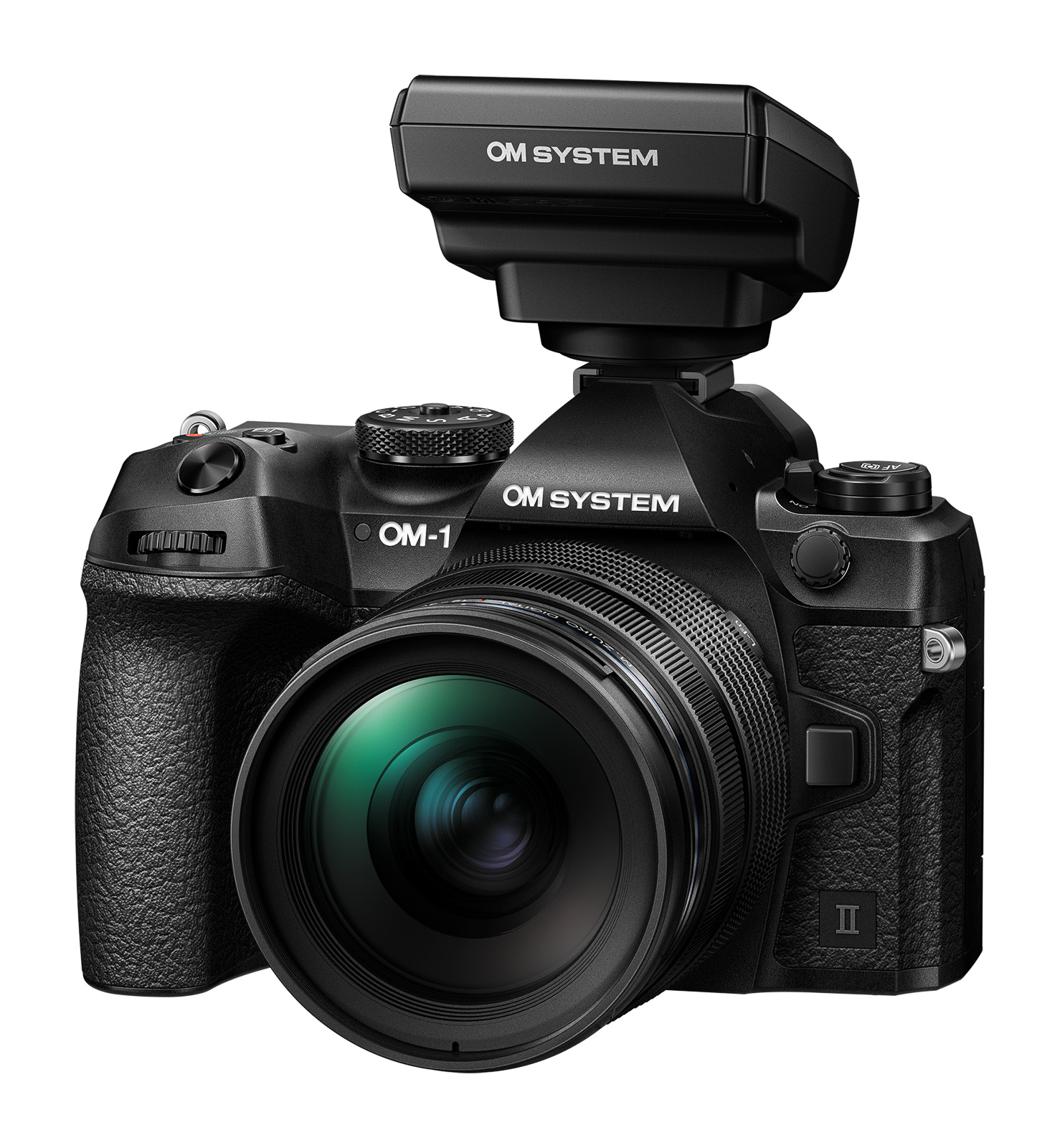
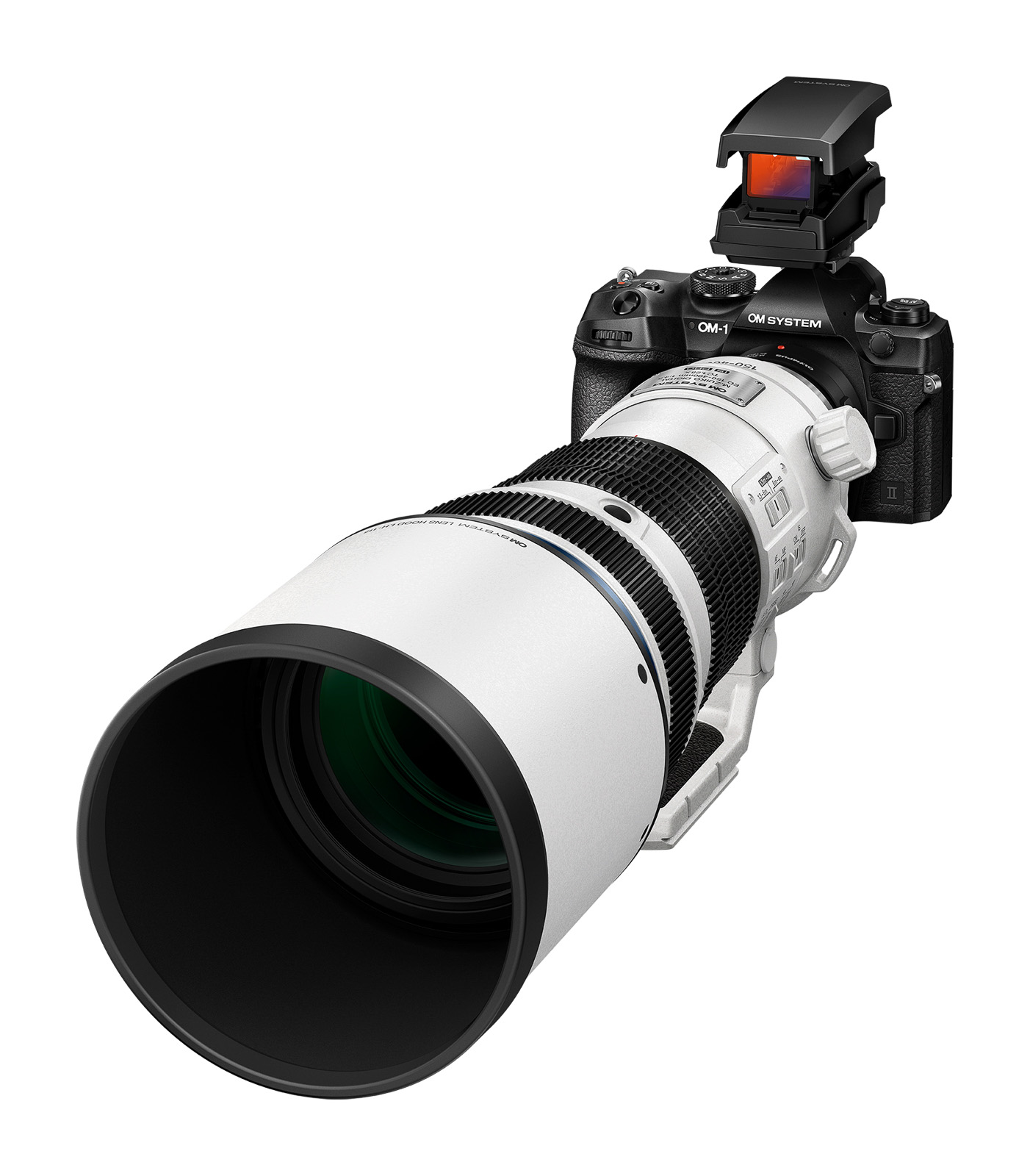
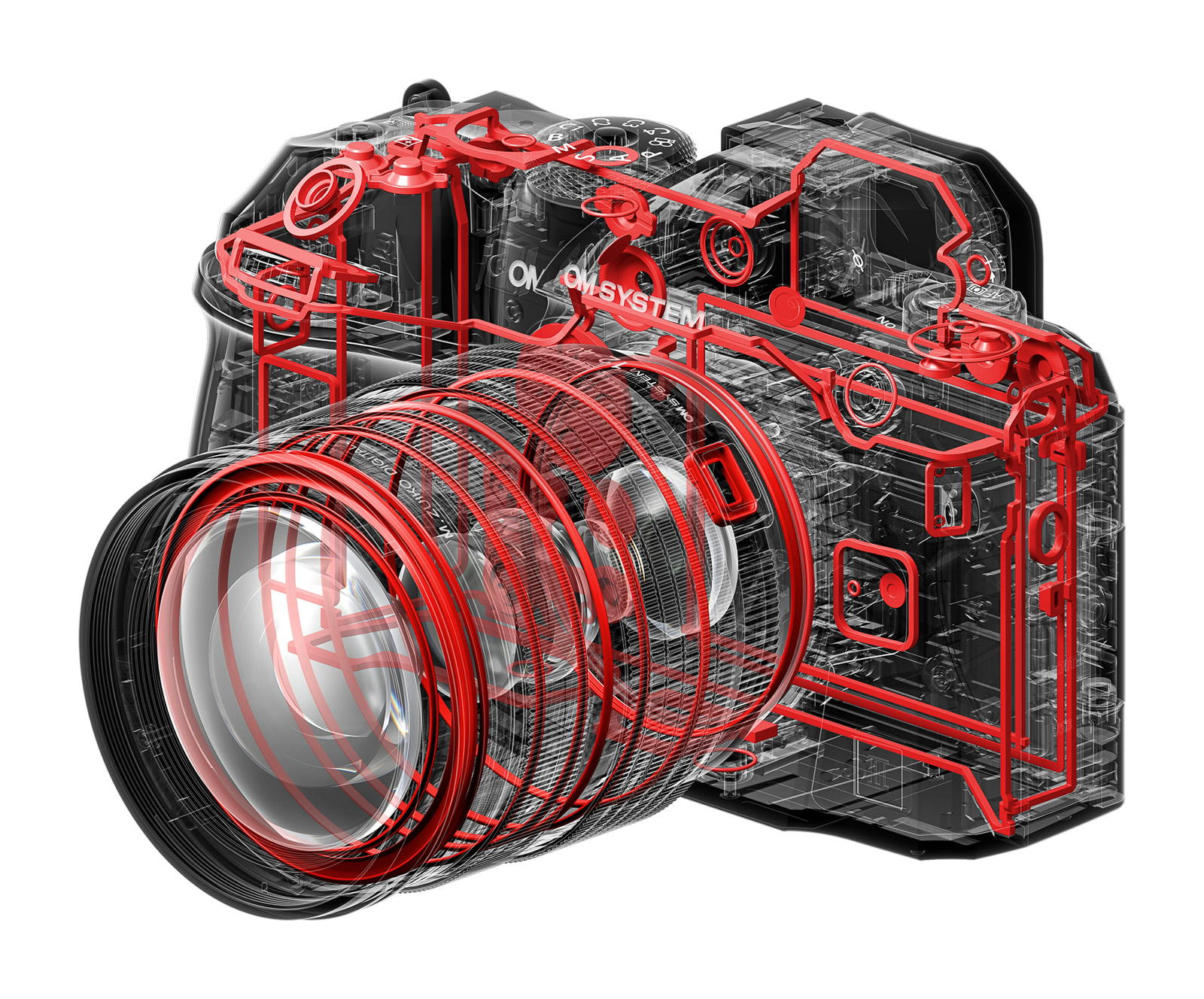
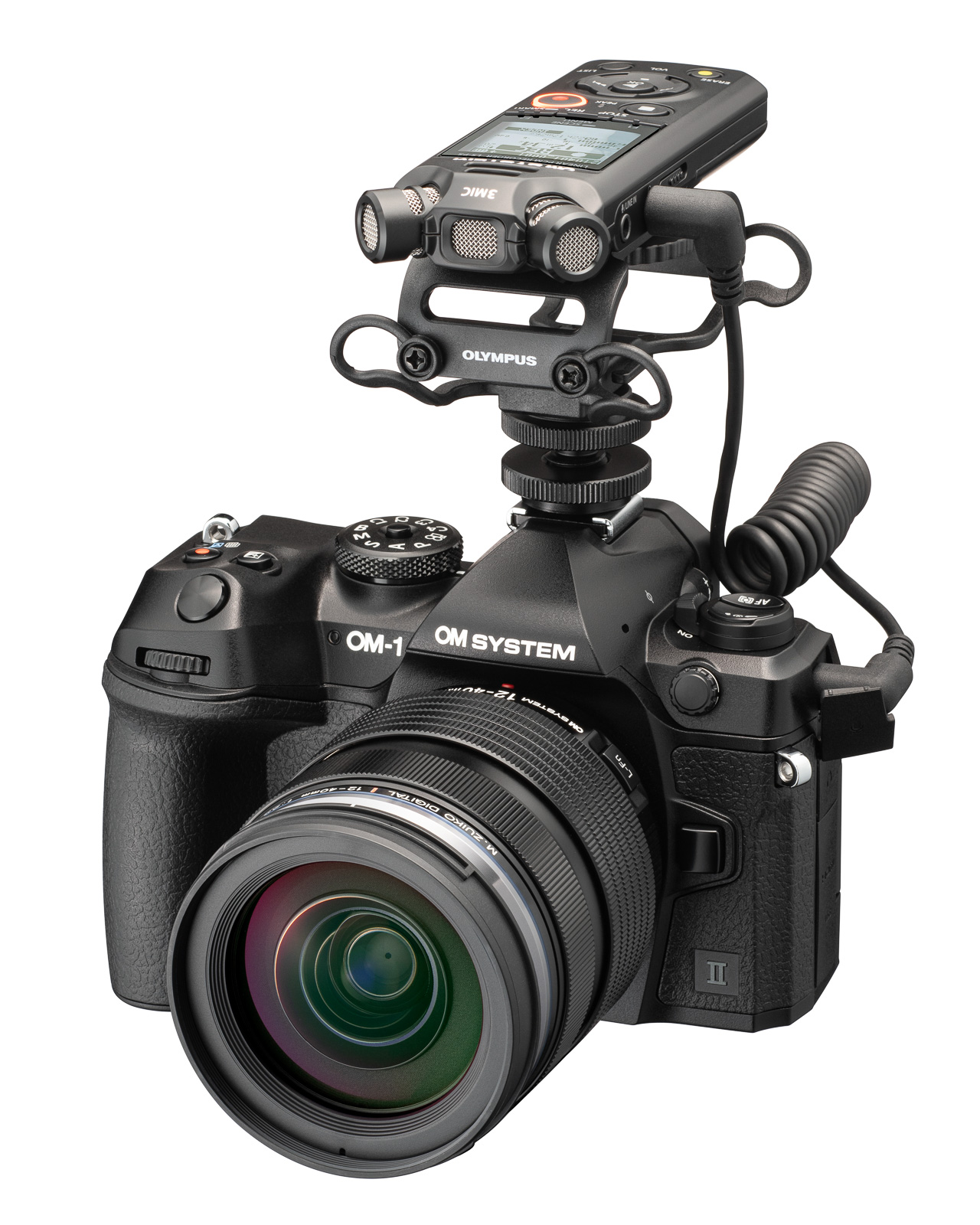
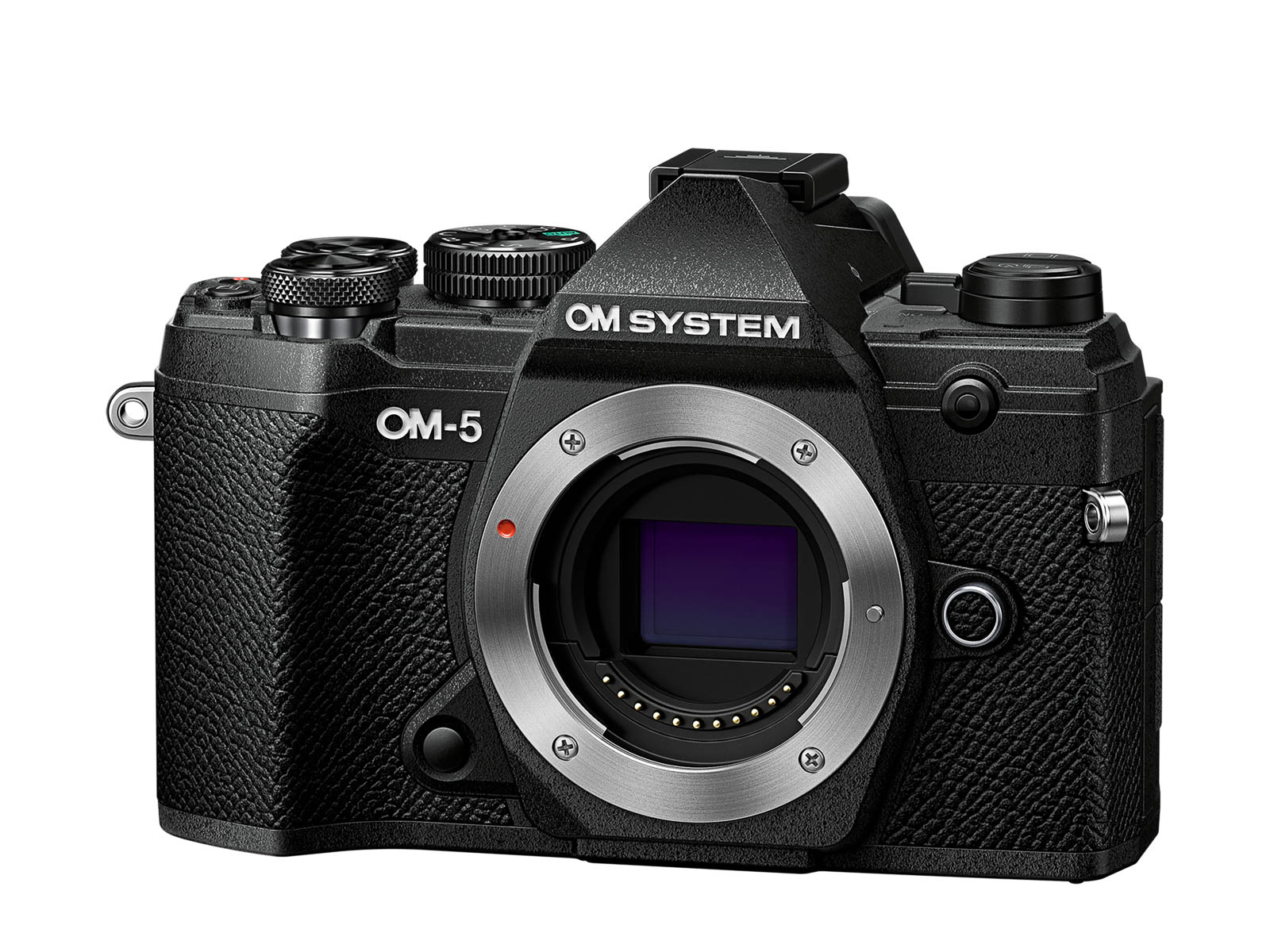
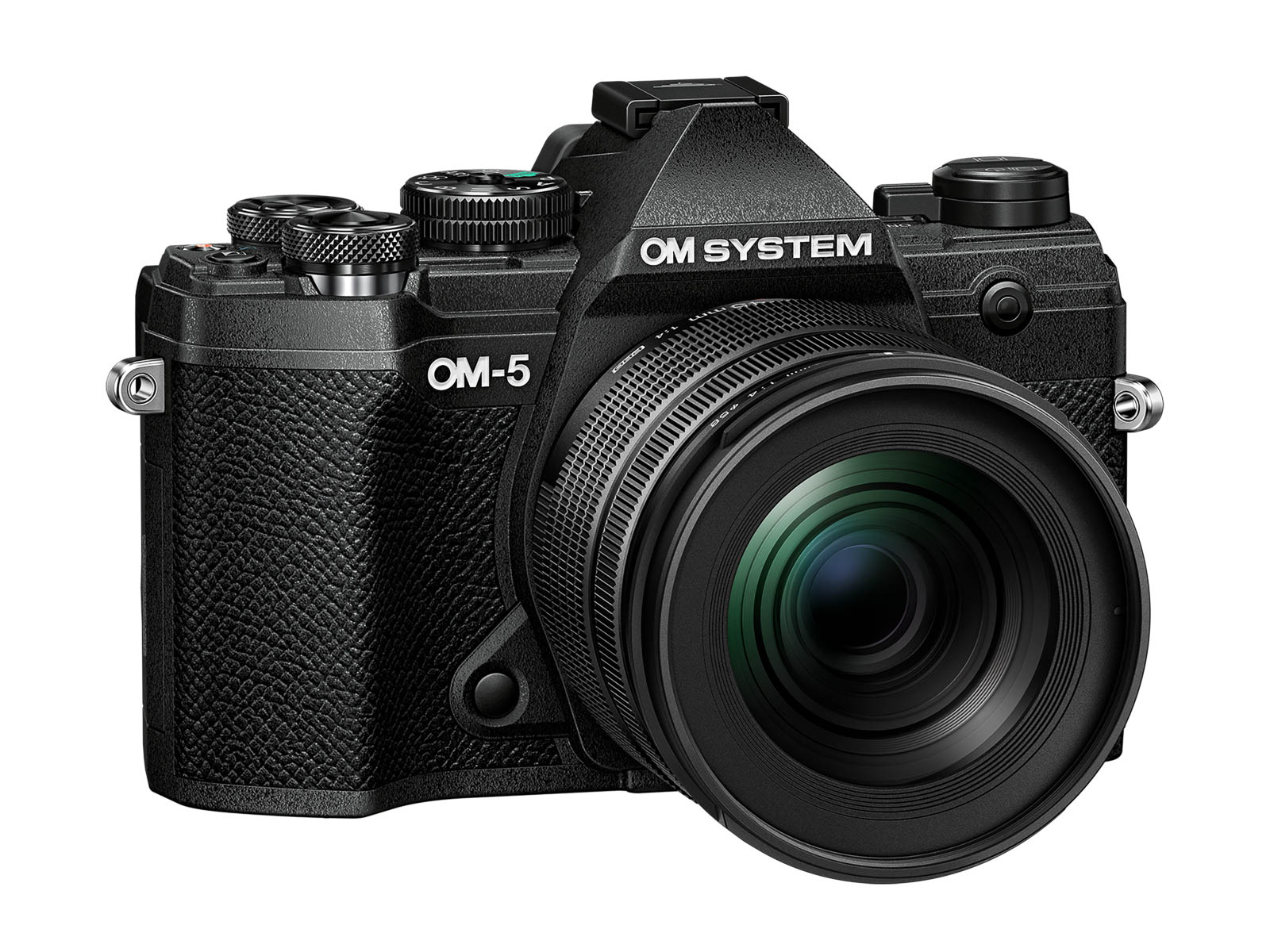
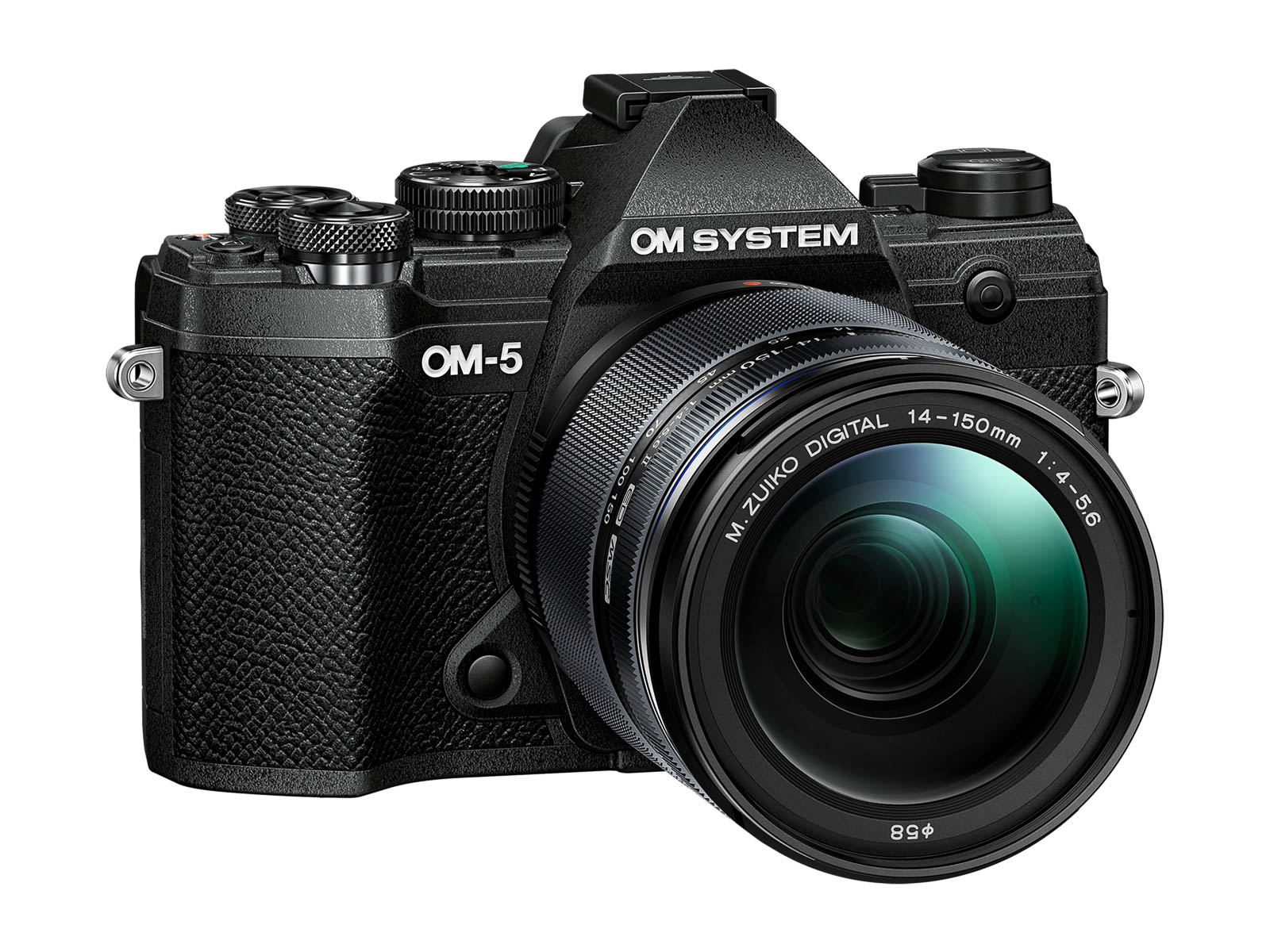
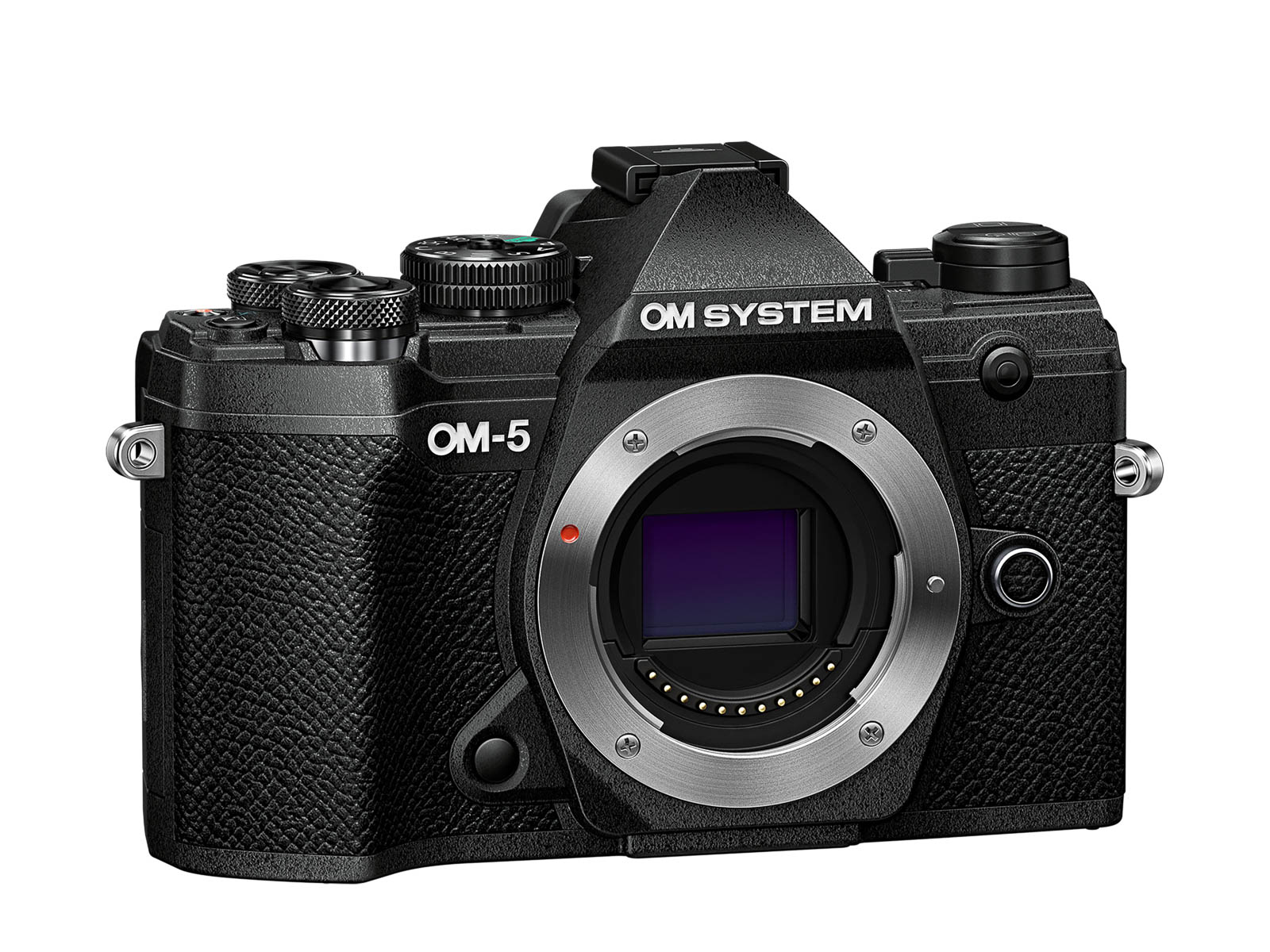
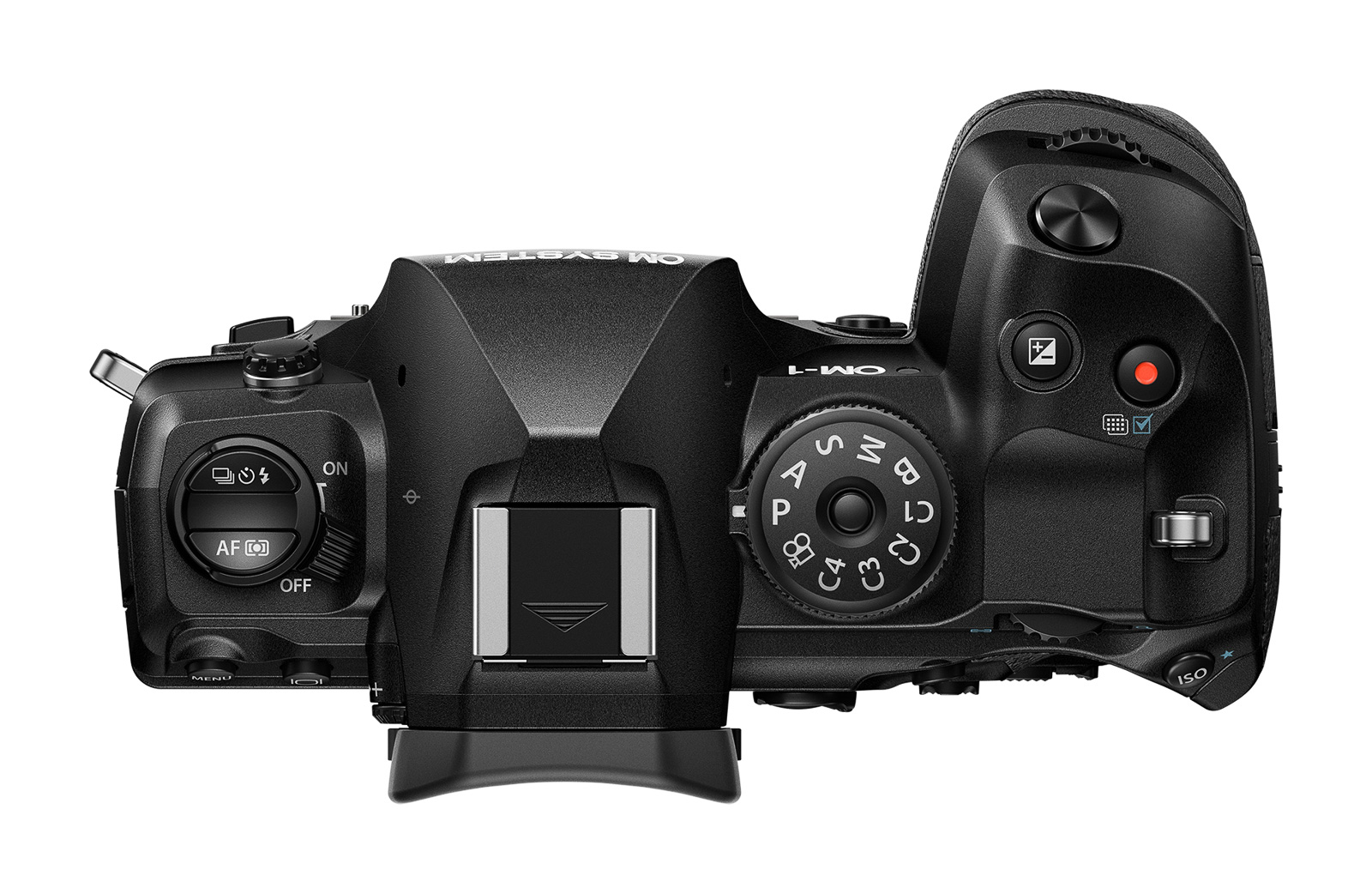
Finally, here is a gallery of official OM System product imagery for you to explore:
Posted on

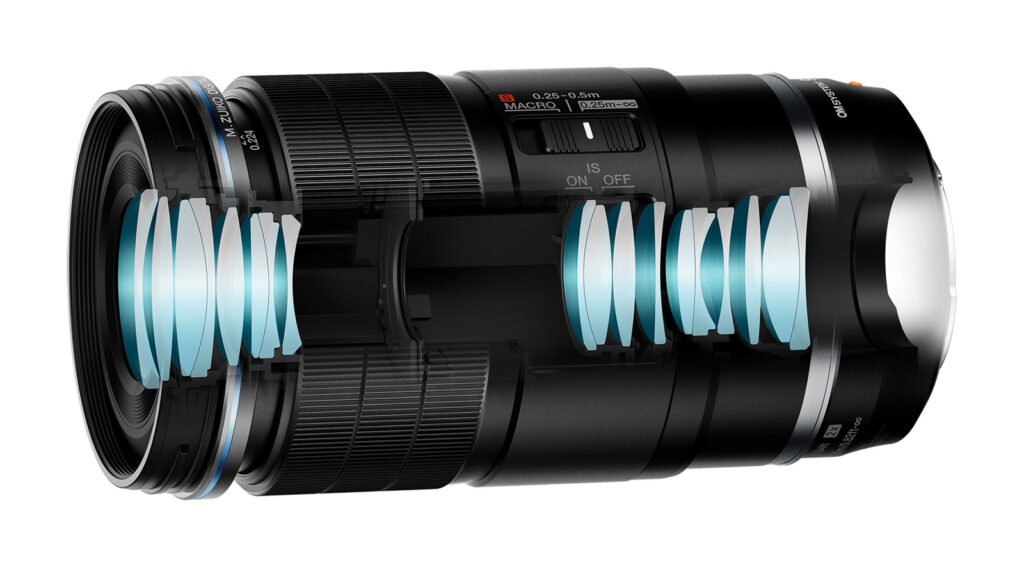
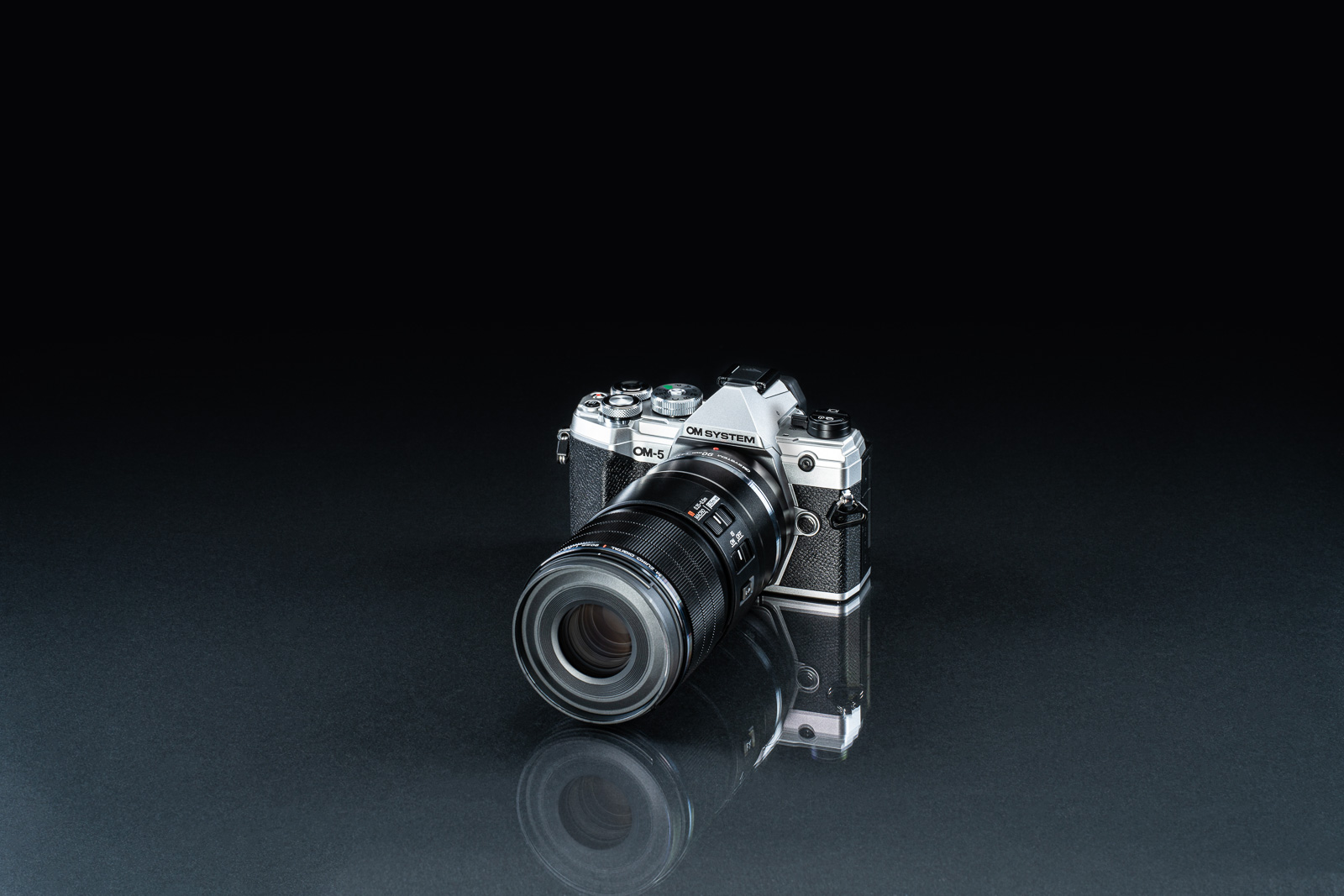
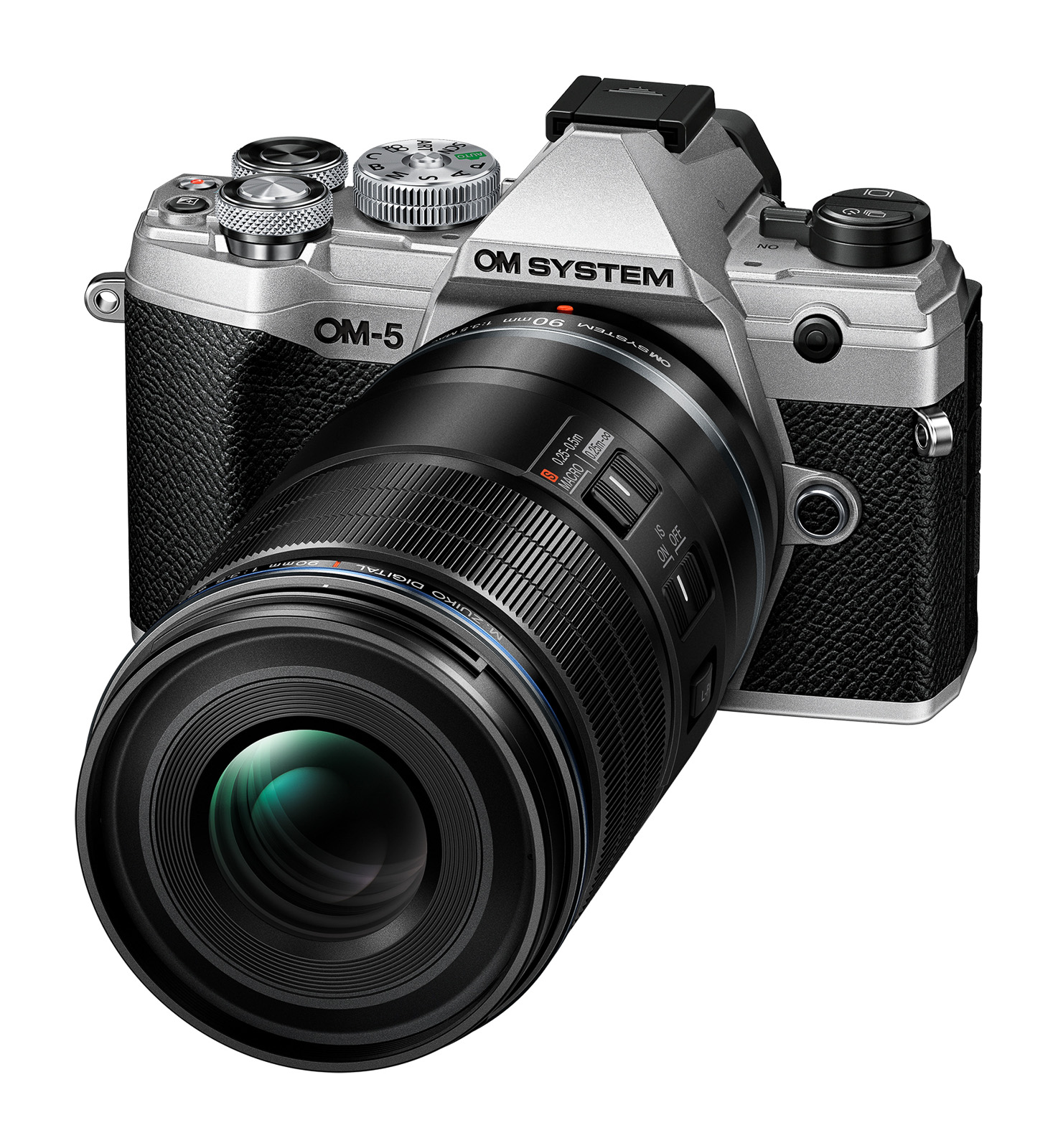
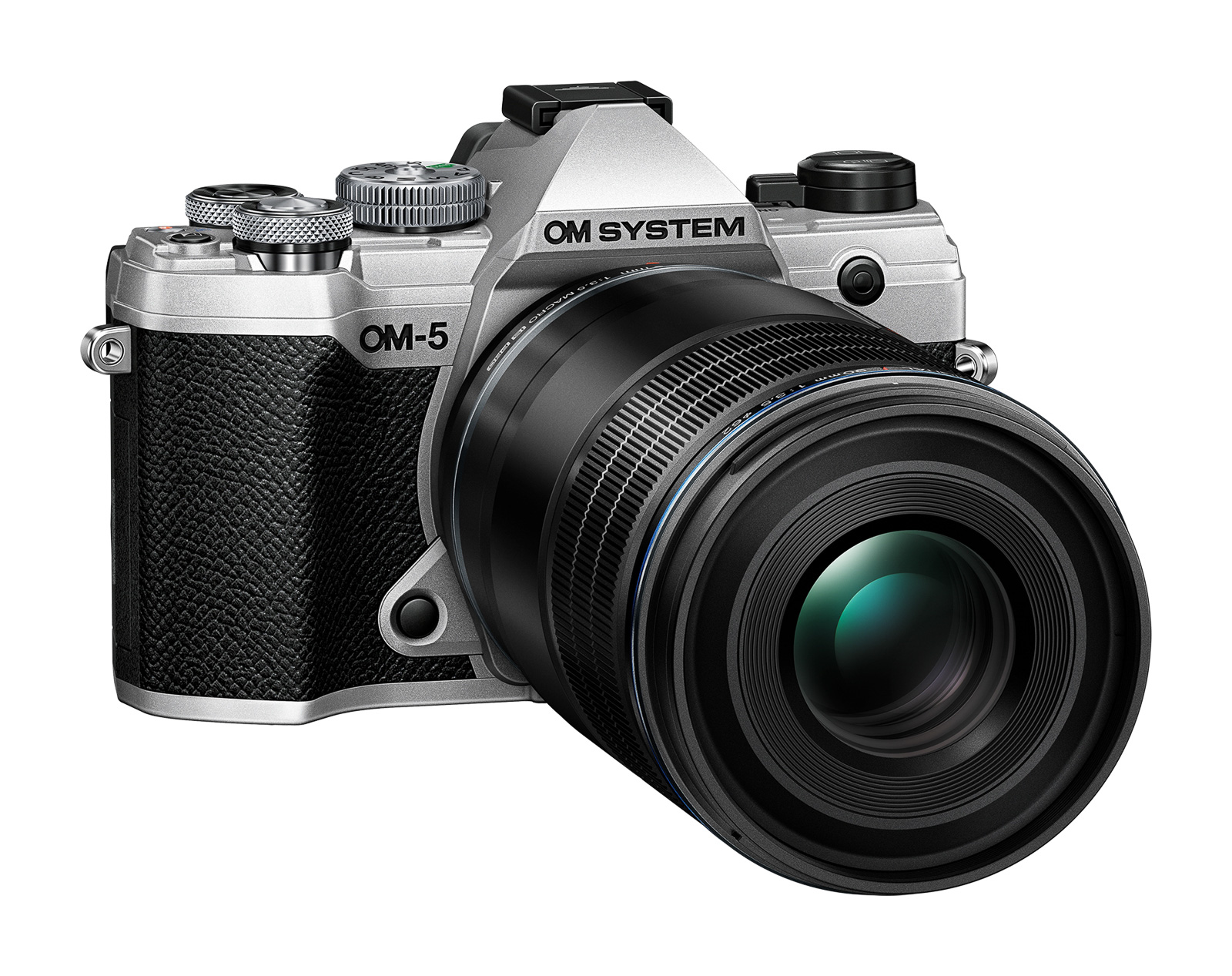
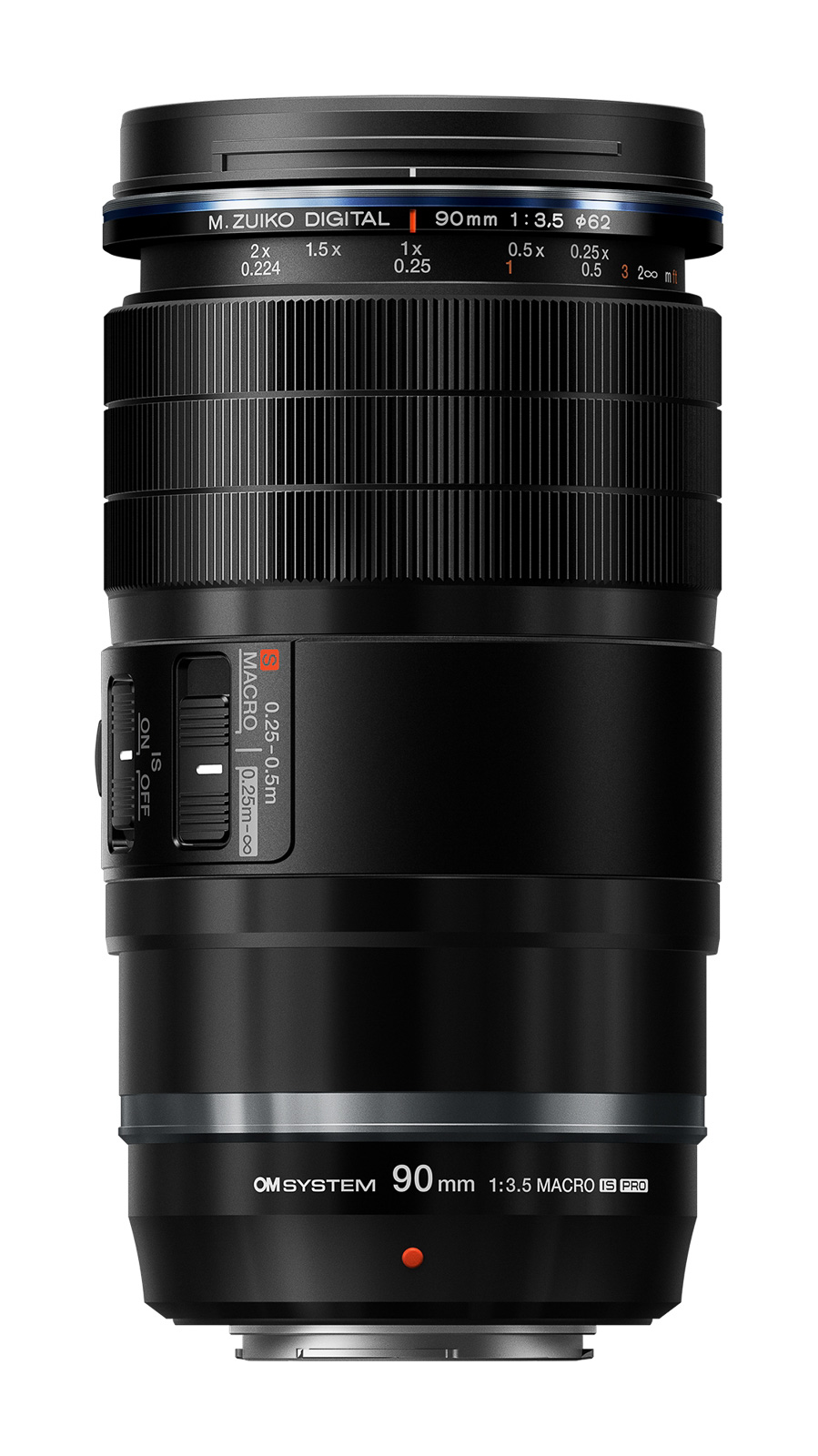
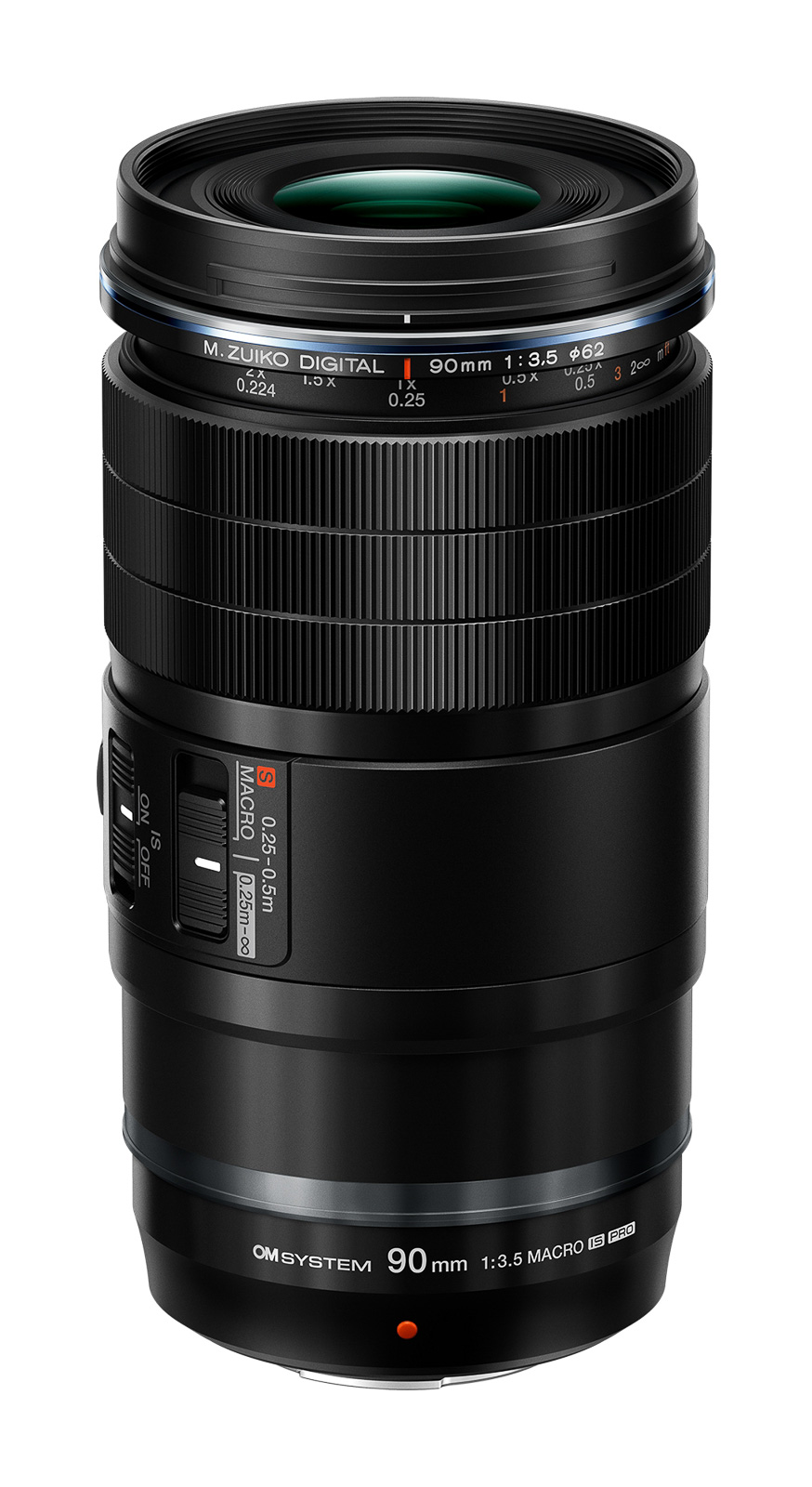
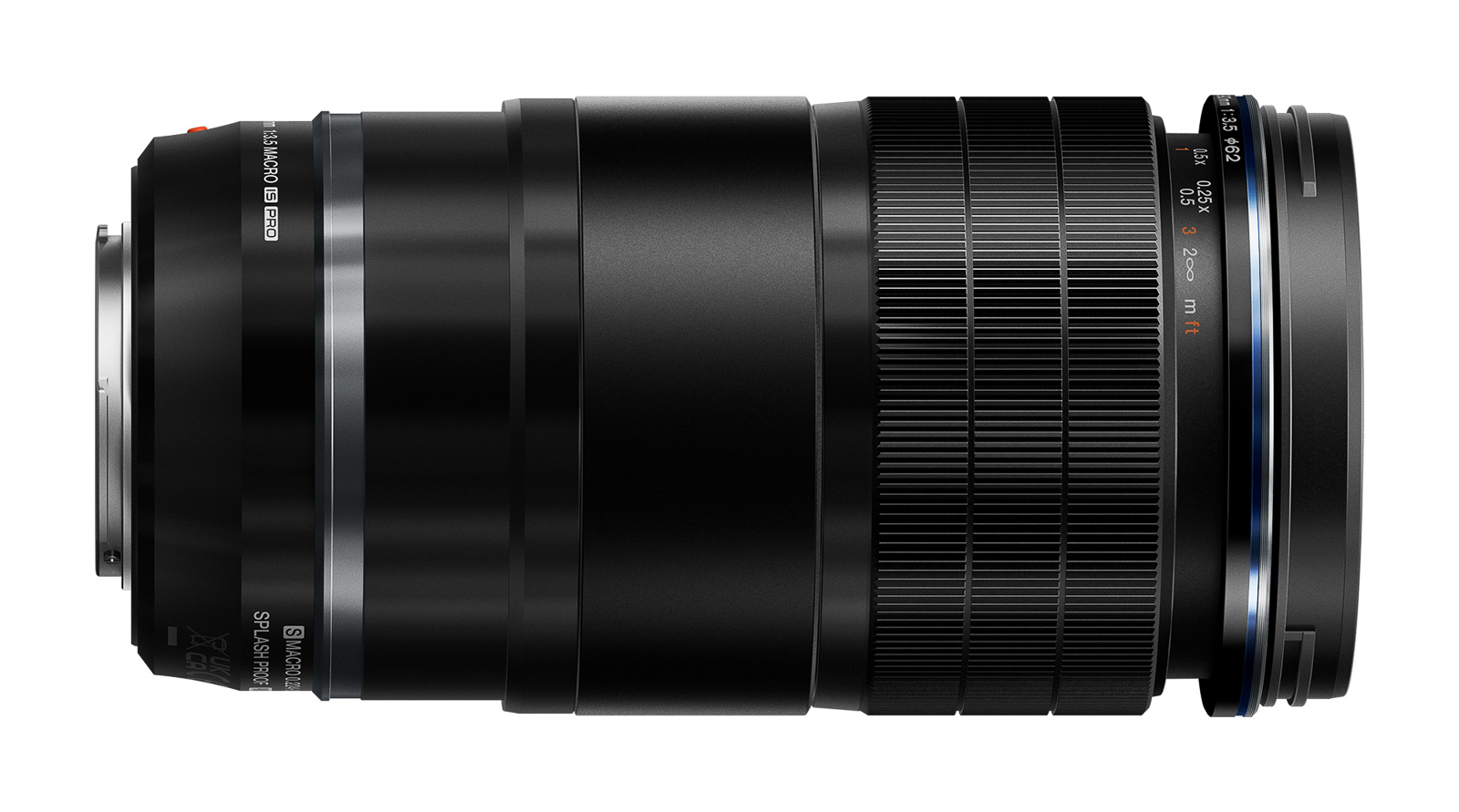
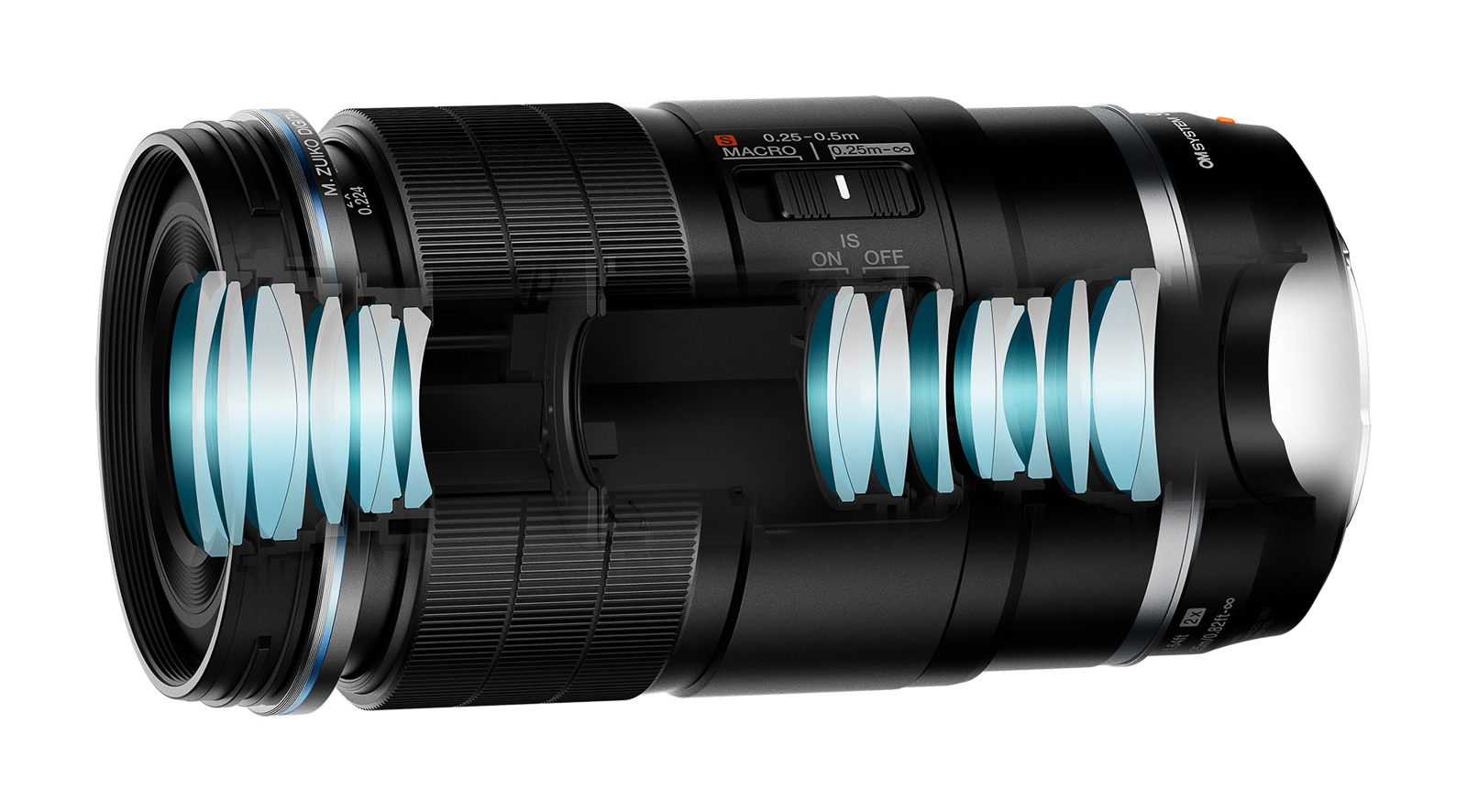
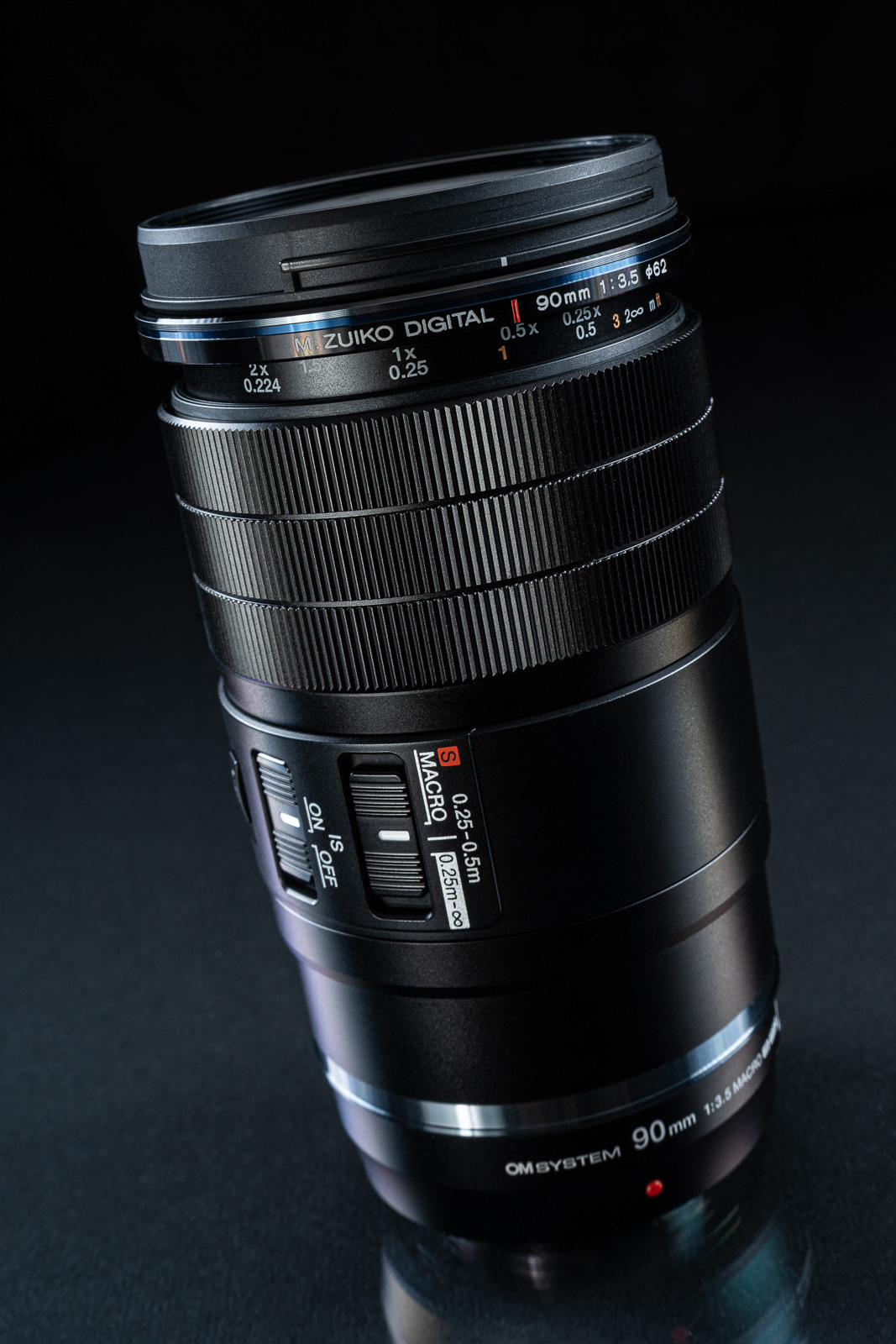
OM System launches the m.Zuiko ED Digital 90mm f/3.5 IS Pro macro lens

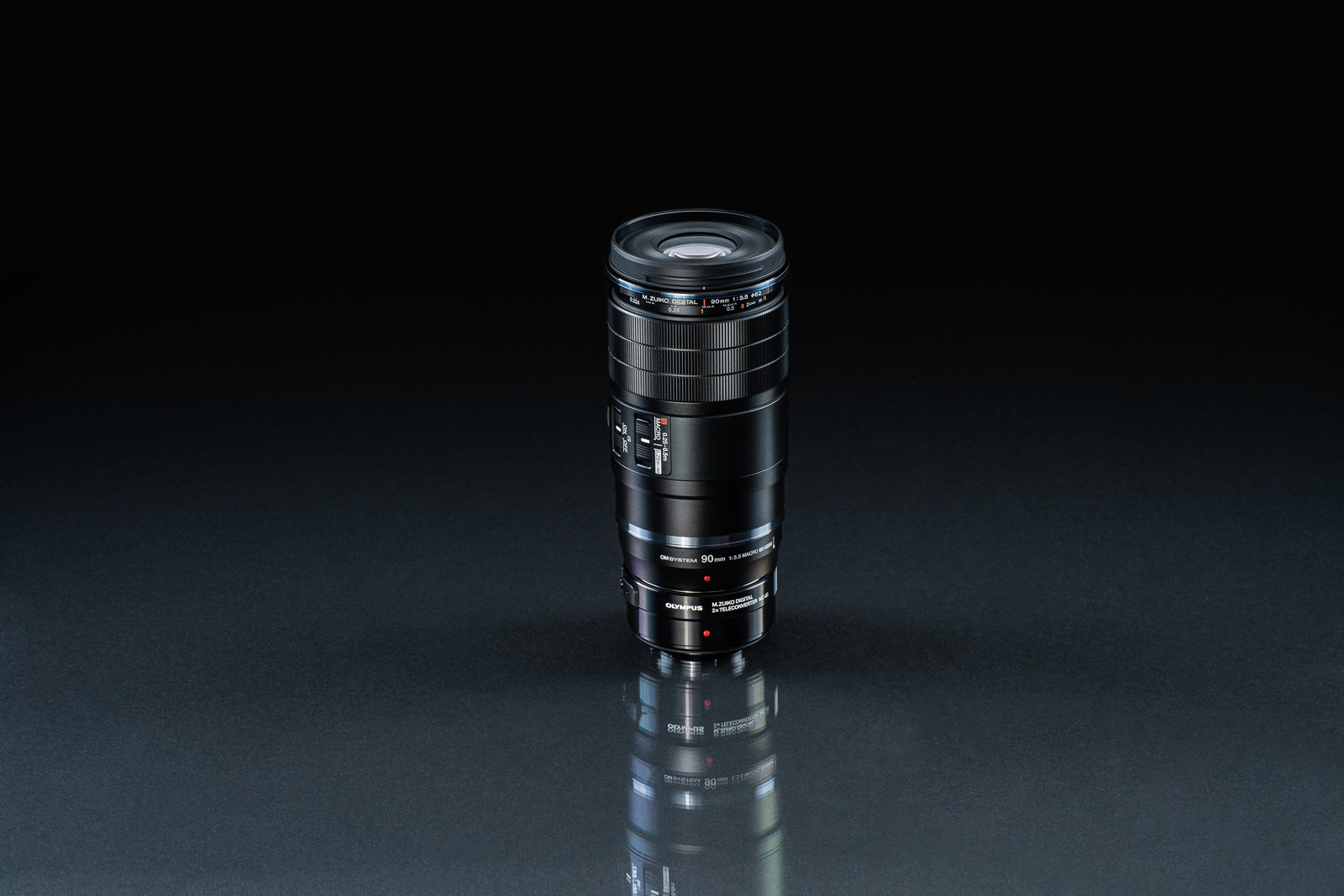
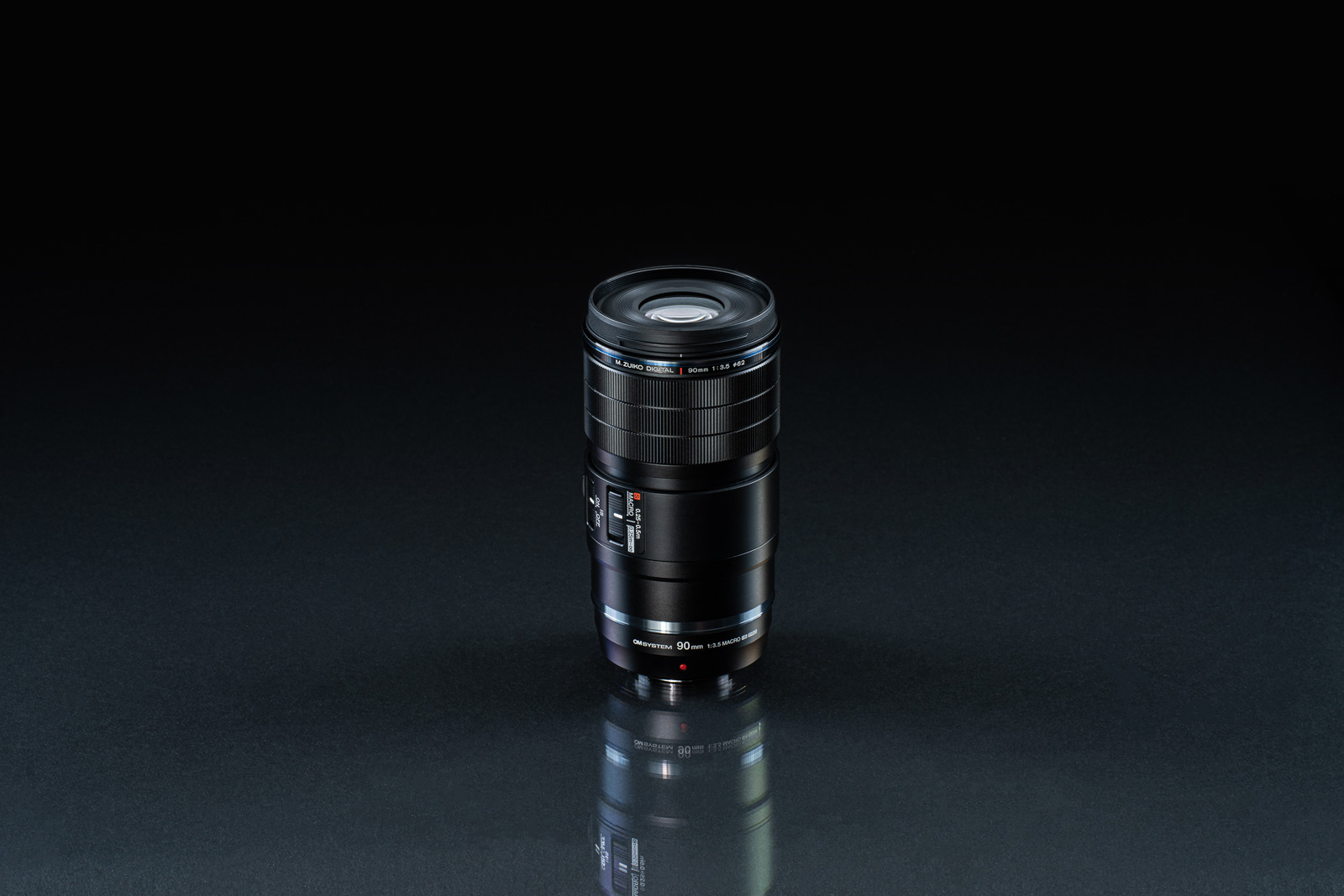
It’s been a ghost on Olympus, and, subsequently, OM System lens roadmap charts for several years, but now it’s a reality, the OM System m.Zuiko ED Digital 90mm f/3.5 IS Pro 2:1 macro lens.

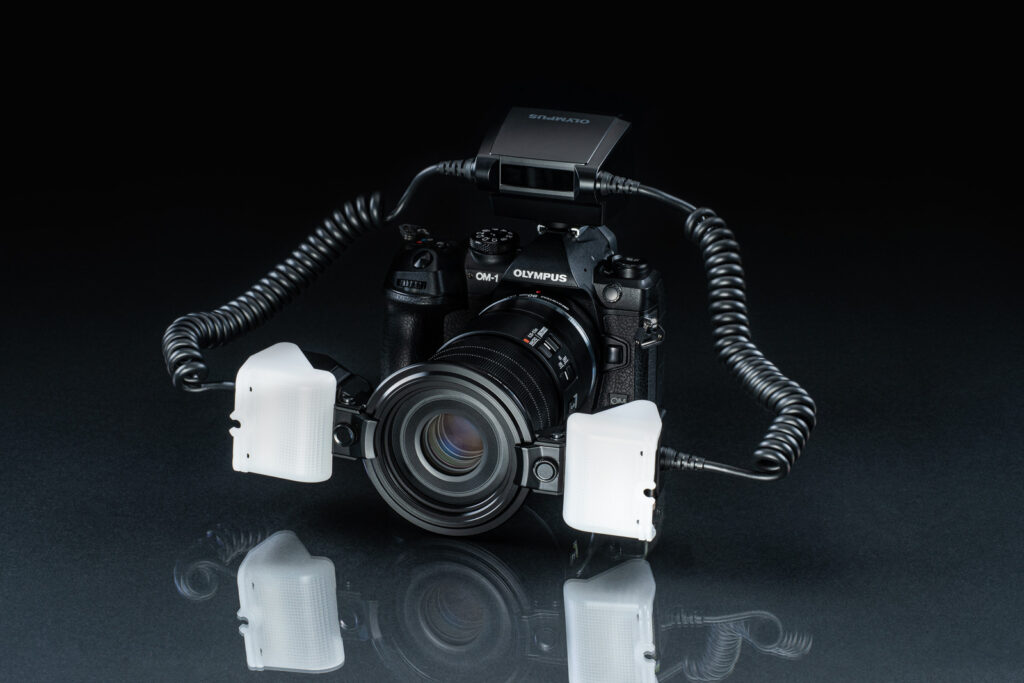
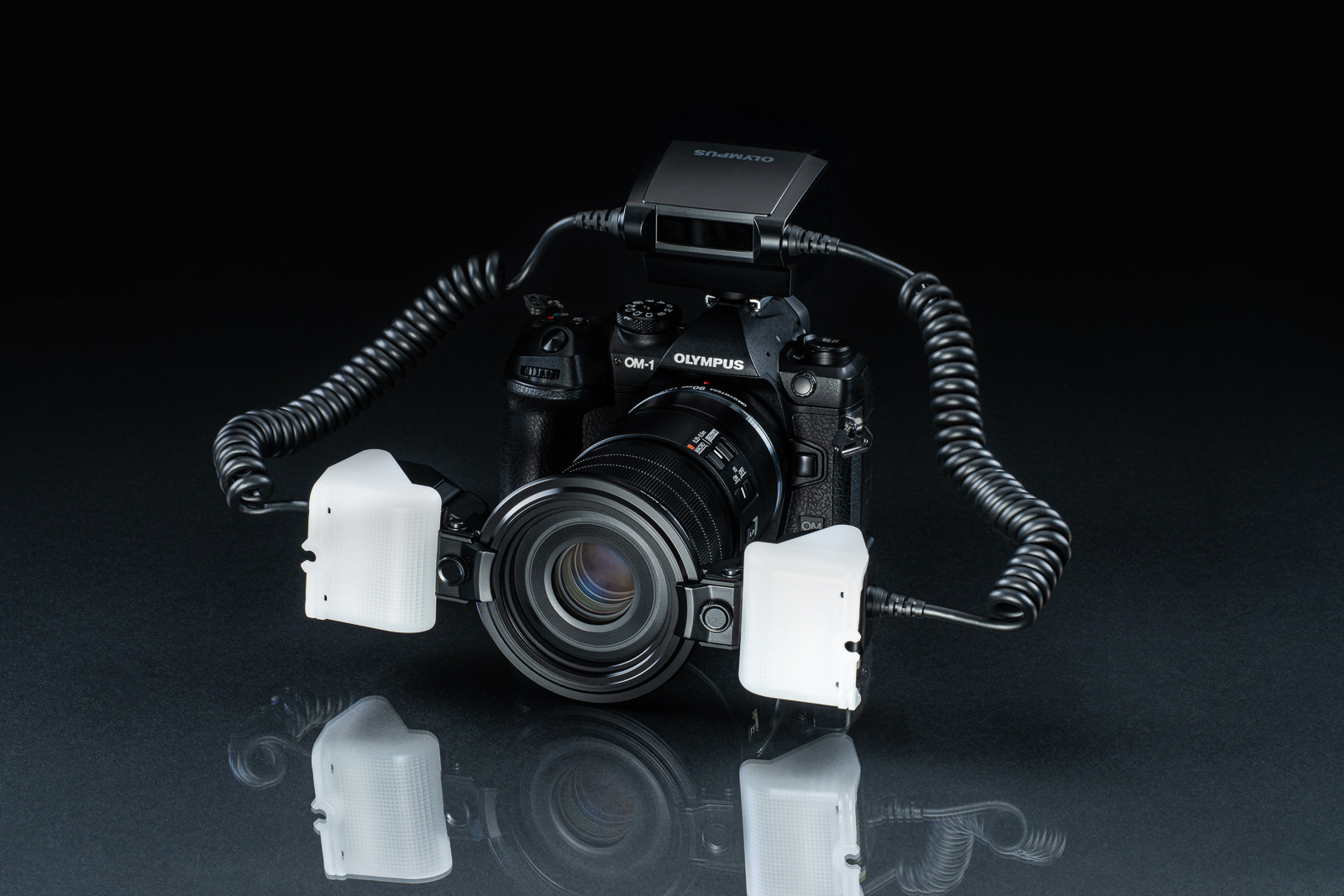
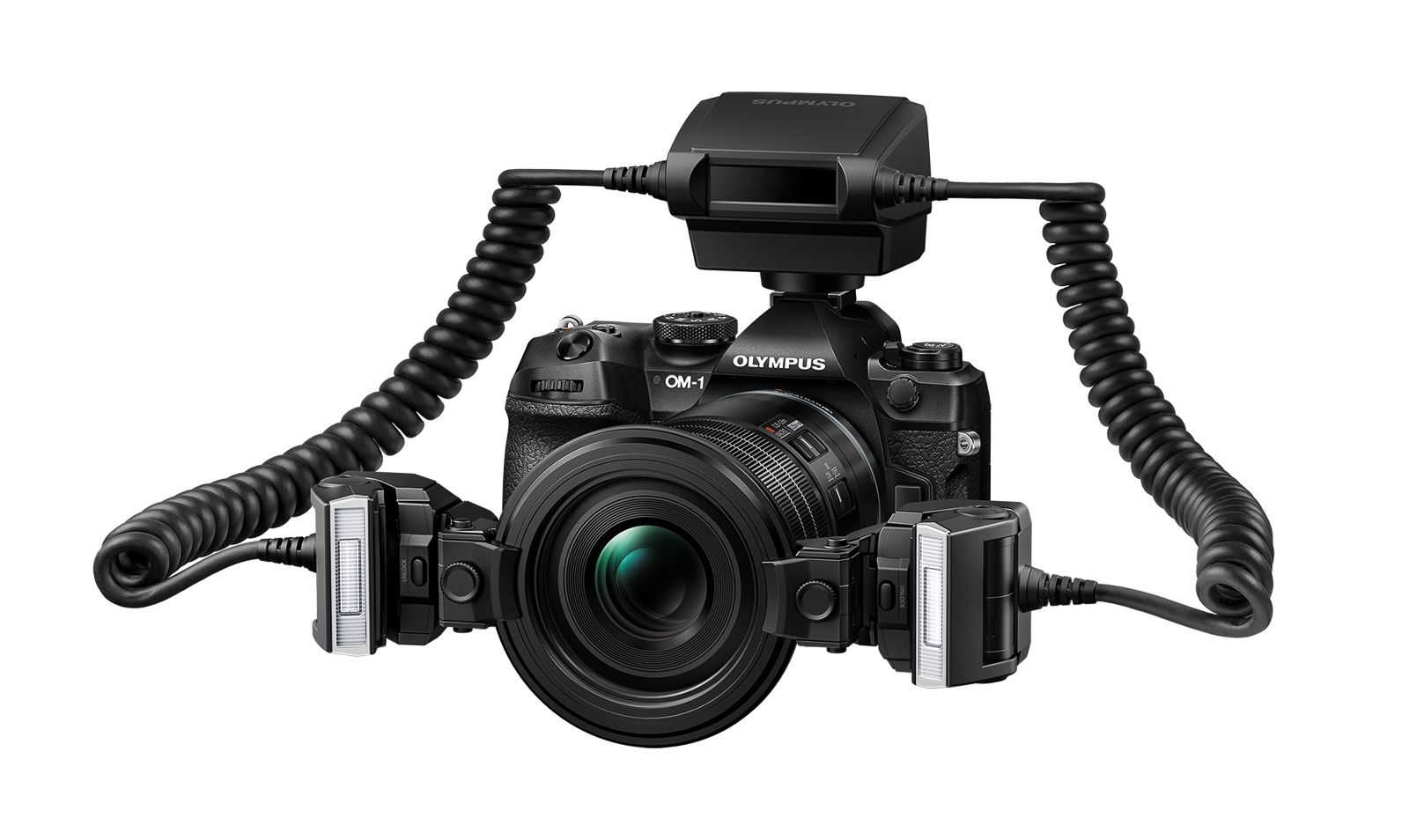
OM System m.Zuiko ED Digital 90mm f/3.5 IS Pro macro lens with STF-8 twin-flash

Aimed at macro photography in the field

Combining ultra-fast macro focusing and Sync IS, as well as class-leading dust and splash-proofing, OM System’s new 90mm macro lens is aimed at both professional photographers working in all weathers and conditions, and those amateurs who seek same benefits.

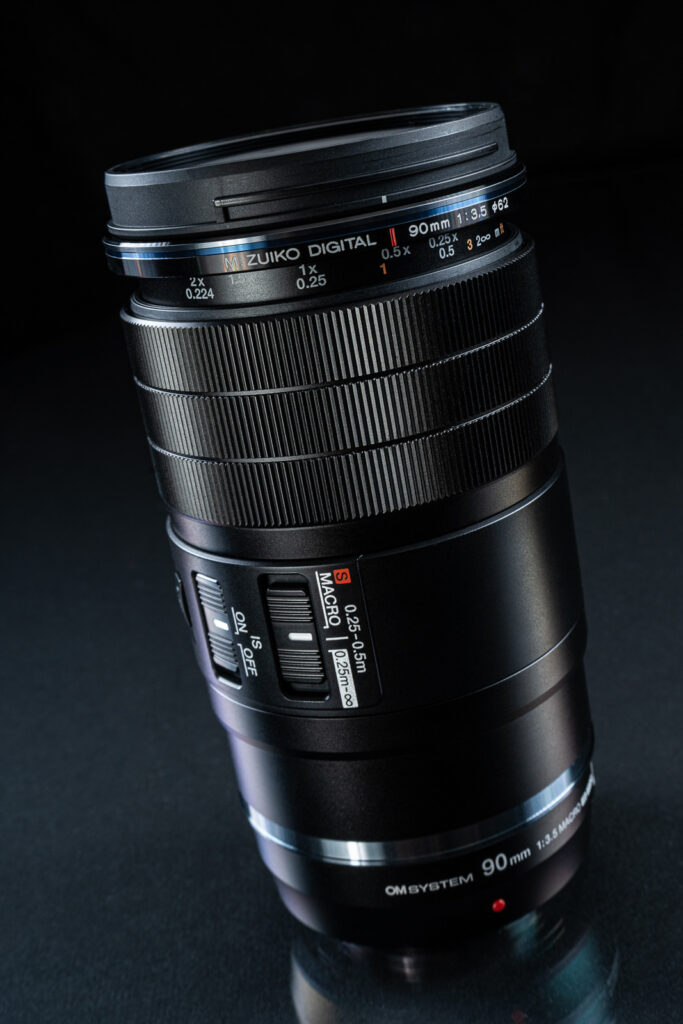
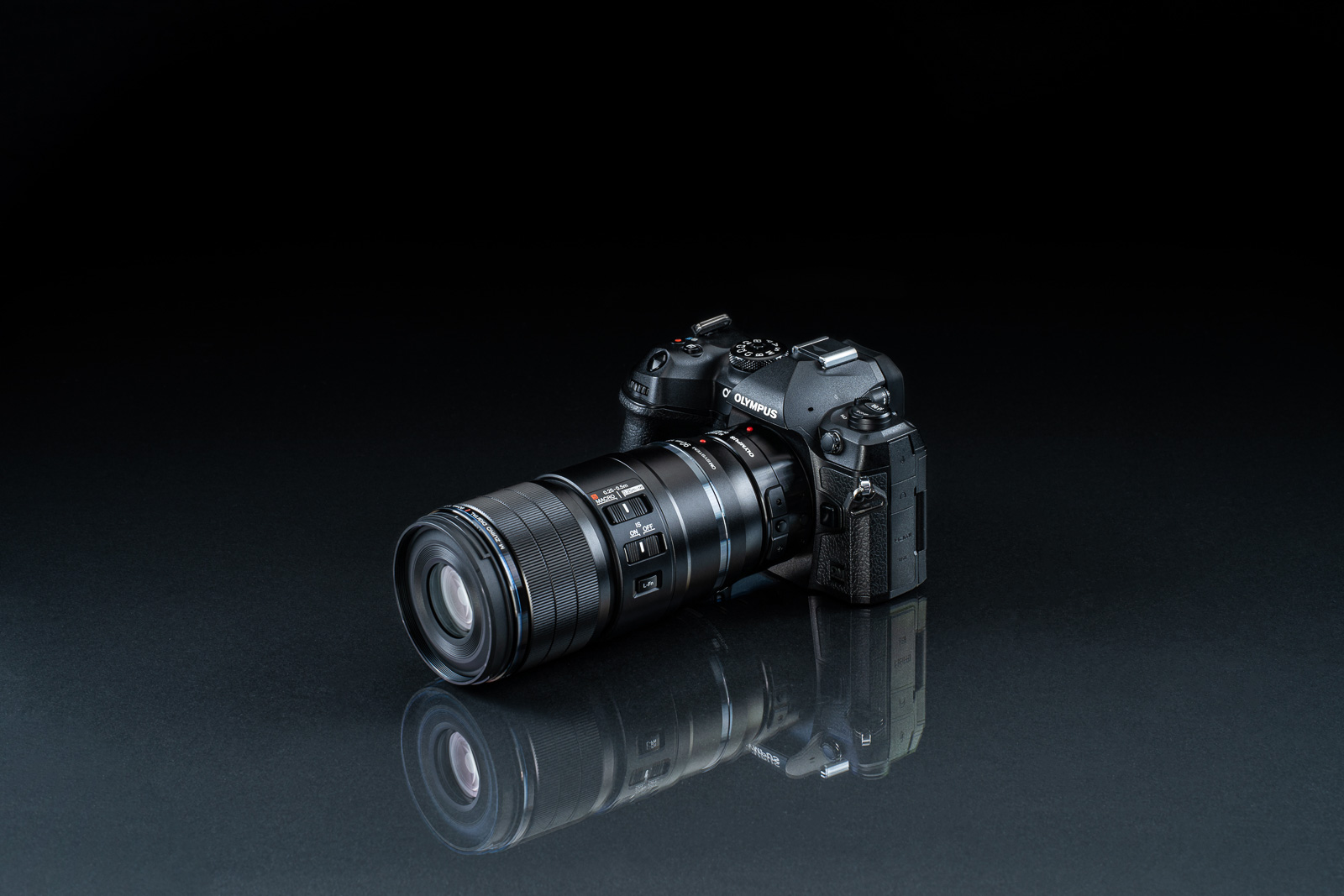
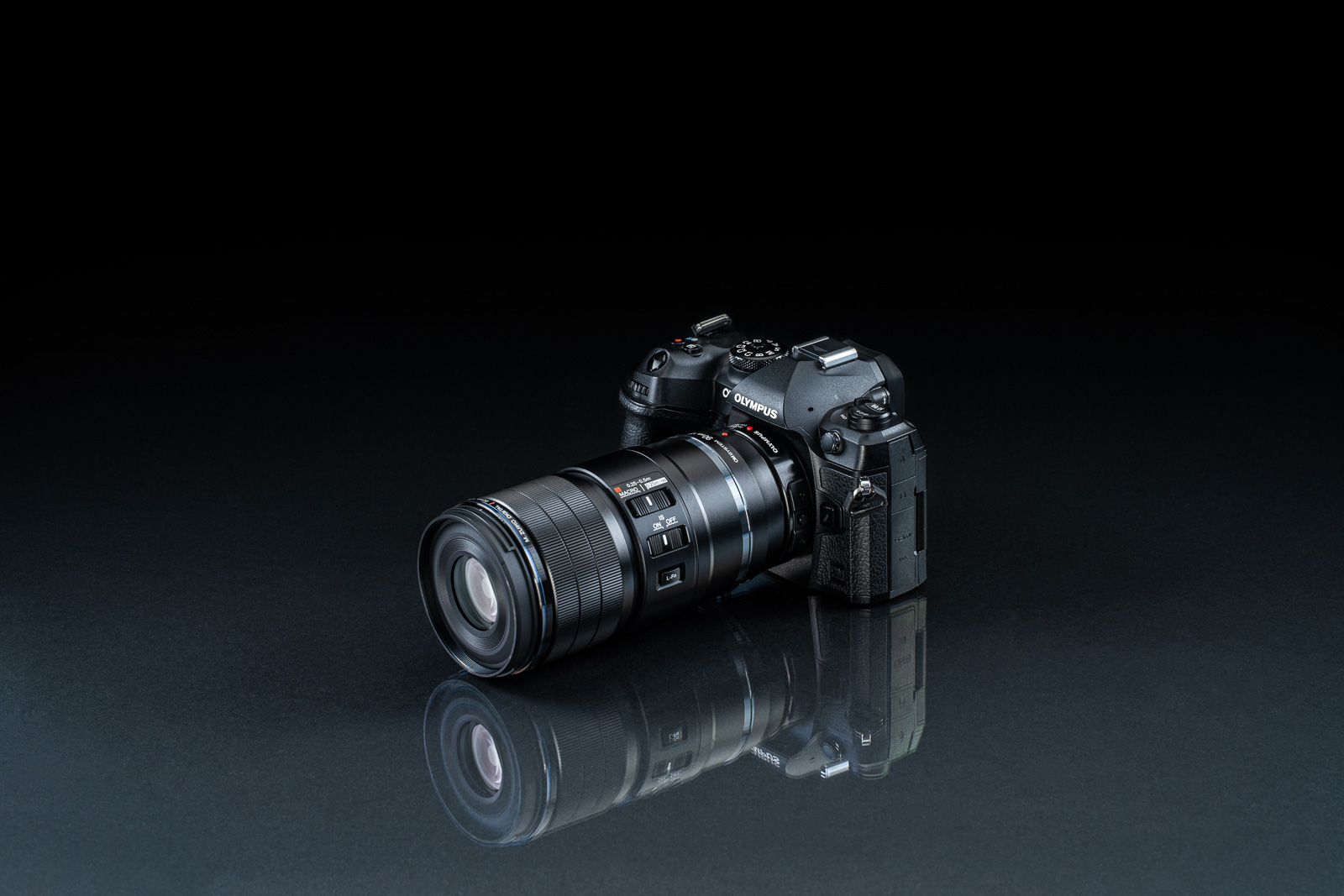
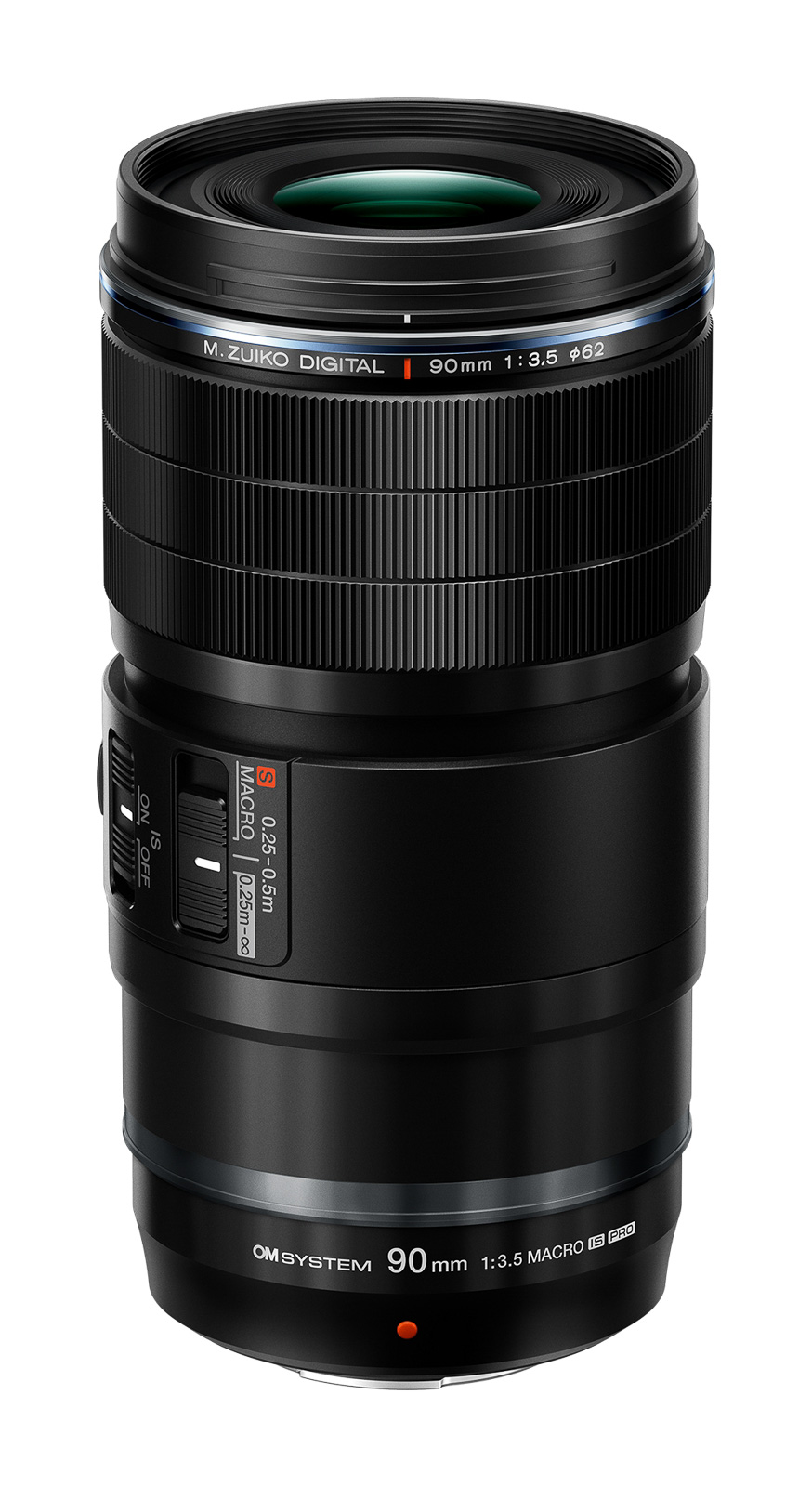
OM System m.Zuiko ED Digital 90mm f/3.5 IS Pro macro lens

Key features:
  • At closest focus you get 2:1 (2x life size) subject reproduction on the sensor.
  • Closest focus (2:1) is achieved at a distance of 0.224m.
  • Compatibility with OM System’s MC-14 (1.4x) and MC-20 (2x) converters, delivers up to 4x life-size reproduction on the sensor.
  • A Micro Four Thirds sensor, being smaller than a full frame sensor, fills the frame twice as much at the same magnification when compared to an equivalent FF macro lens; 2x magnification with the 90mm macro is like 4x on FF.
  • Fast auto and manual focusing, with an instant focus clutch for the latter.
  • Compatibility with Olympus and OM System camera bodies that include in-camera high-speed focus bracketing and focus stacking modes.
  • Up to 7 EVs of shutter speed compensation via integrated lens optical image stabilisation (OIS) and tandem (Sync IS) camera body sensor-shift image stabilisation (IS).
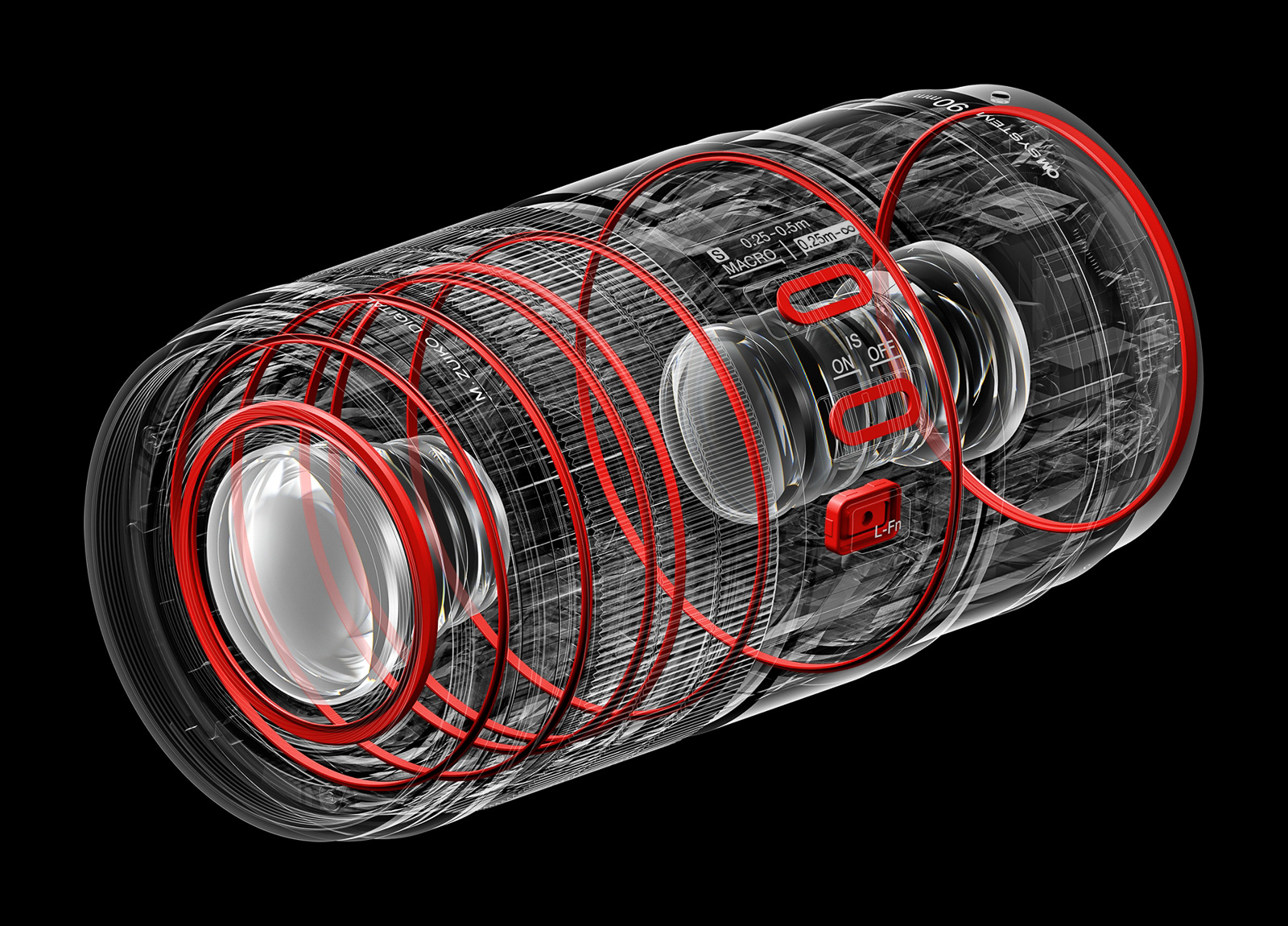
  • Fluorine-coated front element for significantly more effective clearing of water droplets in damp conditions.
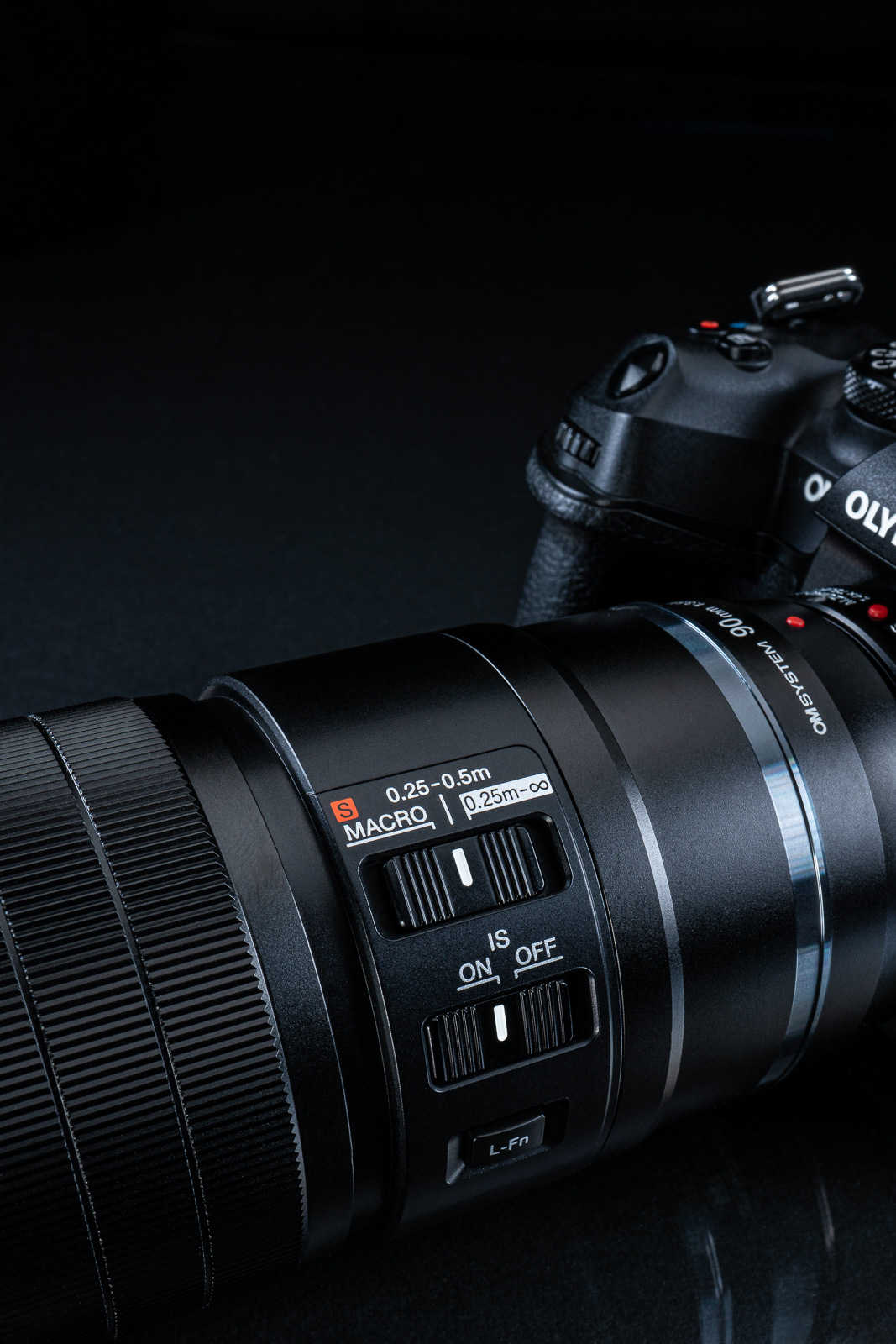
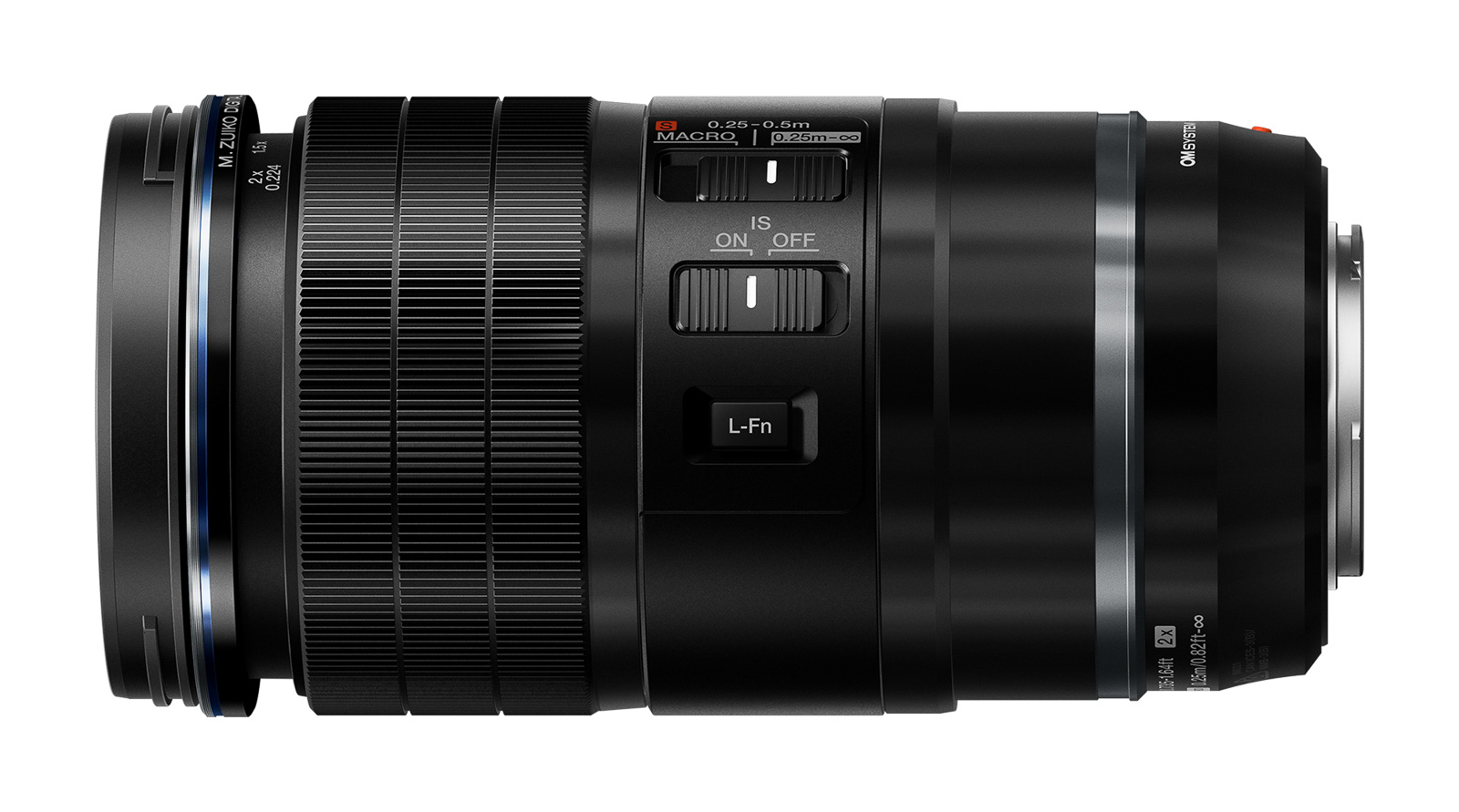
  • On-lens control switches for infinity/mid-range focus limiting and Macro mode (S), IS on/off, and programmable L-Fn button.
  • The 90mm macro lens is also suitable for use as a conventional short telephoto (180mm FF equivalent) lens.
  • IP53 dust and moisture sealing.
  • Available from the end of February (Europe) and early March (North America) – UK price £1299 (€1499 in Europe and $1499 in the US)
OM System m.Zuiko ED Digital 90mm f/3.5 IS Pro macro lens

Compared to the m.Zuiko 60mm macro

The familiar and more affordable m.Zuiko 60mm f.2.8 macro lens gets you down to a maximum 1:1 subject reproduction, at a focusing distance of 0.19m. At the same magnification the distance is 0.25m for the 90mm lens.

Dimensions

The non-extending lens barrel is 136mm in length and 69.8mm wide. Its weight is 453g and it takes 62mm filters. OM System points out that few other macro lenses can deliver 2:1 reproduction without extension tubes, while the new 90mm macro is also one of the lightest lenses in its field.

Accessories

An LH-66E lens hood and CS-53 wrapping cloth are included in the box. The lens fits the optional LSC-0914 pouch case, and the lens is also compatible with the STF-8 Macro twin flash system.

Summary

Above all, the m.Zuiko ED Digital 90mm f/3.5 IS Pro macro lens is aimed squarely at a photographer who wants to travel light, probably without a tripod, and shoot without being overly concerned about the weather. At the same time the lens, by default, can magnify subjects by 2x and this can increase to 4x with the optional MC-20 converter. Real-time focus bracketing and stacking complete the picture. And when this lens isn’t being used for macro, it becomes a convenient short telephoto, complete with a focus limiter, if required. Having instantly available manual focusing (which can also be range limited) thanks to the familiar m.Zuiko manual/auto focus clutch system, is the icing on the cake.

Product image gallery

Posted on

Is the bulk and weight of your camera gear getting you down?

It’s very easy for photographers who are invested in relatively large sensor camera platforms to dismiss the smaller sensor Micro Four Thirds system. You might think it’s even easier now that the big hitters, Nikon and Canon, have finally retired their DSLR strategies, following Sony’s move a few years back. Without the need for space to house a mirror box and pentaprism viewfinder, they can now make much smaller and lighter camera bodies.

Mirrorless bodies can be very small, but what about the lenses?

Digital mirrorless system cameras, which Panasonic and Olympus ushered in 14 years ago, are generally much smaller and lighter than DSLRs. But it’s all very well making small camera bodies hiding large sensors; because sensor size dictates how large a lens has to be. APS-C and Full Frame systems still need lenses significantly larger and bulkier lenses than Micro Four Thirds. It’s one of the key reasons why photographers are switching to Olympus/OM System and Panasonic Lumix.

Larger sensor system lenses can be more compact but there is a cost

You can get lenses that are substantially reduced in size, but only by sacrificing the brightness of the optics. The Olympus m.Zuiko Pro 12-100mm f/4 is very similar in size and weight to Nikon’s Nikkor Z 24-200mm, which has the same viewing range and the same f/4 aperture at the wide angle end of the zoom range. But at 200mm, the Nikon lens is stopped down to f/6.3, 1.3EVs lower in brightness, while the Olympus lens retains maximum f/4 brightness across the zoom range.

An extreme example is Canon’s strategy of producing long telephoto lenses with f/11 fixed apertures. These RF 600mm and 800mm lenses are impressively small and light, but f/11 is a serious limitation to working brightness.

Mirrorless lenses are smaller than DSLR lenses

Mirrorless bodies bring the lens mount flange closer to the sensor focal plane. This helps reduce the size of lenses, too – especially with wide-angle lenses. So, some mirrorless lenses are now noticeably smaller than their DSLR counterparts. But sensor size is still the primary factor in determining the bulk of a lens.

Here are a few comparisons with similar Full Frame, APS-C and Micro Four Thirds lenses:
Nikkor (FF) S-Line 70-200mm f/2.8 vs. Fuji (APS-C) XF50-140mmF2.8 R LM OIS WR vs. Panasonic (M43) Lumix 35-100mm f/2.8
Weight 1360g vs. 995g vs. 357g
Length 220mm vs. 175.9mm vs.99.9mm
Diameter 89mm vs. 82.9mm vs. 67.4mm
Cylindrical storage volume* 1367cm3 vs. 949cm3 vs. 356cm3

Canon (FF) RF 600mm f/4L IS USM vs. Olympus (M43) m.Zuiko Pro300mm f/4 IS Pro
Weight 3090g vs. 1475g
Length 472mm vs. 280mm
Diameter 168mm vs. 92.5mm
Cylindrical storage volume* 10457cm3 vs. 1881cm3 


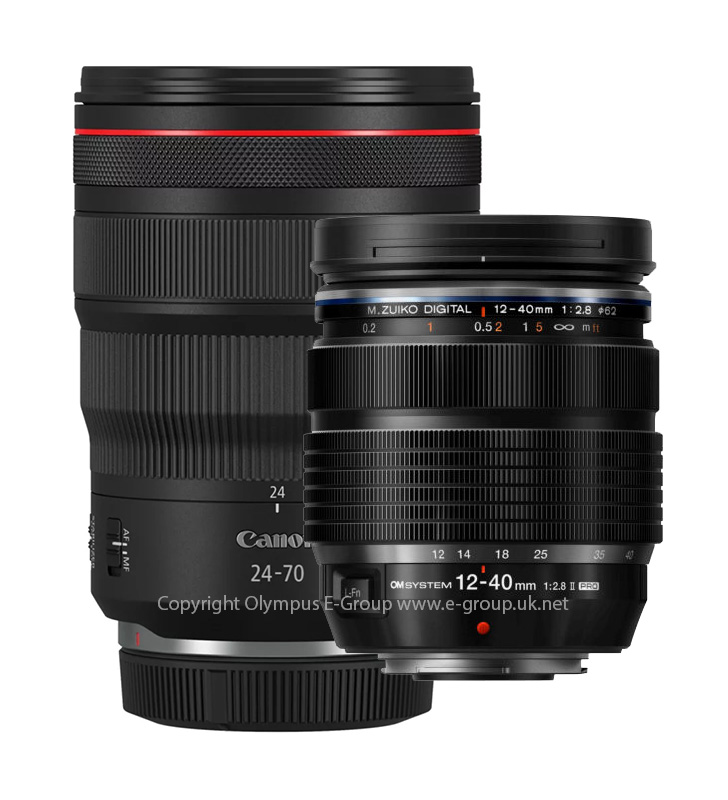
Canon (FF) RF 24-70mm f/2.8L IS USM vs. Sony (FF) FE 24-70mm f/2.8 GM II vs. Olympus (M43) m.Zuiko Pro 12-40mm f/2.8
Weight 900g vs. vs. 695g vs. 382g
Length 125.7mm vs. 119.9mm vs. 84mm
Diameter 88.5mm vs. 87.8mm vs. 69.9mm
Cylindrical storage volume* 773cm3 vs. 725cm3 vs. 322 cm3

Sony 35mm FE f/1.4 GM vs. Fuji (APS-C) XF 33mm f/1.4 R LM WR vs. Olympus (M43) ED 20mm f/1.4 m.Zuiko Pro
Weight 524g vs. 360g vs. 247g
Length 96mm vs. 73.5mm vs. 63.4mm
Diameter 76mm vs. 67mm vs. 61.7mm
Cylindrical storage volume* 435cm3 vs. 259cm3 vs. 190 cm3 

*A cylinder of the length and maximum diameter of the lens, representing a typical space required for storing the lens, not the volumetric size of the lens itself, which will be smaller.

There is no getting away from physics. A smaller sensor means the optical lens design required to cover a given scene, given the same brightness (f-number) will be more compact than the optics required for a larger sensor.

No matter how small you make the body, the lens on your large sensor setup will, likely, determine the size and weight you will need to carry around with you.

As the data, above, shows, APS-C format lenses are smaller and lighter than their Full Frame counterparts, but Micro Four Thirds lenses even smaller and lighter.

But sensor is important, isn’t it?

It’s true, a larger sensor should deliver lower noise, and, if you need it, lenses of similar f-stop will deliver less depth of field. In day to day normal use, these perceived limitations may not actually be so apparent. We’ll look at these issues in a future article.

But the message is clear – if you don’t want to carry bulky and heavy camera gear anymore, Micro Four Thirds is well worth considering. Lots of former FF and APS-C format photographers have done exactly that, and not looked back.

Posted on

A look at IP ratings for dust and water resistance in cameras and lenses

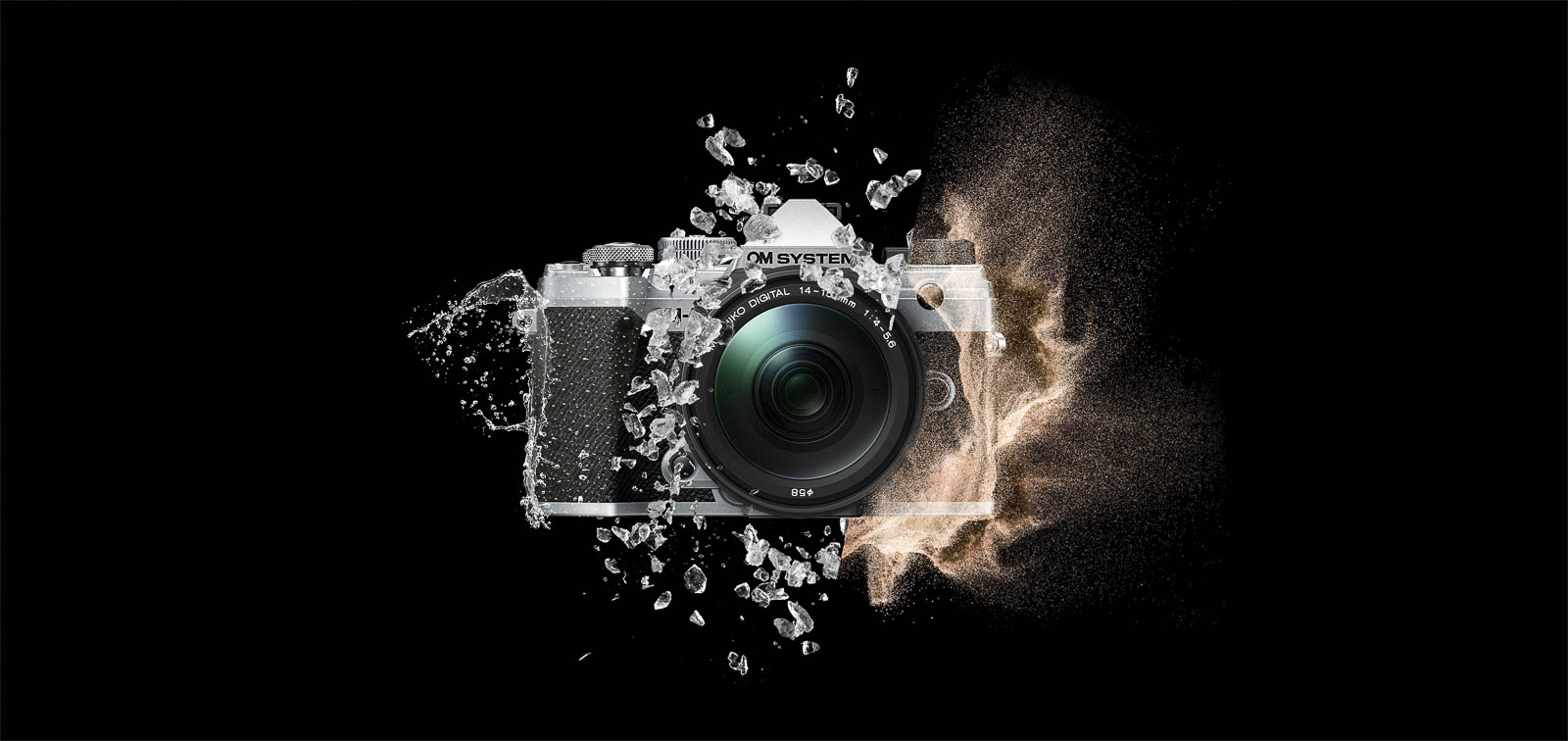
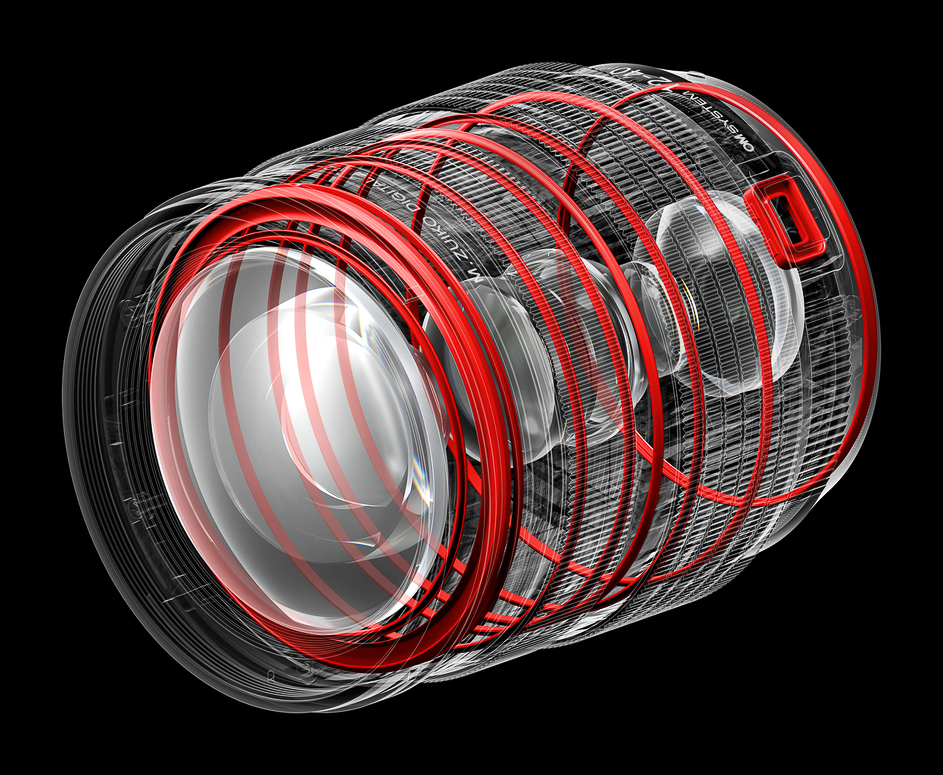
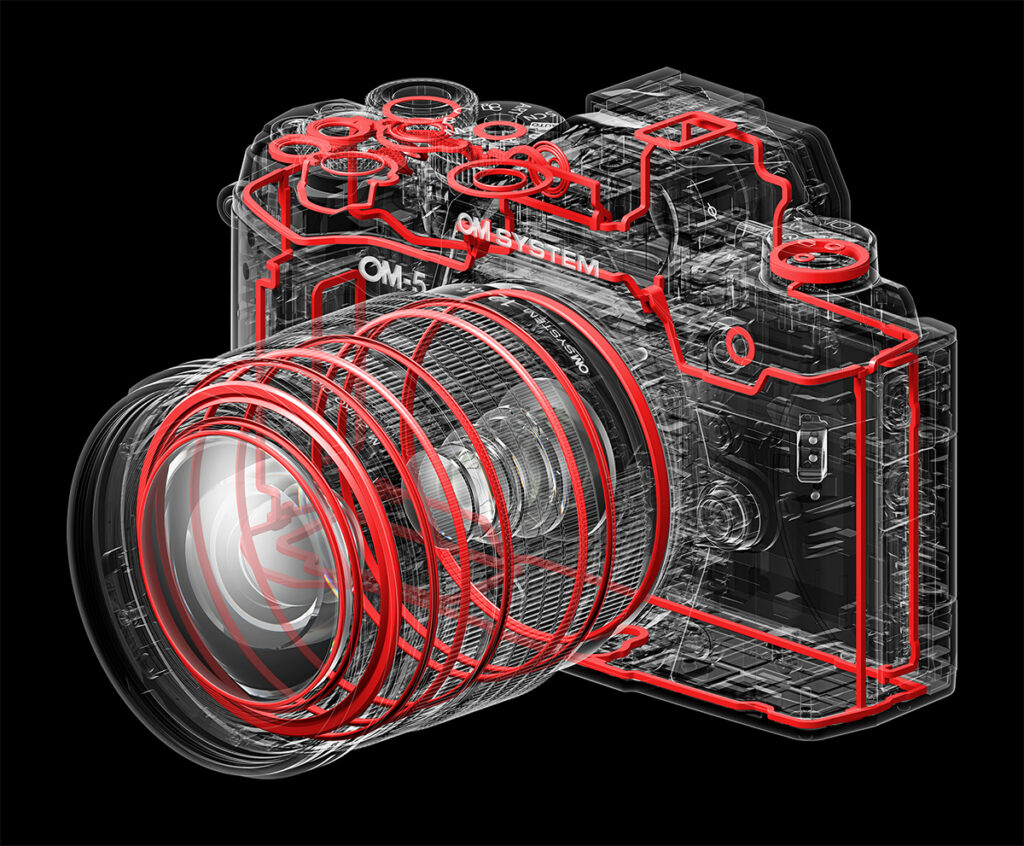
Right from the original Olympus E-1 back in 2003, Olympus has specialised in high-performance environmental sealing of its premium model system cameras. There are plenty of anecdotes that testify to the reliability of Olympus camera body and lens environmental sealing to keep dust and water at bay. But it’s only relatively recently that Olympus and, now, OM System have included an industry standard rating in their product specifications.

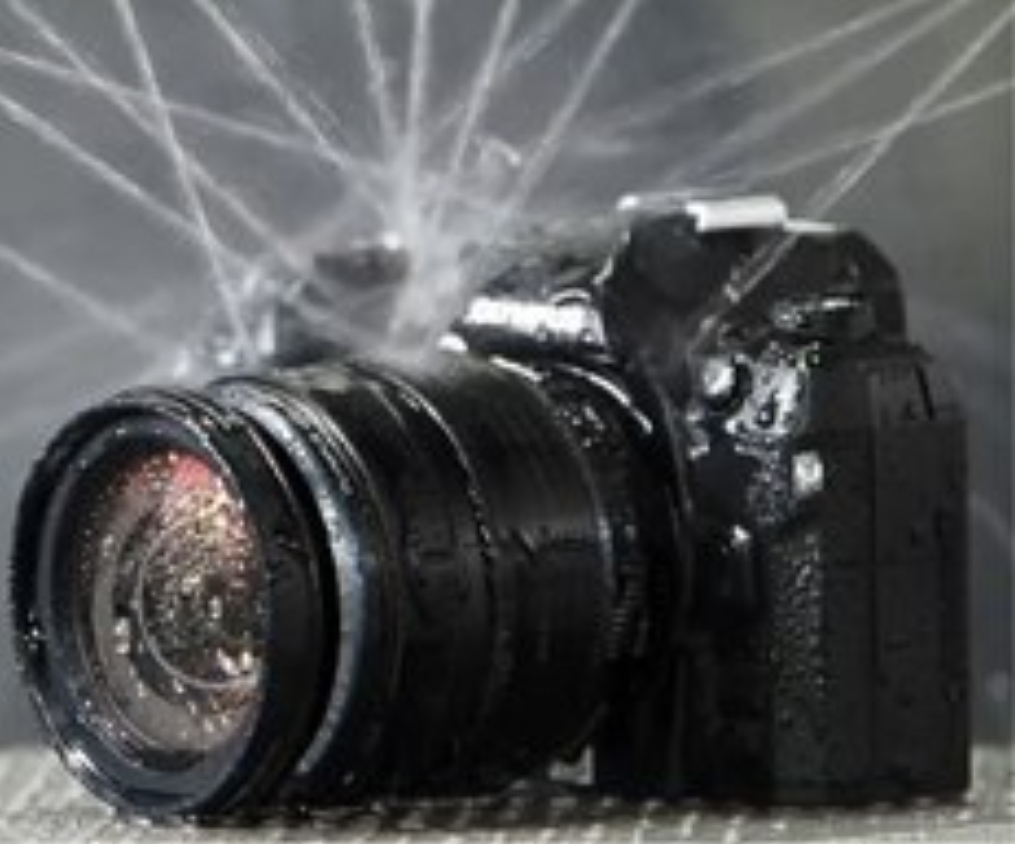
Most recent camera bodies and lenses that are deemed ‘dust and splash-proof’ have been rate to the IPX1 level standard. The latest OM-5 and some recent lenses are rated to IP53. ‘IPX1’ may, superficially, sound more impressive than ‘IP53’ but the latter is a more demanding level to attain. So, just what do IPX1 and IP53 mean?

To start with ‘IP’ mean Ingress Protection. ‘IP’ is the prefix in an Ingress Protection code that is defined by the International Electrotechnical Commission (IEC), a widely recognised international technical standards body.

An IP code has two suffix values. The first is a single character that relates to ‘solid particle protection’. The second value can be up to two characters and relates to ‘liquid ingress protection’.

Both suffix values can have an ‘X’ rating. This, basically, means that there is no information provided to meet any protection rating. You could say a rating of IPXX means the item rated has no protection against solid particle or liquid ingress. In practice, it might also mean that the product has not been tested to provide evidence that it passes a protection rating – even though it may have functioning protection.

IPX1

Olympus has used the IPX1 rating in its product specifications for lenses and camera bodies that feature environmental sealing for several years. But as described above, the ‘X’ means that the product is unrated for solid particle protection. We all know that Olympus sealed bodies and lenses since 2003 are pretty effective at resisting the ingress of dust, which is a recognised form of solid particle. So we can only assume that Olympus didn’t bother undergoing the required testing for this part of the IP rating.

After the X, comes ‘1’. This means the product resists the ingress of water dripping onto it. More precisely: “Dripping water (vertically falling drops) shall have no unsafe effect on the specimen when mounted in an upright position onto a turntable and rotated at 1 RPM.” The test simulates one millimetre of rainfall per minute over a duration of ten minutes.

IP53

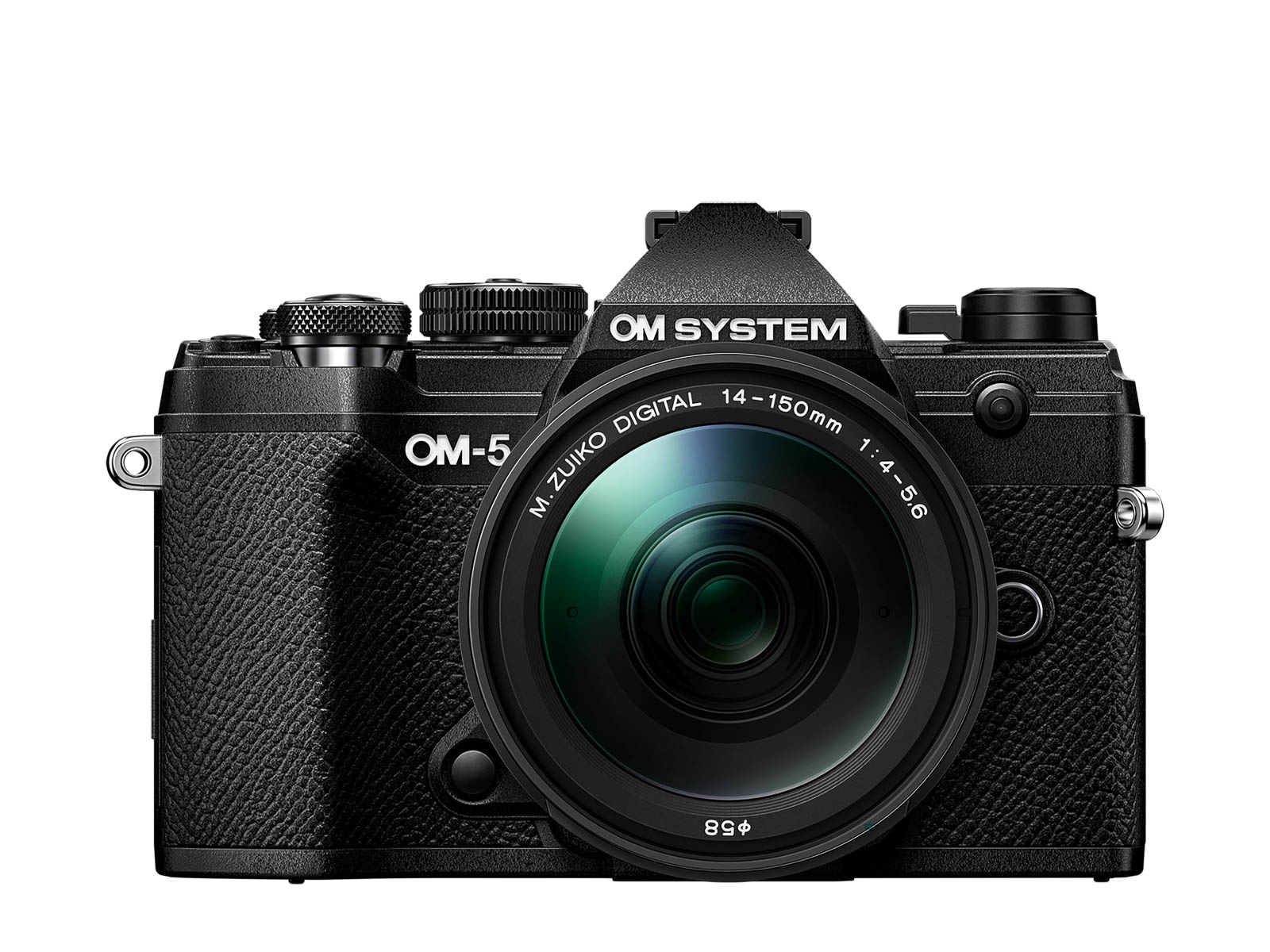
With the new OM-1 and OM-5 camera bodies launched by OM System, and several of its new lenses, the IP specification is now IP53.

The ‘5’ means the product is ‘Dust protected’ but this is one down from the ‘6’ rating of ‘Dust-tight’. Rating 5 means: “Ingress of dust is not entirely prevented, but it must not enter in sufficient quantity to interfere with the safe operation of the equipment.”

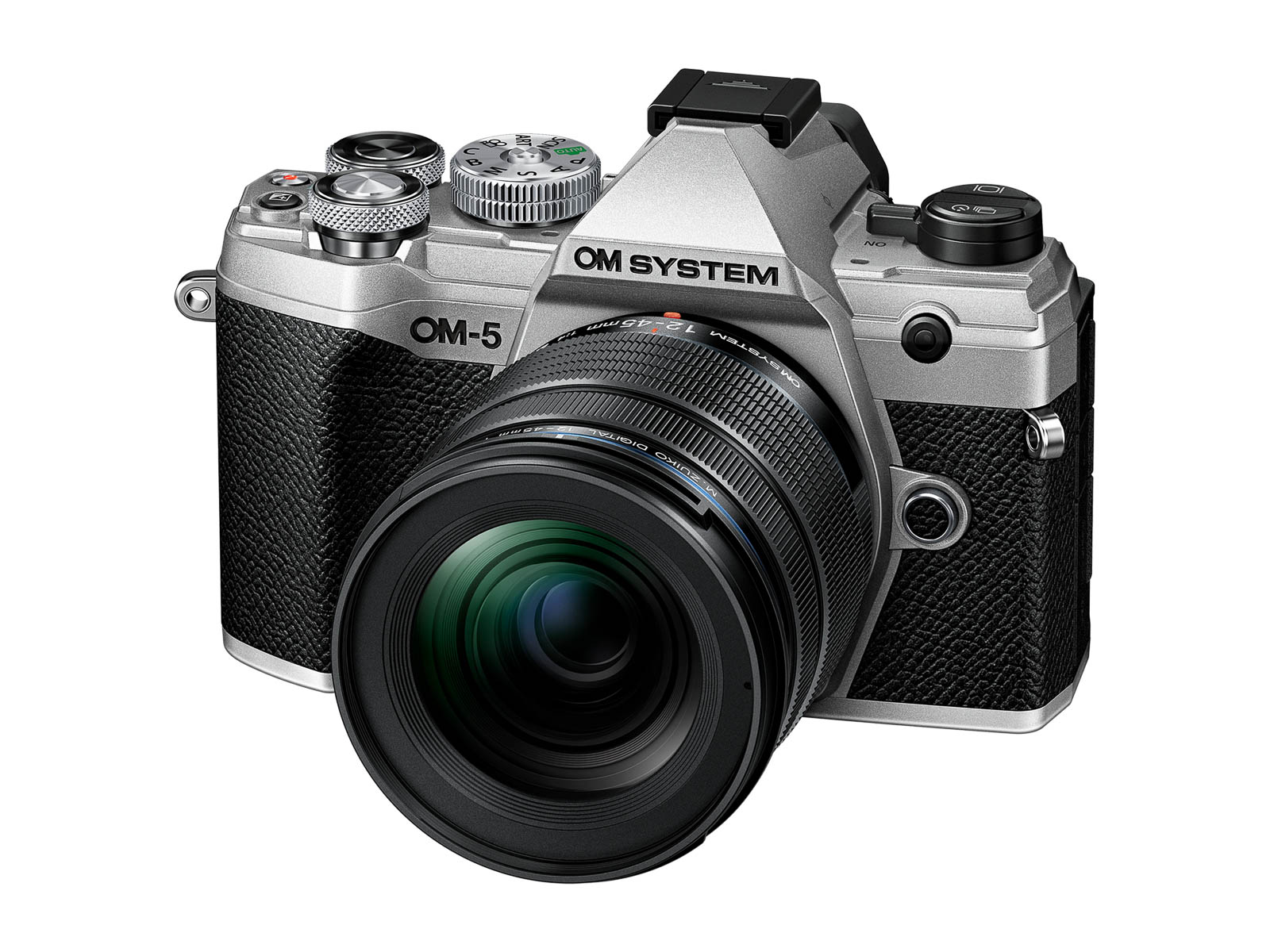
OM System OM-5 and 12-45mm f/4 Pro sealing

The second value, ‘3’, means that there is protection that can cope with water spraying onto the product. Interestingly, the next number up the protection performance ratings (4) refers to splash-resistance. It seems that neither Olympus, nor OM System have yet achieved this level of IP rating for water resistance, despite the widespread talk of ‘splash-resistant’ bodies and lenses.

The test regime to achieve a ‘3’ for liquid ingress is: “Water falling as a spray at any angle up to 60° from the vertical shall have no harmful effect, utilizing either: a) an oscillating fixture, or b) A spray nozzle with a counterbalanced shield. Test a) is conducted for 5 minutes, then repeated with the specimen rotated horizontally by 90° for the second 5-minute test. Test b) is conducted (with shield in place) for 5 minutes minimum.”

Better sealing or simply more testing?

It’s not clear whether the new OM-5 body, which shares an almost identical chassis with its predecessor, the Olympus E-M5 Mark III, has physically improved environmental sealing or not, despite having a superior IP53 rating compared to IPX1. It could simply mean that the product was submitted for, and passed, tougher tests to earn the superior rating.

Nevertheless, IP53 is a tangible and realistic affirmation of long-held claims by Olympus and, now, OM System. Interestingly, I found it difficult to find IP ratings in the specifications of other brand pro-spec cameras, even though these cameras do claim to be dust and water resistant.

Posted on

Smaller and more affordable OM System OM-5 revealed at last

OMDS launches its first OM System branded camera, the OM-5

OM-5 Q&A with E-Group member, Paul Kaye, on Page 2

While the OM-1 was the first camera launched by OM System since the acquisition of Olympus’ camera division, last year, by OM Digital Solutions (OMDS), the OM-5 is the first camera to bear the OM System brand.

The launch of the OM-5 will be a major challenge for OM System because it has to follow the OM-1, which brought significant new features, including a new menu system, new stacked BSI sensor with many more focus points, new extra high resolution viewfinder and the latest TruePic X image processing system.

The E-M5 Mark III and OM-5 are significantly smaller and lighter than an OM-1

Well, the OM-5 gets none of those OM-1 goodies. Instead, the OM-5 can be regarded as an E-M5 Mark III upgraded to E-M1 Mark III specifications.  

Key points

  • Inherits sensor, on-sensor phase AF, and TruePic IX engine from the E-M1 Mark III
  • Unchanged polycarbonate construction body and physical controls – size and weight are unchanged
  • Upgraded dust and moisture-resistant sealing from IPX to IP53
  • Four, instead of three, Custom Modes supported, each of which can now be assigned to a button
  • Hand-held High-res mode now supported (50 megapixel stills)
  • Starry sky AF mode supported
  • LV-ND (ND 16) now supported
  • Interval mode exposure smoothing now supported
  • 4K video recording with OM-LOG profile mode now available
  • Video recording clips are no longer limited to half an hour
  • Vertical aspect video recording supported
  • Plug and play USB Web camera mode supported
  • RM-WR1 wireless remote control supported

While the dream of an OM-5 being a smaller and lighter (and cheaper) version of an OM-1 might be tempting, there are a number of reasons why this was always unrealistic for an E-M5 category model to be released just 8 months after the OM-1.

OM-5 product image gallery

To start with, the E-M5 Mark III inherited functionality from the E-M1 Mark II, launched three years previously. The OM-5 has continued this strategy and inherited much from the E-M1 Mark III, which arrived two and a half years ago. This also enables the OM-5 to be priced affordably – at £1199 (body-only) it’s £800 cheaper than an OM-1 body.

If you accept the OM-1 as being the successor to the flagship E-M1X, the relatively short gap between the introductions of the OM-1 and OM-5 replicates the arrivals of the E-M1X and E-M5 Mark III in 2019.

And would OM System really want a brand-new model that would cannibalise the OM-1 at this stage? Even if you ignore this point, it could not have been priced £800 cheaper.

Who is the OM-5 for?

The E-M5/OM-5 form factor is ultra-small and light. You might think that the E-M1 Mark III and OM-1 are already tiny, compared to rivals. While that is true, the E-M5 Mark III and the OM-5 are significantly smaller and lighter still. You need to pick one up and hold it to really appreciate this.

Clearly, with the development E-M1X and the OM-1, the emphasis has been on AI-assisted AF performance for wildlife, sports and other action-category photography. The E-M5 and, now, OM-5, continue a tradition of being smaller, lighter, and cheaper. OM System has further-developed the raison d’être of the E-M5 Mark III for travel photography and for video-bloggers. Pack an OM-5 body, a battery, and an m.Zuiko 12-45mm f/4 Pro and a 40-150mm f/4 Pro into your airline carry-on bag, and it steals little space and only adds just over a kilo in weight.

The OM-5 doesn’t have the AI-assisted AF subject identification and tracking of the E-M1X and the OM-1. But the OM-5 does have the image processor, sensor and AF system of the E-M1 Mark III. Many skilled E-Group members have produced excellent action sports and wildlife results with the E-M1 Mark III.

If you’re already an E-M5 fan, the OM-5 has a decent amount to tempt you to upgrade, including hand-held high-res shooting at 50 megapixels, updated and more versatile video capabilities, Live ND shooting, an extra EV in image stabilisation headroom, a fourth Custom Mode and the ability to assign them to buttons, Starry sky AF capability, even better dust and water ingress resistance, and you can now use your camera as a super high-quality Webcam without the need for additional software.

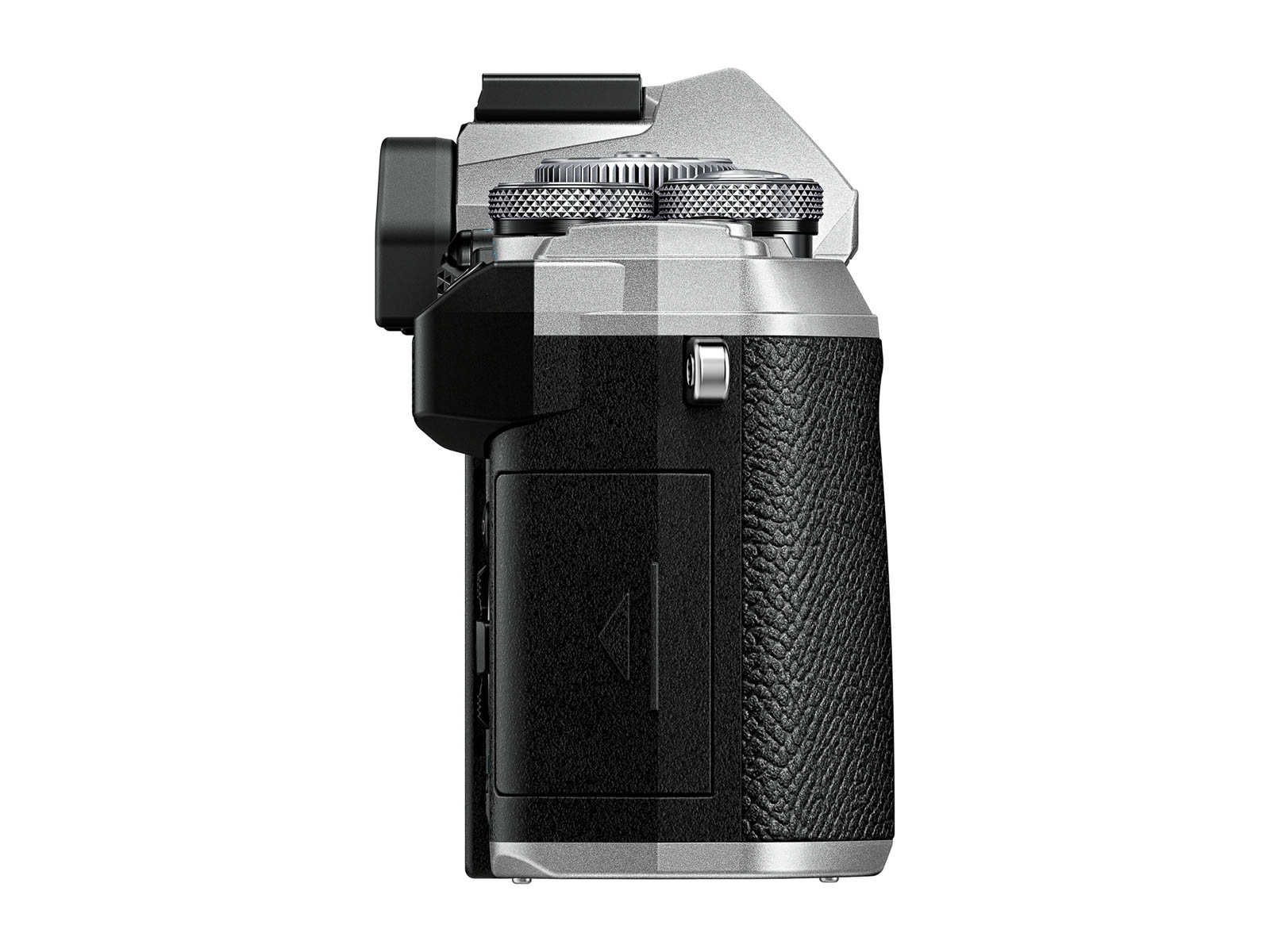
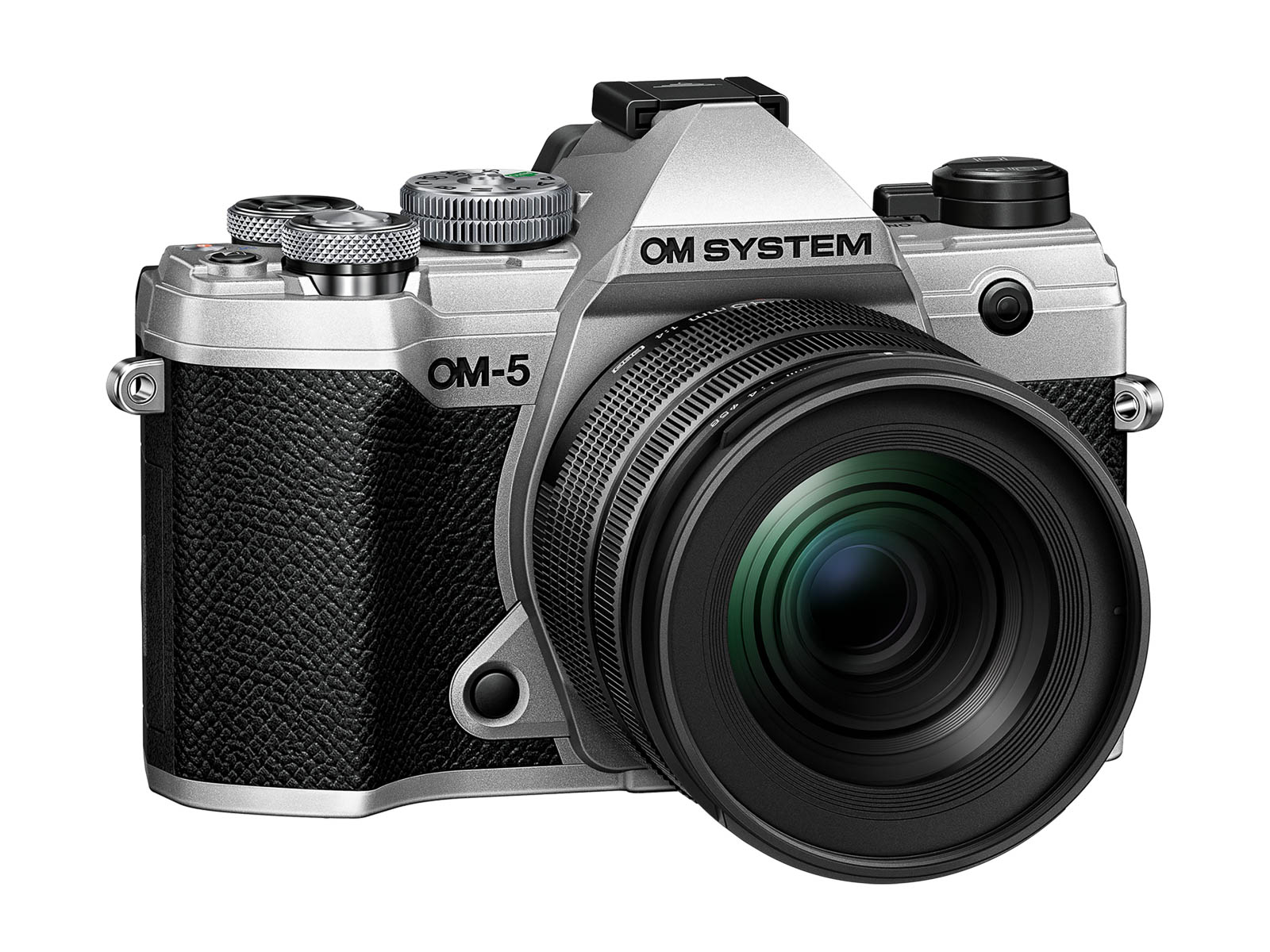
OM-5 (silver) back view with screen folded facing inward

If there is one thing that would have been nice with the OM-5, it’s probably the implementation of the OM-1’s well-received menu system. While that’s not offered, at least what is remains familiar.

The E-M1X and E-M1 Mark III introduced the multi-way controller and you don’t get this with the OM-5 because there just isn’t enough space. An improved resolution viewfinder with greater magnification would have been nice, too, but that would have impacted on the cost. And was this a E-M5 Mark III weakness to start with?

Initial conclusion

The OM-D E-M5 Mark III was based on the guts of the six-year old E-M1 Mark II’s. It was way overdue to be updated. The result is the OM-5, based on the innards of the two and a half or so years old E-M1 Mark III. It’s not a smaller and lighter OM-1. But it is arguably good value for money at its much lower price.

Of what there is no doubt is that the OM-5 is a very attractively packaged camera for those who wan to to travel light. It’s a decent upgrade over the E-M5 Mark III, especially if you value the added computational shooting features and its improved video recording features.

OM System’s first (OMS-branded) camera is a routine update rather than a revolutionary step. Let’s hope it’s the first OM System camera of many more to come.

Full specifications

You can download a PDF document containing the official OM System specifications for the OM-5 here.

Pricing and availability

The OM-5 will be available in Silver and Black in late-November 2022 in the following configurations and pricing:
OM SYSTEM OM-5 Body Only: £1,199.99
OM SYSTEM OM-5 Body with 12-45mm f/4.0 PRO Lens Kit: £1,499.99
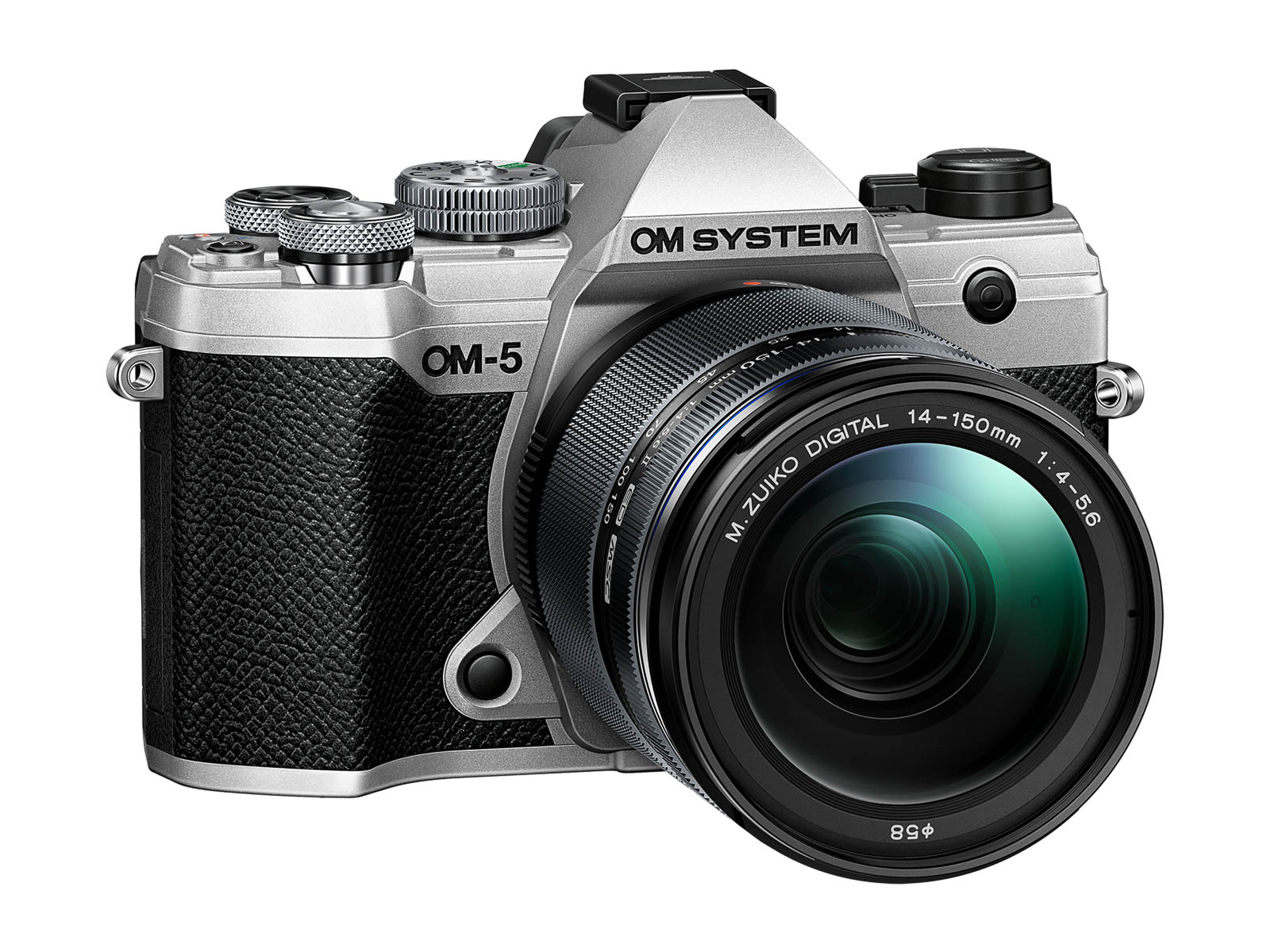
OM SYSTEM OM-5 Body with 14-150mm f/4.0-5.6 II Lens Kit: £1,499.99

On page two, we speak to a photographer who represents the target market for the OM-5.

Posted on

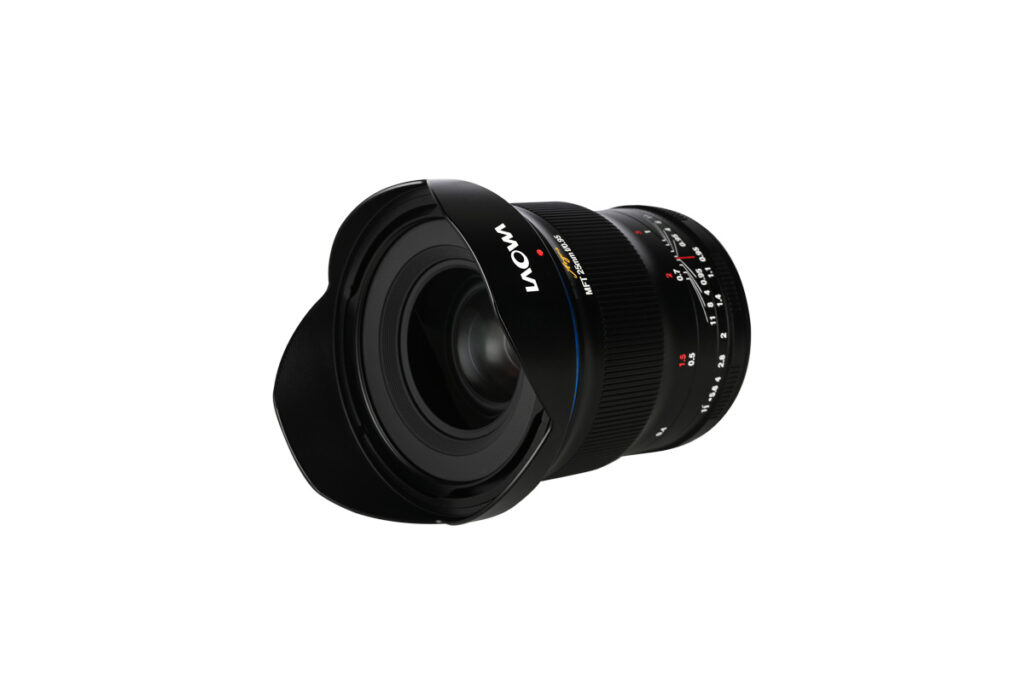
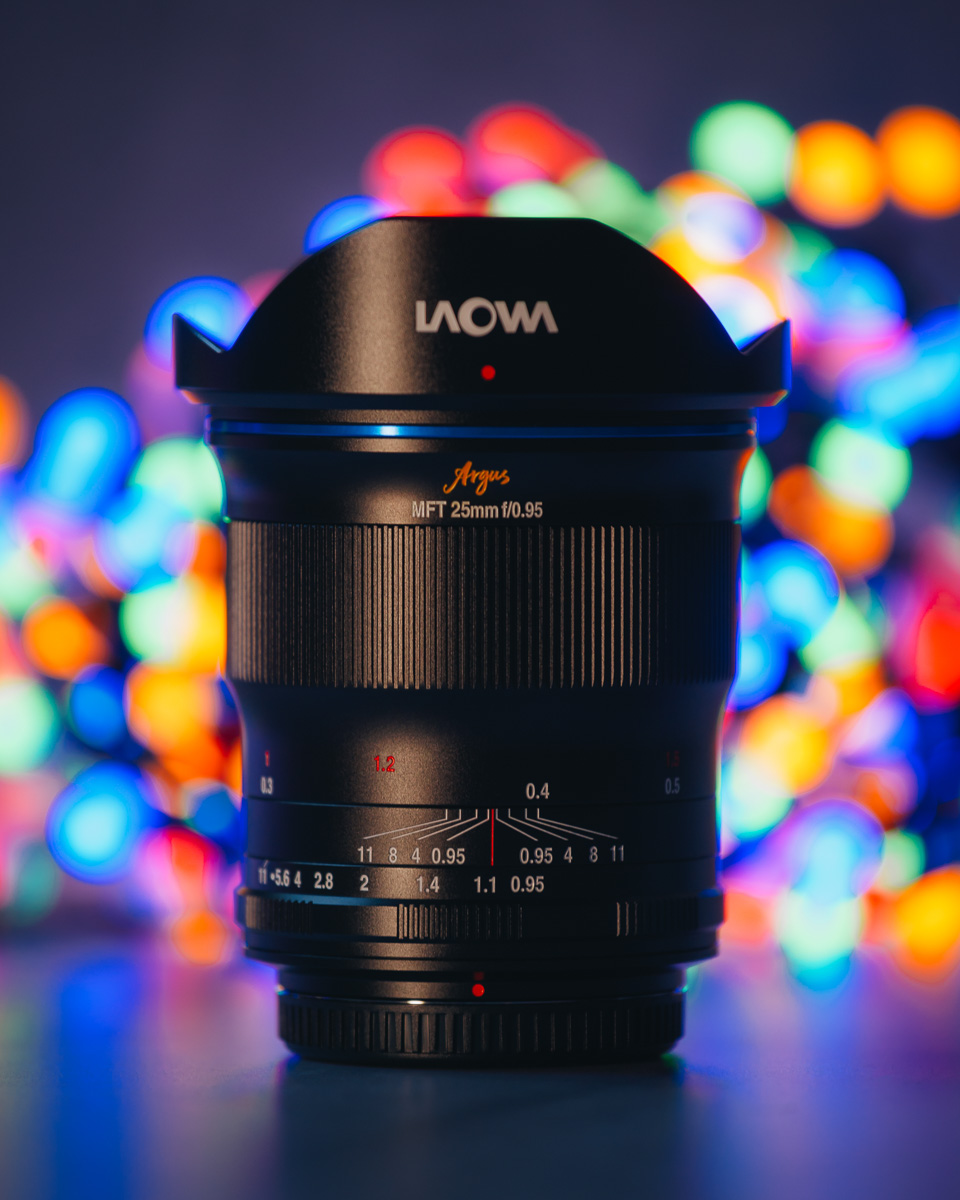
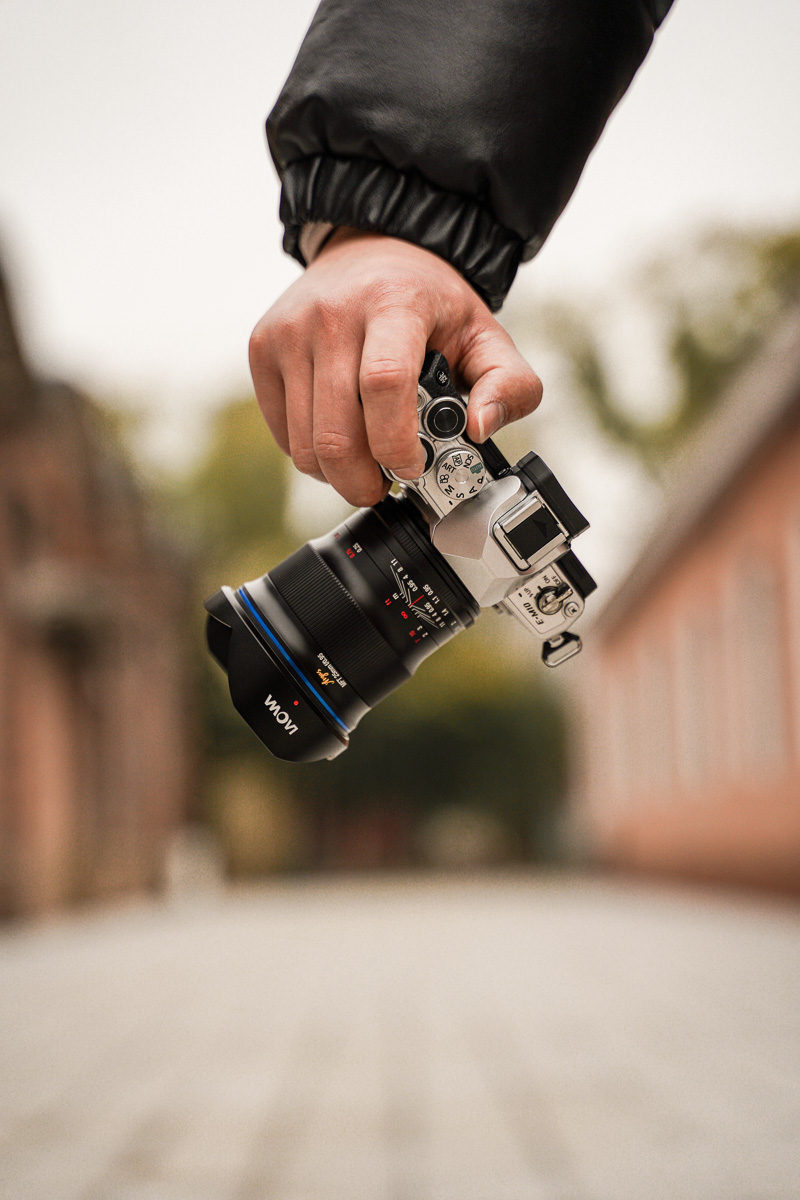
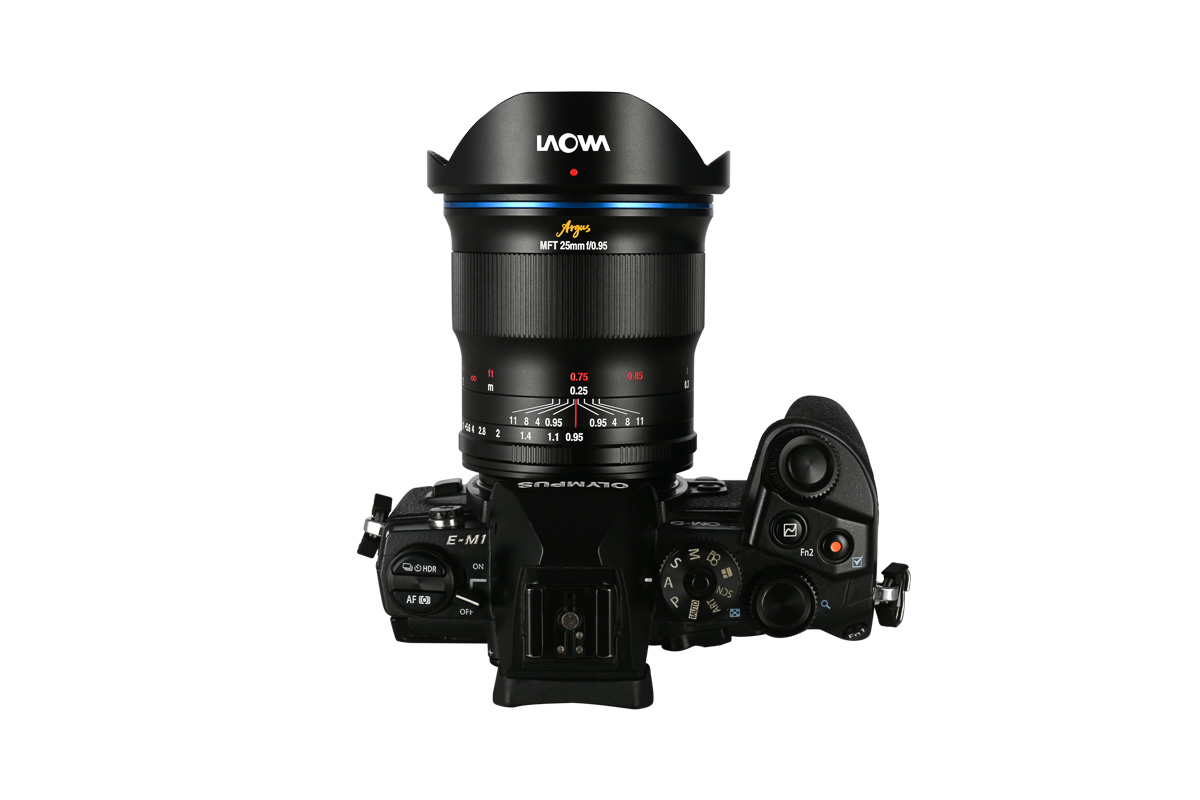
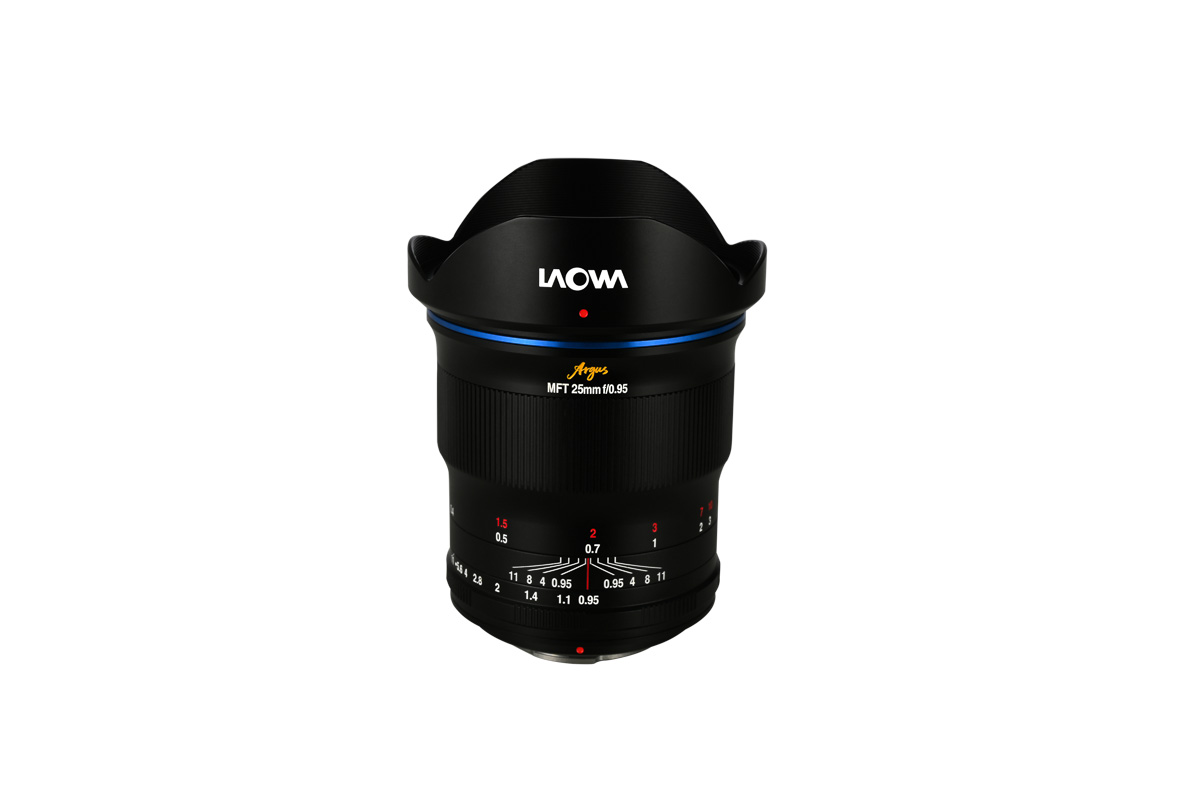
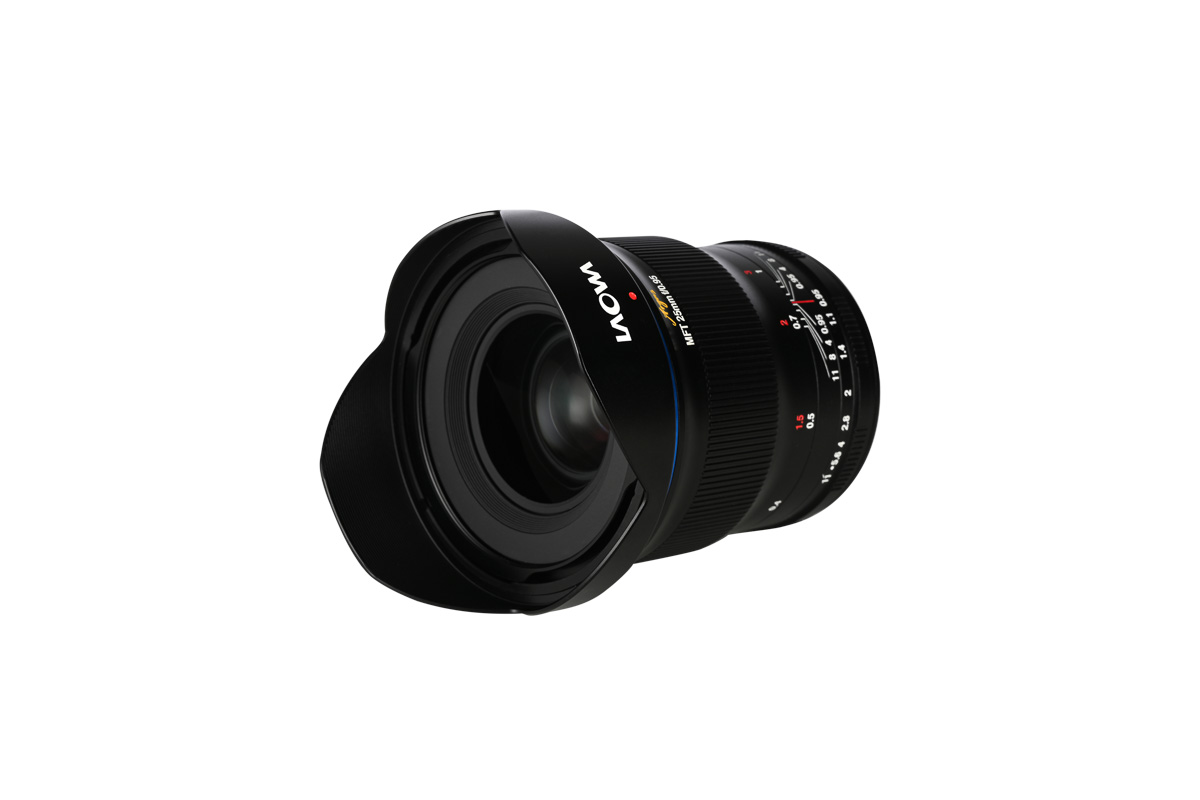
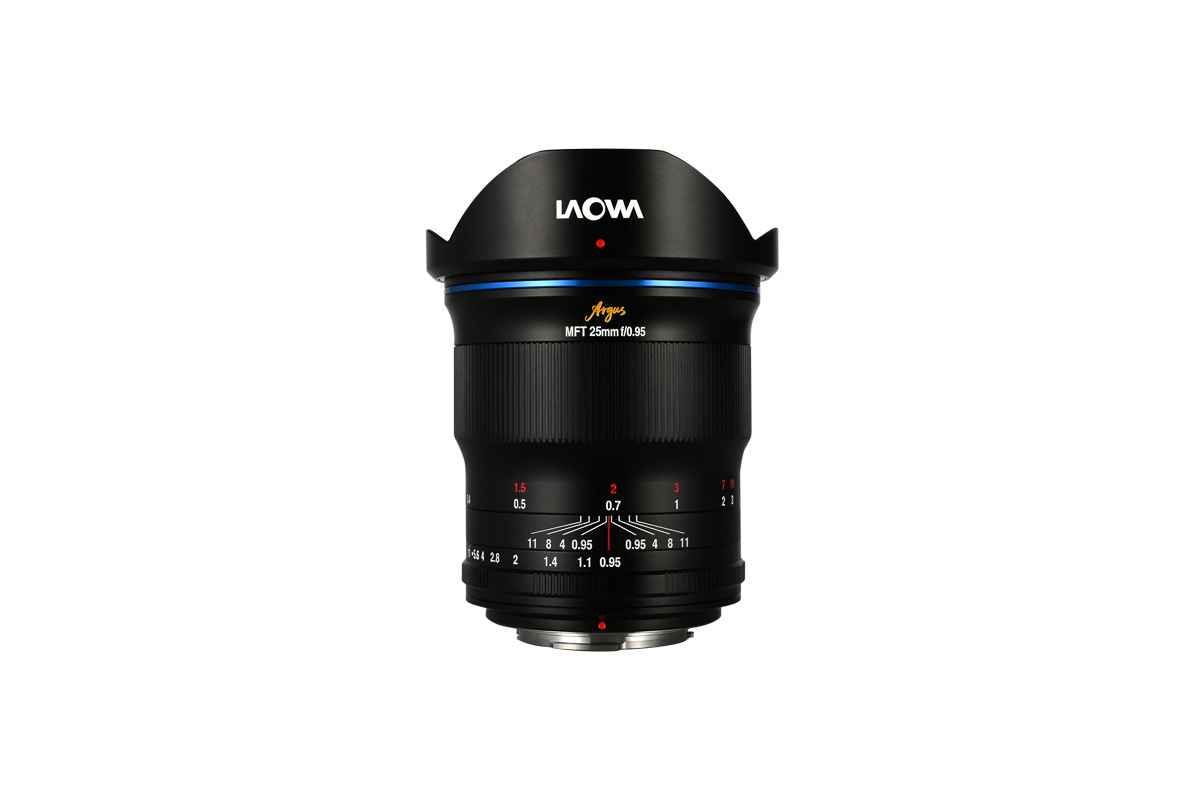
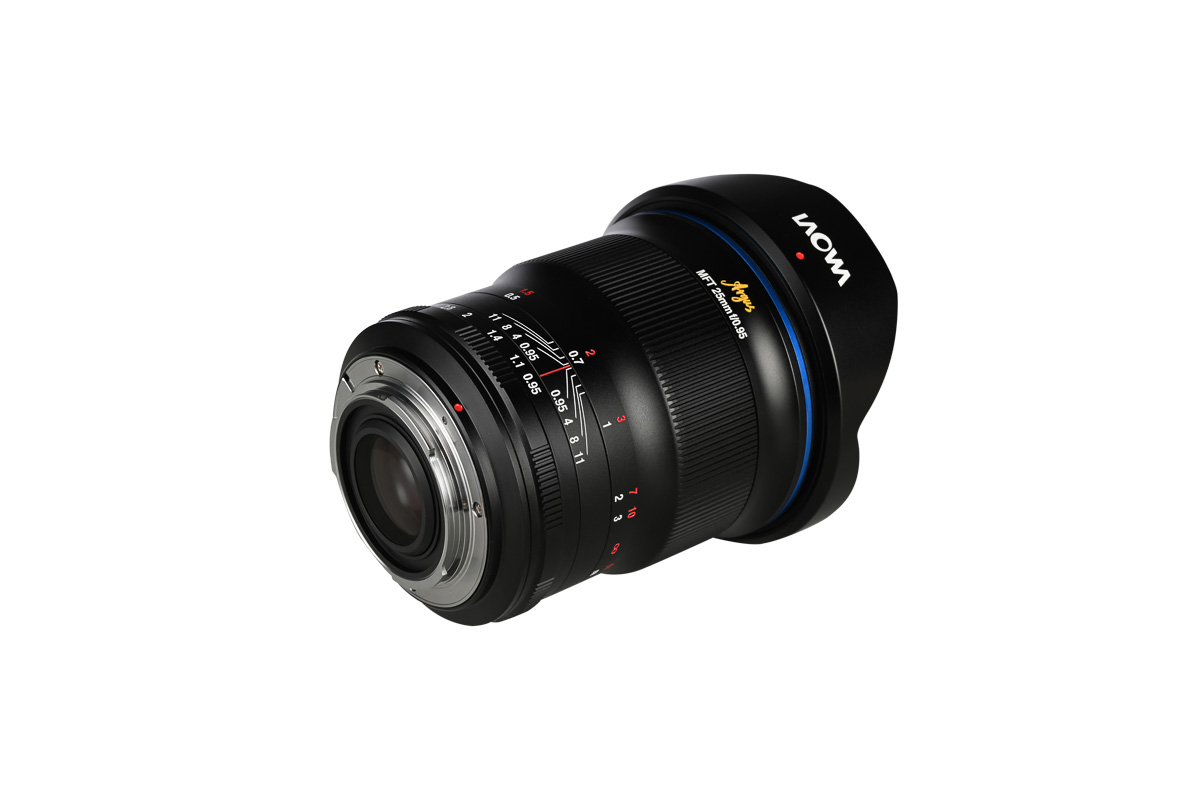
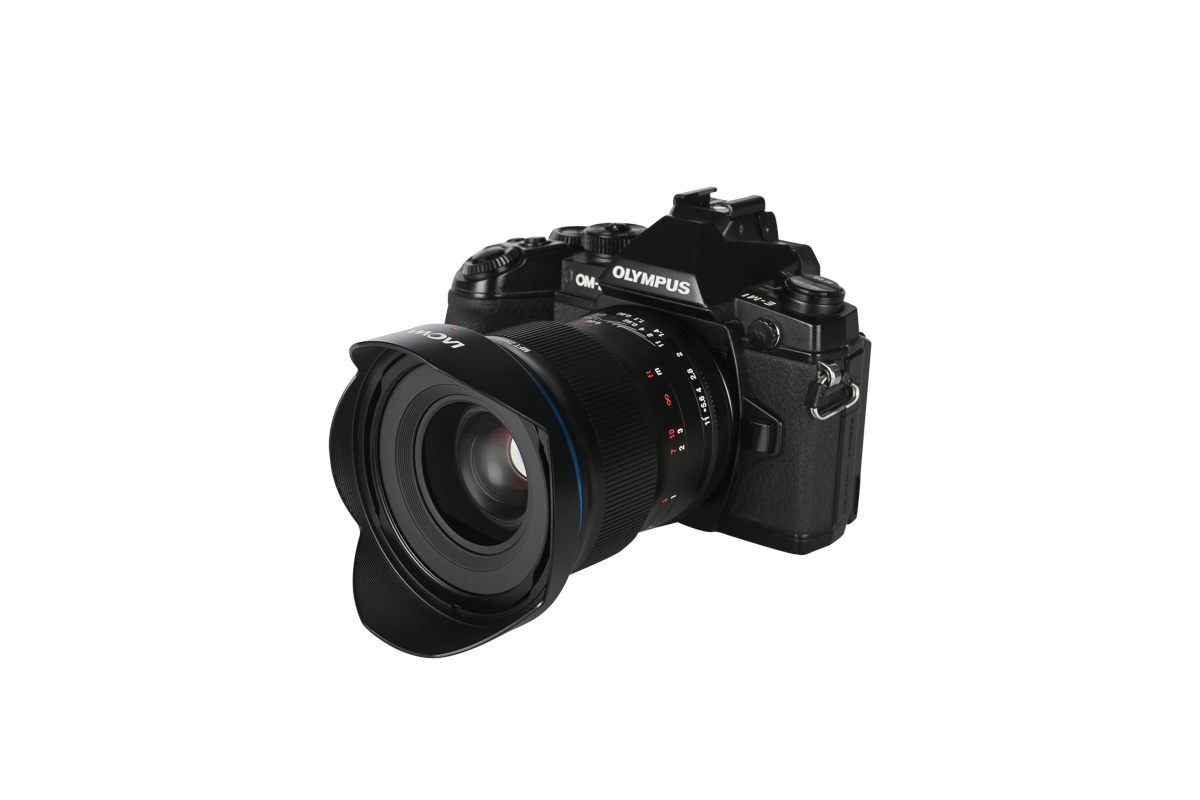
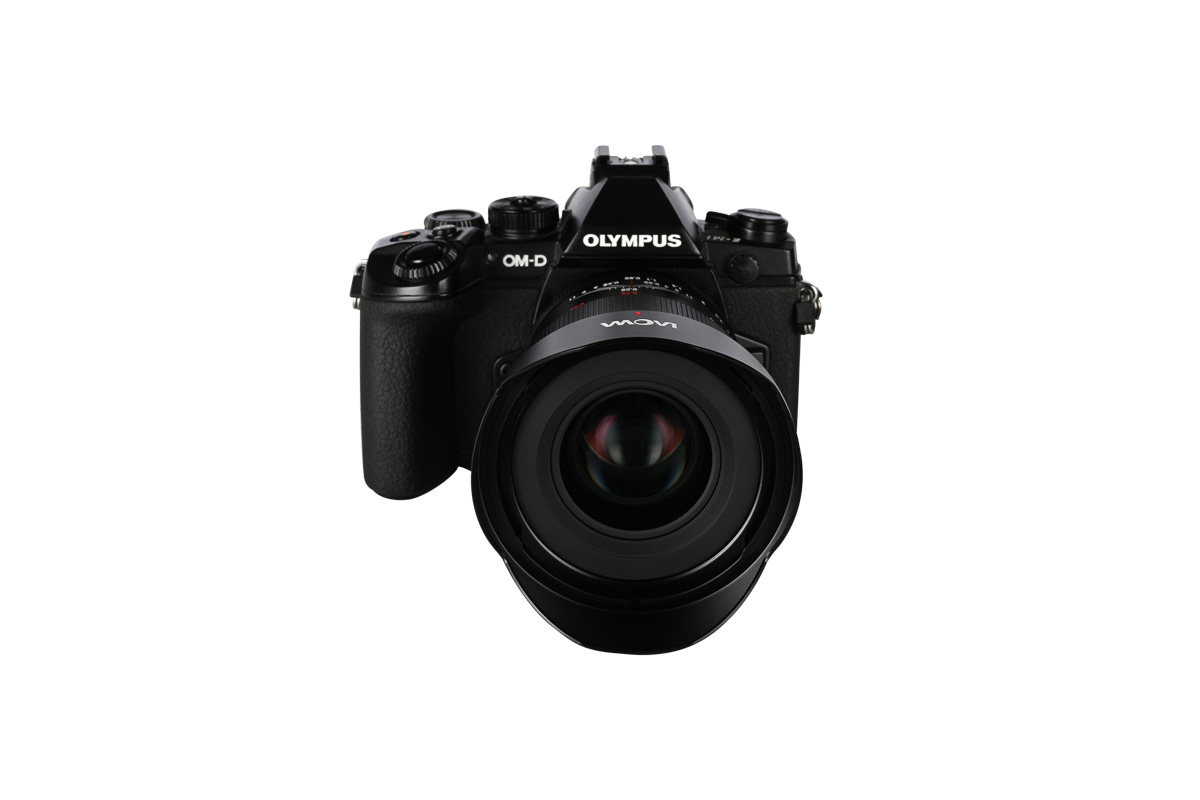
Venus Optics introduces its Laowa Argus 25mm f/0.95 MFT APO

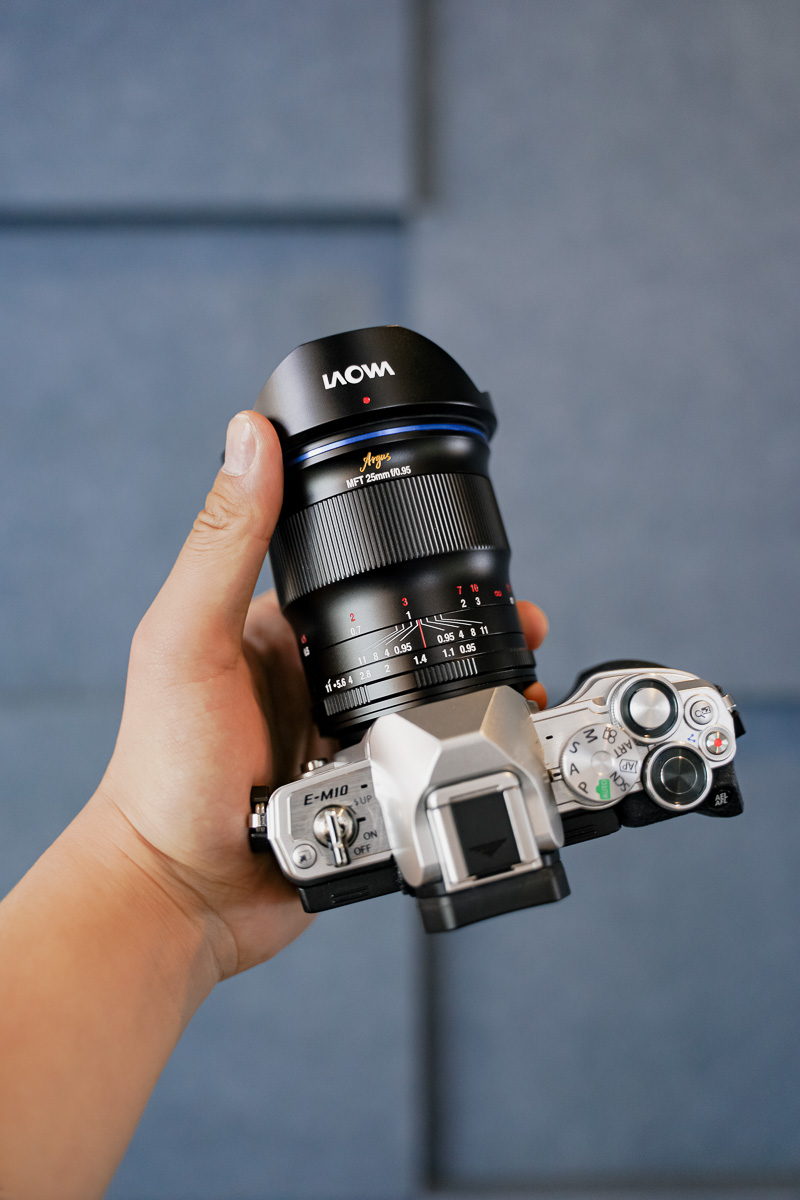
Venus Optics Argus 25mm f/0.95 MFT APO

Chinese lens maker, Venus Optics, has unveiled a $399 superfast f/0.95 prime 25mm ‘standard lens’ for Micro Four Thirds cameras, the Laowa Argus 25mm f/0.95 MFT APO.

Venus Optics Argus 25mm f/0.95 MFT APO

Classic standard lens

A 25mm focal length on Micro Four Thirds offers the same classic field of view as a traditional, 35mm or ‘full frame’, 50mm lens.

The Laowa Argus 25mm f/0.95 is a sophisticated 14 elements in 8 groups apochromatic design and the body is mostly metal. One aspherical element is use, plus one ED and 3 UHR (ultra high refractive index) elements.

For such an ambitious specification – f/0.95 is two thirds of stop brighter than f/1.2 – the $399 price tag seems remarkable. However, this is because it’s a manual focus lens.

As there is no electronic communication between the lens and the camera body this also means the aperture mechanism is manual. A 9-blade aperture iris combined with its very wide aperture design should mean great bokeh.

Venus Optics Argus 25mm f/0.95 MFT APO product shot gallery:

For video and stills

Venus Optics mentions that the lens design minimises focus ‘breathing’, which suggests the lens has been designed with videographers in mind. The focus ring has a long 300 degree throw to facilitate precise adjustment, which is just as well because depth of field at f/0.95 is very narrow.

The aperture ranges to f/11 only, which is interesting because Micro Four Thirds lenses often offer settings as low as f/16 and f/22. On the other hand it’s recommended not to go much below f/5.6 in order to avoid diffraction softening.

Minimum focus distance is 25cm (9.8 inches). The lens weighs 570g and is 86mm long and 71mm wide. The filter thread is 62mm. There is no mention of environmental sealing.

Sample images

Venus Optics have kindly supplied some sample images taken by a variety of photographers, using Olympus and Panasonic bodies. Presumably, they were all taken at f/0.95. There is a gallery of selected images below.

For more information, the Laowa brand website can be found here. The UK distributor’s website is here.

Below is a gallery of sample images provided by Venus Optics:


Posted on

Revised m.Zuiko 12-40 Pro and new 40-150 f/4 Pro

Along with the Olympus OM-1 reveal today, OM Digital solutions unveiled a mildly revised m.Zuiko 12-40mm f/2.8 Pro and a brand new ultra-compact 40-150mm f/4 Pro.

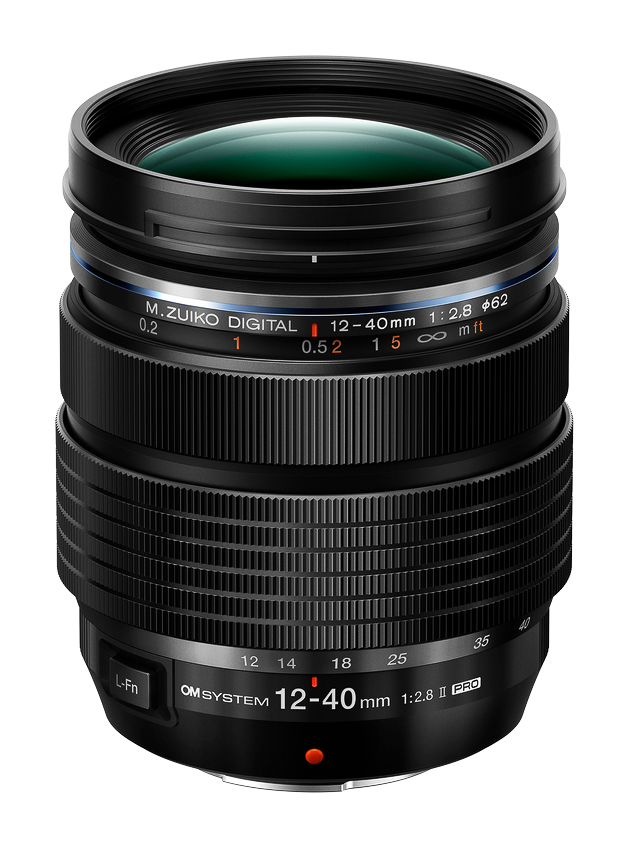
m.Zuiko 12-40 f/2.8 Pro II

OM System 12-40mm f/2.8 Pro II

The 12-40 is exactly the same optical and mechanical design but is now certified a step up to IP53 dust and splash-proof resistance matching the same IP53 categorisation of the new OM-1 body. It also gets the most up-to-date ZERO anti-reflection coatings.

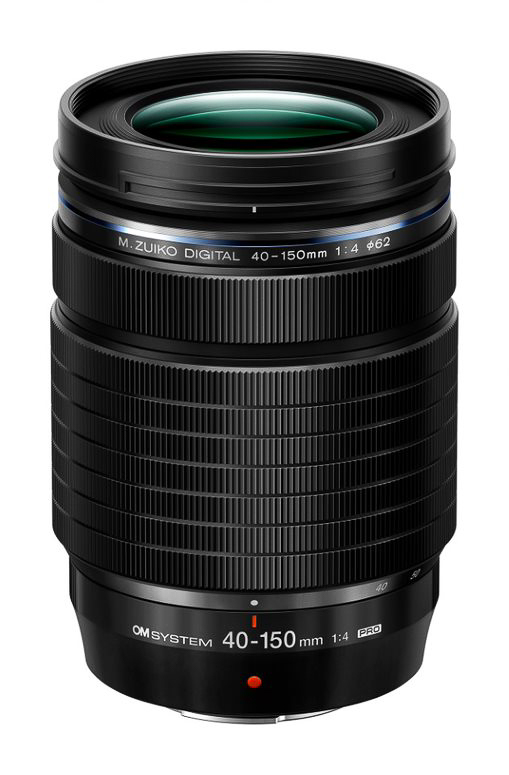
m.Zuiko 40-150 f/4 Pro

40-150mm f/4 Pro

All-new, the 40-150mm f/4 Pro is ultra compact and also IP53 rated. The design uses a ‘collapsing’ mechanism to reduce the length of the lens when you don’t need to use it. This is achieved by twisting the zoom ring fully. The lens is less than 100mm long when collapsed, just 30mm longer than the 12-40. In ready to use configuration it is 124mm long just 8mm longer than the 12-100 f/4 Pro. Weight is 382g. An inner-zoom design means the lens does not change length according to its zoom setting. Closest focusing is as near as 70cm, throughout the zoom range, matching the same feat of its sibling, the 40-150 f/2.8 Pro.

With ultra compact dimensions and light weight the priority, the 40-150 f/4 Pro does not feature a manual/autofocus clutch ring, which is popular on m.Zuiko Pro lenses. Neither is it compatible with M.Zuiko MC-14 or MC-20 teleconverters. And you won’t find optical image stabilisation (OIS) on this lens, though this hasn’t really held back the 40-150 f/2.8 Pro.

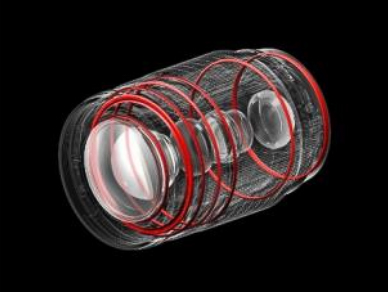
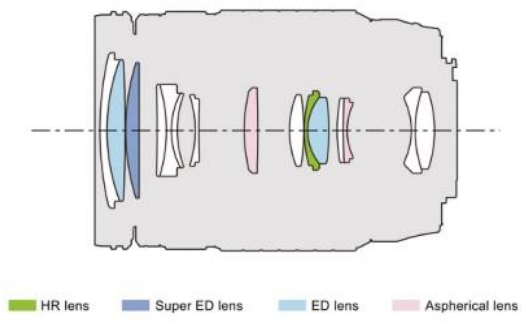
However, we are promised excellent optical performance thanks to its 15 element in 9 groups optics, with two ED and one Super ED element, plus one HR and one aspherical element. Advanced computational shooting modes like focus stacking are supported.

The 40-150 f/4 Pro is priced £799 and the 12-40 f/2.8 Pro is £899.

Join in the discussion about the new lenses at the forum.

Here are two galleries of product images showing internal and external aspects of the design of each lens:

12-40 Pro II

40-150 f/4 Pro

Posted on

The digital OM System ‘Olympus OM-1’

OM Digital Solutions have been generating a lot of pre-launch excitement about its first new ‘E-M1’ line of cameras since it acquired the Olympus camera division last year. There are also two new, OM System-branded, lenses. So is it worthy of the pre-launch marketing hype? (And don’t miss the full product image gallery at the bottom of the article.)

Headline features

  • ‘Olympus’ brand retained for one last time to mark the 50th year since the introduction of the original 35mm film OM system.
  • Significantly more features and radically greater performance than the previous E-M1x flagship model but in a compact body similar in size and weight to the E-M1 Mark III.
  • Completely, new ultra-fast frame rate, ’backside illuminated’ (BSI) and stacked 20-megapixel sensor that OMS says will increase the ISO noise headroom by no less than two stops and increase dynamic range by 1 stop. More on this, in detail, later.
  • ISO range now ranges from 80-25,600, Live ND provides ND 2-64.
  • A new type of cross quad pixel phase detection focus point is used and there is a radical increase in number from 121 to 1,053m, covering most of the frame.
  • Significantly improved AI-driven AF subject identification and tracking and continuous focusing at faster sequential frame rates. Dogs and Cats are now identifiable by the AI system.
  • TruePic X image processor chip-set is three times faster than the previous TruePic IX
  • Additional AF On button.
  • A brand new doubled resolution viewfinder using OLED display tech with view magnification up to 1.65x and further reduced latency.
  • Black-out free sequential shooting at up to 120 frames per second.
  • Improved resolution rear display screen.
  • Dual UHS-II SD Card slots.
  • Improved IP53 dust and splash-proof rating.
  • Redesigned menu system for improved ease of use.
  • 4K video shooting without cropping and no more 29 minute clip recording limit.
  • Image stabilisation now offers up to 8 EVs of compensation depending on lens used.
  • Hires modes are now processed in as little as 5 seconds instead of 12 and the mode is now selectable by using the video record button.
  • A new, smaller, 20% higher capacity, BLX-1 battery which can be charged in-camera via USB-C.
  • Optional dual-slot BCX-1 battery charger, USB-C power compatible.
  • New optional HLD-10 dual battery portrait mode grip.
  • New optional multiple function RM-WR1 Wireless (Bluetooth up to 5m) or wired remote control.
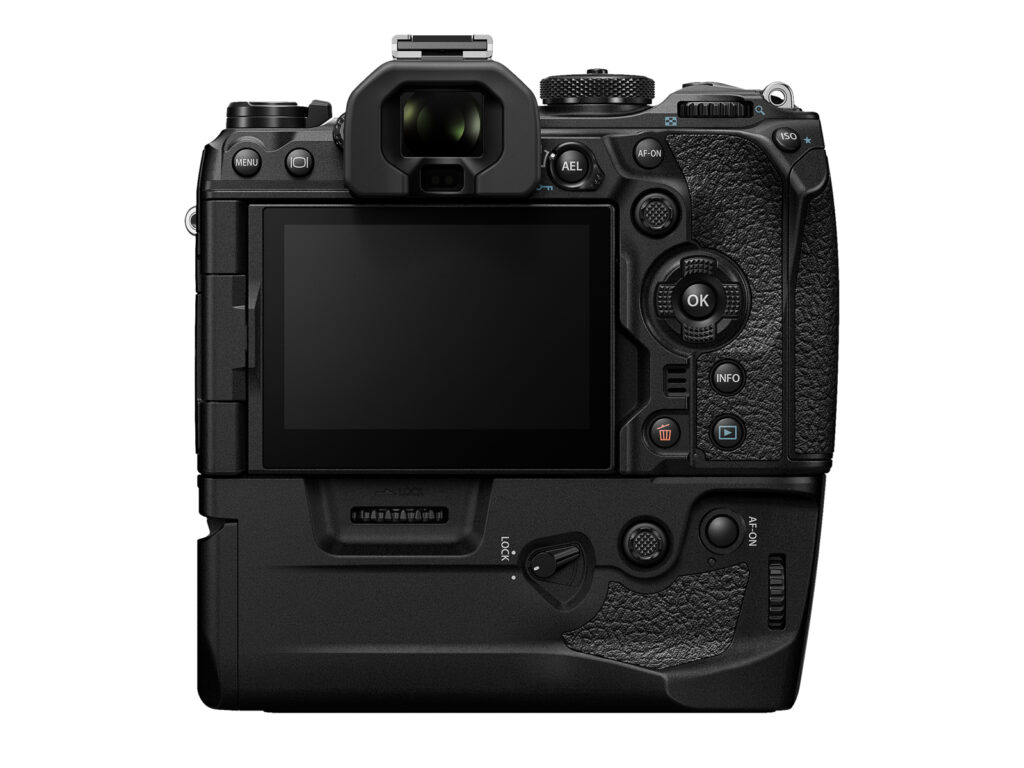
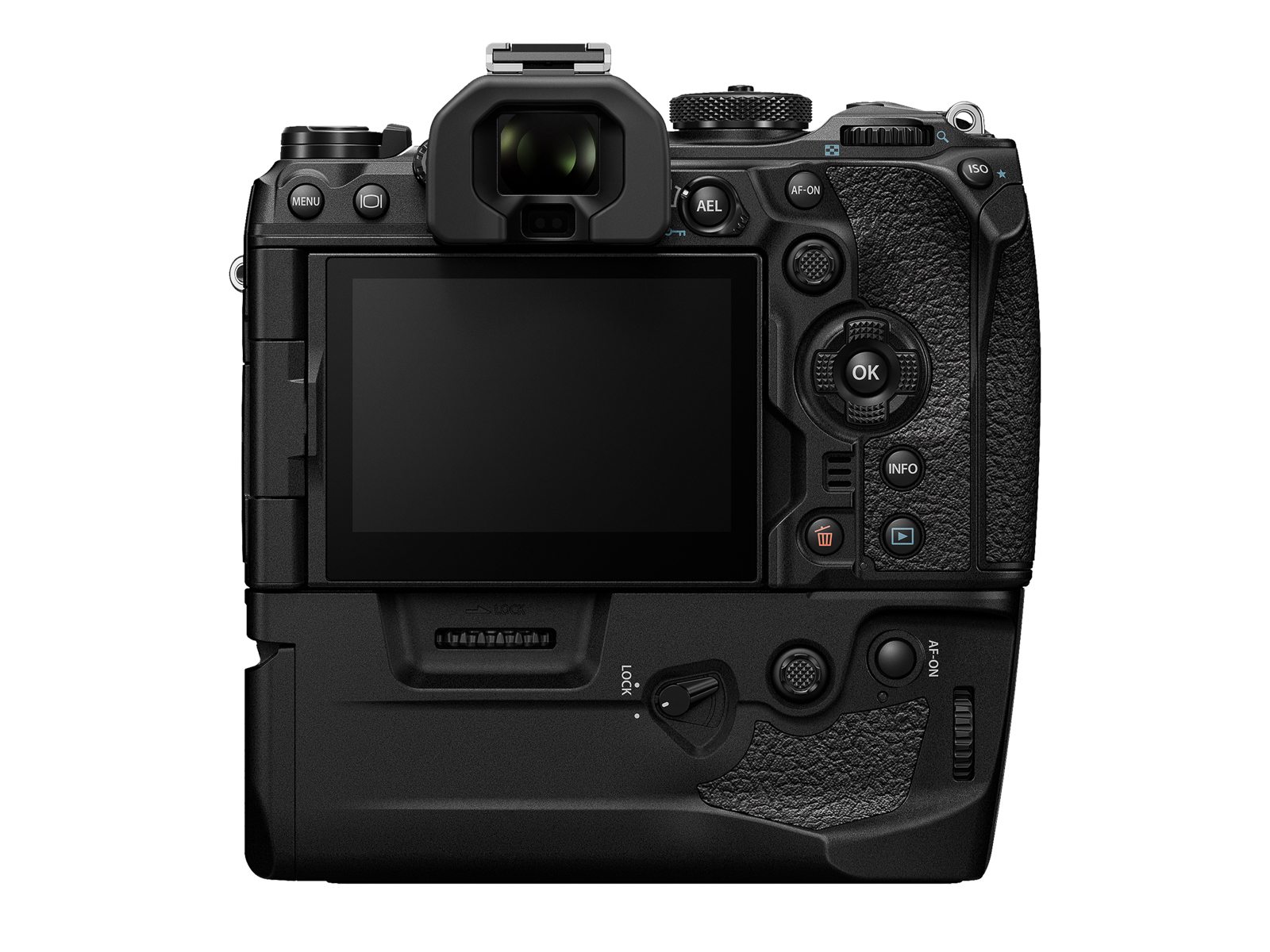
Olympus OM-1 rear with HLD-10 grip

Comparing old and new

While specifications for the new digital Olympus OM-1 have been widely leaked, it’s important to put the details into some context. Although the exterior design of the OM-1 is a mild evolution of the E-M1 series, effectively filling the role of what would gave been an E-M1 Mark IV, everything under the skin is a major upgrade in performance and ability.

The OM-1 significantly out-performs the E-M1X in almost every way thanks to its new sensor and and Truepic X image processing engine. And your view through the viewfinder is bigger, more detailed, less flickery, with less lag, and mostly without exposure blackouts when using silent (sensor shutter) modes. The battery will last at least 20% longer and significantly better than that when using silent shutter modes.

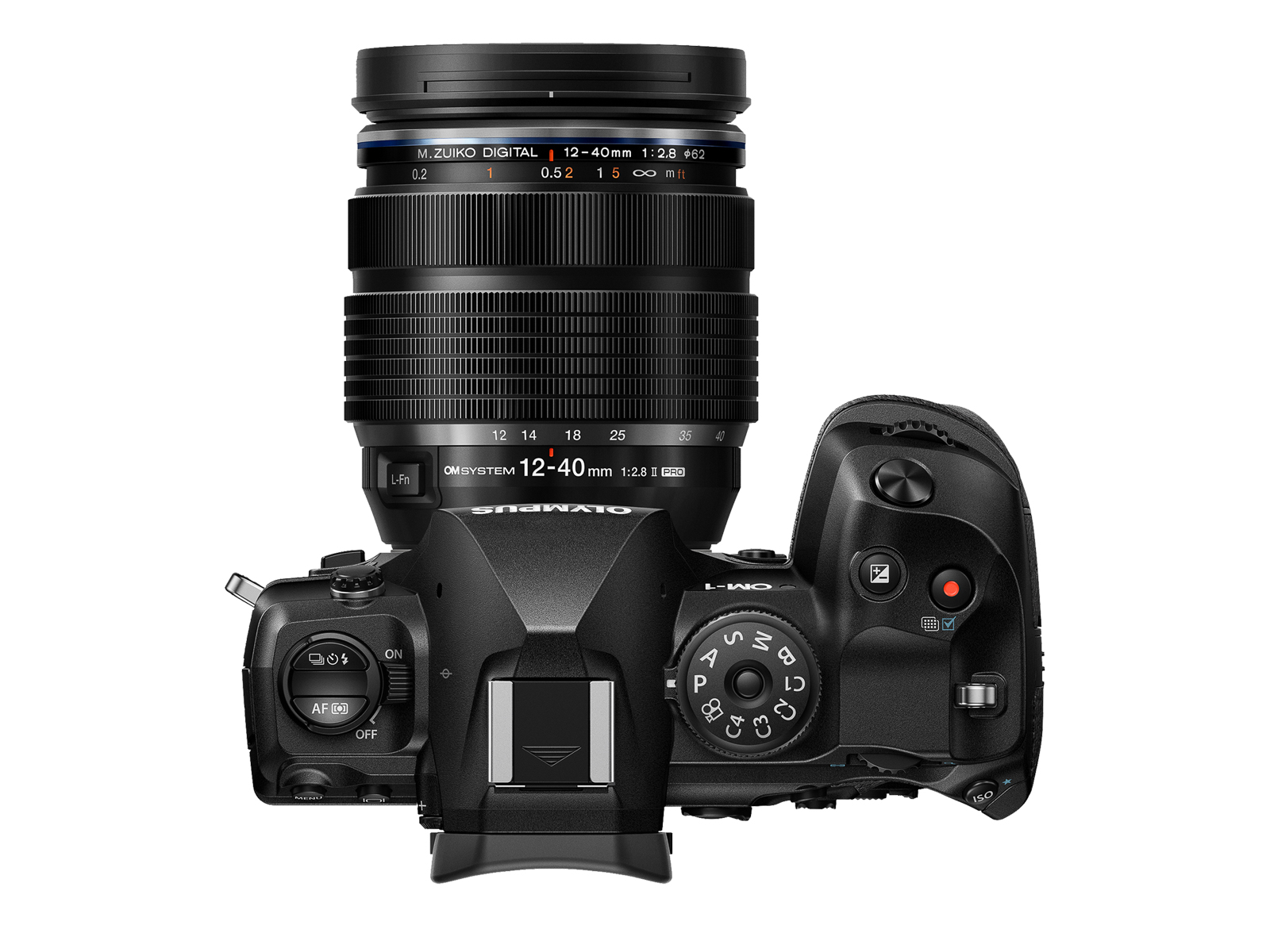
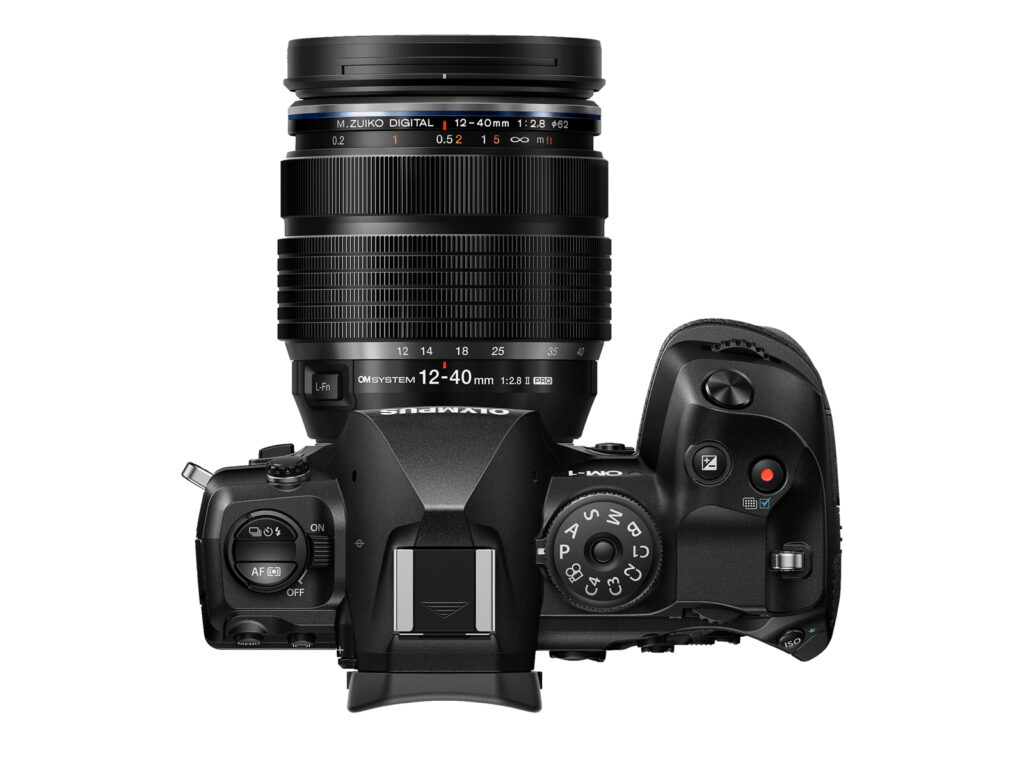
Olympus OM-1 top view with 12-40mm f/2.8 Pro II lens

There is no increase in sensor resolution, but thanks to the new sensor’s design you get a step change reduction of two stops in high-ISO noise, a 1 stop improvement in dynamic range and and with a doubled frame read-out rate and the 3x faster Truepic X engine you can shoot at up to 120fps.

On top of all that, the rear screen gets a resolution increase for the first time since the E-M1 was originally launched and the amazingly versatile and comprehensive, if heavy-going, menu system and super control panel has been redesigned with the goal of making it easier to use.

The new sensor and what it means

For the first time, we have a BackSide Illuminated (BSI) sensor and it’s ‘stacked’, meaning the photodiode layer, the part that is light-sensitive is on top of the electronic circuitry (the transistors and wiring). What does this mean?

The new Live MOS Sensor

Traditional CMOS sensors place the transistor circuitry around the microlenses of each photodiode (representing one light-sensitive pixel). This means a high percentage of the surface area of the sensor isn’t gathering light. That limits the sensitivity of the sensor, meaning more noise and lower dynamic range – the limitation which the photodiode reaches saturation.

BSI sensors, originally introduced to improve the performance of very small sensors used in applications like smartphones, effectively turns the sensor around and opens up the rear surface to illuminate the photodiodes. This means larger microlenses can be used and much less light is lost in-between each photodiode. The result is much better performance in low light, meaning a much-improved noise ceiling, but the photodiodes still have a low saturation limit.

By stacking the transistor circuitry behind the photodiode, creating a new layer, room on the photodiode layer is released to increase the size of the photodiode so it can collect more photons before it becomes saturated. This is where the improvement in dynamic range comes from; the sensor can record brighter highlights before the saturated limit.

These improvements now mean the new sensor can claim to be competitive with noise and dynamic range performance characteristics of many full-frame sensors. However, it should be noted that the very latest full frame sensors are also benefiting from these sensor tech advances.

The new sensor’s read-out speed has been doubled, too, enabling full-resolution RAW images to be recorded at up to 120 frames per second. Meanwhile, the new cross-quad phase detect focus points can be evaluated twice as fast, too – and there are 1,053 of them instead of just 121. That’s a lot f data being read from the sensor, very fast, but the new Truepic engine has been boosted by 3x to deal with it. Continuous focusing can now operate at up to 50 frames per second.

TruePic X image processor

Adding it all up

The OM-1 can do virtually everything the big and heavy E-M1x can do, better and faster, in a smaller and lighter body. If you need a pro-style portrait-shooting control grip and extended battery capacity, you have the HLD-10 option. It’s the same message when comparing the OM-1 with the E-M1 Mark III, though they share similar size and weight.

The new sensor and TruePic X combination promise big improvements in the AF performance. I’m told that the AI subject ID ‘knowledge’ and associated algorithms have both improved, apart from the increase in sensor read-out and processing power. The addition of extra subject types, like cats and dogs, that are recognisable is also welcome.

Pricing and availability

The body price is £1,999.99 (€2,199.99) – there are some added value promotions if you pre-order.

The OM-1 body and the new 12-40mm f/2.8 Pro II and the new 40-150mm f/4 Pro are scheduled to ship next month (March).

Concluding

Of course, understanding what the OM-1 should be capable of is one thing. Seeing it in action and seeing real results is another. But there is very little doubt that the OM-1 is much more than a routine, evolutionary, upgrade.

See the discussion on the forum here

And here is a gallery of the product images OM Digital Solutions supplied to us:

Posted on

Welcome to the E-Group magazine and shop

Welcome to this new section of the Olympus UK E-System User Group website.

We’ll post the occasional article here to complement the main forum.

The other primary function of this part of the site is to manage fund-raising via an online shop. This should make the process of ordering and paying for goodies we have to offer a bit easier than before.

To start with we have the remaining Olympus miniatures and some odds and ends.

We will also be building up a selection of products you can order from Amazon, which will generate a small commission for us.

Watch for developments and improvements – to find this page directly just use the url magazine.e-group.uk.net.

Page 2 of 2
1 2