As some of you are only too aware of, we are in the midst of a server migration. Here on the E-Group magazine, all is well (after all you are reading this!). But we are having to mould the legacy software that is the discussion forum, at https://www.e-group.uk.net, which is the main site, to fit the much more up-to-date server software environment of our new server.
The forum was already running into problems on the old server, and we are having to repair some of those issues on the new server before we can return to full service.
For those of you familiar with our sibling site, Digital Photography Now (https://www.dpnow.com) it’s a similar situation, though not as bad, and the E-Group forum is our priority as it is the busiest section of all, by far.
We know it has been incredibly frustrating for everyone who regularly uses the forum, just as it has been frustrating at our end. But the end result will be a faster, more secure, and more efficient websites.
The new server has faster hardware, RAID 10 drive redundancy (basically, if one, or even two, of the server drives fail, the server can remain running, even while the drives are replaced). And those drives are ultra-fast NVMe SSDs instead of the old server’s mechanical HDDs. We have also installed a more suitable backup system, with backups stored off-site (in Germany). The main server is now in Finland, a move away, after nearly 20 years, from our US hosting company in Michigan.
If all this sounds expensive, we are actually making marginal savings on the old, slow, insecure setup, mainly because we are doing the server management ourselves, rather than the hosting company (who actually weren’t doing a lot anyway!).
At the time of typing, I can honestly say we are on the home stretch.
For some photographers, it would seem that the size of the sensor in their camera needs to be as large as possible. Full-frame cameras are, sort of, the bare minimum in terms of sensor size. Aren’t they? Not at all.
Olympus/OM System and Panasonic Lumix Micro Four Thirds photographers don’t think like that, and the smaller sensor their cameras depend on hasn’t prevented them from taking fantastic images since 2003.
So who has got it right? Are both camps deluding themselves. Absolutely not. Well, maybe. It all boils down to what you need from your gear. What is absolutely wrong is to dismiss either format without understanding their pros and cons.
The sensors
Full frame cameras are a legacy of the film era. The 36x24mm frame area is the same size as a typical 35mm film camera. A Micro Four Thirds (technically, just ‘Four Thirds’) sensor is a quarter of the area of a full frame sensor. Yes, it’s significantly smaller, but it’s still categorised as a large sensor. The sensors you find in, say, even some of the flagship smartphones, are much, much, smaller still.
Digital camera sensors are semiconductor integrated circuits, or chips. Micro Four Thirds sensors are relatively huge in the chip world. Full frame sensors are, however, behemoths.
Normally, many thousands of tiny chips are manufactured on a platter of silicon, called a wafer. Natural manufacturing defects mean that a percentage of these chips will be faulty, and discarded. The percentage yield of working chips is greater for smaller chips, and, naturally, you get more smaller chips per wafer. This is why the smaller a chip is, the cheaper it is to manufacture. Full frame sensors are significantly more expensive to make than Four Thirds ones.
Pros and cons – size matters
Full Frame sensors usually have a pixel pitch, or the area covered by each light sensitive photosite, that is very large. This means each image pixel is the product of more gathered light. This can translate into lower noise and greater dynamic range, which is the ability to record greater detail in extreme darkness, as well as extreme brightness. Both are plus points for fundamental image quality and mean that Full Frame can cope better with very extreme lighting conditions.
Four Thirds sensors, remember, are still large. These days, sensor technology has improved a great deal, meaning that the noise and dynamic range performance of Four Thirds sensors is better than some Full Frame sensors from, say ten years ago.
Smaller size and mass of Four Thirds sensors mean they work better when IBIS (In Body Image Stabilization) is used. Another advantage of their smaller size is that Four Thirds sensors can be read significantly faster, which makes higher continuous frame rate shooting possible, and this also helps with so-called computational photography modes.
Lenses, and depth of field
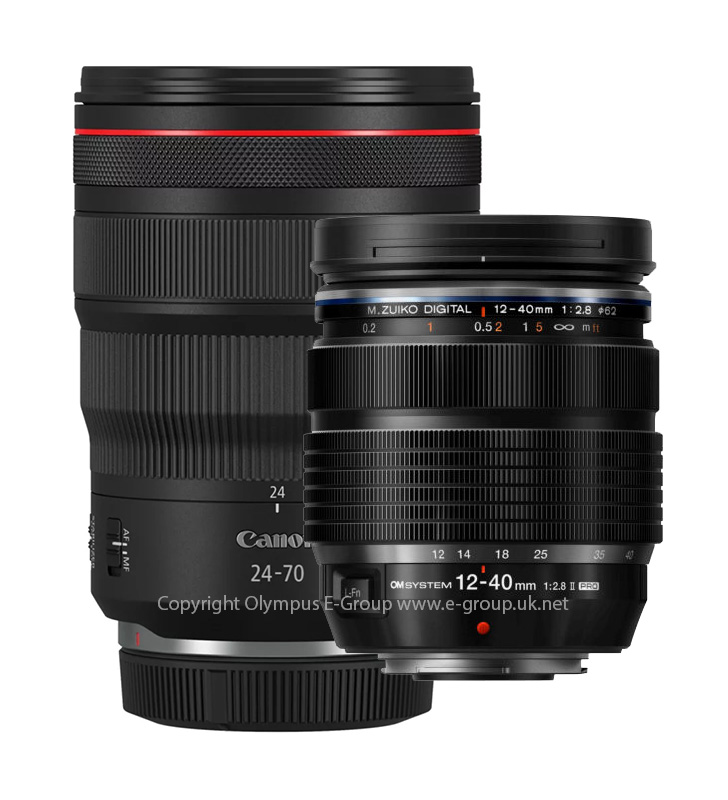
For a given field of view as a rule of thumb, a Full Frame lens will be about twice as large as a Micro Four Thirds lens. We have covered this in a separate article. This is a major factor if you want to travel light, or if, for other reasons, large and heavy lenses are impractical.
Now all the major camera marques have gone mirrorless, the physical size of camera bodies is pretty similar between FF and MFT, with a few exceptions. The primary difference is lens size and weight.
Depth of field is often topic of discussion when comparing FF and MFT. For the same brightness (aperture), a deeper distance in front of and behind the camera will be in sharp focus with MFT than with FF. Larger sensor advocates will dwell on the ability of FF to more easily deliver softer bokeh, or the effect of blurring the background. You can still achieve similar degrees of bokeh through various techniques – larger aperture lenses, using longer focal lengths and reframing, or now, very effectively, in post-processing.
It’s often forgotten that inadequate depth of field can be a headache when you want to get more of your subject in focus, in macro and landscape photography, for example. This may mean you have to stop your aperture down, meaning slower and slower shutter speeds to compensate for the lower brightness, and the consequents of risking more camera shake, or having to raise the ISO setting.
The bottom line
Olympus and OM System, Panasonic Lumix, and other MFT cameras, are not worse than their full frame counterparts. They are just different. If you aren’t primarily shooting for social media, Full Frame might be the better choice, but MFT images can still be printed very large. If you want or need to travel light, MFT is the way to go. It’s no good having a great set of FF gear that you are reluctant to lug around with you. This article could go into a lot more detail, but hopefully, you have started to get the picture.
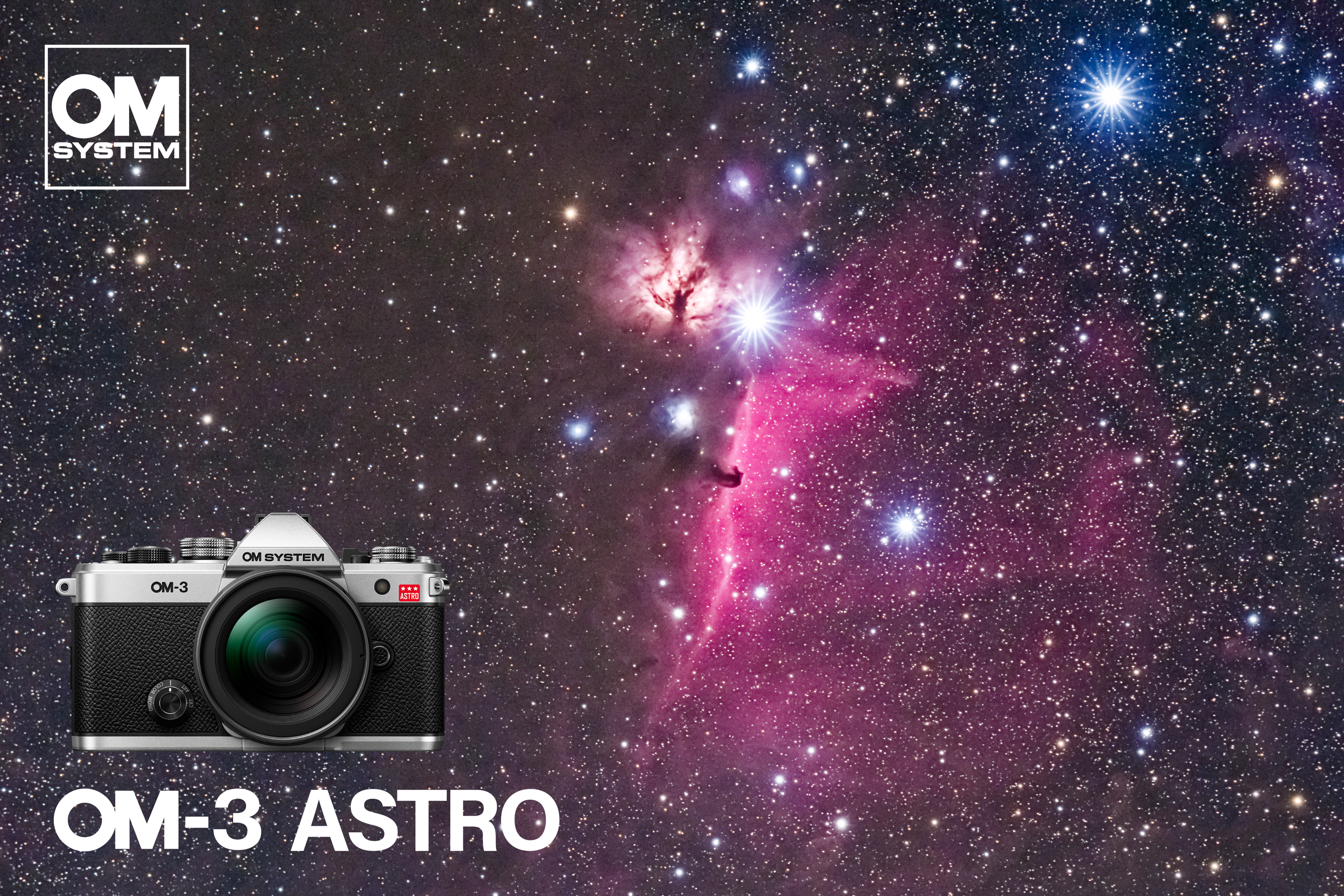
OM System have released a special version of the popular retro-style OM-3, the OM-3 Astro, adapted for astrophotographers. In essence, the integrated infra red filter for the image sensor has been changed in specification to optimise the light transmission characteristics of celestial bodies.
While the standard OM-3, in the right hands, is capable of very good captures of nebulae and galaxies, the OM-3 Astro brings out even more detail and tone, transforming the results.
It’s possible to use some of OM-Systems’ trademark computational photography modes, like High Res Shot to optimise results, and special colour profiles are integrated.
One downside of the OM-3 Astro is that it can’t really be used for normal daylight colour photography.
To summarise:
Key Features
Optimized IR-cut filter with near 100% Hα transmission for vivid red nebula capture.
TruePic X image processor delivering high-sensitivity, high-resolution astrophotography performance.
High Res Shot stacking mode producing approximately 50MP images with enhanced detail and reduced noise.
Dedicated astrophotography color profiles and custom modes for easy night sky shooting.
Advanced in-camera tools including Starry Sky AF, Live Composite, and Night View for long-exposure imaging.
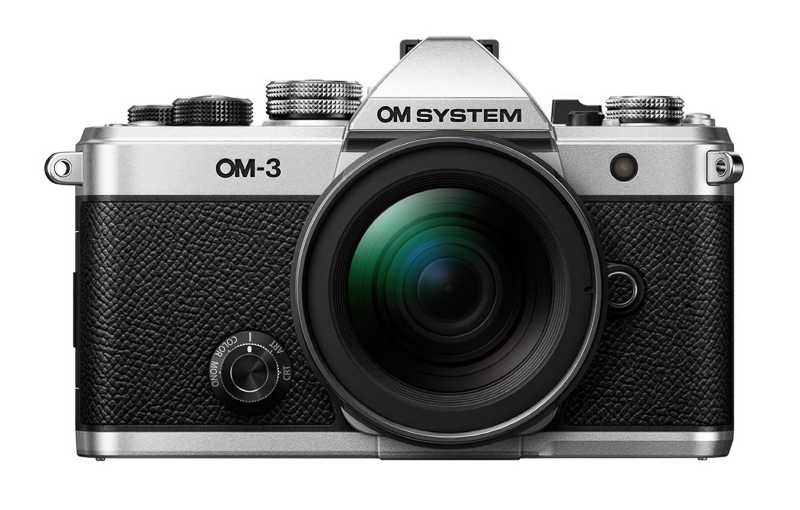
Today, a third OM-3 camera model, in name, at least is revealed, in digital form for once. OM System has revealed their digital OM-3, which pays homage to, and is styled on, the Olympus OM-3 film SLR first launched in 1983, and the almost identical-looking OM-3 Ti (Titanium construction) launched in 1994.
A look at the specification of the OM-3’s internals indicates that the OM-3 uses the same sensor, BLX1 battery, TruePic X image processing engine, and, probably, viewfinder, as the flagship OM System OM-1 Mark II. That means you get the same high-speed 20 megapixel BSI Live MOS sensor, and the same industry leading image stabilisation of up to 6.5 stops. Don’t forget 1053 cross-type PD AF points, AI-trained AF subject detection and tracking, shooting rates at up to 120 frames per second, or 50fps with continuous AF, AF that works for astrophotography, backwards time-travel by up to 70 frames Pro-Capture shooting, and more.
But it’s the packaging of the OM-3 that is radically different.
The OM-3 is unashamedly retro, eschewing the sculpted shoulders and hand grip of the OM-1. While the late, lamented, digital Olympus Pen F, from 2016, served to remind everyone of the brand’s 1960s heritage, the OM-3 brings us forward to the early 1980s, and even, arguably, the 1970s, the heyday of the original Olympus OM film SLR system.
Apart from the faux pentaprism housing, the top-plate, including the shutter release position, is flat, as is the front profile. Only a film advance lever is gone! Several buttons and controls you would find on the exterior of an OM-2 are missing from the OM-3. As partial compensation there is a front-mounted function mode dial, reminding us of where a self-timer control used to be.
There isn’t a titanium version of this OM-3, but instead a professional-grade lightweight magnesium alloy frame. At 413g, an OM-3 body (minus battery) is around 20% lighter than an OM-2 body. The OM-3 has an impress IP53 rating for resistance to dust and moisture ingress.
In a nod to users potentially wishing to use their retro-style OM-3 in a retro fashion, the OM-3 gets new customisable colour and monochrome profile controls. Just think of how much fun you could have reinventing your favourite colour or black and white film characteristics, and no film or developing and processing costs, to boot.
From the OM-3 official press release:
Customizable Profiles for Unique Artistic Expression
Recreate the look of classic film photography with the OM-3’s intuitive Color and Monochrome Profile Controls.
• Color Profile Control: Adjust the saturation of 12 colors across 11 levels, combined with Highlight and Shadow Control for rich, dynamic tones. Choose from four presets like ‘Standard’, ‘Chrome Film Rich Color’ for deep, dynamic tones, ‘Chrome Film Vivid,’ which provides vivid saturation and rich colors, or ‘Chrome Film Soft Tone’ for light, soft tones.
• Monochrome Profile Control: Apply a combination of up to four effects. Presets include Color Filter effect, Highlight & Shadow Control, Shading effects, Film Grain effect, and Monochrome Color effect for unique black and white images. The following four presets are available: Standard, Classic Film B&W, which makes use of a film grain effect, for striking black-and-white images, Classic Film IR, simulating the look of infrared film, and Classic Film Low Contrast, which tones down contrast for a subtle finish.
These profile controls make it easy for photographers to create a signature visual aesthetic while enjoying the flexibility of the latest digital technology.
Decidedly not-retro computational photography features, including those introduced with the OM System OM-1 Mark II, like the simulated Graduated Neutral Density (GND) filter, are retained.
There had been much hope that OM System would update the flat-top 60s-heritage digital Pen F, launched back in 2016. OM System must surely have been aware of this, but the OM-3 was conceived instead. You could ask, why wouldn’t OM System prefer an OM retro offering? The debate as to whether the OM-3 was the right strategy has already started.
OM System’s price on their own Web Shop, currently, is £2149 for the OM-1 Mark II body-only. The OM-3 has many of the best components of the OM-1 Mark II, for £1699. A kit, bundled with the 12-45 (24-90) standard zoom, is priced £1999.
OM System says you will be able to buy an OM-3 from 27th February.
The official page for the OM-3 on the OM System website is accessible here.
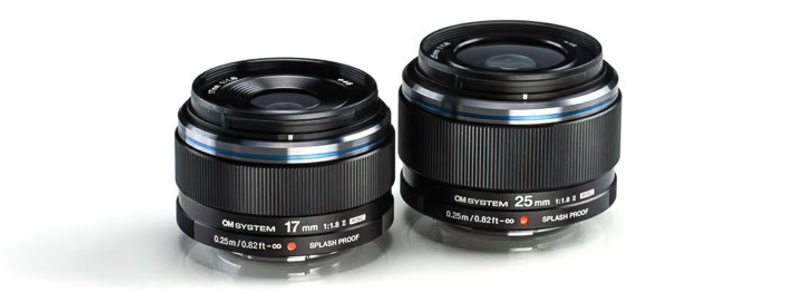
OM System has made some welcome updates to three of its existing lenses; the 17mm f/1.8, 25mm f/1.8, and 100-400mm f/5-6.3, and all now sport the ‘II’ suffix. For anyone reading this who is unfamiliar with the comparable focal lengths in ‘full frame’ terms, these are 34mm, 50mm, and 200-800mm, respectively.
Although not 100% confirmed, we don’t think there are any changes to the optical designs of these lenses. They all appear to share the same optical element construction configurations with their predecessors.
Neither the original 17mm, nor 25mm, were dust and splash-proofed. They have, now, both acquired environmental sealing and an IPX rating.
The 100-400 did have environmental sealing but Olympus did not state what the IP rating was, but it is now confirmed to be IPX, too.
Subtle external differences are discernible with the new 17mm and 25mm lenses. The focusing rings look wider, for example. We assume the 17mm retains its sliding focus ring clutch arrangement, for instant manual focus access, though in the pictures we’ve seen so far, it’s not clear. The original 25mm lens was always a budget design and didn’t feature a focus clutch ring; it would be nice if it acquired this feature.
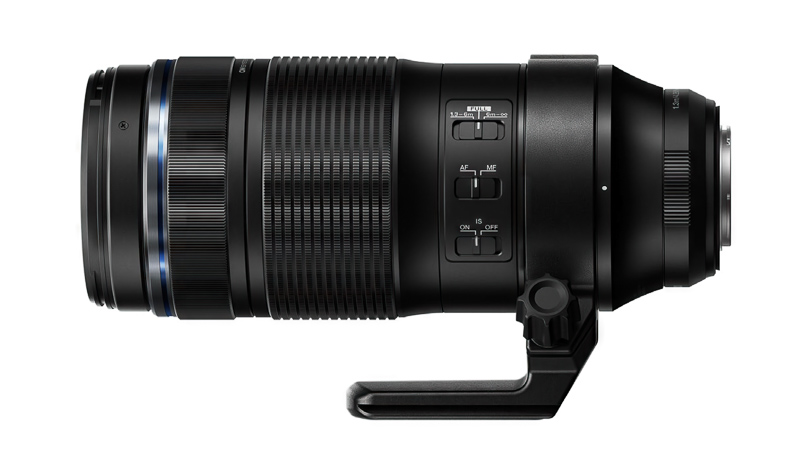
There is little external difference to the 100-400mm f/5-6.3 Mark II compared to it predecessor. However, this new edition of the lens now supports 5-axis Sync IS, which enables the moving sensor image stabilisation in the camera body (selected models) to work in tandem with the optical image stabilisation of the lens. This improves maximum stabilisation headroom from 3 stops to 7 stops.
Last year’s Tell Your Story Program was a big success. It’s an initiative designed to help OM System discover and support new talent. Those lucky enough to be selected are provided with their own OM System OM-5 kit, plus the personal mentorship of a nominated OM System Ambassador.
You have until March 25th, 2024 to enter: photography enthusiasts of every skill level are invited to participate in Tell Your Story II. The project will be primarily showcased on Instagram, utilizing the @omsystem.generation channel, curated for newcomers to the photography community. The content will embrace both inspirational and foundational technical insights associated with the OM-5 and M.Zuiko lenses. Additionally, the campaign will be promoted through posts and stories on Instagram, TikTok, and YouTube Shorts.
“We’re excited to bring back Tell Your Story with Tell Your Story II, building upon the success and momentum of last year’s program,” said Mark Thackara, Senior Manager of Content and Community at OM SYSTEM. “This year, we’re delighted to collaborate again with our esteemed photography mentors from around the world, including Julia Wunsch, Rania Ronntöft, Daniel Villadsen, Brooke Bartleson, and Peter Baumgarten.”
In addition to the familiar mentors, Tell Your Story II introduces a new theme inspired by the timeless Japanese philosophy of Kacho Fugetsu, which translates to “Flower, Bird, Wind, Moon”. This philosophy reflects OM SYSTEM’s belief in the enriching connection between humanity and nature. Participants are encouraged to explore and depict their connection with nature through the following elements:
• ‘Flower’ for capturing the minute wonders of the natural world. • ‘Bird’ for documenting the wonders of wildlife. • ‘Wind’ for showcasing a visual journey of adventure, exploration, and travel. • ‘Moon’ for highlighting expansive vistas, celestial nightscapes, and innovative computational photography techniques.
“Kacho Fugetsu adds a new dimension to our program, inviting participants to celebrate the diversity and beauty of nature through their lens,” added Thackara.
There is a lot of nonsense flying around about OM System’s new ULTRA-telephoto zoom lens. And there are also some honest concerns. Indeed, my own feelings about the 150-600 have changed the more I have thought about this lens. So let’s delve in.
Perusing comments on our very own discussion forum, many of which reflect influencers and so-called experts on YouTube and other social media platforms, it’s clear to me that the new OM System m.Zuiko ED 150-600mm f.5-6.3, launched last Tuesday, is frequently misunderstood.
So the lens is based on a Sigma design
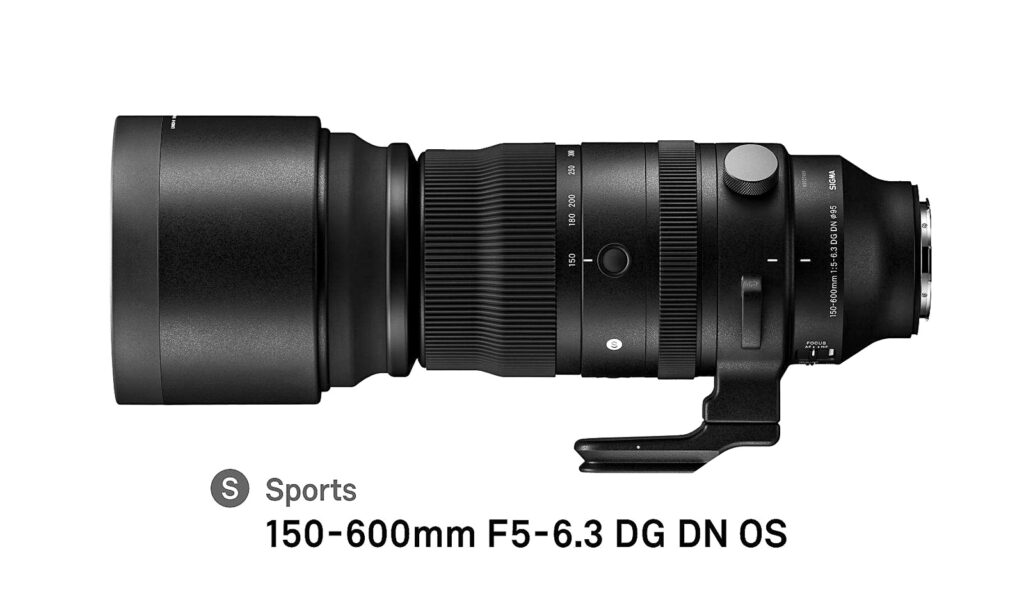
OM System won’t say anything about the provenance of the lens, but why should they? It’s not the first time a Micro Four Thirds lens with an Olympus or Panasonic Lumix brand has been designed and even made by Sigma. OEM manufacturing is a big part of Sigma’s business. The OM System 150-600 is very clearly a re-engineered Sigma 150-600mm f/5-6.3 DG DN OS | Sports optic. Its appearance, specifications, and dimensions, are all convincing evidence.
But this isn’t simple badge-engineering
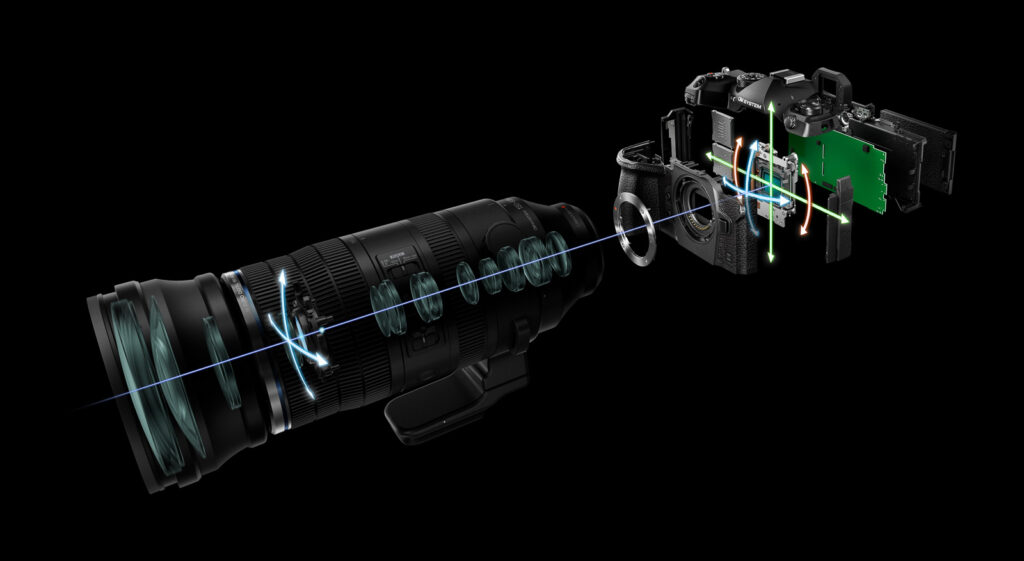
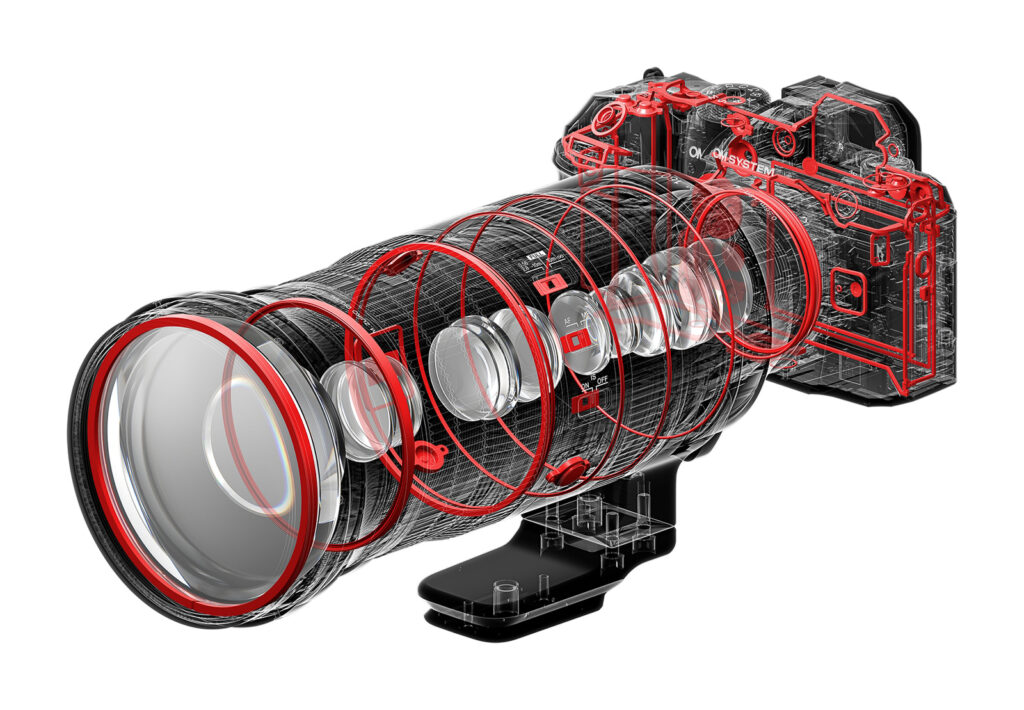
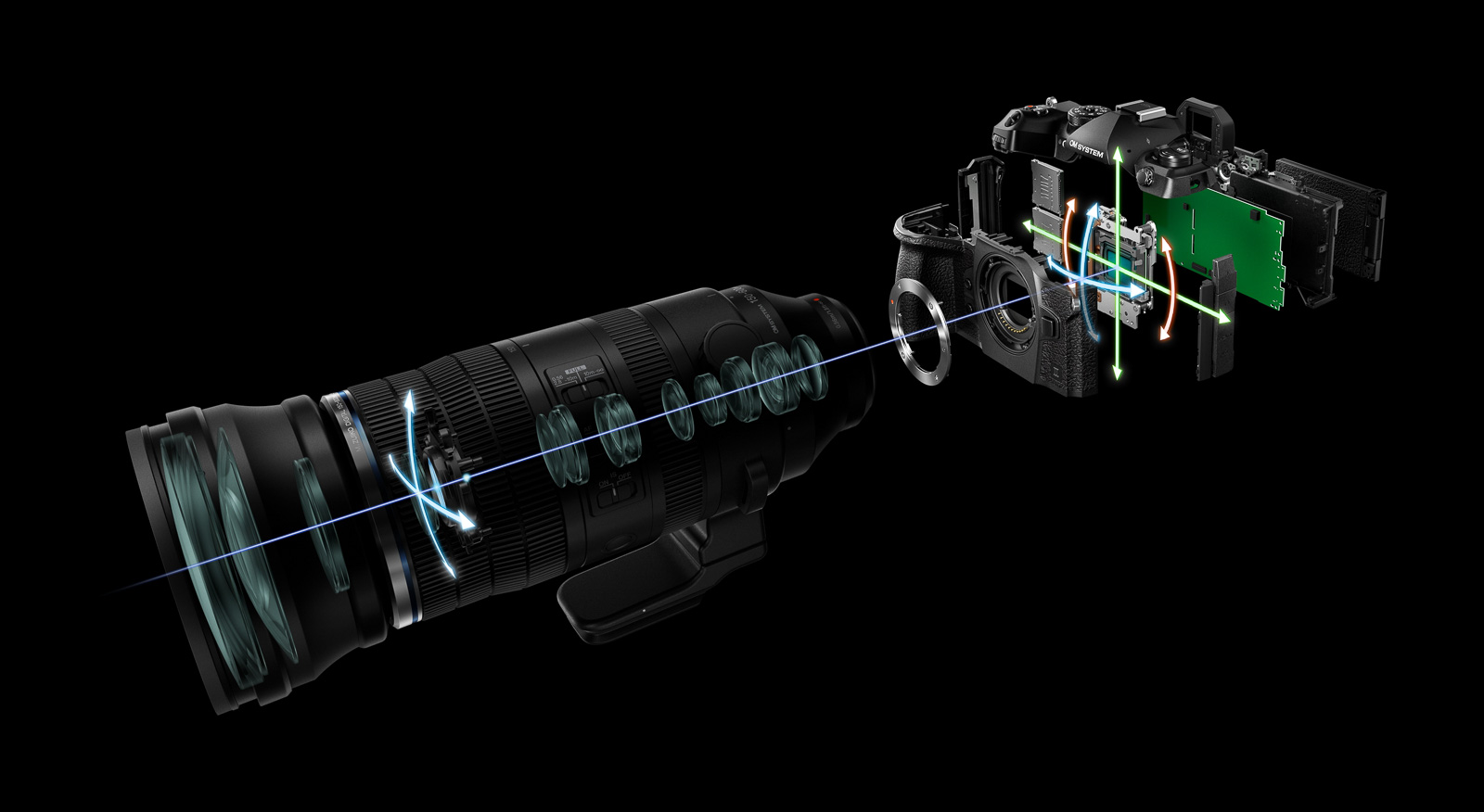
The lens will have modified electronics and firmware to enable it to communicate with the Micro Four Thirds protocols for fly-by-wire autofocus and image stabilisation controls. Stabilisation, in particular, is an OM System industry-leading forté and the 150-600 gets the full-fat Sync IS treatment. This is the magic that enables the camera body’s IBIS (In Body Image Stabilisation) to synchronize in real-time with the lens’ own OIS (Optical Image Stabilisation) to maximise stabilisation. The system works across 5 axes and delivers up to 7 stops of added stability, as define by CIPA standards, at 150mm, and 6 stops at 600mm. With OIS on its own, you can get up to 5 stops, which is one stop better than Sigma’s own version of the lens.
There is no way of knowing for certain, without OM System and/or Sigma briefing us, but there might even be some optical modifications. The image circle for Four Thirds sensors is smaller and, perhaps, some fine-tuning has been done to enable the existing m.Zuiko MC-14 1.4x, and MC-20 2.0x teleconverters, to be optimally matched, but that’s just a guess.
This is not a re-warmed DSLR design
Sigma currently sells three 150-600mm f/5-6.3 lenses and they are all quite different. Two, were introduced ten years ago (2014) and were designed specifically for DSLR cameras. In August 2021 Sigma’s third 150-600 was launched; the brand new 150-600mm F5-6.3 DG DN OS, designed specifically for mirrorless cameras. Optical design, the engineering of the autofocus hardware, etc., were new. This is what the OM System 150-600 was based on.
But isn’t the OM System 150-600, therefore, an adapted full frame lens?
The simple answer is, yes. But that’s missing the point.
Just because the lens was originally designed with full frame (and APS-C) sensor cameras in mind, doesn’t mean it is unnecessarily large and heavy compared to a lens designed, from the ground up, for Micro Four Thirds. And neither does it mean it won’t perform well on a Micro Four Thirds body. Most importantly, the lens is a thoroughbred mirrorless design.
Anyway, are we comparing apples with apples?
Well, not really!
A 150-600mm lens fitted to a full frame camera is doing the same job as a 75-300mm lens fitted to a Micro Four Thirds camera. For the record, the OM System 75-300mm f/4.8-6.7 is – OK I exaggerate – microscopic, compared to the 150-600.
On Micro Four Thirds, the 150-600 is doing the job of a 300-1200 on full frame! This is a completely different game to using a 75-300 on MFT. And you can even boost that to 600-2400 using an MC-20 converter.
So who is OM System aiming at with the 150-600?
My initial reaction was to suppose it would only be of interest to those that REALLY needed to get substantially closer to a subject than, say, using a 400mm lens. That would be quite a limited market.
But my thoughts on this have evolved. Olympus and OM System have been triumphant with the m.Zuiko 150-400mm f/4.5 Pro, the BWL (Big White Lens). Users rave about its optical performance, Sync IS stabilisation, and supreme portability compared to lenses from rival systems. It also includes a built-in switchable 1.25x converter, also of excellent quality, so you can turn your 150-400 into a 188-500mm f/5.6 without removing the lens from the camera body.
But at £7K, the glorious 150-400 is basically a limited-edition lens affordable only to those few who can really afford it.
Until now, the only in-house alternative has been the m.Zuiko 100-400 f/5-6.3, which is affordable and a good performer, if not in the same league as the 150-400 Pro. But now we have the new 150-600. Yes, it’s twice the cost of a 100-400, but it’s almost a third of the cost of the 150-400 Pro. It’s a little brighter at matching focal lengths, too. If you need more than 400mm, you can just turn the zoom ring further – no need to stop and fit a converter to the 100-400.
The 150-600 also has a Pro lens feature, Sync IS, which the 100-400 doesn’t. But the 150-600 isn’t a Pro lens and it’s limited to 25 fps sequential shooting compared to 50fps for Pro lenses. But is that a huge drawback for most?
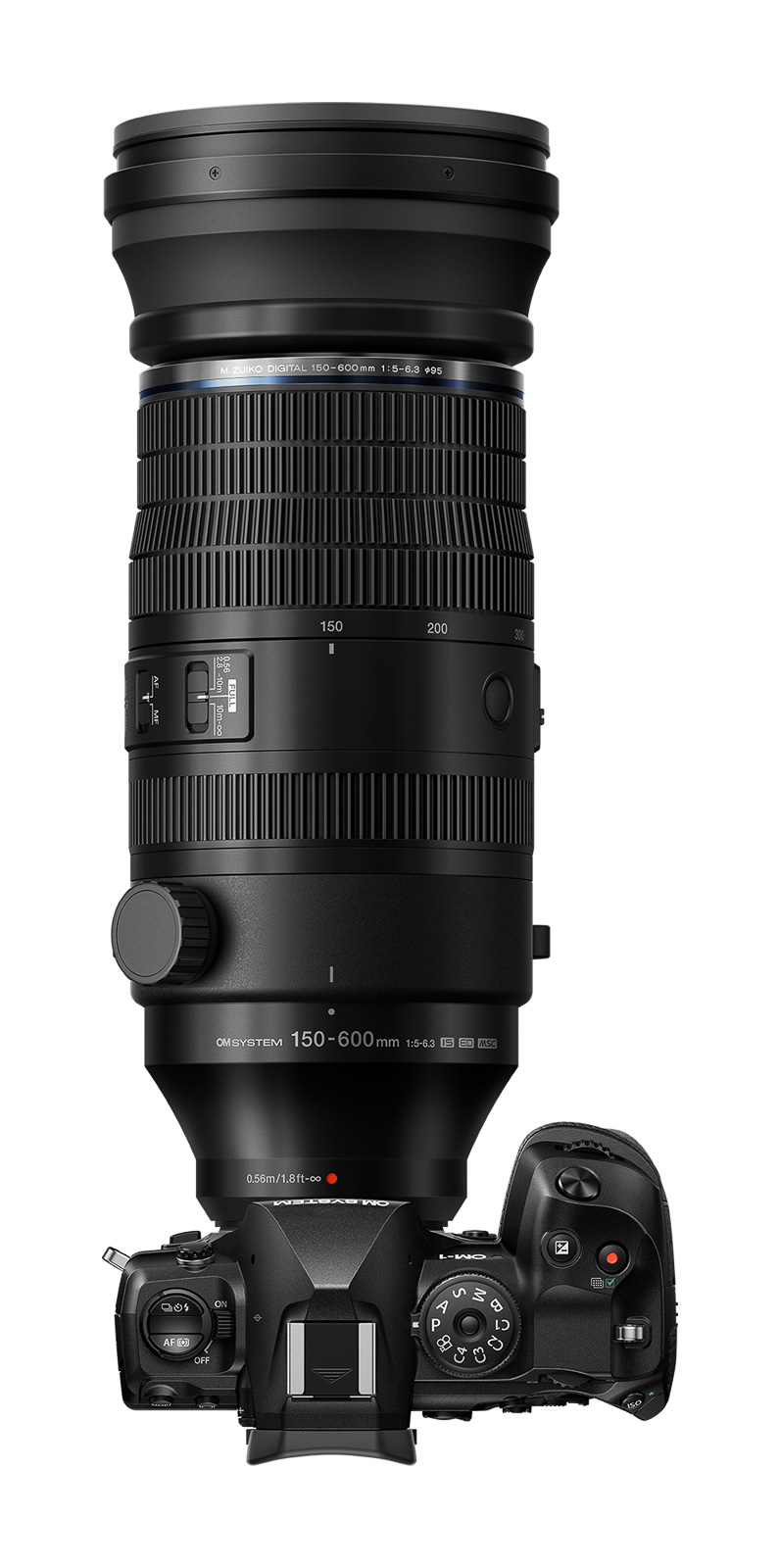
I automatically assumed the 150-600 would be far too heavy for hand-held photography, but it’s only 10% heavier than the 150-400 Pro. You do need to be fit, but I am sure the 150-600 can deliver, hand-held.
But what about the price?
Ah, the price. OM System has priced the 150-600 at double that the Sigma version of the 150-600 sells for. That is, undoubtedly, disappointing. I’ve argued that OM System might not be expecting to sell a big enough volume of the 150-600 to permit it to be commercially viable at a lower price. But the more I think about it, OM System could be pleasantly surprised – at the right price. I think the best we can hope for is that the lens sells better than hoped for and the price can be reduced over time.
Get the paparazzi interested!
I also have a fun suggestion for OM System – sell an OM-1 Mark II + 150-600 kit, with some teleconverters thrown in, at an attractive price, for the paparazzi. I reckon this is just what they have been waiting for!
I hope you found this article useful. As ever, I recommend you have a look at our friendly discussion forum dedicated to anyone interested in Olympus/OM System and compatible gear.
OM System needs to keep an eye on a potential row that is brewing in part of its loyal customer base – users of the original Olympus OM-1.
That flagship camera was replaced, yesterday 30th January, by the OM System OM-1 Mark II, after only 2 years.
Pretty much unchanged on the outside, apart from OM System, instead of Olympus, branding, the Mark II is, according to the manufacturer, only different on the inside through the expansion of buffer memory for fast sequential shooting, and this has been doubled. The sensor, image processor, shutter, image stabilisation mechanics, viewfinder OLED, et al, are the same as its predecessor.
Nevertheless, the Mark II offers an attractive batch of functional improvements, thanks to improved software algorithms, and new code that adds new tools. These include:
An extra stop of darkness afforded by the Live ND digital neutral density filter mode.
The debut of a Live GND tool, which lets you apply a graduated Live ND filter effect to the image you are about to capture.
When using the camera’s High Res Shot mode, offering real-time aggregation of multiple, sensor micro-shifted, donor images to increase recorded resolution from 20 to 50, or even 80 megapixels, the recorded RAW file can now include 14-bits of tone instead of 12.
There’s improved AI training for the autofocus subject identification and tracking system, plus improved algorithms to increase the reliability of the AF system
A small but, for some, a much-appreciated tweak, is that you can now reprogram a button on the right hand side of the back of the camera to relocate the Menu button from the left side, enabling one-handed use.
OM System say that the focus stacking and focus shifting process now works faster – though it’s not clear if that’s improved algorithms again, or because the memory buffer is bigger.
Happy days! OM System has cleverly increased the performance and utility of the camera without needing to redesign and re-tool the chassis, and we assume that, internally, there is only a modified circuit board to accommodate the extra buffer RAM.
But doesn’t that mean the software-based improvements could work on the original OM-1, delivered via a firmware update?
Some irony is that Olympus was one of the pioneers of firmware updating via the Internet and every Olympus DSLR and mirrorless camera, over the last 21 years, has benefitted, for fixing bugs, improving compatibility with new lenses, and the like. But what about adding new features?
Yes you can!
Actually, yes! The original Olympus E-M1 added a long list of new functions with release 2.0 of its firmware, including keystone compensation, tethered shooting, Live Composite shooting mode, etc. Release 4.0 added even more, including focus stacking and focus bracketing. Other camera marques have also released major firmware updates that add functionality to their cameras.
So seasoned OM-1 owners can look forward to some of the software goodies developed for the OM-1 Mark II. Or can they?
OM System has not made a categorical statement regarding firmware updates for the original OM-1. I’ve heard from OM System representatives that there are ‘no plans’. Others have been told that the functional and performance improvements in the Mark II depend on the extra buffer memory it enjoys. But it’s all a bit vague.
Hope, expectation, logic, and reality are still in flux. Logic suggests that as so little of the digital electronics of the camera has changed, that the newly-coded Mark II functionality MUST work on the original OM-1. This is further amplified by hope and expectation, of course.
Certainty
We need certainty. Someone knows which of the following is correct:
Is it a) – at least some of the functionality is coming, but the OM-1 Mark II is the priority for now. Or is it b) – the new code can’t, technically, be adapted to the original OM-1, for X reasons.
Of course, there might be a c) – ‘we’re finished with the old OM-1, and though we could put the effort into updating older cameras with some of the new functionality, we aren’t going to, for commercial reasons’.
Naturally, I hope reality turns out to be a), but c) really is a possibility – OM System is a relatively small player and it needs to watch its costs much more carefully than its bigger competitors.
But my next question is – how much is goodwill worth to your existing customers, and can OM System afford to disappoint even some of them?
Update for a fee?
I’ve seen evidence that some OM-1 users could be persuaded to pay a sensible fee, whatever that might be, for access to some of the Mark II functionality.
But getting back down to earth, the fact is that we do need more clarity from OM System. If there is definitely no chance at all, ever, of any of the new functionality being provided to users of the original OM-1, then so be it – but do tell us, without ambiguity.
Discuss this article?
The heart of our site is our friendly discussion forum, dedicated to users of Olympus, OM System, and other users of compatible Four Thirds and Micro Four Thirds gear. Check out the discussions here.
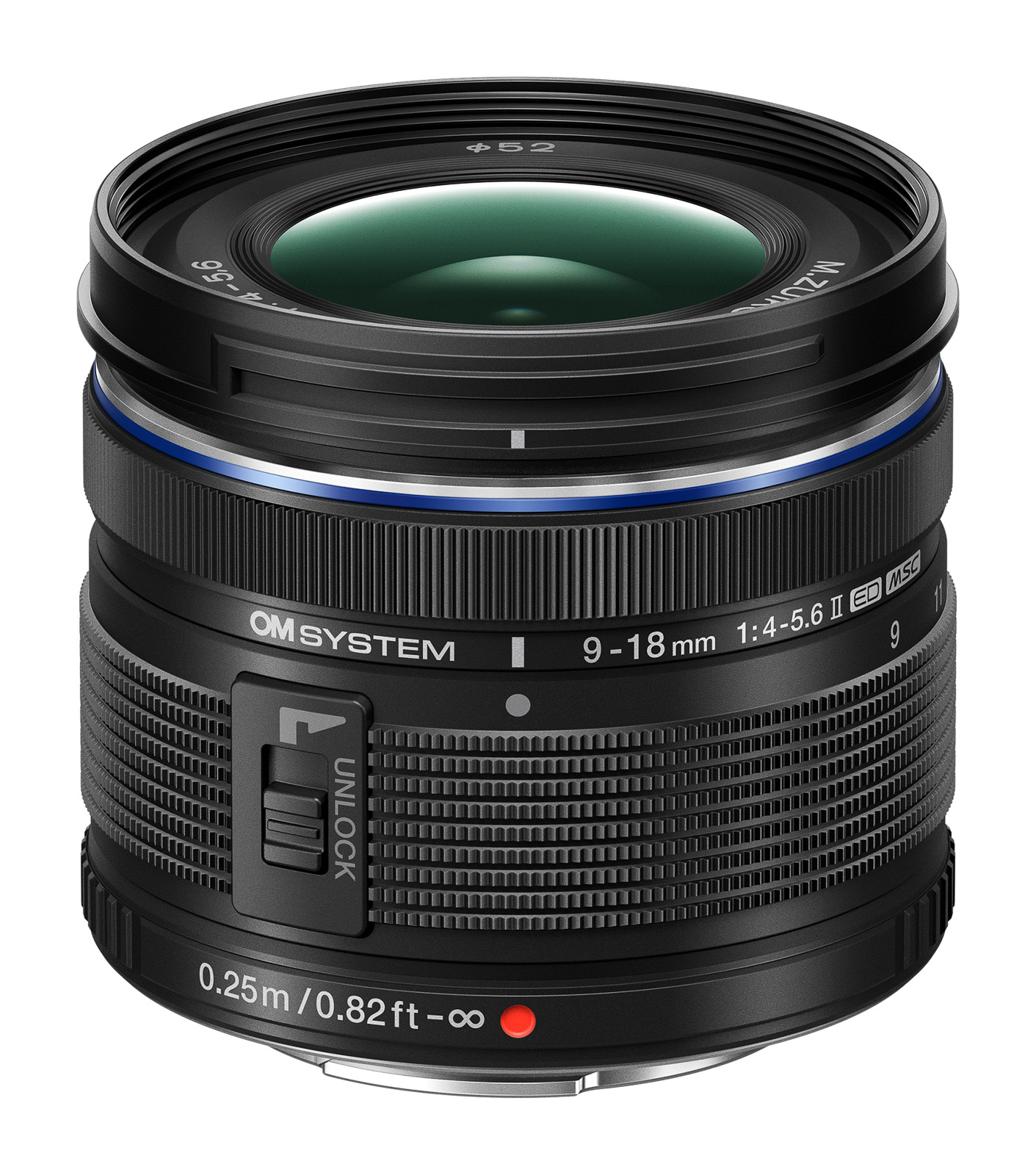
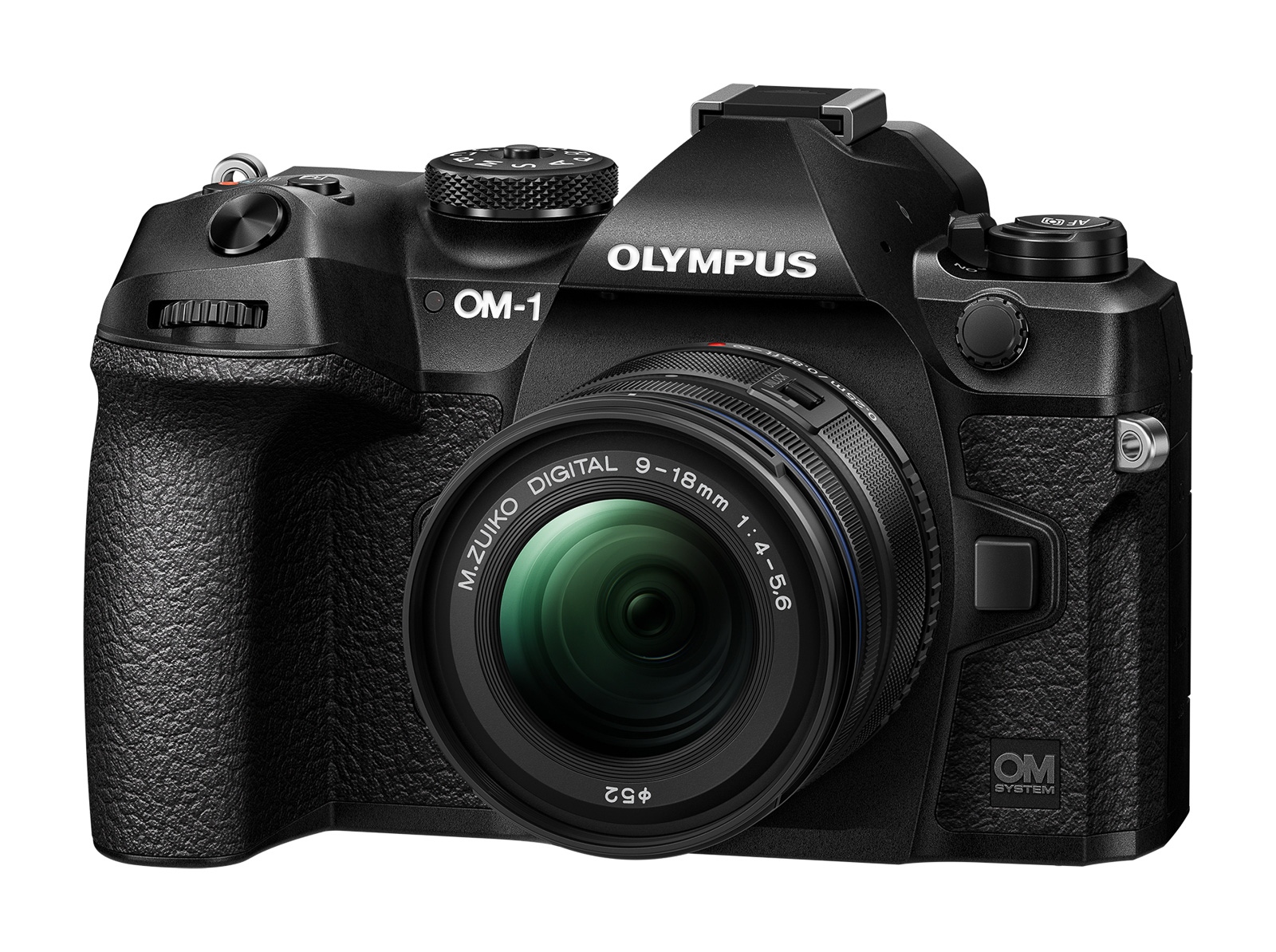
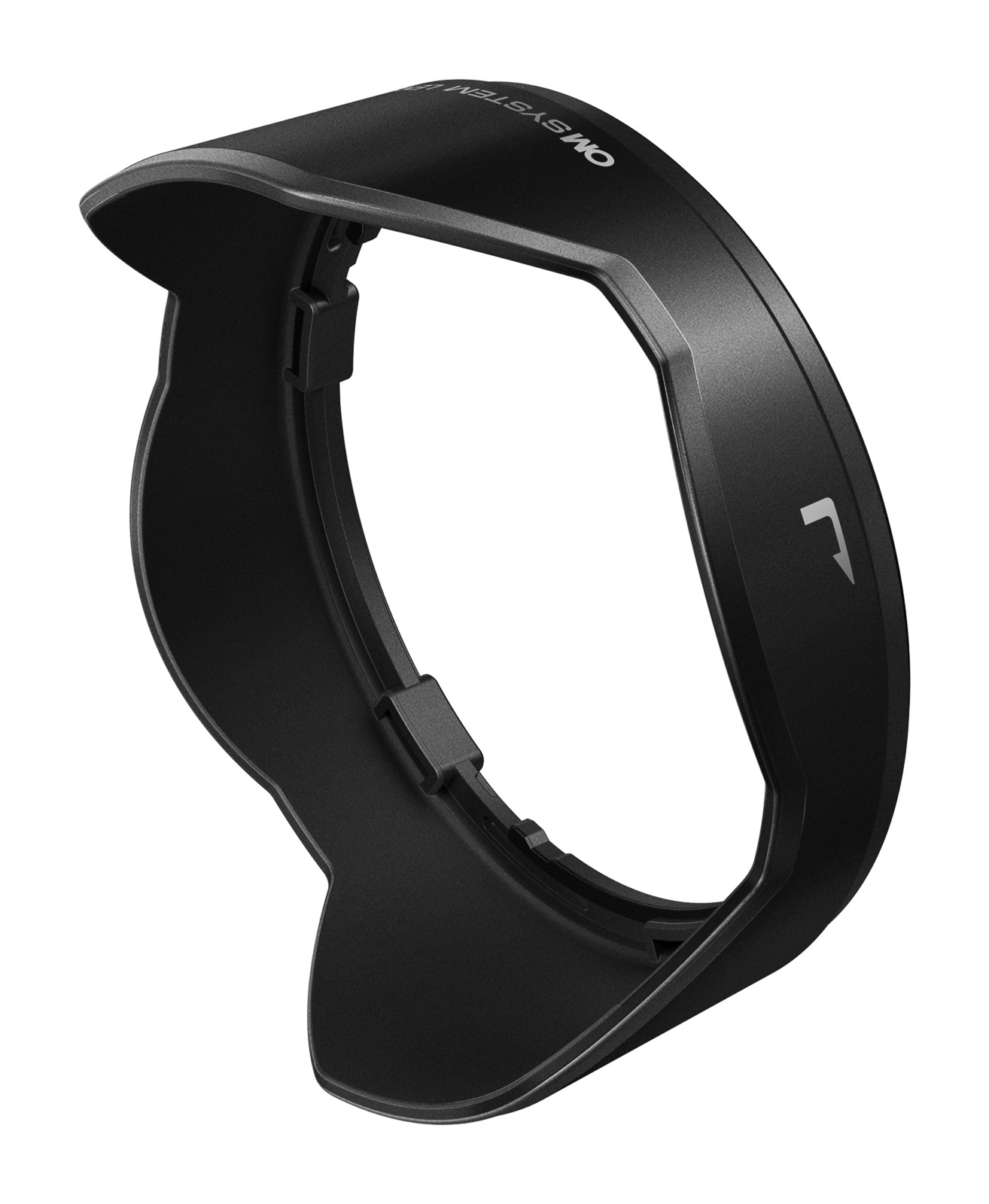
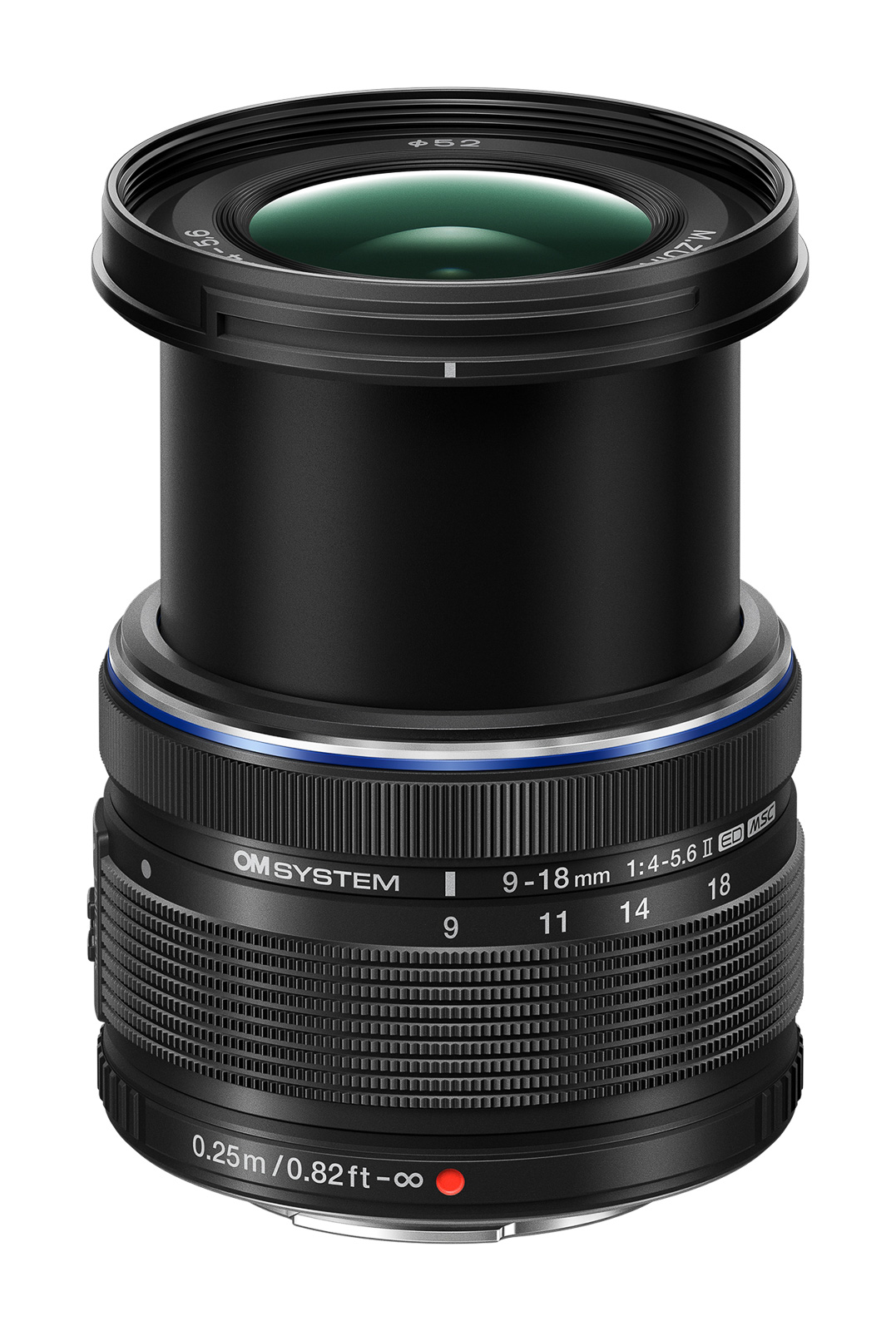
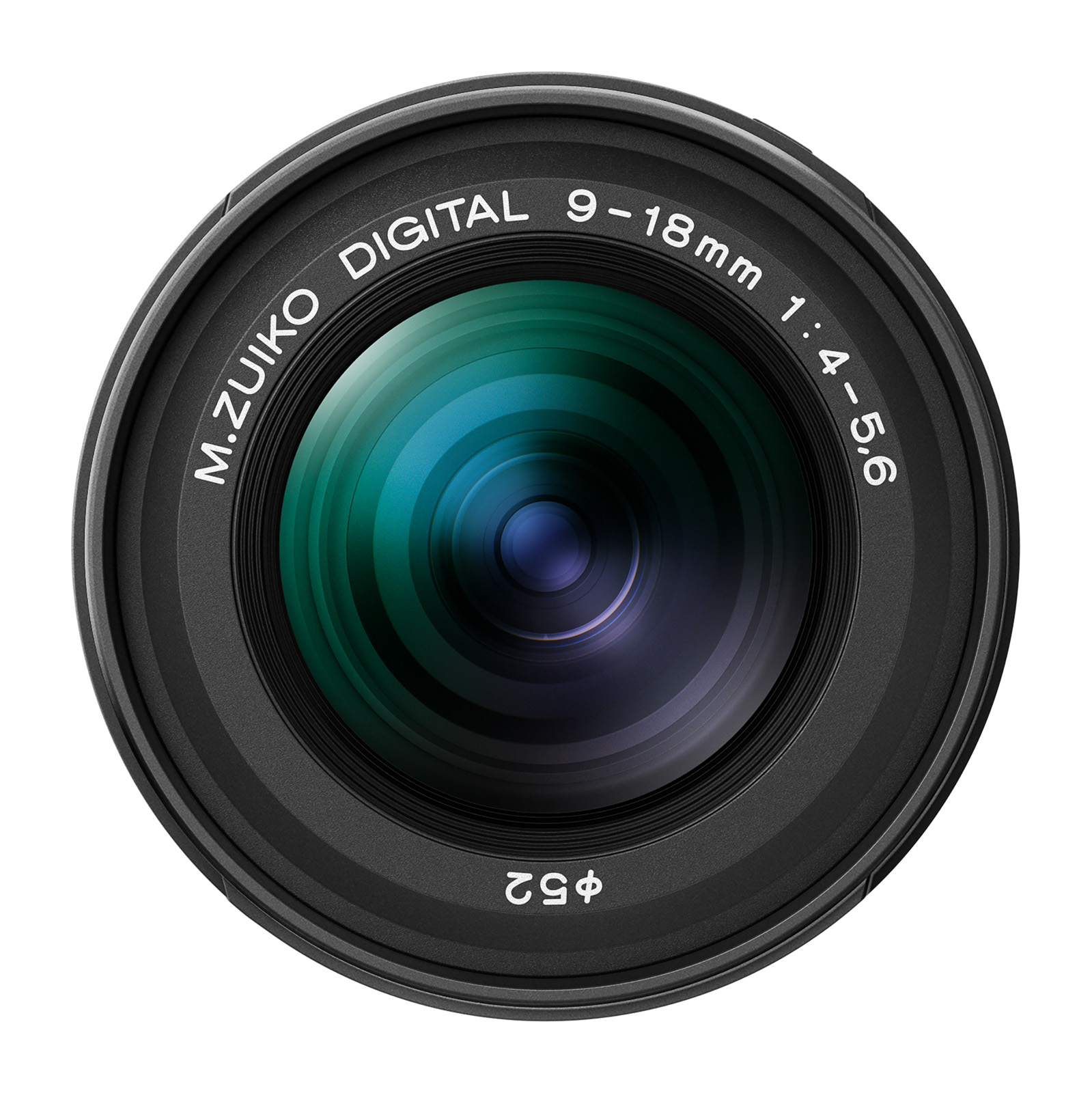
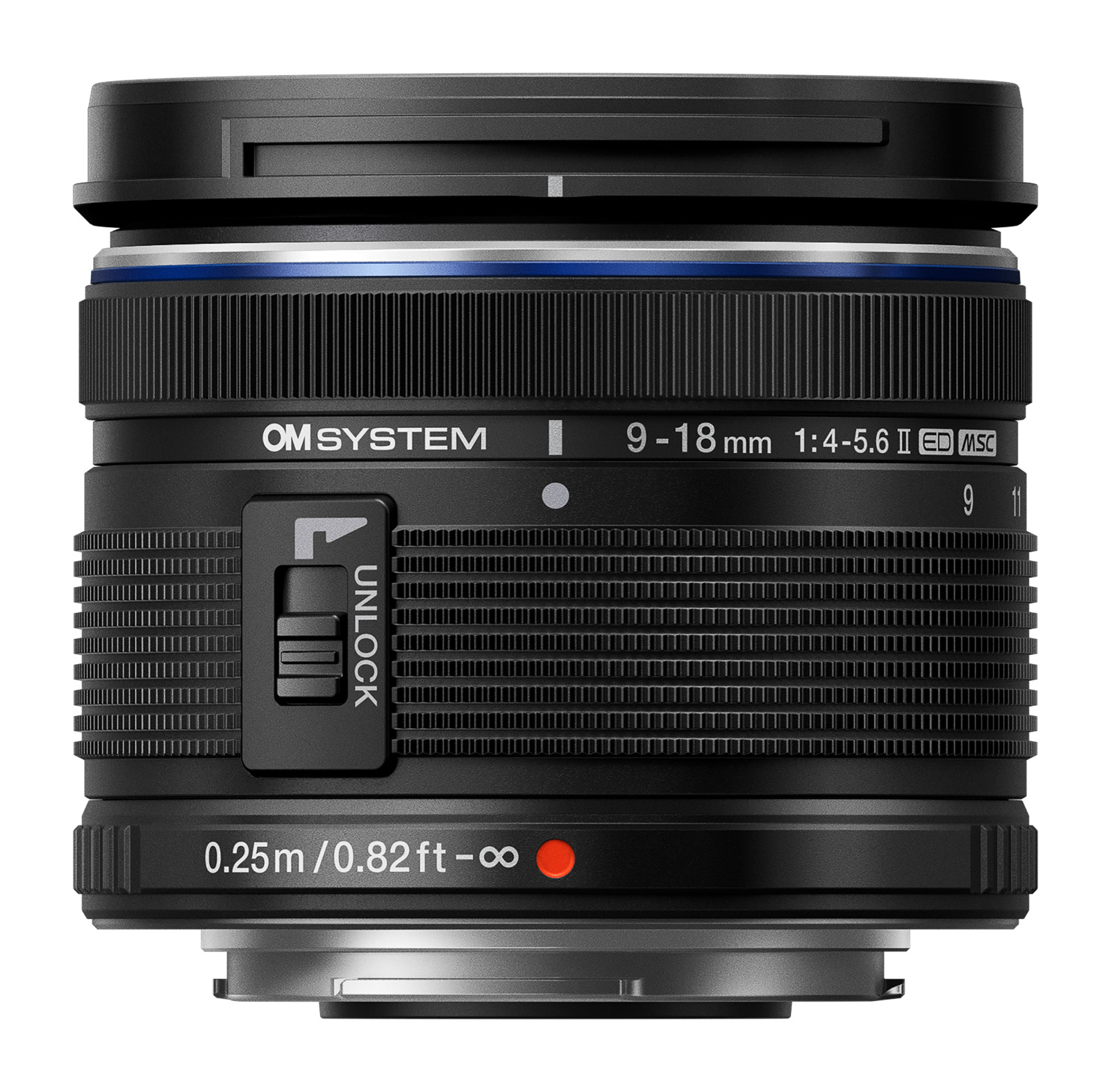
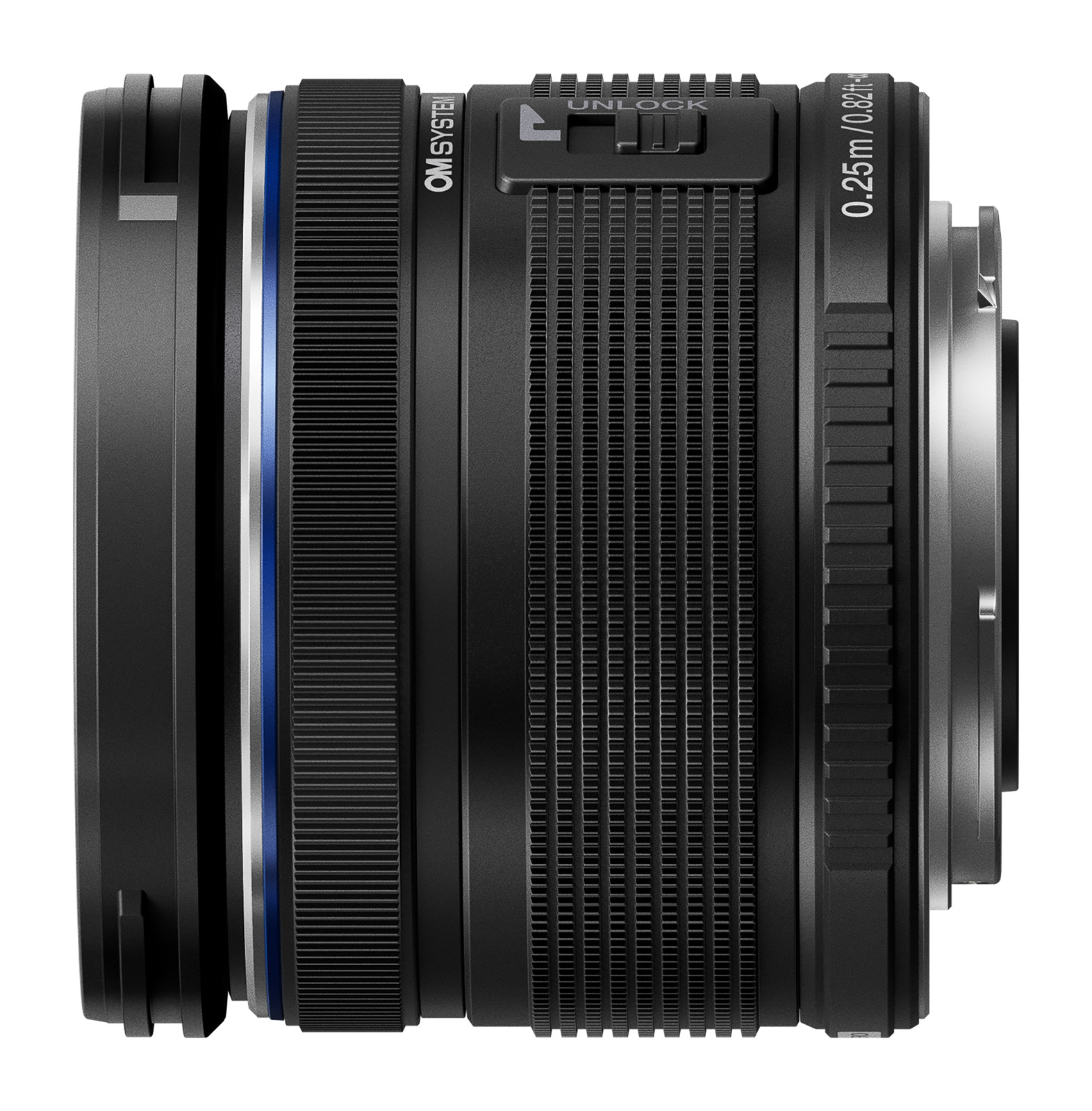
A little old and affordable friend has returned; the m.Zuiko ED 9-18mm f/4-5.6 ultra wide angle zoom, now in Mark II guise.
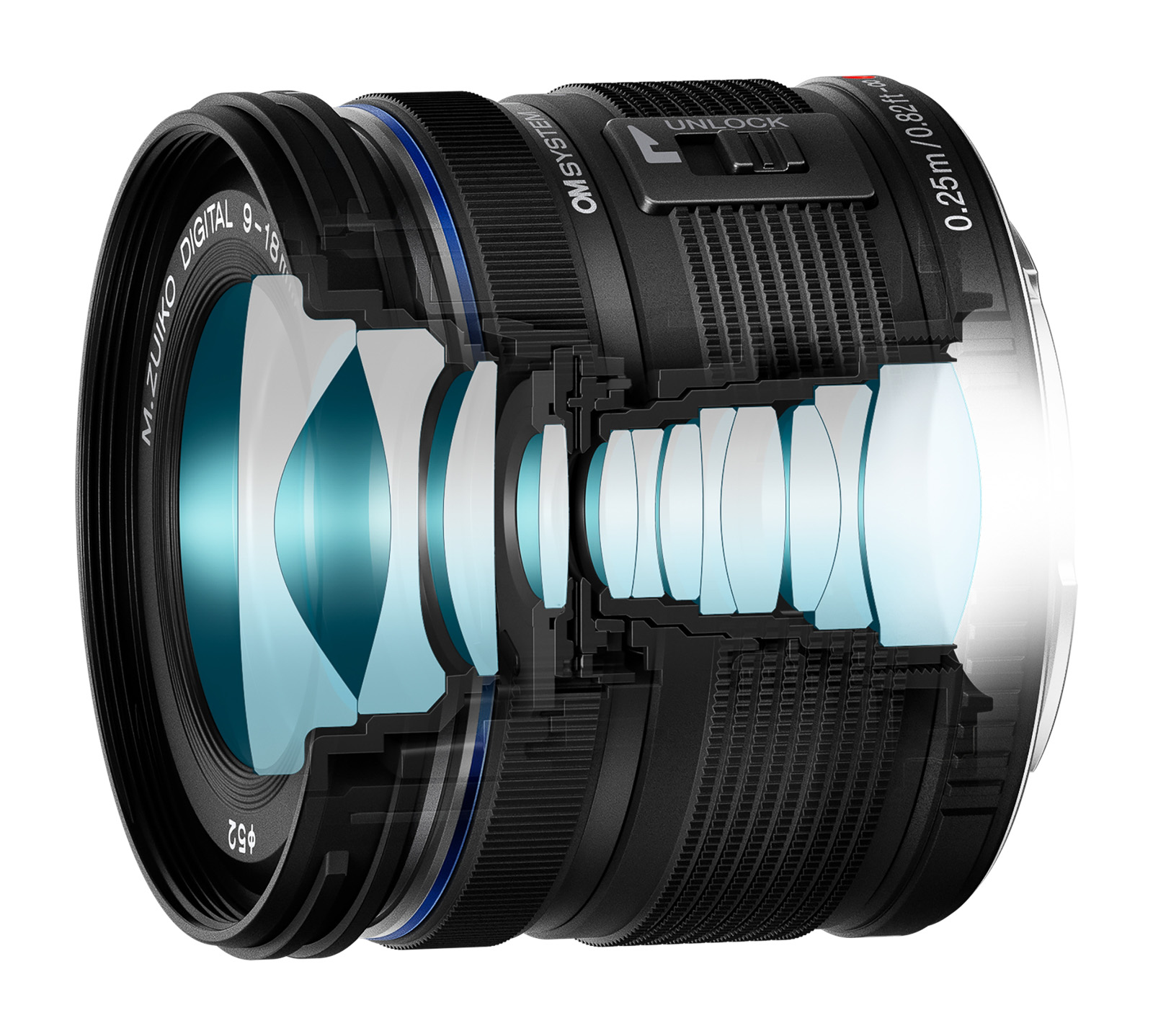
One of Olympus’ earlier Micro Four Thirds lenses, launched back in 2010, the m.Zuiko 9-18mm (18-36mm in full frame field of view) is a marvel in compactness and light weight. Its design is collapsible for ultimate compactness when not in use. Twist the barrel to unlock and the lens extends and locks ready for use.
The 9-18 is relatively affordable for its type, which means lightweight construction, but this is forgiven considering its diminutive size and portability. It’s a decent performer for its price range, too.
The new Mark II version is only lightly modified, with the old retro zoom and focusing ring styles, which matched the original Olympus Pen cameras, now replaced by a more contemporary design. The optical design and specifications remain unchanged, apart from an upgrade to the anti-reflection lens coatings.
If you haven’t seen a 9-18, do check this lens out; it’s mini marvel. It only weighs 154 grams.
Expect the 9-18 Mark II to go on sale in March, priced £599 (€699).
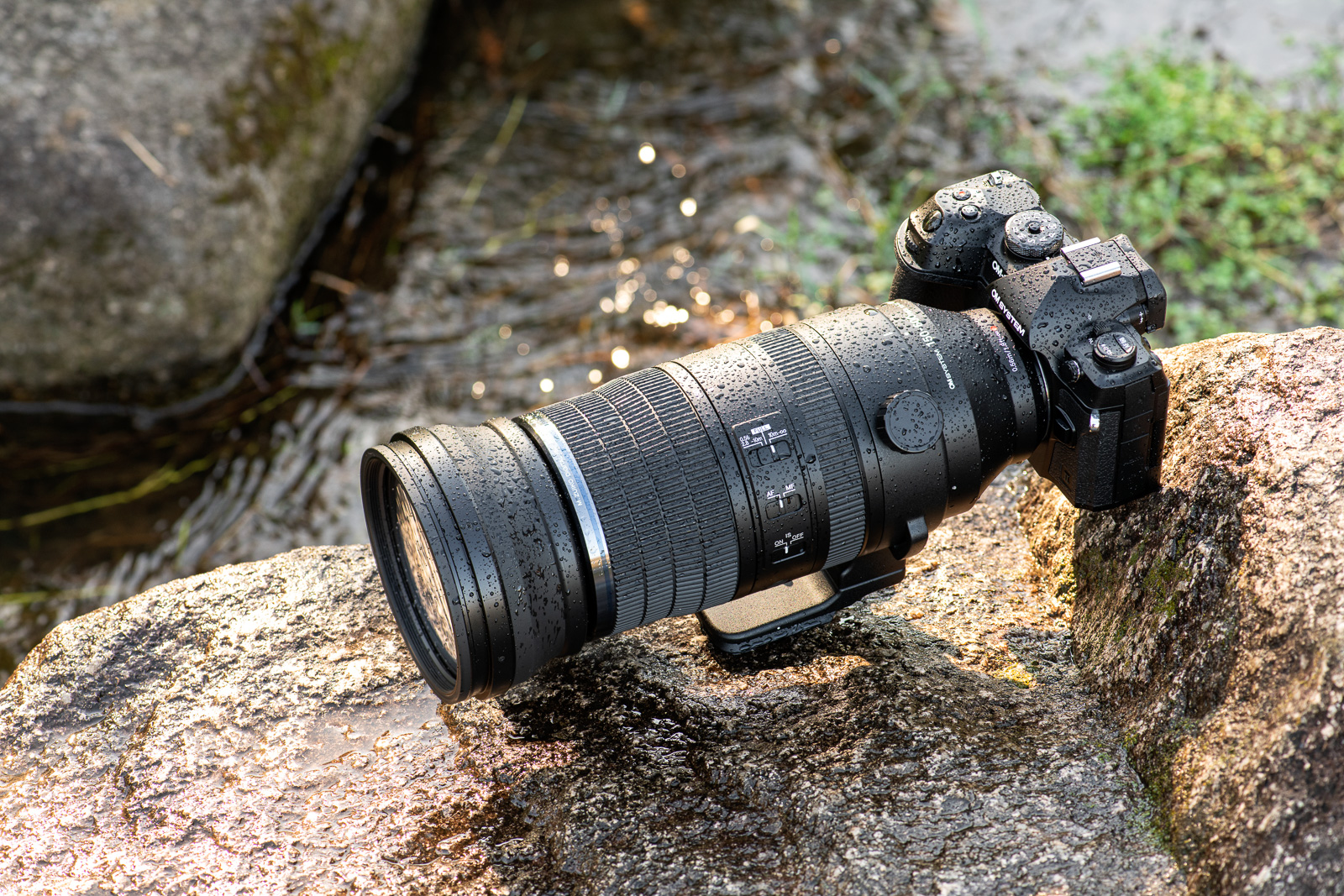
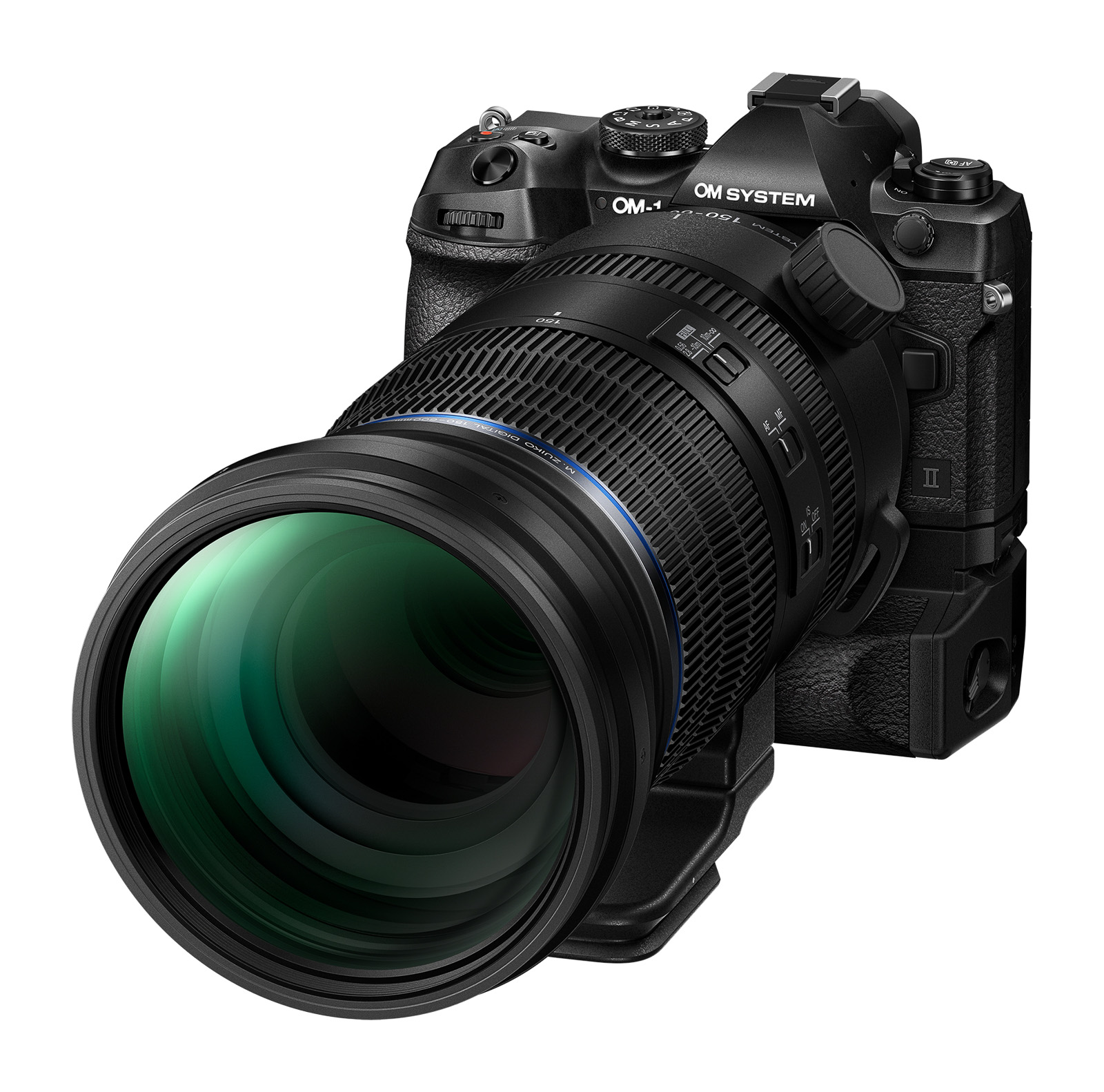
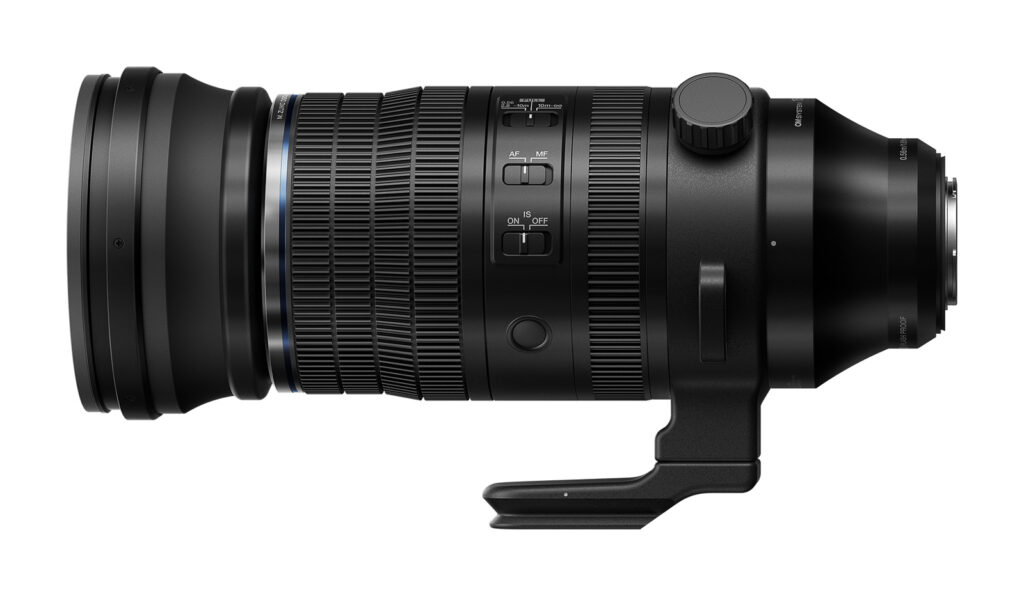
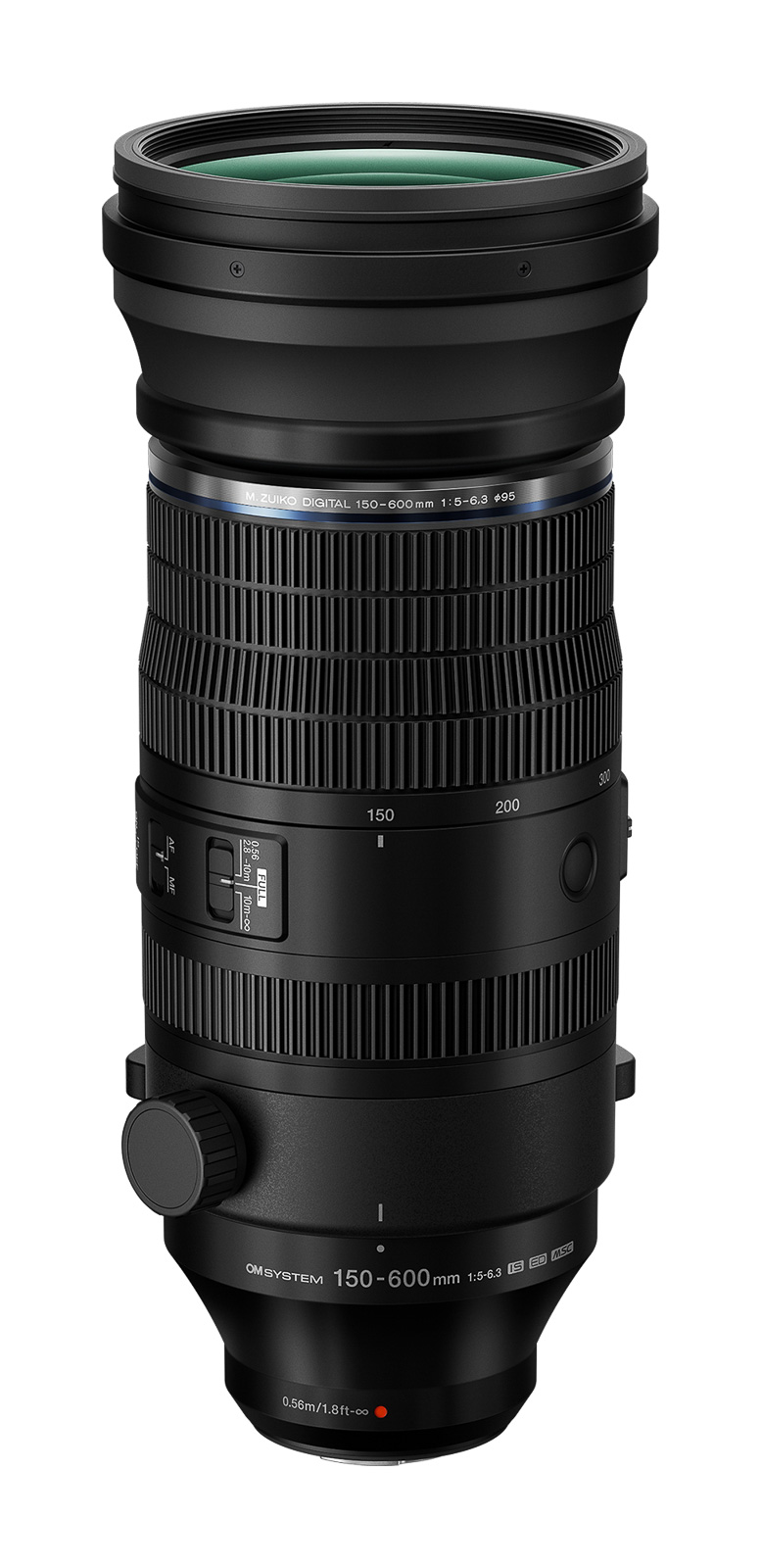
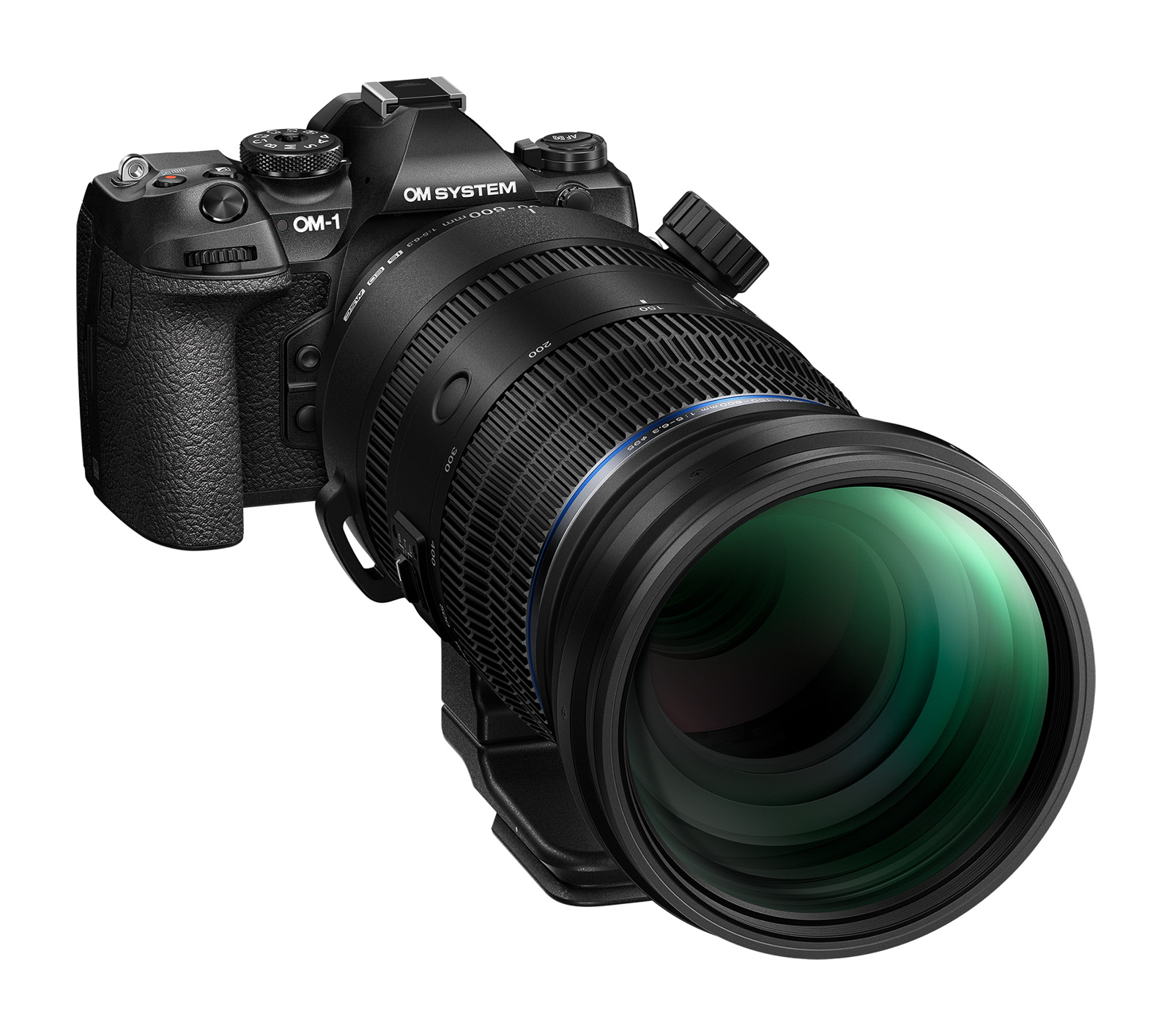
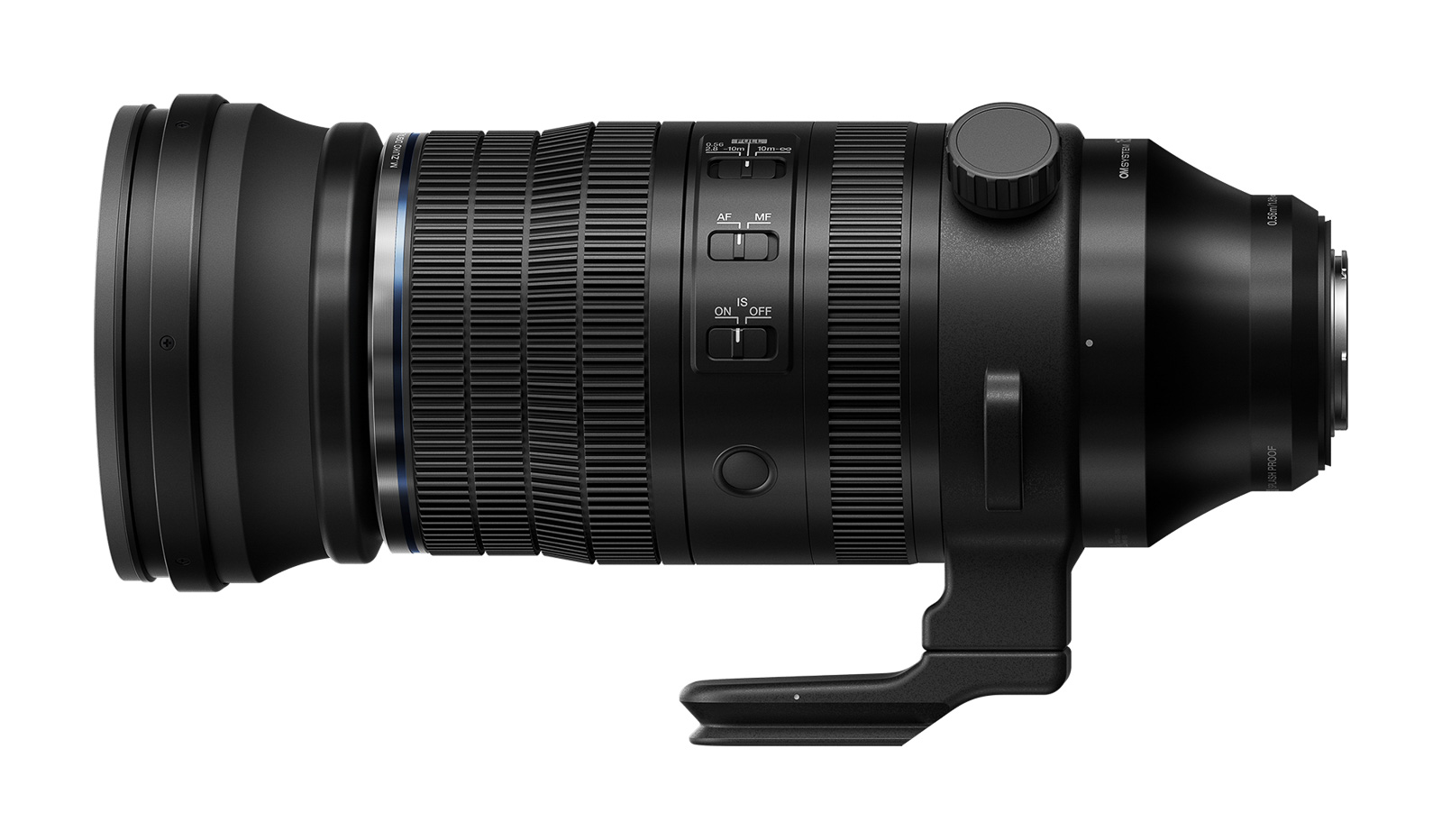
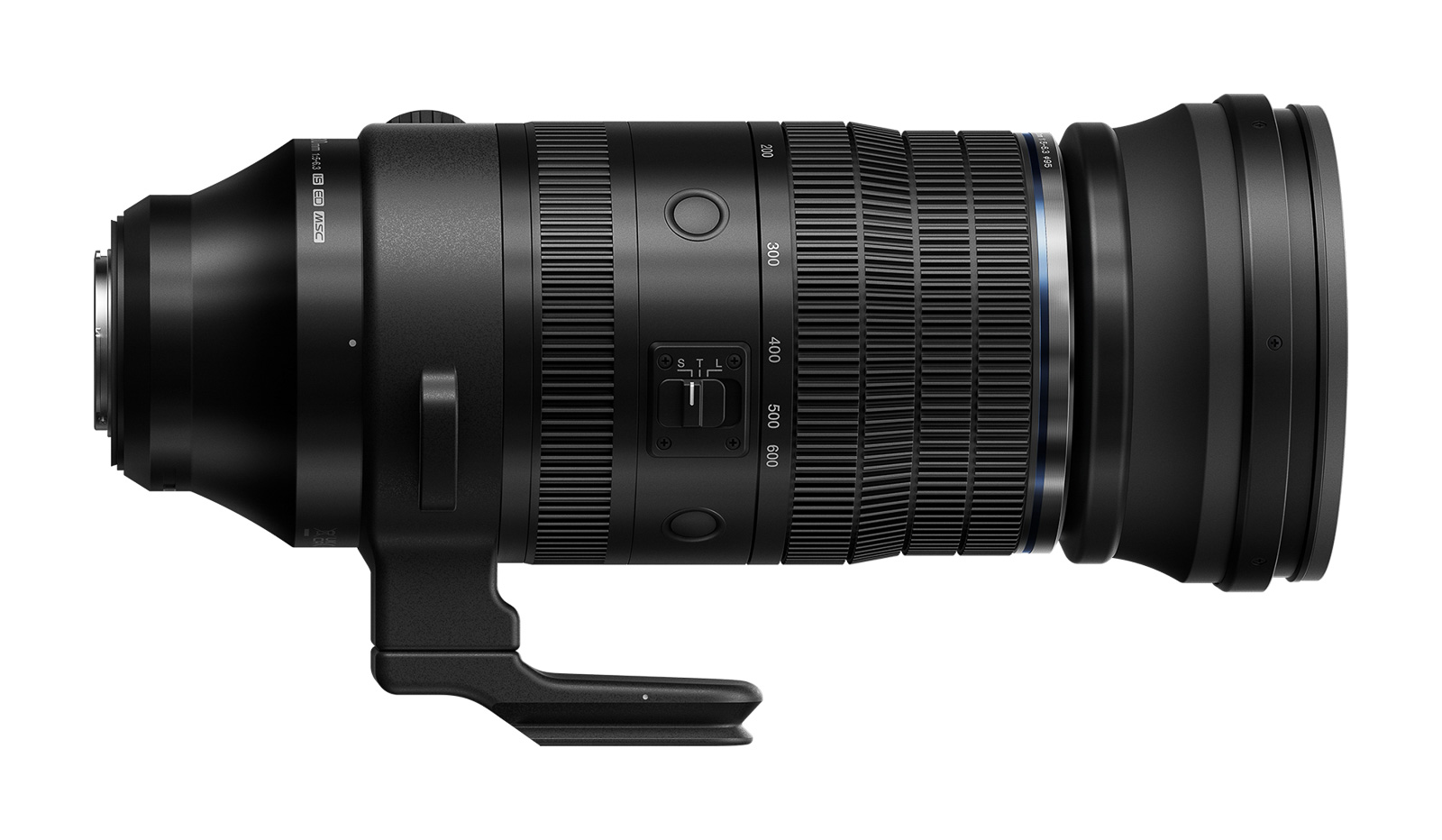
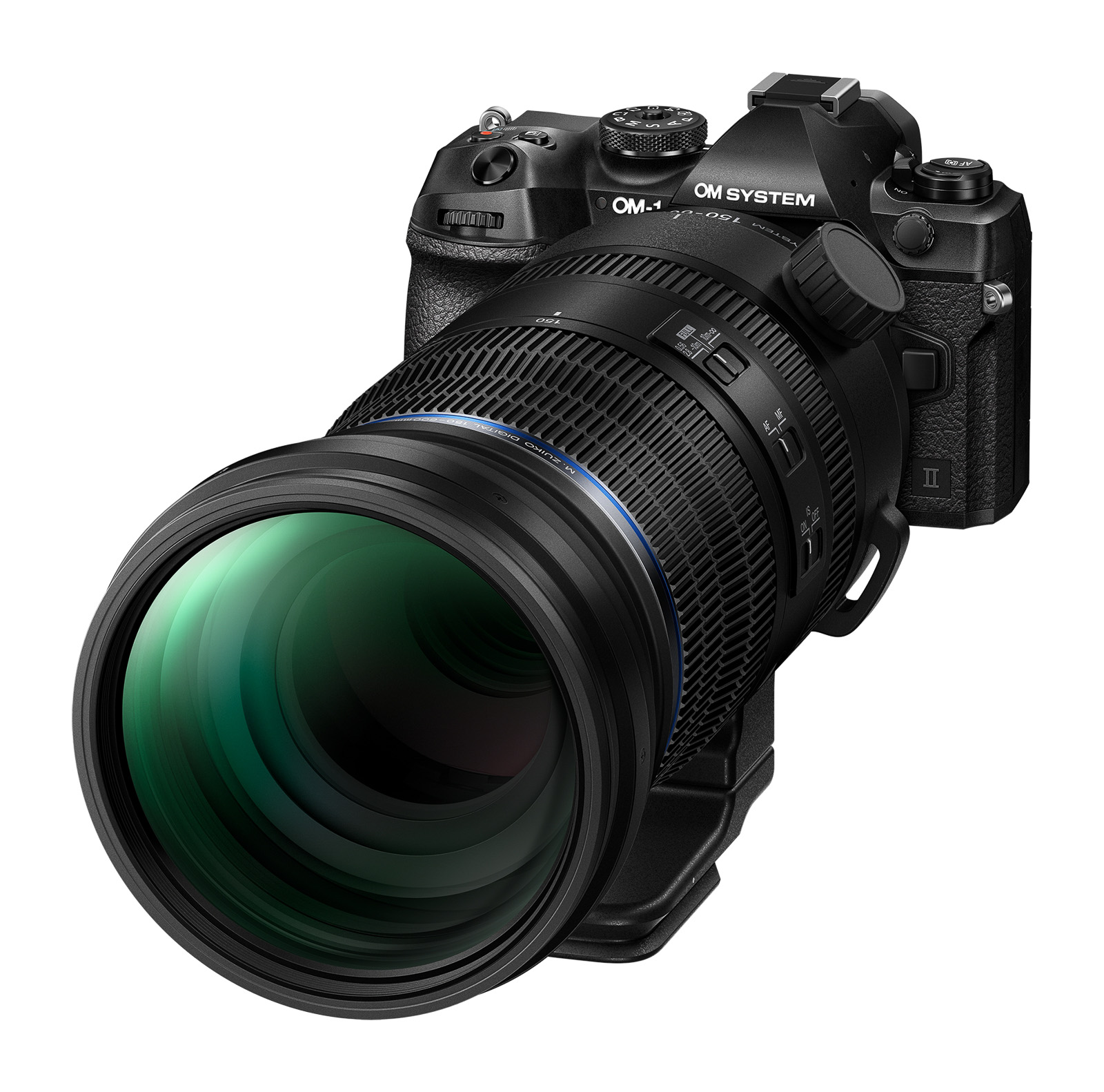
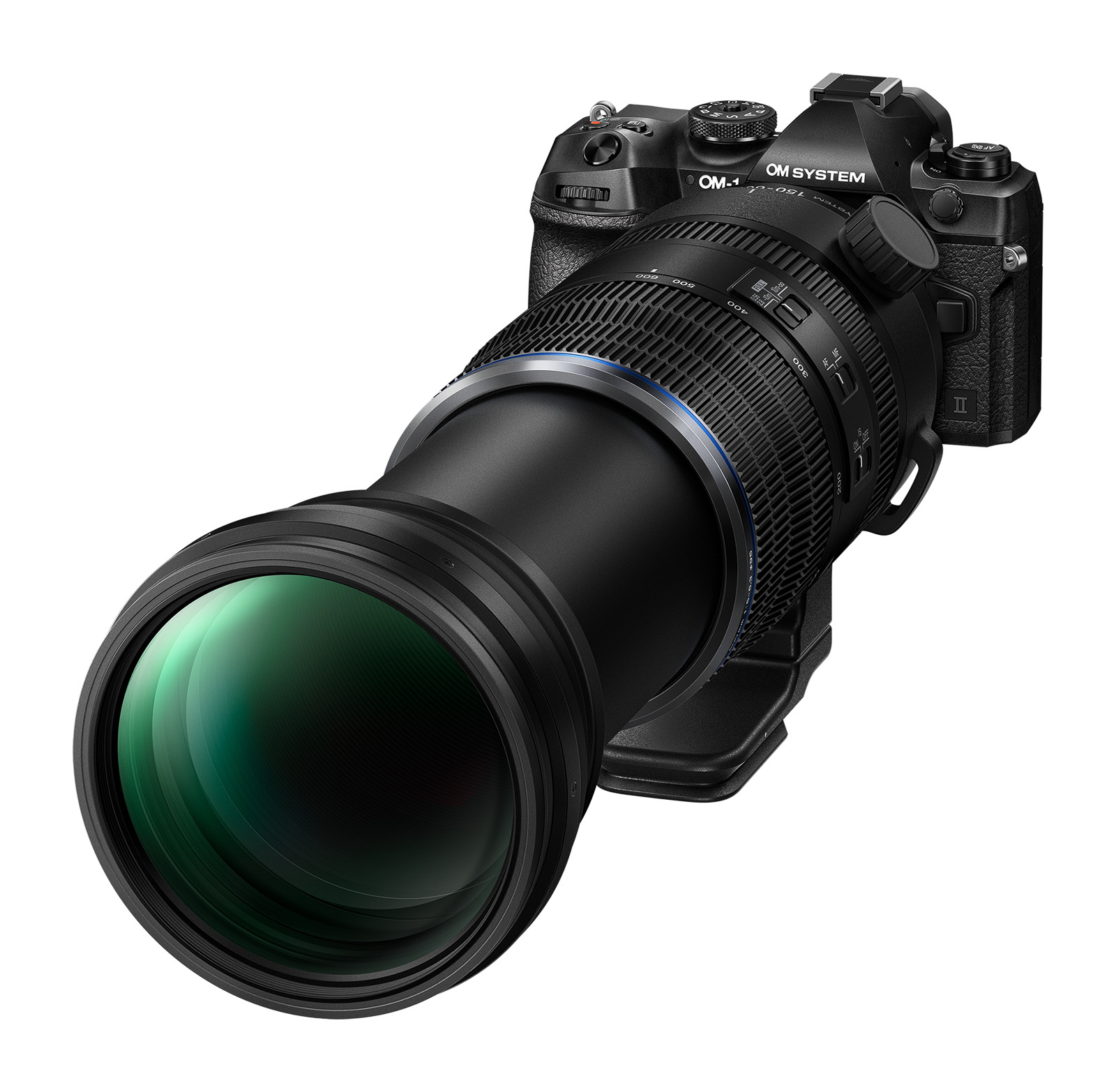
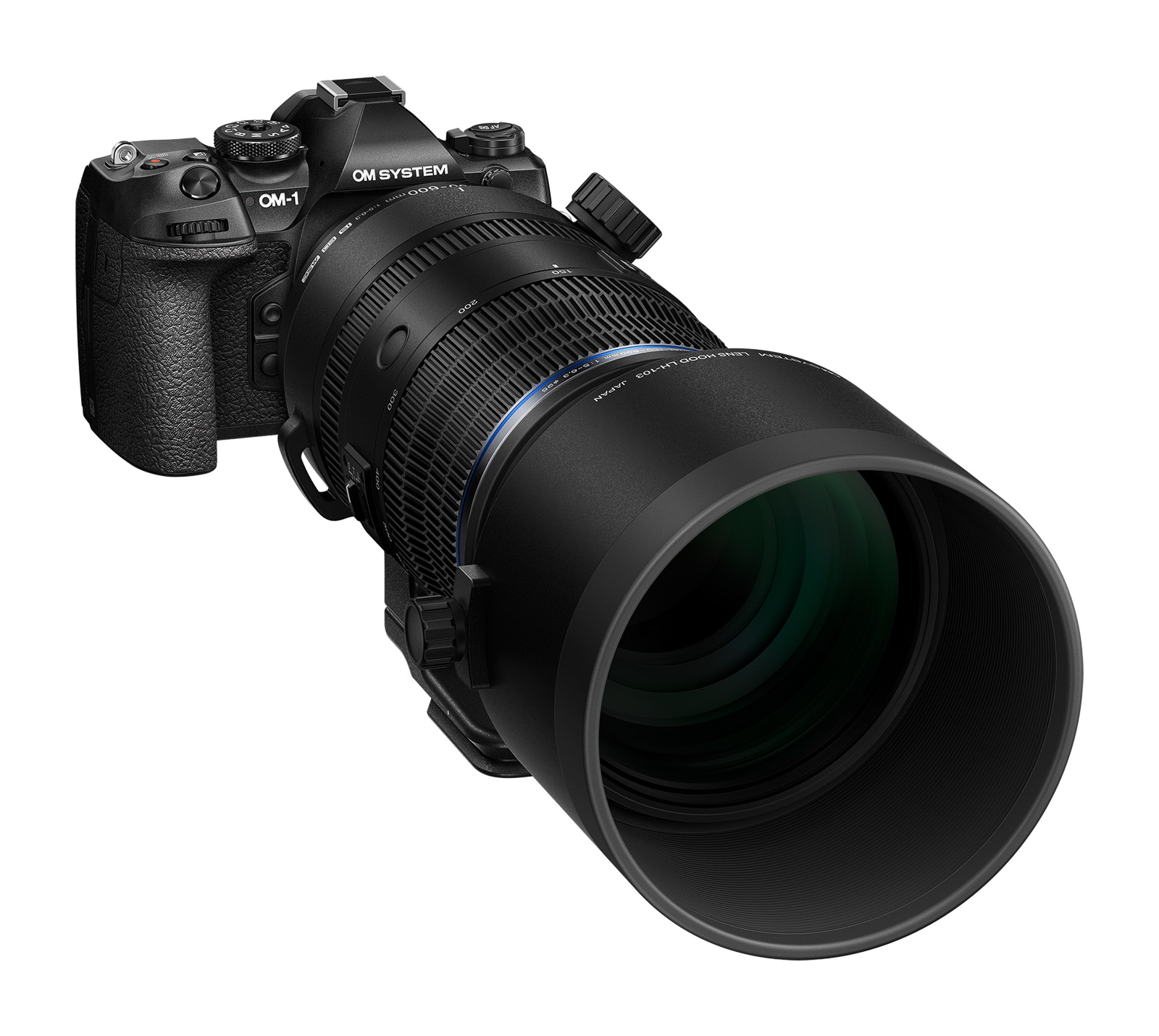
If a 400mm super telephoto (800mm in full frame terms) isn’t enough, OM System now has a solution; the new ultra tele m.Zuiko ED 150-600mm f/5-6.3 IS. That’s a 300-1200mm field of view if you are shooting full frame. And you can use MC-14 1.4x and MC-20 2x teleconverters, if you wish. With the MC-20, that gives you a 300-1200mm f/10-13 Micro Four Thirds view, or full frame 600-2400mm.
Headline features:
150-600mm f/5-6.3 ultra telephoto zoom 300-1200mm full frame field of view)
Compatible with MC-14 and MC-20 teleconverters
Features Sync IS (up to 7 steps of image stabilisation headroom extension)
Just over 2kg weight
Focuses as close as 0.56m at 150mm (0.7x semi-macro usability)
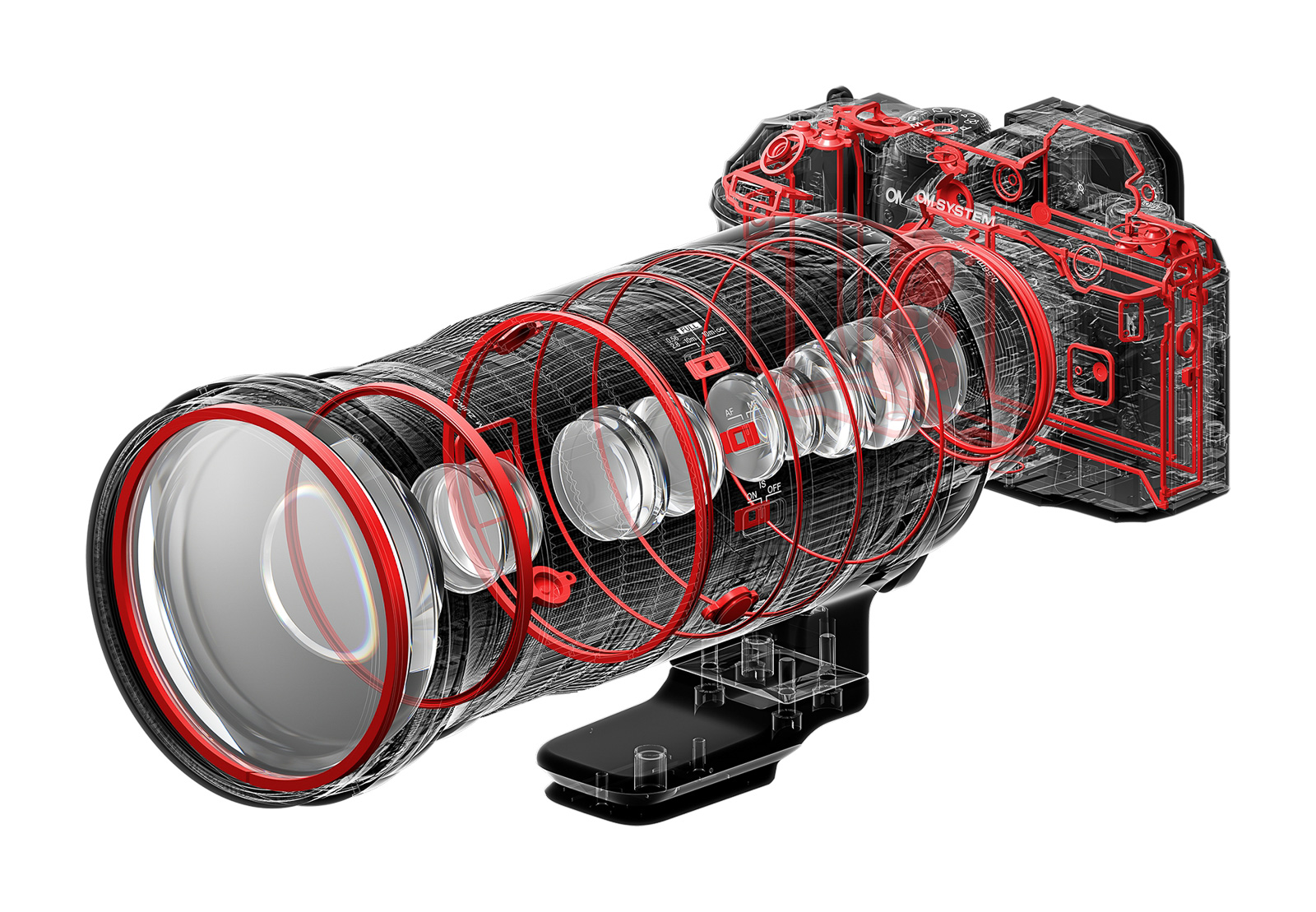
IPX1 dust and splash-proof sealing
Water droplet and dust-resistant fluorine front element coating
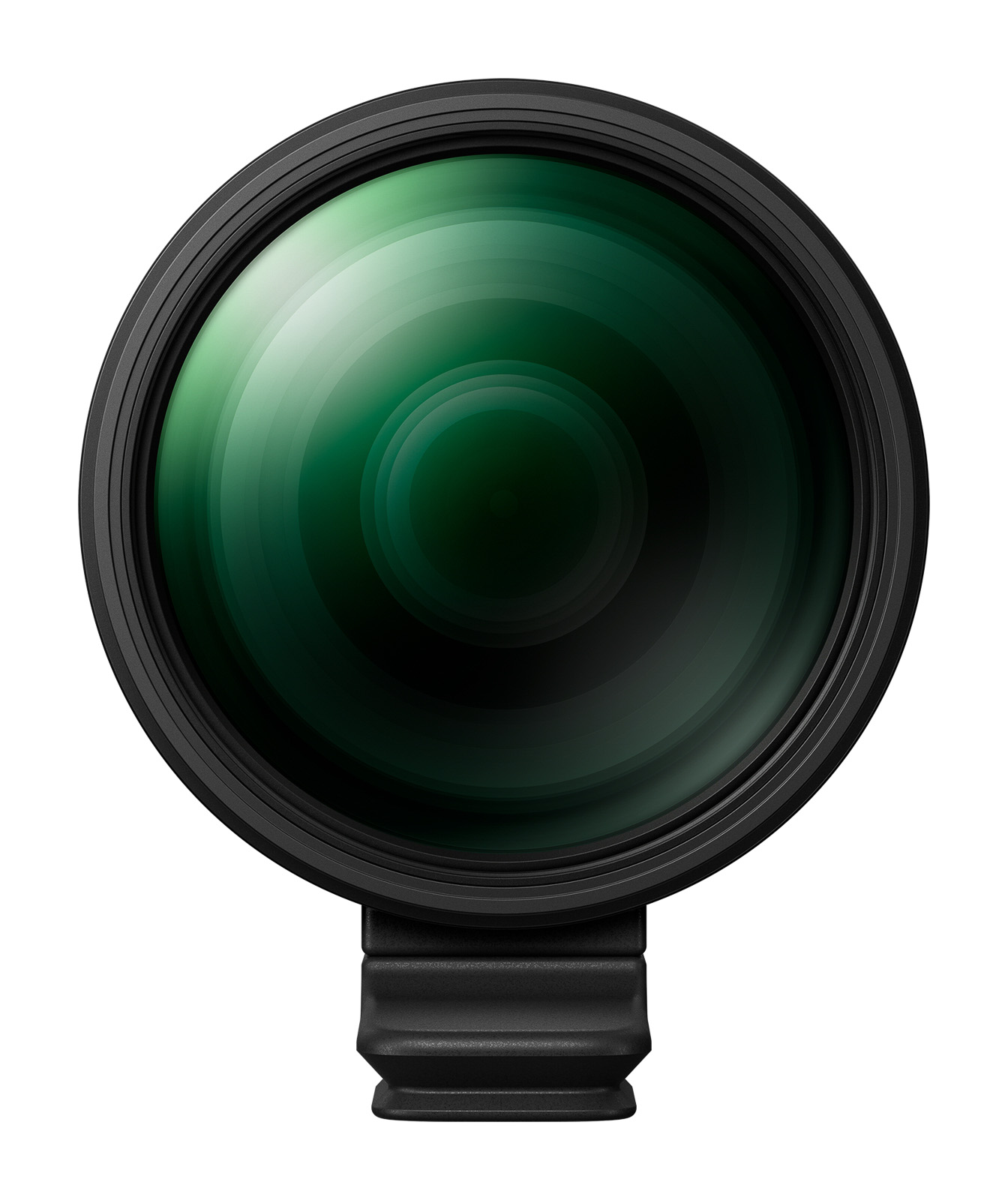
95mm filter thread
Arca-Swiss compatible tripod foot
Price: £2,399.99, €2,699.00, $2699.99 US
Availability, late February
Sync IS
While the 150-600 is not a ‘Pro’ moniker lens, it does benefit from Sync IS. This is the smart combination of camera body sensor-shift image stabilisation, and in-lens optical stabilisation.
OM System says, when used with an OM-1 body, up to 7 EV steps of stability are available at 150mm, reducing to 6 steps at 600mm.
Size and weight
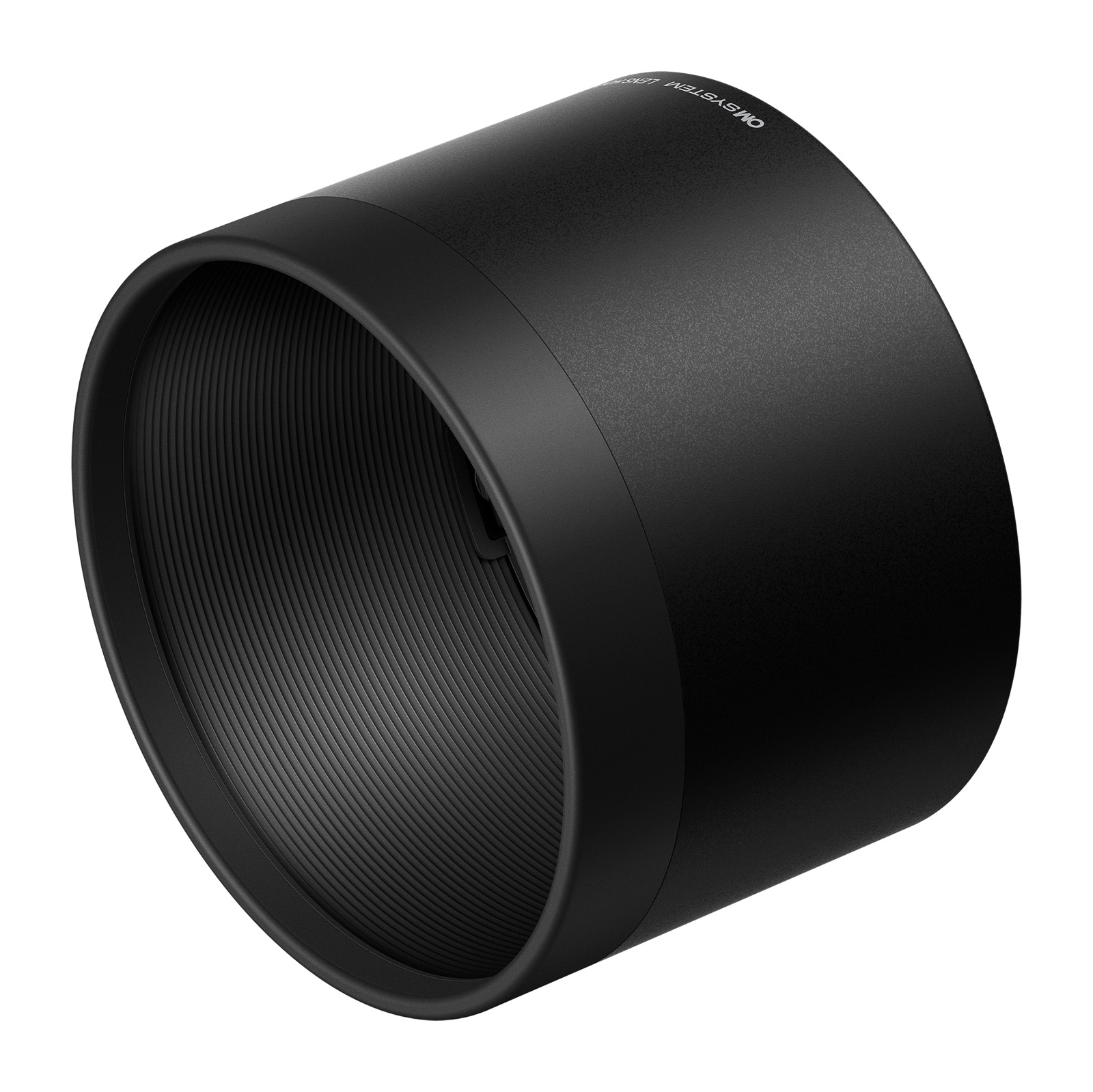
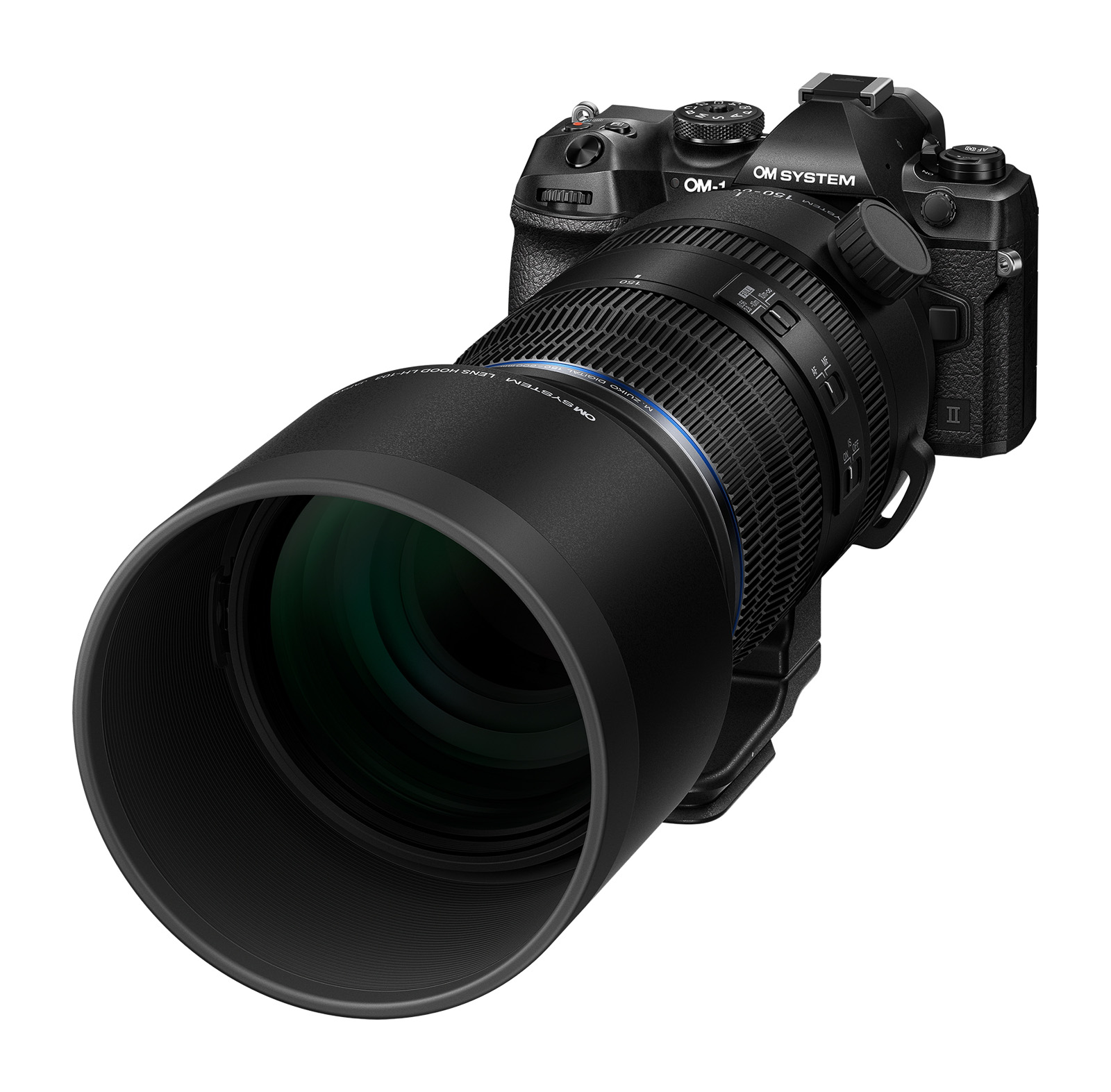
The 150-600 is, understandably, a large and heavy lens, weighing a smidgen over 2kg (without its 151g LH-103 lens hood). Focusing is internal, but the zoom mechanism increases the overall length from 26.4cm by about 10cm at the longer end of the zoom range.
On the following page, we delve into what the features and specifications could add up to.
[nextpage title=”The same, but different”]
There has been a lot of speculation about the origins of the OM System m.Zuiko ED 150-600mm f/5-6.3.
Both Tamron and Sigma have made 150-600mm DSLR zooms for years. More recently, Sigma produced a 150-600mm f/5-6.3, its DG DN OS model, designed specifically for mirrorless cameras.
Comparisons with the Sigma 150-600mm F5-6.3 DG DN OS | Sports (bottom) are inevitable
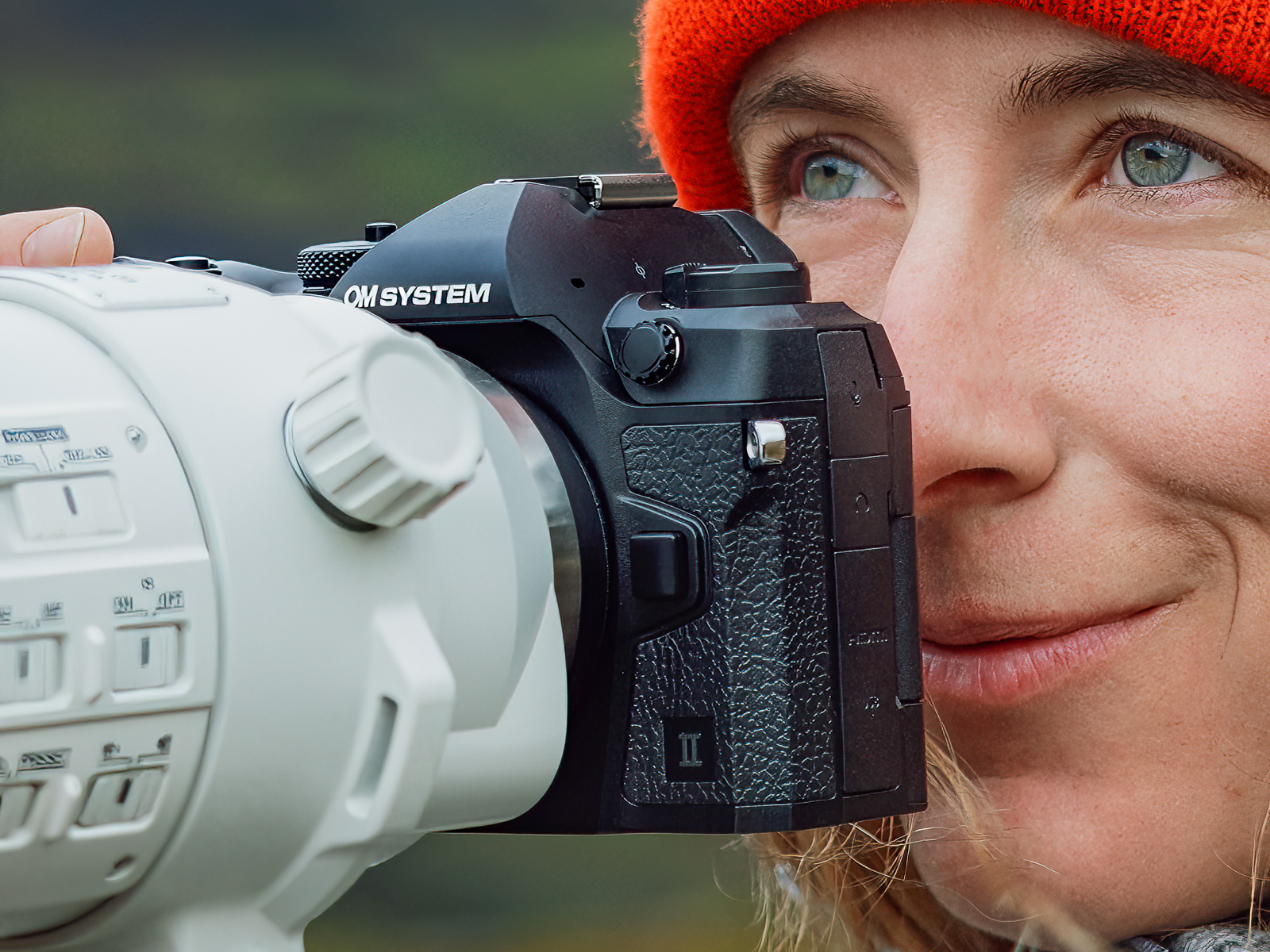
OM System won’t talk about their lens’ provenance, but you only have to look at the exterior appearance to see that it bears more than just a passing resemblance to the Sigma optic. It has very similar dimensions, weight, filter size, external controls, and the same number of lens elements designed into the same number of groups.
But there are some very important differences to consider. The Sigma was designed for full frame sensors. Some adjustment of the optics to optimise for the smaller Micro Four Thirds sensor is only to be expected.
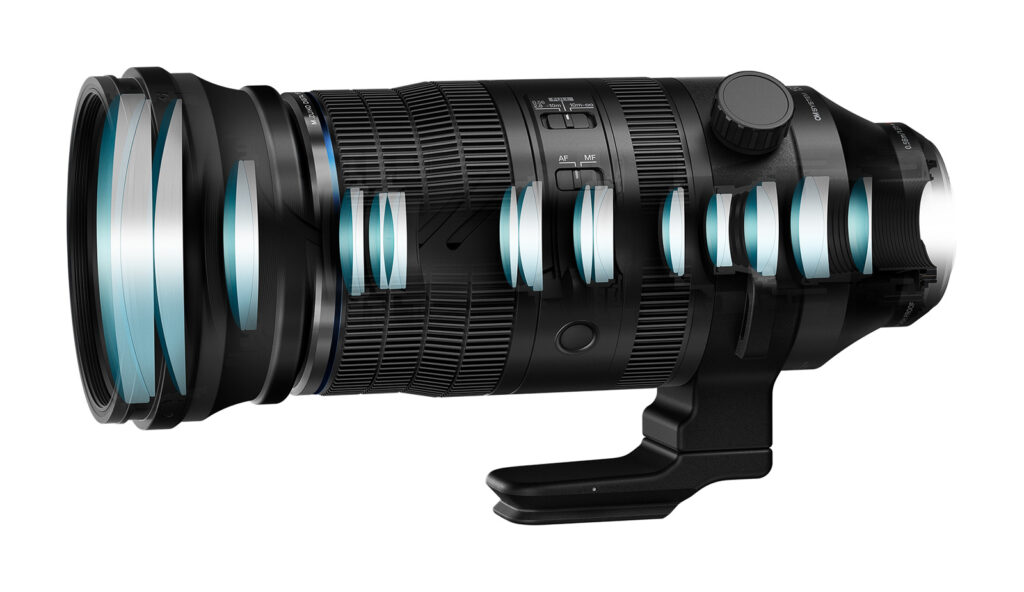
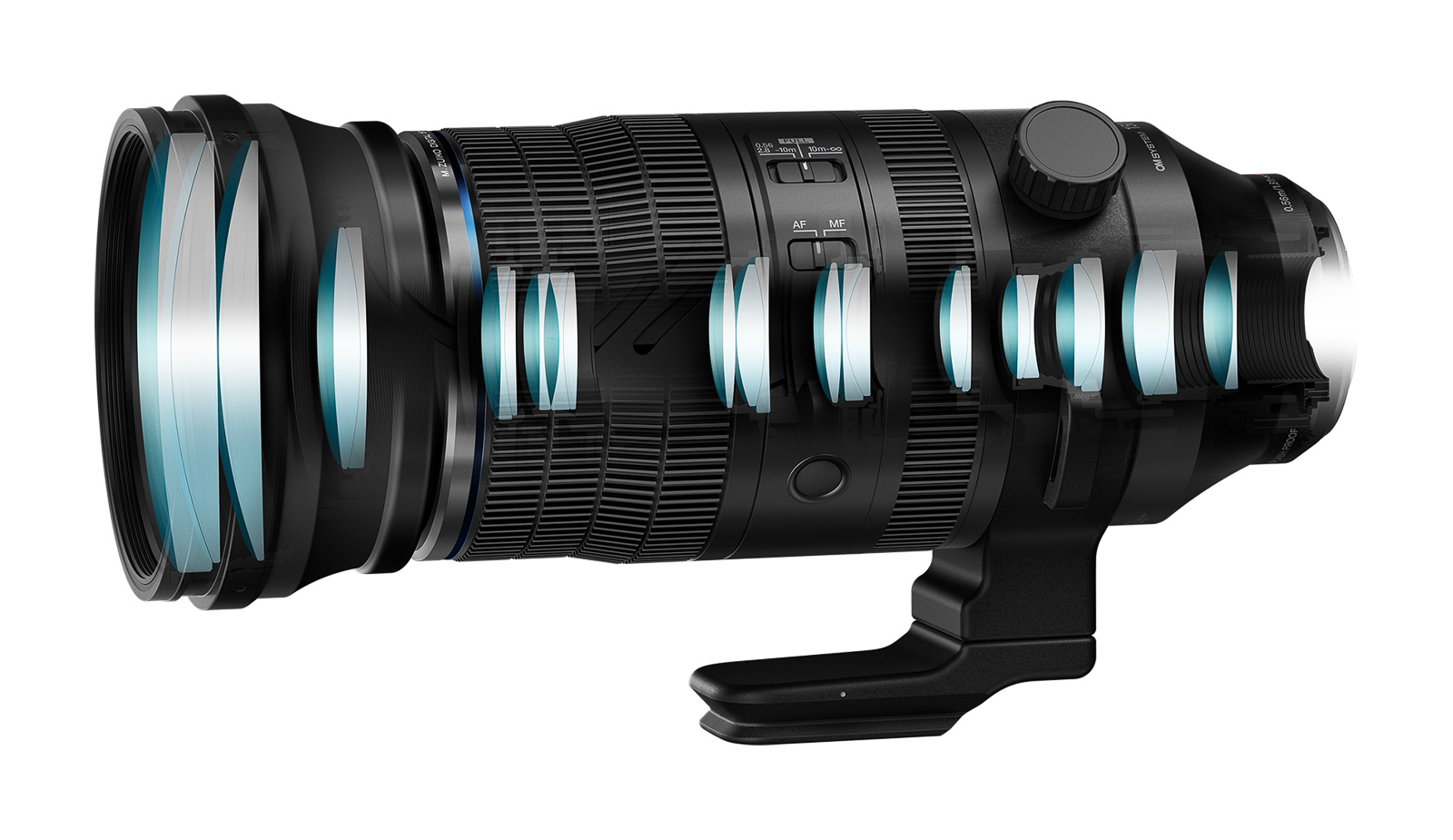
OM Systems’s official specifications list 25 elements in 15 groups, with 4 Super ED lenses, 2 ED lenses, 6 HR lenses and one 1 HD lens. The Sigma is listed as having 25 elements in 15 groups, with 4 FLD and 2 SLD elements. This, of course, could simply be emphasis, on Sigma’s part, of its use of FLD and SLD low dispersion glass. These could, respectively, be Super ED and ED (extra low dispersion) in OM System parlance.
Technical reviews of the Sigma 150-600 sometimes indicate that sharpness towards the corners of the frame isn’t as good as at the centre. Because Micro Four Thirds is a ‘crop’ sensor, we must hope that if there is any corner softness, it lies outside the confines of a Micro Four Thirds frame.
Sigma says its lens features a “highly effective dust and splash resistant structure with special sealing at the mount connection, manual focus ring, zoom ring, and cover connection.” We can only guess, but OM System appear suggest a more determined approach to environmental sealing, and Sigma doesn’t give any industry standard rating for effectiveness, while OM System quote IPX1.
Most significantly of all, OM System decided to endow the 150-600 with full Sync IS, which makes the in body sensor image stabilisation (IBIS) work optimally, over 5 axes, in tandem with the optical image stabilisation built into the lens. Sync IS is featured in high-end m.Zuiko lenses, like the 300mm f/4 Pro and the 150-400mm f/4.5 Pro, but the 100-400mm f/5 does not.
The proof will be in the pudding, as they say. I’m told that the 150-600 is very sharp, right up to 600mm. Sigma’s 150-600 covers the same full frame field of view zoom range as OM System’s more affordable, compact and lightweight 75-300mm f/4.8-6.7 on Micro Four Thirds. A 150-600 on Micro Four Thirds is aimed at photographers who need exceptional long-distance reach. You can photograph birds in flight, hand held, with a 300mm, on Micro Four Thirds. Perhaps the 150-600 will be resting on its Arca-Swiss foot in a hide more often than not? And we haven’t even explored the possibilities of using the MC-14 and MC-20 converters.
Certainly, the inevitable reviews, especially in the field, will be highly interesting. Meanwhile, a little nugget for you – a Canon RF 1200mm f/8 ultra telephoto is twice as long as the 150-600, over 50% heavier, is 1.3 stops less bright and doesn’t even offer you the convenience of zooming out. It also costs nearly £20,000.
To see the latest discussions on today’s news, check out our famously informative and friendly discussion forum.
On the next page we have OM System’s specifications for the 150-600.
[nextpage title=”Specifications”]
M.ZUIKO DIGITAL ED 150-600mm F5.0-6.3 IS
Focal Length 150-600mm
35mm Equivalent Focal Length 300-1200mm
Lens Construction 25 elements in 15 groups
(4 Super ED lenses, 2 ED lenses, 6 HR lenses, 1 HD lens)
Splashproof Type / Dustproof “IEC Standard publication 60529 IPX1
(applies when the lens is used with OMDS splashproof Body) / Dustproof construction”
Angle of View 8.2 degrees – 2.1 degrees
Closest Focusing Distance Wide:0.56m / Tele:2.8m
Maximum Image Magnification Wide:0.35x / Tele:0.20x
This website uses cookies to improve your experience. We'll assume you're ok with this, but you can opt-out if you wish. AcceptRejectRead More
Privacy & Cookies Policy
Privacy Overview
This website uses cookies to improve your experience while you navigate through the website. Out of these, the cookies that are categorized as necessary are stored on your browser as they are essential for the working of basic functionalities of the website. We also use third-party cookies that help us analyze and understand how you use this website. These cookies will be stored in your browser only with your consent. You also have the option to opt-out of these cookies. But opting out of some of these cookies may affect your browsing experience.
Necessary cookies are absolutely essential for the website to function properly. This category only includes cookies that ensures basic functionalities and security features of the website. These cookies do not store any personal information.
Any cookies that may not be particularly necessary for the website to function and is used specifically to collect user personal data via analytics, ads, other embedded contents are termed as non-necessary cookies. It is mandatory to procure user consent prior to running these cookies on your website.